 EN
EN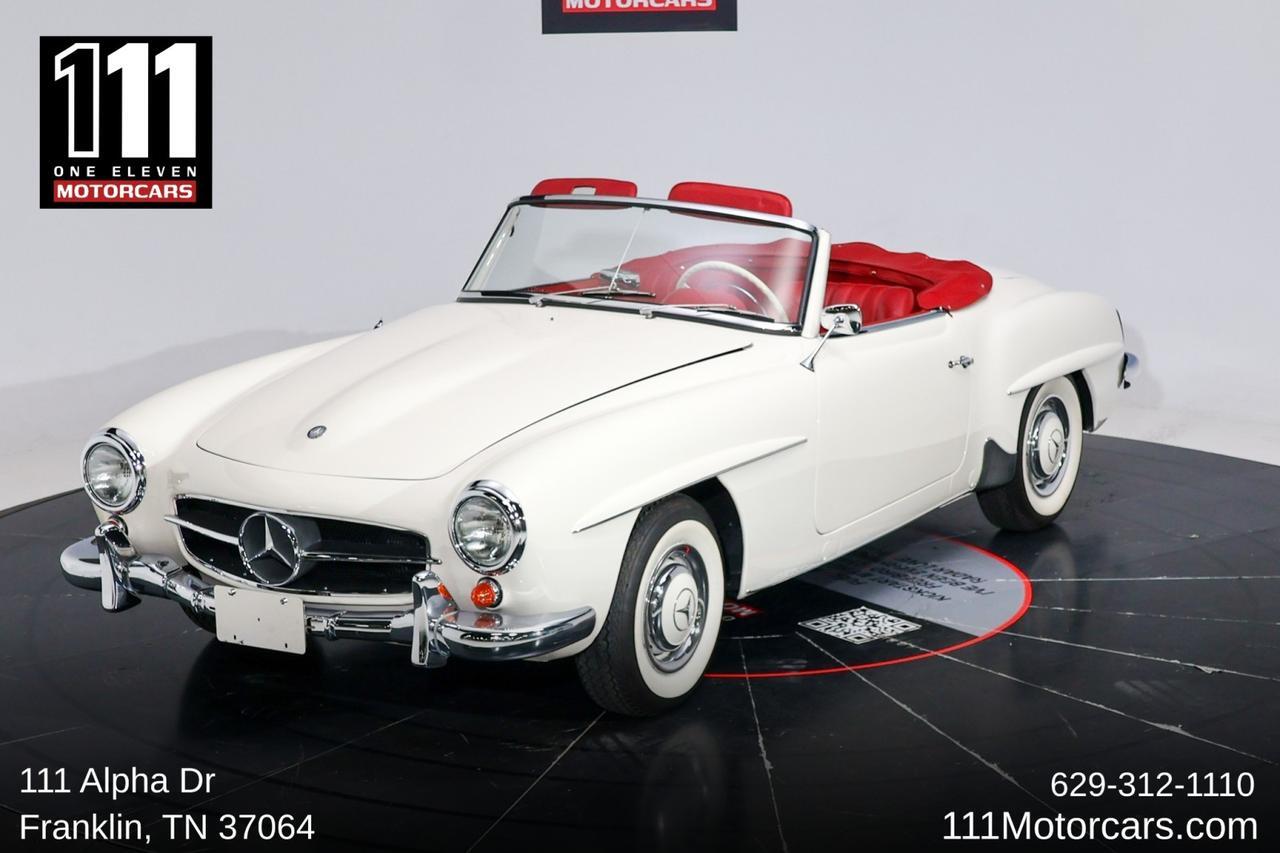
129.981 US$
gasoline, automatic, 121K km, cabriolet, white, 190SL, Used condition

111motorcars.com
 Franklin, United States
 Franklin, United States
 Tampa, United States
The Mercedes-Benz 190 (W201) remains a classic choice for buyers who value timeless design, solid engineering, and comfortable driving dynamics. If you’re searching for a reliable vintage sedan or considering an upgrade to a well-preserved example, understanding the key factors—brand heritage, generation details, and practical considerations—helps you make a smart decision. Here we explore what to look for when buying or selling a Mercedes-Benz 190 (W201), how to compare listings, and where to focus your negotiations in your city.
If you’re putting a W201 on the market, emphasize maintenance history, authenticity, and any documented restorations. High-quality photos of the exterior, interior, engine bay, and undercarriage help attract buyers, while a clear description of condition, upgrades, and included service records boosts credibility. Be prepared to discuss ownership history, recent maintenance, and potential upcoming service needs.
Finding the right Mercedes-Benz 190 (W201) in your city involves balancing nostalgia with practical considerations. Whether you’re buying for daily use, weekend drives, or as a collectible, clear criteria, honest listings, and a thorough inspection will help you reach a confident decision.
 Add as preferred sourceSee more from zvelta in Google Search Add as preferred source