EN
ENDEALER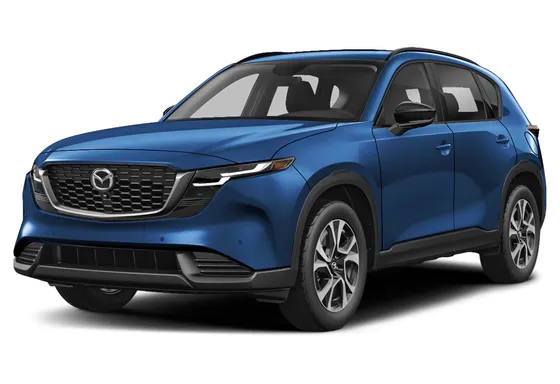
38.073 US$DEALER
36.330 US$
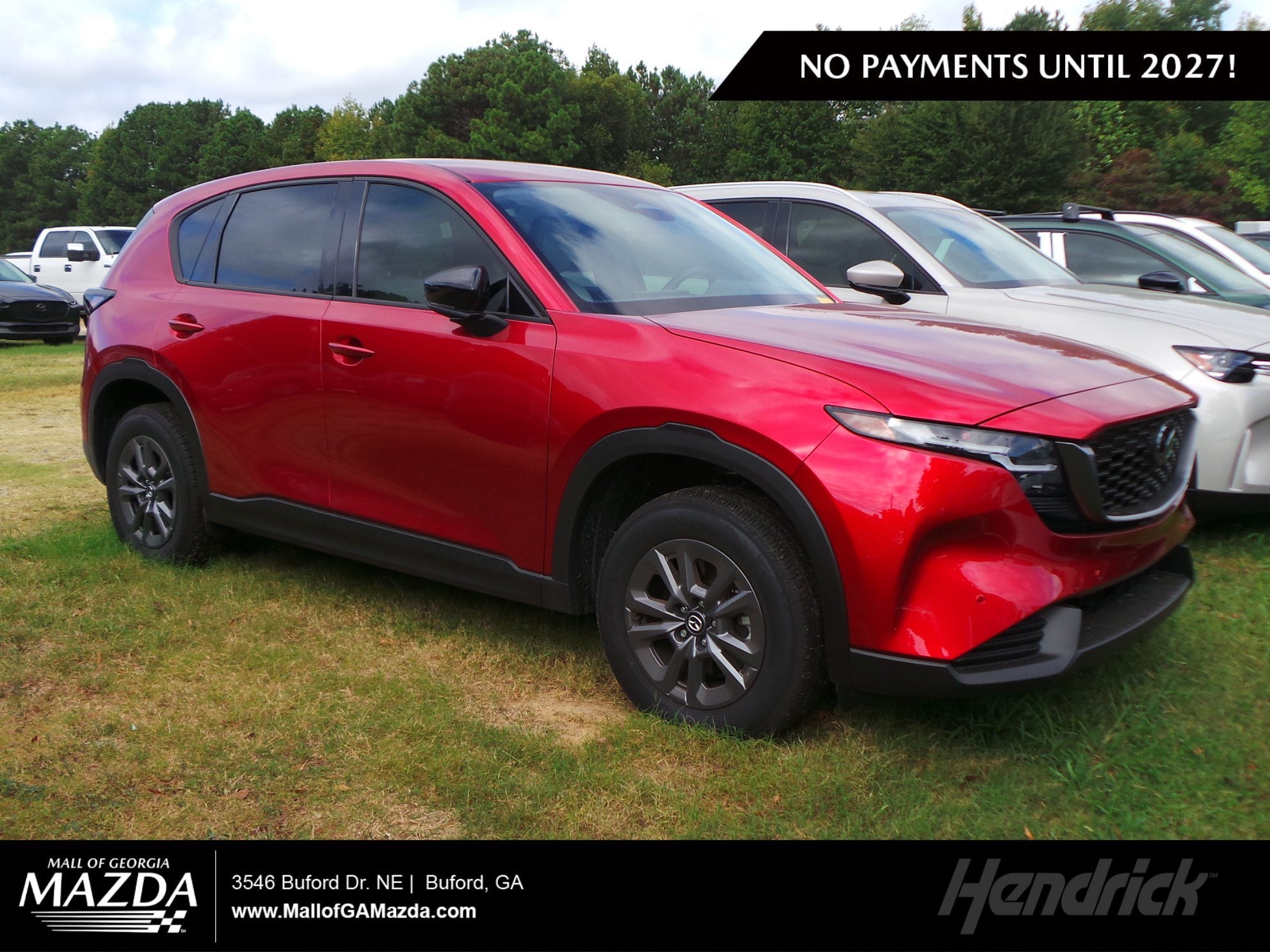
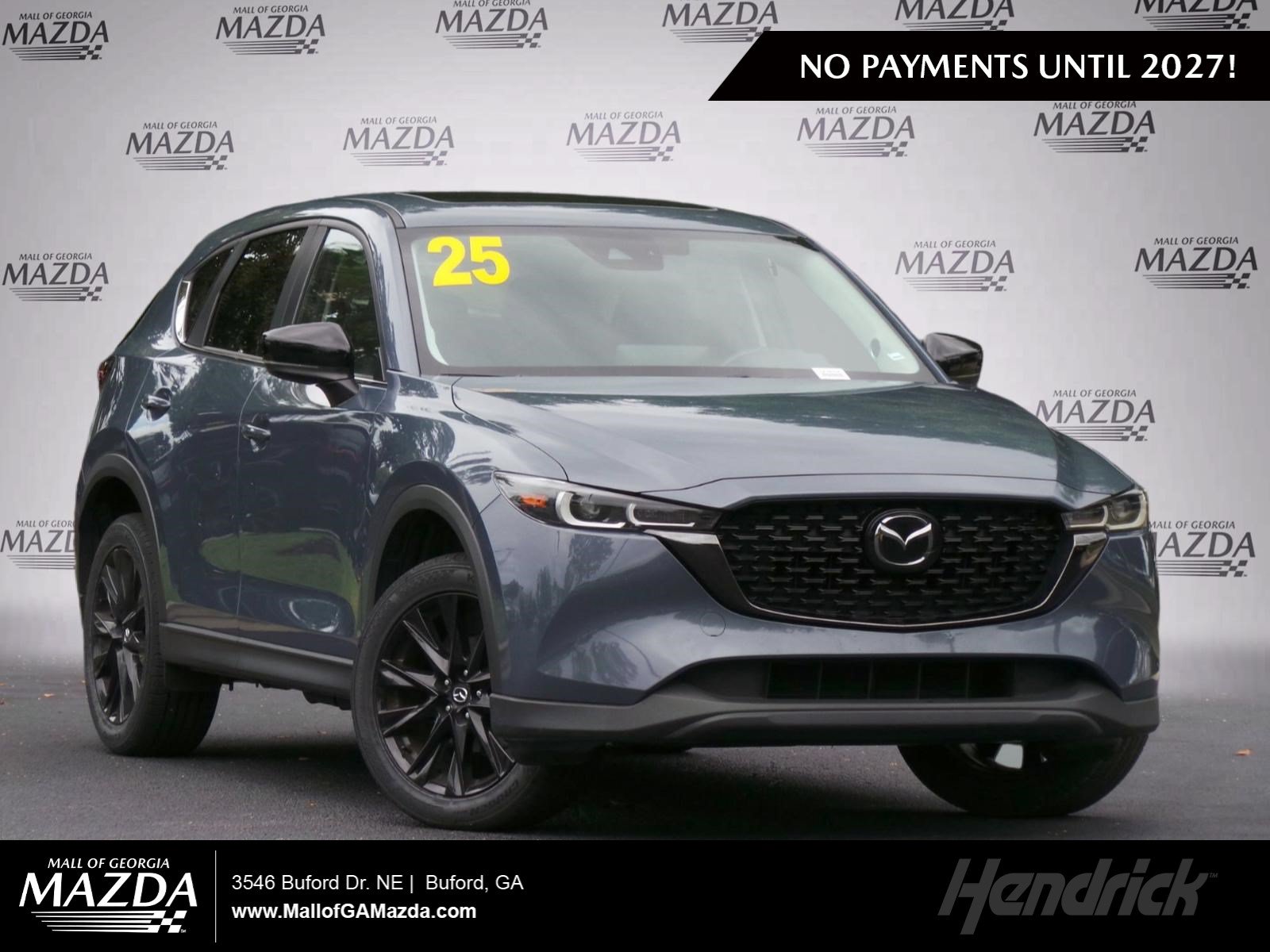
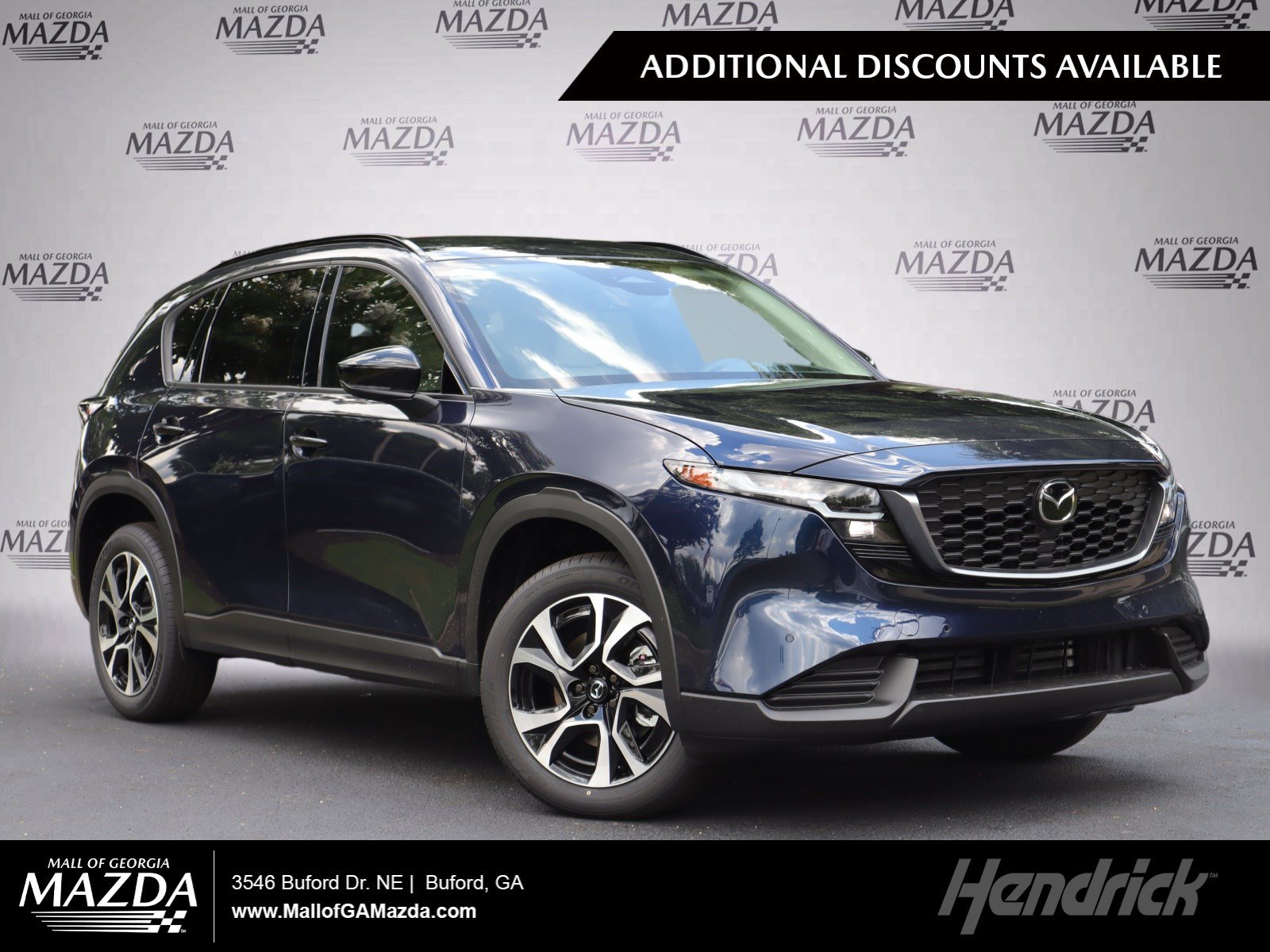
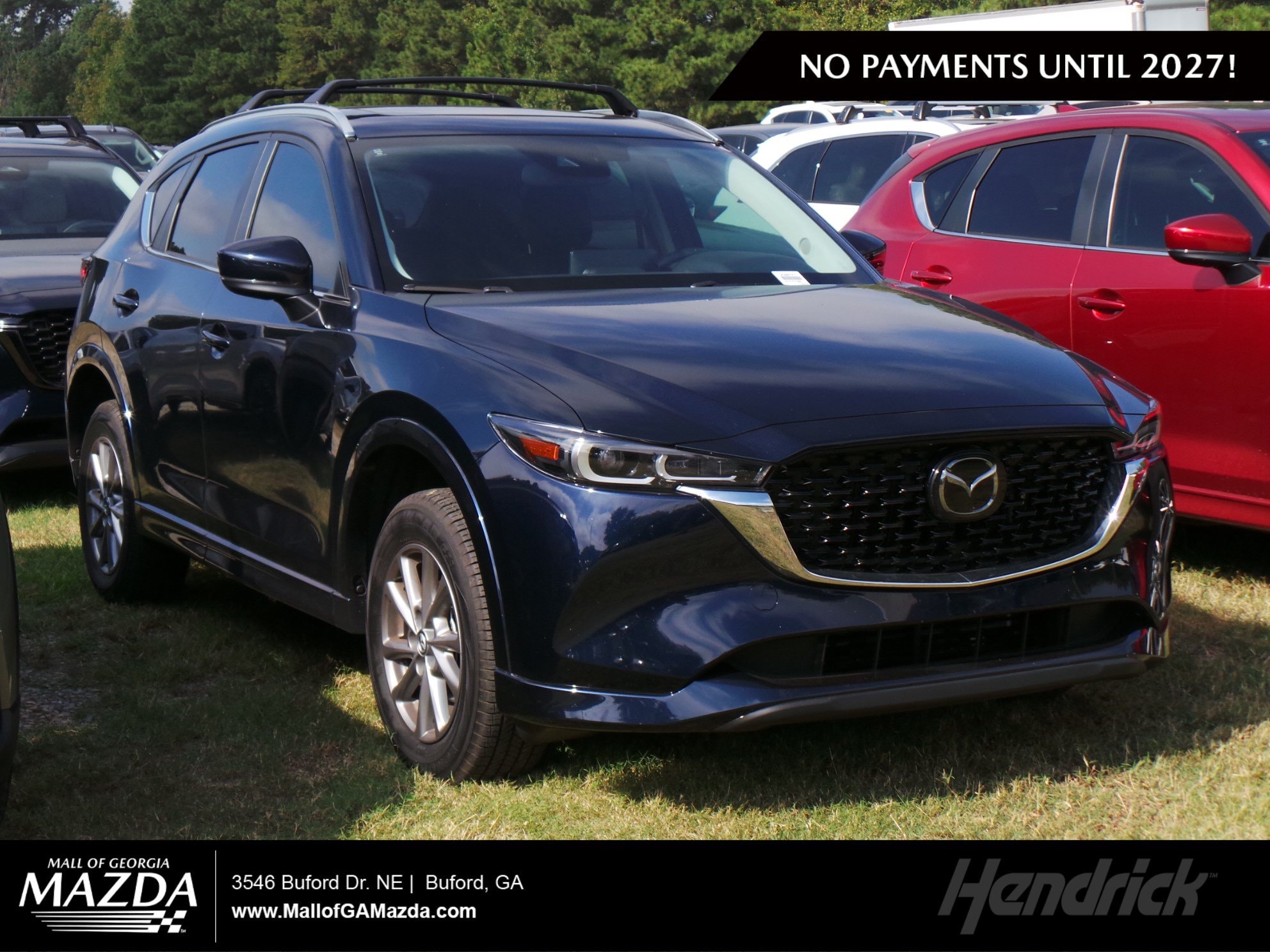
Mazda: CX-5, gasoline, automatic, SUV, All Wheels Drive, 2,500 cm3, 187 hp, blue, 2.5 S Preferred, New condition, Japan, In stock

HendrickCars.com
 Buford, United States
 Buford, United States
 Buford, United States
 Buford, United States
 Buford, United States
 Buford, United States
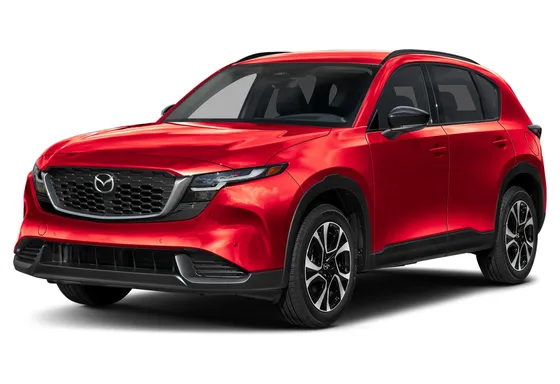 Buford, United StatesBuford, United StatesBuford, United StatesBuford, United StatesBuford, United StatesBuford, United StatesBuford, United StatesBuford, United StatesBuford, United StatesBuford, United StatesBuford, United StatesBuford, United StatesBuford, United StatesBuford, United StatesBuford, United StatesBuford, United StatesBuford, United StatesBuford, United StatesBuford, United StatesBuford, United States
Mazda CX-5 stands as a popular compact SUV choice for drivers seeking a balance of practicality, efficiency and driving pleasure. Whether you’re in a bustling city or a quieter suburb, knowing the differences between generations, engine options, and typical price ranges can help you make a smarter decision when buying or selling. This guide focuses on the Mazda CX-5, highlighting its development, common configurations, and practical tips for sourcing a vehicle in common markets.
The CX-5 has been offered in multiple generations, with improvements in comfort, tech and efficiency over time. Pros often cited by buyers include a refined ride, strong safety features, and a well-appointed cabin. Common body styles include the compact SUV form with five seats and a practical cargo area, suitable for daily commuting and weekend trips alike. When evaluating a CX-5, pay attention to the year and mileage, as well as the trim level, since these influence equipment and value in different markets.
When comparing CX-5 generations, consider:
If you’re selling a CX-5, emphasize recent maintenance, proof of service, and any up-to-date safety or tech upgrades. For buyers, a pre-purchase inspection can uncover potential issues representative of the specific generation you’re considering.
Prices and availability for the Mazda CX-5 vary by market. In many urban areas you’ll find a healthy mix of used CX-5s from recent generations, often priced to reflect mileage and condition:
When determining a fair price, compare listings with similar mileage, year, and trim. Look for vehicles with complete service records, a clean title, and no signs of flood or accident history. If you’re selling, consider offering a detailed history report and noting recent maintenance items like brake service, tires, or transmission checks.
This guide is designed to help you navigate the Mazda CX-5 market with clarity, whether you’re buying your next SUV or preparing a vehicle for sale in a local market.
 Add as preferred sourceSee more from zvelta in Google Search Add as preferred source