 EN
ENDEALER
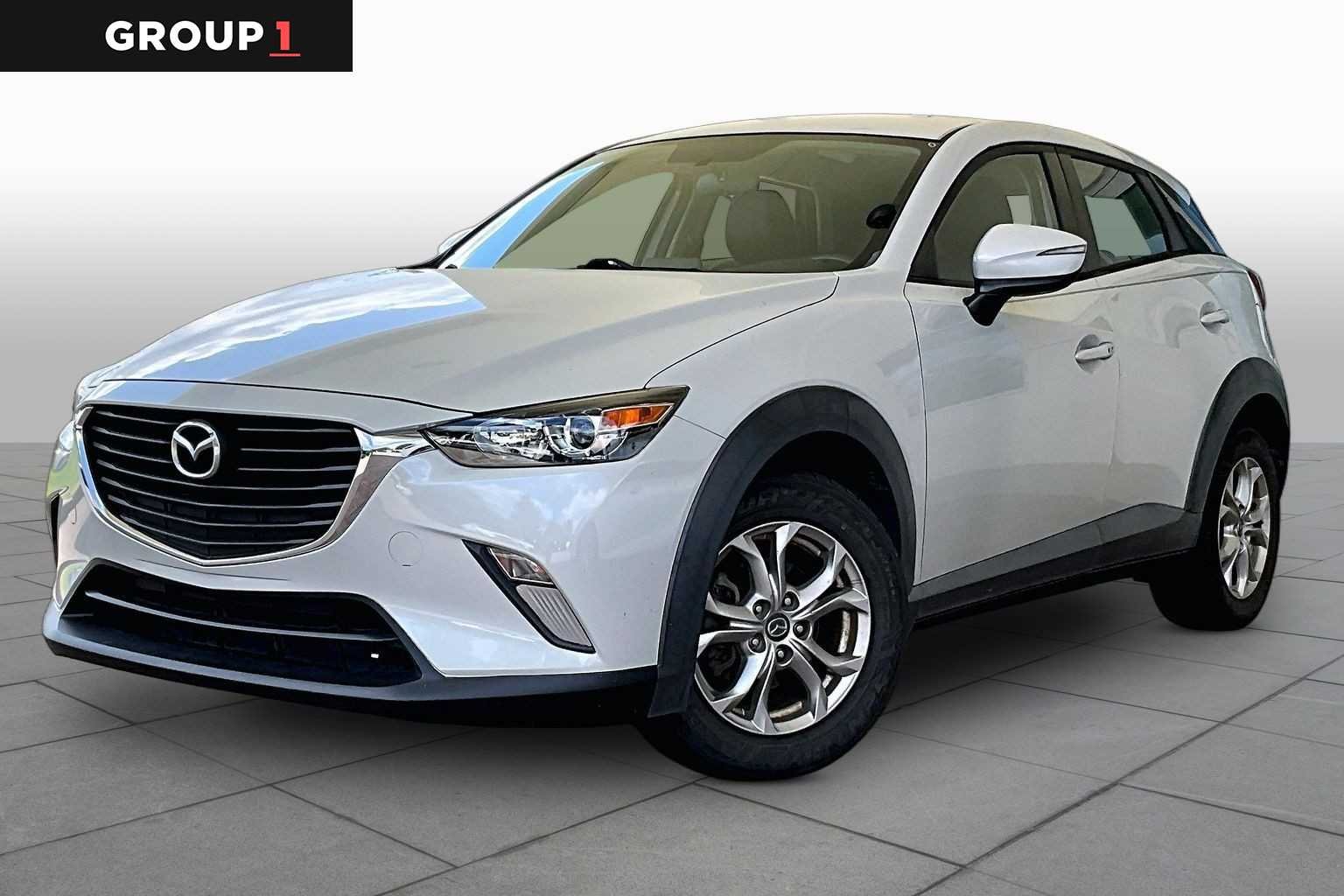
8.695 US$DEALER
8.995 US$
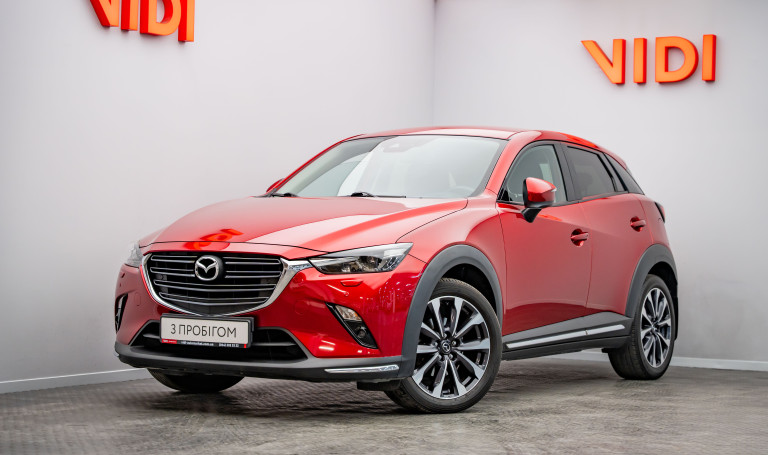
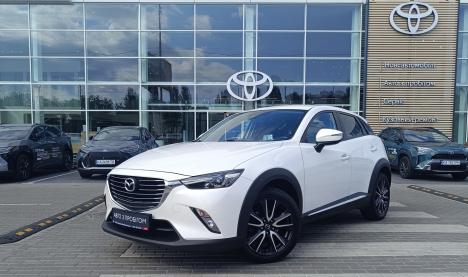
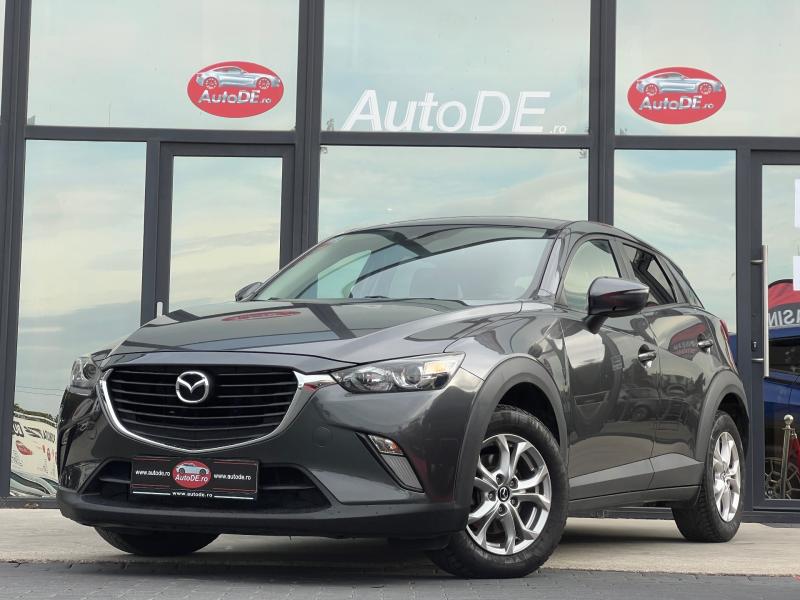
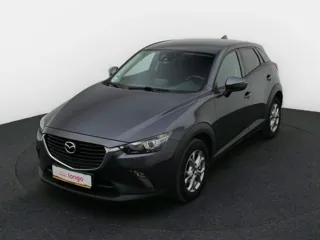
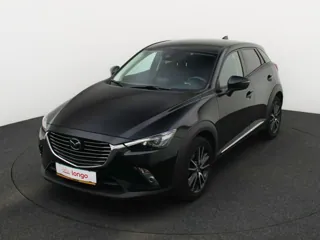
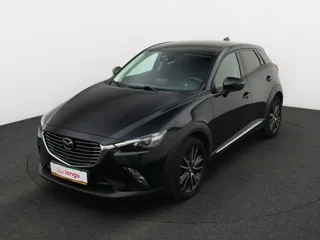
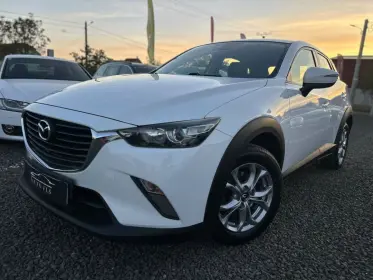
gasoline, automatic, 264K km, SUV, Front Wheels Drive, 2,000 cm3, 146 hp, silver, Used condition, USA, In stock

Group1Auto.com
 Lot, United States
 Lot, United States
 Durham, United States
 United States
 United States
 United States
 Ira, United StatesIra, United StatesIra, United States
 East Las Vegas, United StatesRoseville, United States
 Brdyujście, Poland
 Miškiniai, Estonia
 Torņakalns, Latvia
 Miškiniai, Lithuania
 Romania, Arad County
 Arad, RomaniaRomania, Timiș County
 Romania, Cluj County
 Romania, Mureș County
 Romania, Suceava
 Sofiyivska Borschagivka, UkraineSofiyivska Borschagivka, Ukraine
 RomaniaRomania
 Romania
Mazda CX-3 aficionados and prospective buyers often start with a simple question: is the Mazda CX-3 the right compact SUV for my daily routine? Whether you’re in a major city or a smaller town, the CX-3 blends stylish design with efficient performance, making it a popular choice in the subcompact SUV segment. In this guide, we’ll walk through generations, engines, body styles, and practical considerations to help you buy or sell a CX-3 with confidence.
The CX-3 first appeared as a nimble entry into Mazda’s SUV family and quickly built a reputation for agile handling and a premium-feeling interior. When shopping for a CX-3, buyers typically consider the year, mileage, and trim level, as these affect both price and feature availability. Common generations include early models known for their peppy 2.0-liter engines and modern facelifts that brought refined interiors and improved infotainment. For those tracking resale value, newer generations usually command higher prices, while well-maintained examples with modest mileage offer strong value in many markets.
Choosing a Mazda CX-3 involves balancing performance, efficiency, and comfort. Here are practical tips to guide your decision:
Prices for Mazda CX-3s vary by year, mileage, and local demand. In urban areas with strong used-car markets, you may see higher price points for well-maintained models with low mileage. When selling, provide a complete service history, clear photos, and a fair asking price based on comparable listings in your city. If you’re shopping in a specific country or city, compare nearby listings to gauge typical price bands for a given year and mileage. A well-presented vehicle with documented upkeep often attracts more interest and quicker offers.
Pros:
Cons:
If you want more detail on specific model years, trims, or local pricing in your city, tell me your country and city and I’ll tailor price ranges and buying tips accordingly.
 Add as preferred sourceSee more from zvelta in Google Search Add as preferred source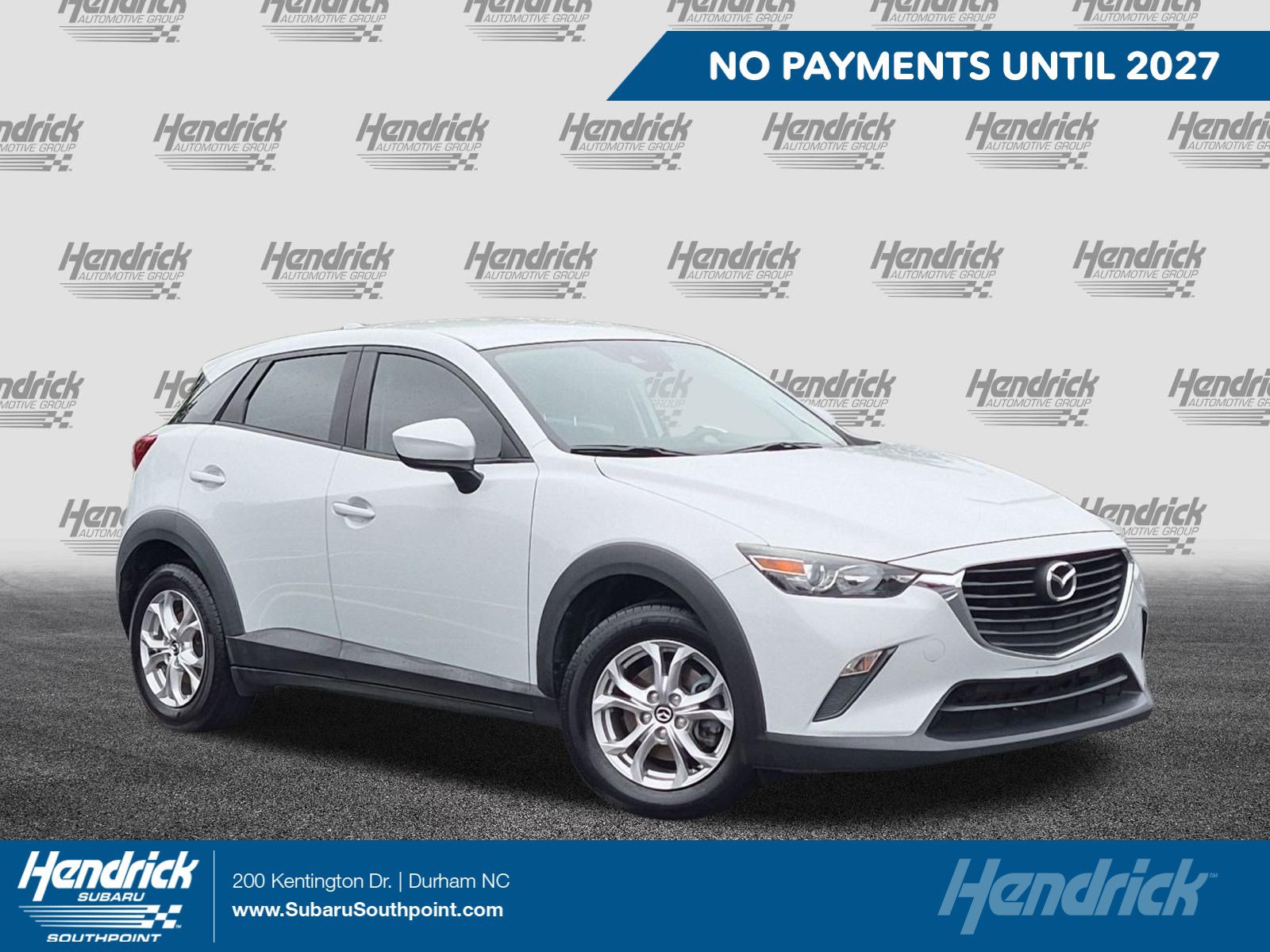




.webp "Mazda CX-3 Diesel")