 EN
ENDEALER
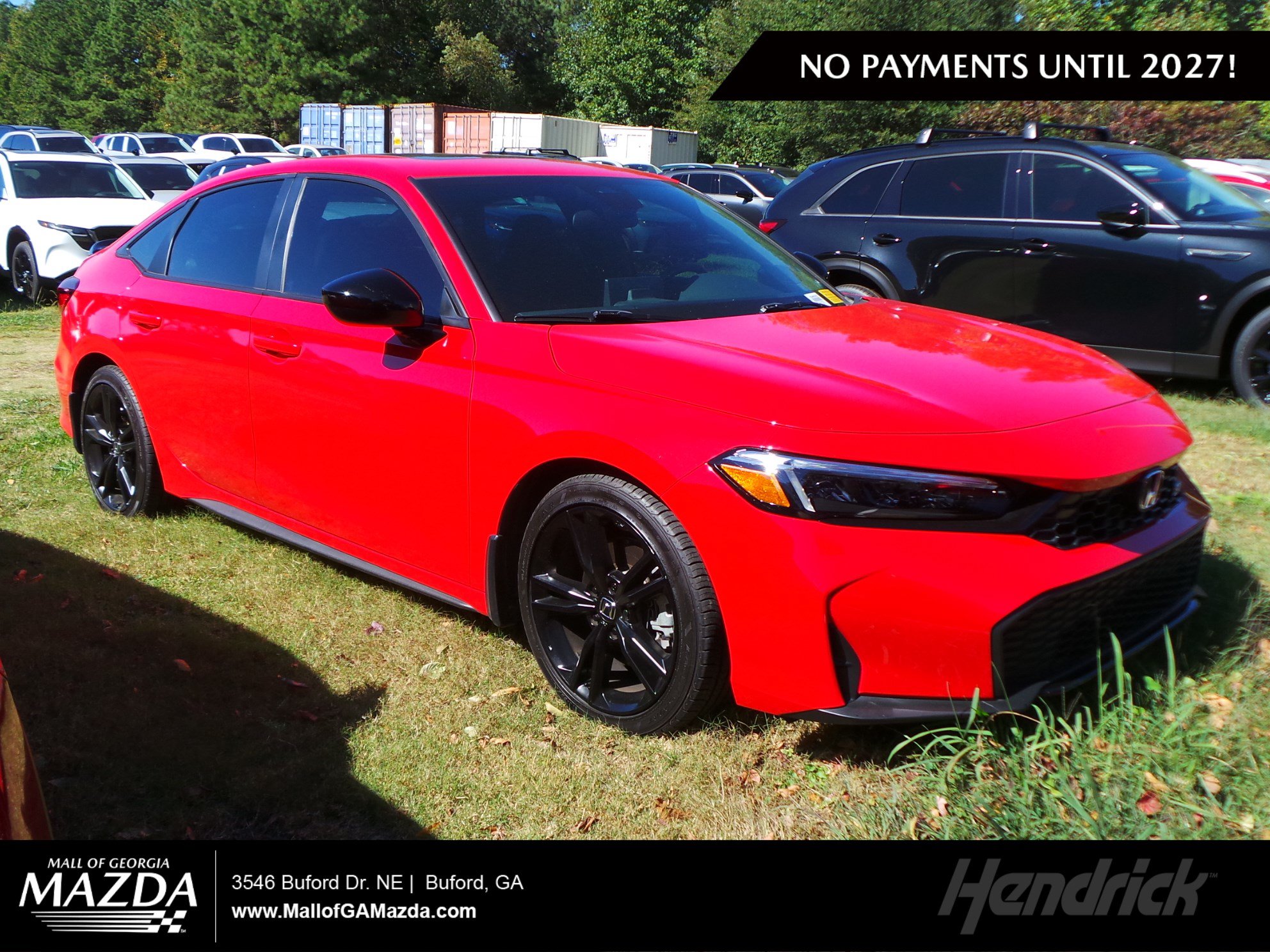
34.937 US$DEALER
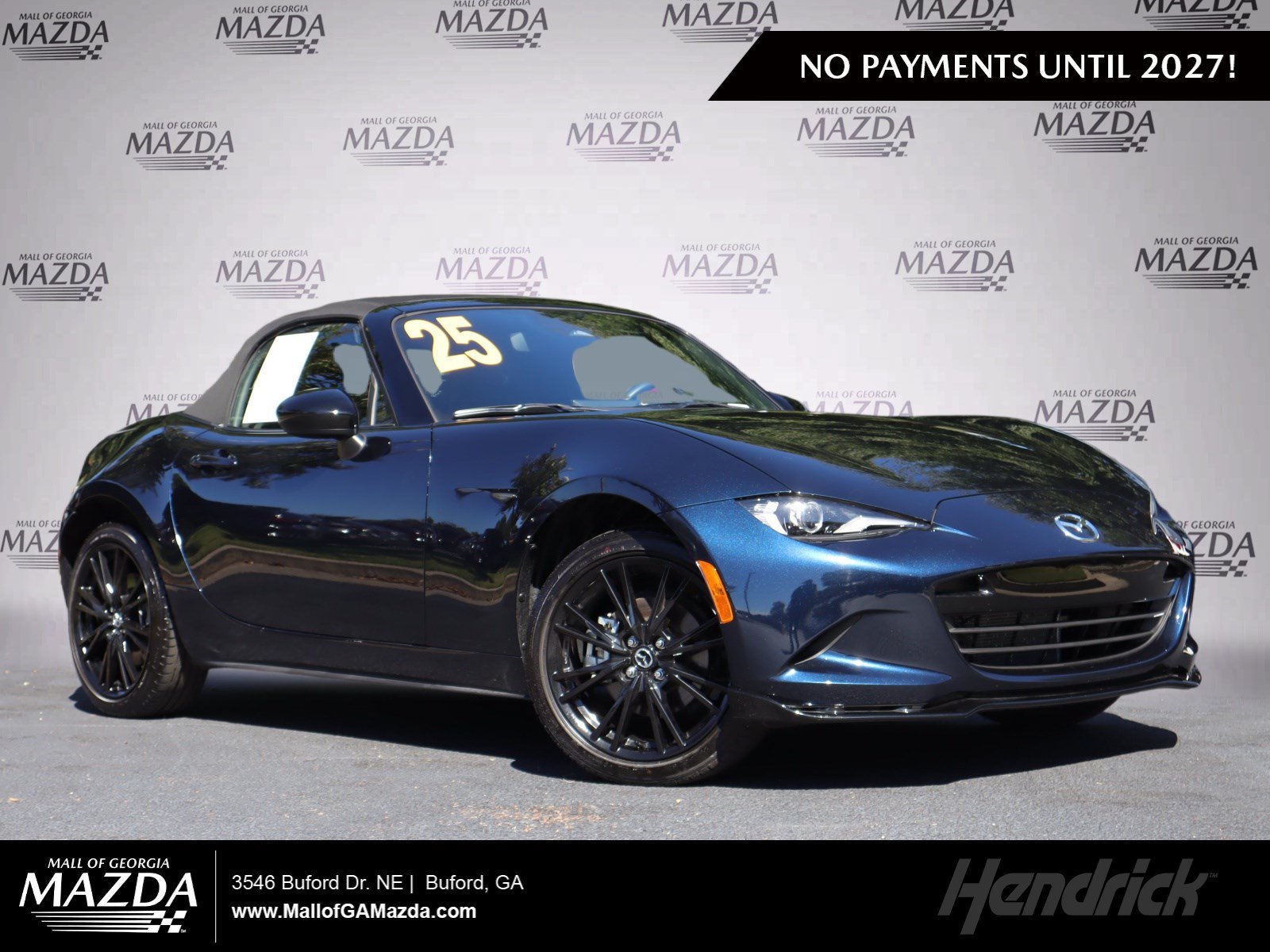
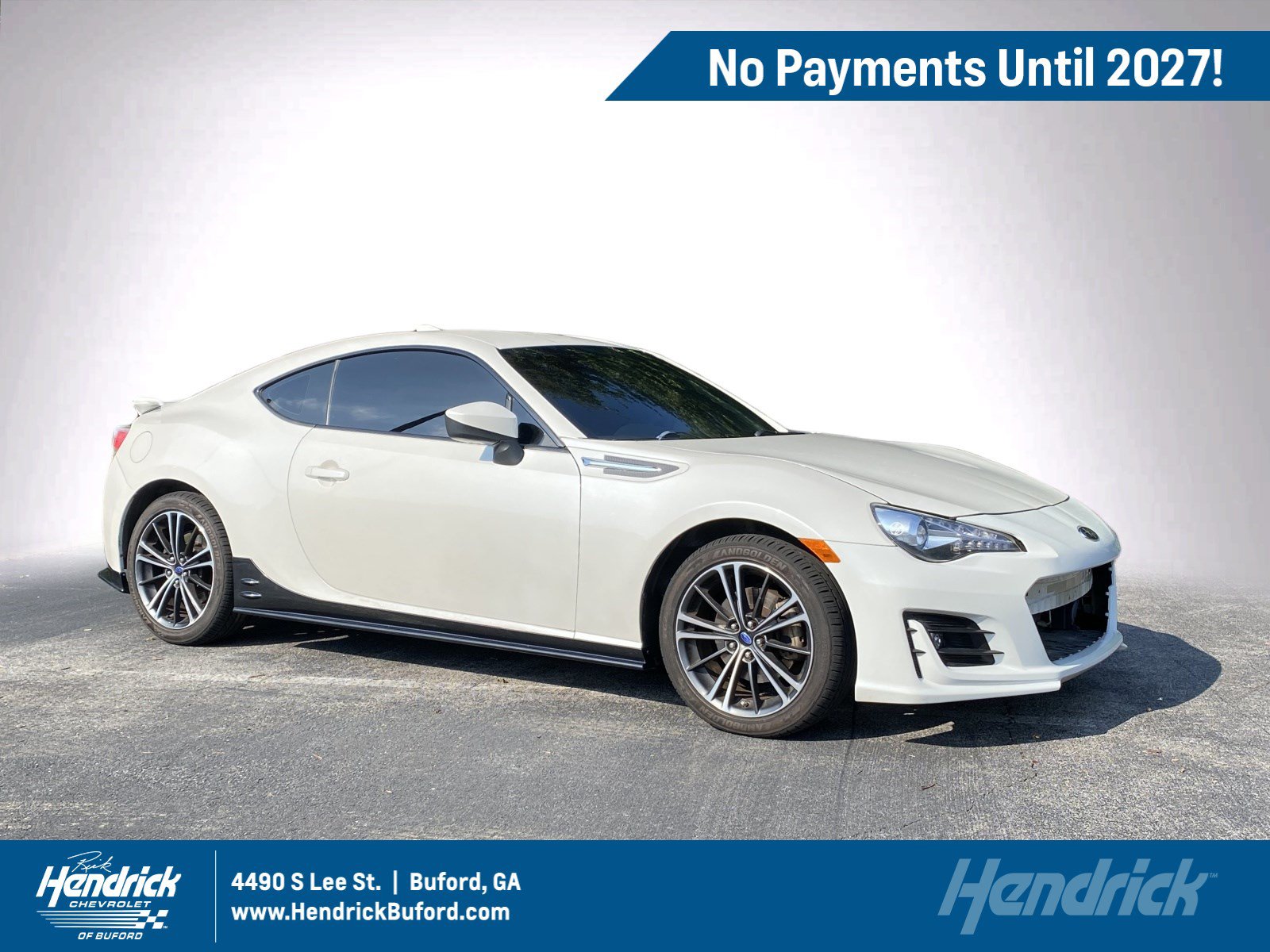
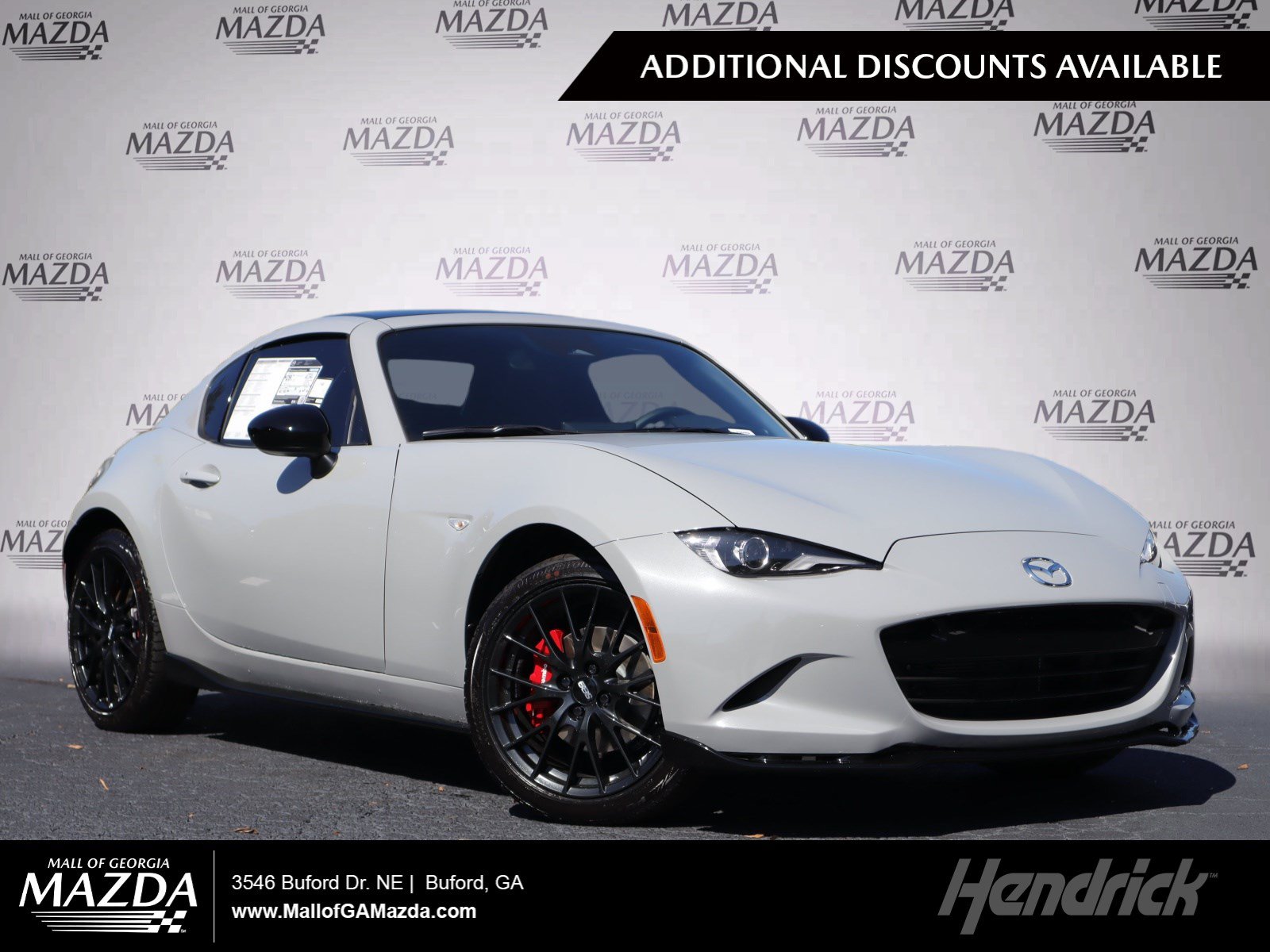
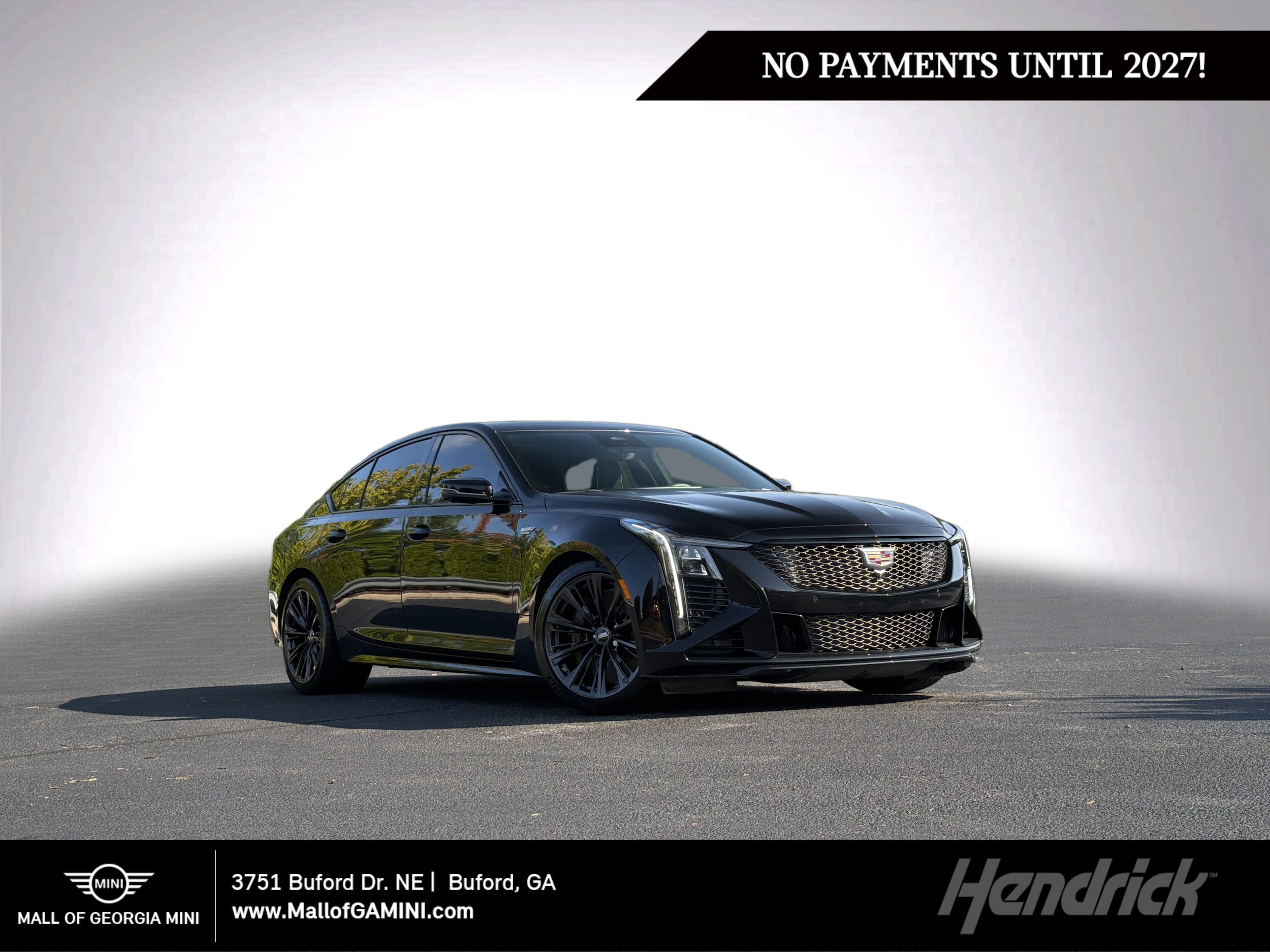
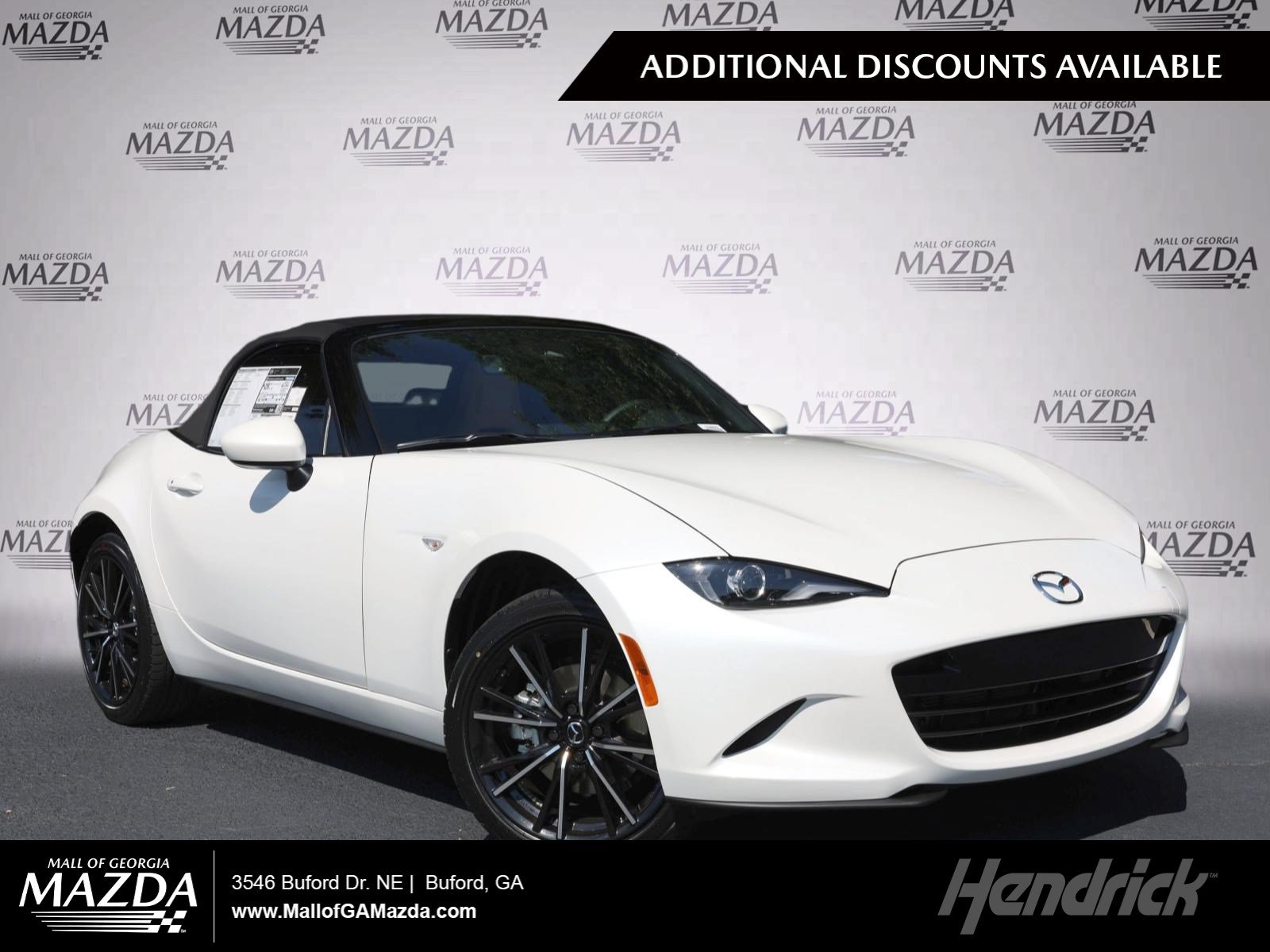
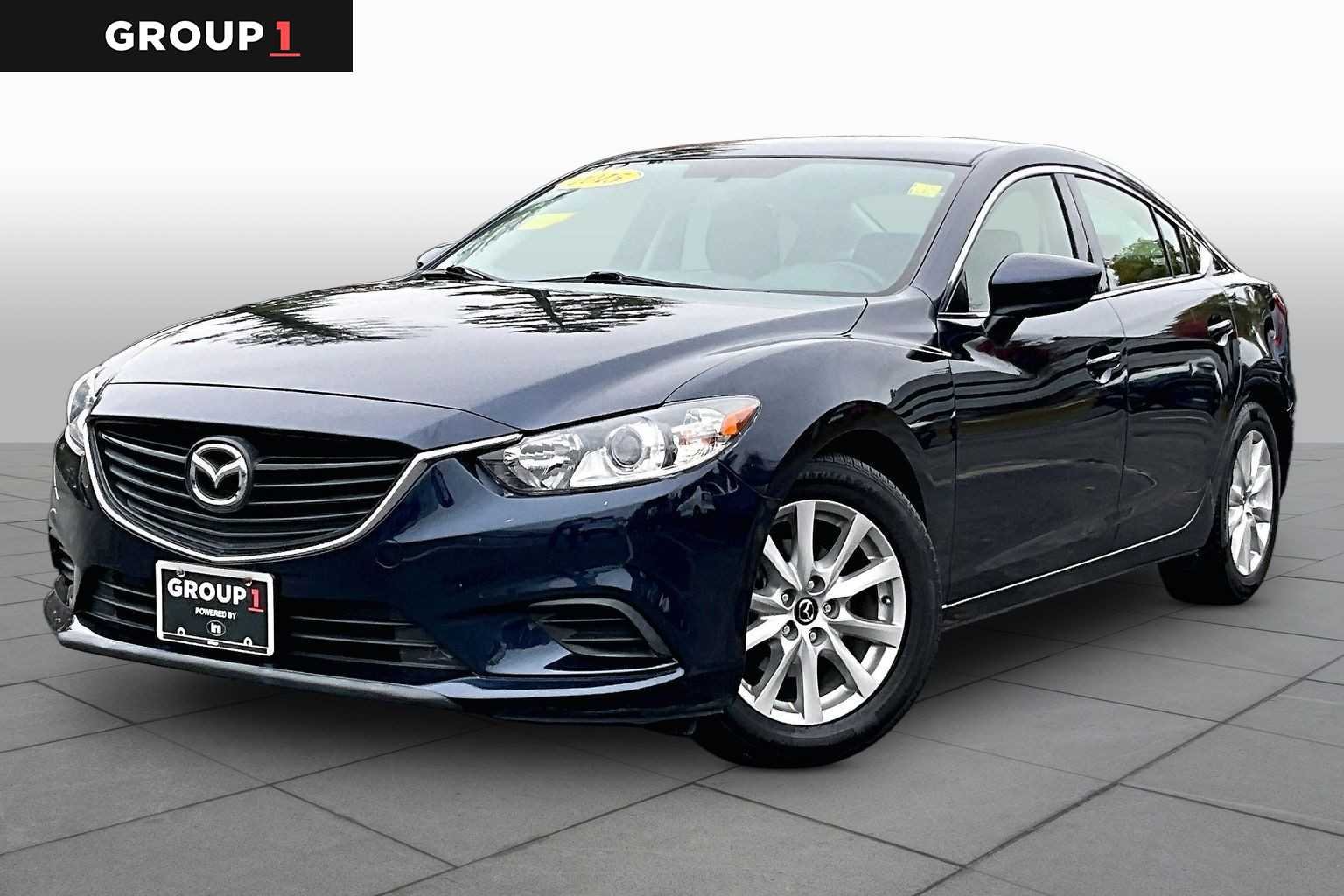
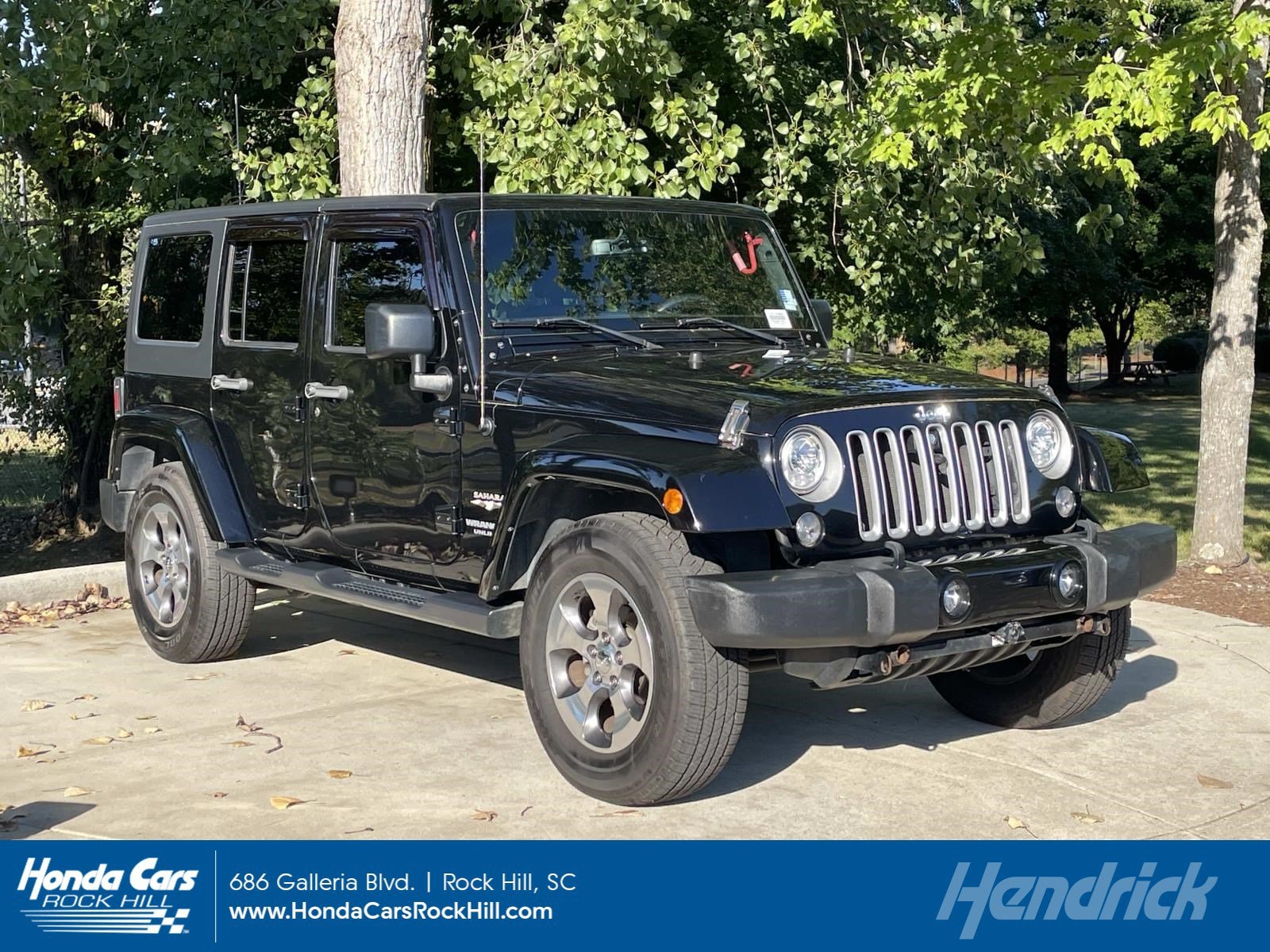
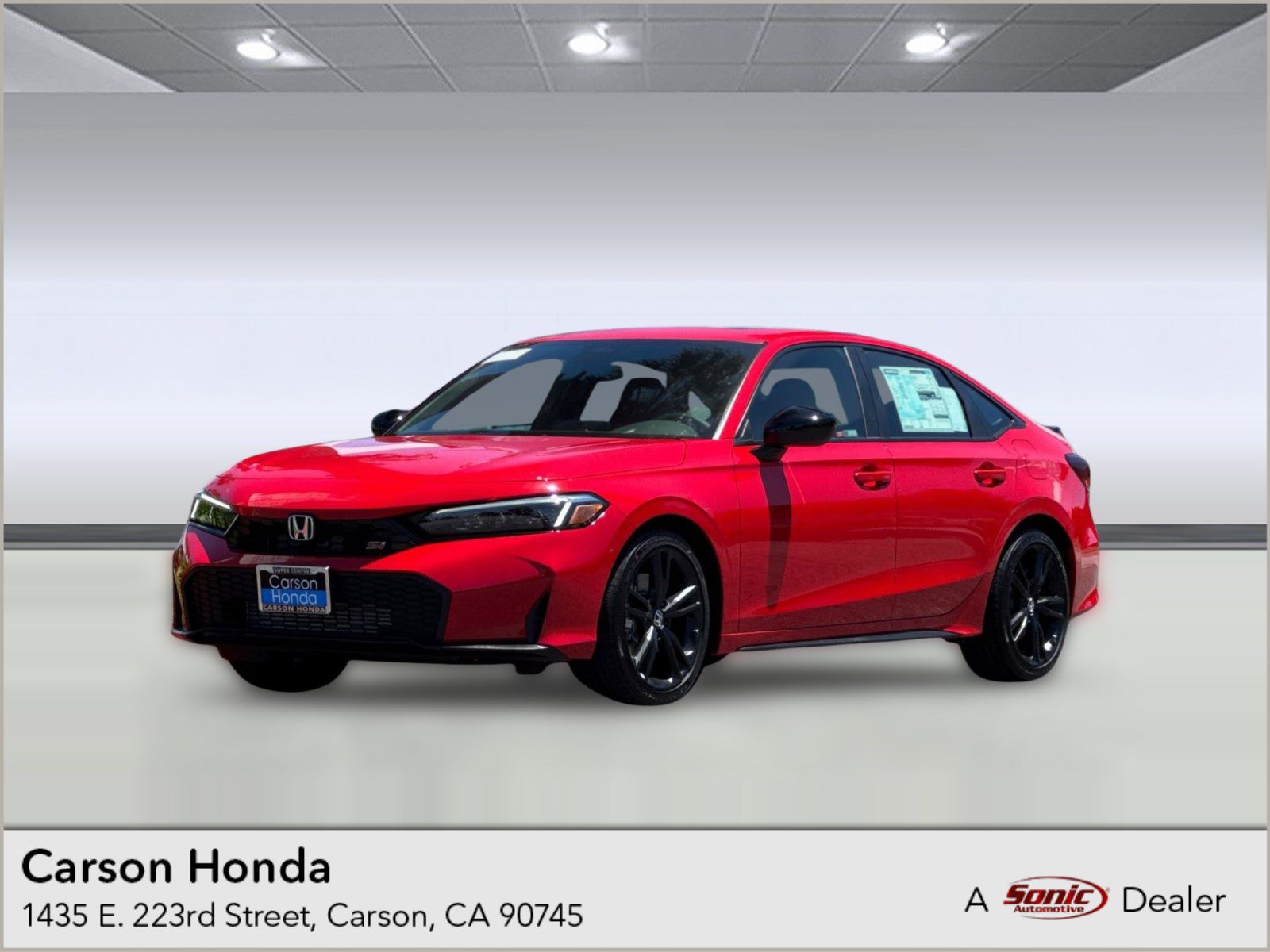
gasoline, manual, 22K km, sedan, Front Wheels Drive, 1,500 cm3, 200 hp, red, Used condition, Canada, In stock

HendrickCars.com
 Buford, United StatesBuford, United StatesBuford, United StatesBuford, United StatesBuford, United StatesBuford, United StatesBuford, United StatesBuford, United StatesBuford, United StatesBuford, United States
 South Shore, United StatesRock Hill, United StatesRock Hill, United StatesRock Hill, United StatesRock Hill, United States
 Carson, United StatesCarson, United StatesCarson, United StatesCarson, United StatesHickory, United StatesHickory, United StatesBrentwood, United StatesBrentwood, United States
 Brentwood, United States
 Wayne, United StatesWayne, United States
If you’re in the market for a car with a manual transmission, you’re probably looking for a vehicle that offers a more engaging driving experience, better control, and often lower purchase prices. This guide helps buyers in your city understand what to expect when shopping for manual cars, how to compare options, and what questions to ask sellers. It also covers practical tips for selling a manual vehicle when you’re ready to move on.
When browsing listings, pay attention to the key details that affect value and driving feel. Common data points include the brand and model, generation, engine type, body style, year, mileage, and known maintenance. For manual cars, the transmission type is essential, but don’t overlook clutch wear, gearbox condition, and how the vehicle has been driven—city commuting vs. highway use can influence wear and pricing. A typical price segment will reflect the model’s popularity, fuel economy, and overall condition.
Manual transmissions often present advantages such as lower upfront cost, simpler tech, and better engine braking. They’re popular among drivers who enjoy a hands-on driving experience and among buyers seeking a more affordable entry point to ownership. On the downside, manual cars can be less convenient in heavy traffic and may have steeper resale dynamics in some markets. To decide, list your priorities: daily drive style, fuel economy, maintenance costs, and how long you plan to own the car.
Start by sorting the basics: brand, model, year, and mileage. Then compare maintenance records, service history, and any aftermarket modifications. Take note of the driving feel: clutch bite, gear engagement, and smoothness. For buyers, it’s smart to test-drive multiple examples to gauge differences between transmission setups and overall responsiveness. For sellers, preparing a clear service history and recent maintenance can improve buyer confidence.
Buying a manual car in your city can be a rewarding experience when you know what to look for, how to assess wear, and what trade-offs to expect. Use these guidelines to compare options, negotiate confidently, and find a manual transmission that fits your driving style without overpaying.
 Add as preferred sourceSee more from zvelta in Google Search Add as preferred source