 EN
ENDEALER
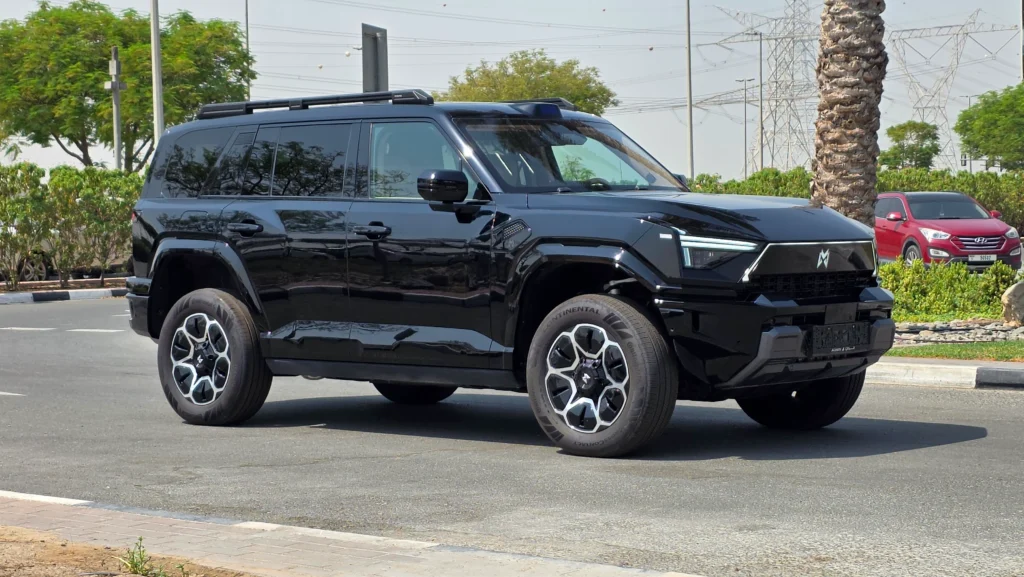
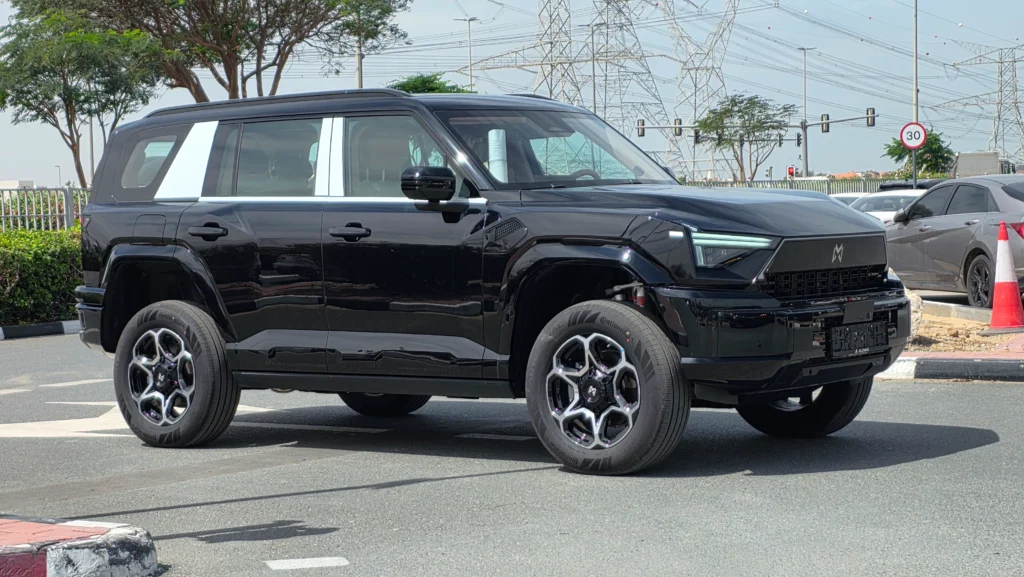
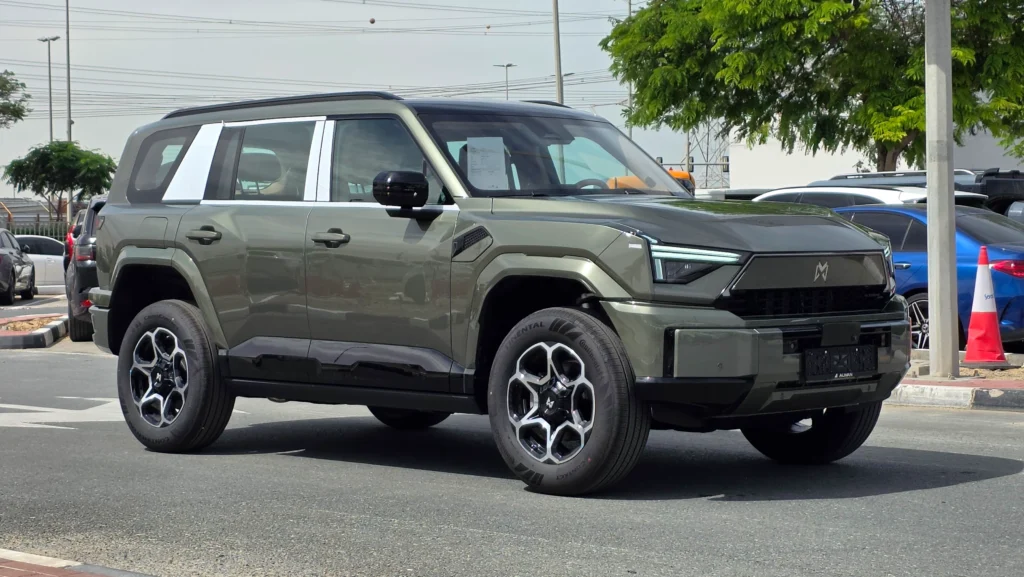
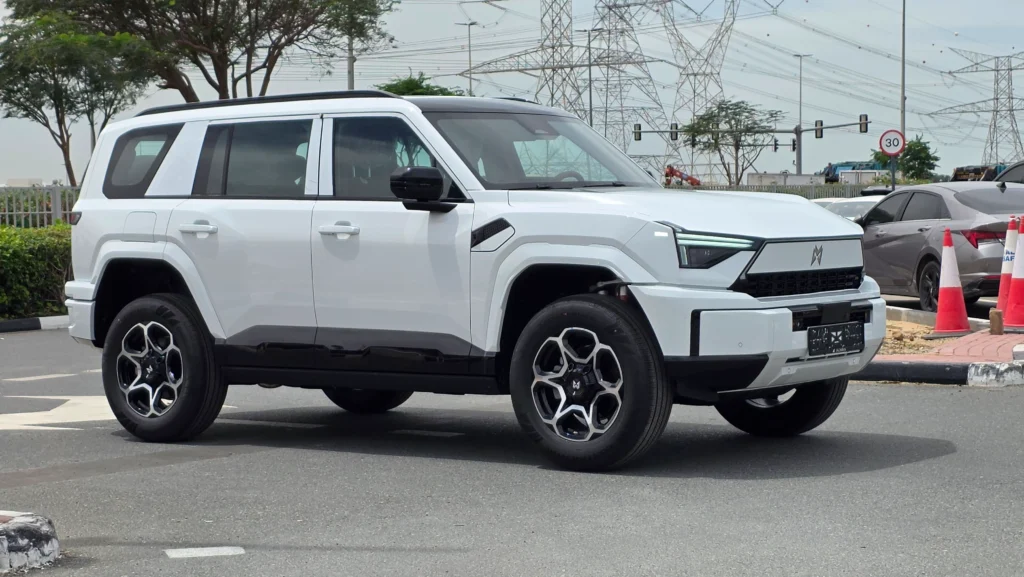
53.097 US$

AlwanWorld.com
 United Arab Emirates, Dubai
17 September 2026
 United Arab Emirates, DubaiUnited Arab Emirates, DubaiUnited Arab Emirates, DubaiUnited Arab Emirates, DubaiUnited Arab Emirates, Dubai
If you are looking at M-Hero listings, the smart move is not to rush the first attractive ad. With a brand that may appear less often in many marketplaces, the real skill is separating a genuinely well-kept car from a listing that simply looks unusual and expensive. That means reading beyond the photos, comparing seller effort, and deciding early whether an offer deserves a call, a message, or a proper inspection.
A surprising number of buyers do the opposite: they get interested in the brand first and only later notice that the ad itself is weak. For M-Hero, that can be a mistake. When the pool of cars for sale is smaller, every detail in the advert matters more. Look for a complete description, clear exterior and interior photos, and basic ownership context. If a seller shows the car from every glamorous angle but avoids the dashboard, tire condition, charging or engine-related details, underbody shots, or close-ups of wear points, slow down.
A good M-Hero listing should make comparison easier, not harder. You want to see whether the seller understands what informed buyers will ask: mileage, service history, software or equipment details if relevant, accident history, registration status, number of keys, and what exactly comes with the vehicle. If the ad is vague on almost everything except style language, that is not exclusivity; it is a reason to be careful.
Whether M-Hero turns out to be rare in your local market or simply less familiar to many shoppers, the buying logic is similar: patience pays. Buyers often make two opposite mistakes with this kind of brand. One group assumes every offer is special and overpays because there are not many direct comparisons. The other dismisses the brand too quickly because they cannot benchmark it easily. The better approach is to build your own comparison set.
That comparison set does not have to be limited to other M-Hero cars. Compare condition, age, documentation quality, seller transparency, visible maintenance care, and equipment level against other vehicles in the same price neighborhood. This is where niche-brand shopping becomes interesting: sometimes the stronger offer is not the one with the boldest presentation, but the one with the most traceable history and the calmest, most precise seller answers.
There is also a small but useful market-reading trick here. On brands that attract curiosity, some sellers rely on novelty to do the selling for them. You will notice listings with dramatic wording but very little substance. In practice, a shorter ad written by someone who can answer direct questions clearly is often safer than a flashy listing that keeps everything mysterious. Curiosity should get you to open the advert; it should not replace evidence.
Before you arrange a viewing for an M-Hero, ask for the practical details that save wasted trips. Request the VIN or at least confirm that the seller is willing to share it before a deposit discussion. Ask how long they have owned the car, where it was serviced, whether there are invoices or digital records, and whether any warning lights, recent faults, or unfinished repairs exist. If the car has advanced features or unusual equipment, ask what works exactly as intended and what the seller has personally tested.
Then listen to how the answers come back. Strong sellers usually reply in a tidy, factual way. Weak sellers often answer around the question. “Everything is perfect” is less useful than “serviced at these intervals, here are the records, one cosmetic repair, no current warning messages.” For used M-Hero cars, clarity is part of condition.
When there are not many M-Hero cars for sale at once, buyers sometimes stop comparing altogether. Don’t. Compare the parts of ownership that will matter after the purchase: tire condition, brake wear, glass condition, charging hardware or accessories if applicable, spare key availability, infotainment language support, and any signs that the previous owner treated the car as a long-term possession rather than a short-term experiment.
Photos can reveal a lot here. Mismatched tires, low-effort interior cleaning, oddly cropped body panels, or missing documentation photos do not automatically kill a deal, but they do change what the car is worth to you. A carefully presented M-Hero with ordinary mileage may be a better buy than a lower-mileage example sold with almost no history and rushed communication.
Another useful point: if two offers seem close, favor the one that is easier to verify. A car with boring but consistent information is often better than one with exciting claims you cannot confirm. That is especially true when the brand itself already gives the listing a sense of novelty.
This is where experienced buyers often separate themselves from enthusiastic ones. With M-Hero, the ownership story can matter as much as the visible condition. Was the car maintained on schedule? Does the seller sound like someone who understood the product and cared for it properly? Are the photos and documents consistent with the stated mileage and use? Can they explain why they are selling without sounding evasive?
A weak offer usually reveals itself in small contradictions: a premium-looking ad with no service proof, a very confident seller who avoids simple questions, or a car described as immaculate while the photos show neglected details. A strong offer feels coherent. The condition, the paperwork, the seller’s tone, and the pricing logic all point in the same direction.
If you keep that mindset, M-Hero becomes easier to shop. You are not trying to “win” the rarest listing or chase the most eye-catching advert. You are trying to identify the offer that will still make sense after the excitement fades: one with believable history, honest presentation, and fewer unanswered questions. That is usually the car worth seeing first.
 Add as preferred source