 EN
DEALER
27.495 US$DEALER
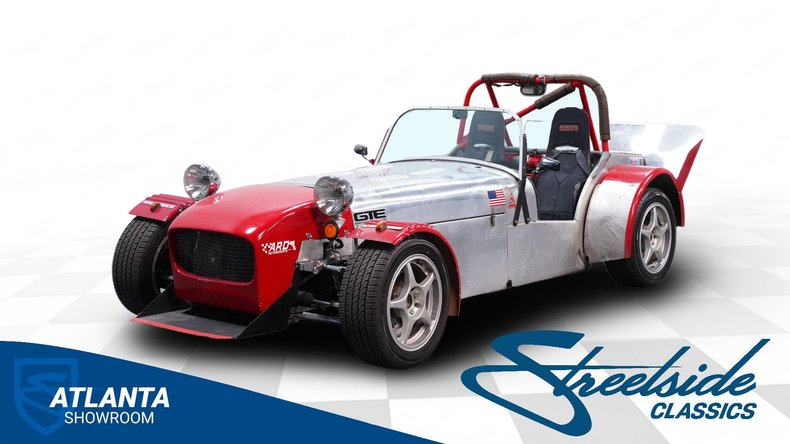
Lotus: Seven, 1962, manual, 12K km, 2,500 cm3, 2.5L Duratec Inline 4 Supercharged

StreetSideClassics.com
 United States
 United States
If you’re considering a classic and lightweight driver’s car, the Lotus Seven offers a unique charm for enthusiasts who crave simple, raw driving feel. This guide helps you navigate choosing, comparing, and buying a Lotus Seven, with practical advice on models, generations, engines, and the kind of setup that suits your goals in different markets. Whether you’re in a city known for classic car culture or just starting your hunt, understanding the key factors will save time and help you spot a fair deal.
The Lotus Seven isn’t just a single model; it embodies a minimalist philosophy with a focus on balance, lightness, and driver involvement. When you search for a Lotus Seven, you’ll encounter variations built by Lotus as well as many enthusiasts’ replicas. Important elements to consider include the generation, chassis type, engine configuration (often four-cylinder options), and the body style, which remains compact and open. In markets with strong classic car communities, you’ll find both original-era examples and well-maintained modern interpretations. Understanding these nuances helps you compare options more effectively and avoid common pitfalls.
The classic Seven is compact and open, with simple suspension and steering by design. If you’re buying for daily driving, assess comfort and weather protection options, such as wind deflectors or removable hardtops that were installed by builders or dealers. For track days or weekend fun, focus on handling setup, tires, brakes, and fuel system reliability. In any case, verify frame integrity and look for signs of age-related wear or accidents that could affect safety and performance.
In many markets, Lotus Sevens and closely related replicas fall into several price segments depending on originality, condition, and build quality. A well-maintained example with a classic configuration can command a solid price, while highly modified or replica models might offer more affordable entry points. When negotiating, base your offer on overall condition, drivetrain reliability, and alignment with the car’s intended use, whether for weekend drives, track days, or car shows. Be prepared to negotiate on maintenance history and recent service work to justify value.
Whether you’re buying to relive a vintage driving experience or to join a friendly community of Seven owners, a thoughtful approach to model choice, condition, and ongoing upkeep will help you get the best possible Lotus Seven experience.
 Add as preferred sourceSee more from zvelta in Google Search Add as preferred source