EN
EN
94.472 US$
94.981 US$
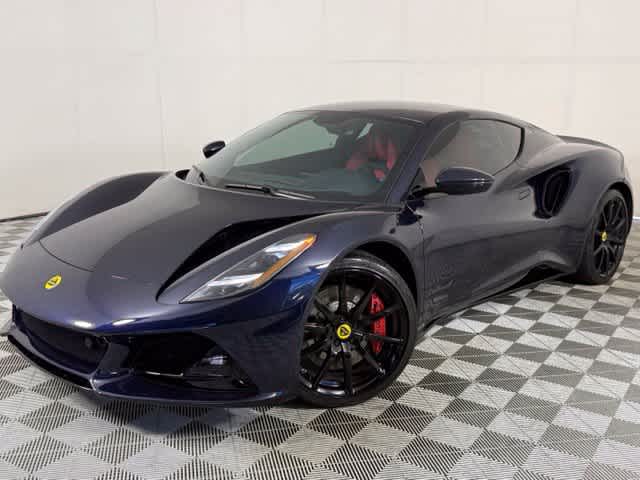
automatic, 4K km, 2,000 cm3, grey, First Edition, Used condition, United Kingdom

111motorcars.com
 Franklin, United States
 Franklin, United States
 Rover, United States
 United StatesPasadena, United States
The Lotus Emira represents the latest generation in a storied lineup, blending aerodynamic design with modern performance. If you’re considering buying an Emira, you’ll want to understand the differences between the available configurations, the typical price segments, and how the Emira fits into different driving needs—from daily enjoyment to weekend track sessions. In this guide, we’ll cover key considerations for buyers and sellers, including model variants, fuel options, body types, and practical tips to evaluate this car in markets where Lotus is popular.
The Emira is offered in distinct configurations that influence performance, handling, and daily usability. Whether you’re looking at a coupe or a roadster, it’s important to compare the tradeoffs of each body style and the available engines. Buyers should consider fuel efficiency versus raw speed, as well as how a given setup aligns with local tax rules and insurance norms. Common questions include which engine choices are available in your country, how hybrid or gasoline options affect performance, and what maintenance expectations look like for a car in this price segment.
When shopping, buyers often ask about price ranges in their region, resale value, and reliability signals. Consider these factors:
Sellers should emphasize the Emira’s pedigree, low-mileage examples, full service history, and any factory options or performance packs, which significantly affect perceived value in a competitive market.
Fuel type and engine choice can influence running costs and insurance premiums. In markets with strict emissions regulations, certain configurations may have limited availability or different tax implications. Insurance for a high-performance coupe or roadster is typically higher, reflecting repair costs and risk factors. Ensure you obtain quotes for the exact Emira variant you’re considering and verify coverage for performance tires and braking components.
If you’re ready to explore Lotus Emira listings, treat the purchase as a careful assessment of how the car fits your lifestyle, budget, and long-term ownership goals. Whether you’re drawn to the coupe’s classic lines or the exhilaration of the roadster, the Emira remains a standout choice for enthusiasts seeking a modern Lotus experience.
 Add as preferred sourceSee more from zvelta in Google Search Add as preferred source