 EN
ENDEALER
35.799 US$DEALER
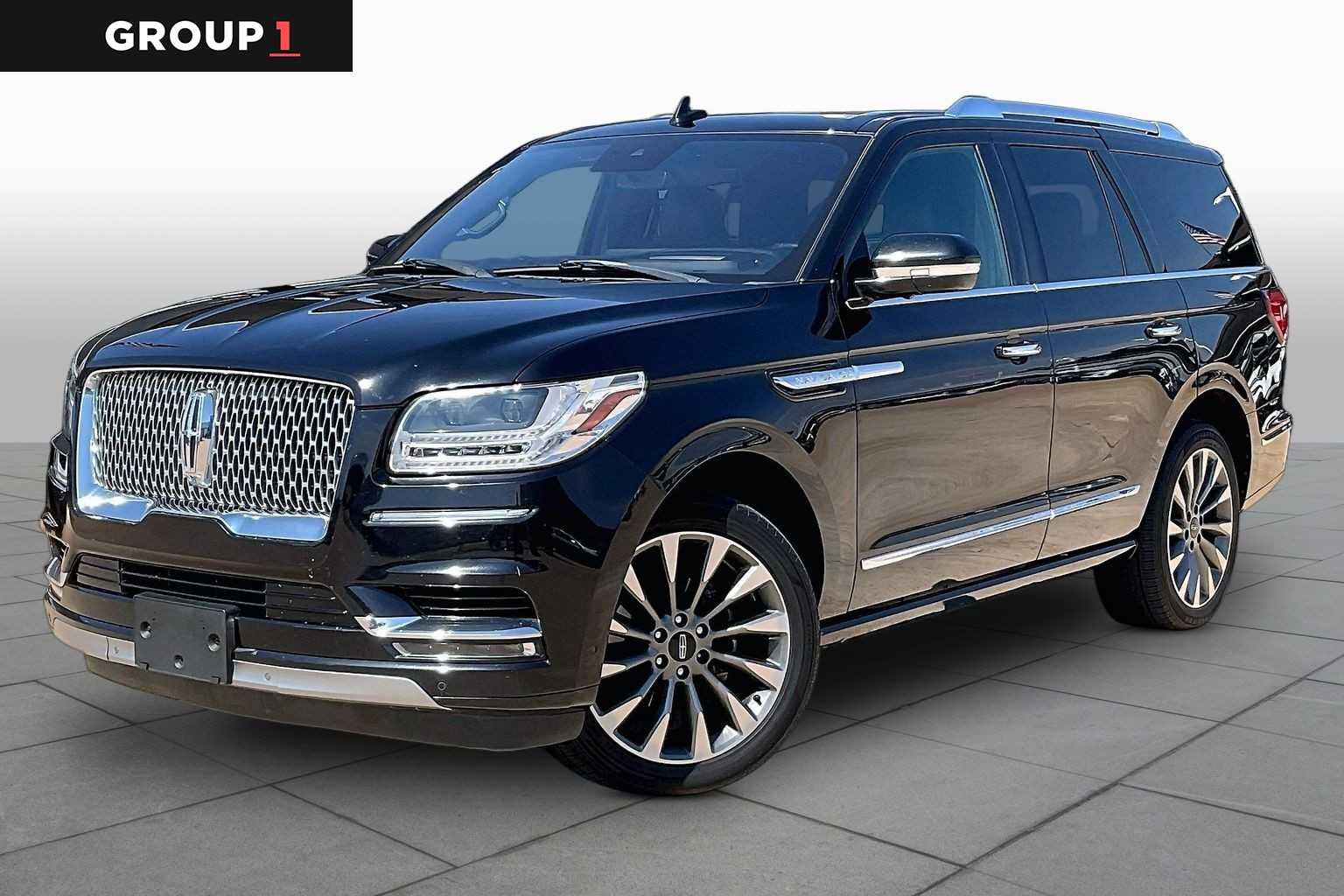
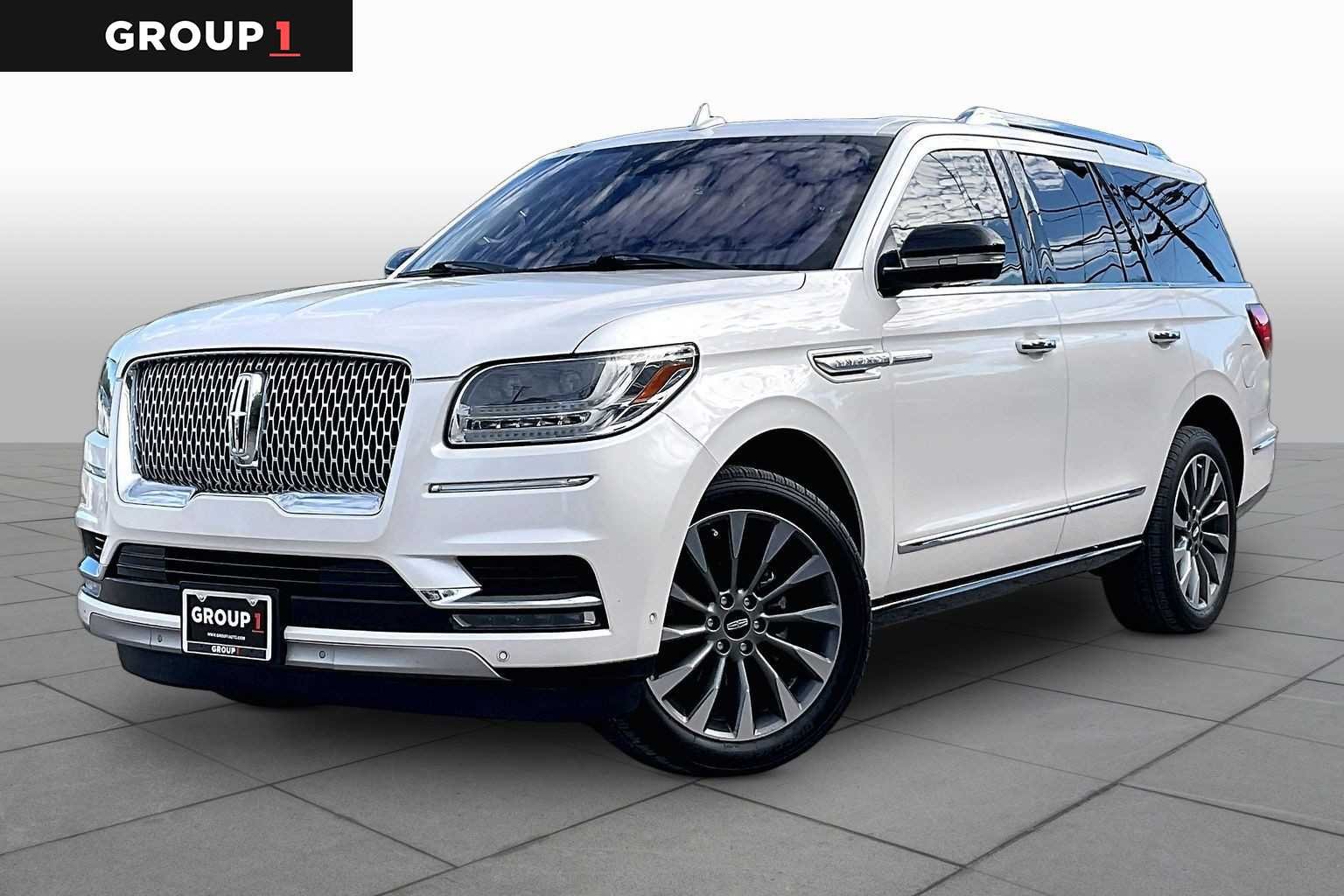
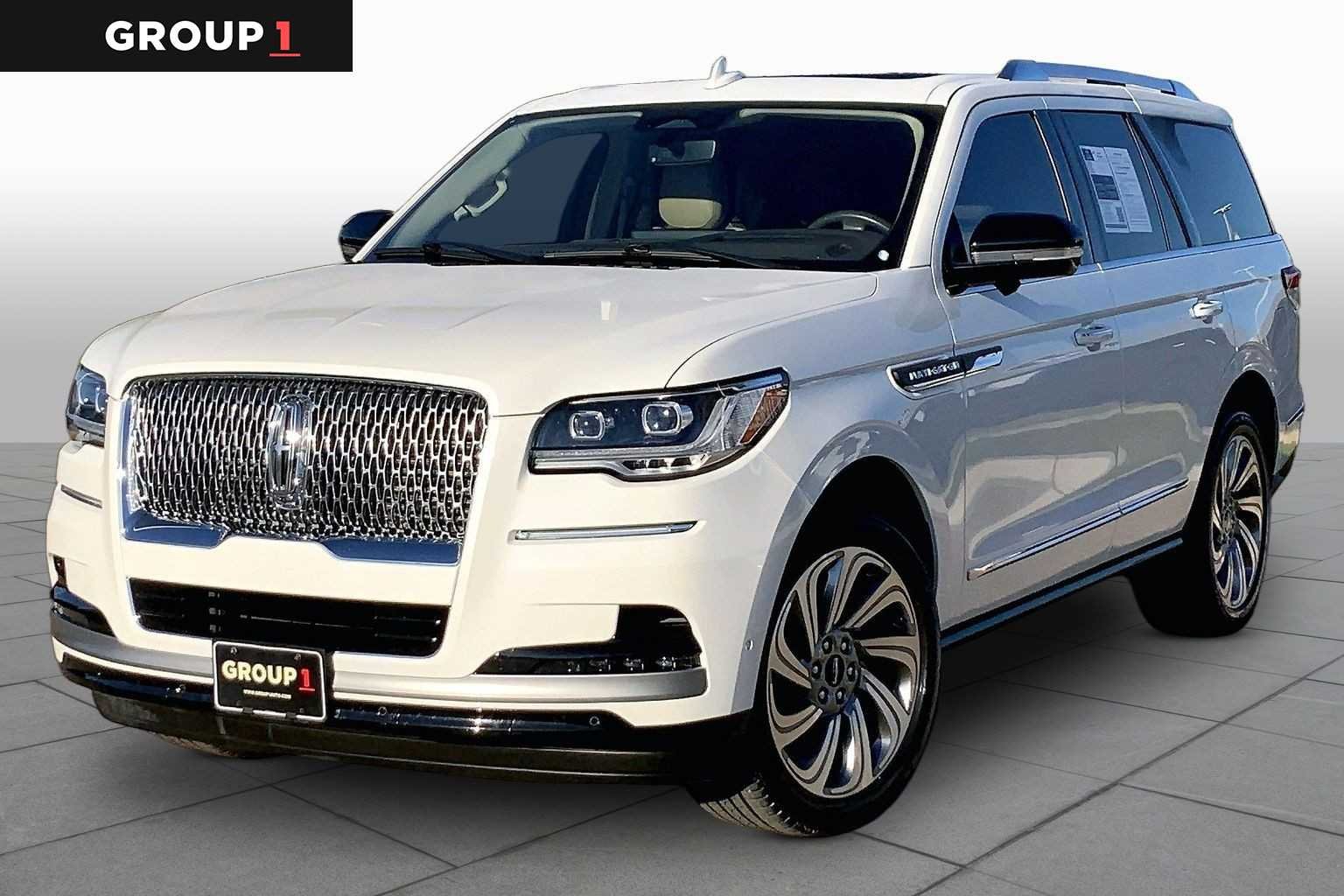
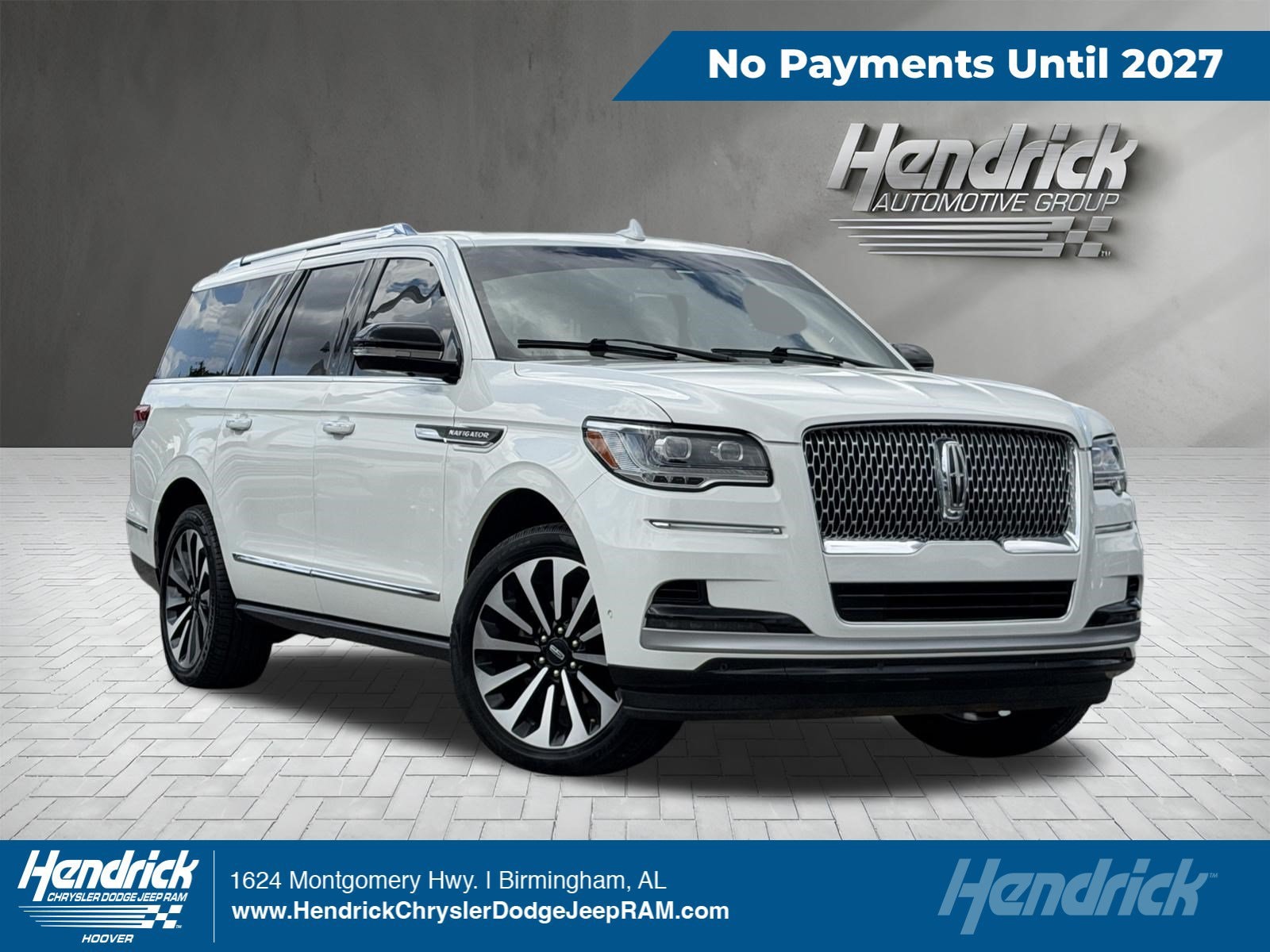
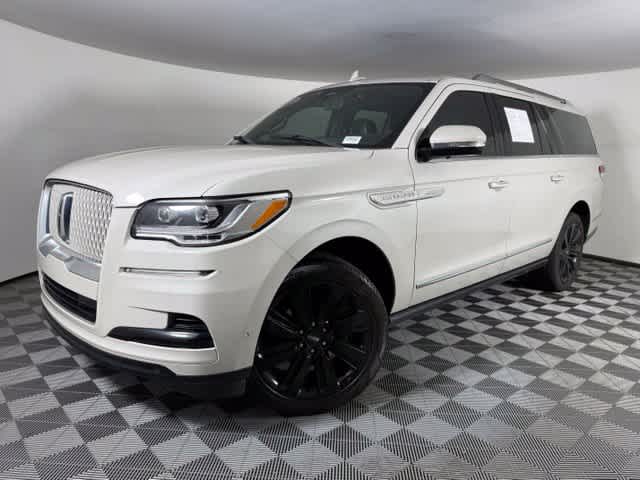
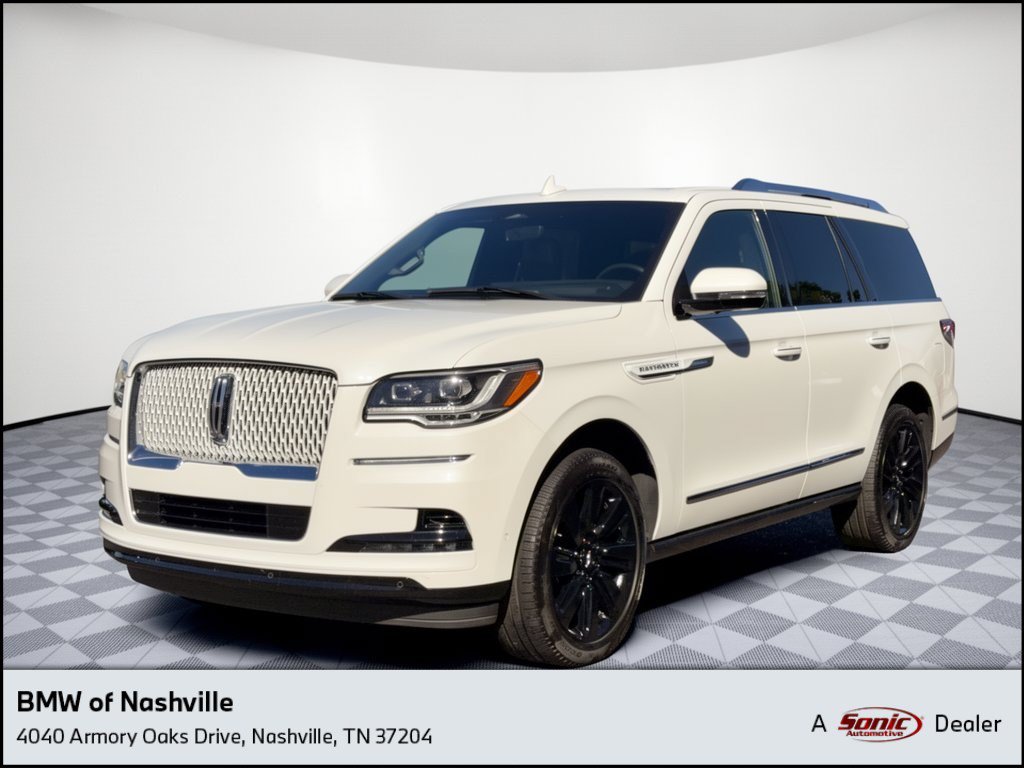
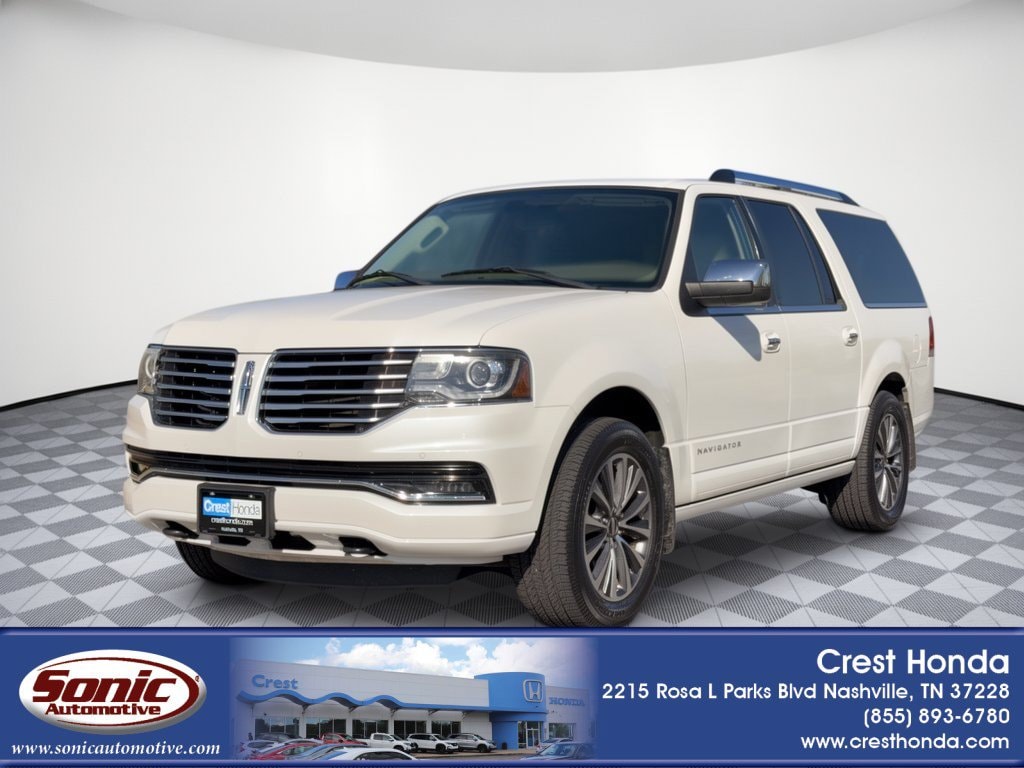
gasoline, automatic, 80K km, All Wheels Drive, 3,500 cm3, white, Used condition, USA, In stock
SonicAutomotive.com
 Brentwood, United States
 Brentwood, United States
 Chevrolet, United StatesAustin, United StatesMain Settlement, United StatesMain Settlement, United States
 Franklin, United StatesAtlanta, United States
 Concord, United States
 Franklin, United StatesCary, United StatesDuluth, United StatesFord City, United StatesHouston, United States
 Houston, United StatesMotor, United StatesHoover, United States
 Denver, United StatesRover, United StatesRover, United StatesNashville, United StatesNashville, United StatesNashville, United States
 United States
 United States
 United States
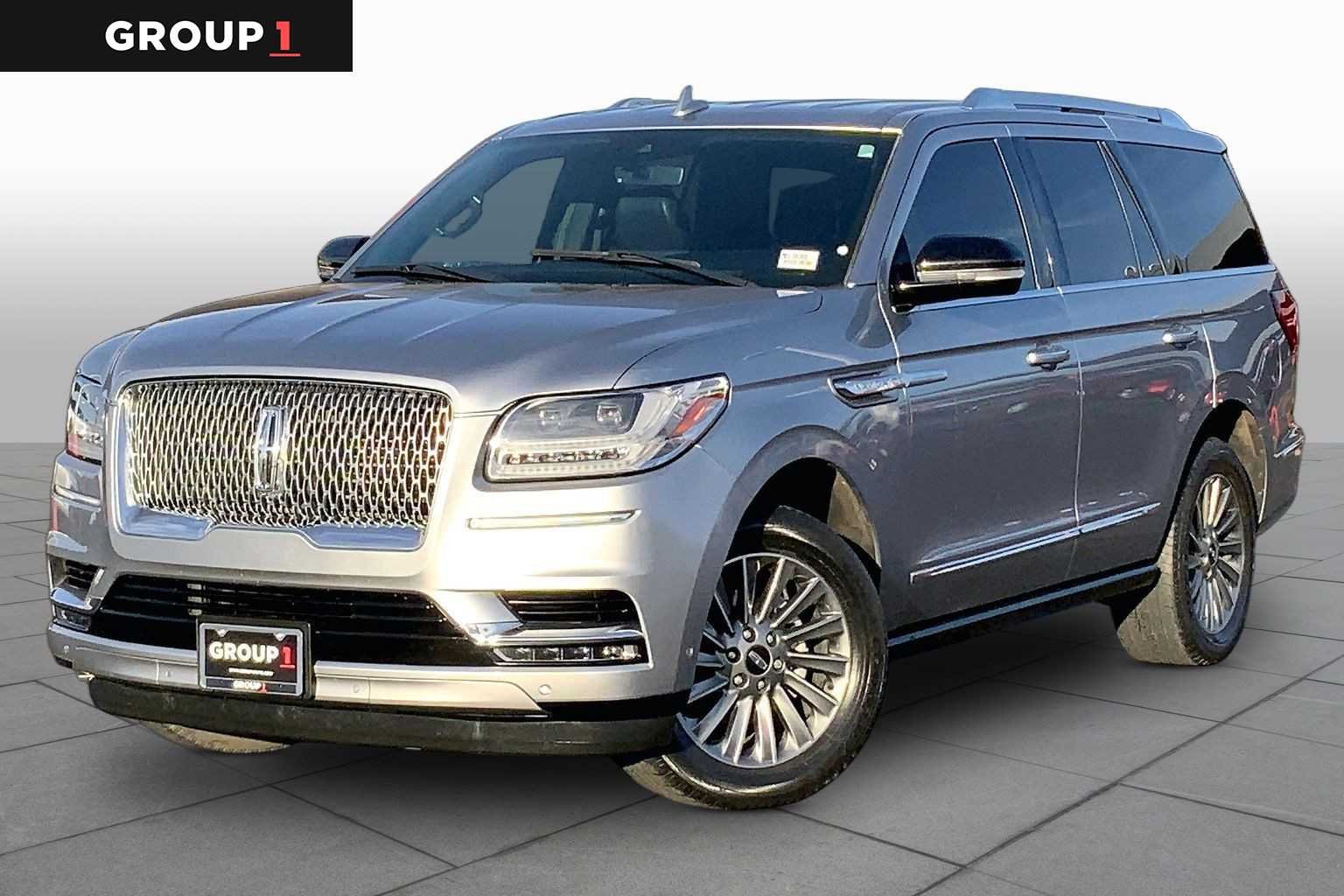
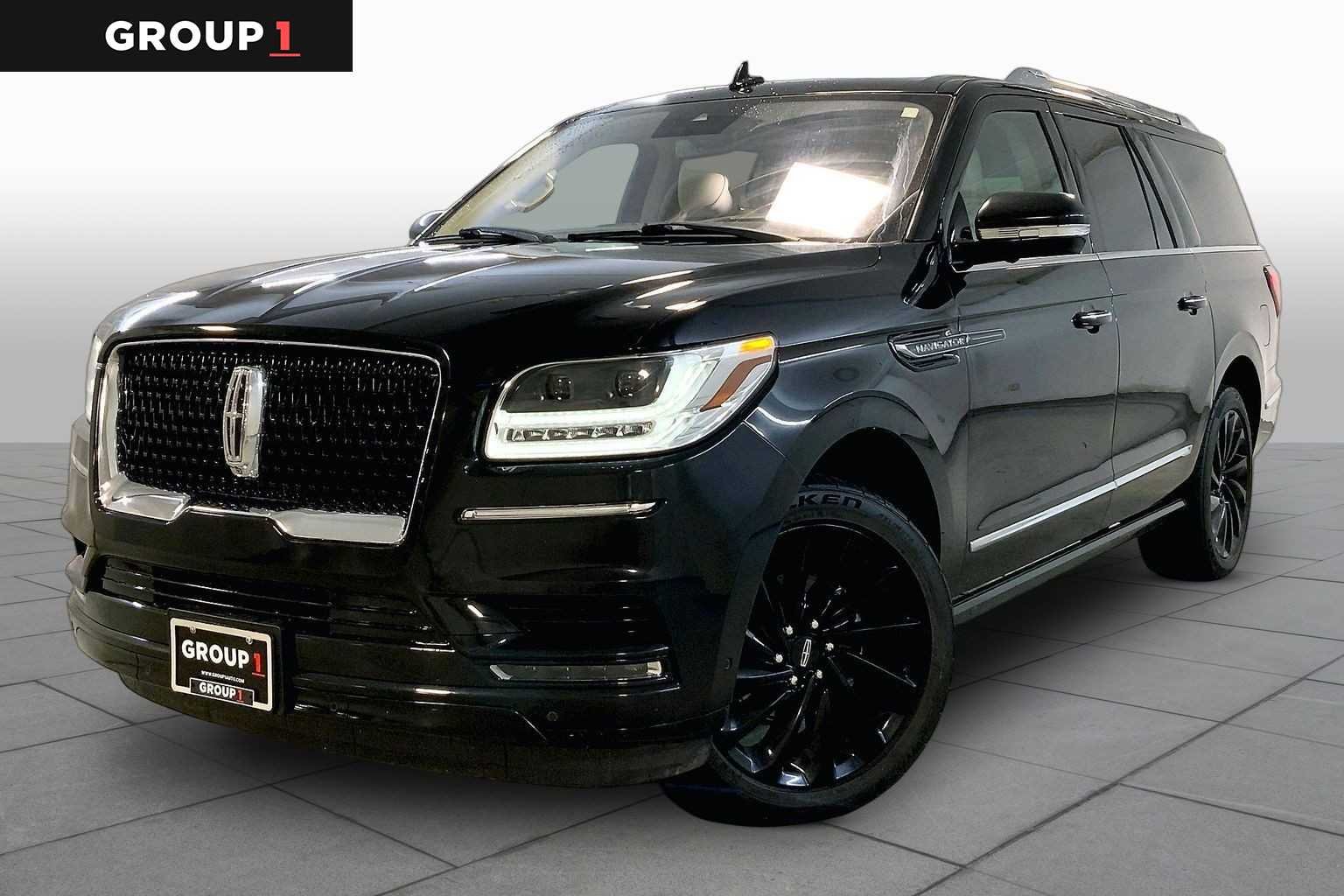
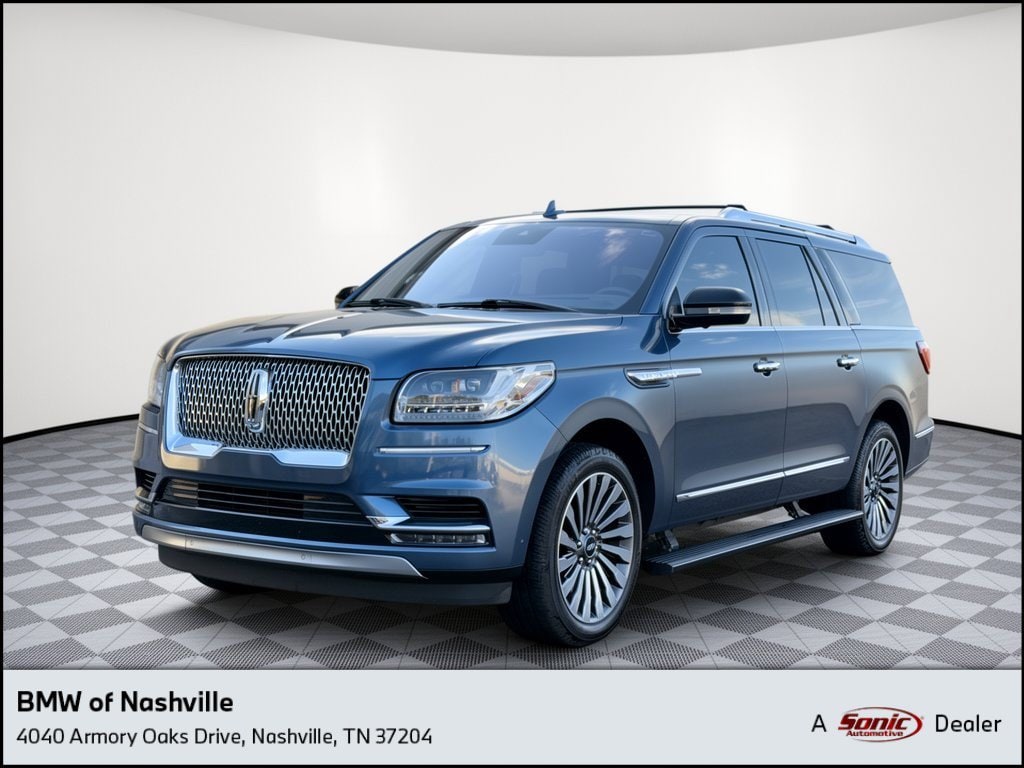
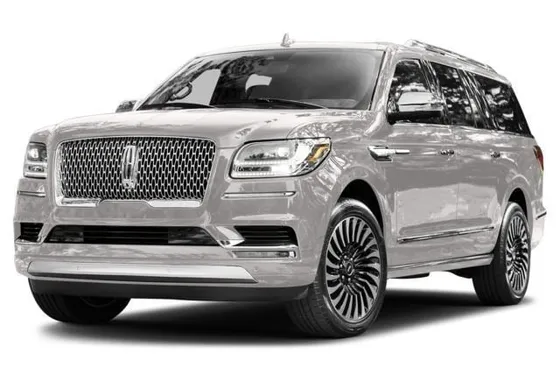
If you’re in the market for a full-size SUV that blends luxury with practical space, the Lincoln Navigator is a strong candidate. This model, known for its imposing presence and comfortable interior, spans various generations and configurations. Buyers in cities with wide streets and family-oriented needs often compare Navigator variants by year, mileage, and price segment to ensure they’re getting the best value. In this guide we cover key considerations: generation options, fuel types, body styles, typical price ranges, and what to inspect during a test drive.
The Navigator has evolved through multiple generations, delivering a mix of premium tri-zone climate control, advanced driver assists, and a spacious three-row cabin. When choosing a Navigator, think about:
Navigator is traditionally a full-size SUV with three rows of seating and substantial cargo space. It suits families, road trips, and towing needs. Consider:
When evaluating Navigator listings in your country and city, several factors shape price and value:
To compare Lincoln Navigator listings effectively, consider:
If you’re researching Navigator options in your city, you’ll want a clear sense of typical pricing, common configurations, and what to inspect before buying. This approach helps you negotiate with confidence and choose a Lincoln Navigator that fits your lifestyle and budget.
 Add as preferred sourceSee more from zvelta in Google Search Add as preferred source