 EN
ENDEALER
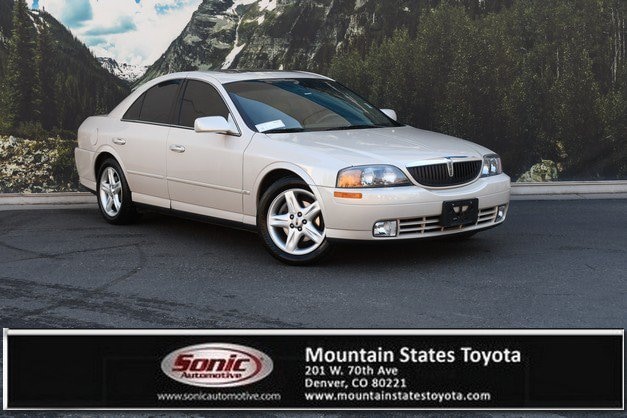
7.498 US$DEALER
8.999 US$
gasoline, automatic, 47K km, Rear Wheels Drive, 3,000 cm3, white, V6 Auto, Used condition, USA, In stock
SonicAutomotive.com
 Denver, United States
 Denver, United States
The Lincoln LS is a luxury sedan that appeals to shoppers who want comfort, refined driving dynamics, and a classic American luxury feel. If you’re considering a Lincoln LS, you’ll want to understand the model’s generations, common configurations, and how mileage, year, and condition impact price in your city. This guide covers what to look for, how to compare options, and practical steps for buying or selling a Lincoln LS in different markets.
The Lincoln LS debuted as a mid-2000s luxury sedan, with later facelifts bringing subtle styling tweaks and updated technology. Important factors when evaluating a Lincoln LS include body type (salt-aligned four-door sedan), engine options (V6 variants are most common), and rear-wheel drive with optional all-wheel drive in certain trims. When shopping, buyers typically focus on the generation and year to estimate maintenance costs, parts availability, and driving feel. For sellers, noting a car’s generation helps establish a fair asking price and frame the car’s history for potential buyers.
When evaluating Lincoln LS models, compare the year, mileage, and condition side by side. Ask about any major service milestones, such as suspension work or transmission service, and request a vehicle history report. For price considerations, look at local listings in your city and nearby areas to gauge what buyers are willing to pay for a given year and mileage. In some markets, a well-preserved Lincoln LS with a clean title, recent maintenance, and a tidy interior may fetch a premium relative to higher-mileage examples.
If you’re buying or selling a Lincoln LS, focus on matching expectations around generation, mileage, and condition to your budget and local market realities. A clear understanding of what affects price and reliability will help you make a confident decision or secure a fair sale.
 Add as preferred sourceSee more from zvelta in Google Search Add as preferred source