EN
ENDEALER
59.138 US$DEALER
59.287 US$
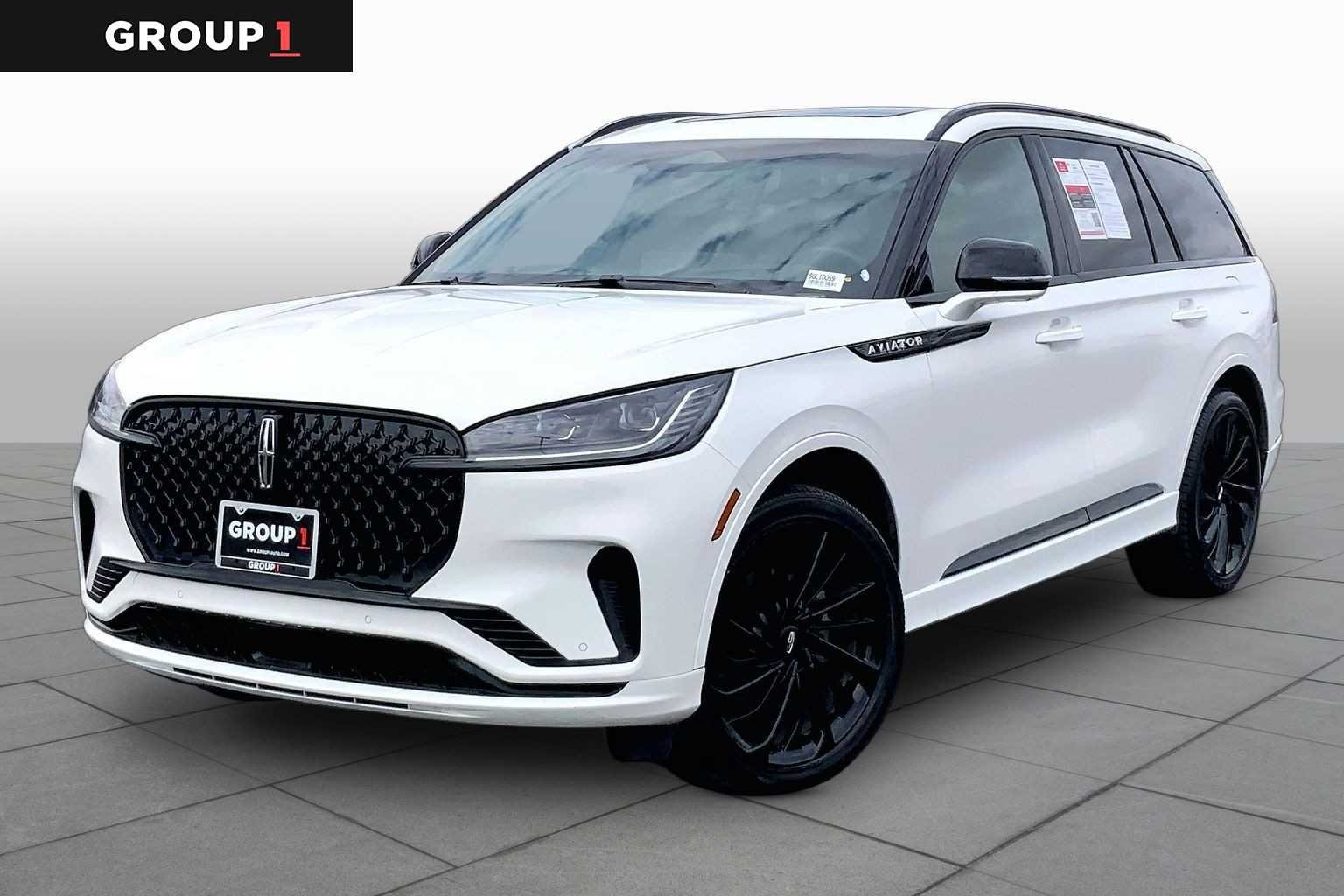
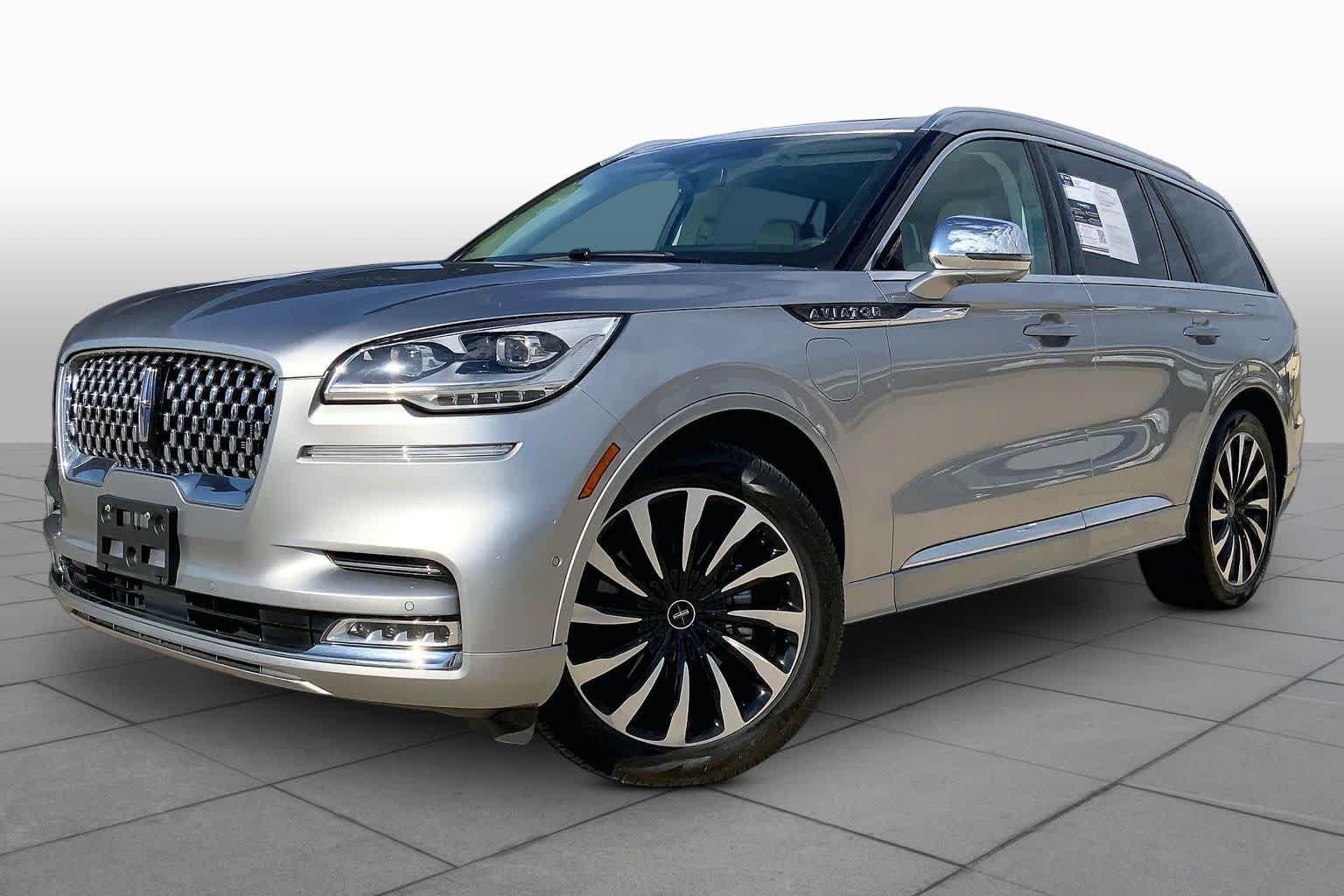
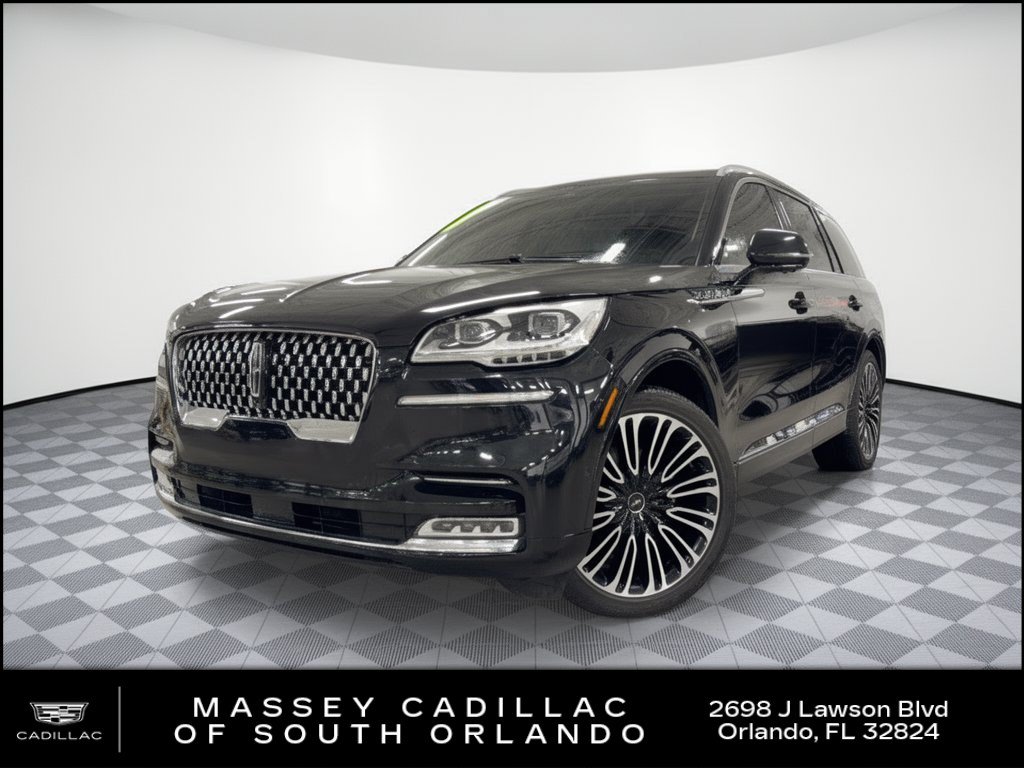
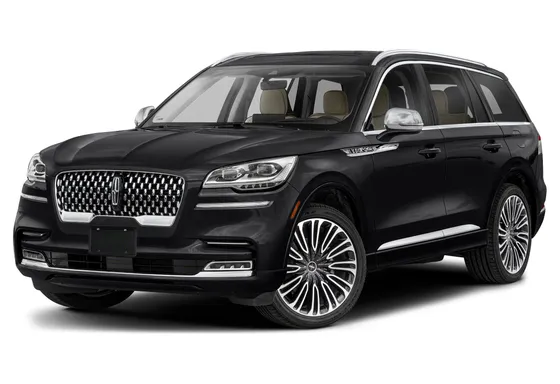
gasoline, automatic, 30K km, 3,000 cm3, white, Black Label, Used condition, USA, In stock
SonicAutomotive.com
 Orlando, United States
 Orlando, United States
 Main Settlement, United StatesMain Settlement, United StatesMain Settlement, United StatesMidtown, United StatesCity of Buffalo, United StatesEl Paso, United States
 Franklin, United StatesAtlanta, United StatesCharlotte, United States
 Franklin, United StatesFord City, United StatesFord City, United StatesFord City, United StatesIrondale, United States
 Shady Acres Trailer Park, United StatesFrisco, United StatesParis, United States
 Greenville, United StatesWestwood, United StatesWestwood, United StatesChrysler, United StatesRichmond, United StatesNashville, United StatesElection Precinct G, United States
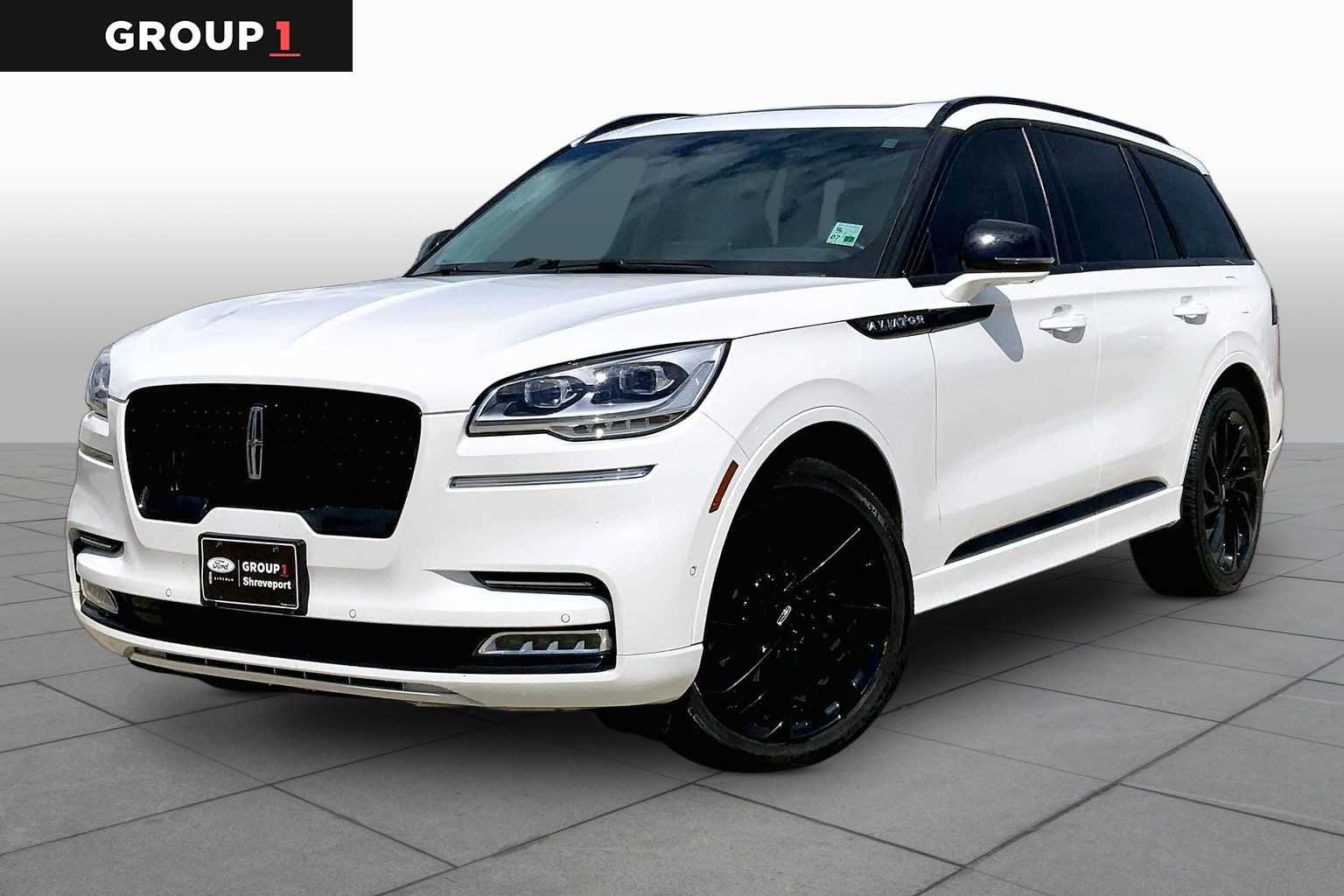
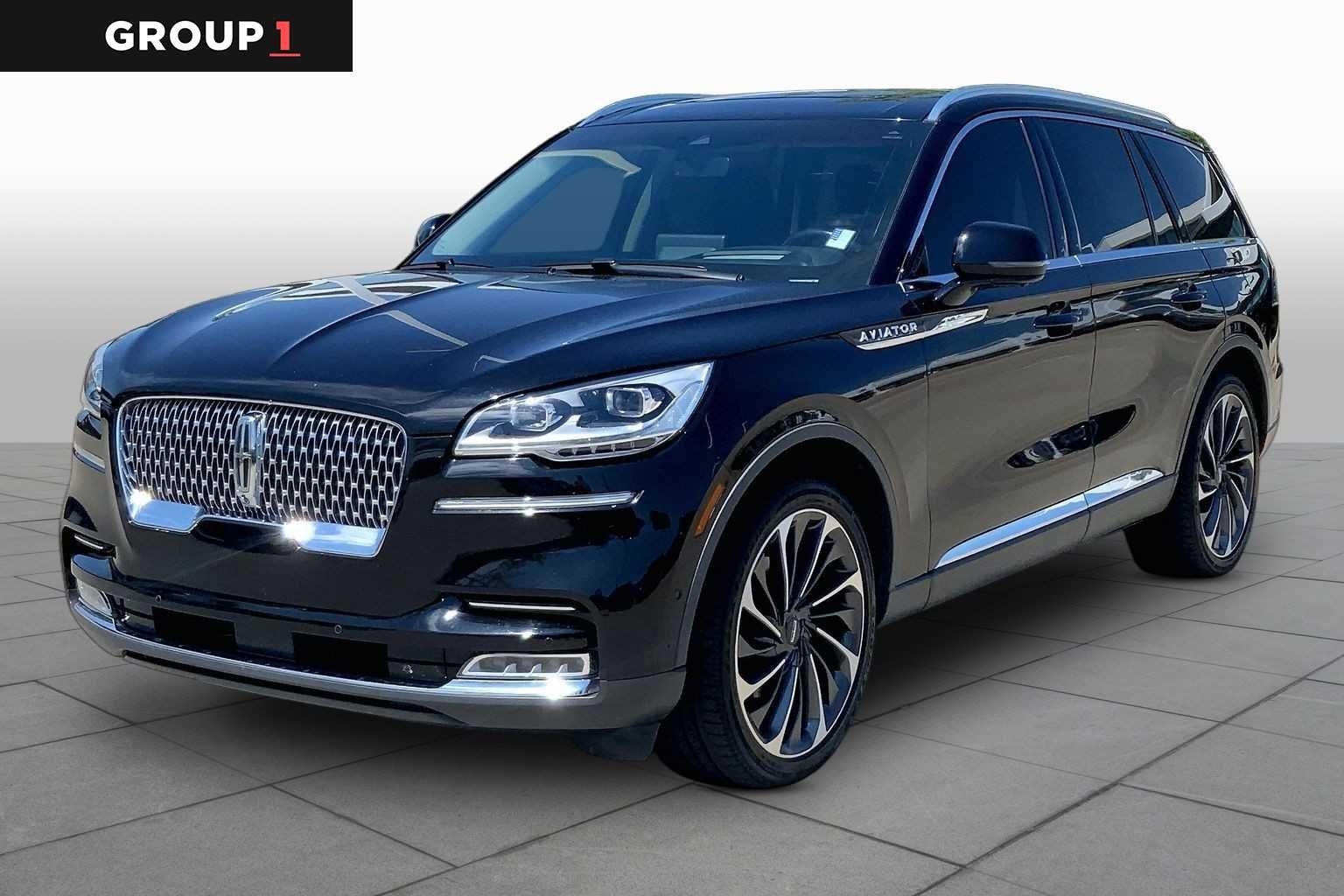
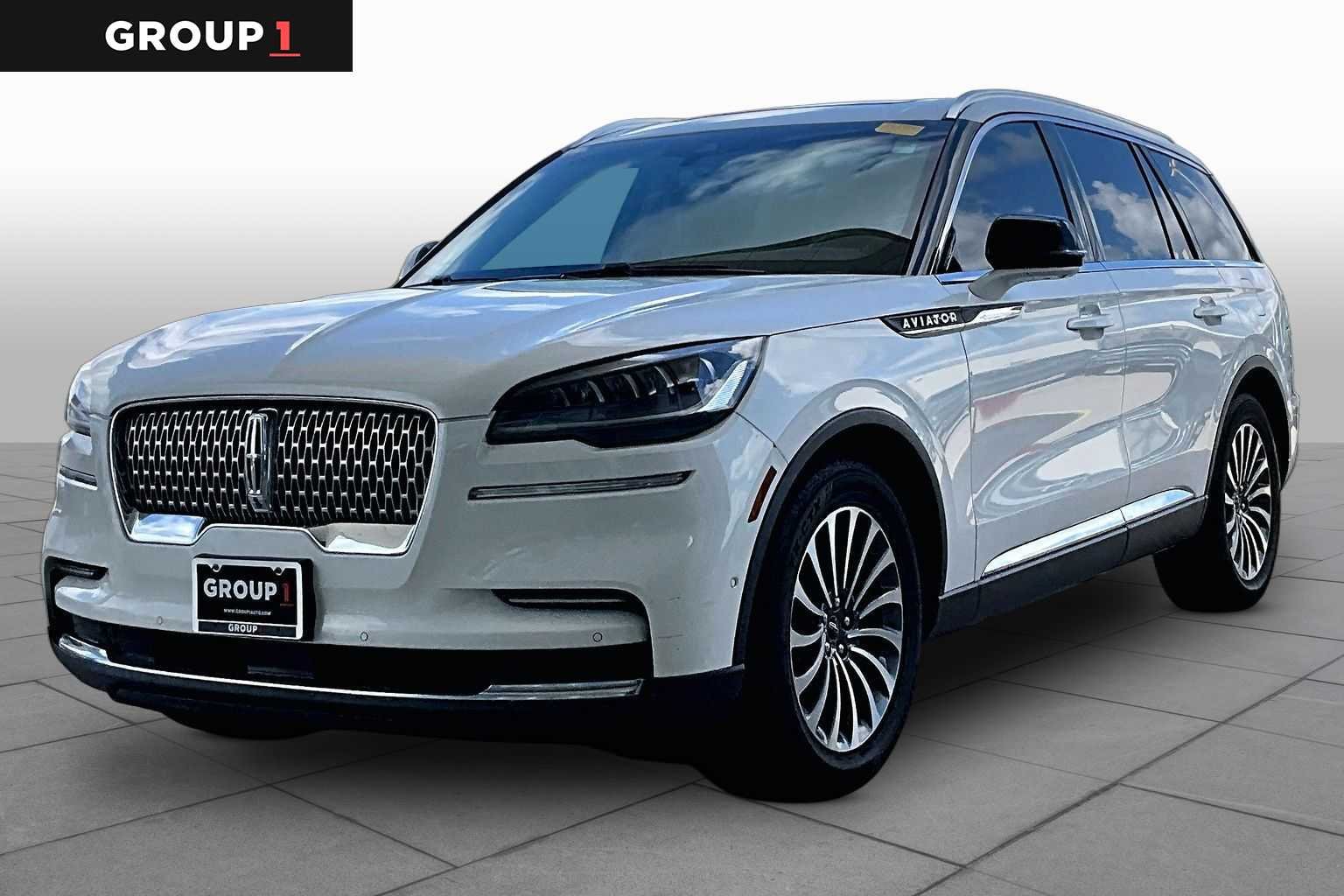
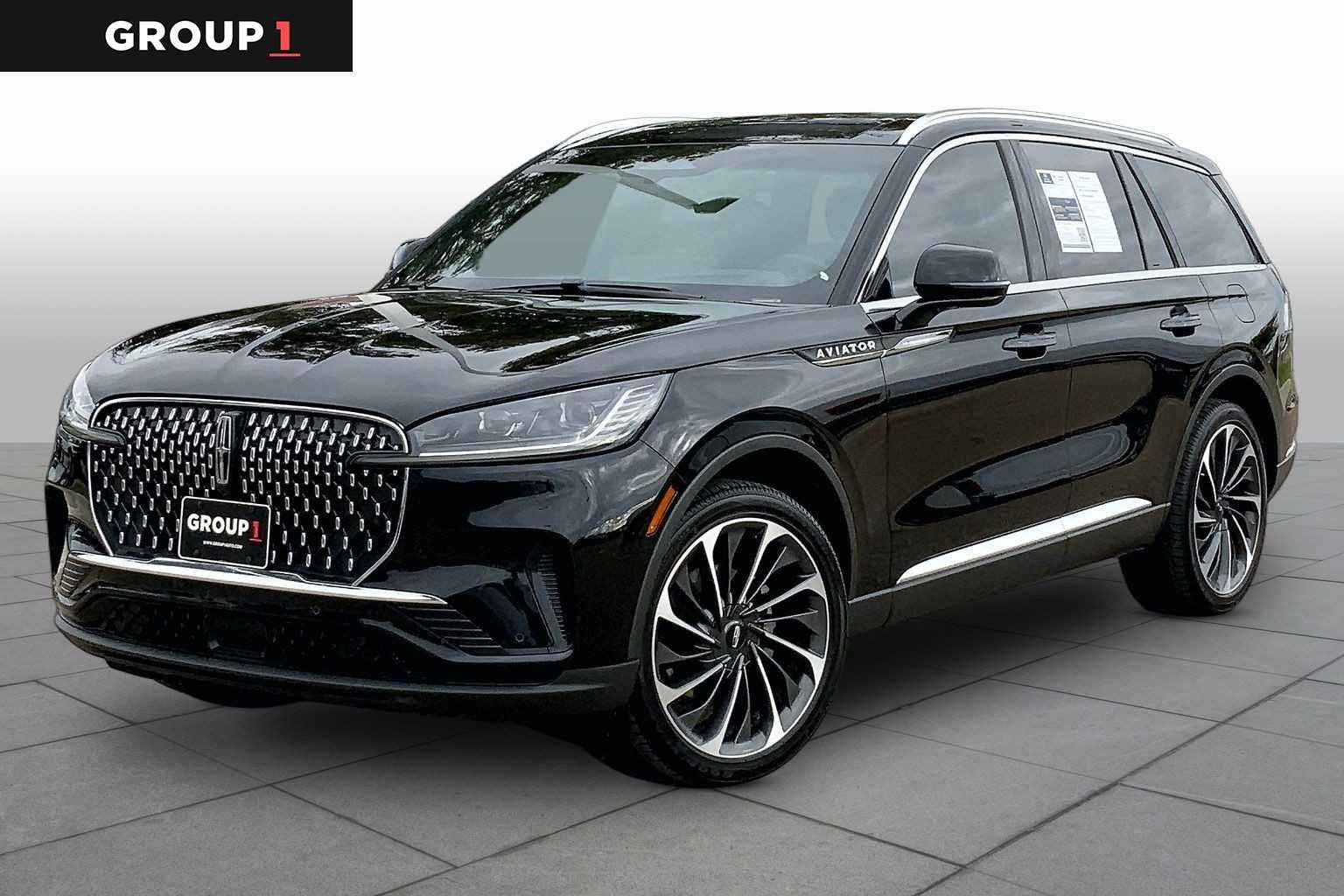
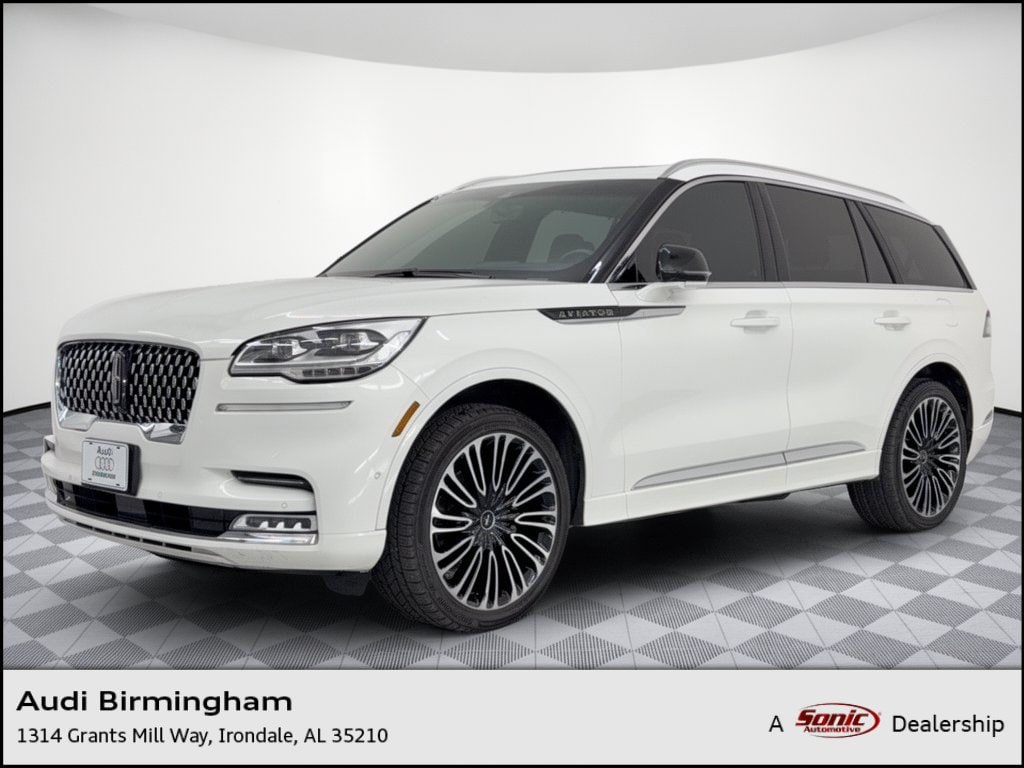
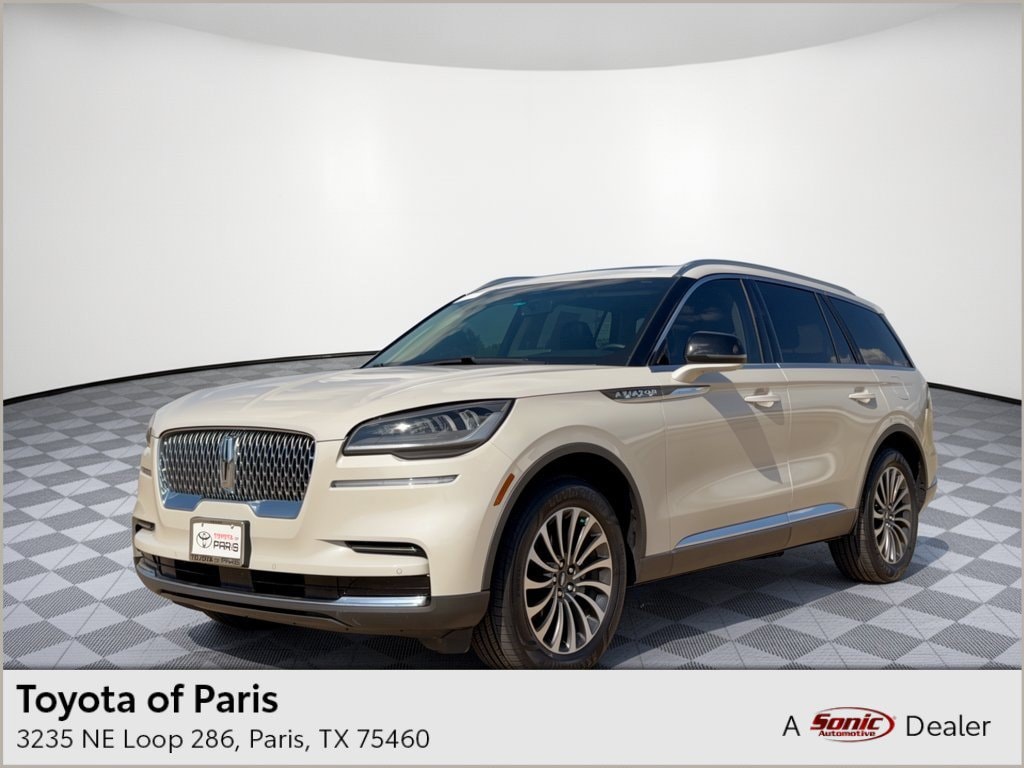
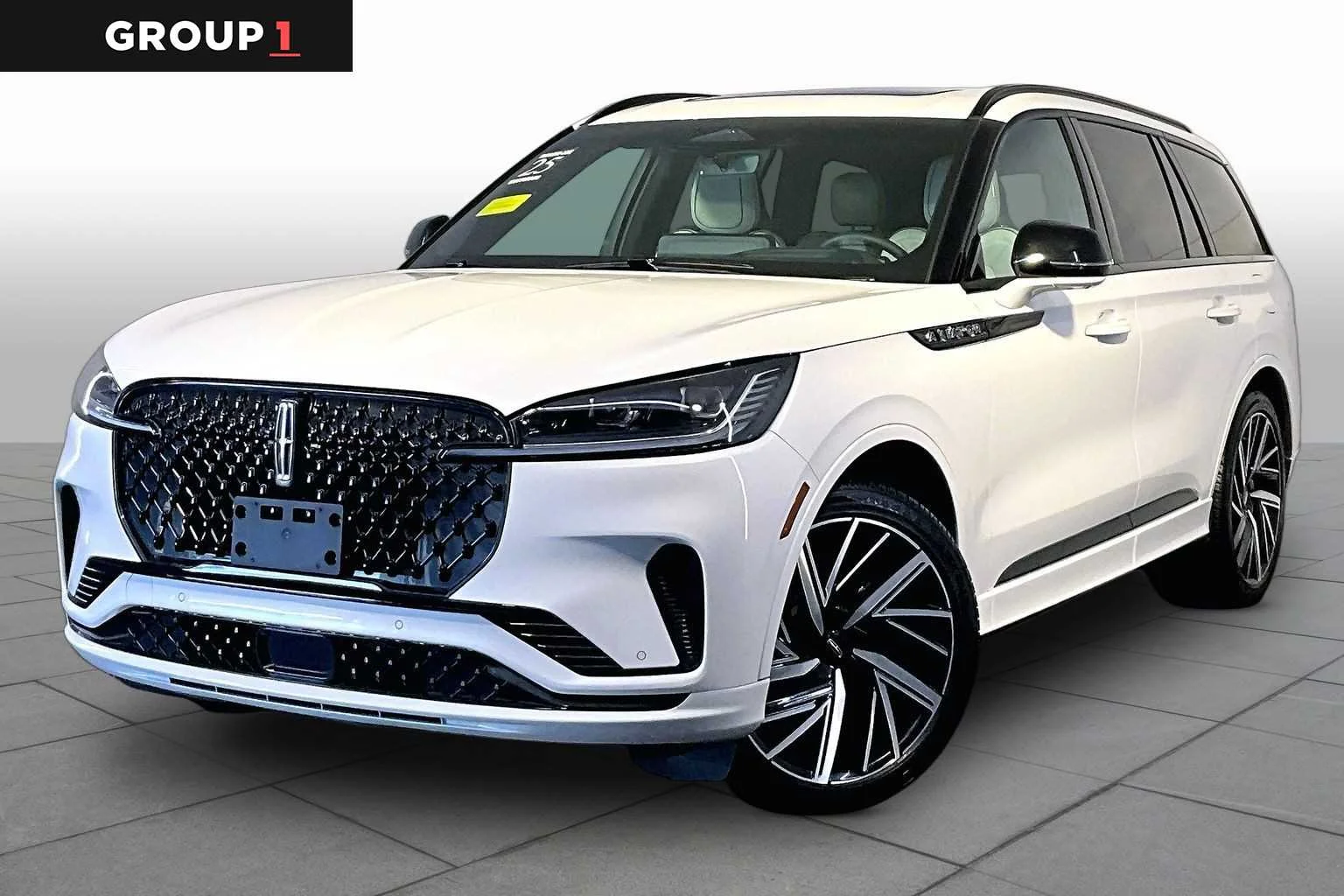
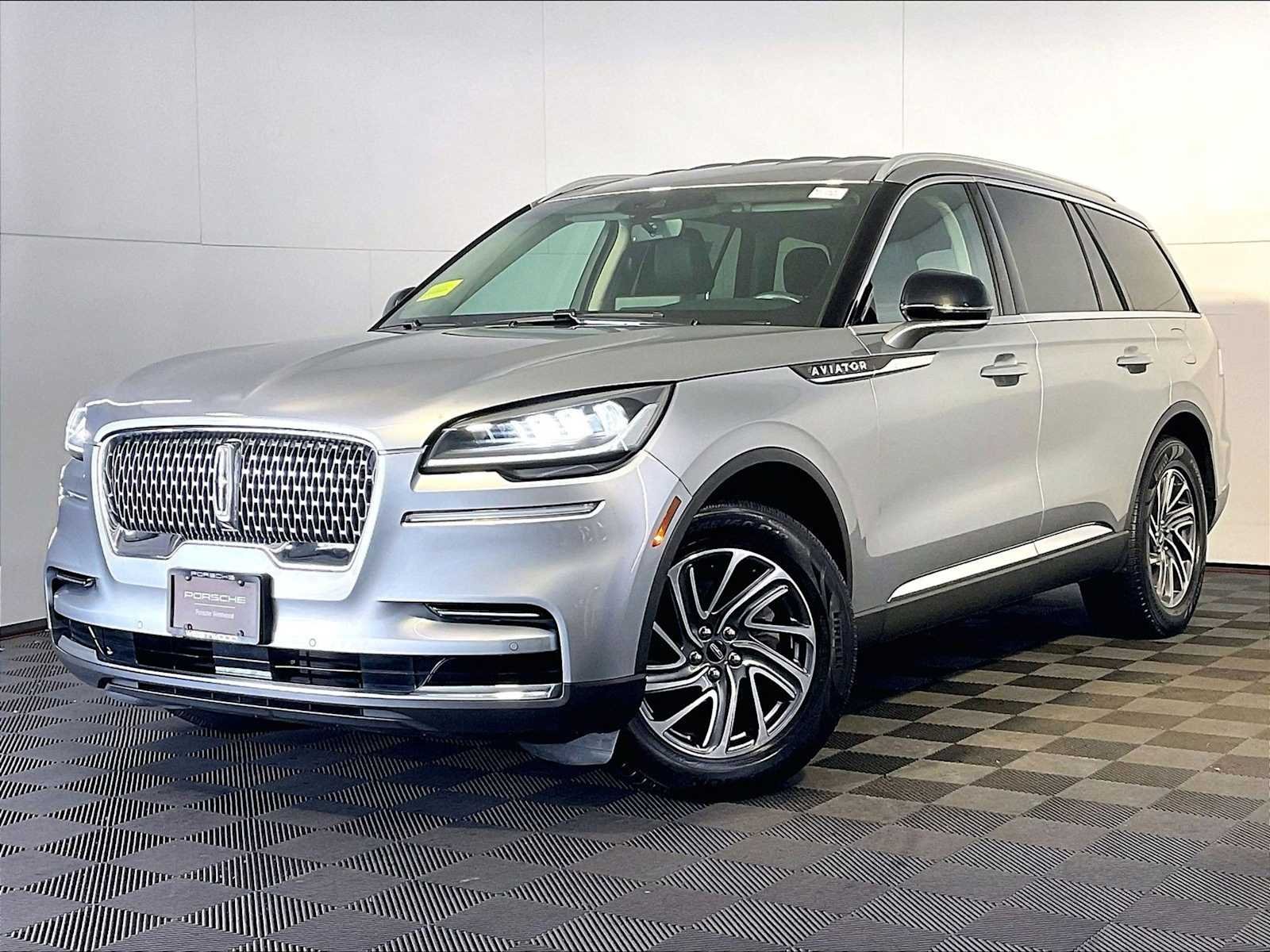
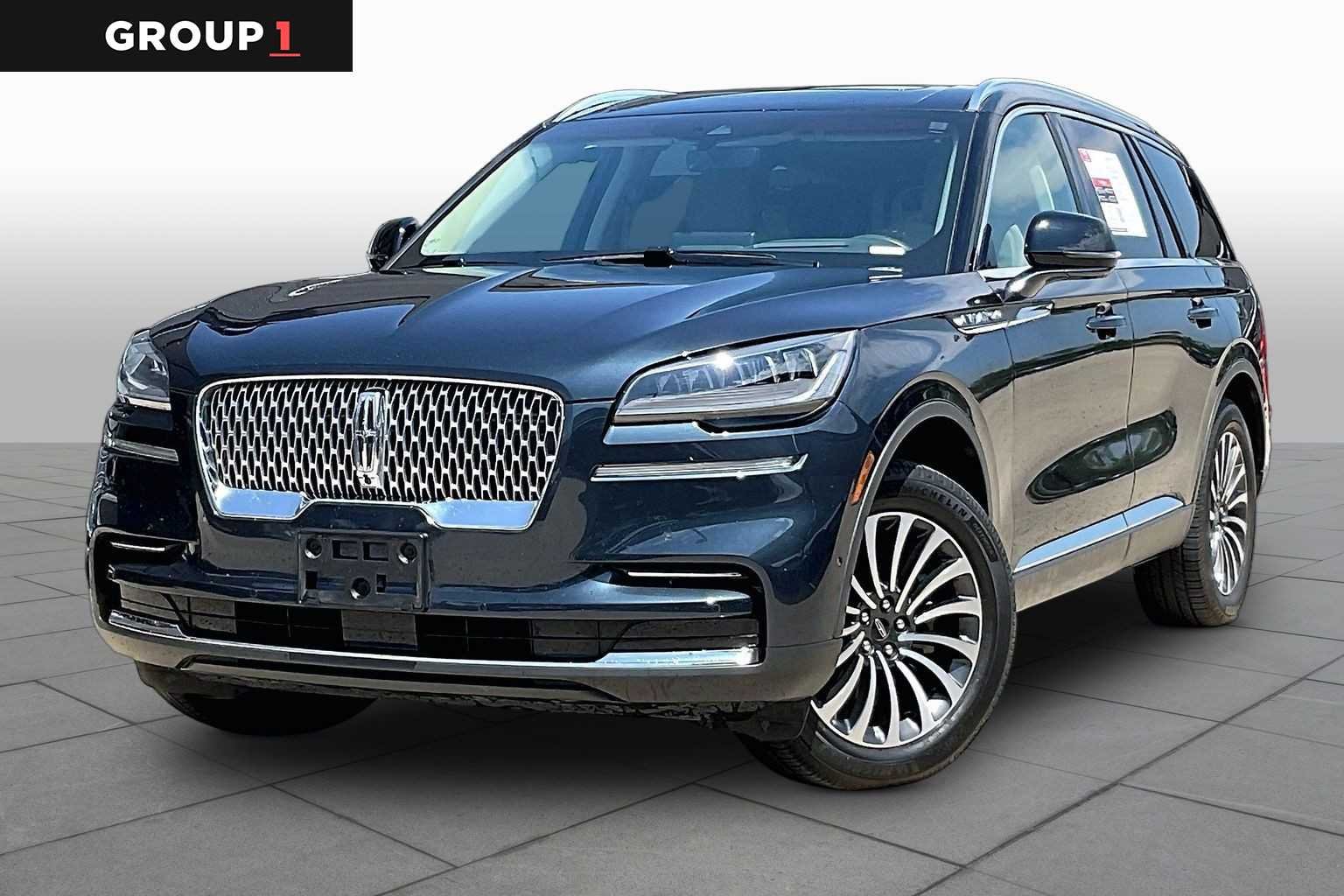
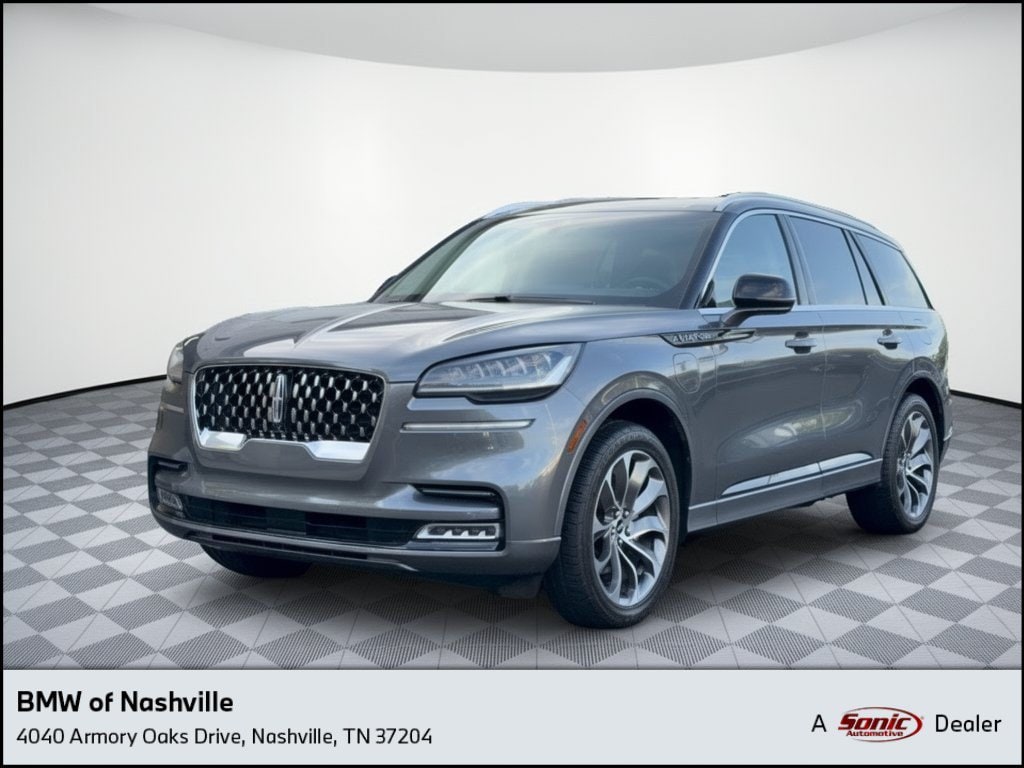
The Lincoln Aviator stands out as a refined choice for buyers seeking a luxury SUV with a strong blend of performance, comfort, and practicality. If you’re considering a Lincoln Aviator, you’re likely weighing factors such as year, mileage, price segment, and configuration. This guide helps you understand what to look for when buying or selling, and how the Aviator fits into different markets where body style, fuel type, and generations matter.
The Aviator offers a spacious interior, advanced technology, and a smooth ride. When assessing a specific vehicle, buyers typically compare generation options, engine choices, and trim levels. The most common configuration features a midsize SUV body type with three rows, modern safety systems, and premium materials. In many markets, the Aviator competes with other luxury SUVs in similar price tiers, making a careful evaluation of miles per year and overall condition essential.
Different trims add luxury features, technology packages, and comfort items. When evaluating, consider:
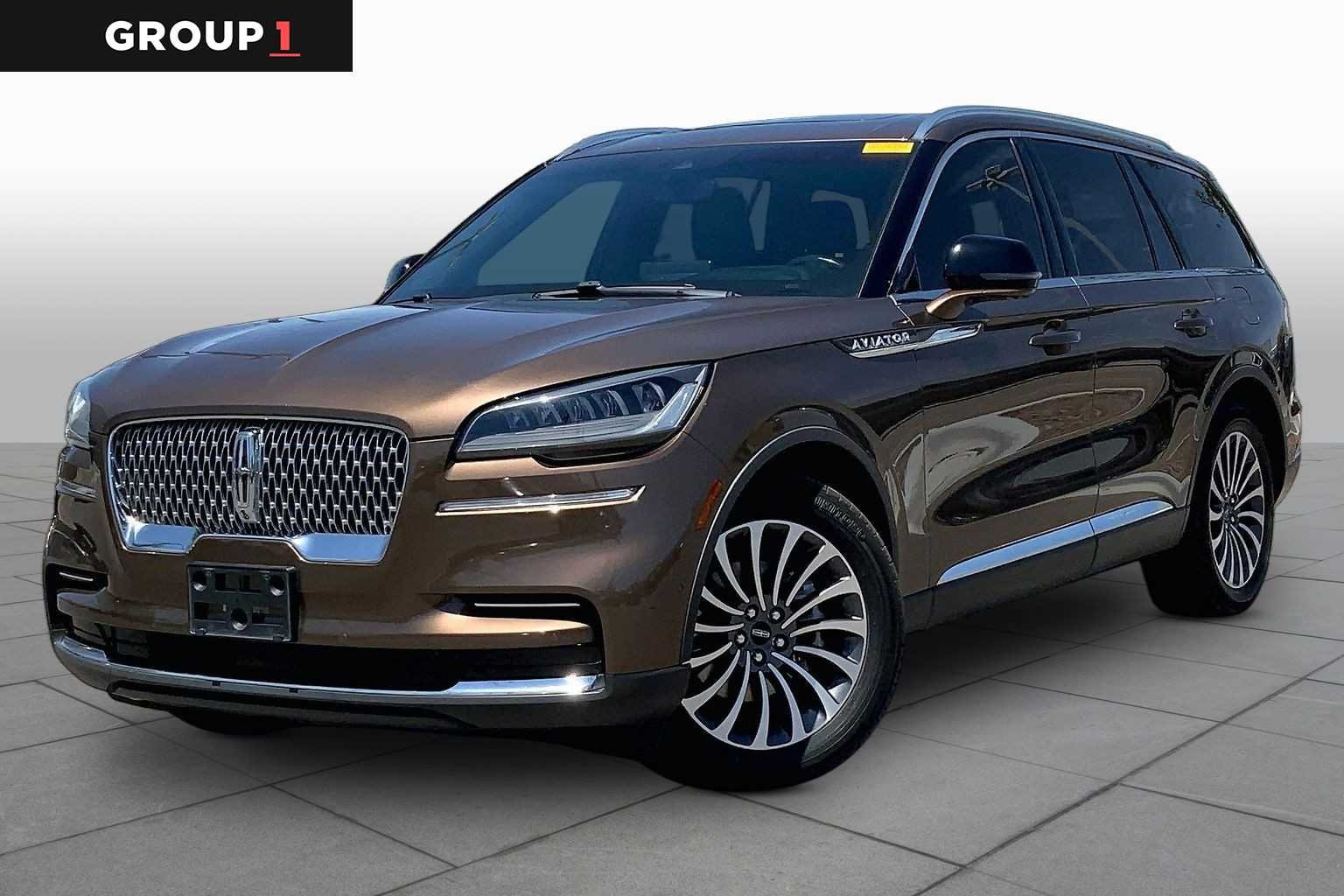
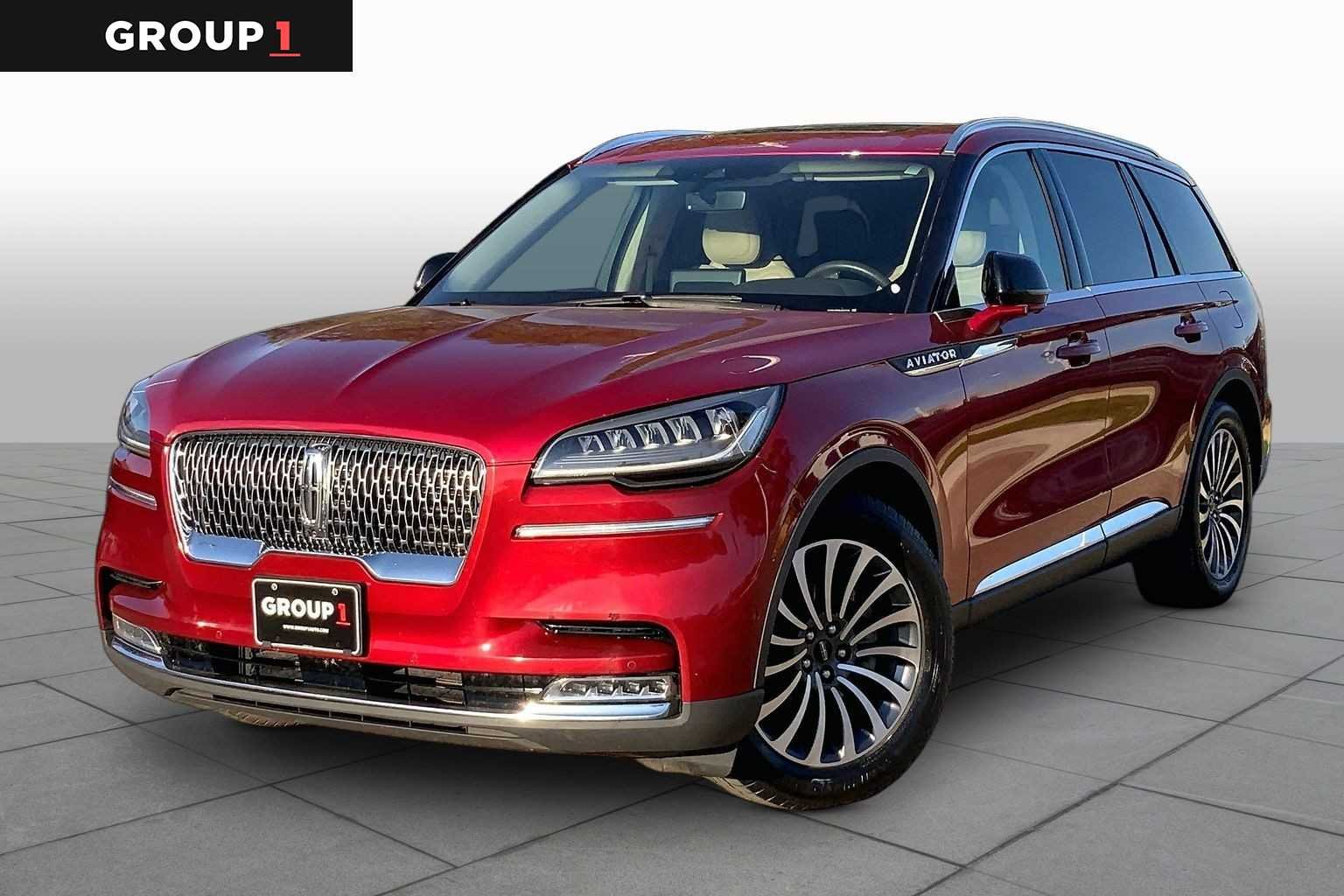
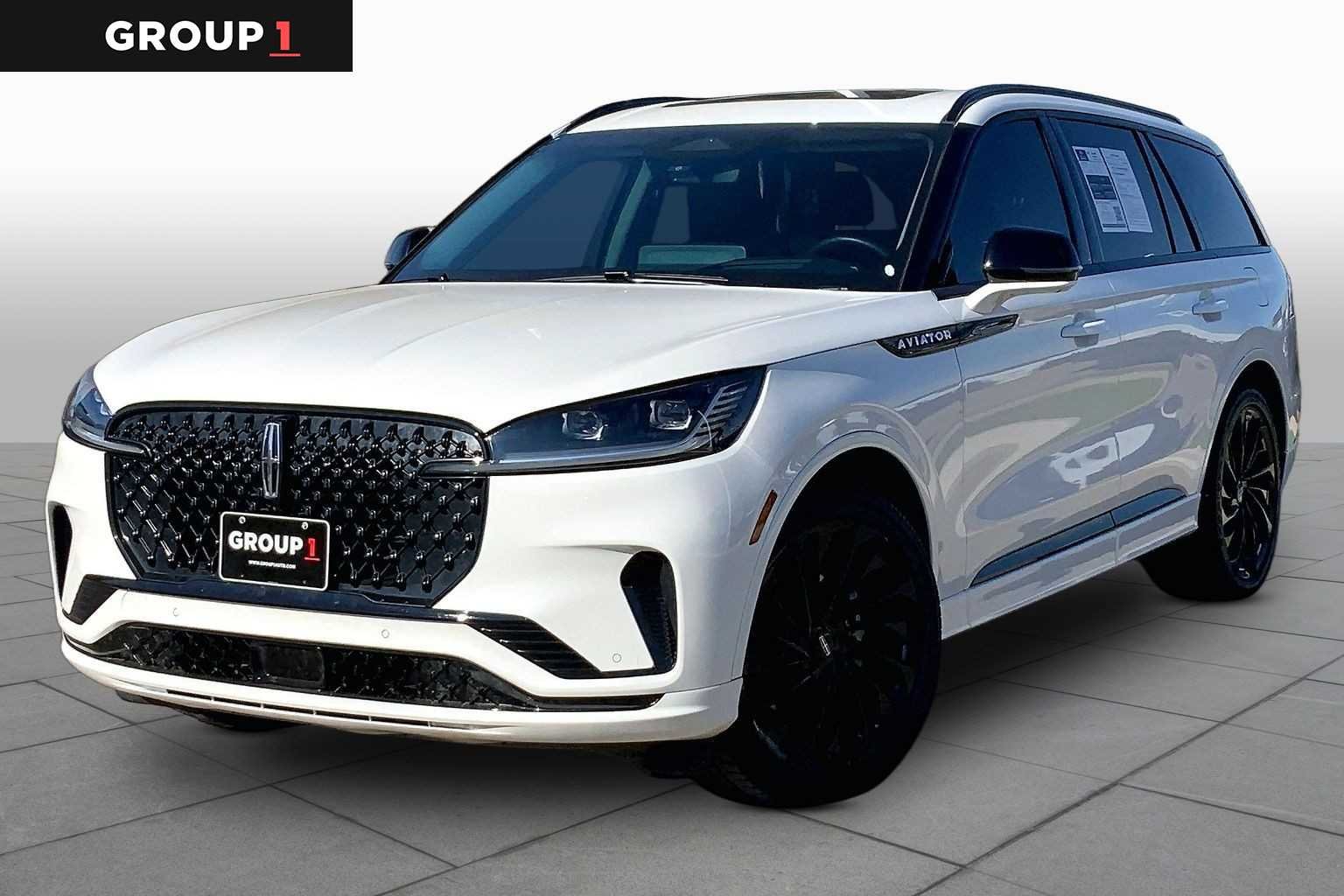
If you’re listing a Lincoln Aviator, highlight recent maintenance, replaced components (like brakes or tires), and any extended warranty or service plans. Include high-quality photos showing interior condition and an exterior view, plus clear mileage, year, and service history. A well-presented listing can help potential buyers determine value and trust.
Buying or selling a Lincoln Aviator involves weighing practical needs against luxury expectations. By focusing on mileage, year, generation, and condition, you can navigate the market confidently and find a suitable Aviator that aligns with your budget and lifestyle.
 Add as preferred sourceSee more from zvelta in Google Search Add as preferred source