 EN
ENDEALER
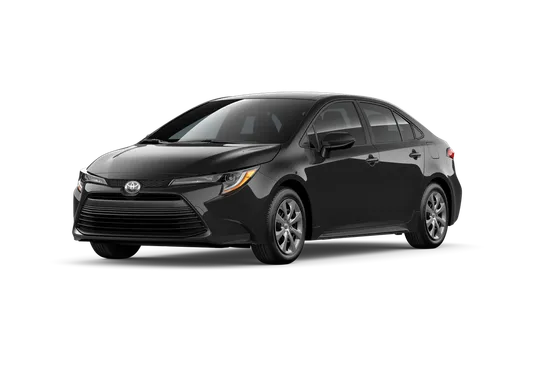
26.731 US$DEALER
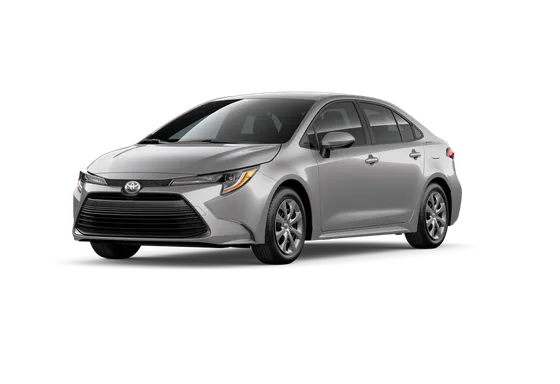
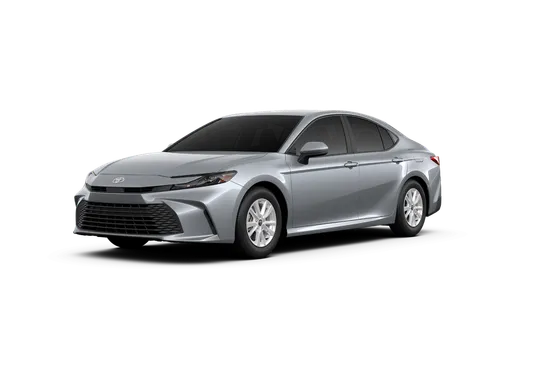
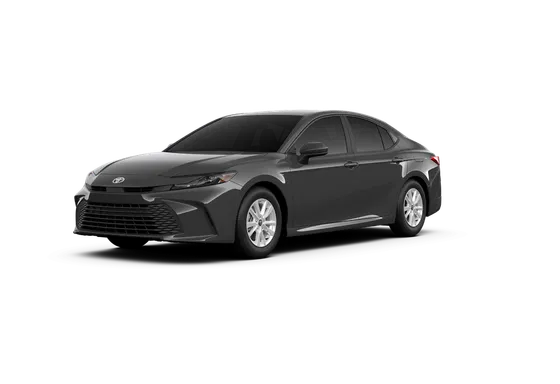
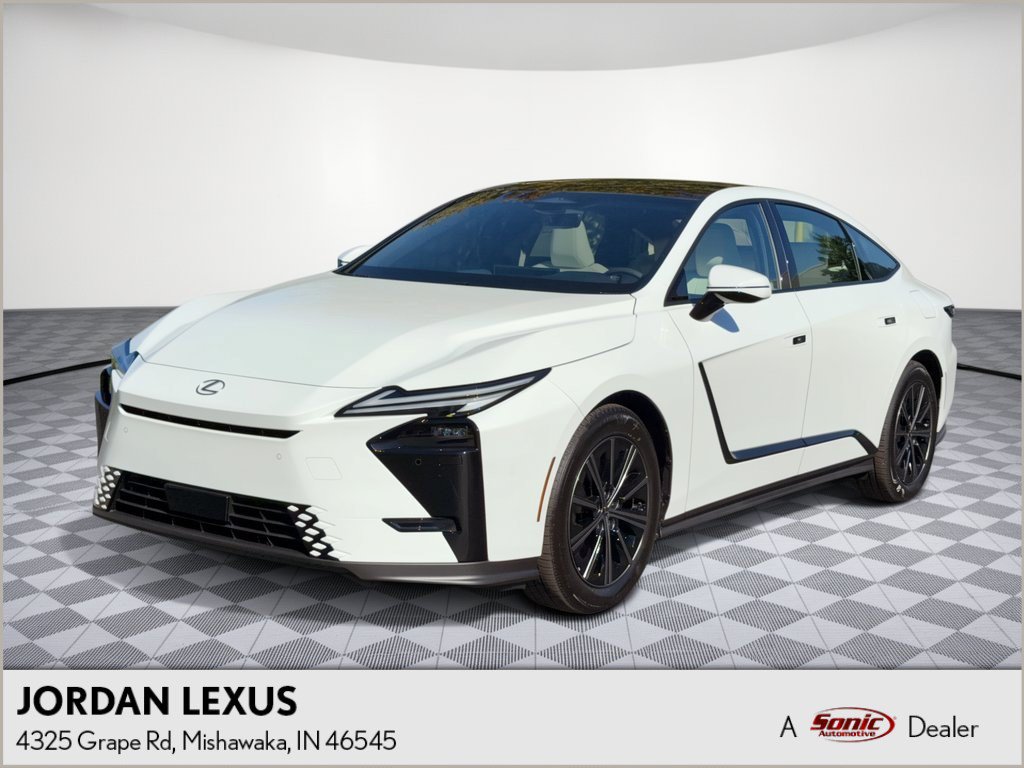
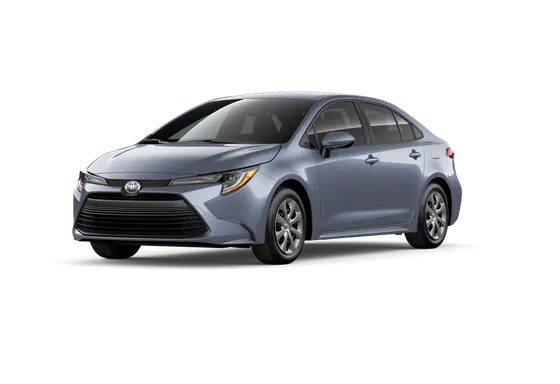
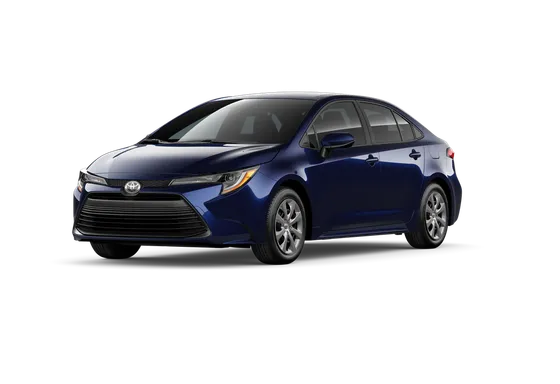
gasoline, limousine, Front Wheels Drive, 2,000 cm3, New condition, USA, In transit
SonicAutomotive.com
 Mishawaka, United StatesMishawaka, United StatesMishawaka, United StatesMishawaka, United StatesMishawaka, United States
 Mishawaka, United StatesMishawaka, United StatesMishawaka, United StatesMishawaka, United StatesMishawaka, United StatesMishawaka, United StatesMishawaka, United StatesMishawaka, United StatesMishawaka, United StatesMishawaka, United States
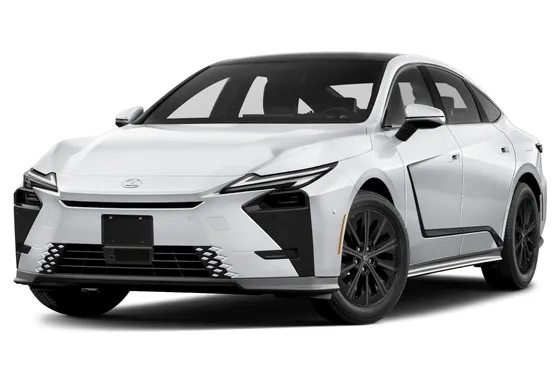 Mishawaka, United StatesMishawaka, United StatesMishawaka, United States
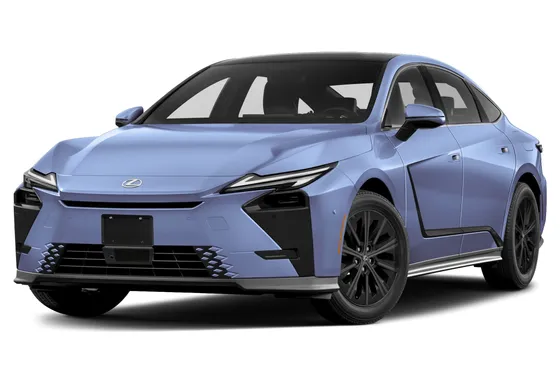 Mishawaka, United StatesMishawaka, United States
 Ontario, United States
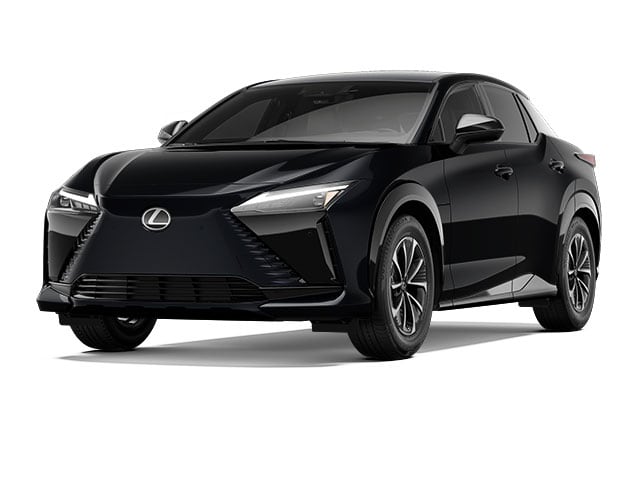 Ontario, United StatesOntario, United States
 Ontario, United StatesOntario, United StatesOntario, United States
When you’re in the market for a limousine, you’re aiming for comfort, space, and a refined driving experience. This guide helps you understand what makes a great limousine in today’s market, with practical tips for buyers and sellers in major cities and regions. Whether you’re searching in a metropolitan area or considering a regional purchase, knowing the key details of body type, brand, model, generation, fuel choice, year, and mileage will help you compare options effectively.
Limousine bodies emphasize rear-seat comfort and quiet interiors. Common choices include traditional sedan-like luxury limousines and extended wheelbase models, often powered by refined engines for smoother rides. When evaluating a car, consider:
For buyers in urban centers, evaluating trunk space, rear-seat configuration, and sound insulation can be as important as performance. In more suburban or regional markets, you might prioritize fuel efficiency, service network reach, and resale value.
The market typically features several common setups:
If you are buying in a regional market, consider arranging a professional inspection to verify maintenance history and identify any hidden wear in the chassis or suspension. For sellers, presentation matters: clean the interior, document service records, and highlight recent maintenance like tire replacement or brake work. Transparent pricing based on mileage, age, and overall condition helps you reach serious buyers.
Limousine buyers and sellers often look for a balance of luxury and practicality. By focusing on the core facts—brand reputation, generation maturity, fuel efficiency, mileage, and clear history—you can make an informed choice that matches your needs and budget.
 Add as preferred sourceSee more from zvelta in Google Search Add as preferred source