EN
ENDEALER

25.386 US$DEALER
25.686 US$
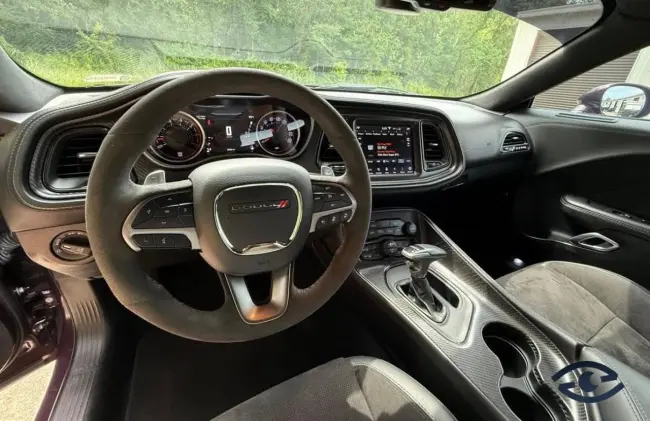
gasoline, automatic, 70K km, SUV, All Wheels Drive, 2,000 cm3, 261 hp, black, Premium Plus, Used condition, USA, In stock, left steering wheel

Group1Auto.com
 Augusta, United StatesAugusta, United States
 United StatesHouston, United States
 Sherwood Park, Canada
 United KingdomUnited KingdomUnited KingdomUnited Kingdom
 Spain, Madrid
 Marne La Vallée, France
 Sohrschied, GermanySohrschied, Germany
 Pieleszewo, PolandPieleszewo, PolandCisowa, PolandCisowa, PolandCisowa, PolandCisowa, PolandCisowa, Poland
 Cisowa, Poland
 Cisowa, PolandCisowa, Poland
 Gdynia, PolandDąbrowa, PolandRedłowo, Poland
When you’re shopping for a left-hand drive car in the UK, you’re often weighing convenience against availability. This guide helps you understand what to look for when choosing a brand, model, and generation, and how to compare options across fuel types, body styles, and price ranges. Whether you’re buying for daily commuting, weekend trips, or a specific country or city move, knowing the key details will save time and help you make a confident decision.
Choosing the right left-hand drive car starts with defining your priorities. For many buyers in the UK, common considerations include the brand and model, generation, year, mileage, and price segment. If you’re focused on a particular city or country style, it helps to think about transport needs across different driving conditions. Typical questions include: Which engine offers the best balance of efficiency and performance? Is a newer generation worth the extra cost, or is a previous generation a better value? What body type suits daily city driving versus longer highway trips?
When comparing left-hand drive cars, focus on a few practical areas. Look at performance figures, fuel efficiency, maintenance costs, and after-sales support in your country or city. If you’re evaluating a specific brand, note whether the model has common issues in the generation you’re considering and what updates the newer generation brings. A quick checklist helps:
For buyers, a trusted inspection is essential. Arrange a pre-purchase inspection, verify service history, and test drive in conditions close to your usual routes. If you’re selling, present complete documentation: service records, any accident history, and a clear list of recent maintenance. Transparent information reduces negotiation friction and can help you reach a fair price within your target price segment.
Think about regional nuances such as road taxes, insurance, and any local requirements for importing a left-hand drive vehicle. If you’re shopping in larger cities, consider parking availability and urban driving benefits of the model you choose. In the end, the best choice balances your budget, the car’s generation and features, and how well it fits your daily life.
 Add as preferred sourceSee more from zvelta in Google Search Add as preferred source