 EN
ENDEALER

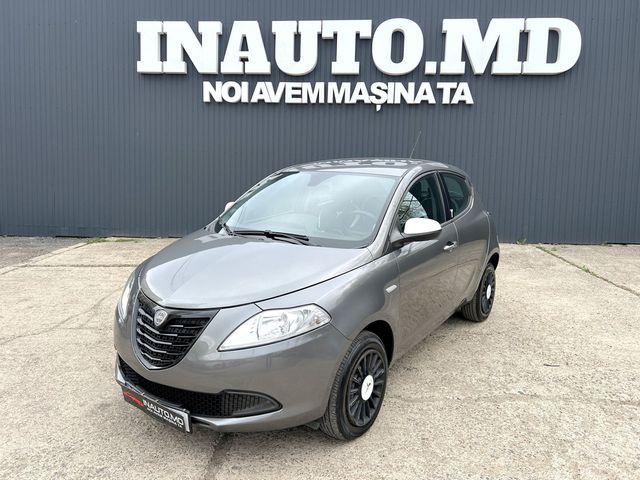
2023, hybrid, manual, 99K km, sedan, 69 hp, -, Used condition, In stock, sale date 26.10.2026 06:15

CarOutlet.eu
 Italy
ItalyAuction starts
26 Oct, 06:15
 ItalyItalyItalyItalyItalyItaly
 Moldova
 Bulgaria, Sofia
 UkraineKyiv, Ukraine
 Tiraspol, Moldova
 United Arab Emirates, Dubai
When you’re in the market for a Lancia, whether you’re buying a first car or adding a classic to your collection, understanding the model range, generation, and local market nuances makes a big difference. This guide focuses on practical steps for choosing, comparing, and negotiating the purchase of Lancia vehicles, including popular body types, fuel options, year ranges, and typical price bands. It also provides useful advice for sellers who want to attract serious buyers and close deals smoothly in your city or country.
Lancia offers a range of models with distinct personalities. When evaluating a Lancia, key details to confirm include the generation, specific model name, and body type (sedan, hatchback, or hatch-based crossover). Take note of the fuel type (petrol, diesel, hybrid) and the year of manufacture, as these influence maintenance schedules and resale value. For example, a mid-life model from a recent generation typically balances modern features with affordable running costs, while older generations may appeal to collectors or enthusiasts, especially in well-preserved condition.
Potential buyers often compare several factors:
For sellers, highlighting a well-documented history, recent maintenance, and any tasteful upgrades can help secure a fair offer. Providing clear photos of the engine bay, interior, and undercarriage builds buyer confidence and speeds up the sale process.
Decide which engine and body style fit your daily routine and budget. If you require lower fuel consumption for city driving, a modern petrol or hybrid option may be best. For older models, ensure you’re comfortable with potential maintenance costs and parts availability. When comparing trims or generations, consider features such as infotainment, safety packages, and comfort enhancements that affect long-term ownership.
If you’re evaluating resale potential, consider how the model’s popularity has shifted in your country and city. Local garages and independent specialists can provide trusted opinions on condition and likely future maintenance needs. A test drive remains essential to evaluate ride quality, steering response, and braking performance, especially on variants with unique tuning from specific generations.
Whether you’re buying in a bustling city or selling in a quieter market, a well-presented Lancia that’s accurately described and fairly priced tends to attract serious interest. Use local forums, trusted dealers, and certified pre-owned programs to compare options and make an informed choice, keeping in mind the important details of generation, model, fuel type, and mileage that buyers commonly inquire about.
 Add as preferred sourceSee more from zvelta in Google Search Add as preferred source