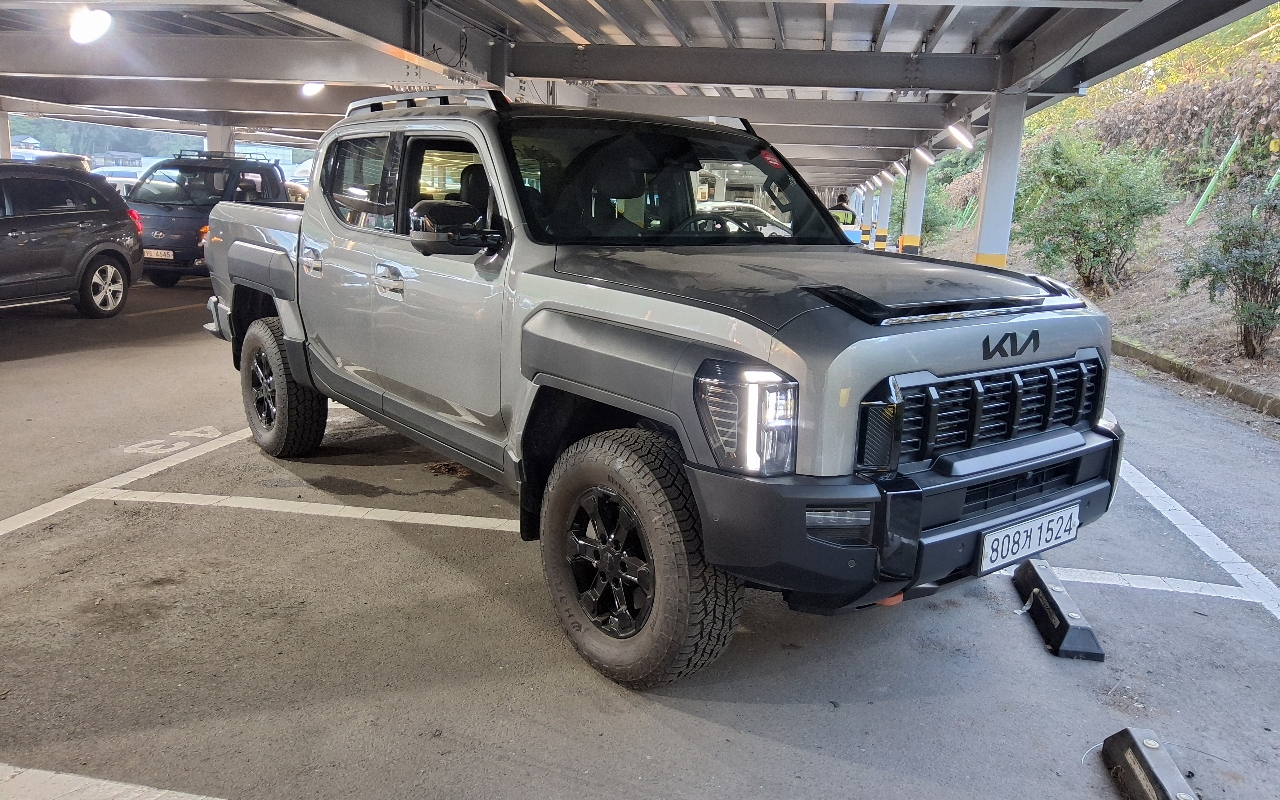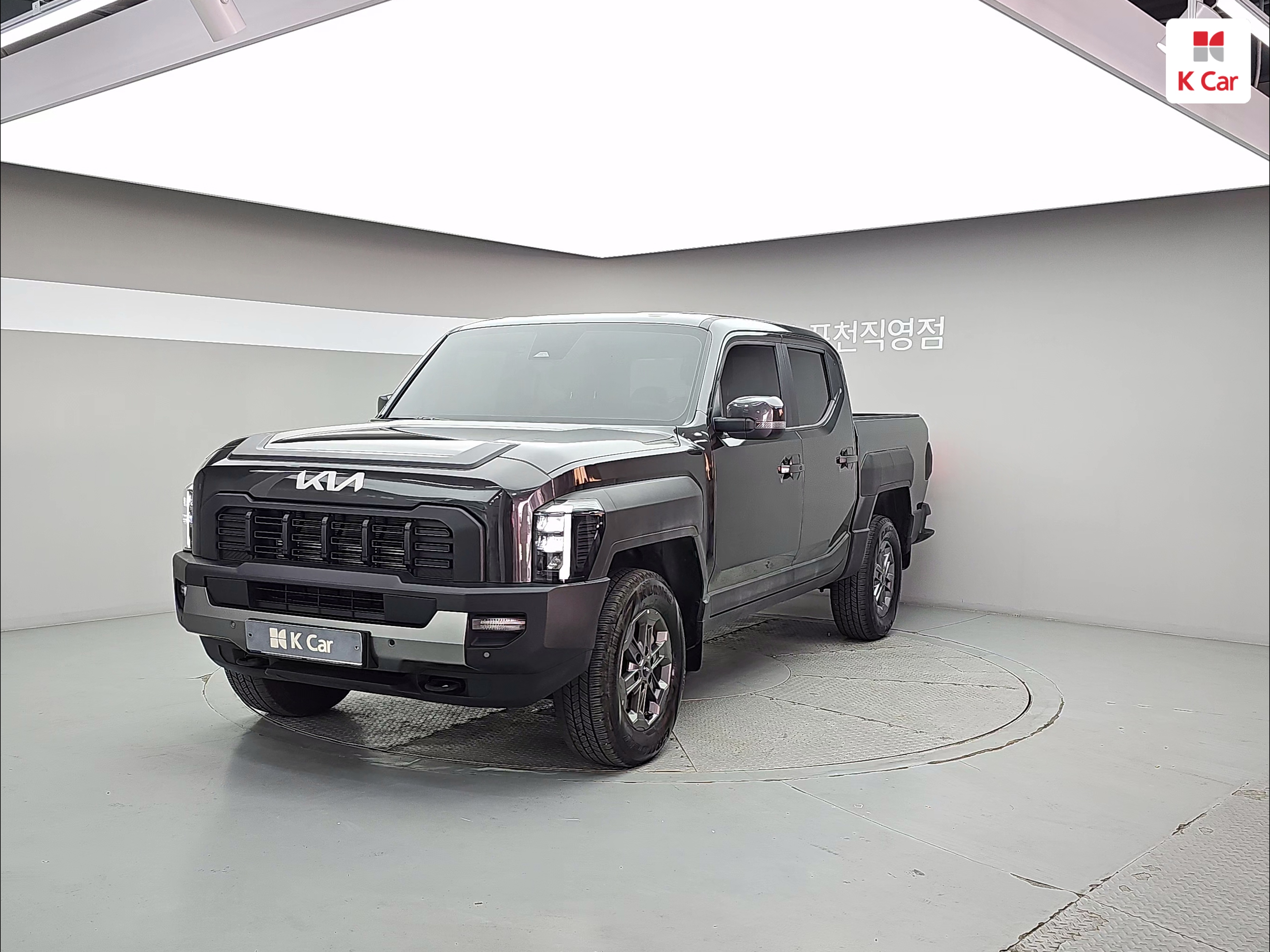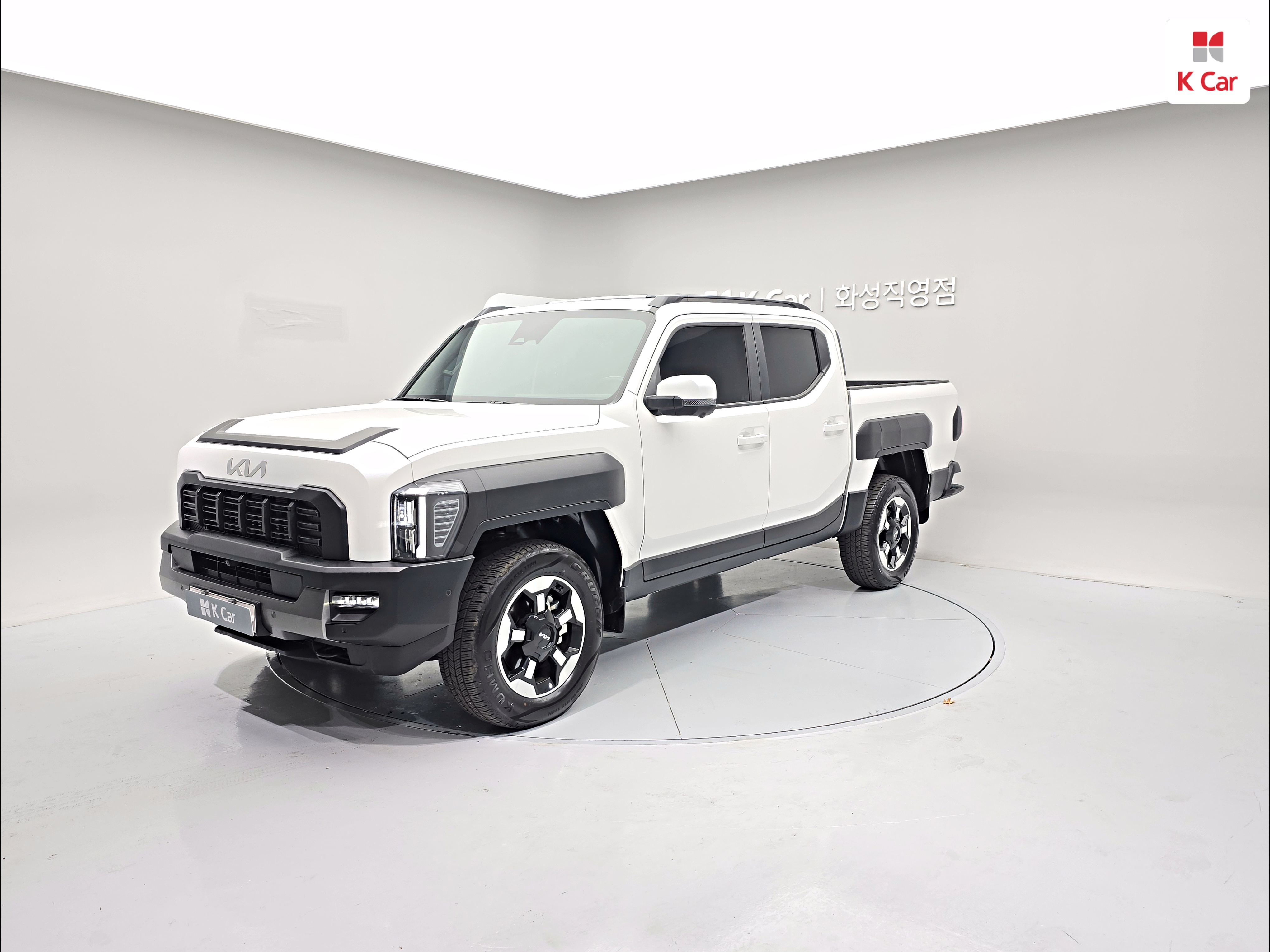


The Kia Tasman has become a notable option for buyers looking for a versatile SUV with a practical balance of comfort and capability. If you’re considering purchasing or selling a Kia Tasman, you’ll want to understand the key factors that affect value in today’s market, especially when you focus on a specific country and city. This guide walks you through what to look for in a Tasman, including generation options, fuel type, body style, and typical price ranges depending on year and mileage.
Understand the Kia Tasman you’re considering
The Tasman line offers variations by generation and trim, with different mileage levels and feature sets. When you search for a Kia Tasman in your city, you’ll encounter listings that show the year, mileage, and condition, alongside the asking price. Common questions buyers ask include:
- What year Tasman provides the best reliability and value?
- Which engine options deliver a good mix of performance and economy?
- How does mileage impact resale value in my country?
- What body type is best for city driving or weekend trips?
In many markets, the Tasman is found with petrol engines paired to a practical SUV body. Depending on the generation, options may include different fuel systems and transmissions. If you’re selling, emphasize recent maintenance, service records, and whether tires, brakes, and suspension have been updated. If you’re buying, a complete service history and a cleanifiable battery condition can add confidence to the offer.
Comparing prices, mileage, and condition in your city
When evaluating Kia Tasman listings, consider these practical checks:
- Year and mileage: a newer model with lower mileage typically commands a higher price, but service history matters just as much as age.
- Vehicle history: look for accident-free reports and confirm the odometer matches the car’s condition.
- Engine and fuel type: petrol engines are common, but hybrid variants may appear in some markets with different efficiency profiles.
- Body and trim: confirm the body type aligns with your needs, whether you prioritize cargo space for family use or a sportier look for everyday driving.
In many regions, buyers also weigh ongoing running costs such as insurance, road tax, and maintenance, which can influence the total cost of ownership. Sellers should be ready to provide maintenance receipts and a recent inspection report to boost buyer confidence.
Practical tips for buying or selling a Kia Tasman
For a smoother experience, keep these tips in mind:
- Set a realistic target price by checking comparable Tasman listings in your city, considering year, mileage, and condition.
- Request a pre-purchase inspection (PPI) to uncover potential issues with the engine, transmission, or suspension.
- Verify fuel economy claims with real-world usage data and a test drive to assess comfort and drivability.
- Consider incentives in your country, such as warranty offers or certified pre-owned programs, which can affect perceived value and buyer interest.
Whether you’re buying to upgrade your daily commute or selling to refresh your garage, understanding the nuances of the Kia Tasman in your local market will help you make informed decisions. Use trusted listings, compare similar years and mileages, and factor in all ownership costs to determine the best value.