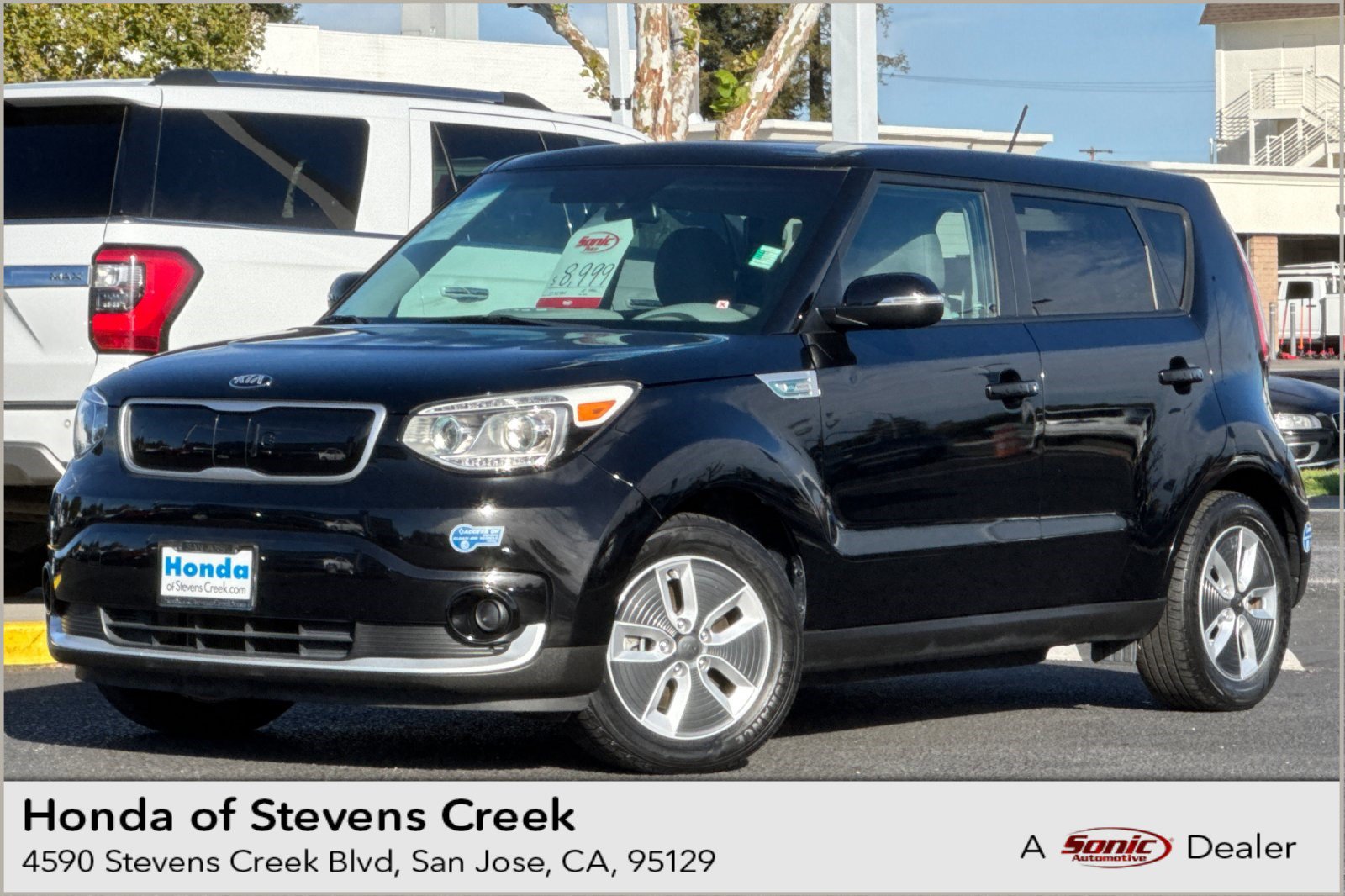


If you’re considering an electric car that blends practicality with a memorable look, the Kia Soul EV is worth a close look. This model blends a roomy hatchback body with純electric propulsion, making it a strong choice for urban commutes and weekend getaways alike. Whether you’re buying new, certified pre-owned, or planning to sell a Kia Soul EV, understanding its generations, battery options, and ownership costs helps you make a smarter decision.
Why the Kia Soul EV stands out for buyers and sellers
The Soul EV is known for its distinctive boxy silhouette, spacious cabin, and efficient electric drivetrain. Key points many buyers search for include:
- Generation and age: early Soul EVs vs later updates, which can affect range and features.
- Battery and range: how far you can drive on a single charge in real-world conditions, and charging options (AC home charging vs fast charging).
- Cargo and practicality: hatchback versatility makes it easy to transport groceries, equipment, or shopping bags without sacrificing passenger space.
- Price and segments: understanding where the model sits in the used market and what new prices look like in different regions helps with negotiating.
What to consider when choosing a Kia Soul EV in your city
When you search for a Kia Soul EV in your country and city, several local factors matter:
- Year and mileage: lower miles are often preferred, but a well-maintained higher-mileage example can still offer solid value with proper maintenance records.
- Trim and features: different trims bring varying levels of tech, safety features, and comfort options such as touchscreen infotainment, driver assist systems, and heated seats.
- Charging infrastructure: local availability of public charging, home charging setup costs, and incentives or subsidies for EV owners.
- Total cost of ownership: electricity rates, maintenance costs, and any applicable taxes or rebates influence the long-term value of a Soul EV.
Realistic choices in the market: what buyers and sellers usually ask
- What is the typical price range for a Kia Soul EV in your area, considering year, mileage, and condition?
- Which engine or battery options were offered across generations, and how do they impact range and performance?
- How reliable is the model over time, and what common maintenance items should owners budget for?
- For sellers: what documentation boosts value, such as charging history, service records, and a clean battery health report?
Practical tips to decide between new and used Soul EVs
- New vs used: if you want the latest tech and guaranteed battery warranty, a newer model might be worth the higher upfront cost. For budget-minded buyers, a well-kept used Soul EV with reasonable mileage can provide excellent value.
- Battery health: ask for a recent battery health check and service history. A battery showing strong capacity is essential for satisfying daily driving needs.
- Test drive: pay attention to acceleration, braking, and regenerative braking feel, as well as interior space and cargo flexibility.
Whether you’re buying or selling, the Kia Soul EV represents a practical, compact EV choice with a friendly price point and a unique look. By focusing on year, mileage, battery health, and local charging options, you can confidently navigate the market in your city and neighborhood.