 EN
ENDEALER
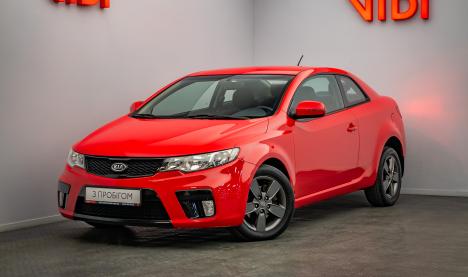
2011, gasoline, automatic, 186K km, coupe, Front Wheels Drive, 1,600 cm3, 128 hp, red, Kia Cerato 128 к.с., Used condition, In stock

vidi.ua
 Sofiyivska Borschagivka, Ukraine
 Sofiyivska Borschagivka, Ukraine
 Ukraine
 UkraineUkraineUkraineOdeskyi Raion, UkraineUkraineUkraineUkraineUkraineUkraine
The Kia Cerato has long been a popular choice for drivers who want reliable everyday usability with efficient performance. If you’re considering buying or selling a Kia Cerato, understanding the model’s generations, configurations, and typical price ranges helps you make a smarter decision. This article focuses on practical steps to choose, compare, and transact for a Cerato in your city, with emphasis on fuel options, body types, year ranges, and mileage expectations.
The Cerato lineup offers sedan and hatchback options, typically powered by gasoline engines with varying outputs depending on the year and trim. When evaluating a Cerato, key factors include the generation, transmission type, fuel efficiency, and maintenance costs. If you buy used, inspect the odometer reading, service history, and any evidence of collisions. Buyers should also compare prices within the same year and mileage bracket to gauge fair market value.
Prices depend on year, mileage, trim level, and regional demand. A Cerato in good condition with average mileage could fall into a mid-range price band, while newer models with low mileage command a premium. When shopping locally, compare listings from dealers and private sellers, look for certified pre-owned incentives if available, and consider total ownership costs including insurance, maintenance, and possible depreciation.
By focusing on genuine buyer concerns—reliability, cost of ownership, fuel efficiency, and clear vehicle history—you can navigate the market for a Kia Cerato with confidence. Whether you’re buying a first car or upgrading, aligning with local market expectations will help you close a fair deal and enjoy dependable daily transport.
 Add as preferred sourceSee more from zvelta in Google Search Add as preferred source


