EN
EN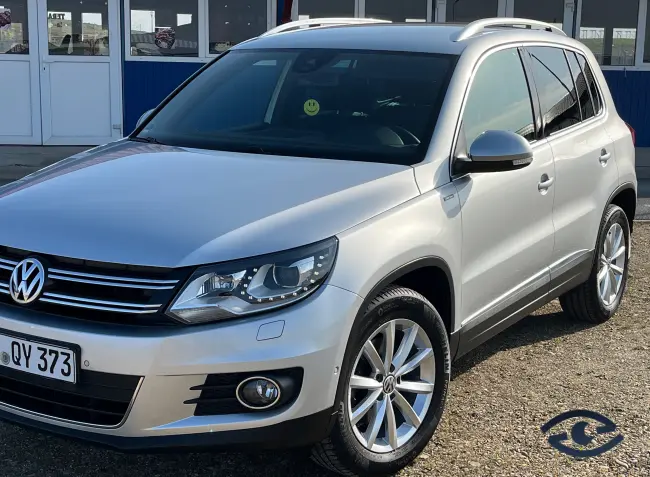
13.654 US$
13.390 US$
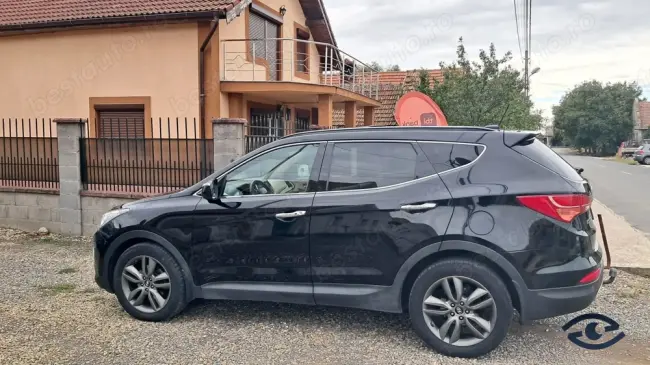
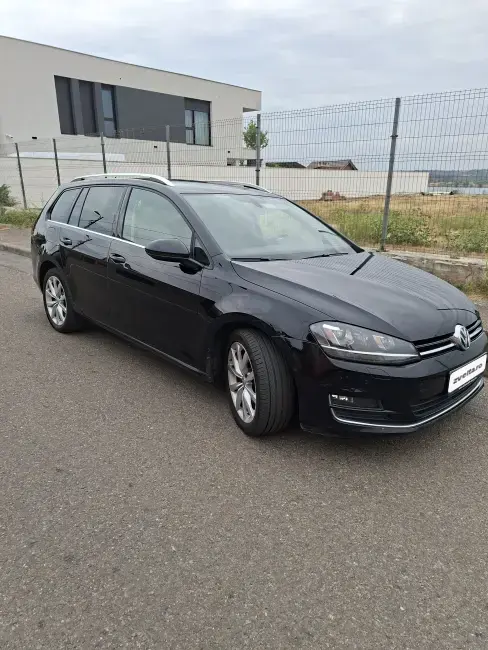
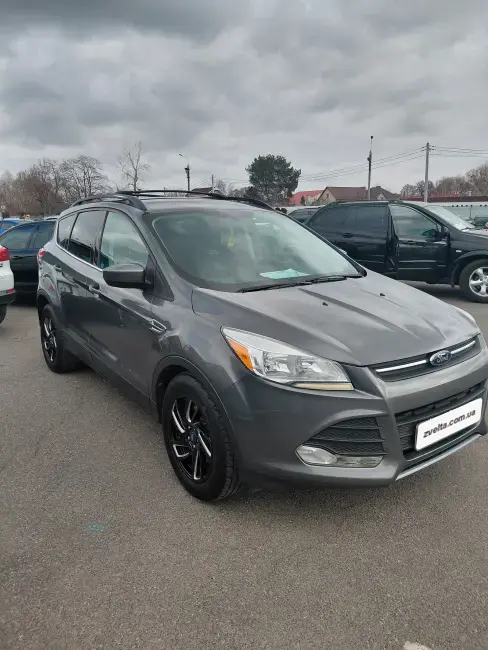
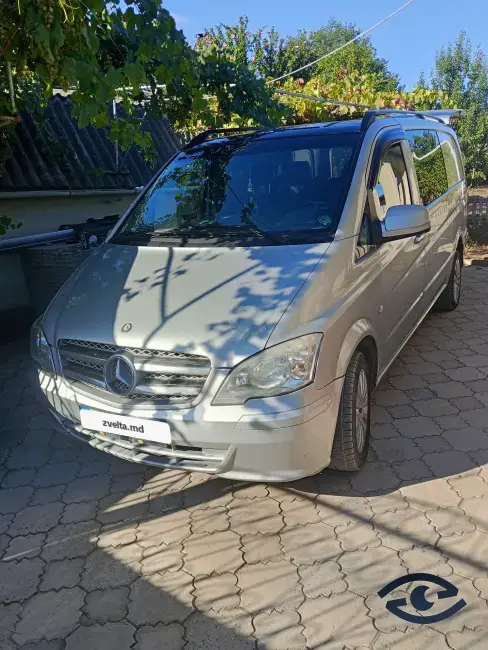
diesel, manual, 168K km, SUV, Front Wheels Drive, 2,000 cm3, 150 hp, Euro 6, silver, Used condition, airbag state: intact, In stock, left steering wheel, keys available
 Oradea, RomaniaOradea, RomaniaTimișoara, RomaniaTimișoara, RomaniaTimișoara, RomaniaTimișoara, RomaniaTimișoara, RomaniaTimișoara, RomaniaTimișoara, RomaniaRomania, Timiș County
 Ukraine, ZhytomyrTârgu Mureş, RomaniaDrobeta-Turnu Severin, RomaniaSibiu, RomaniaRadoși, RomaniaKyiv, Ukraine
 Donduseni, MoldovaMoldova, DrochiaMoldova, DrochiaRâmnicu Vâlcea, RomaniaRâmnicu Vâlcea, RomaniaRâmnicu Vâlcea, RomaniaMoldova, Municipiul BălţiBălţi, MoldovaBălţi, MoldovaBălţi, Moldova
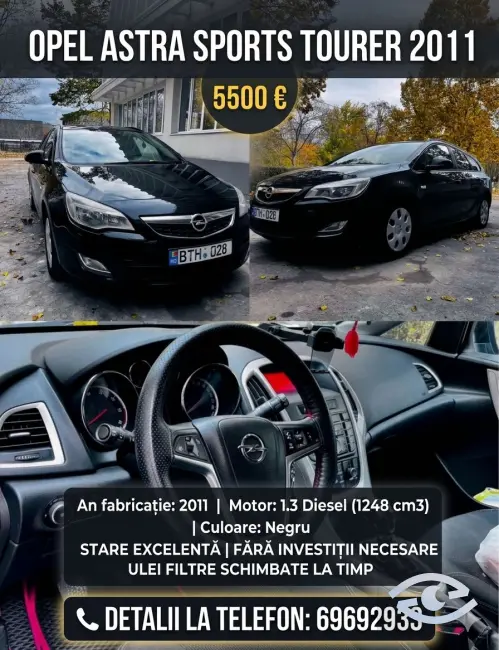
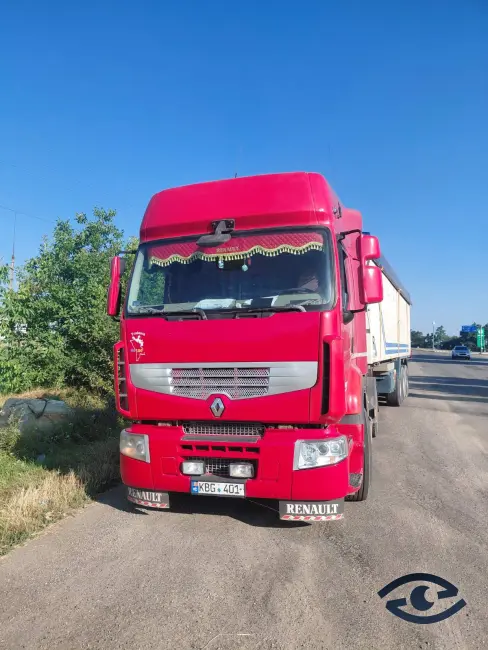
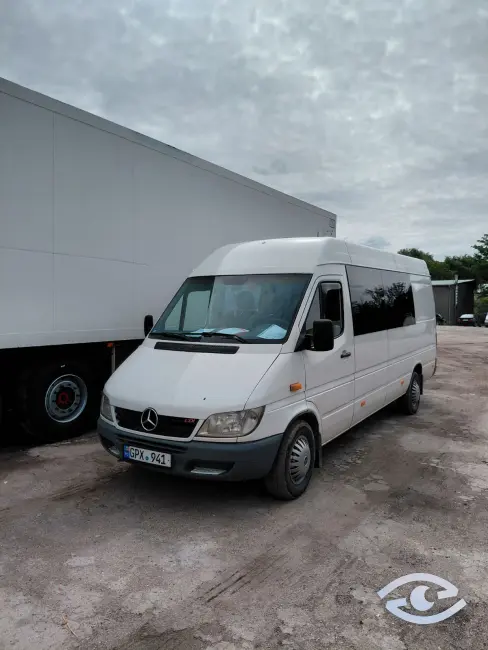
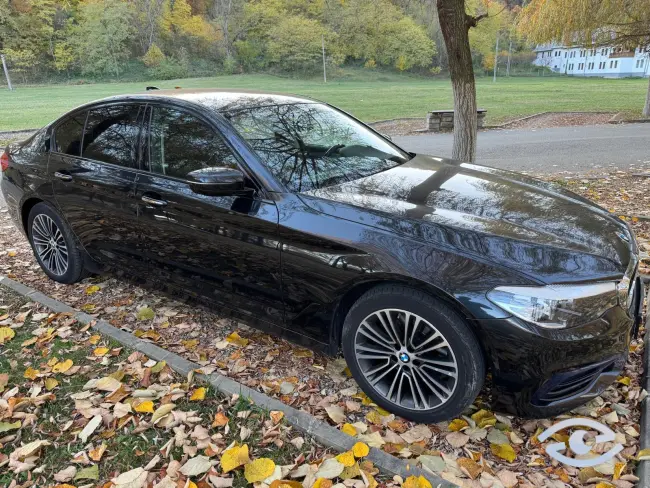
When you’re in the market for a used car, a clear plan helps you avoid common pitfalls and find a reliable vehicle that fits your budget. This guide focuses on choosing, comparing, and buying or selling cars in your city, covering key details like brand, model, generation, fuel type, body style, year, mileage, and price range. Whether you’re eyeing a compact hatchback for daily commuting or a practical sedan for family trips, knowing what to look for is essential.
Before you start visiting listings, outline your priorities. Do you want a fuel-efficient daily driver, a spacious family car, or a sporty model with modern tech? Set a realistic price segment based on your city’s market and consider total ownership costs: insurance, maintenance, and potential repairs. A well-defined budget helps you filter options without overspending and enables faster negotiations when you find a suitable candidate.
When you compare different cars, several elements influence long-term satisfaction:
A well-planned approach helps you find a car that fits daily needs while offering reasonable reliability and resale value. Compare multiple options, weigh fuel costs, and choose a configuration that aligns with your driving habits and budget. By focusing on the brand, model, generation, fuel type, body style, year, mileage, and price segment, you’ll make a confident decision whether you’re buying new-to-you or listing your current vehicle for sale.
 Add as preferred sourceSee more from zvelta in Google Search Add as preferred source