 EN
ENDEALER
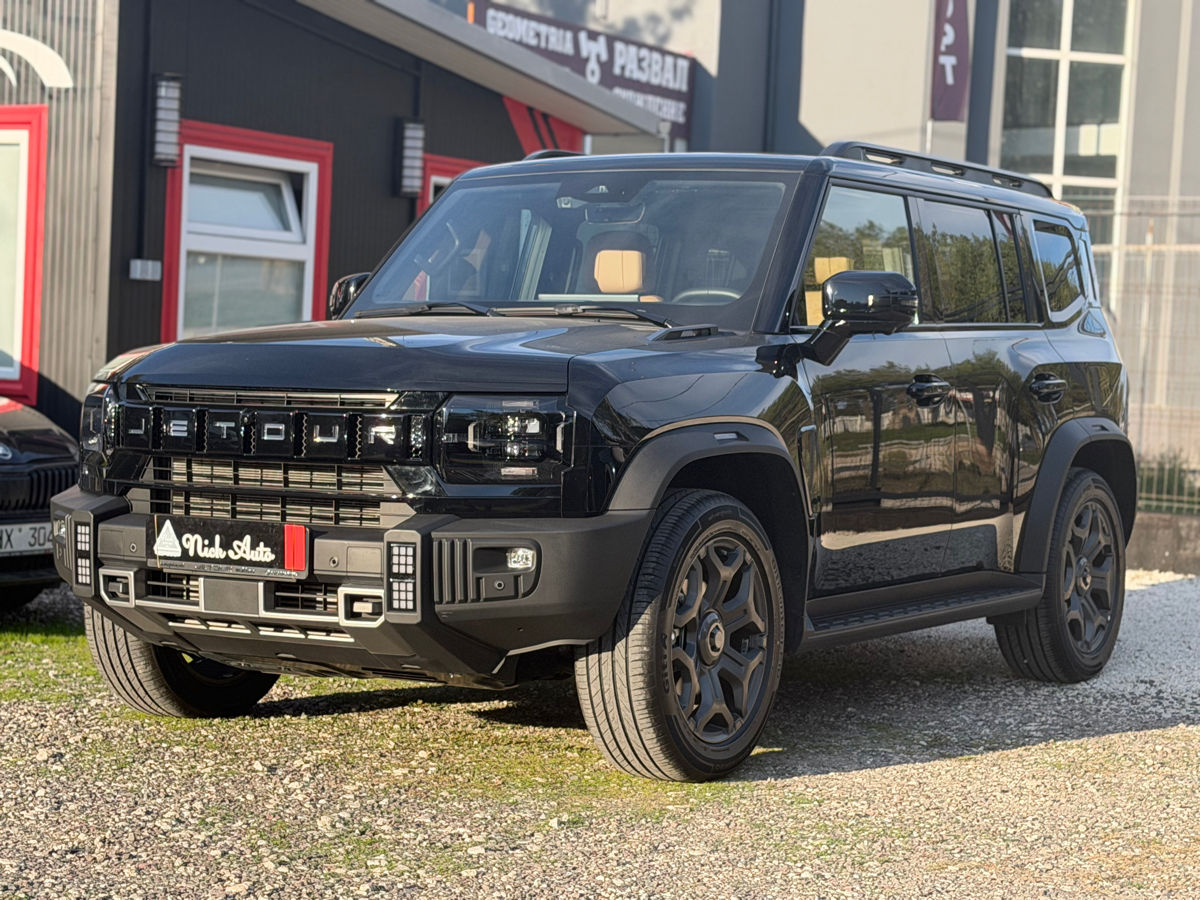
28.523 US$

NickAuto.md
 Moldova, Municipiul Bălţi
01 October 2026
 Moldova, Municipiul BălţiMoldova, Municipiul BălţiMoldova, Municipiul BălţiMoldova, Municipiul BălţiMoldova, Municipiul BălţiMoldova, Municipiul BălţiMoldova, Municipiul BălţiMoldova, Municipiul BălţiMoldova, Municipiul BălţiMoldova, Municipiul Bălţi
 Moldova
 Ckulyanskaya Rogatka, Moldova
 MoldovaMoldovaMoldova
 Moldova, Municipiul ChişinăuMoldova, Municipiul ChişinăuMoldova, Municipiul ChişinăuMoldova, Municipiul ChişinăuMoldova, Municipiul Chişinău
 Chisinau, MoldovaChisinau, MoldovaCkulyanskaya Rogatka, Moldova
 Ukraine, Zakarpattia OblastUkraine
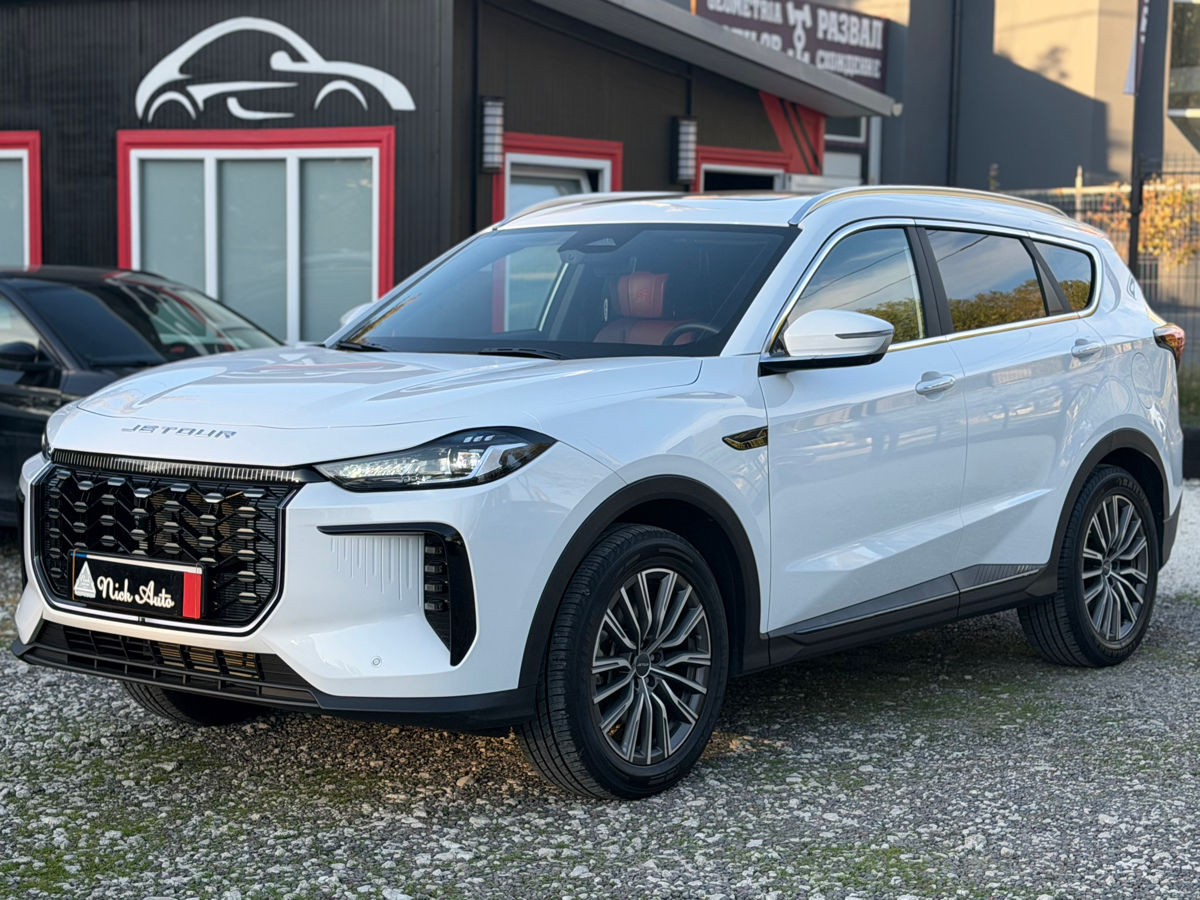
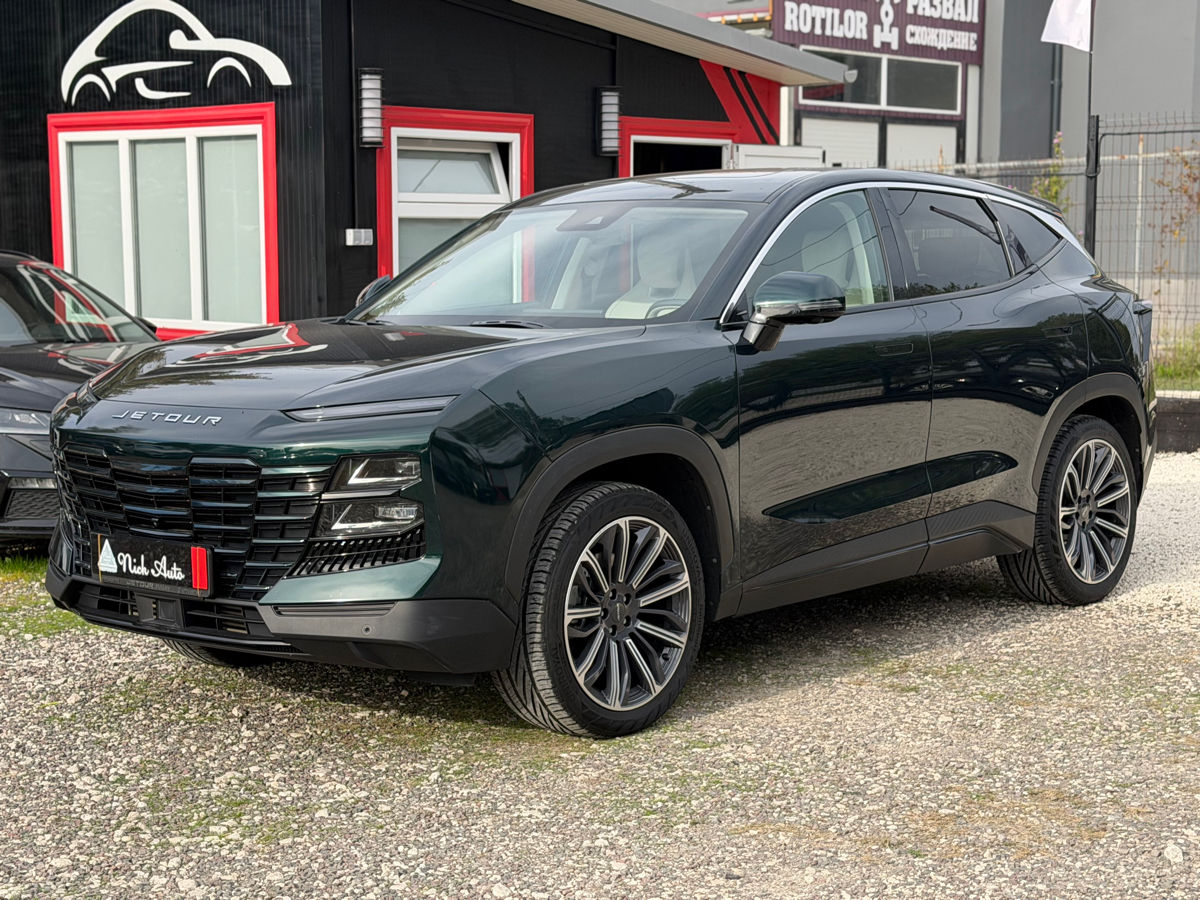
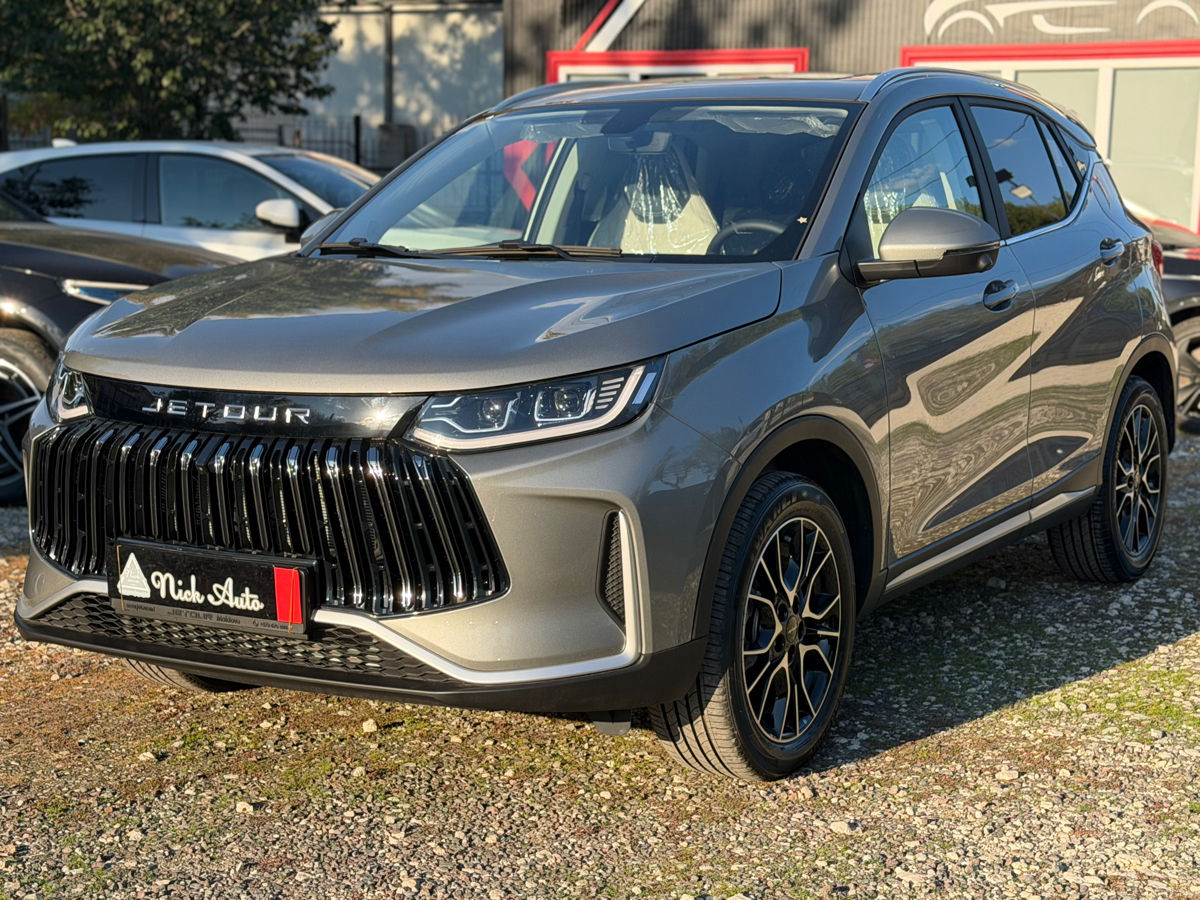
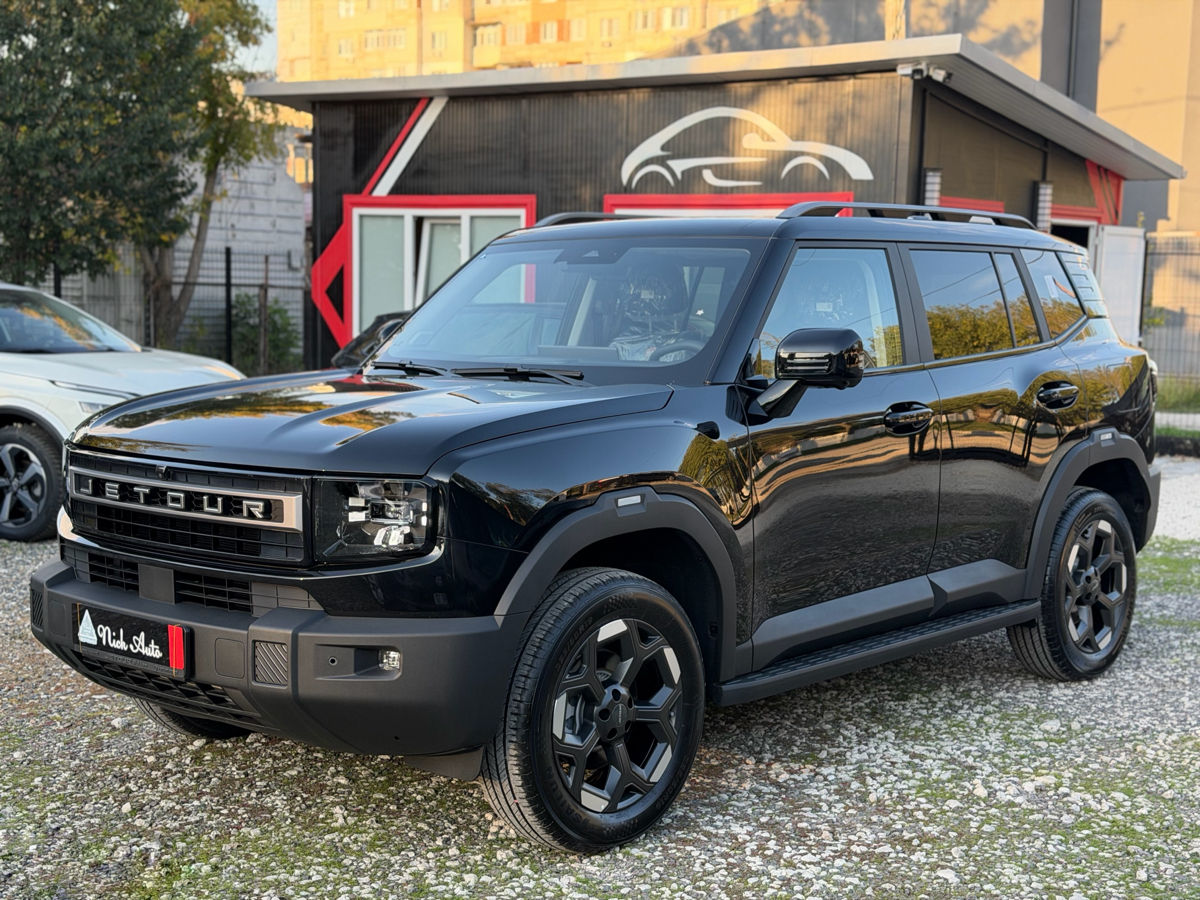
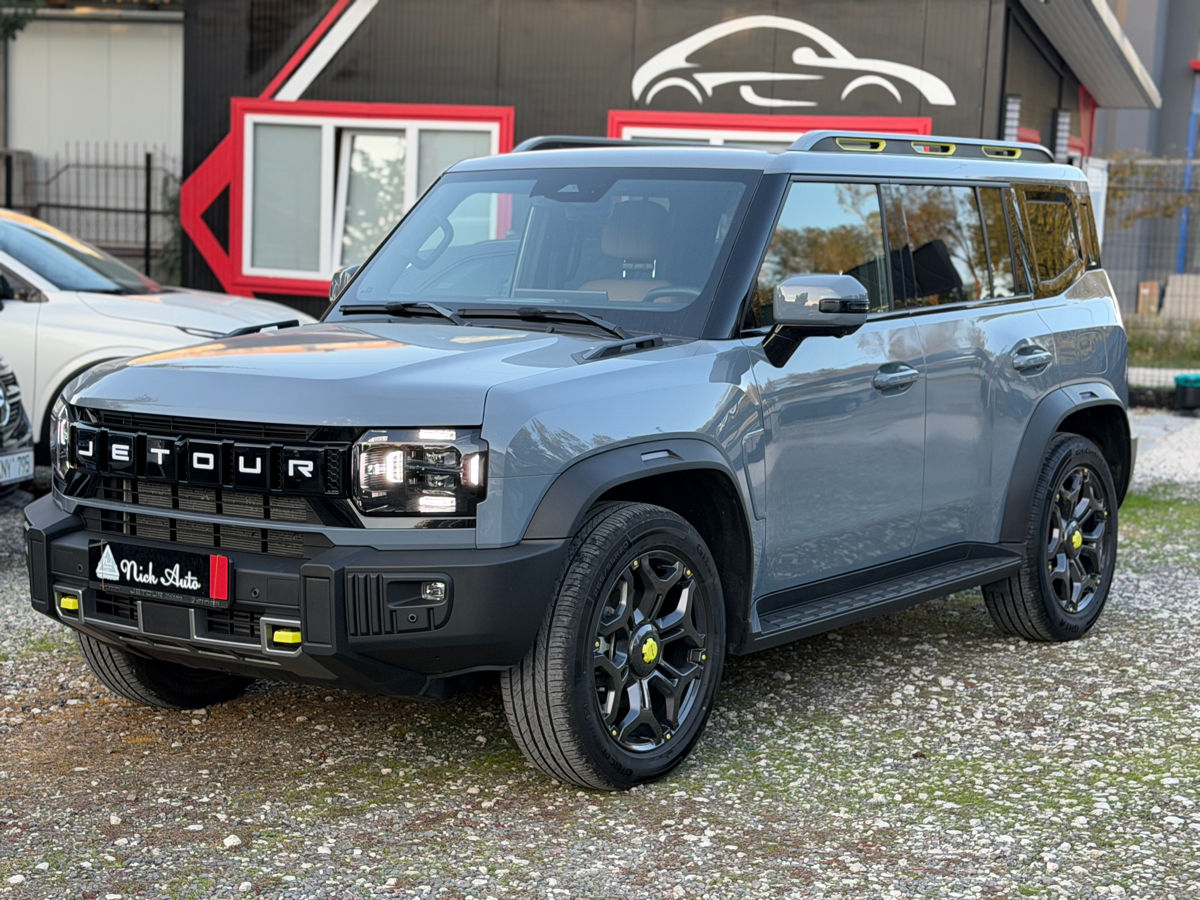
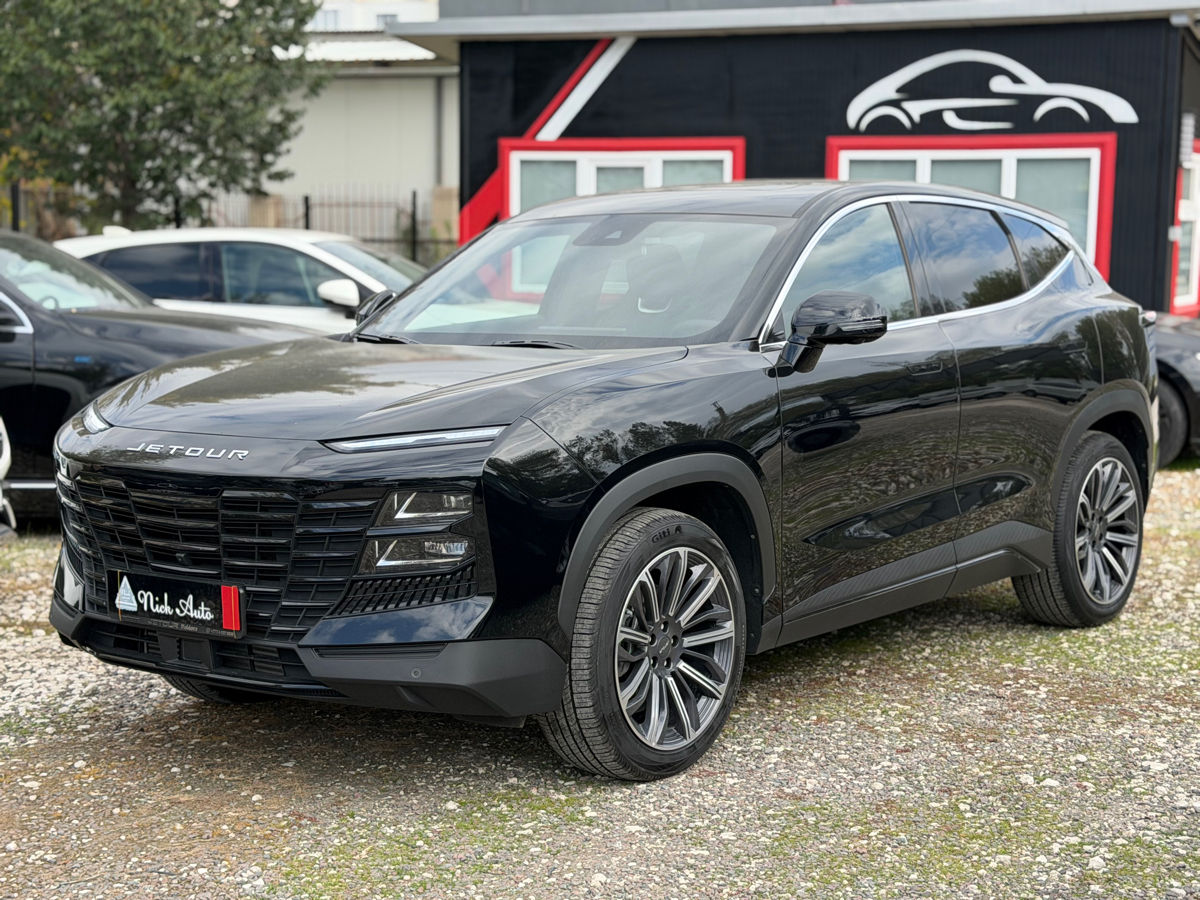
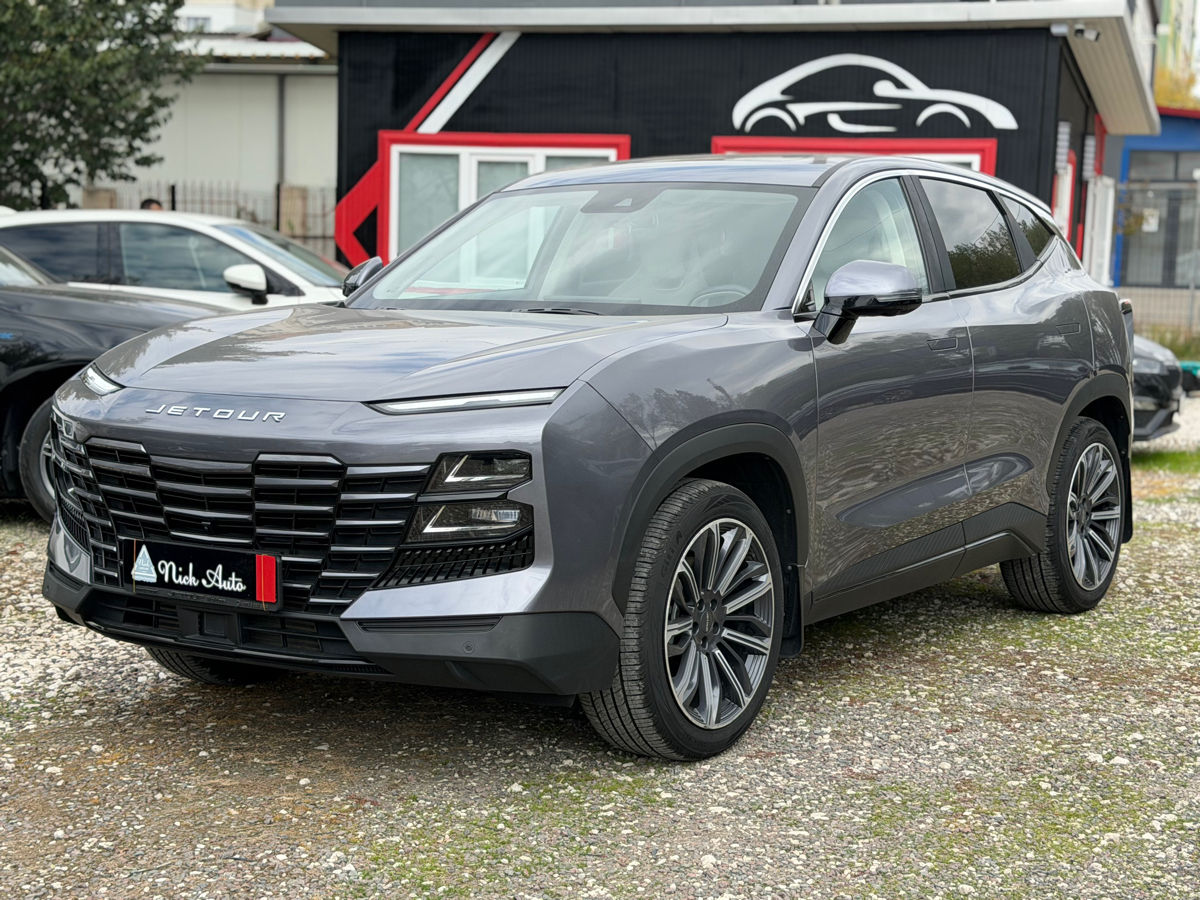
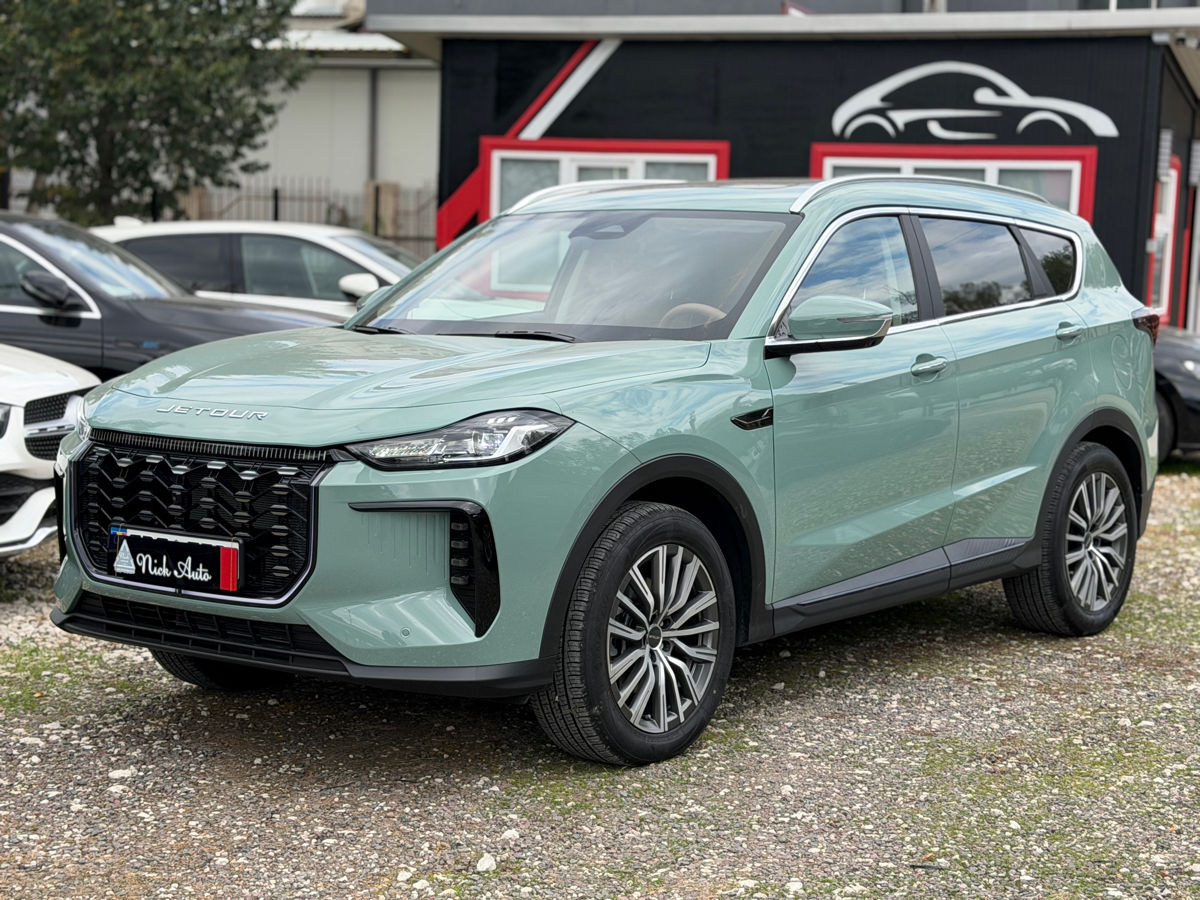
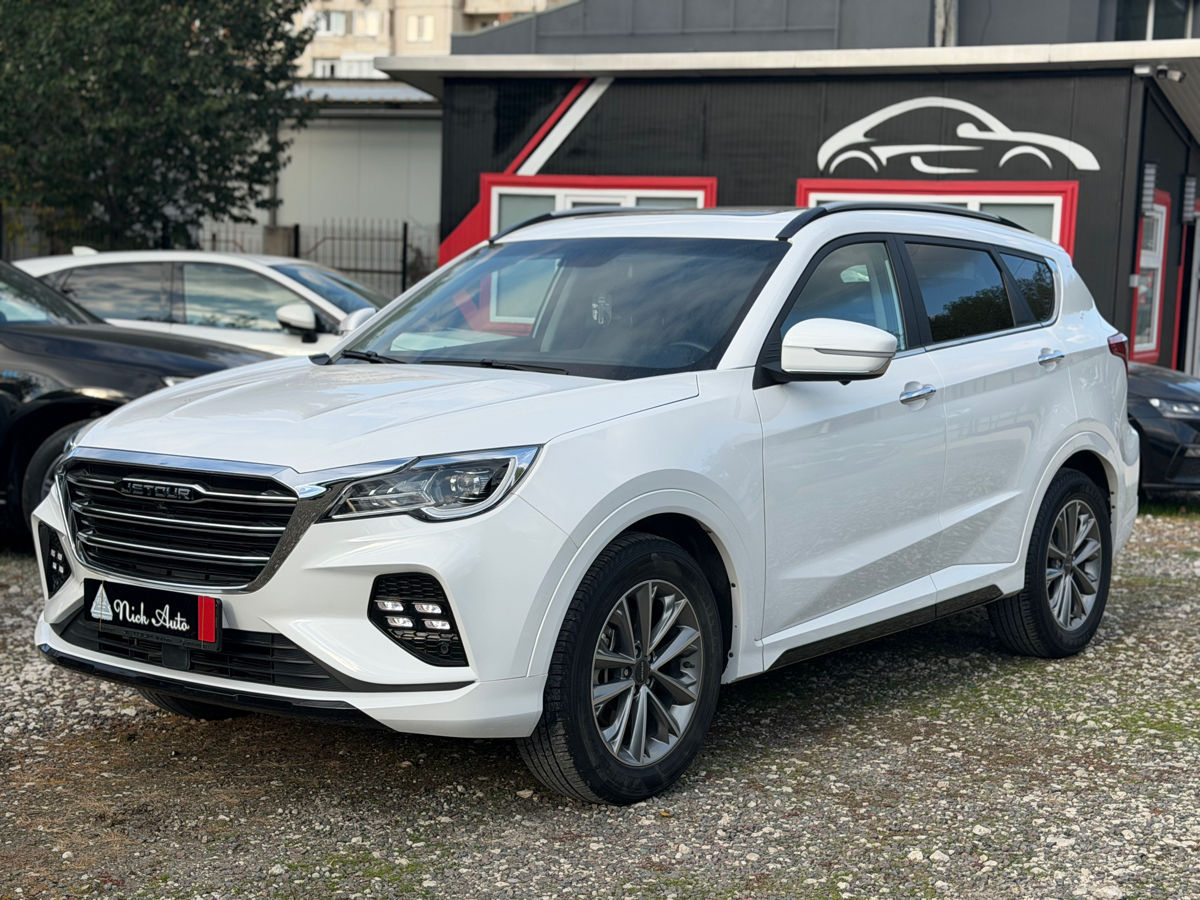
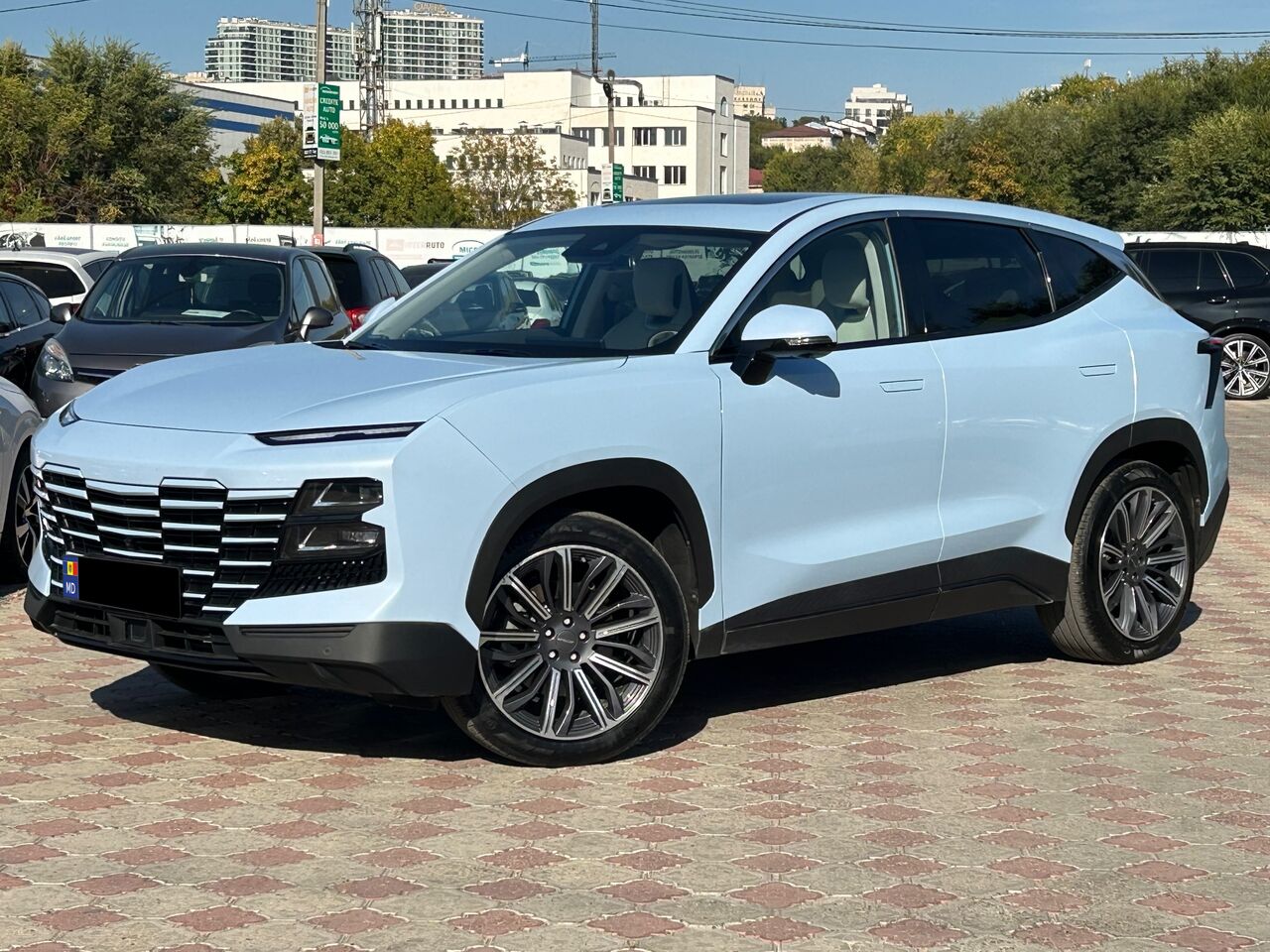
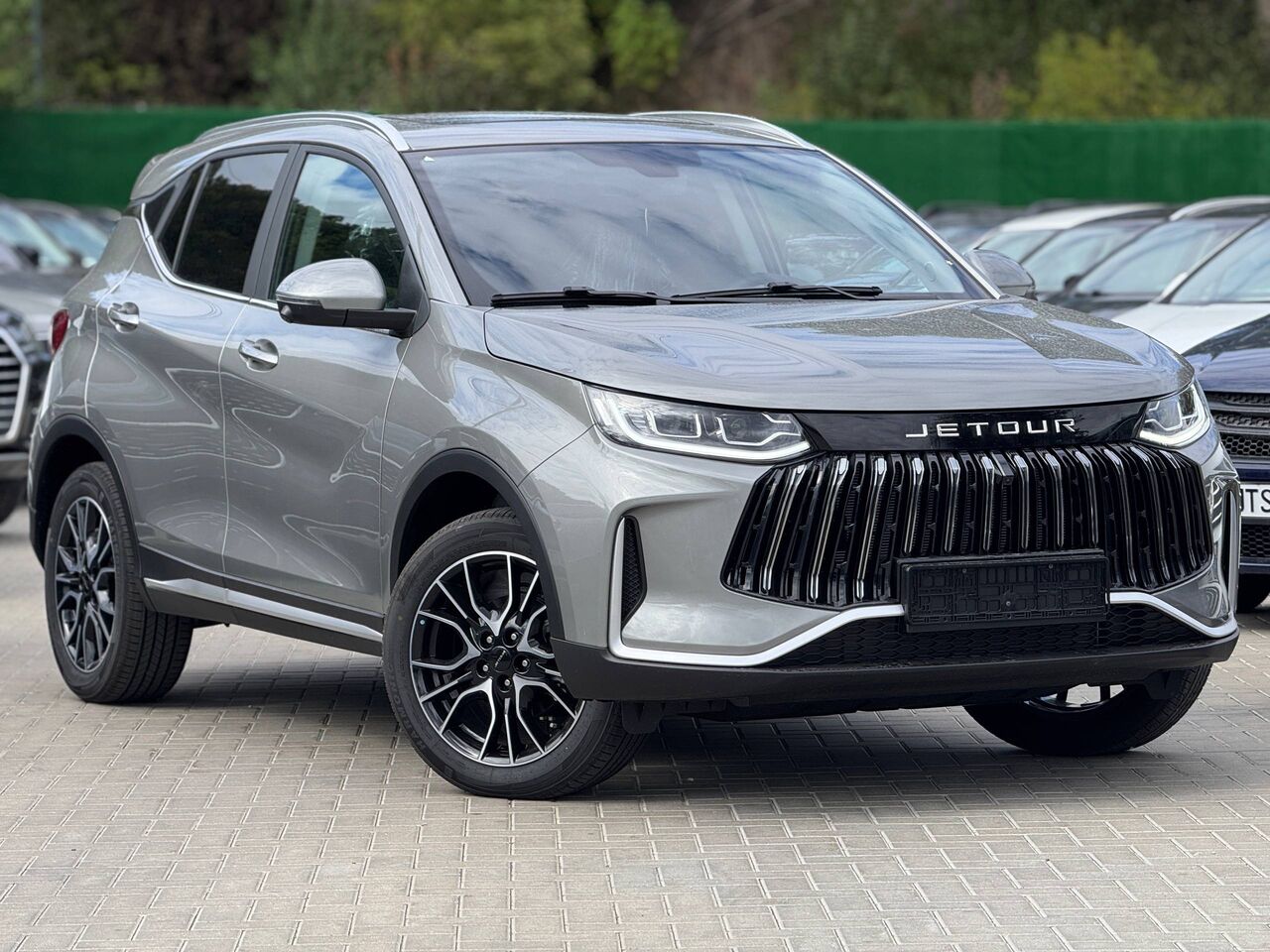
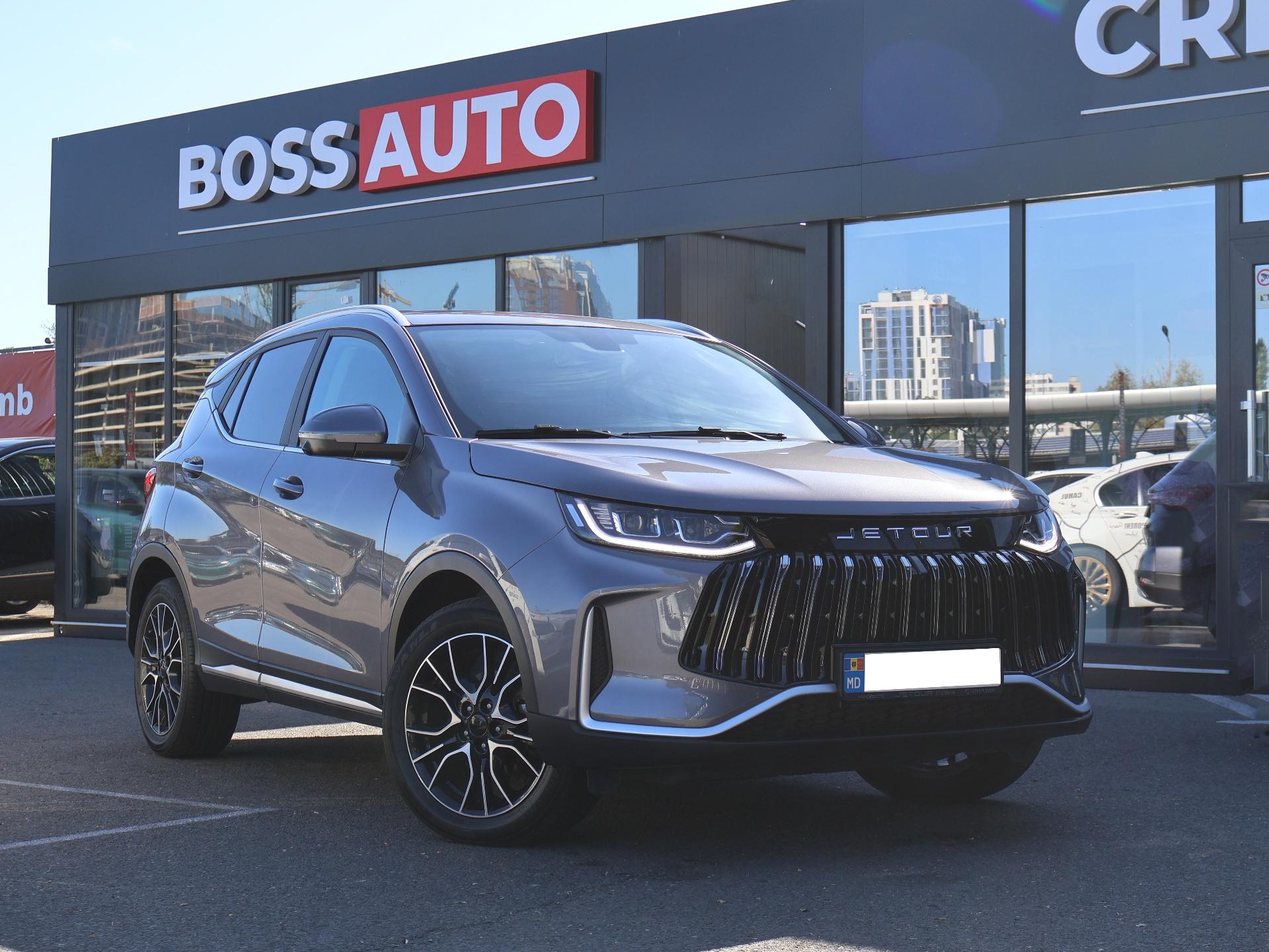
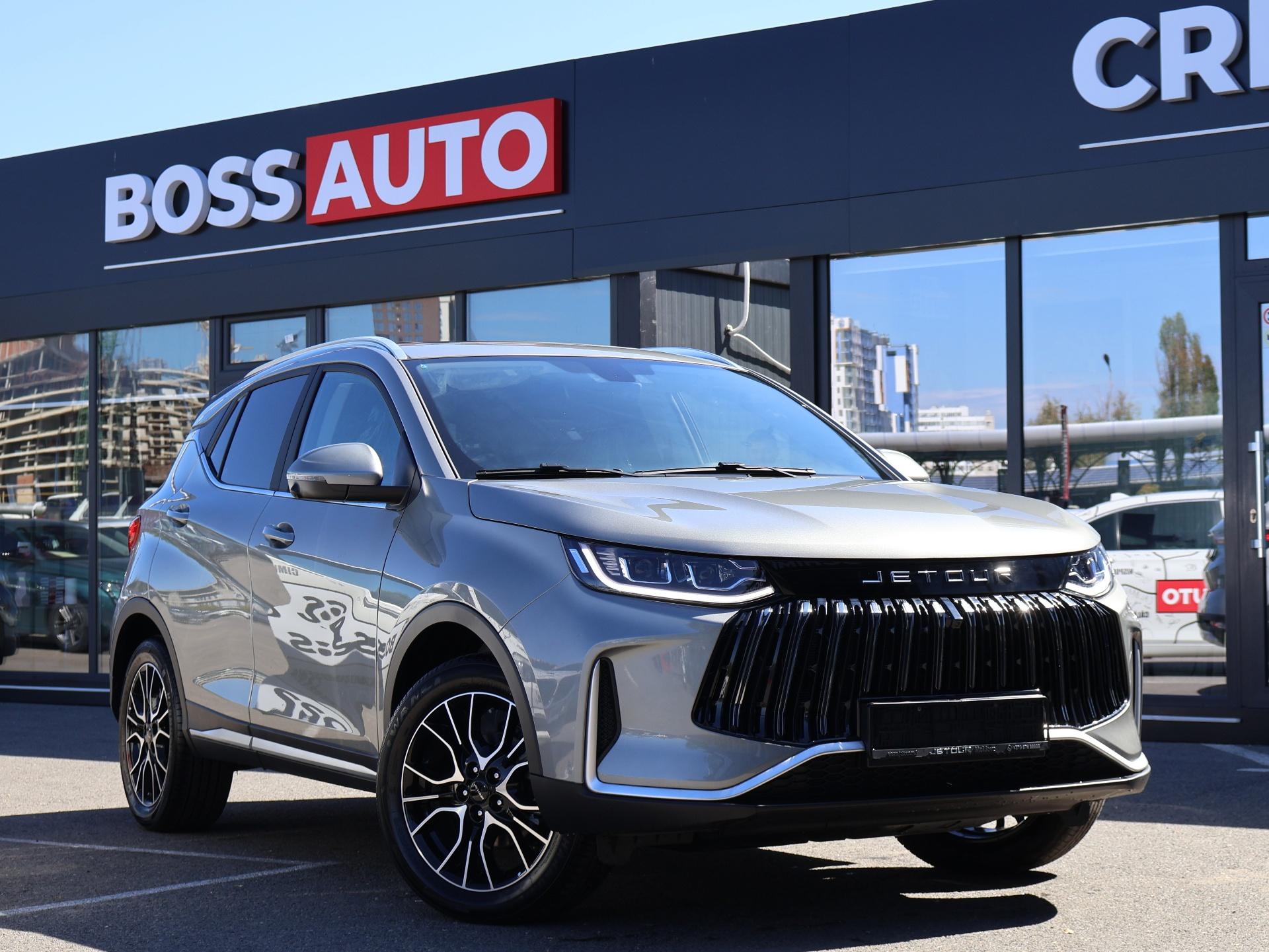
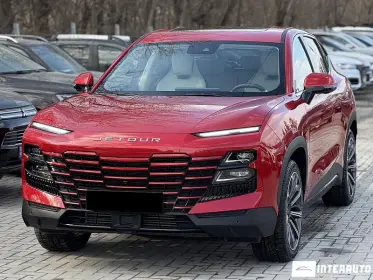
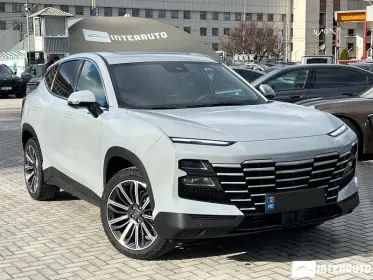
Jetour cars stand out in the affordable crossover segment with practical space, modern tech, and versatile styling. If you’re considering a Jetour to add to your garage, this guide helps you compare models, understand generations, and estimate what you’ll pay in your city. We’ll walk through key questions buyers and sellers often ask: which Jetour model suits your needs, what engine options are available, and how mileage and year affect price.
Jetour offers several model lines, with popular choices in the compact crossover class. When evaluating versions, pay attention to the generation, which influences interior layout, safety features, and powertrain options. Typical Jetour configurations include front- or all-wheel drive, gasoline engines tuned for efficiency, and occasional hybrid variants. If you live in a city with demanding traffic, a smaller body type with good maneuverability can be an advantage. For longer trips or family use, you might prefer a roomier cabin and a larger cargo area.
When comparing, consider the year and mileage: newer years reduce the chance of maintenance surprises, while mileage gives a quick sense of wear. Prices generally vary by country and city, with higher demand areas showing stronger resale values. For a sample price range, compact Jetour crossovers from the last generation often sit in the mid-market, balancing feature sets like infotainment systems, driver-assist tech, and comfort upgrades.
Prices depend on the market and the specific trim level. Expect variations by fuel type—petrol engines are common, with some markets offering mild-hybrid options. The body type typically features SUV-like styling with practical cargo space, suitable for daily commuting and weekend adventures.
When buying used, check maintenance history, tire wear, and service records. For sellers, preparing a clean, well-documented car with up-to-date service notes can help you achieve a better price. Consider also local incentives or promotions that may apply to Jetour models in your area.
Pros often include spacious interiors, contemporary tech, and competitive pricing relative to other compact SUVs. Cons may involve resale values tied to market trends and the availability of service networks in your region. If you plan to drive in urban conditions, a Jetour with efficient fuel economy and comfortable ride quality can be a strong choice. For longer trips, evaluate trunk space, seating flexibility, and load capacity.
In short, whether you’re buying new or used, assess the model generation, mileage, price segment, and available body styles to find a Jetour that matches your needs. This approach helps you make a confident decision whether you are in a busy city or planning weekend getaways.
 Add as preferred source