EN
ENDEALER
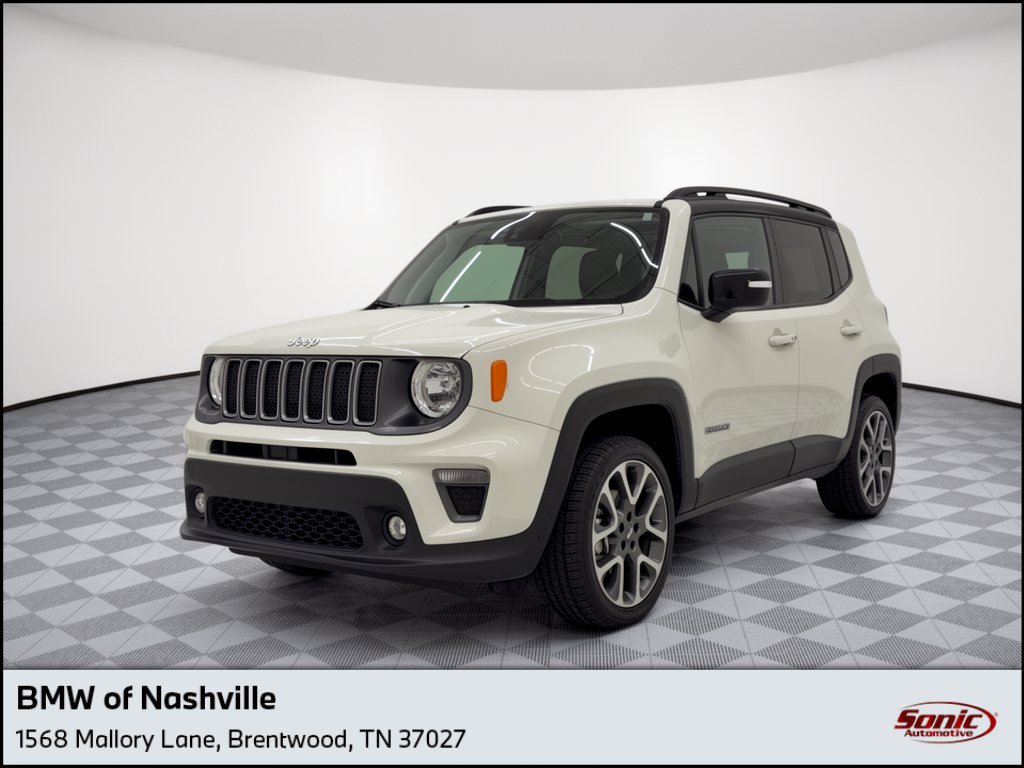
21.799 US$DEALER
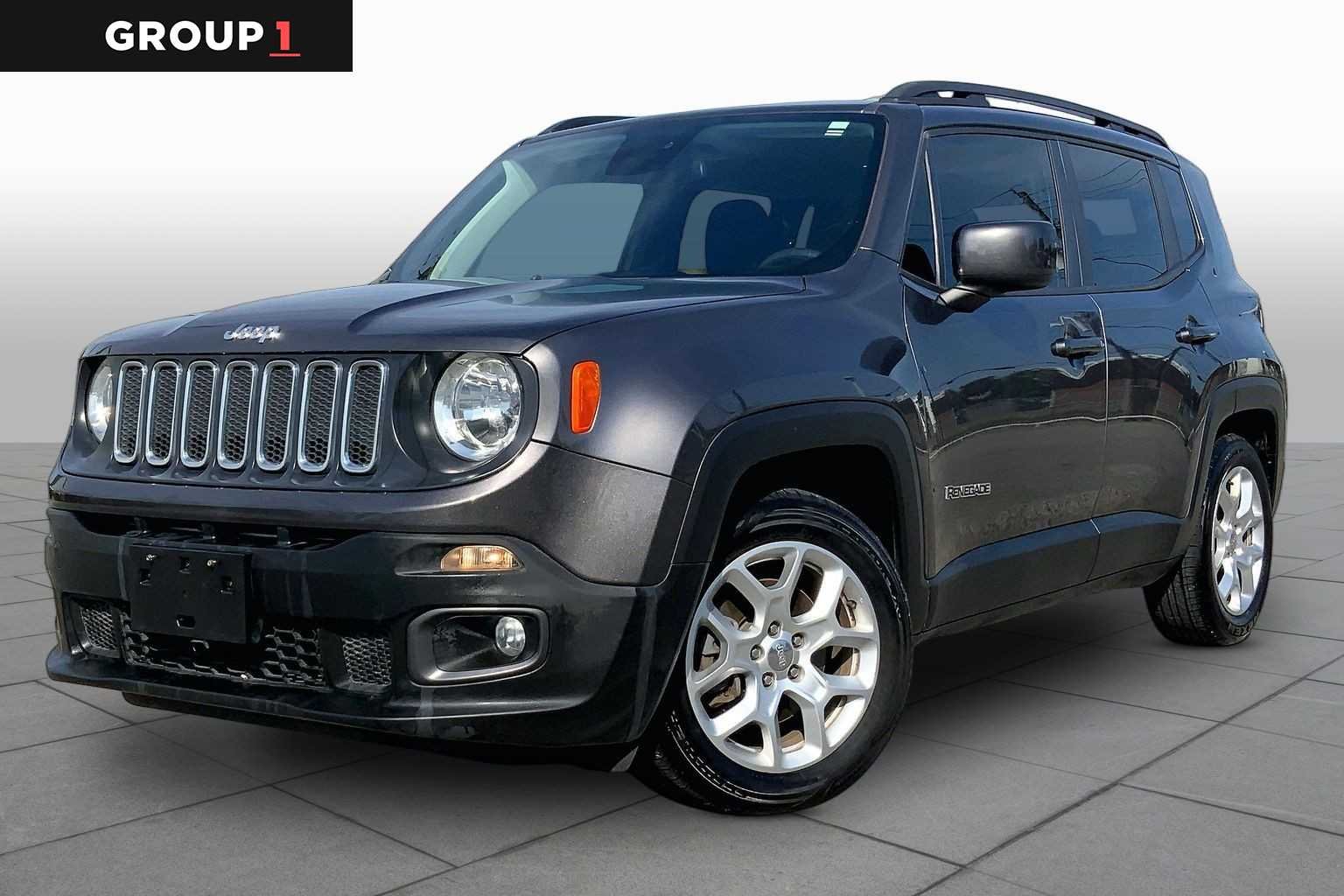
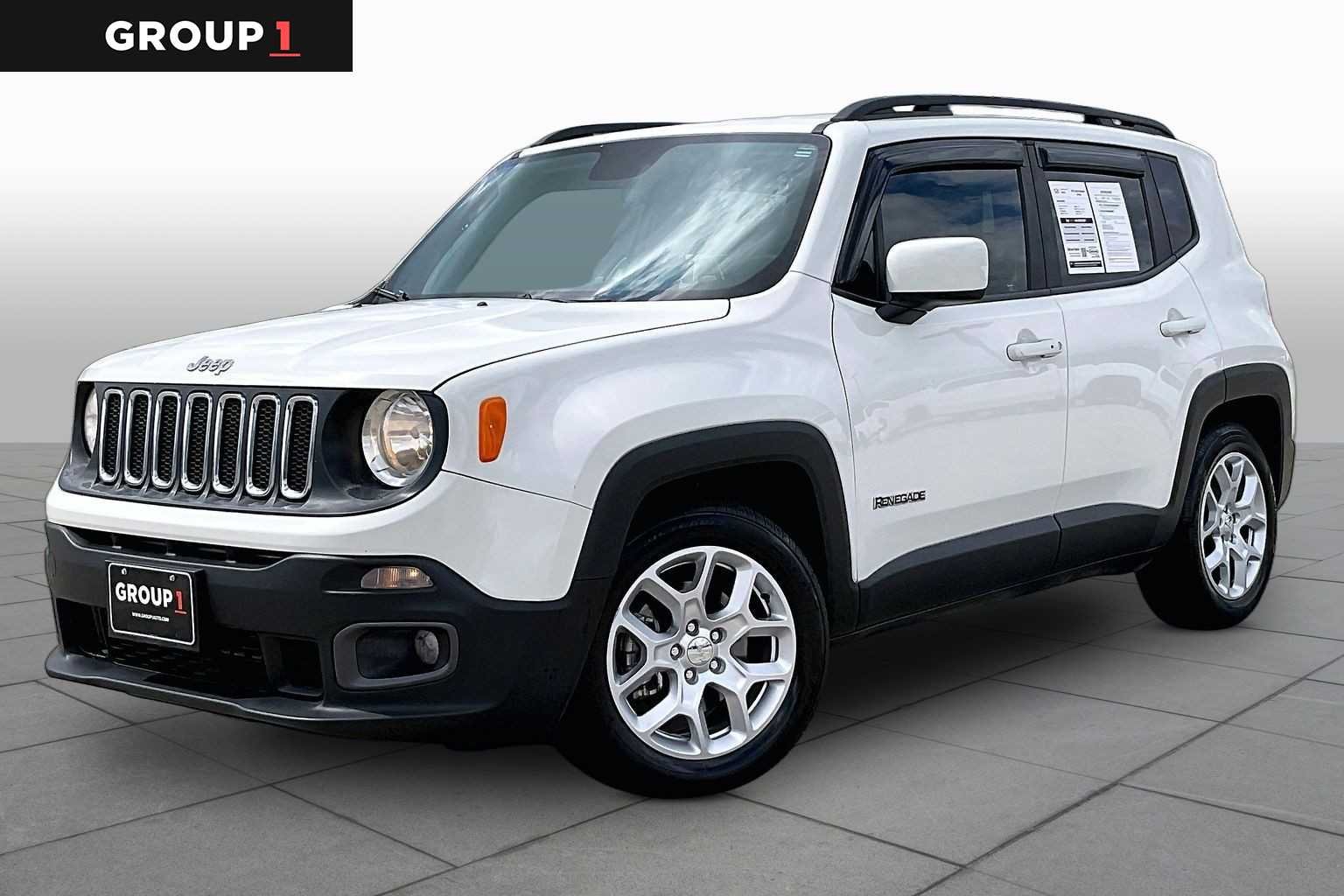
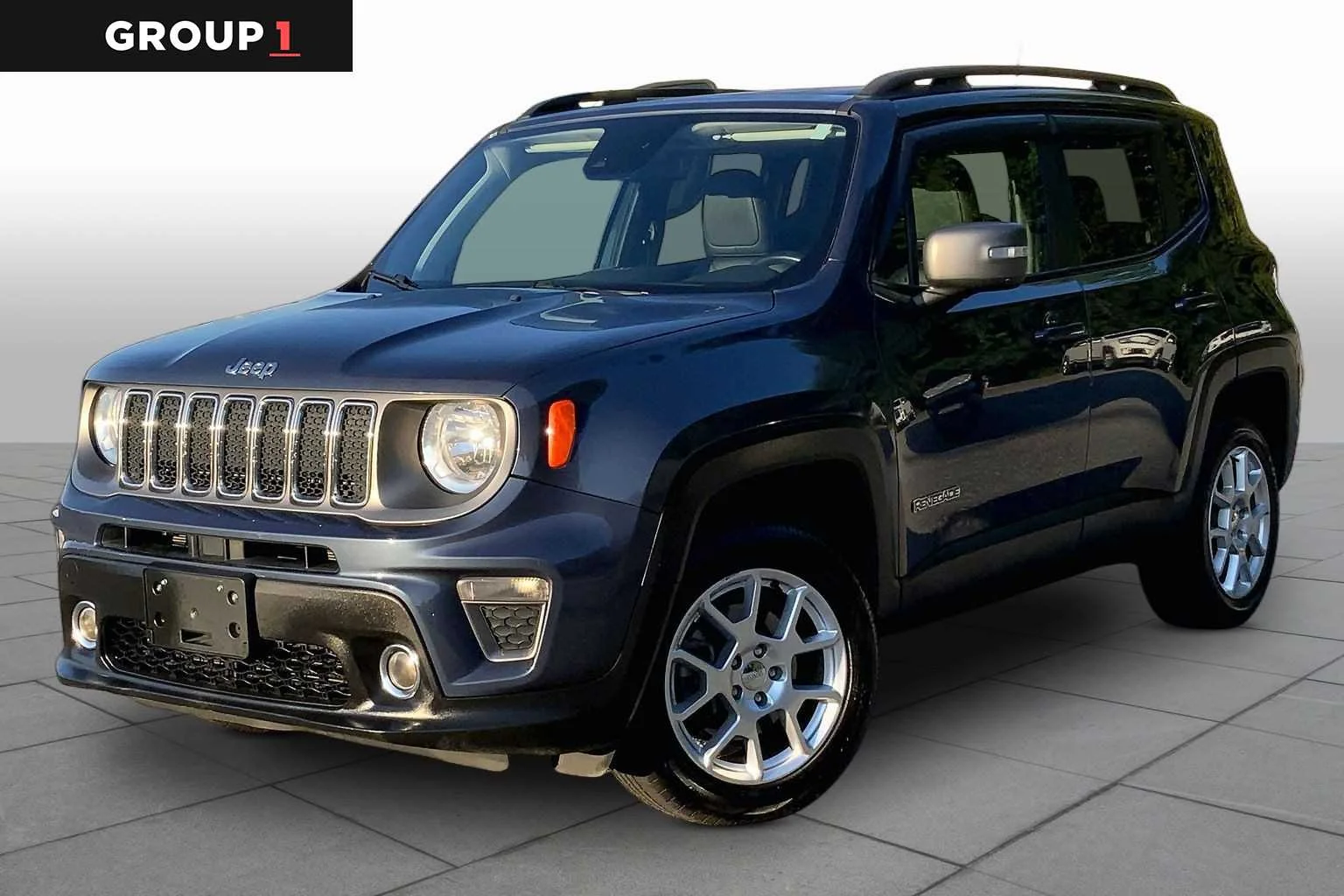
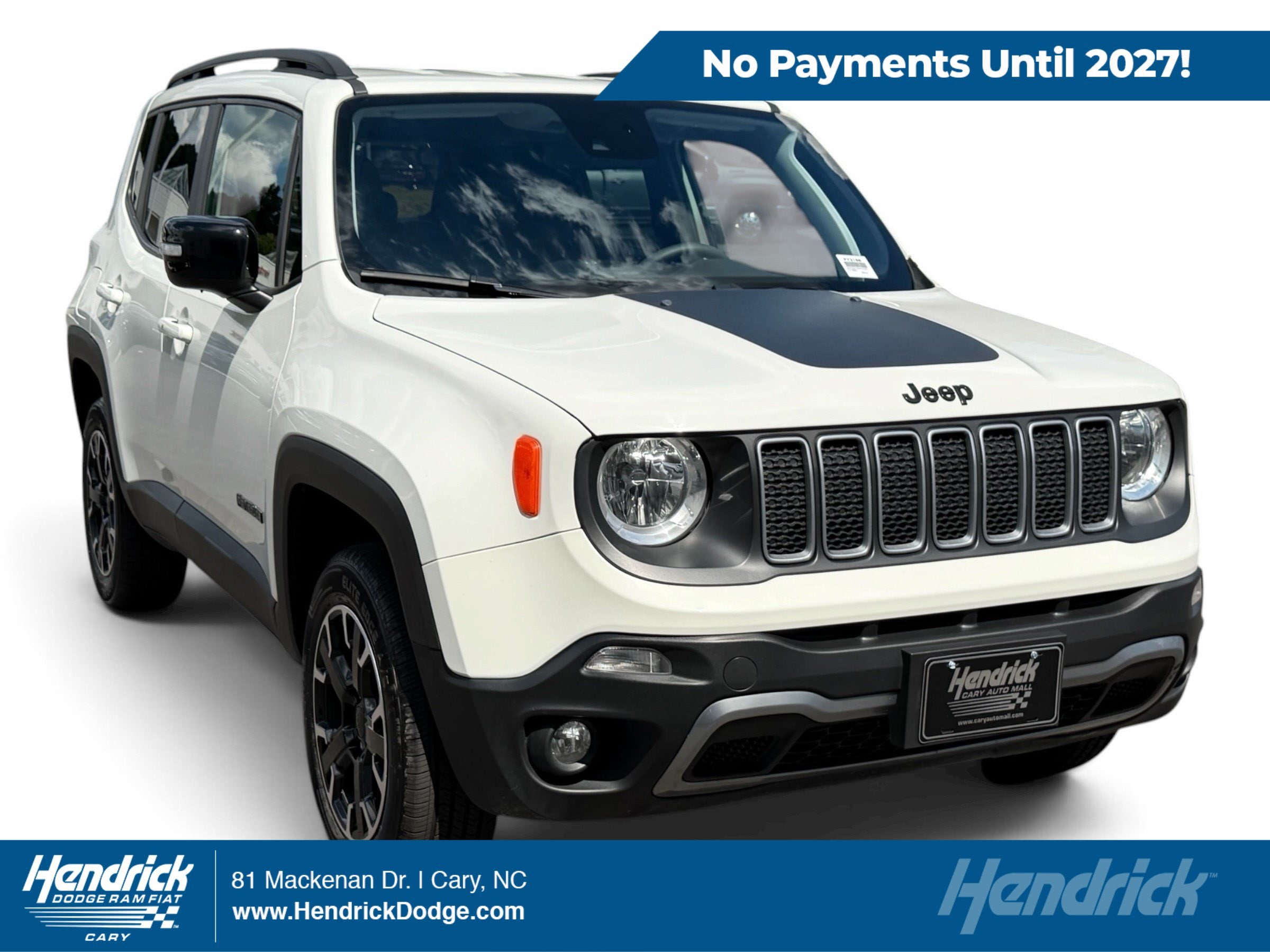
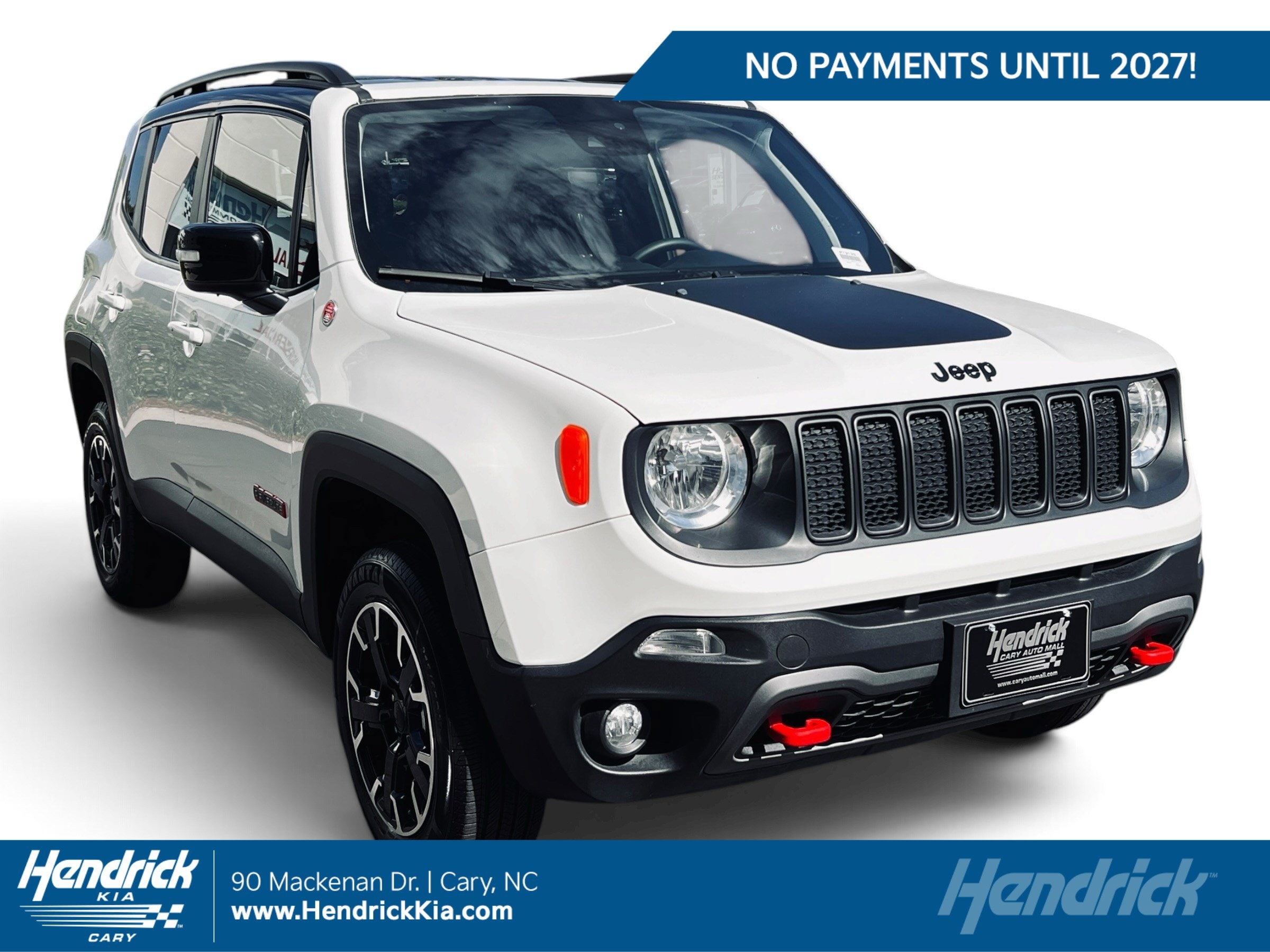
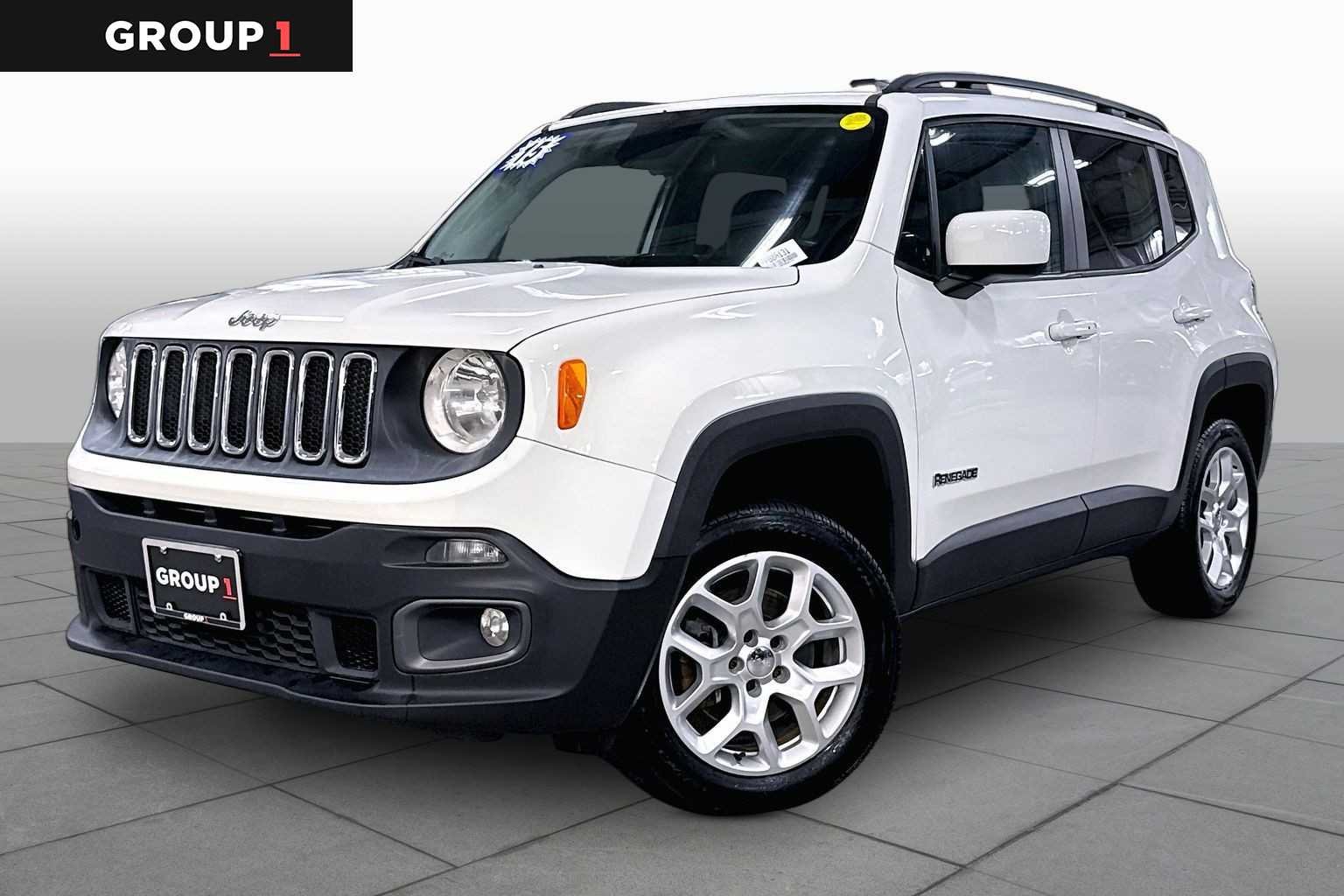
gasoline, automatic, 46K km, All Wheels Drive, 1,300 cm3, white, Used condition, In stock
SonicAutomotive.com
 Brentwood, United States
 Brentwood, United States
 Southwest, United StatesChevrolet, United StatesLot, United StatesTrade, United StatesCorporation of Ranson, United States
 Metrocenter / North Roads Park, United States
 Concord, United StatesConcord, United StatesOakhurst, United StatesCary, United StatesCary, United StatesMacedonia, United StatesRockland, United StatesHoover, United States
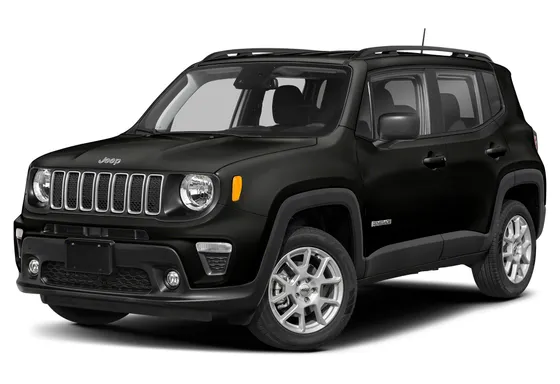 Greenville, United StatesChrysler, United States
 United States
 United StatesIra, United States
 United States
 United States
 United States
 United States
 Denton, United States
If you’re in the market for a compact SUV that blends off-road capability with city practicality, a Jeep Renegade is a strong candidate. This guide helps buyers in relevant markets understand what to look for when choosing a Renegade, how to compare different years and generations, and what to expect in terms of price, fuel options, and practicality. Whether you’re shopping in a big city or a smaller town, knowing the essentials will help you find a Renegade that fits your needs and budget.
The Renegade has evolved through several generations, with distinct design language and features. Key questions to ask include: which model year best fits your needs, what engine and transmission pairing you prefer, and which trim level balances features with price. Most buyers consider body styles such as the 5-door SUV configuration, and you’ll often choose between gasoline and diesel or hybrid options depending on the market. Mileage expectations and maintenance costs are important for long-term ownership, so compare similar example ages and mileages to gauge value.
When you’re deciding, think about how you’ll use the car. If you frequently drive in urban environments, you may prioritize fuel efficiency and compact maneuverability. If you plan weekend trips or light off-road adventures, look for examples with appropriate ground clearance, AWD capability, and higher trim features. The Renegade’s compact footprint makes it easy to park, while available four-wheel drive helps when roads get slippery. Consider the country or city you’re in, as availability of engines, transmissions, and trim levels can vary by region.
To make a well-informed choice, compare several Renegade examples that share similar specifications. Focus on aspects such as model generation, year, mileage, and price range. Common questions buyers ask include:
If you’re shopping in a city, you may find more variants with modern infotainment and driver-assist features. In markets where fuel prices are high, the more efficient engines or hybrid options can significantly reduce running costs. For those considering a purchase, aim to gather several price quotes and compare total ownership costs, including insurance, taxes, and potential repairs.
If you’re selling a Jeep Renegade, highlight its rugged capability, interior space, and recent maintenance work. Use high-quality photos, provide a full service history, and set a fair price by comparing similar Renegades in your area. Transparent communication about the vehicle’s condition helps build trust and can speed up the sale.
In short, choosing a Jeep Renegade involves weighing generation choices, engine options, mileage, and price against your daily needs and budget. With careful comparison and thorough checks, you’ll find a Renegade that meets your expectations and provides dependable, enjoyable drives for years to come.
 Add as preferred sourceSee more from zvelta in Google Search Add as preferred source