 EN
ENDEALER
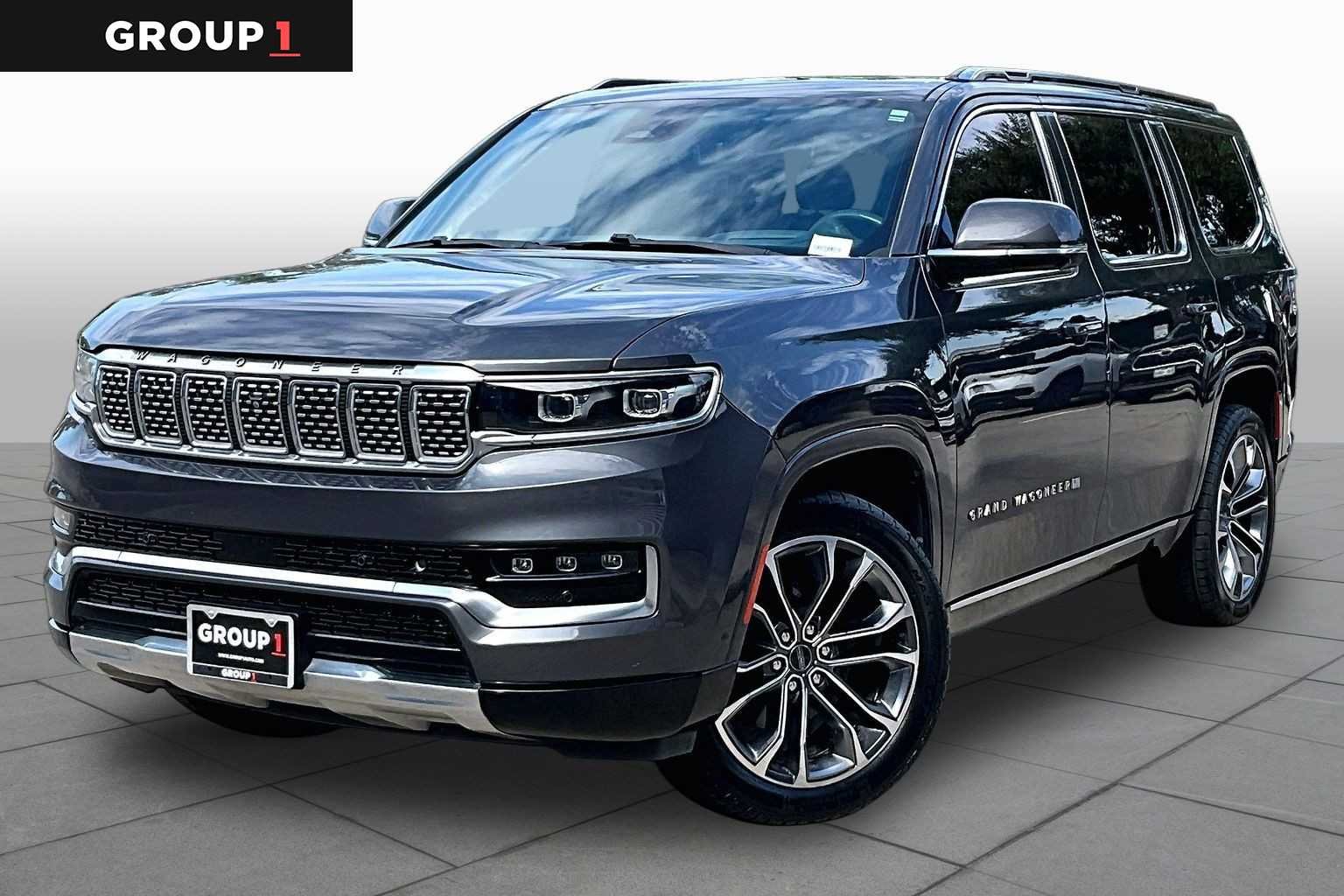
42.225 US$DEALER
43.225 US$
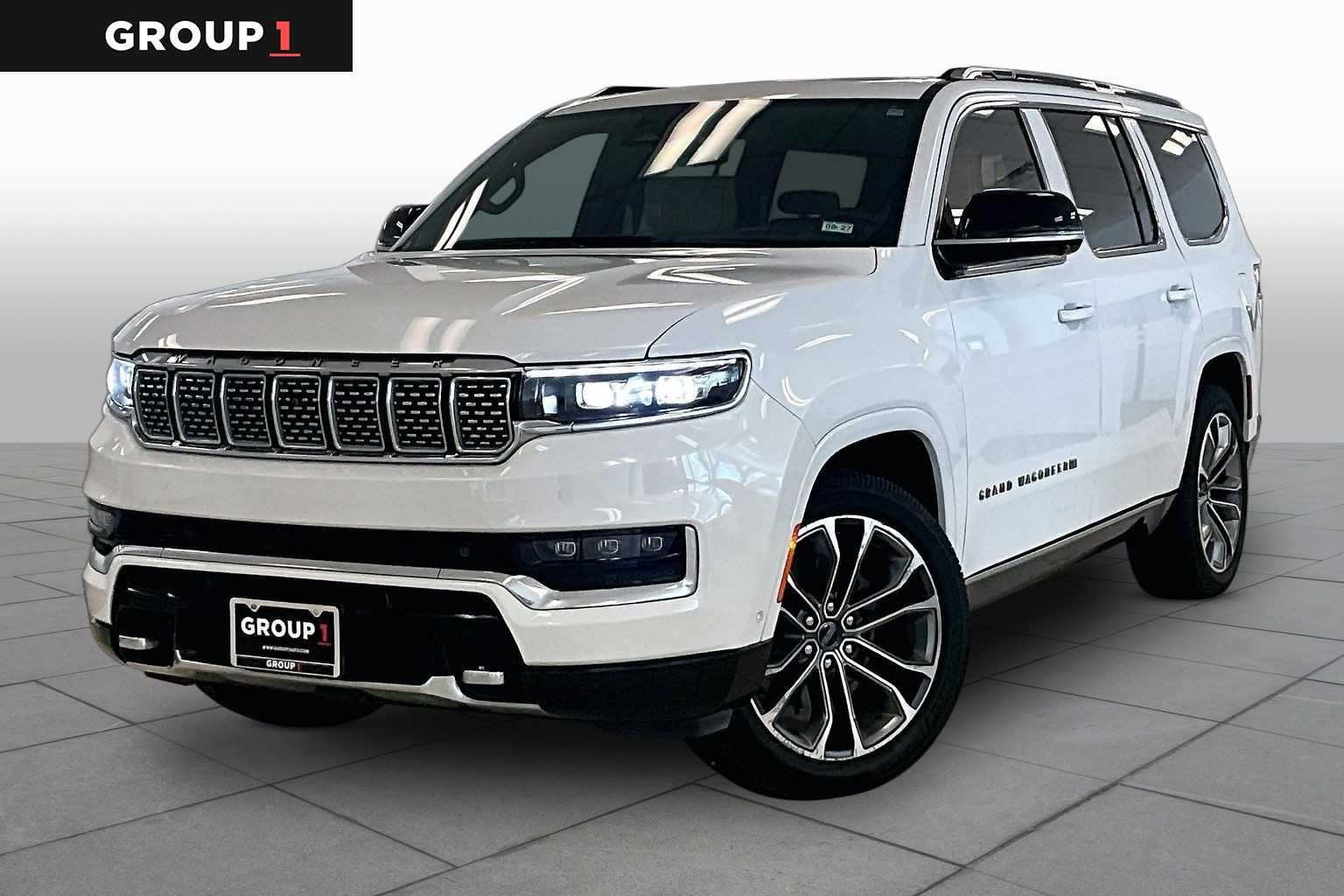
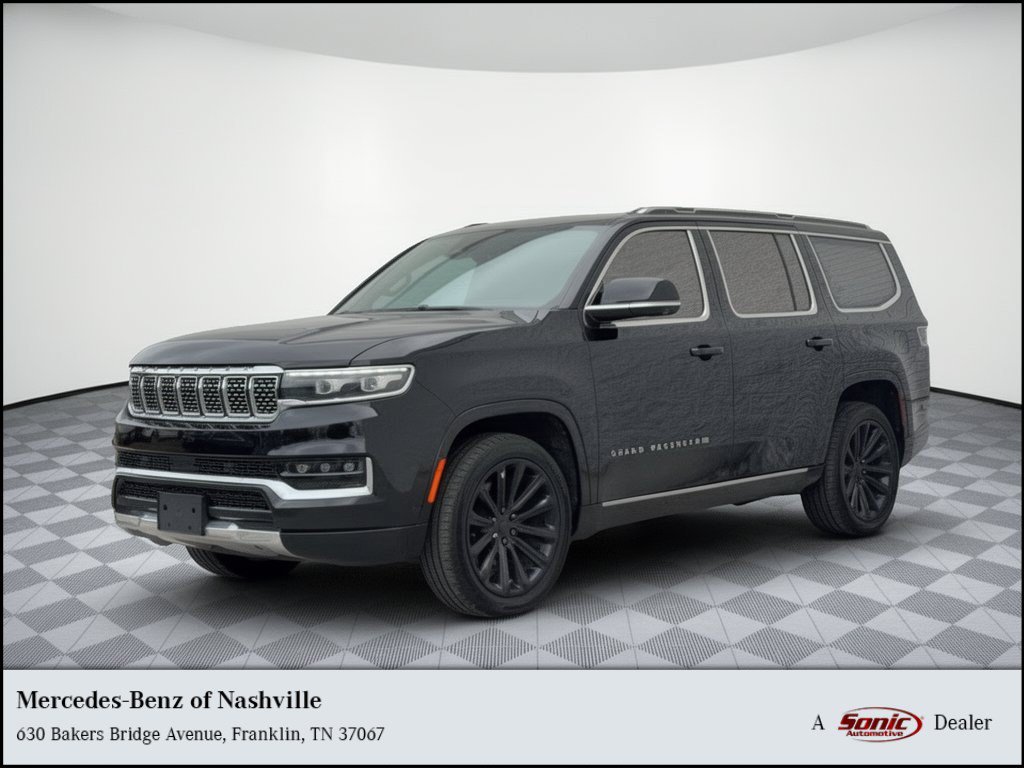
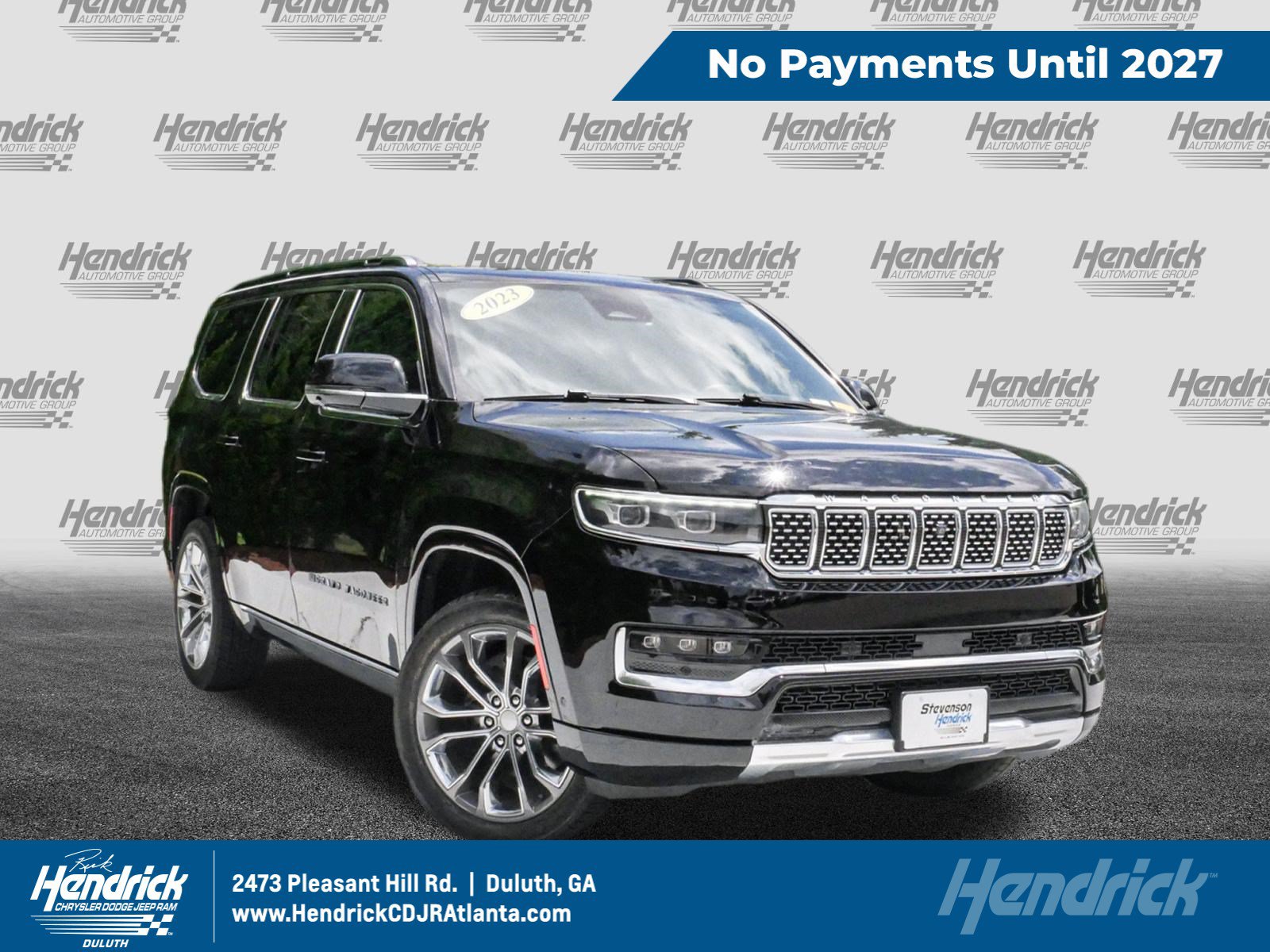
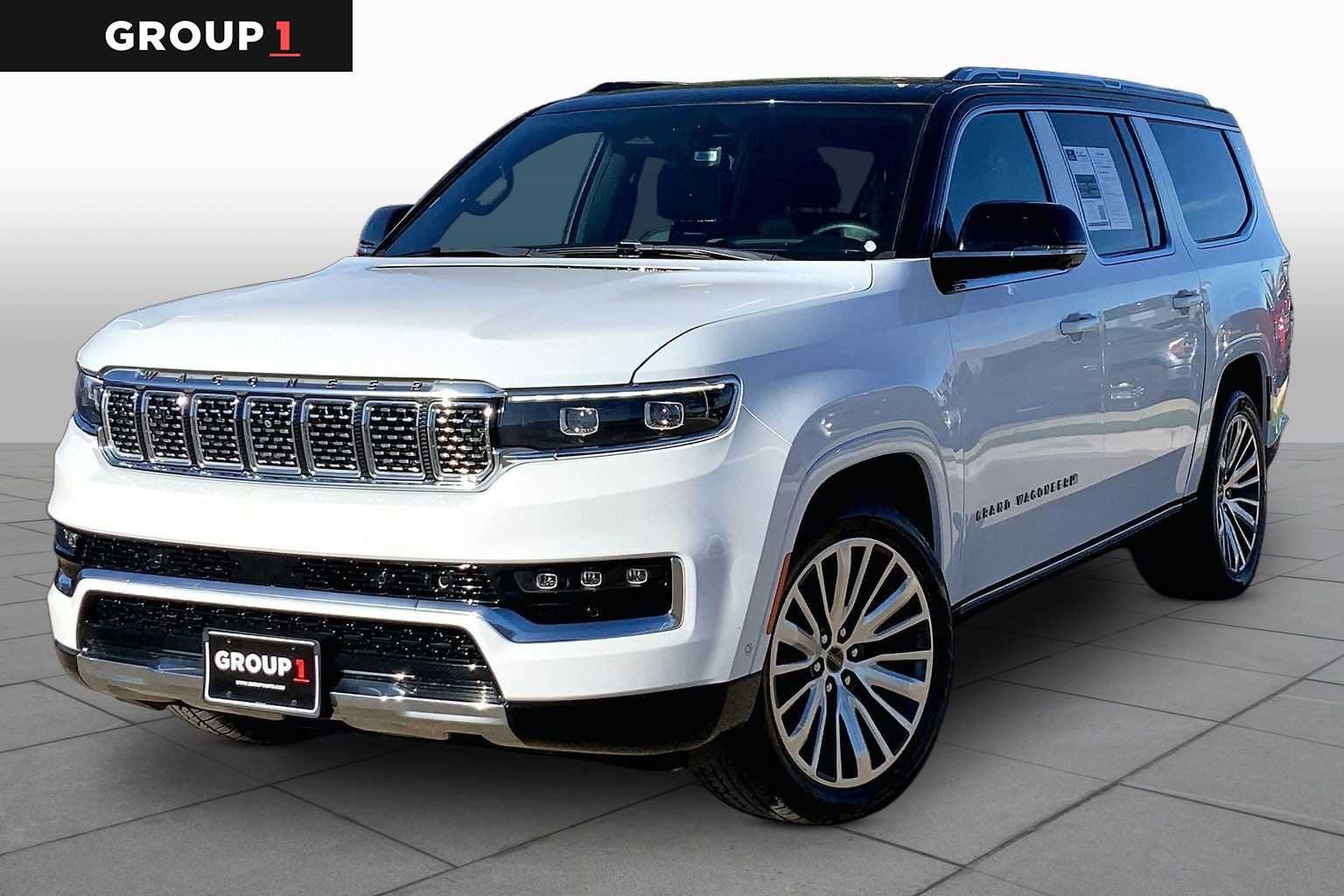
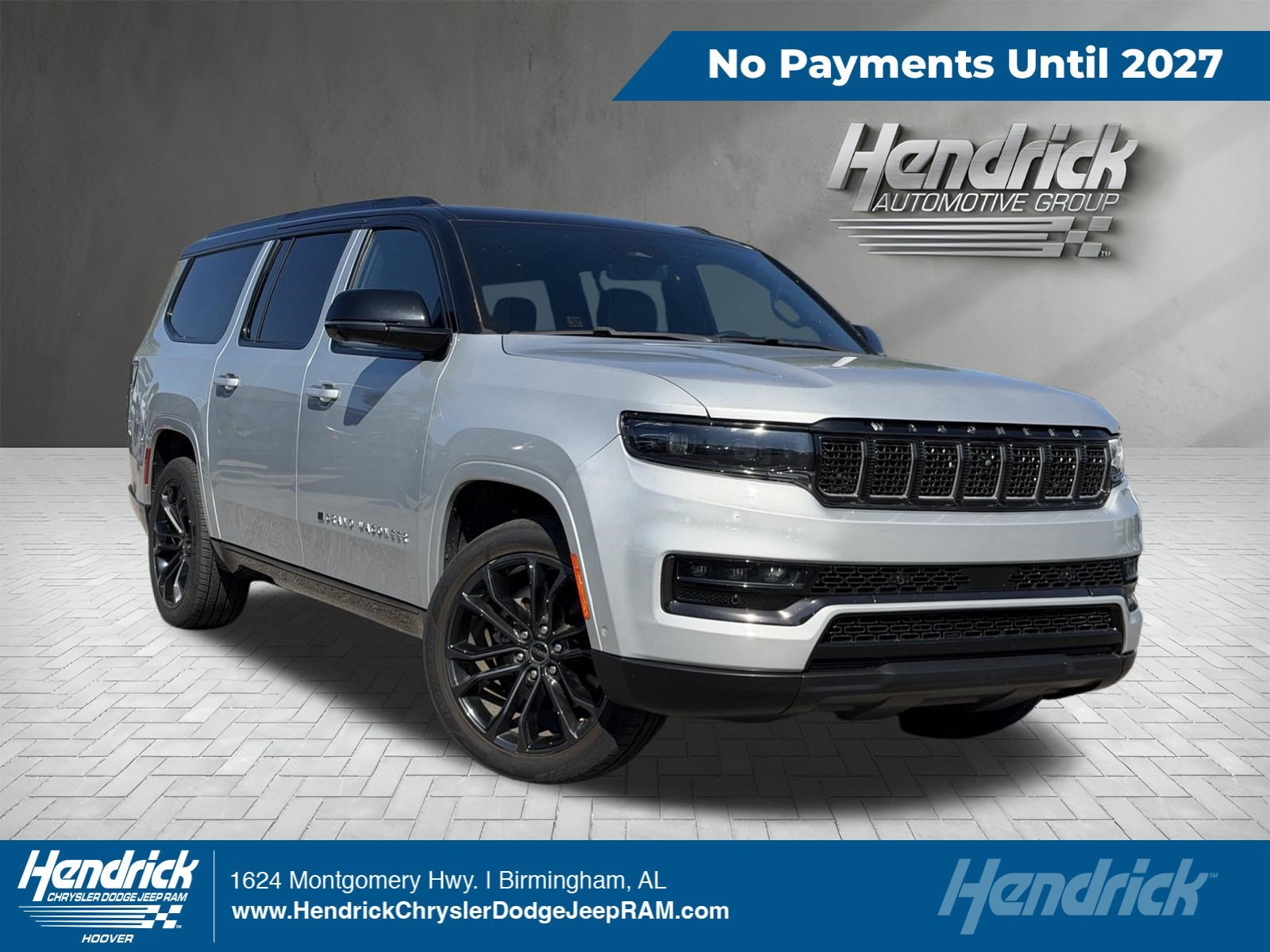
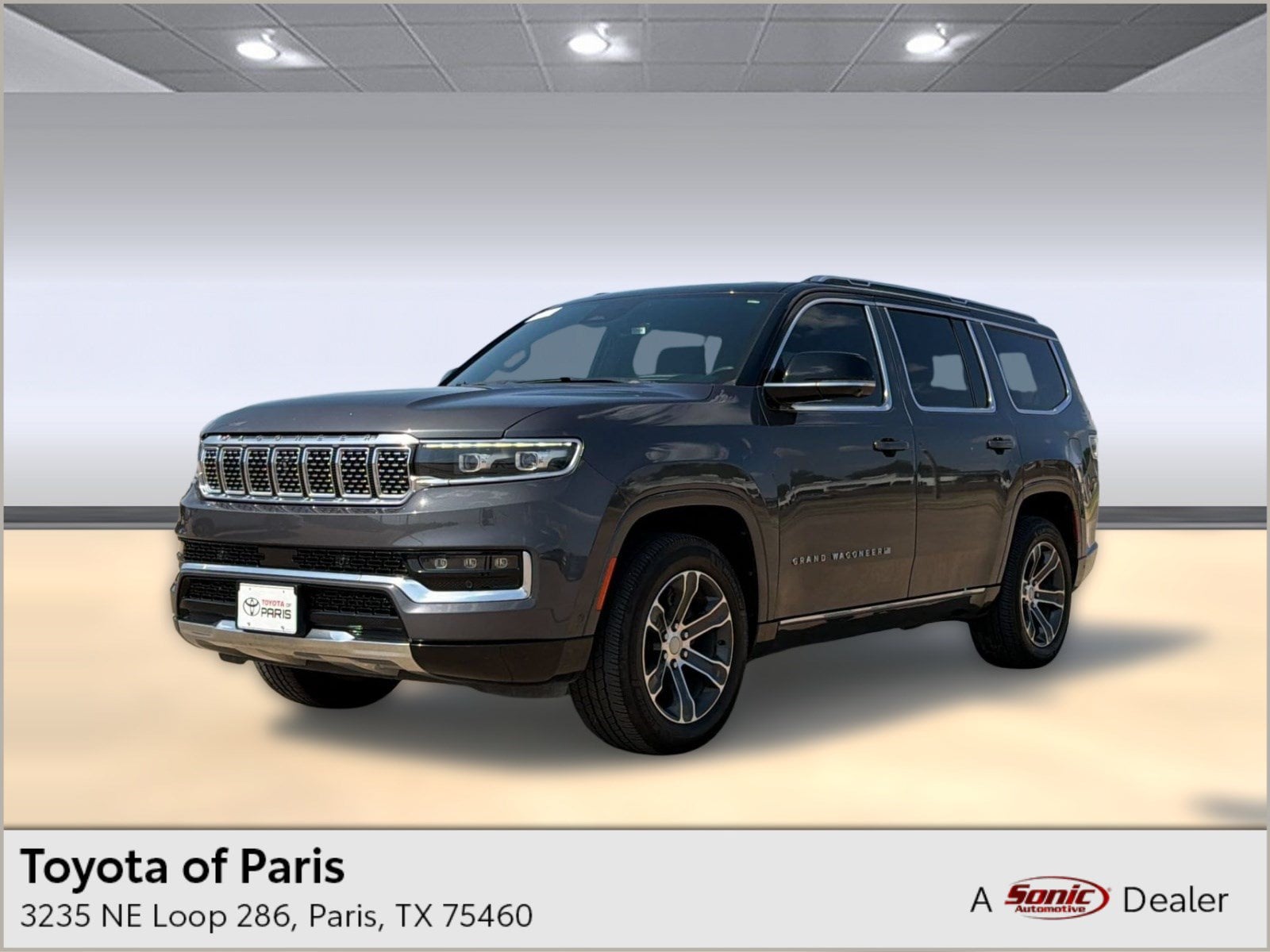
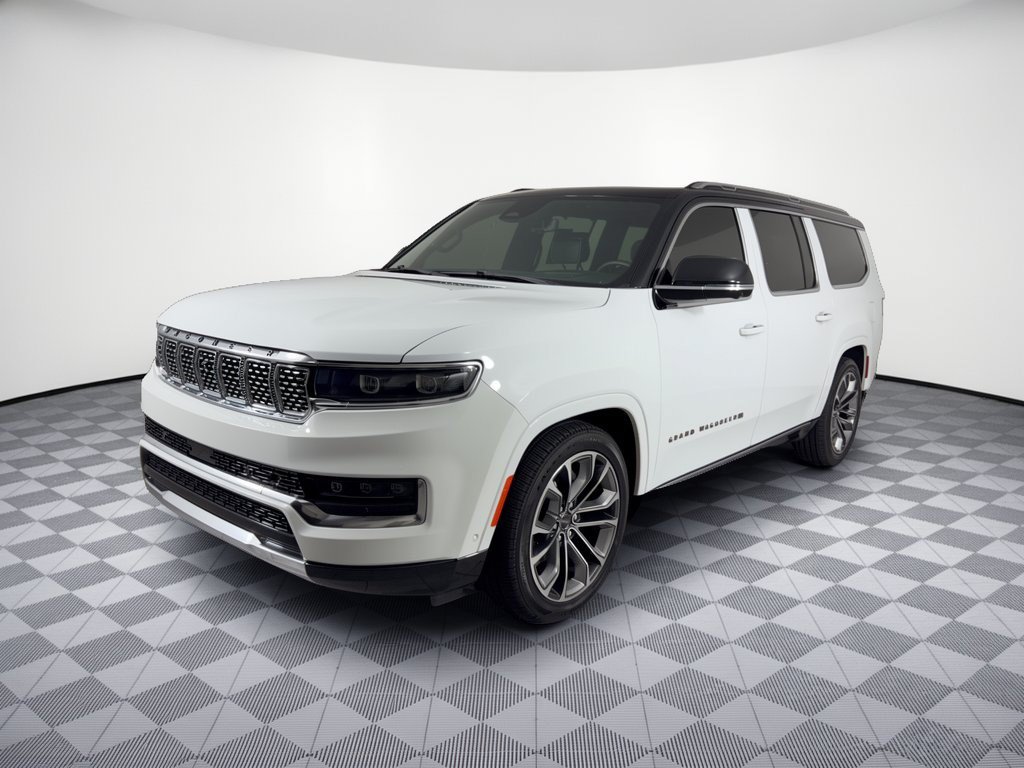
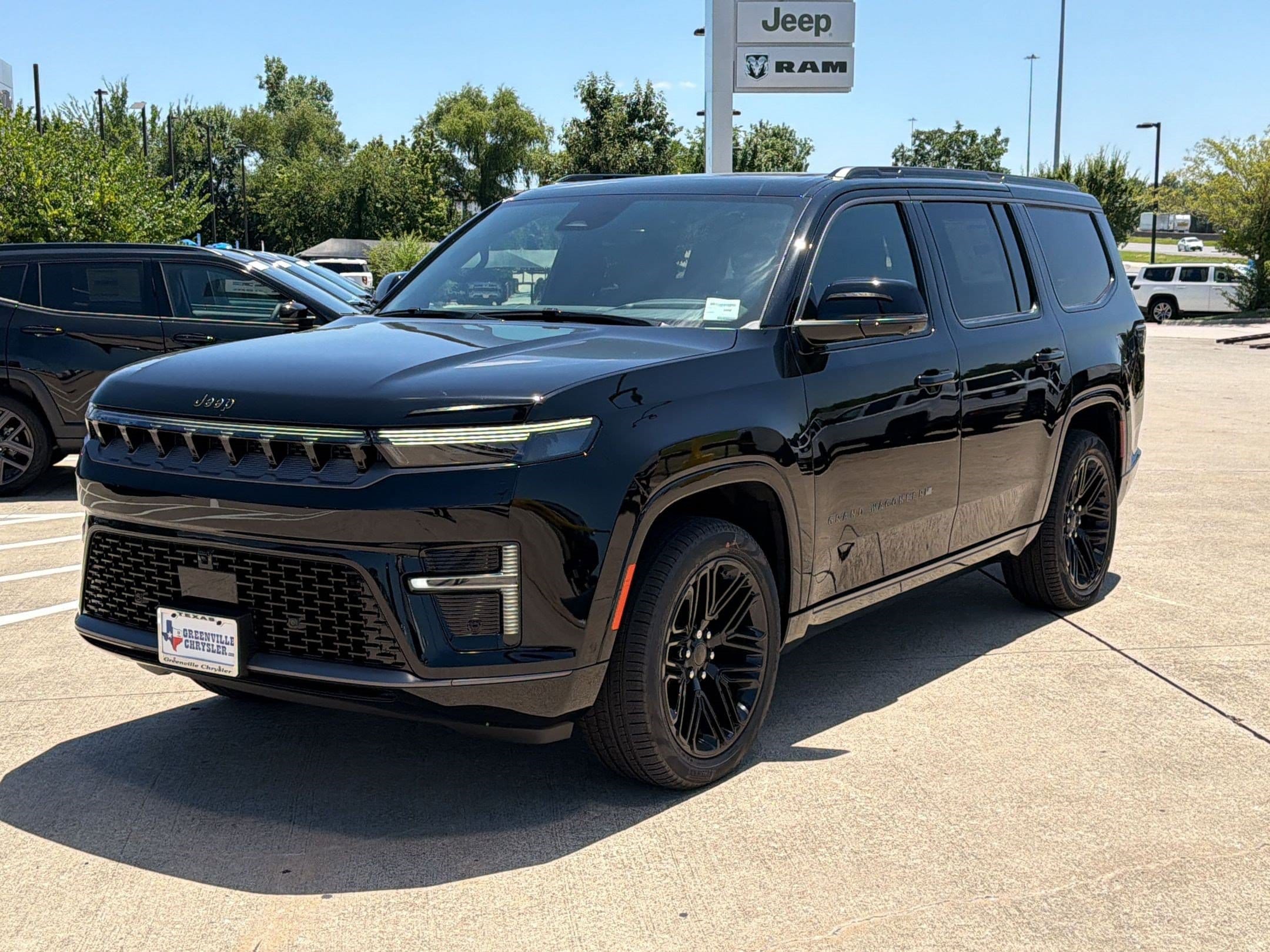
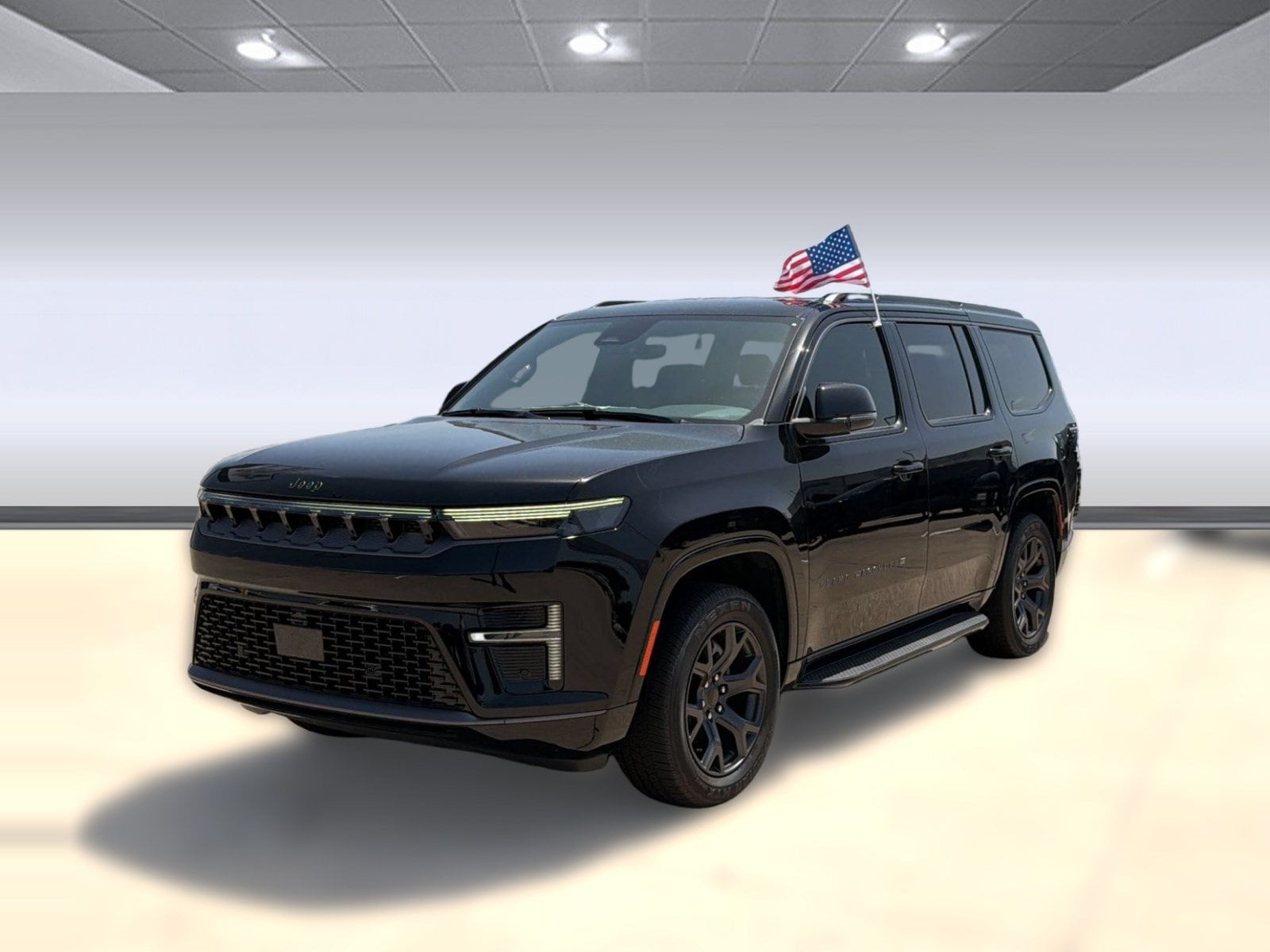
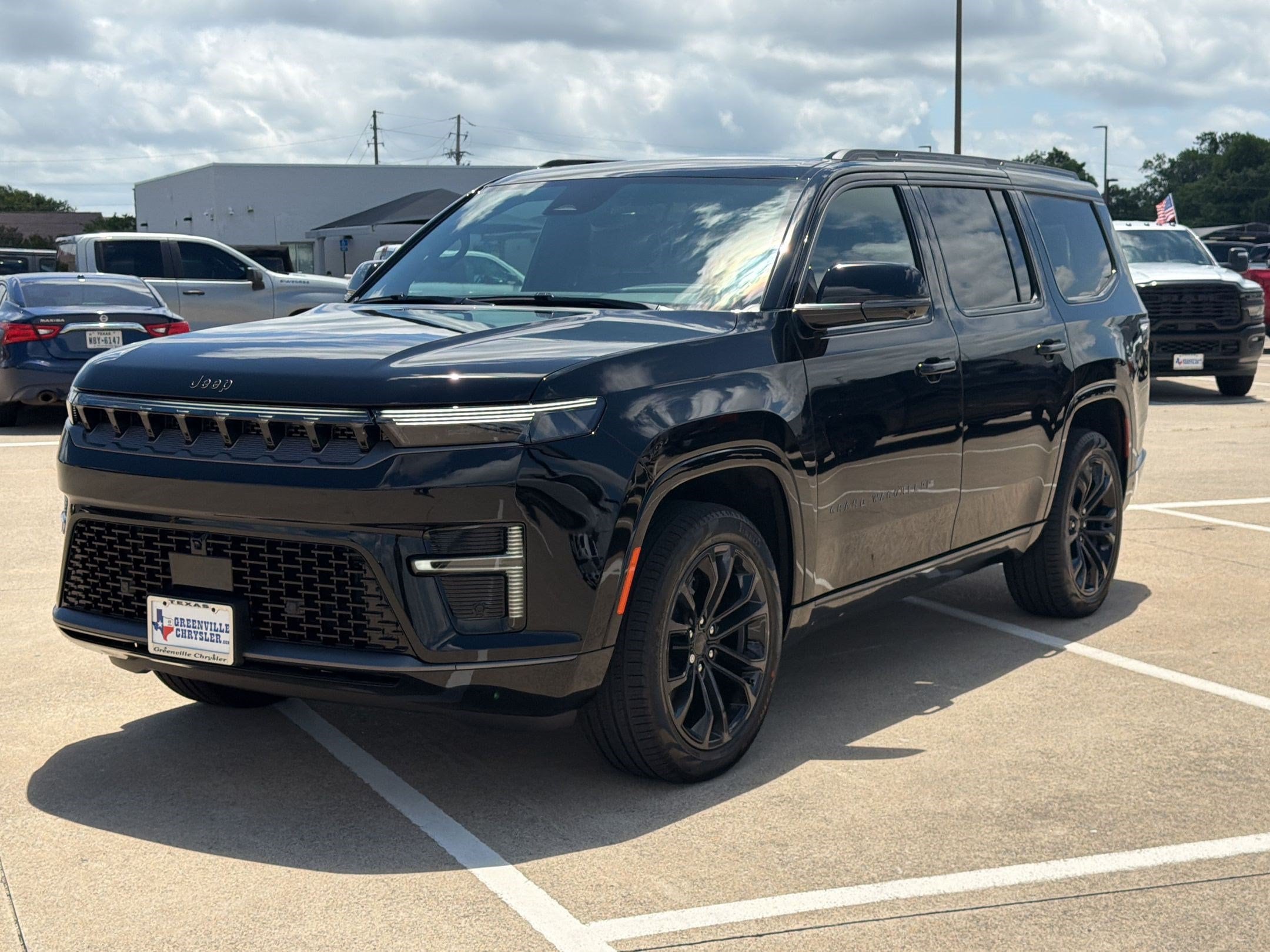
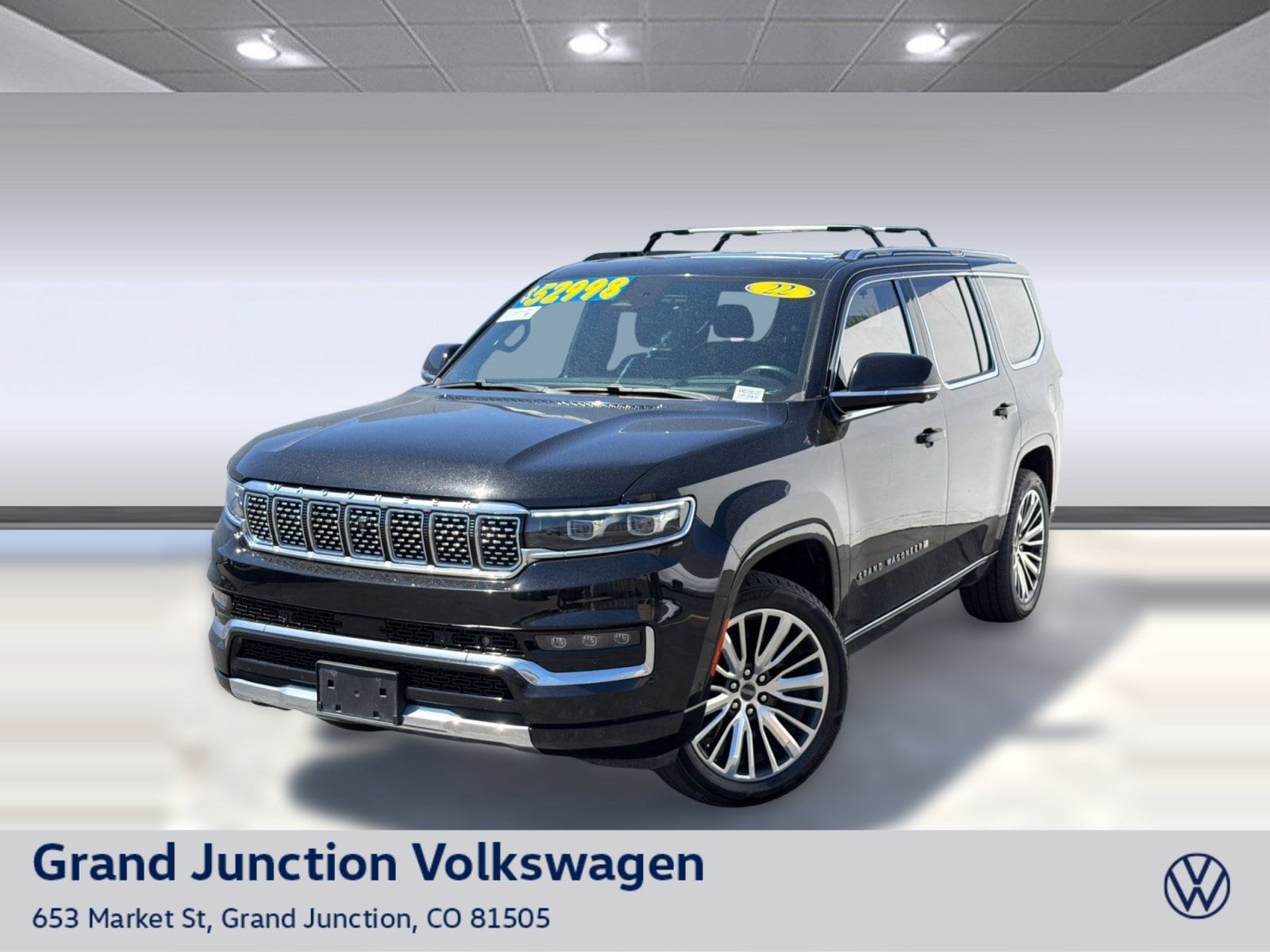
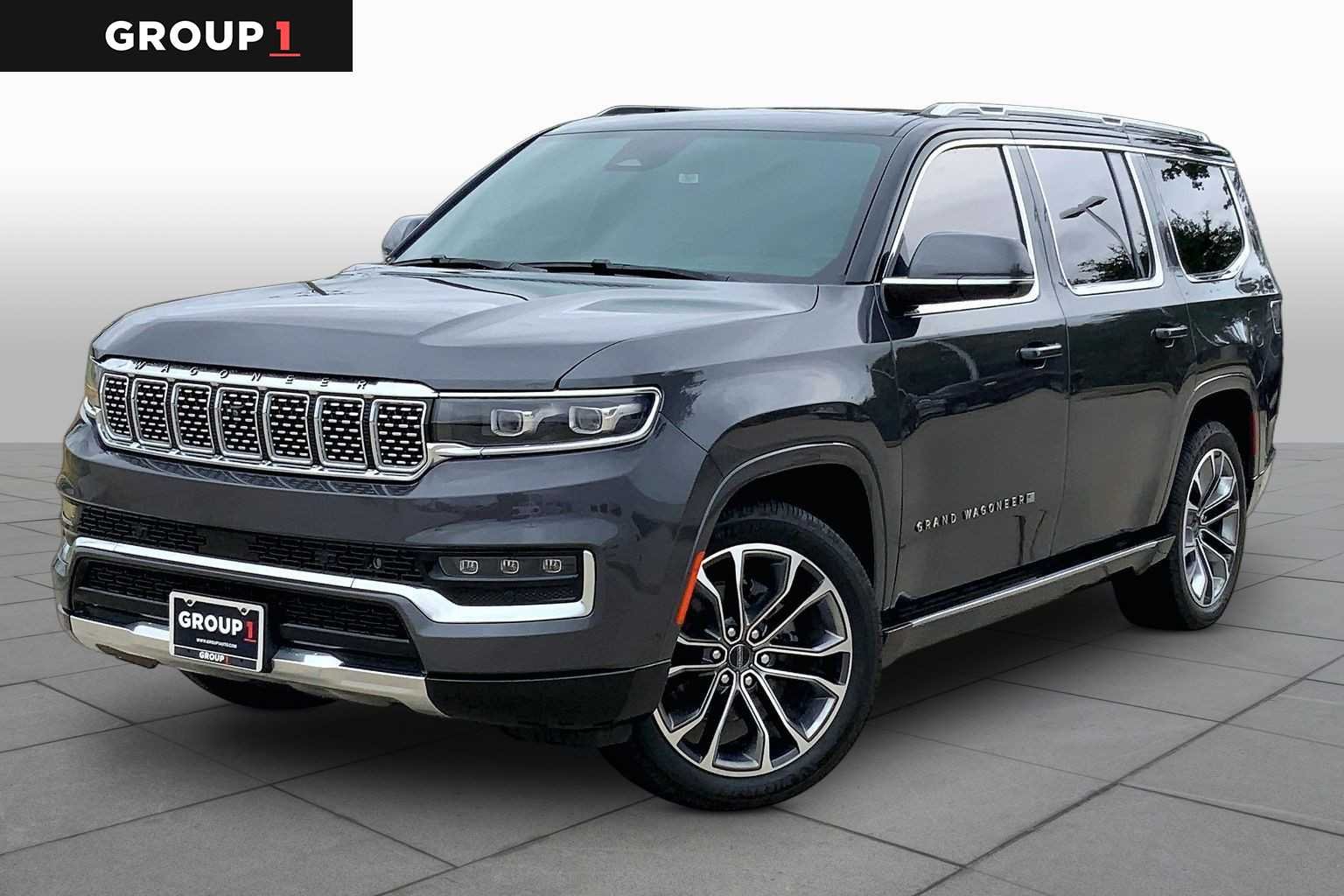
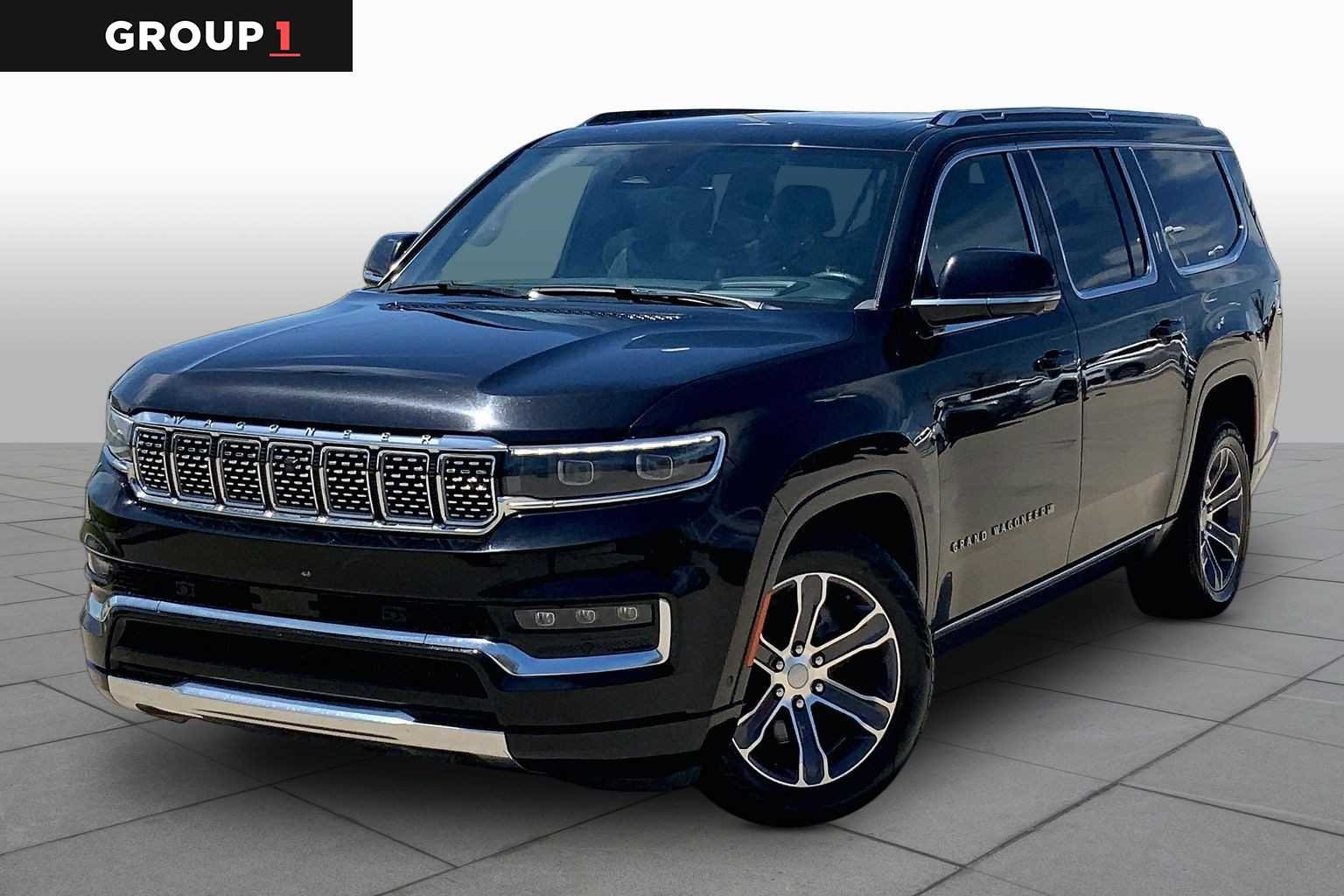
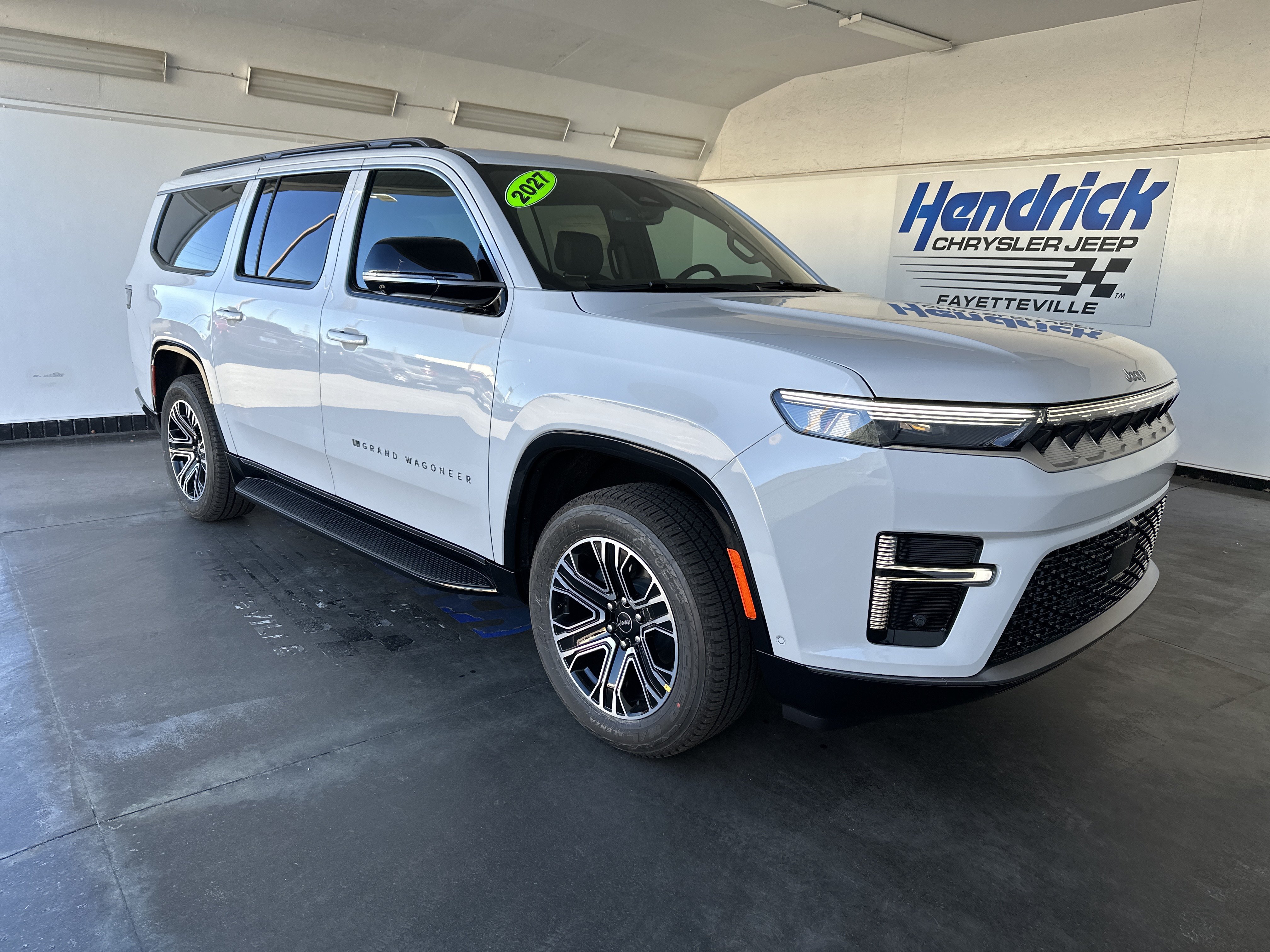
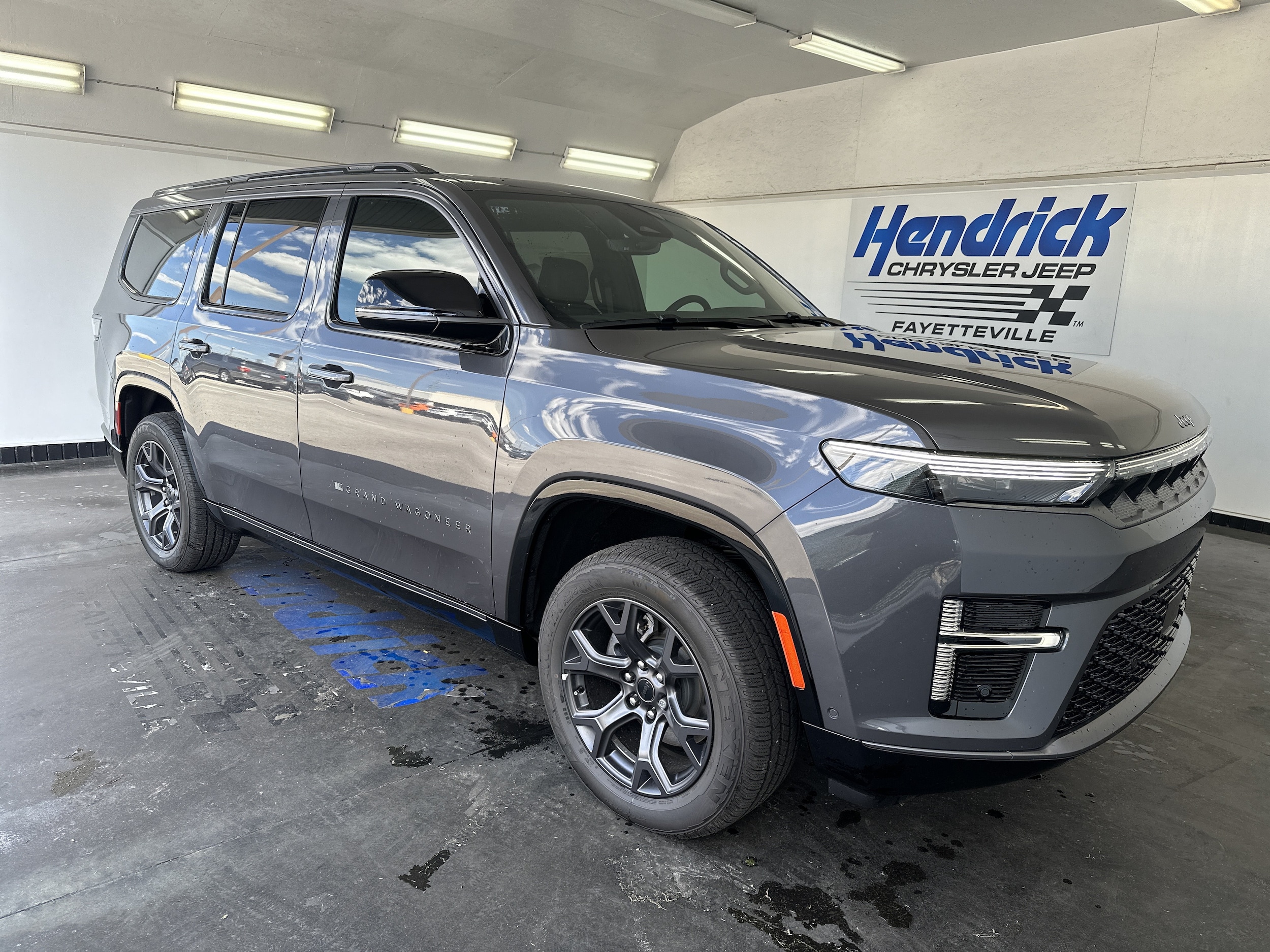
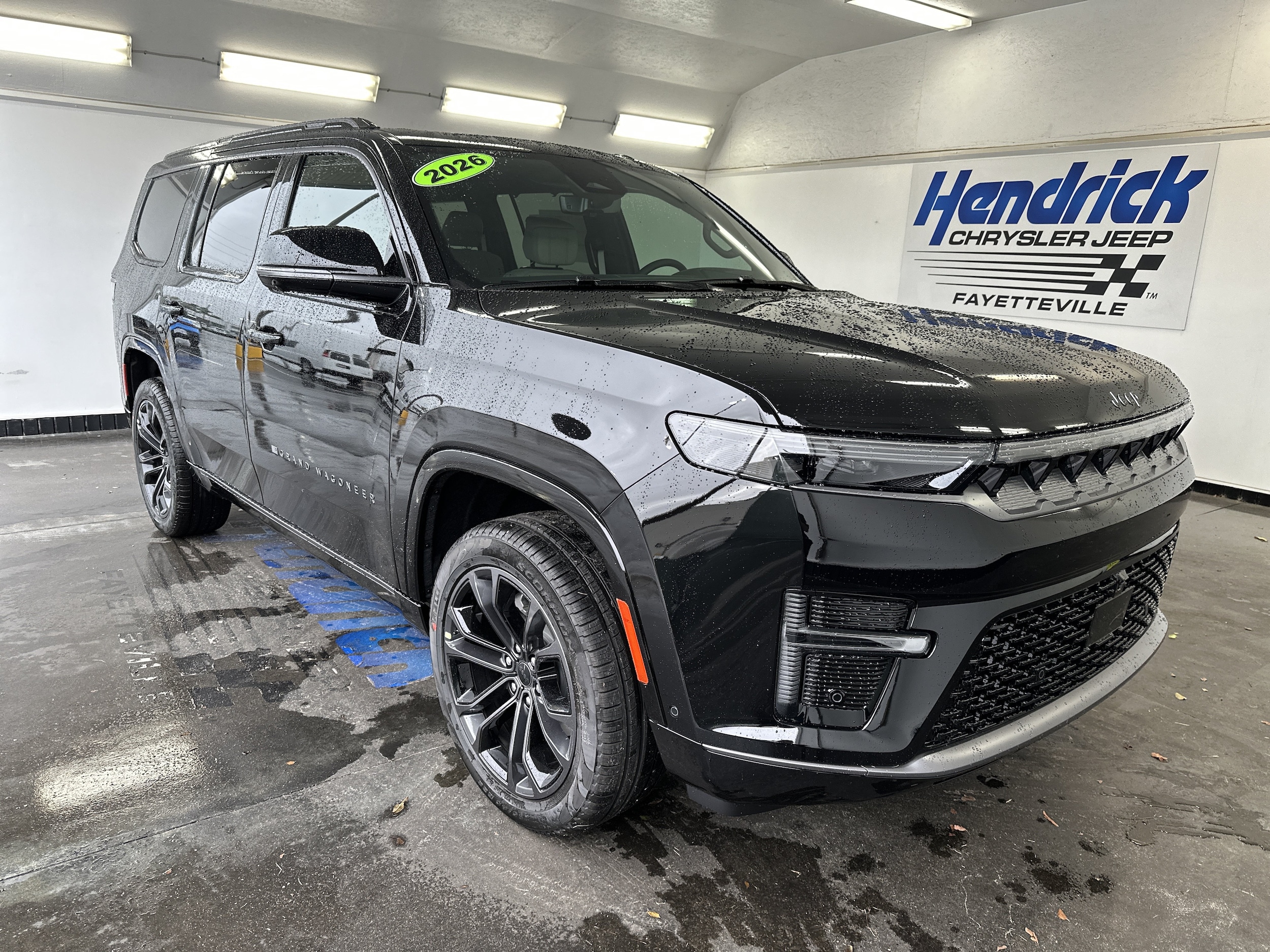
gasoline, automatic, 98K km, SUV, All Wheels Drive, 6,400 cm3, 471 hp, grey, Series III, Used condition, USA, In stock

Group1Auto.com
 Southwest, United States
 Southwest, United StatesMidtown, United StatesFranklin, United States
 Concord, United StatesConcord, United StatesConcord, United StatesConcord, United StatesDuluth, United StatesFord City, United StatesHoover, United StatesParis, United States
 Greenville, United States
 Greenville, United StatesGreenville, United StatesGreenville, United StatesGreenville, United StatesGreenville, United StatesGreenville, United StatesGrand Junction, United StatesChrysler, United StatesChrysler, United StatesFayetteville, United StatesFayetteville, United StatesFayetteville, United StatesFayetteville, United States
The Jeep Grand Wagoneer stands as a flagship SUV that blends luxury, capability, and modern technology. If you are considering buying or selling this model, understanding the nuances of model years, generations, and market demand in your city is essential. This guide will help you navigate the decision process, compare configurations, and identify practical steps to maximize value when trading in or purchasing in your local market.
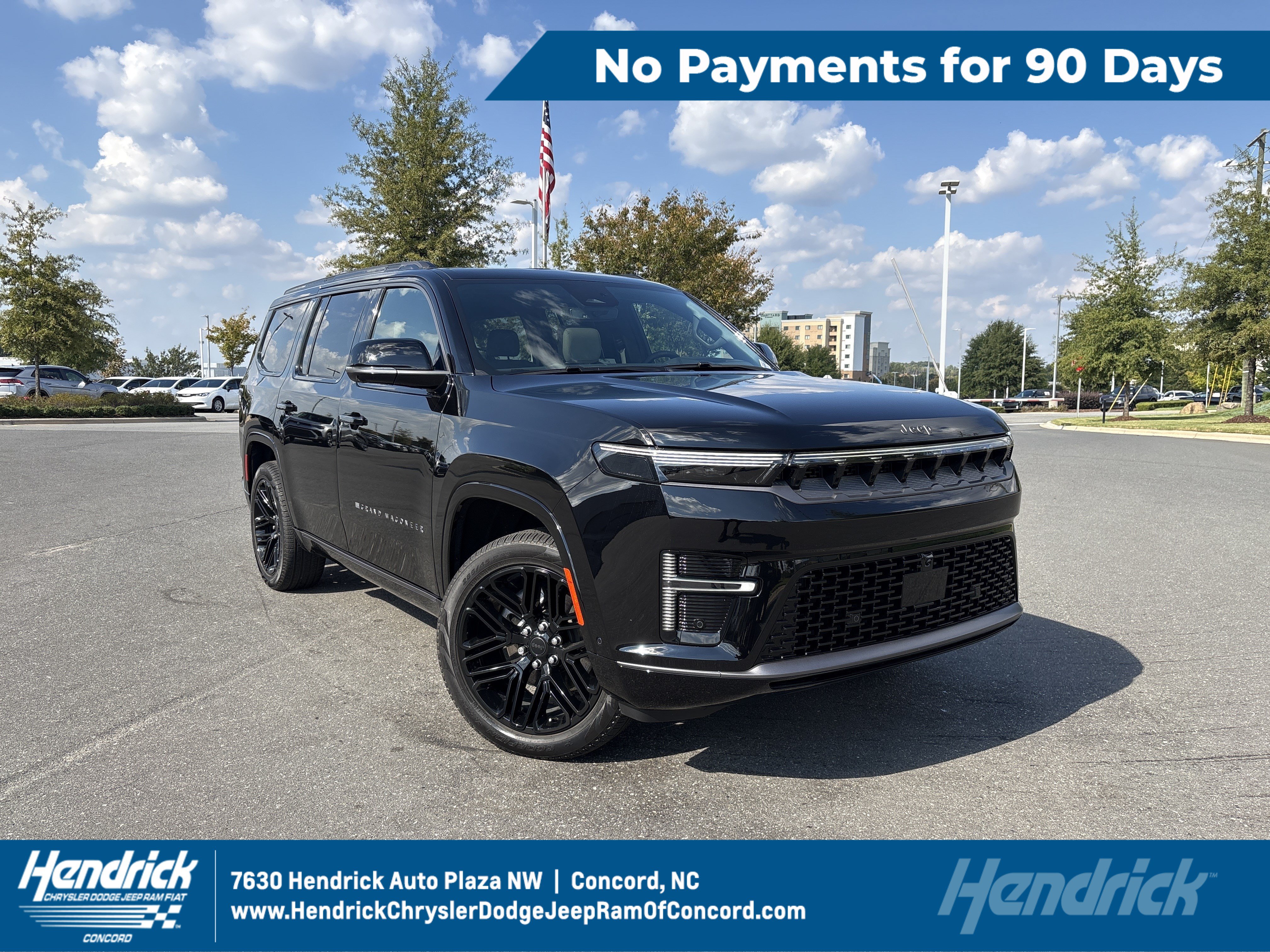
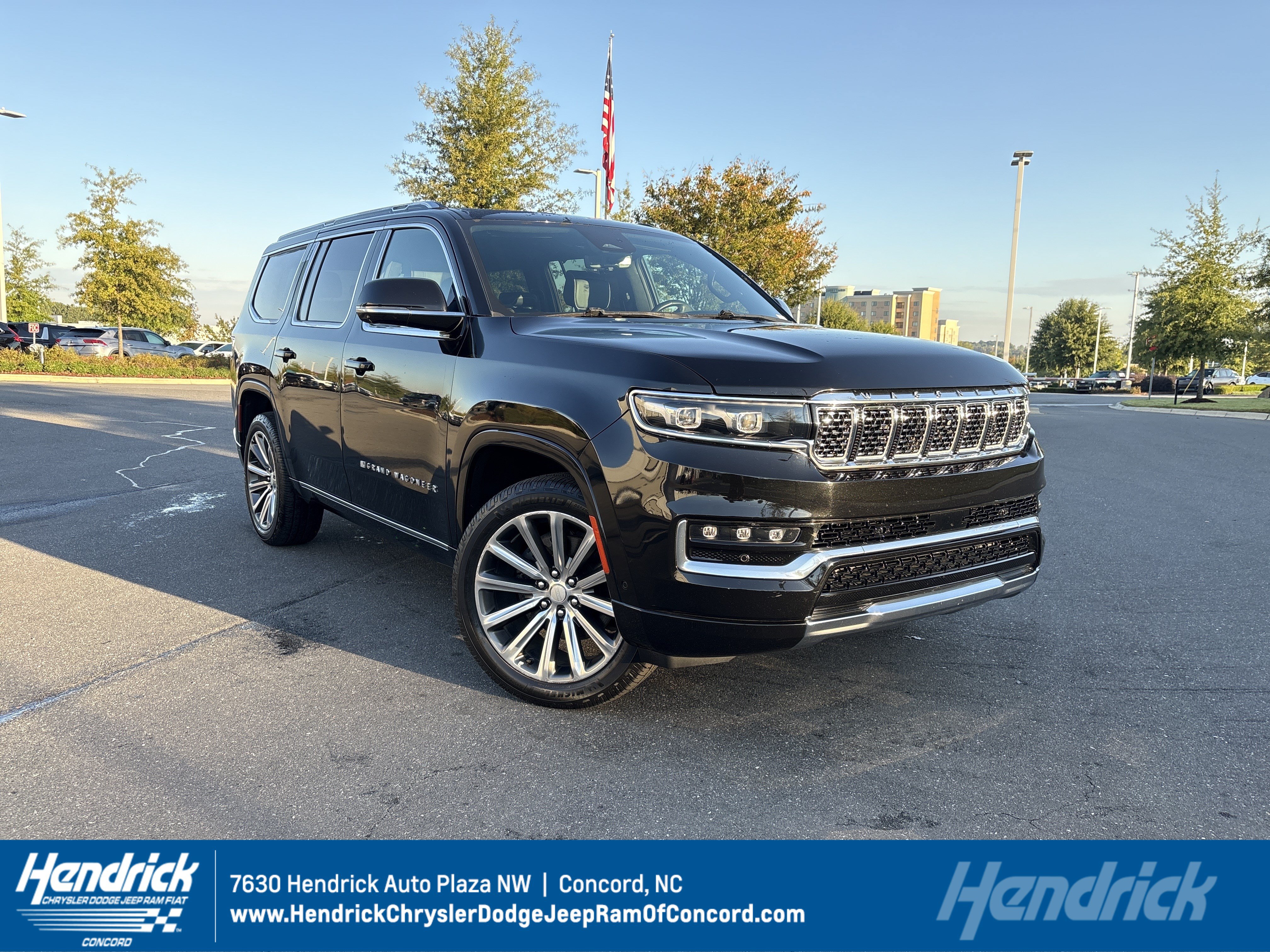
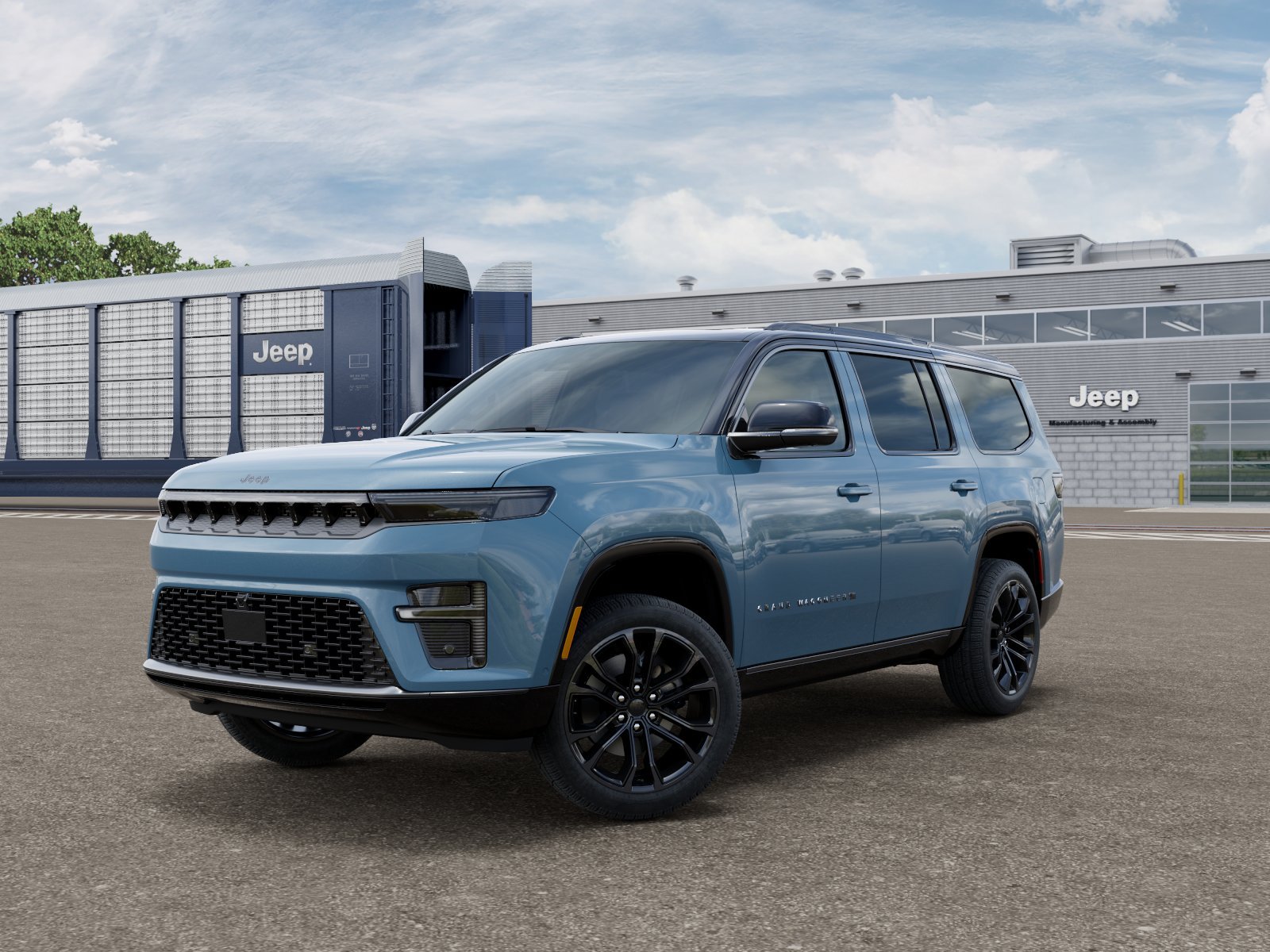
The Grand Wagoneer entered the lineup as a premium brother to the standard Wagoneer, designed for buyers who want spacious interiors, high-end materials, and strong off-road credentials. Typical configurations feature a full-size body type with three rows of seating and potent V8 or V6 powertrains, depending on the generation and market. When shopping, pay attention to the year and mileage, as well as the condition of common wear points like leather upholstery, infotainment system, and tires. In many markets, you will find recent generations emphasizing advanced safety tech and luxury touches, while older models may offer better price-to-feature value.
For buyers, price segments often hinge on mileage, year, and overall condition. A Grand Wagoneer with lower mileage and a clean service history can command a premium in reputable markets, while higher-mileage examples may require negotiation. When evaluating configurations, consider:
For sellers, presenting a complete service history, recent maintenance, any remaining warranty, and clear photos of both exterior and interior can help build buyer confidence. A well-documented vehicle tends to achieve a faster sale and can justify a higher asking price in competitive markets.
Before committing, verify local market availability, typical price ranges, and any country-specific import or emission considerations that may affect cost or eligibility for registration. When test-driving, assess ride quality, noise, and the comfort of the seats across all three rows. Check for common issues such as electrical system reliability, transmission smoothness, and the condition of tires and brakes. If you plan to trade in a vehicle, obtain a formal appraisal and compare it with offers from multiple dealerships or platforms to ensure you receive fair value.
If you are selling a Jeep Grand Wagoneer, setting a price that reflects the vehicle’s year, mileage, and optional features is crucial. Create a compelling listing that highlights maintenance records, recent services, and any upgrades. Be prepared to provide a clear history report and verification of ownership to streamline the sale. In many markets, price transparency, clear VIN details, and up-to-date photos contribute to a smoother transaction and faster buyer interest.
This overview focuses on practical steps and market-aware considerations to help you approach buying or selling the Jeep Grand Wagoneer with confidence. Whether you are evaluating trims, comparing generations, or negotiating a purchase in your city, a structured approach and honest documentation can make a substantial difference in outcomes.
 Add as preferred sourceSee more from zvelta in Google Search Add as preferred source