 EN
ENDEALER
27.915 US$DEALER
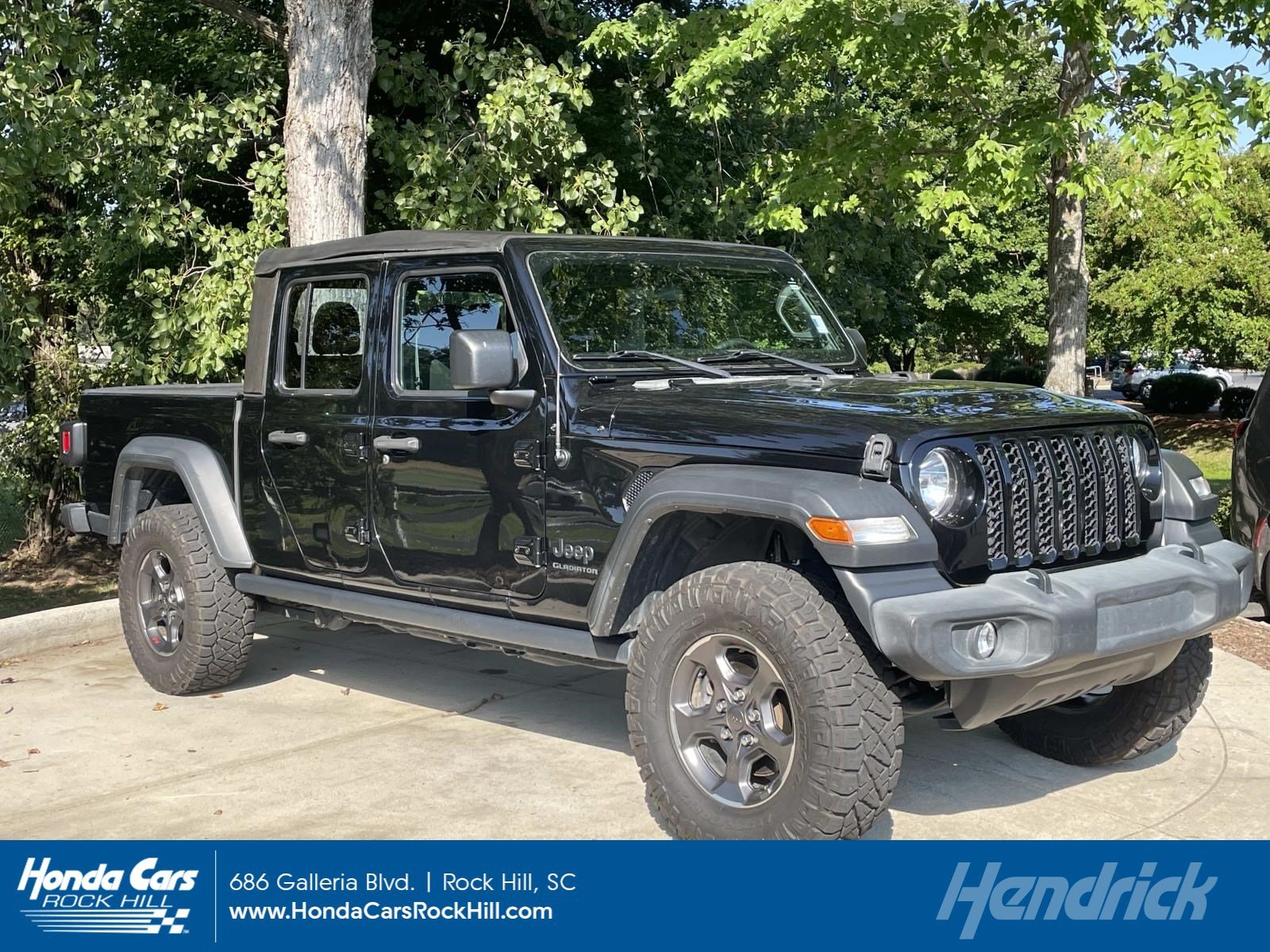
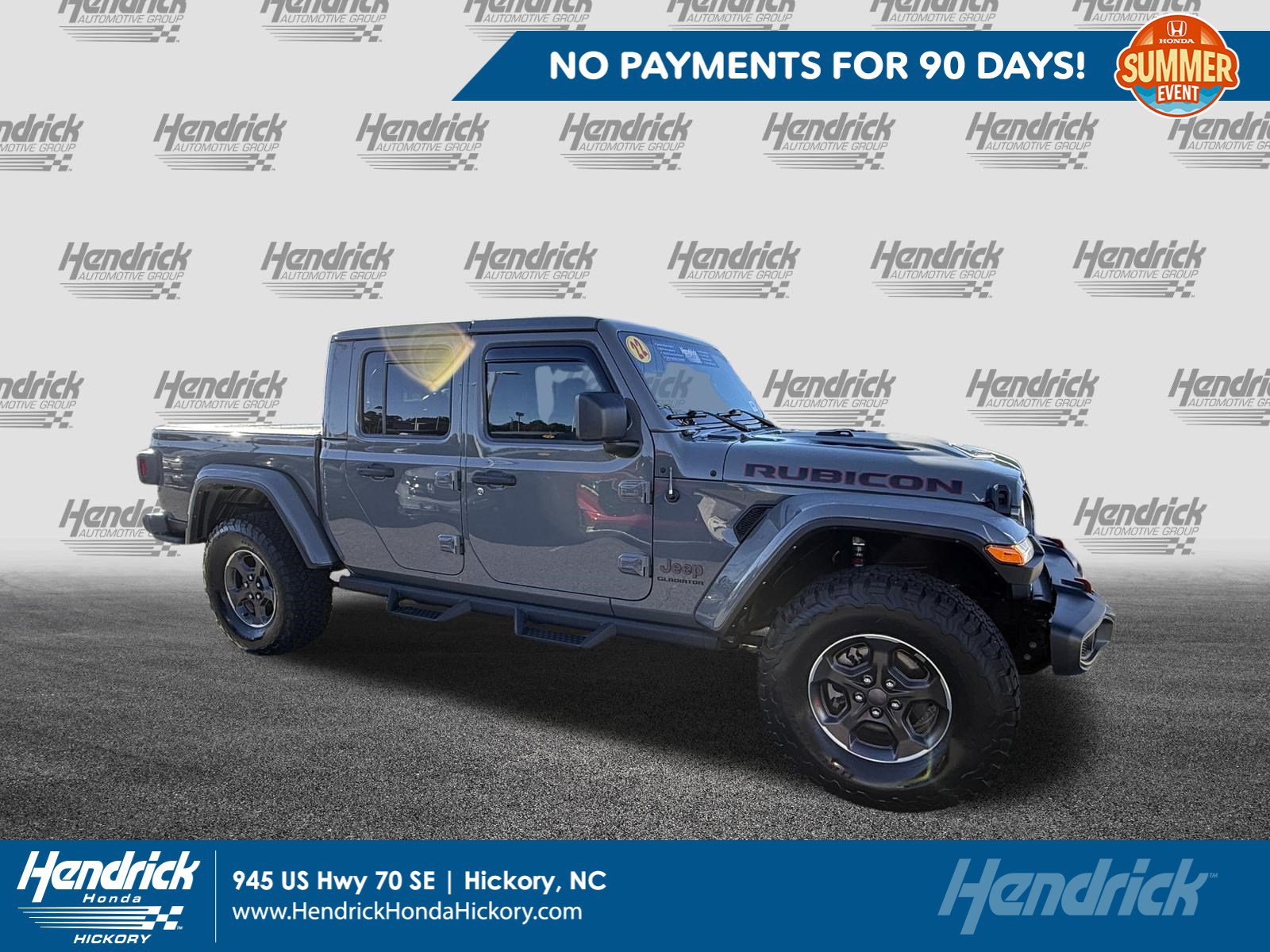
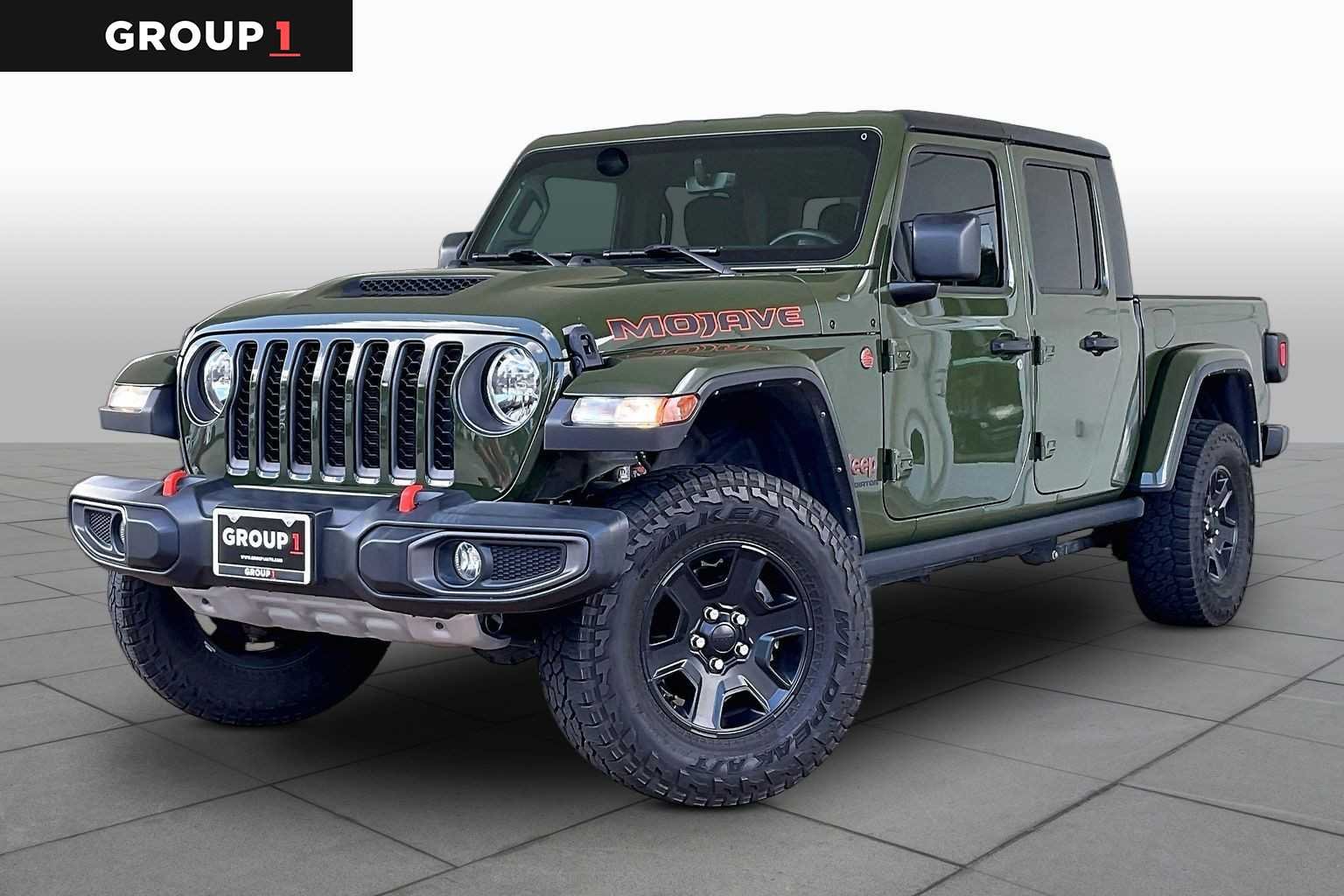
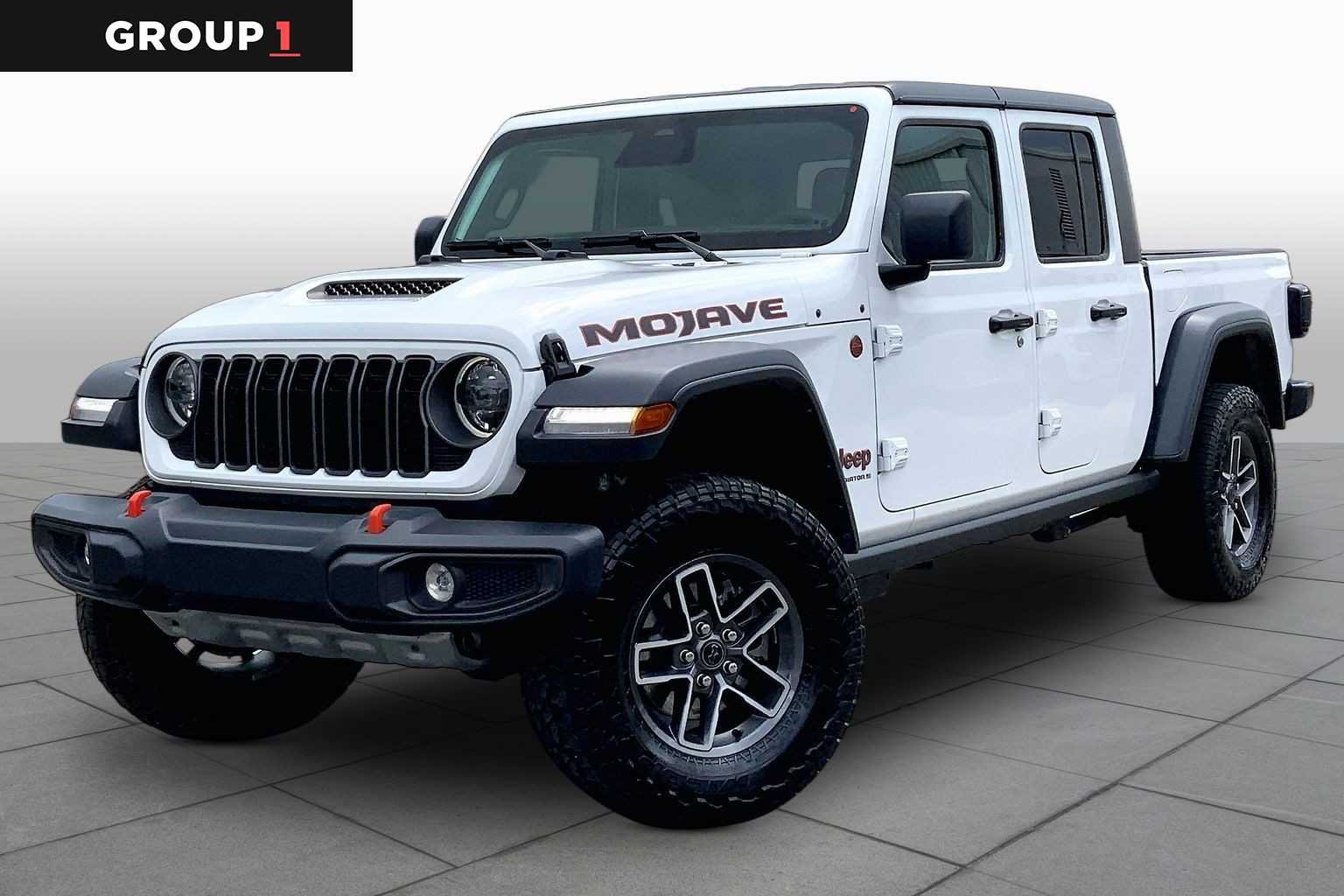
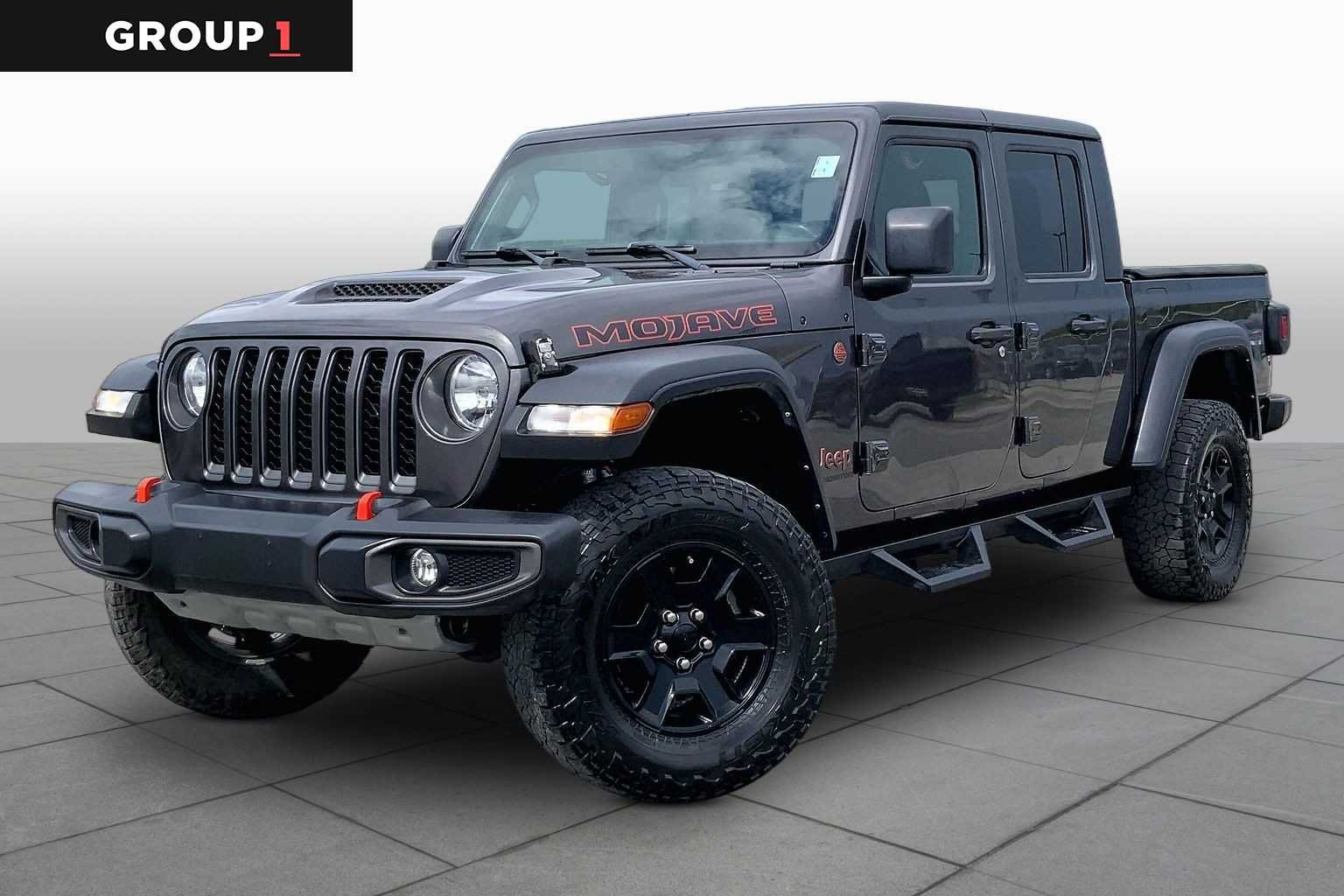
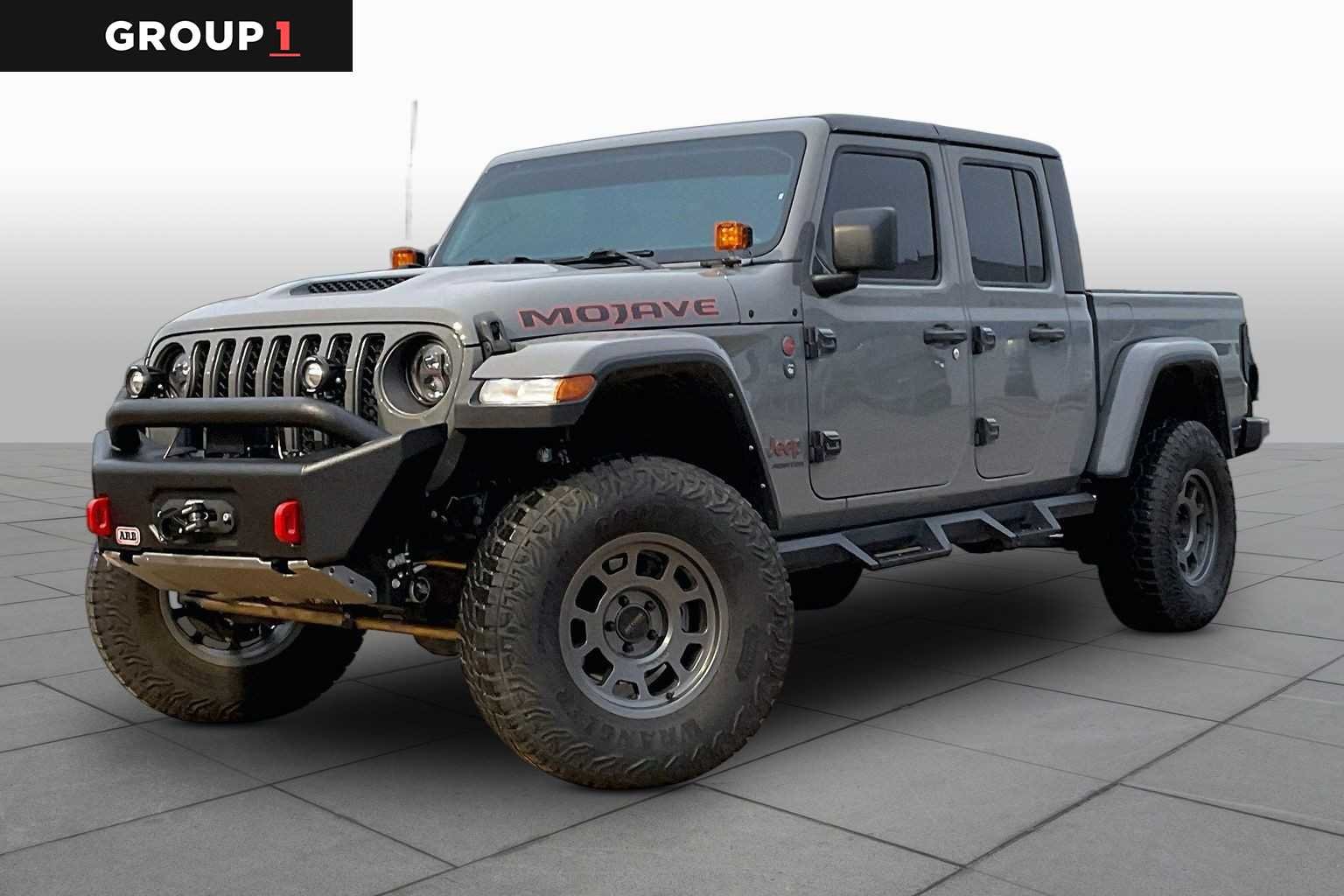
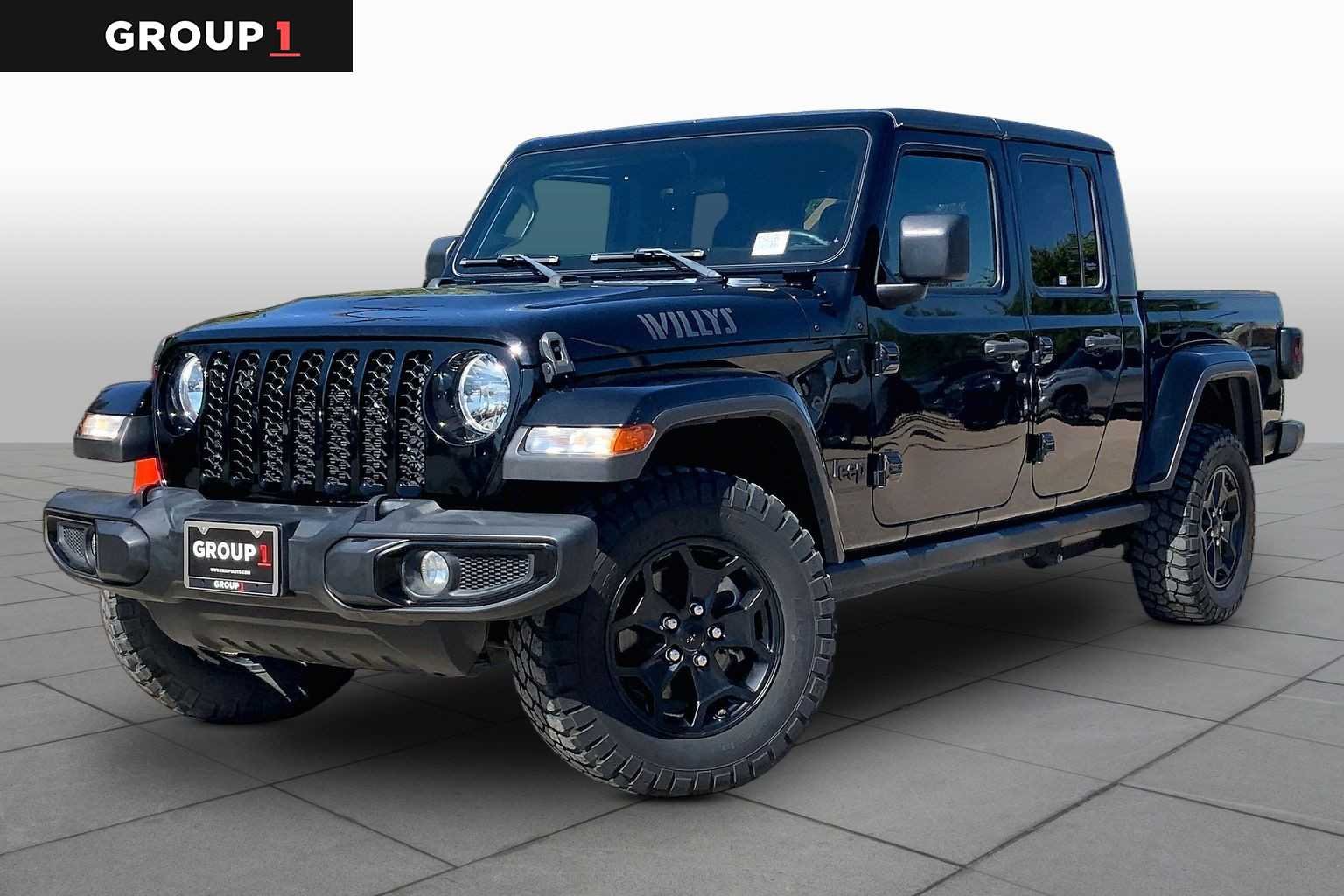
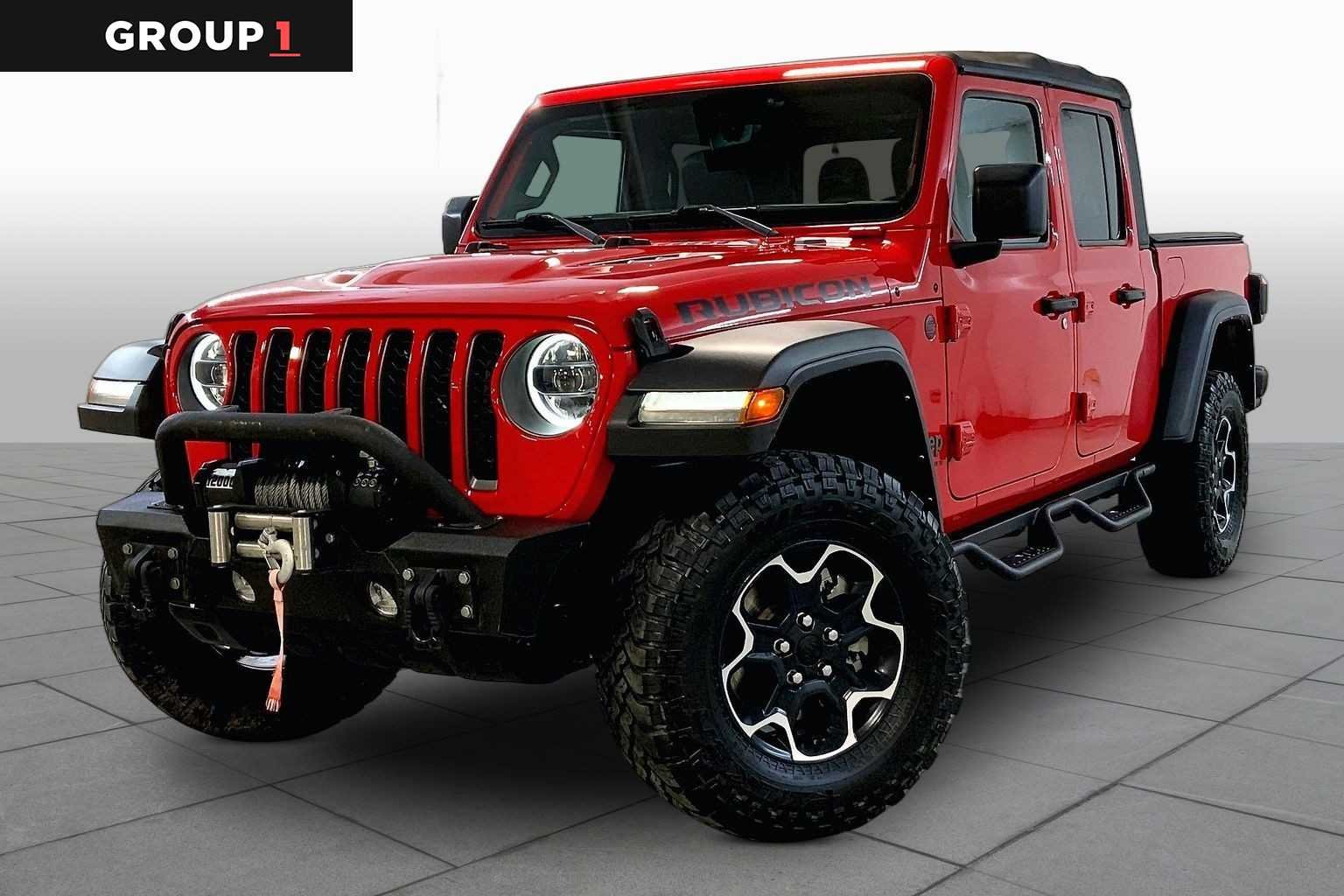
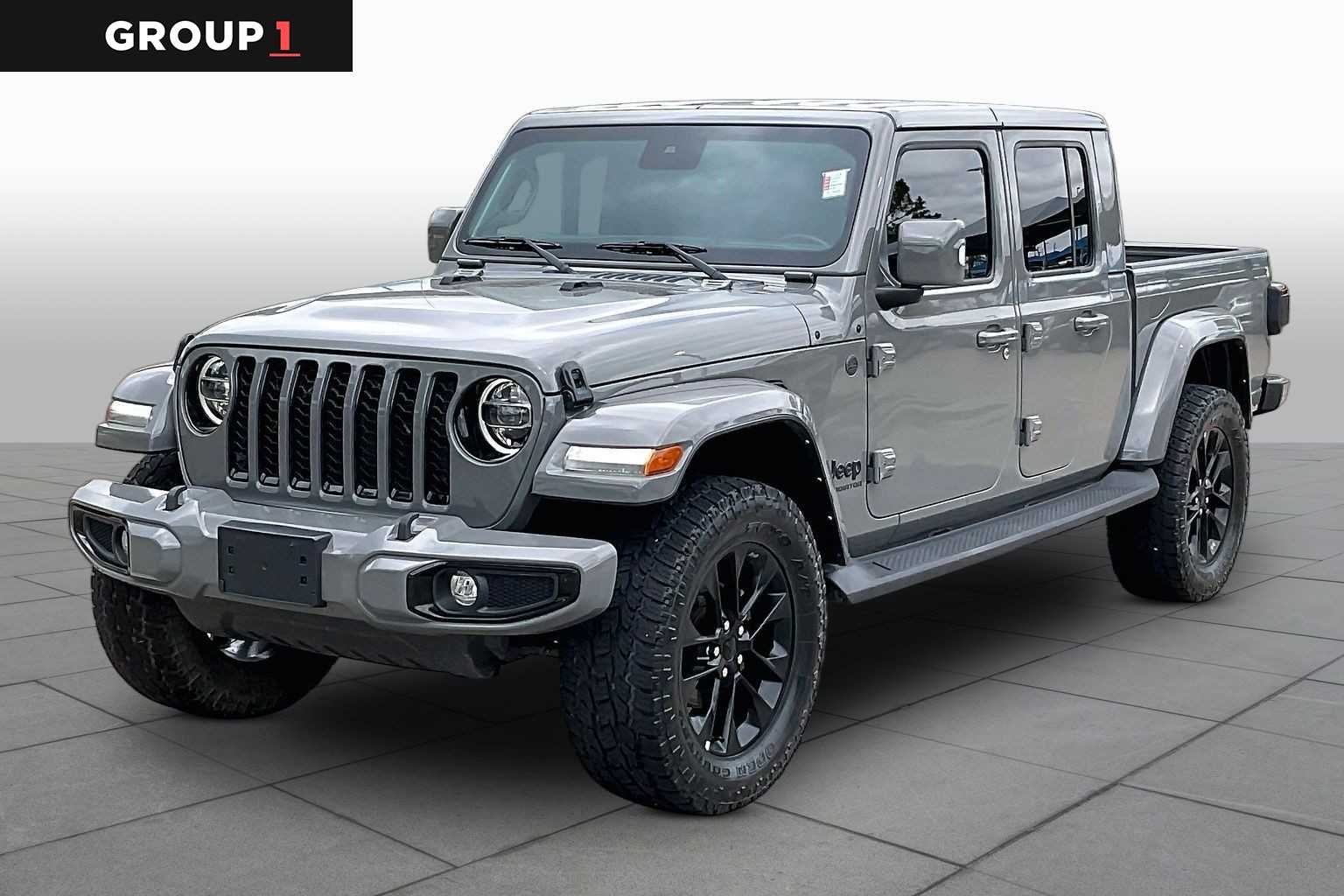
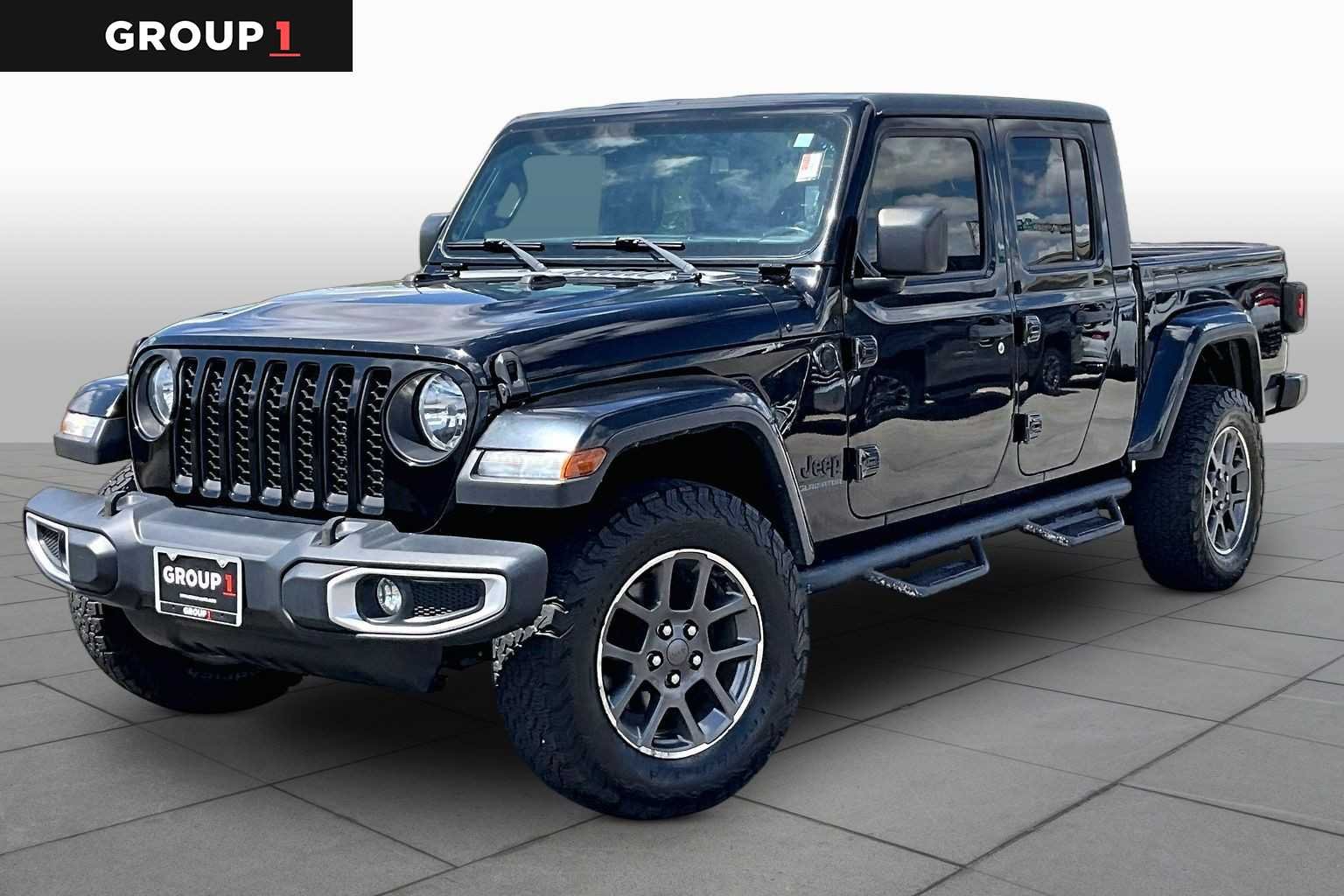
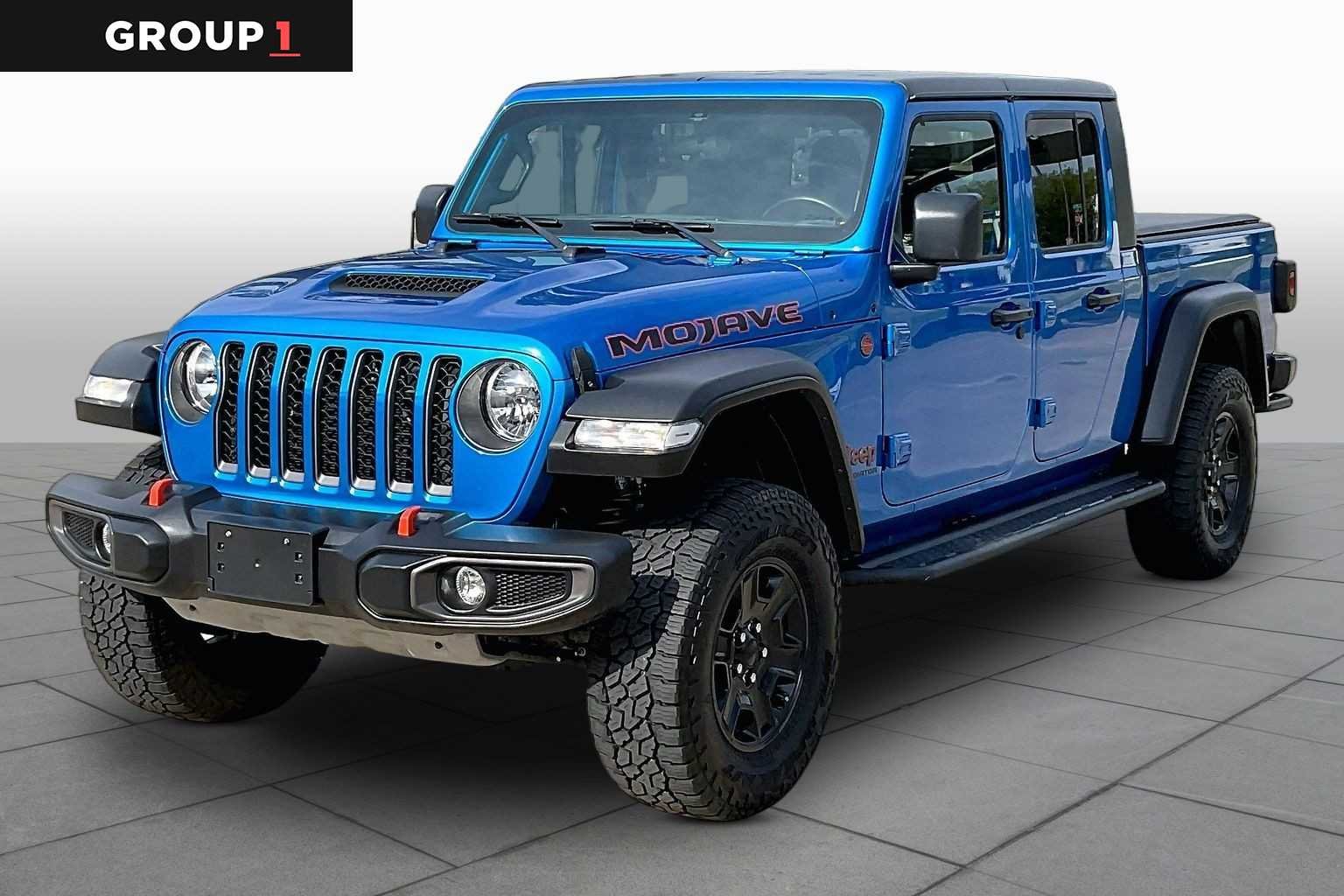
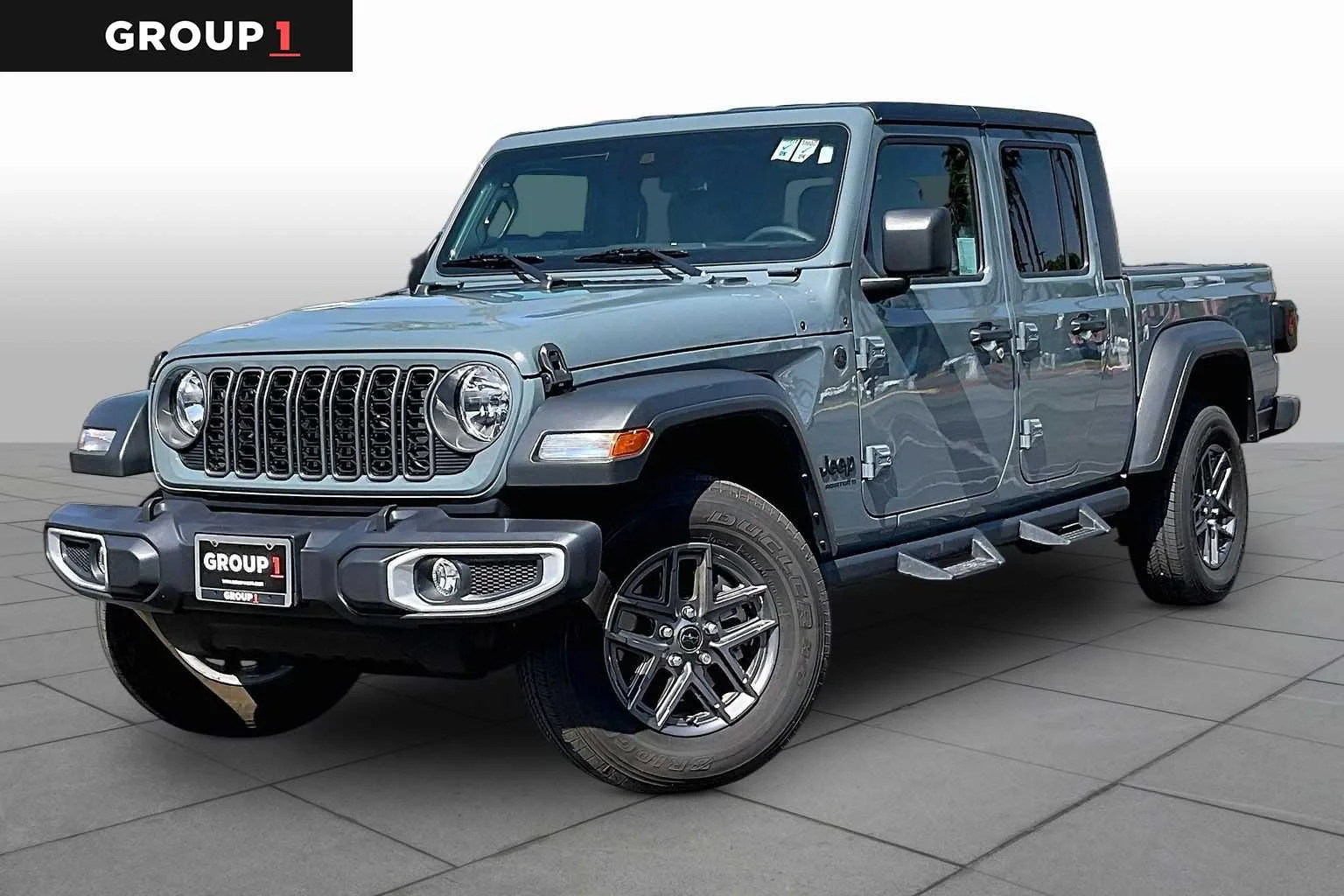
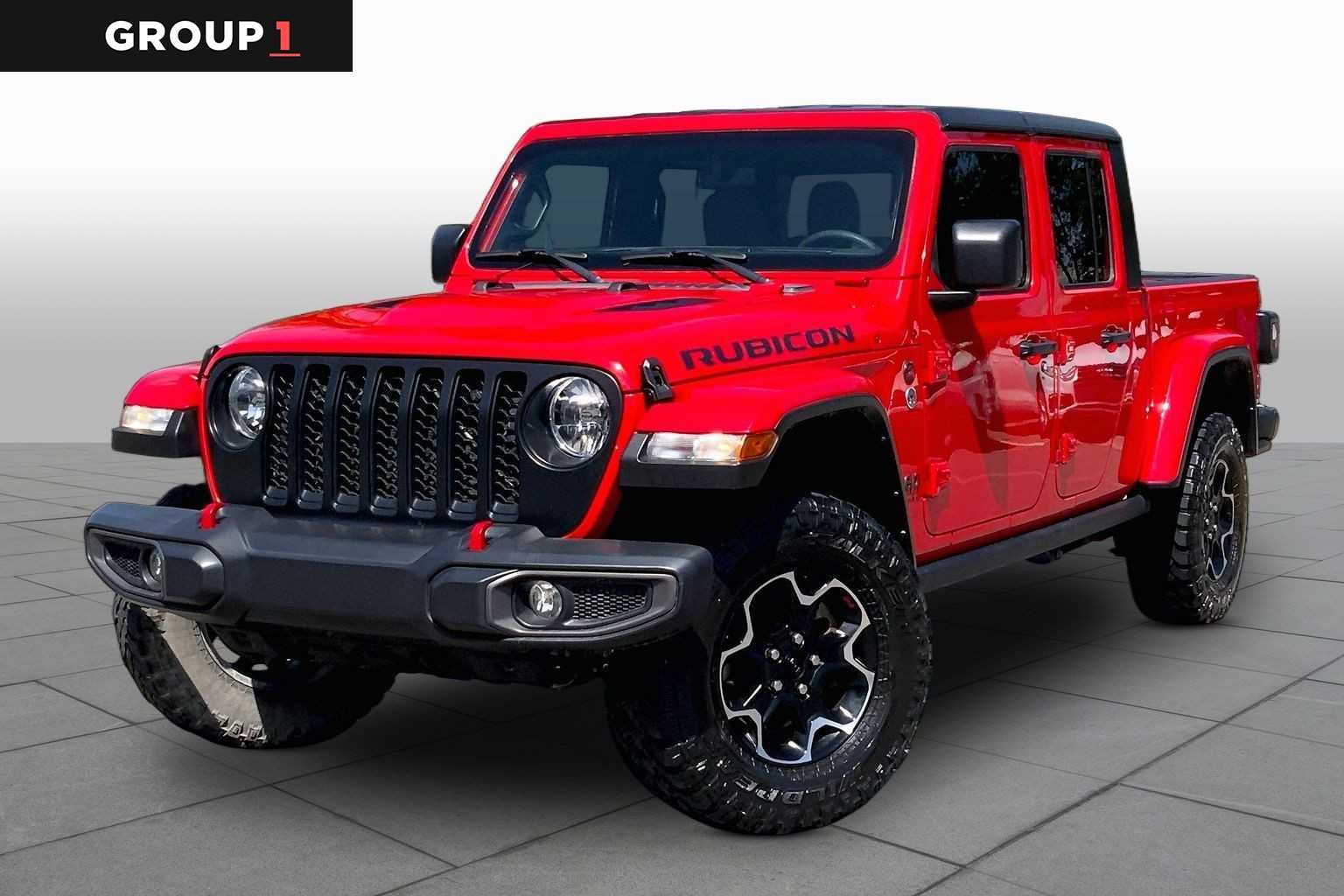
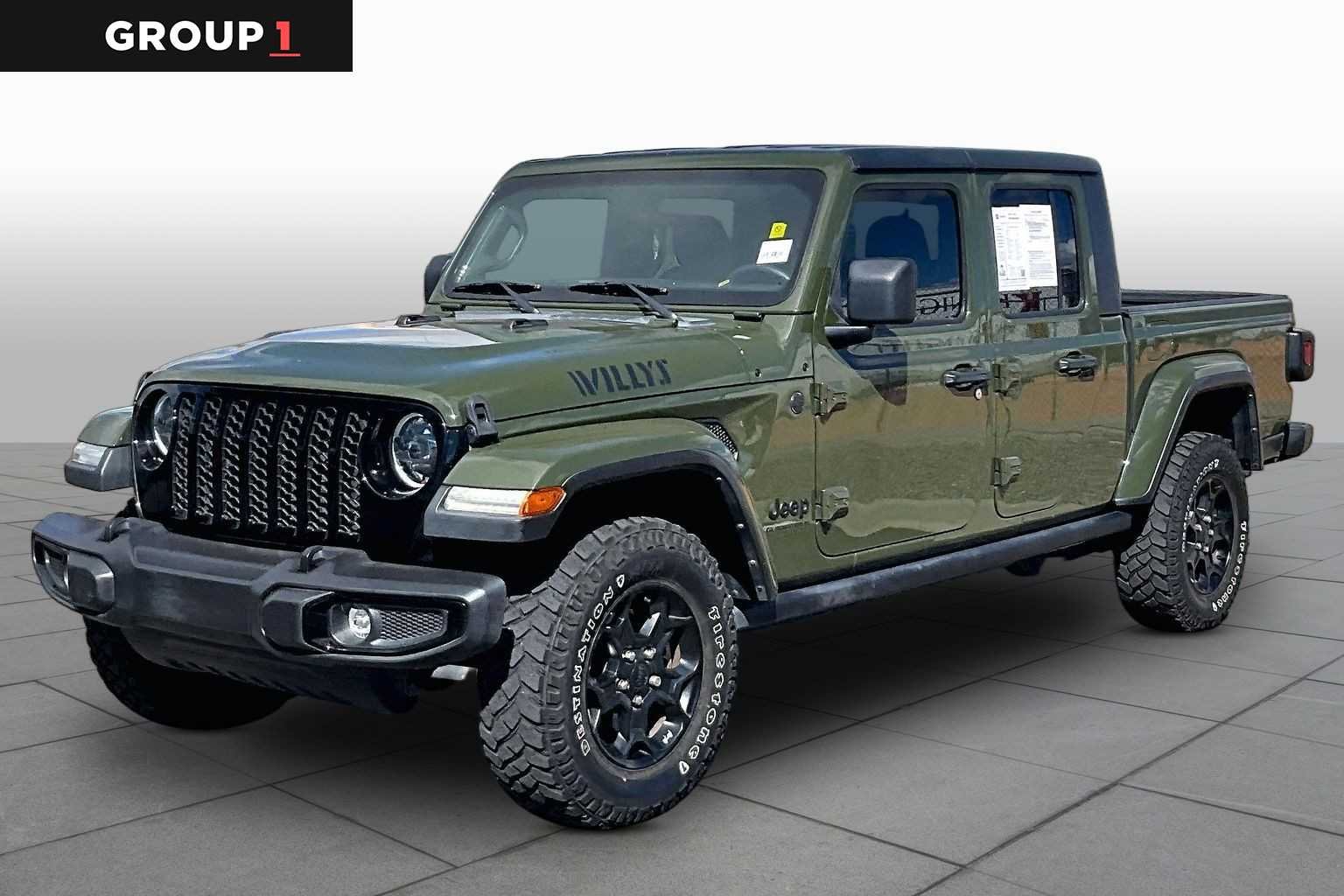
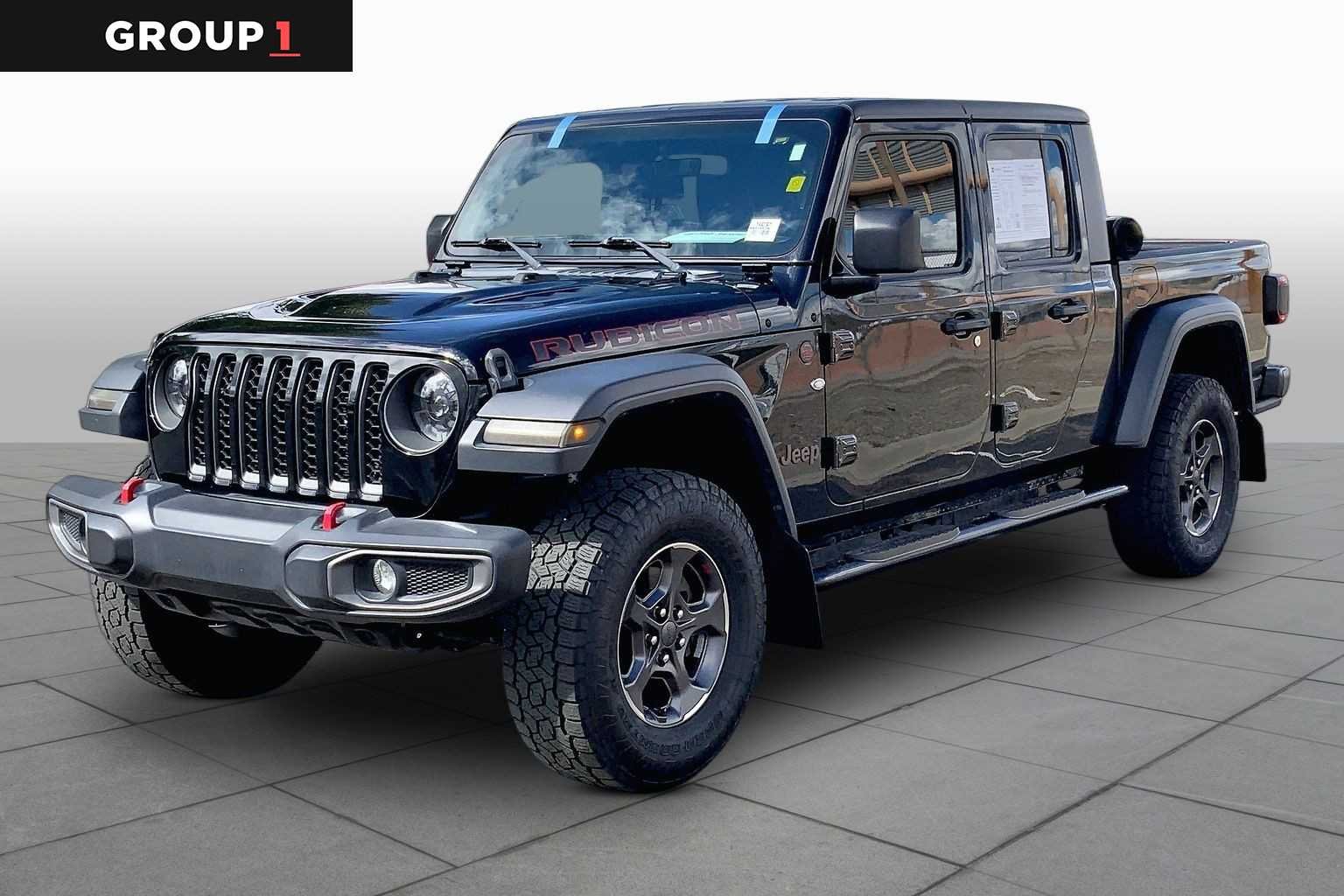
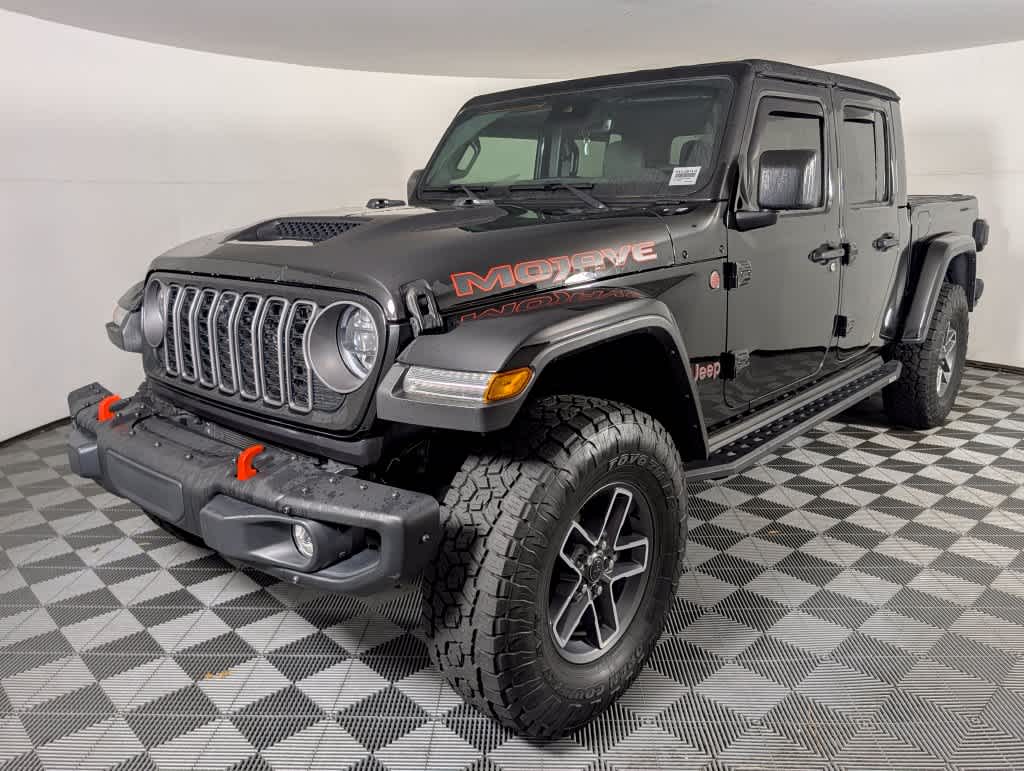
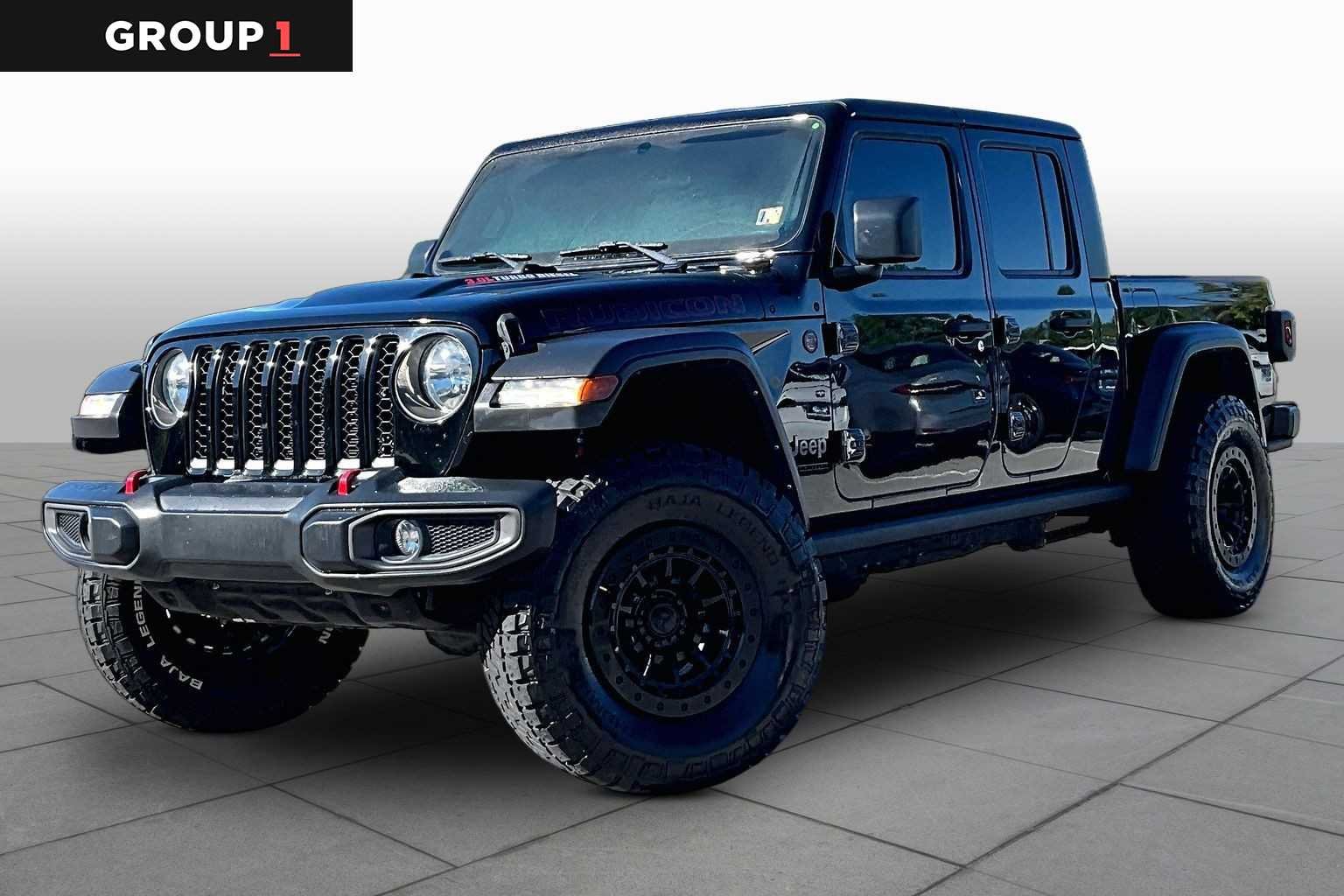
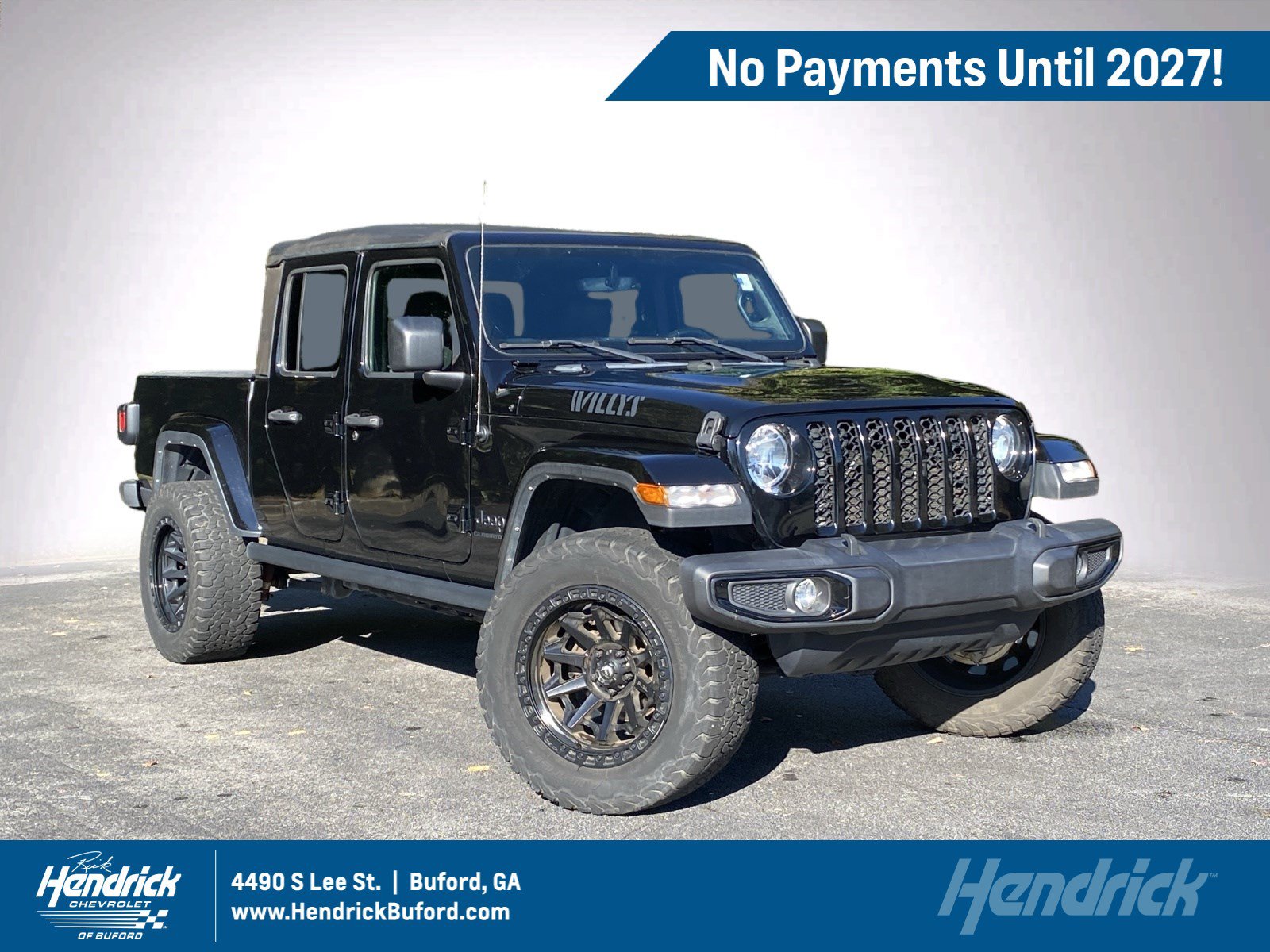
gasoline, automatic, 135K km, pickup, All Wheels Drive, 3,600 cm3, black, Used condition, USA, In stock

HendrickCars.com
 Buford, United States
 Buford, United StatesRock Hill, United StatesHickory, United States
 Southwest, United StatesSouthwest, United StatesSouthwest, United StatesChevrolet, United States
 Austin, United StatesAustin, United StatesMain Settlement, United StatesMain Settlement, United StatesMain Settlement, United StatesMain Settlement, United StatesMain Settlement, United StatesMain Settlement, United StatesMain Settlement, United StatesMain Settlement, United StatesSag Bridge, United StatesSag Bridge, United StatesSag Bridge, United States
 Shawnee, United StatesShawnee, United StatesAtlanta, United StatesAtlanta, United StatesColumbia, United States
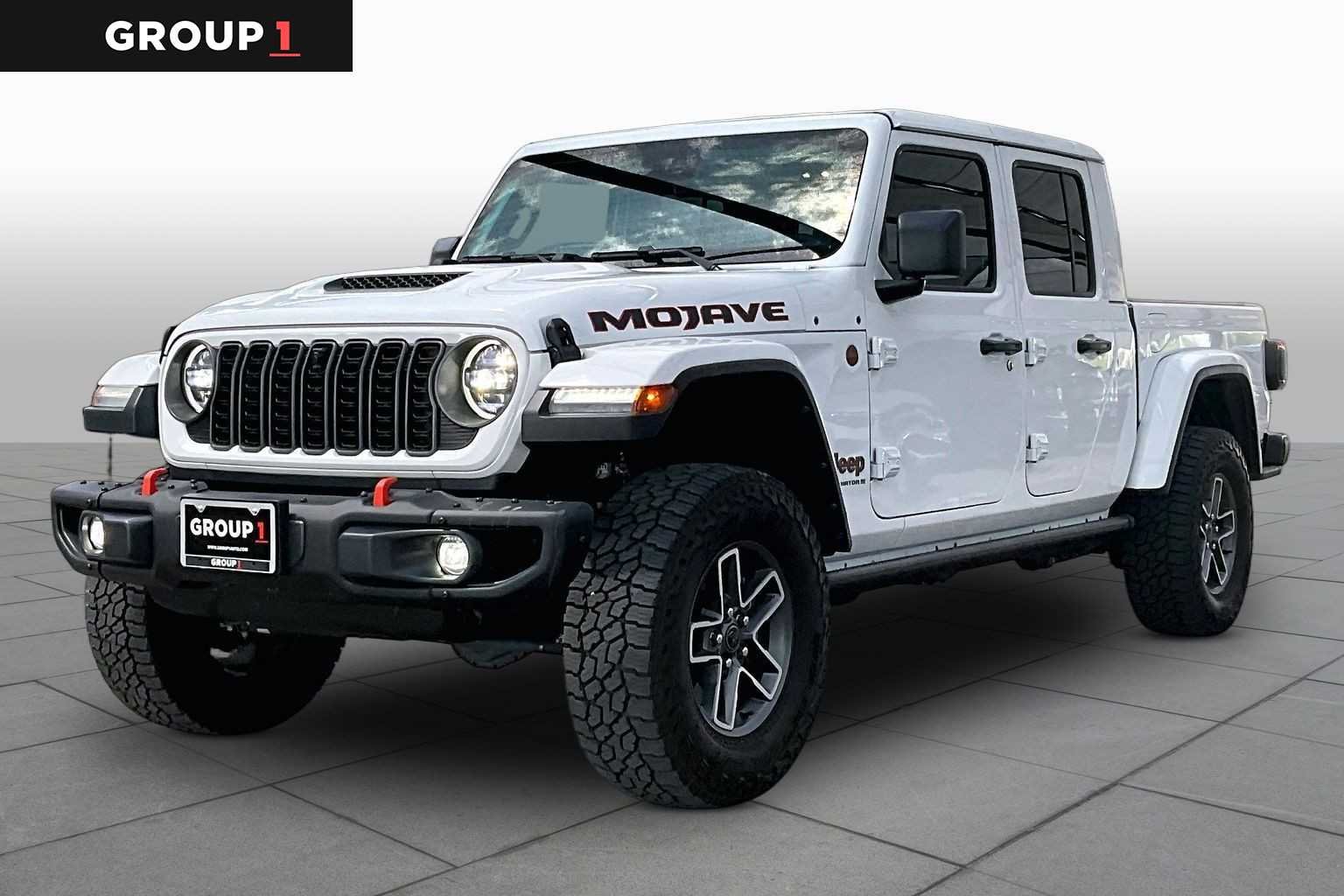
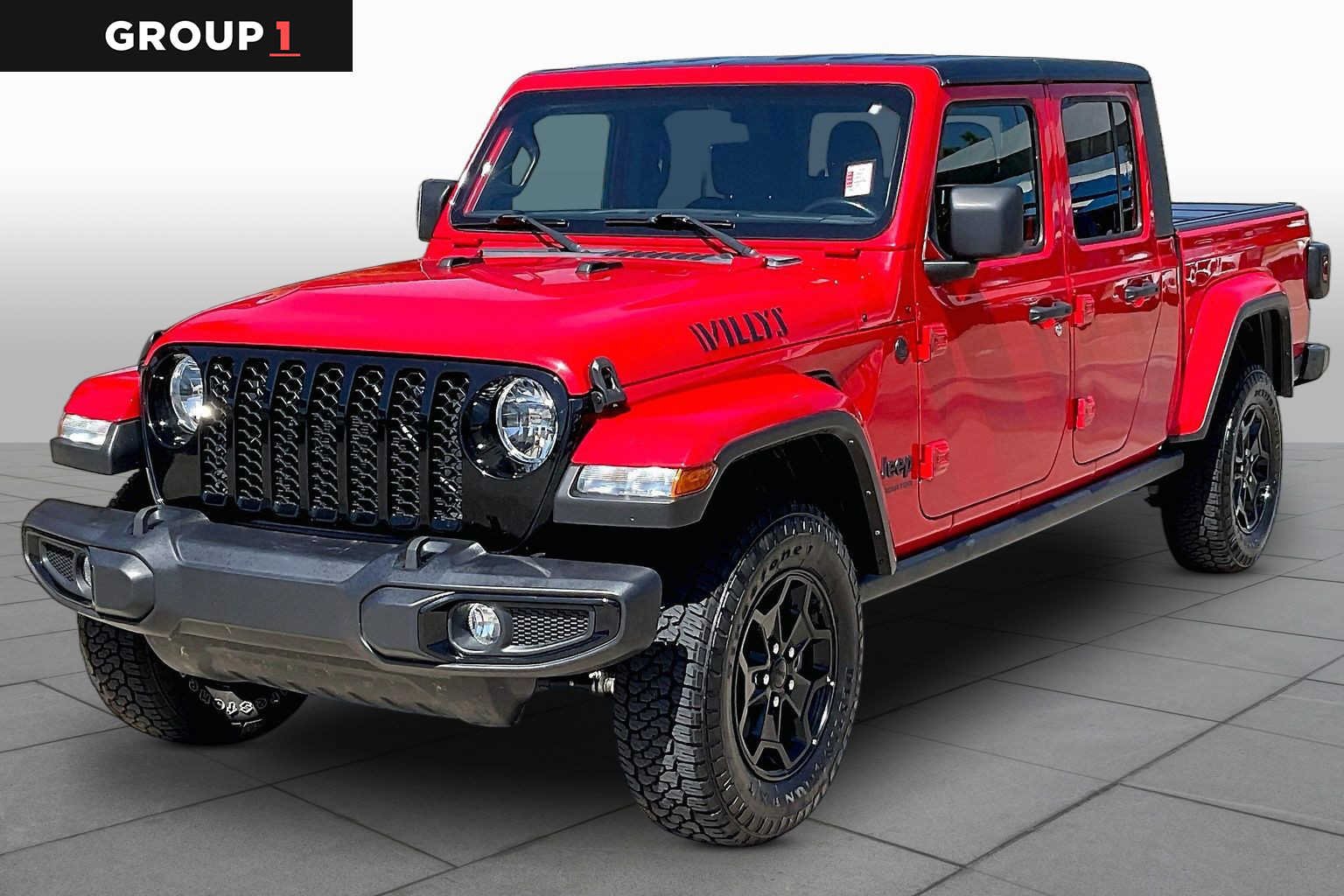
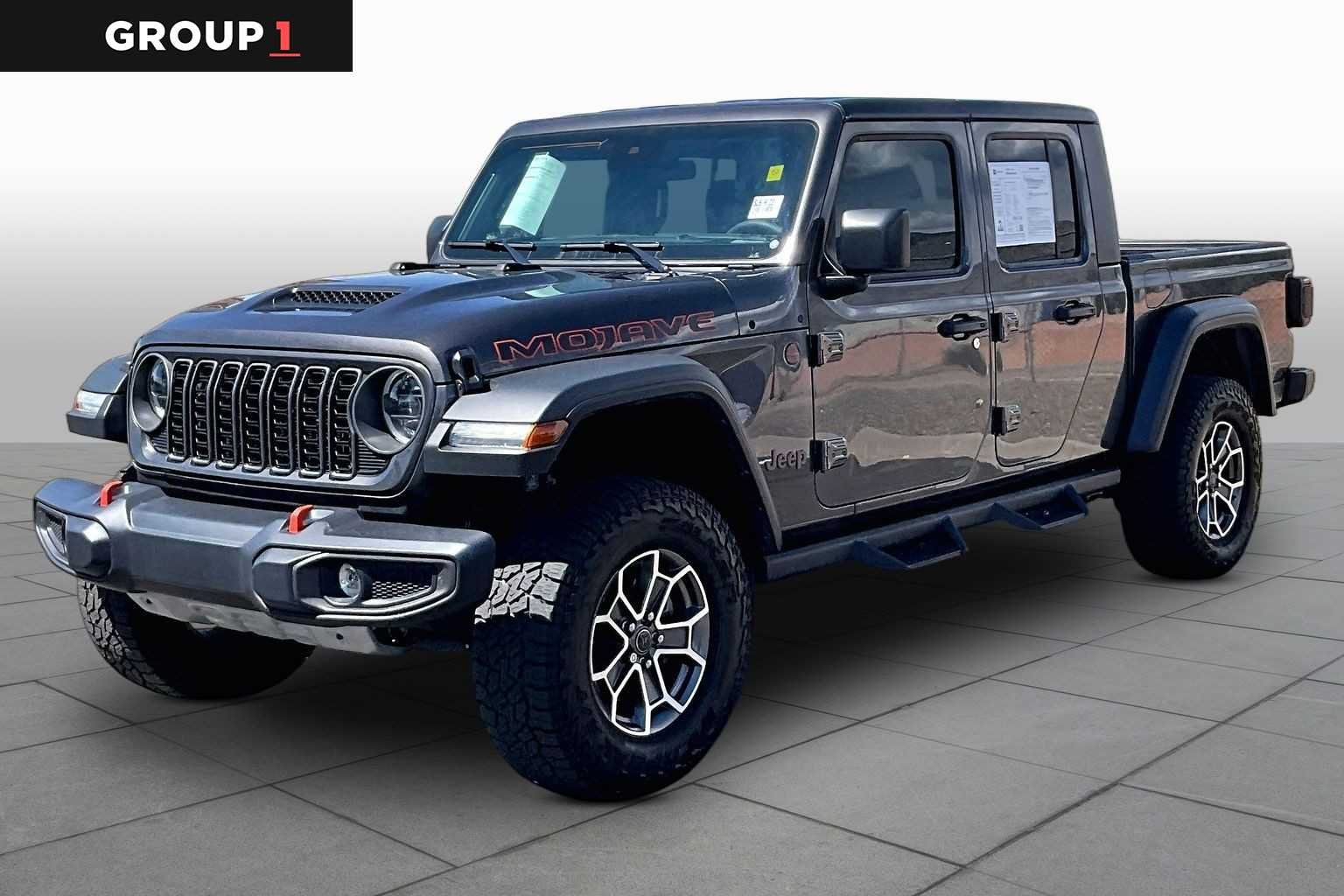
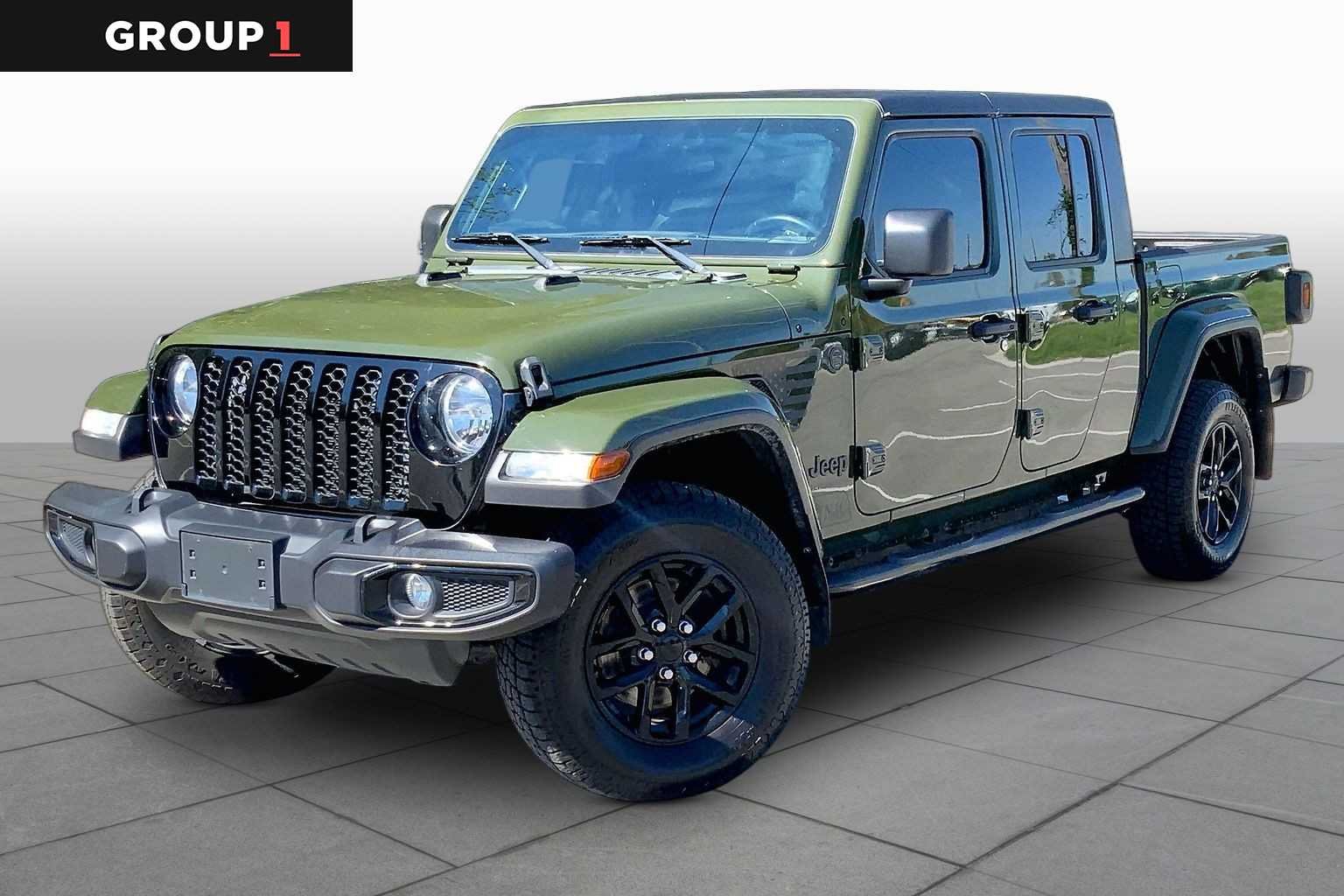
The Jeep Gladiator is a unique pickup that blends off‑road capability with everyday usability. If you’re considering buying one, you’ll want to weigh the model year, mileage, engine choice, and body style to fit your needs. In many markets, the Gladiator comes in multiple trims and generations, with options focused on power, payload, and towing. Whether you’re shopping in a large city or a regional hub, understanding typical price ranges and common configurations helps you make a smart choice.
The Gladiator combines Jeep’s legendary off‑road competence with a 5‑foot bed, giving it practical versatility for daily driving, weekend adventures, and light work tasks. Key factors to compare include engine options (V6 or turbocharged variants in some generations), fuel type, and transmission choices. Buyers often focus on 4x4 capability, crawl ratio, and durability of the pickup bed and cargo area. The model is frequently evaluated for ride comfort, noise, and interior practicality when used as a daily driver.
Pros: strong off‑road performance, versatile bed, recognizable brand heritage. Cons: higher running costs in some trims, insurance premiums for pickup configurations, and potentially higher maintenance if used for heavy off‑road tasks.
If you’re deciding between configurations, consider how you’ll use the Gladiator: daily driving, weekend escapes, or light work. A well‑maintained, carefully chosen Gladiator can deliver reliable service and enjoyable ownership for years.
 Add as preferred sourceSee more from zvelta in Google Search Add as preferred source