EN
ENDEALER
11.220 US$DEALER
11.700 US$
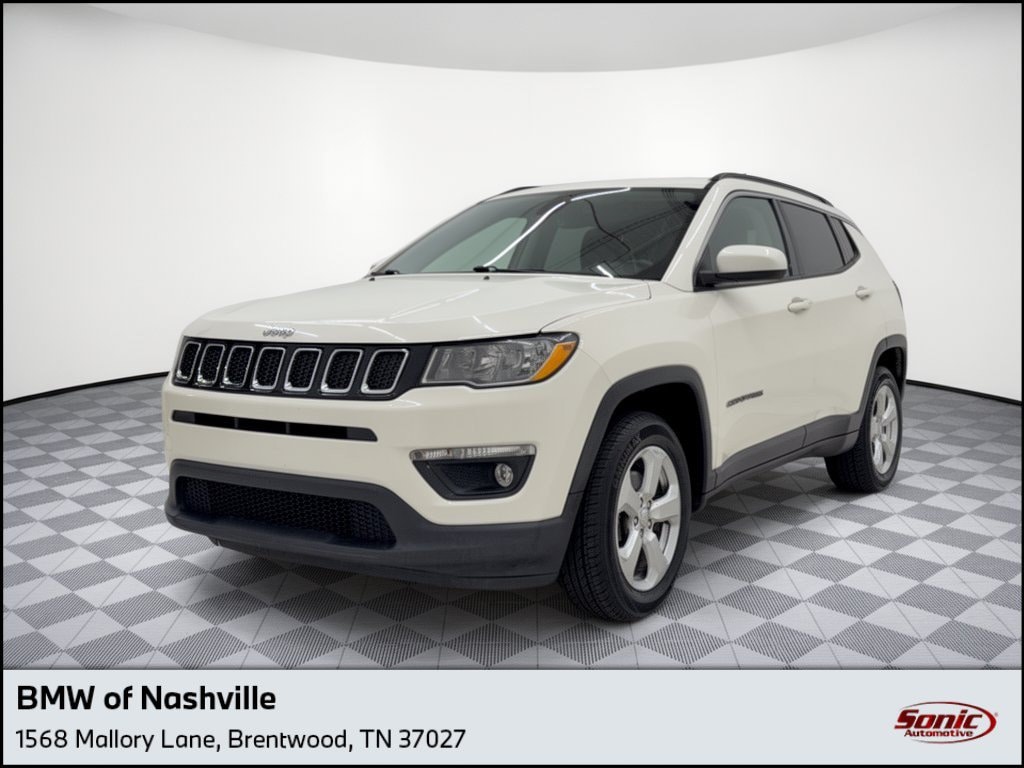
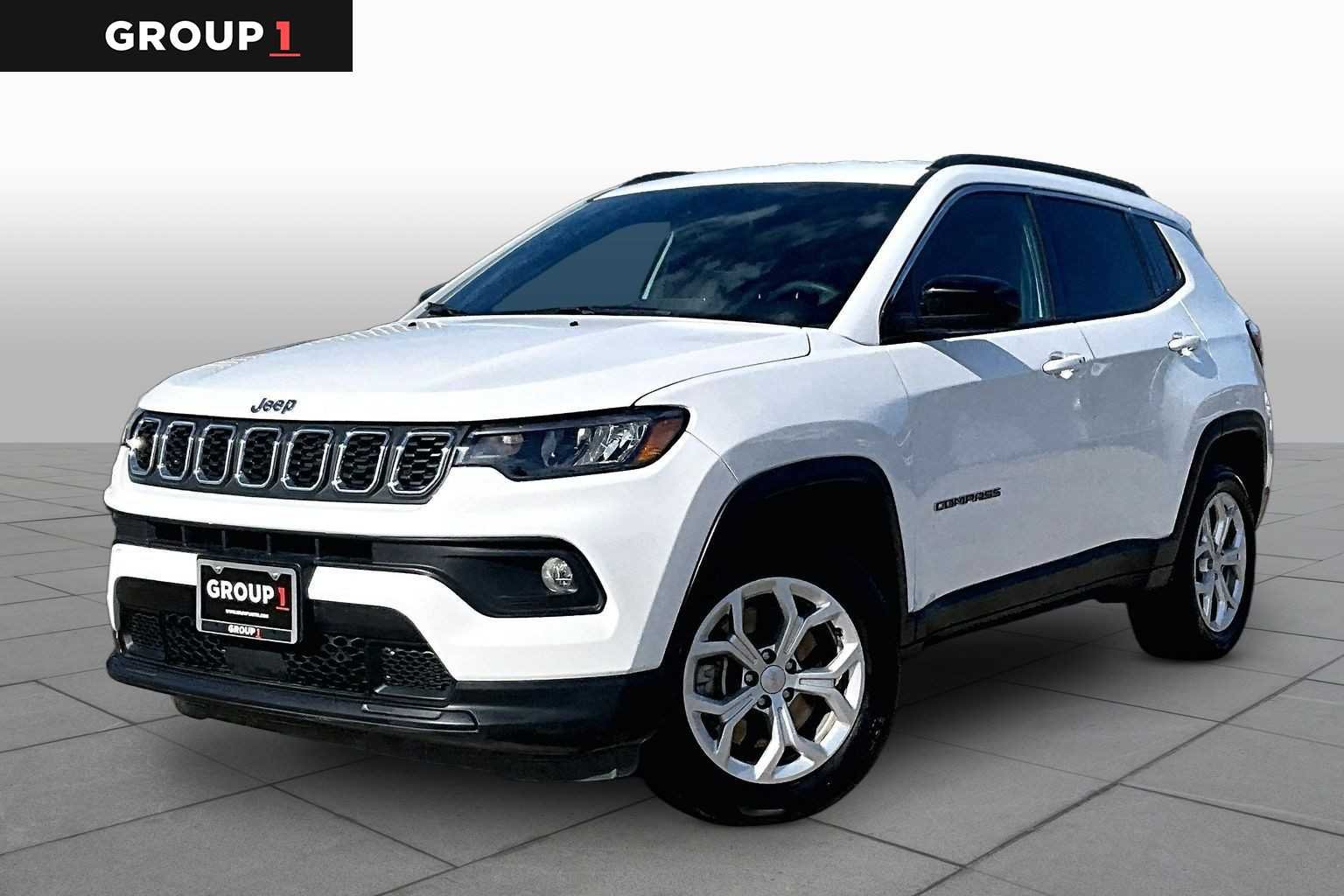
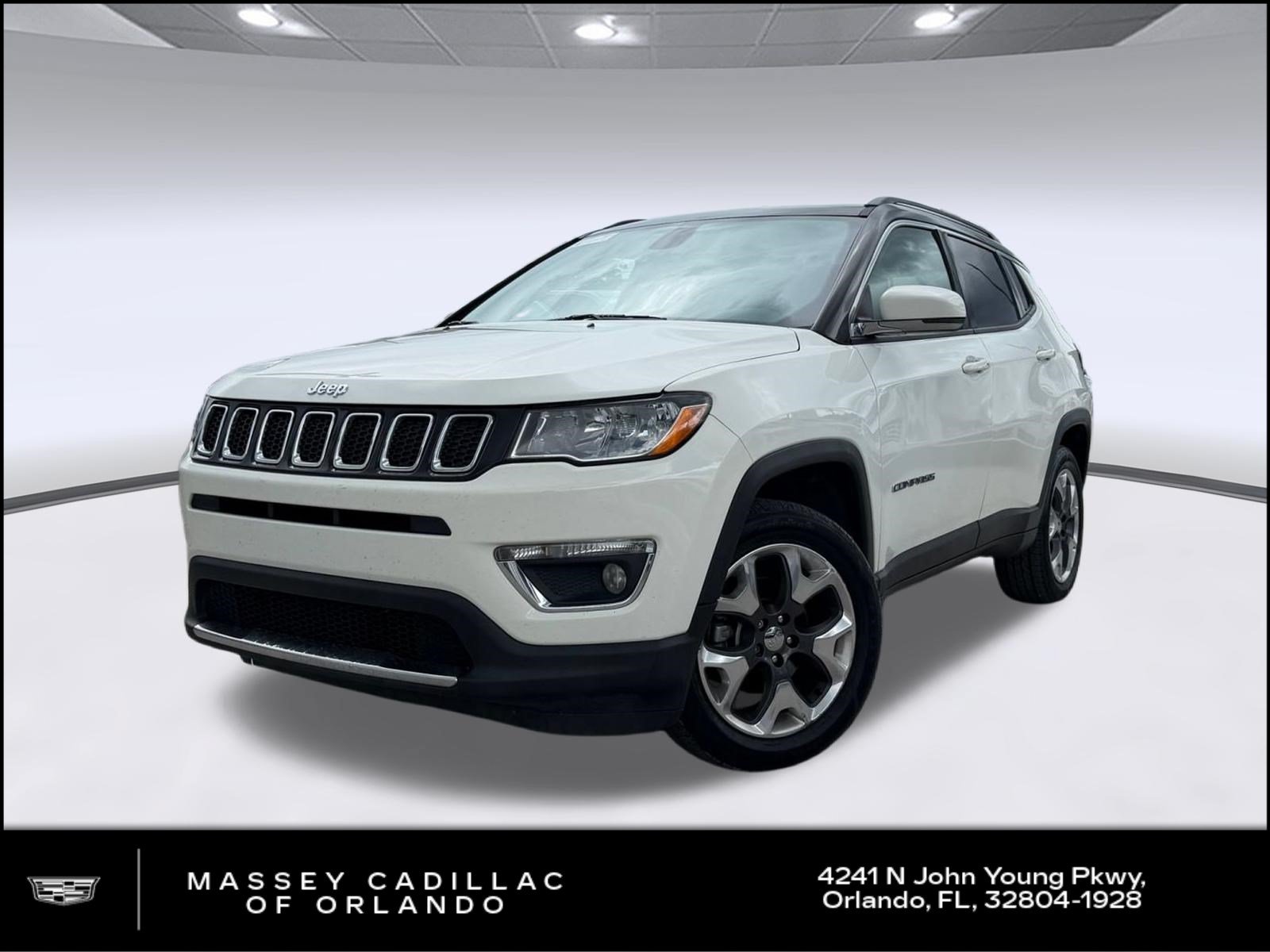
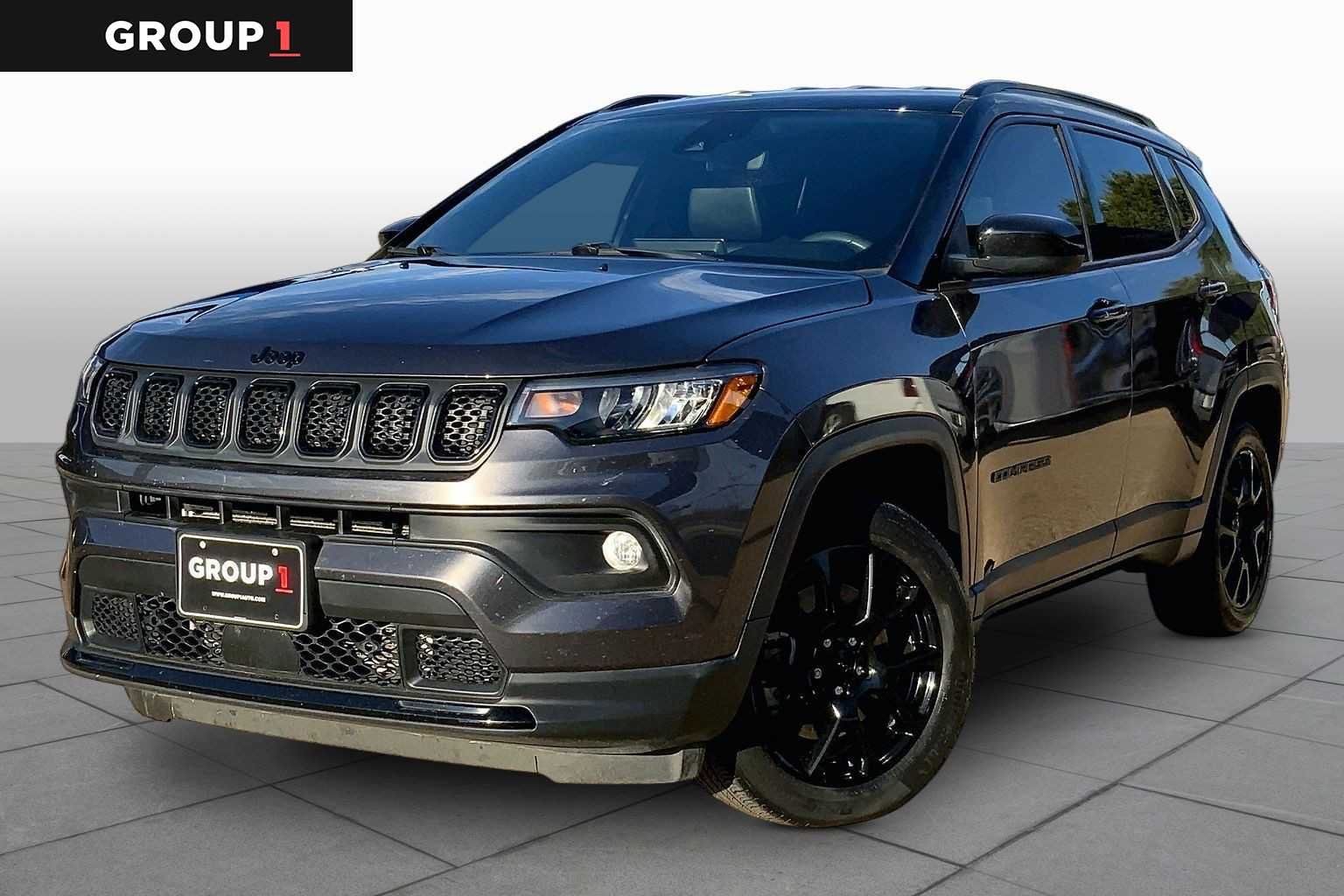
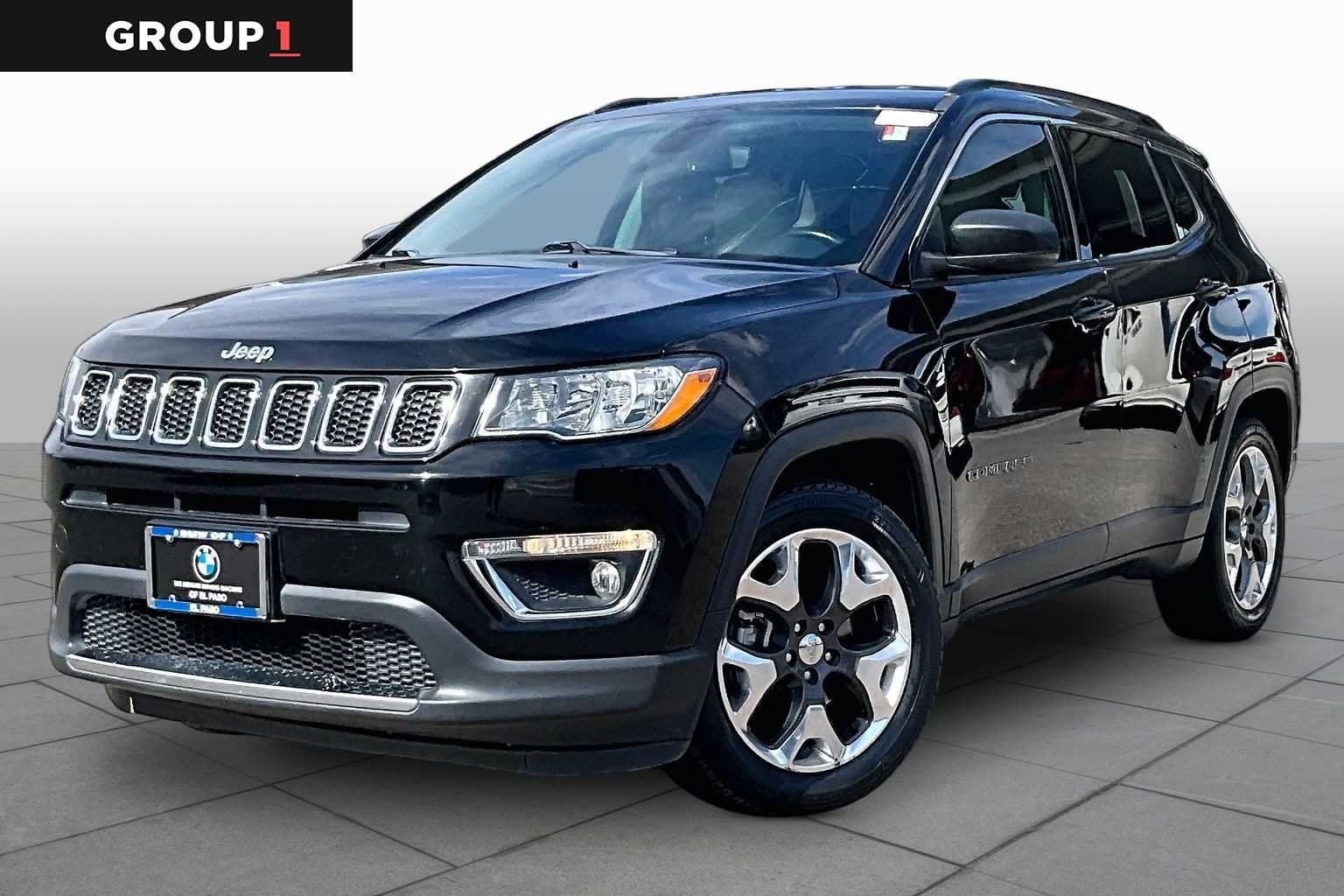
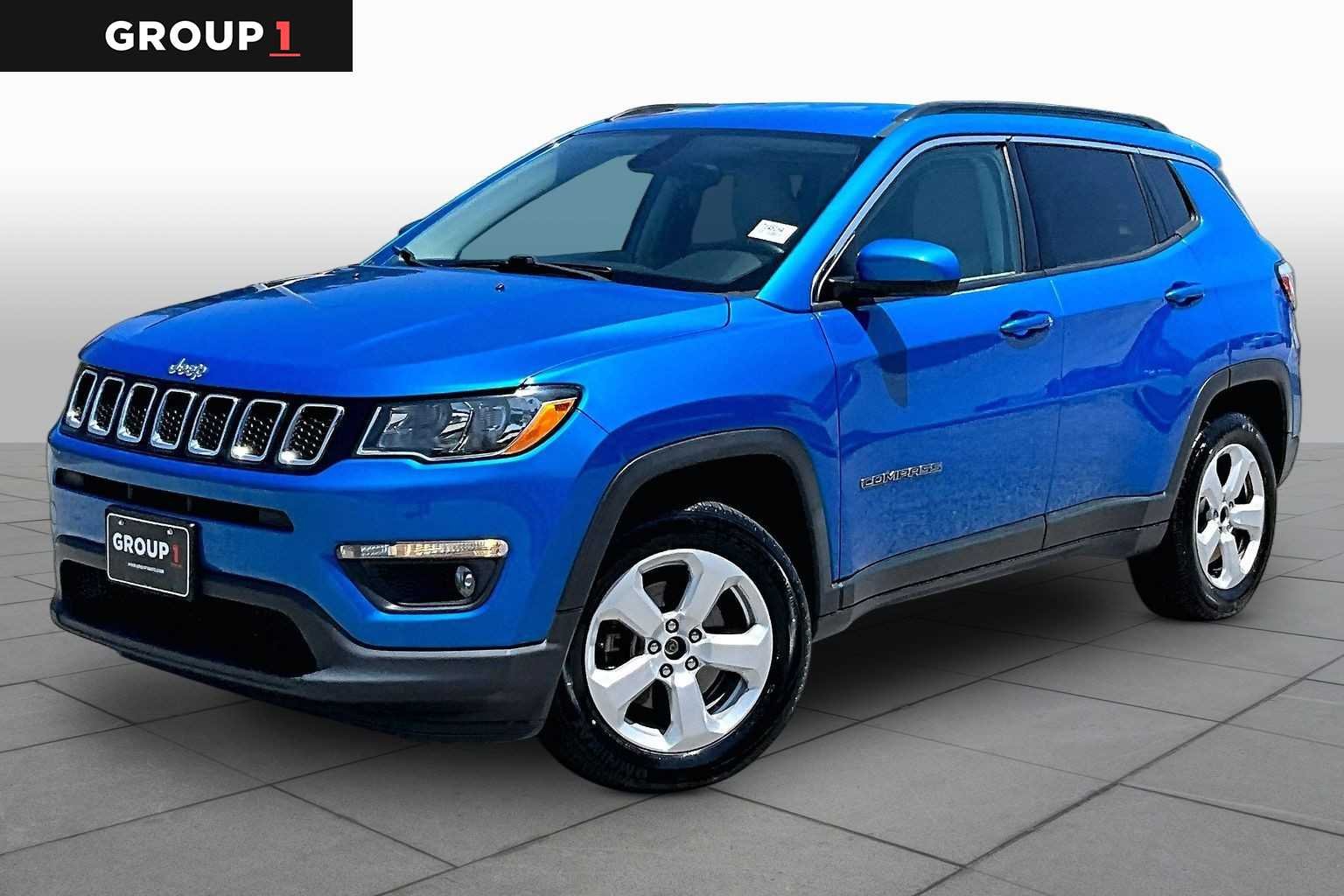
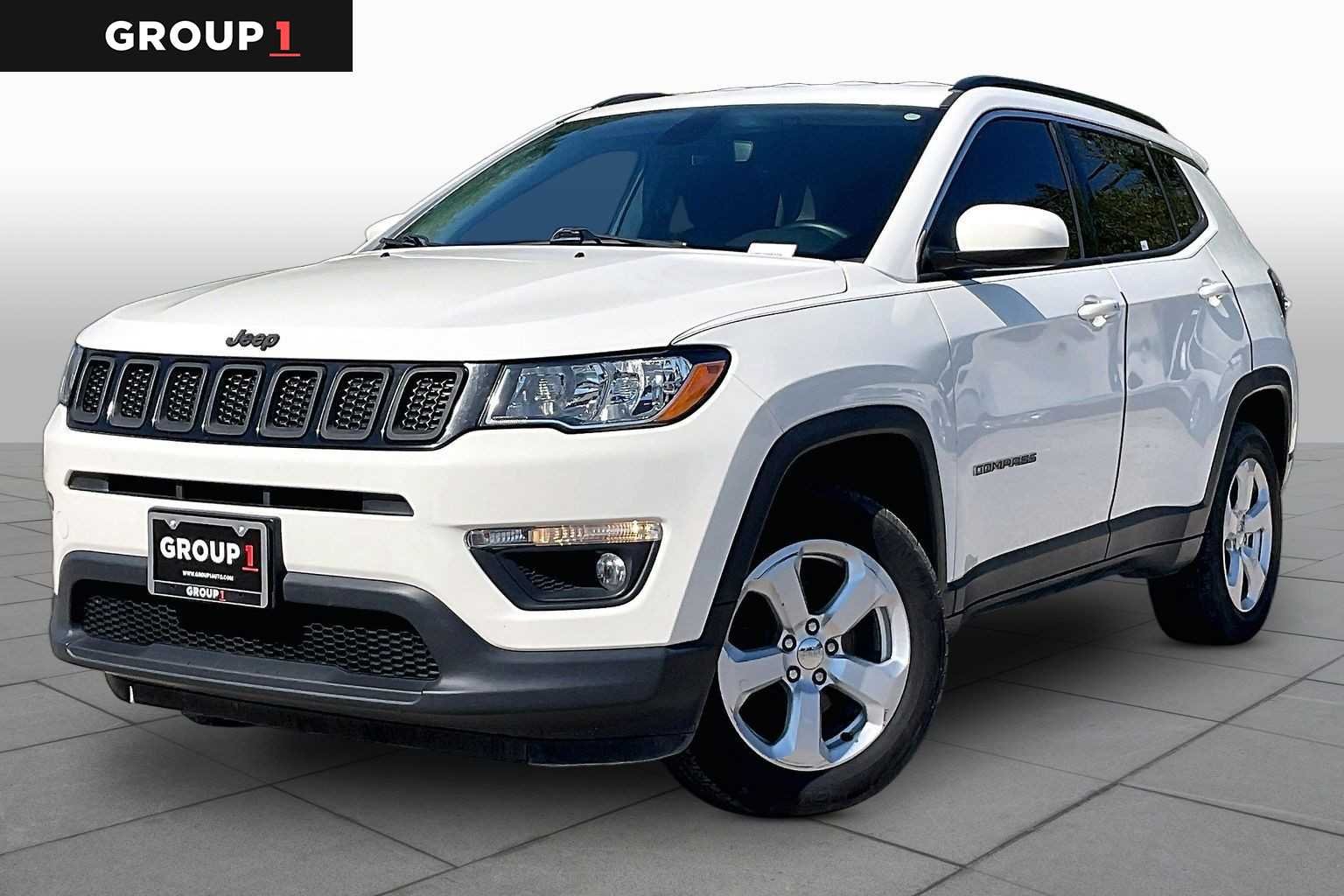
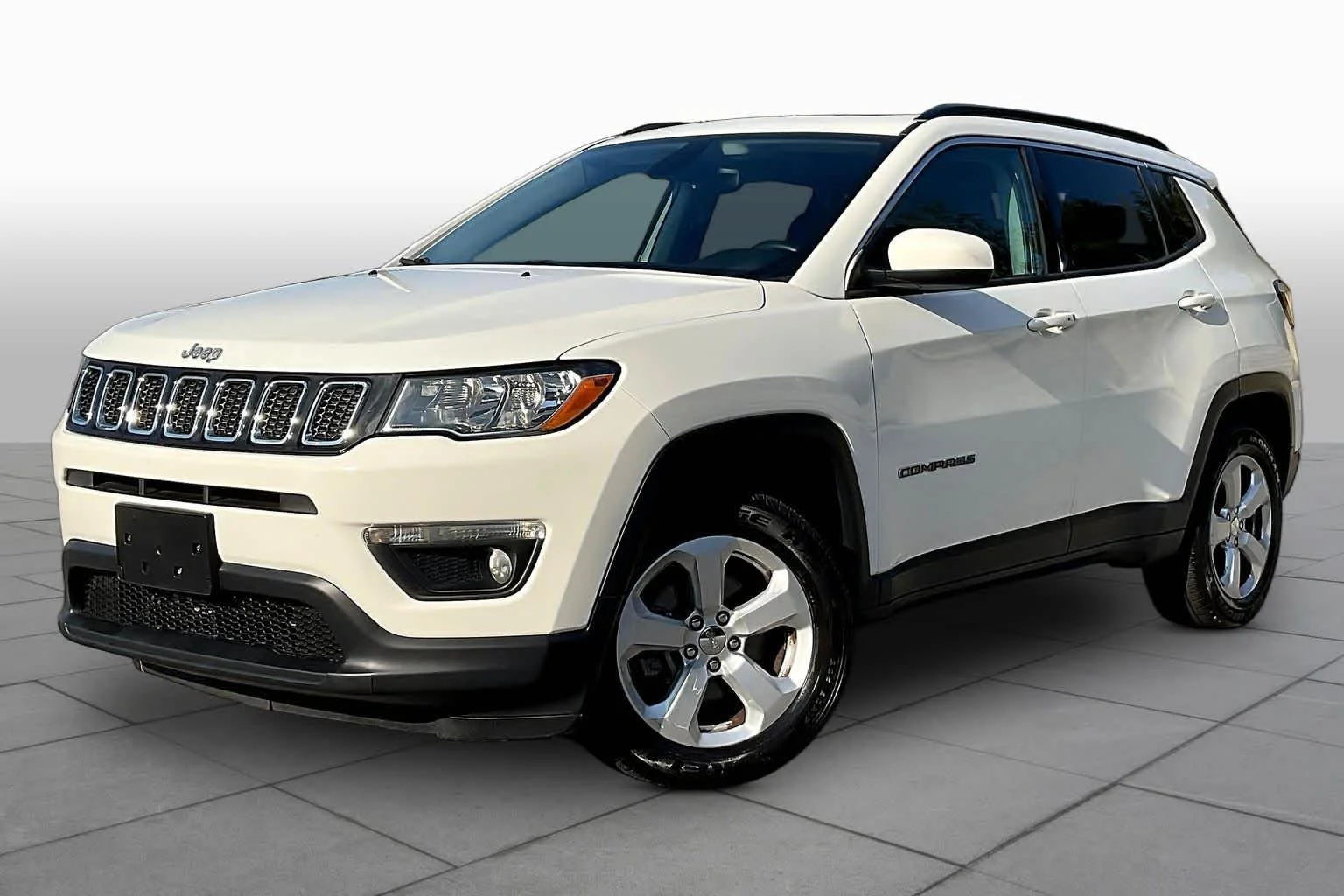
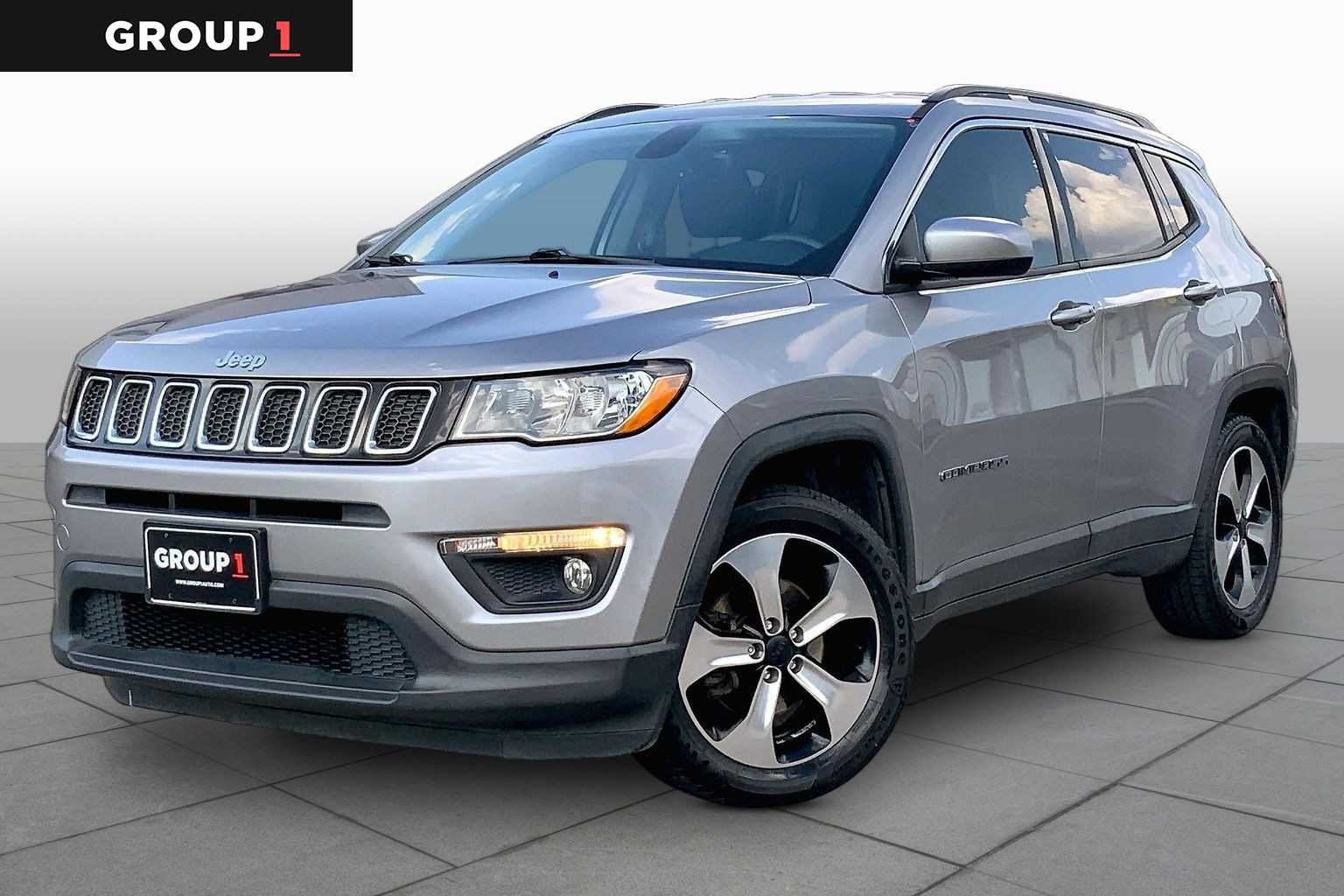
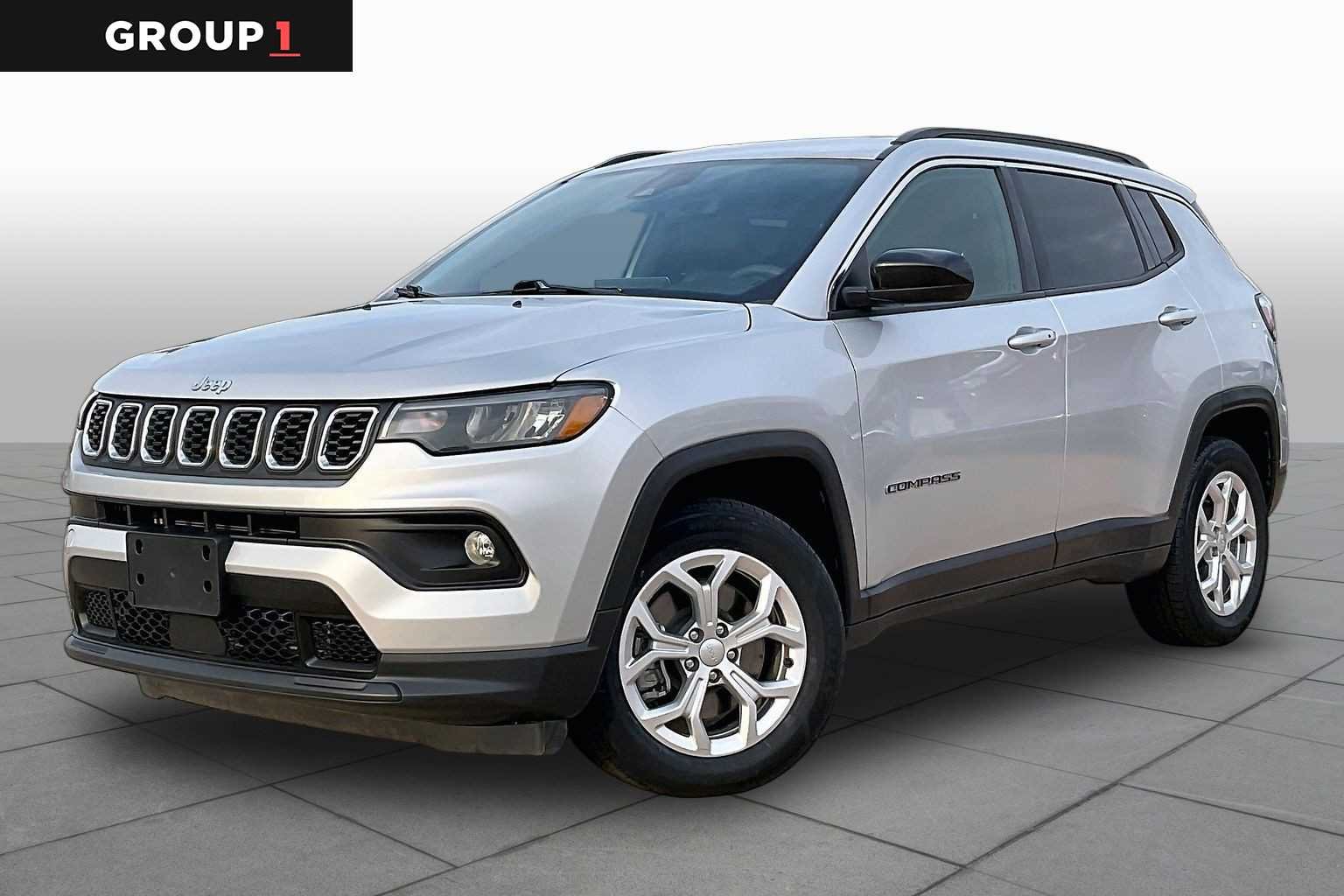
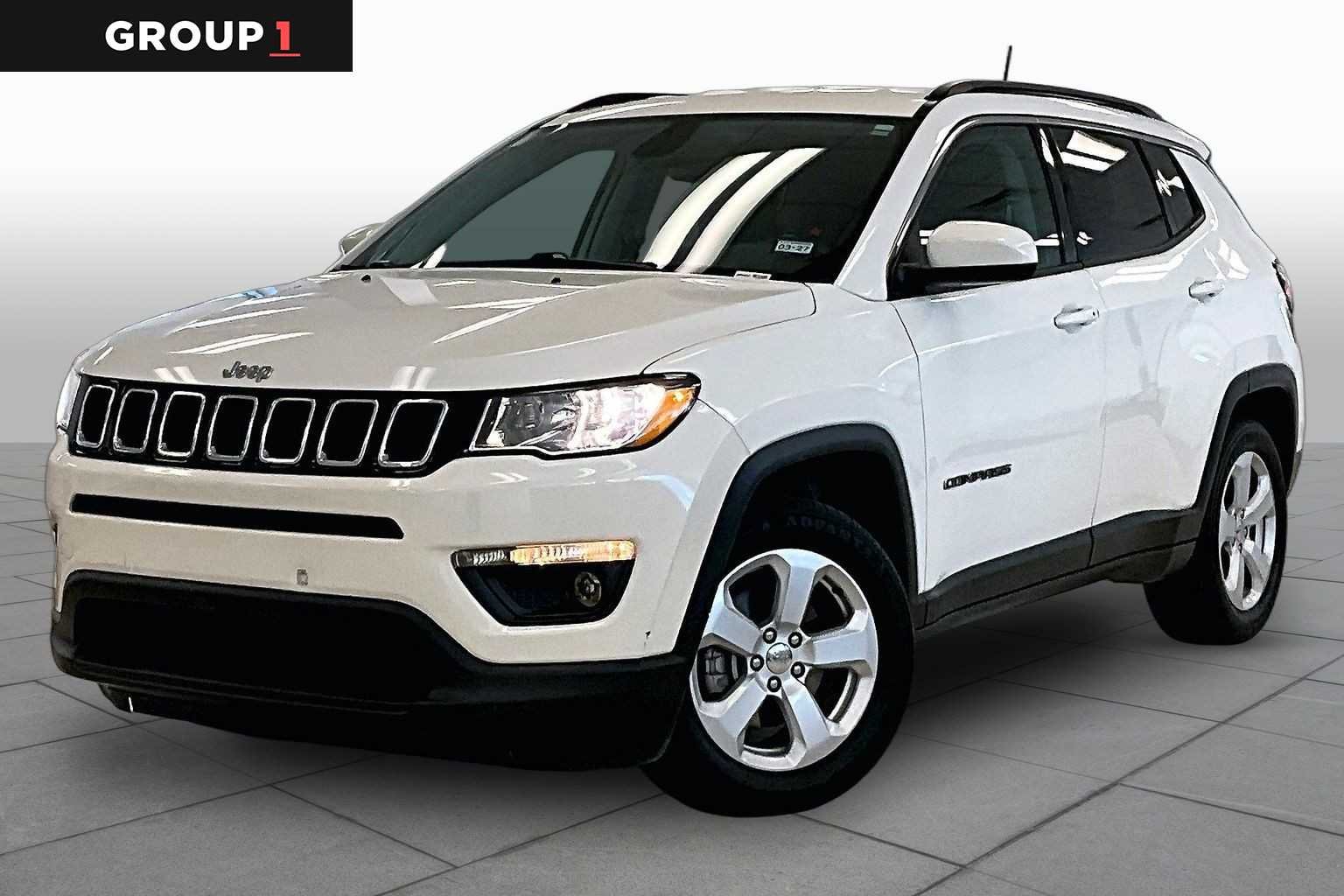
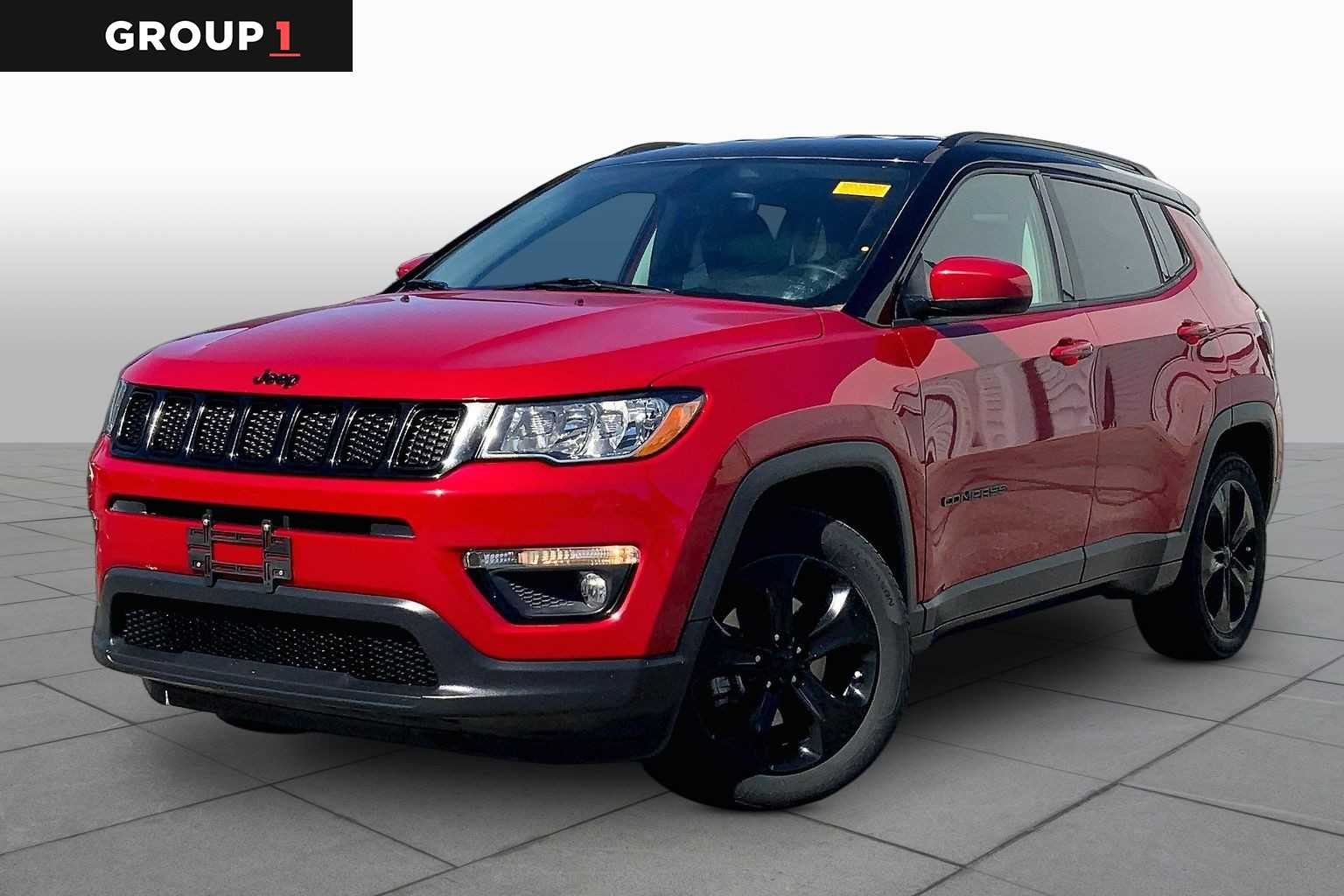
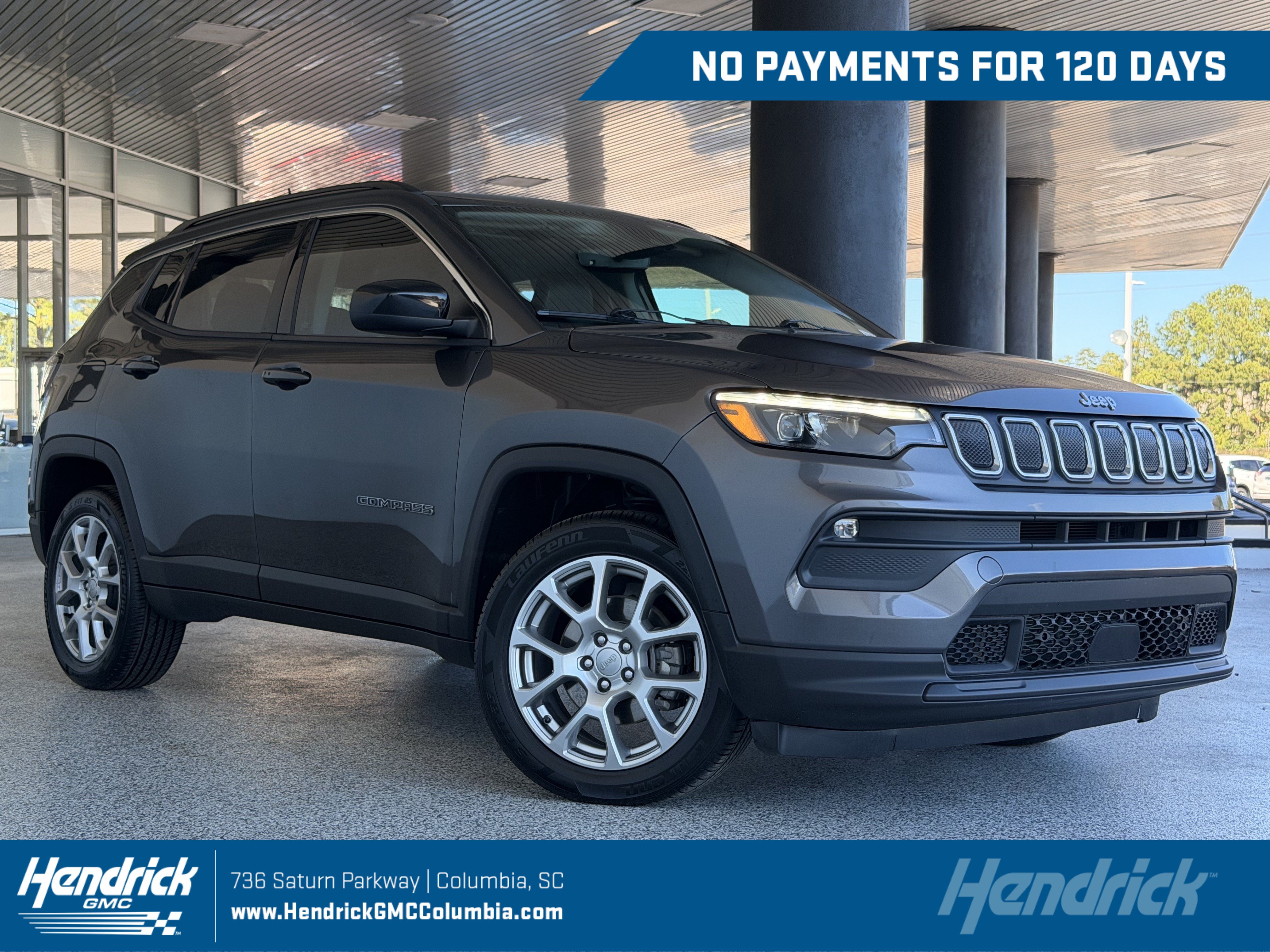
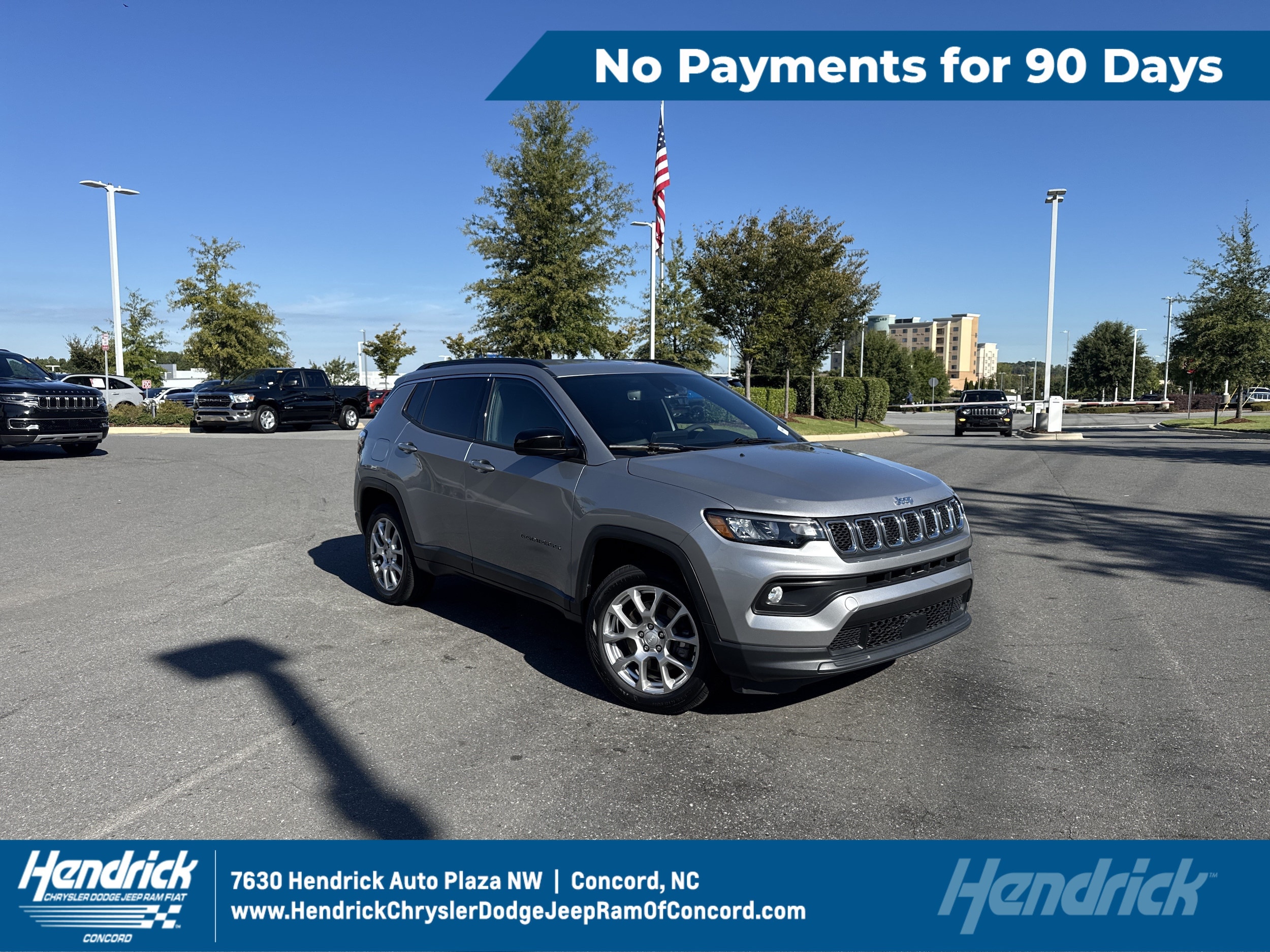
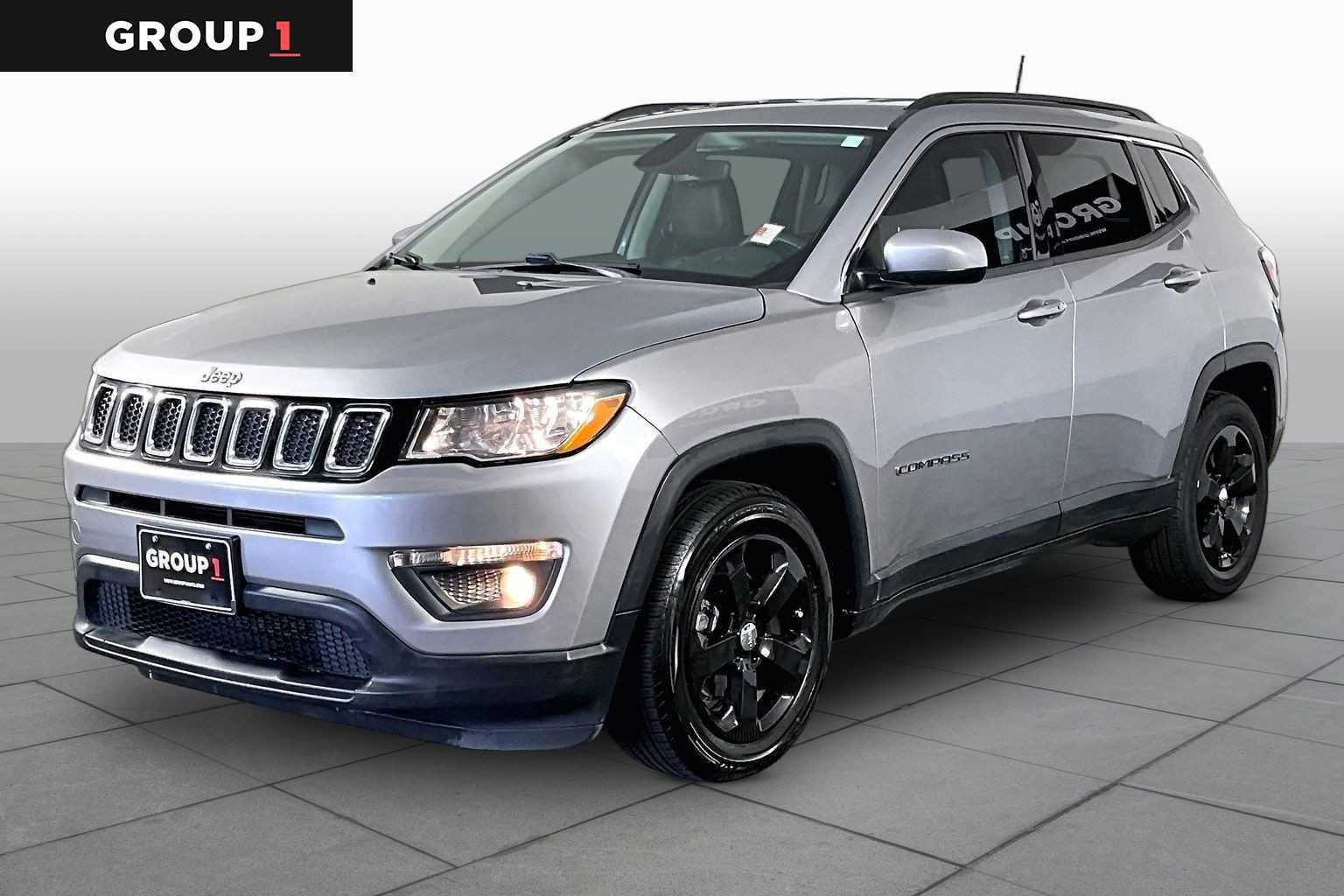
gasoline, automatic, 188K km, SUV, Front Wheels Drive, 2,400 cm3, 180 hp, silver, Used condition, USA, In stock

Group1Auto.com
 Dent, United States
 Dent, United StatesBrentwood, United StatesSouthwest, United StatesSouthwest, United StatesSouthwest, United StatesOrlando, United StatesChevrolet, United StatesLot, United StatesLot, United StatesAustin, United States
 Main Settlement, United StatesMain Settlement, United StatesMain Settlement, United StatesMain Settlement, United StatesMain Settlement, United StatesMain Settlement, United StatesMain Settlement, United StatesMain Settlement, United StatesMidtown, United StatesEl Paso, United States
 Columbia, United States
 Metrocenter / North Roads Park, United StatesMetrocenter / North Roads Park, United StatesConcord, United StatesConcord, United States
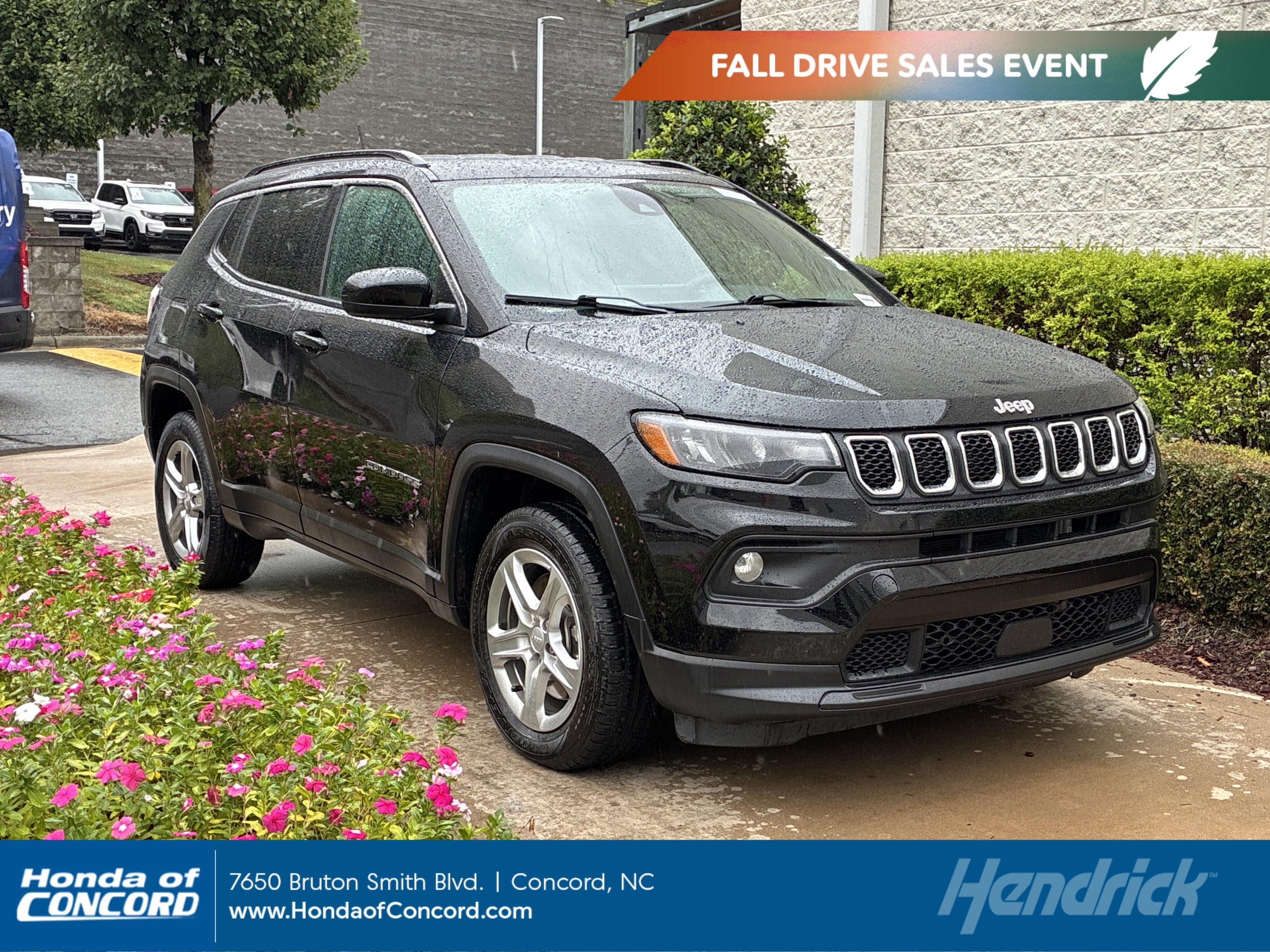
The Jeep Compass has carved out a space in the compact SUV segment by blending practical size with off-road capability and modern tech. Whether you’re shopping to buy or preparing to sell, understanding the key details helps you make a confident decision. This guide covers common questions about the Jeep Compass, including what to look for in different generations, engine options, body styles, and what affects price in real markets.
The Compass has evolved through multiple generations, with improvements in chassis, suspension, and interior tech. Most buyers consider models with a 1.4, 1.5, or 2.0-liter petrol engine, paired with automatic or manual transmissions depending on the market. Frugal mileage and reasonable maintenance costs are often cited as advantages, while some earlier versions may show age-related interior wear. When buying, note the year and generation to gauge features and reliability.
Body type options typically include a compact SUV silhouette suitable for city driving and weekend trips. Depending on the market, some Compass variants offer 4x4 or all-wheel-drive systems that help in light off-road use or adverse weather. If you’re selling, highlight the most in-demand configurations, such as turbopetrol engines, modern infotainment, and recent safety upgrades, to attract buyers.
Petrol engines are common, with turbocharged variants delivering a good balance of power and efficiency. Hybrid or mild-hybrid options exist in some markets, offering lower fuel consumption for daily commuting. When comparing, consider how much driving you do in the city versus on highways, as this affects fuel costs and long-term maintenance.
Fuel type, transmission, and drivetrain influence both driving experience and price. A well-maintained Compass with a clean service history and low mileage typically commands a higher resale value. If you plan to buy, assess acceleration, noise, and refinement in your chosen generation and engine to avoid surprises later.
For sellers, presenting a Jeep Compass with a clear history, up-to-date safety features, and clean interior can help achieve a stronger asking price. For buyers, prioritize a test drive that evaluates steering feel, suspension comfort, and cabin noise. Comparing similar compact SUVs in your city—whether in urban centers or regional towns—gives a realistic sense of price and value.
Prices for the Jeep Compass depend on year, mileage, and trim level. A well-maintained early-generation model may sit at a lower price range, while newer trims with advanced tech and improved efficiency tend to command a premium. If you’re unsure about local market valuations, consulting a trusted dealer or reputable classifieds site can provide practical benchmarks for your city and country.
 Add as preferred sourceSee more from zvelta in Google Search Add as preferred source