 EN
DEALER
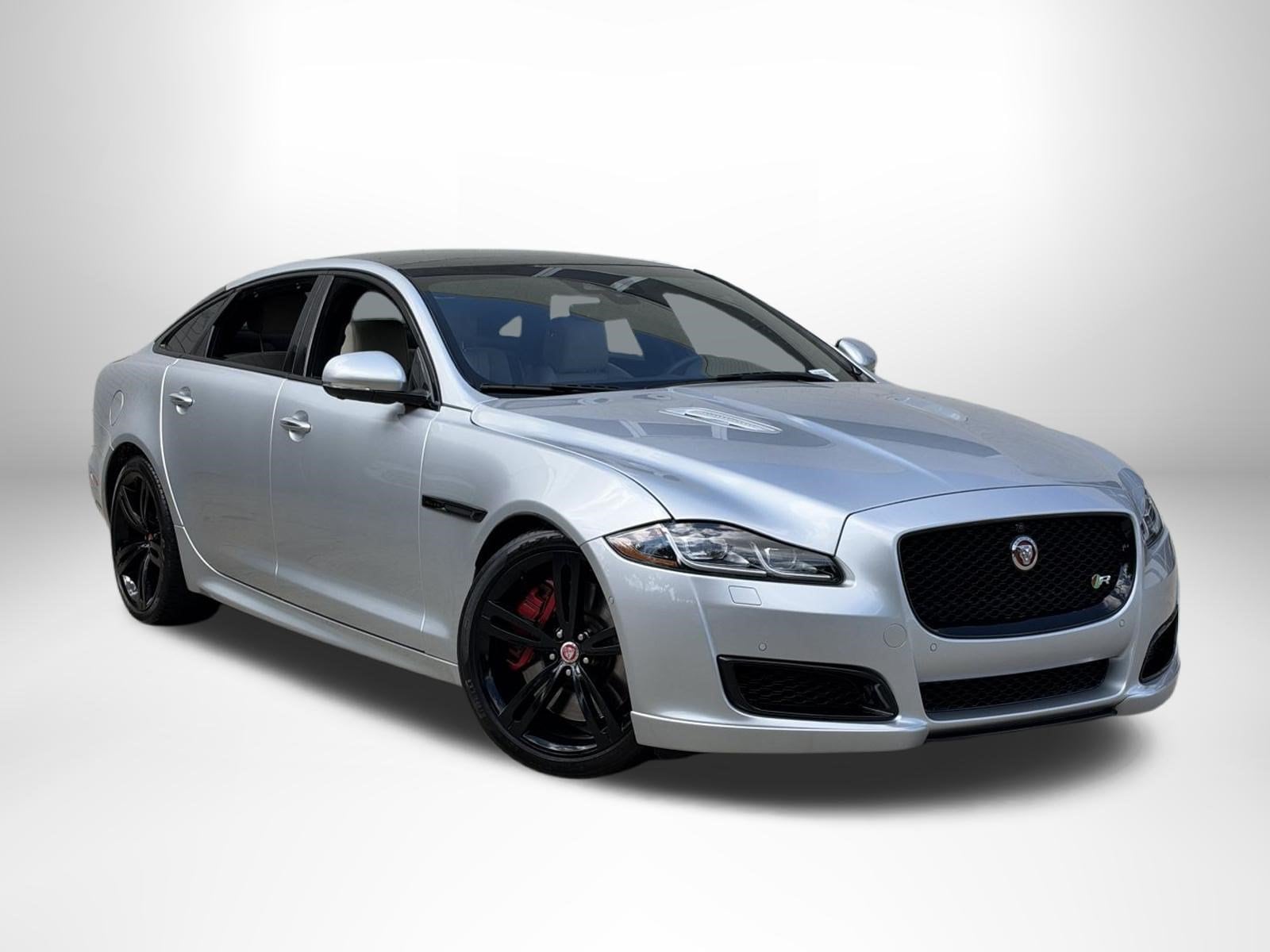
75.894 US$DEALER
gasoline, automatic, 40K km, sedan, Rear Wheels Drive, 5,000 cm3, 575 hp, silver, 575, Used condition, United Kingdom, In stock

HendrickCars.com
 Charlotte, United States
 Charlotte, United States
If you're considering a Jaguar XJR, you're looking at a car that blends V8 performance with classic Jaguar luxury. This guide helps buyers and sellers in key markets understand what to look for in the XJR, how to compare generations, and what to expect in terms of price, mileage, and maintenance. Whether you’re eyeing a late-model example or a higher-mileage classic, the XJR remains a compelling choice for enthusiasts who want strong highway performance, refined interiors, and distinctive styling.
The XJR badge has appeared across several generations, often paired with a powerful V8 engine and a refined sedan body. When shopping, pay attention to the year and generation because suspension components, transmission options, and interior technology can vary. Common configurations include:
A practical approach is to compare models by generation and year to get an idea of maintenance needs. Early generations may share mechanical roots with other Jaguar performance sedans, while later iterations often come with updated electronics and ride control systems. If you plan frequent highway trips, look for well-maintained examples with documented service history.
When buying in urban centers or regional hubs, it helps to assess local market demand for the Jaguar XJR. Here are practical steps:
For sellers, presenting a detailed history can accelerate a sale. Include maintenance invoices, accident-free reports, and high-quality photos of the exterior, interior, and engine bay. A well-documented vehicle with clean mileage and a clear title tends to attract more serious buyers and better offers.
In summary, the Jaguar XJR remains a strong option for buyers seeking performance without sacrificing luxury. By understanding the generation differences, inspecting key components, and aligning expectations with local market conditions, you’ll make a confident decision—whether buying or selling—in your city.
 Add as preferred sourceSee more from zvelta in Google Search Add as preferred source