 EN
ENDEALER
9.816 US$DEALER
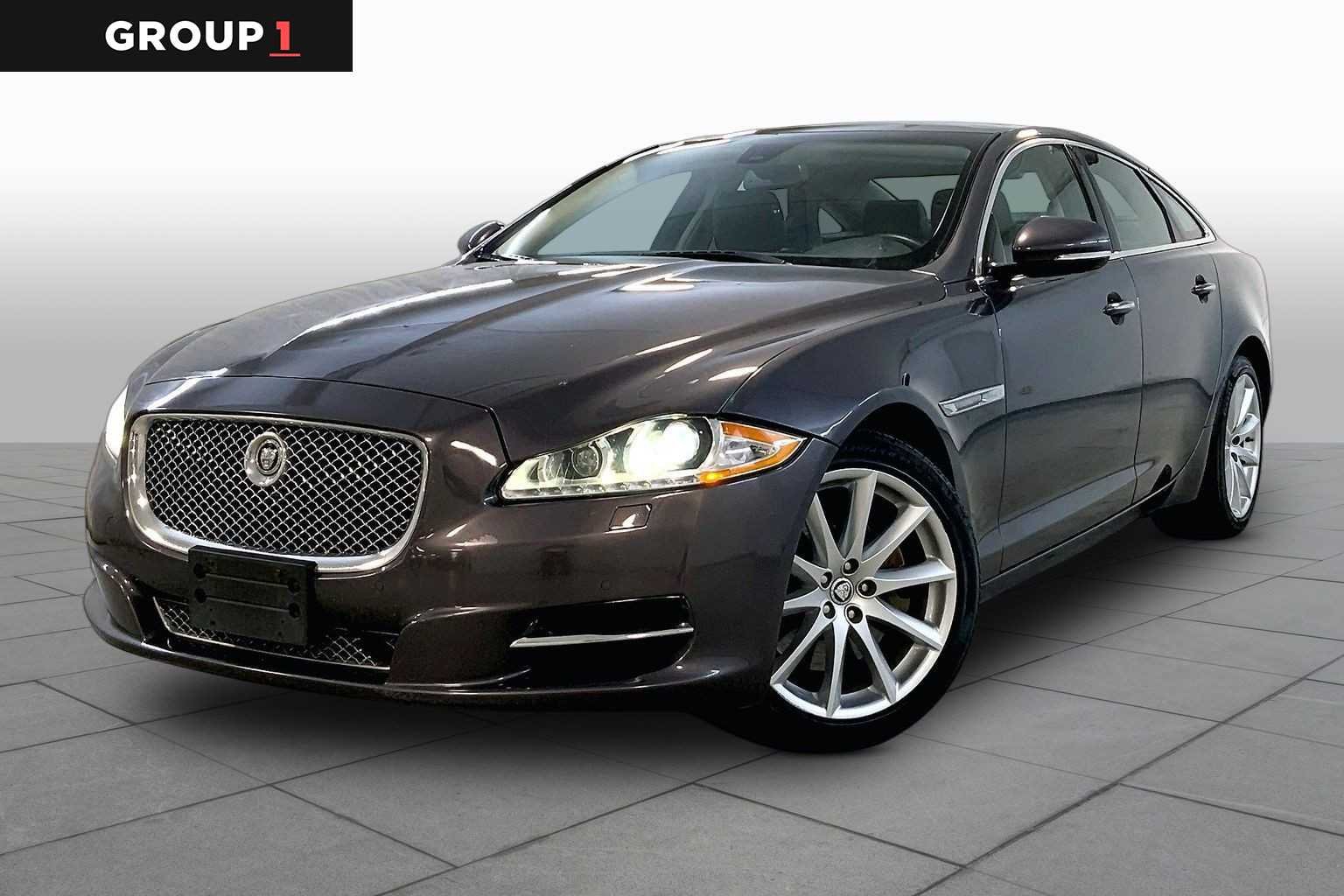
gasoline, automatic, 203K km, sedan, Rear Wheels Drive, 5,000 cm3, 385 hp, grey, 5.0L 8 Cylinder Engine, Used condition, USA, In stock

Group1Auto.com
 Main Settlement, United States
 Main Settlement, United States
 Irondale, United States
 United States
 United States
 United Kingdom
 Romania, Bacău County
 Moldova
 Moldova
 Moldova, Chișinău MunicipalityMoldova, Chișinău MunicipalityMoldova, Chișinău Municipality
 Moldova, Chișinău Municipality
 Ukraine
 UkraineTighina, Moldova
 Tiraspol, Moldova
 Seongsu-dong, South KoreaSeongsu-dong, South KoreaSeongsu-dong, South Korea
 South KoreaSouth KoreaSouth KoreaSouth KoreaSouth Korea
 United Arab Emirates, Dubai
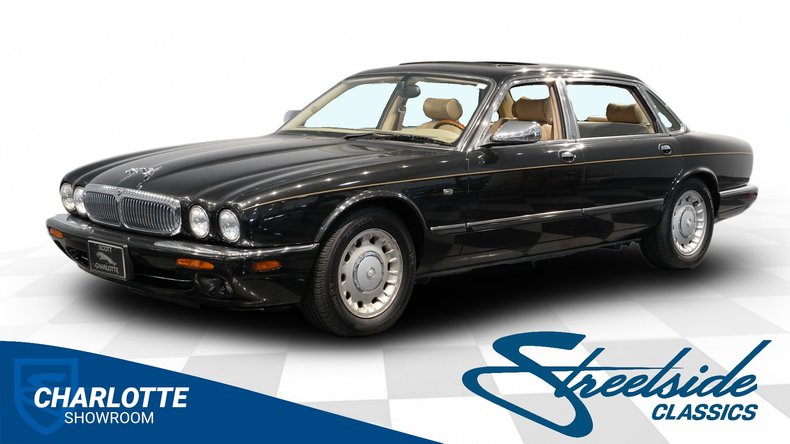
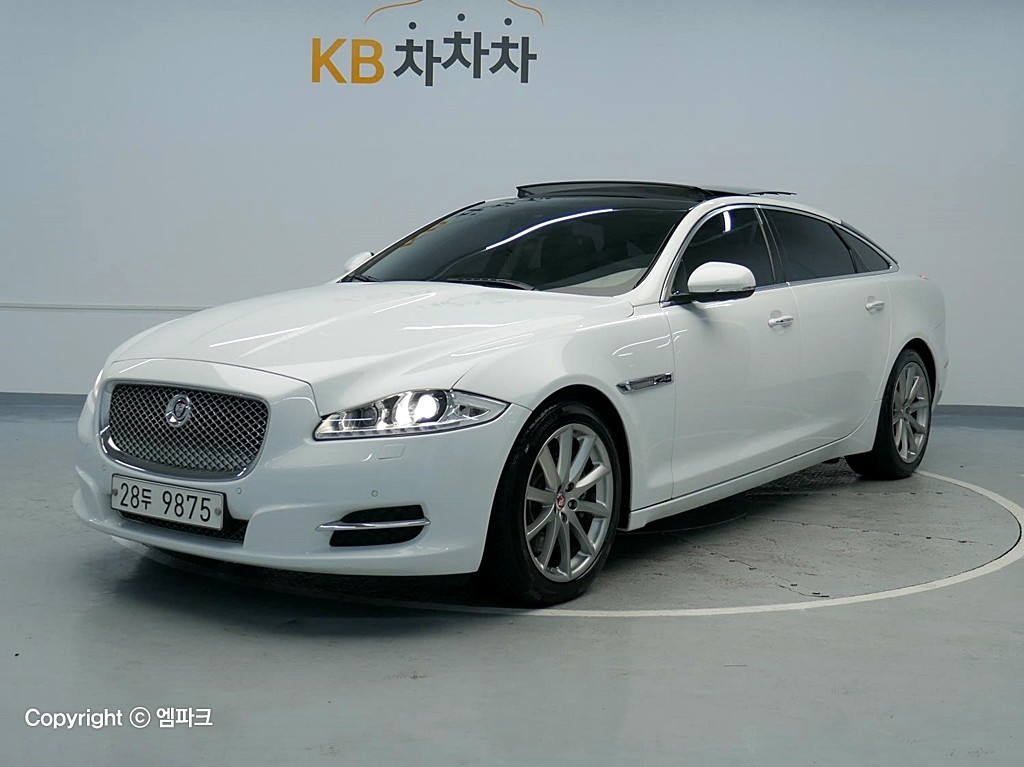
The Jaguar XJ stands as a flagship sedan with a blend of British luxury and modern performance. When you’re considering options in this model line, you’ll want to understand the generation differences, typical engines, body styles, and what buyers in different markets are willing to pay. This guide helps you compare Jaguar XJ variants, assess value, and make a confident choice whether you’re buying new, certified pre-owned, or a private sale.
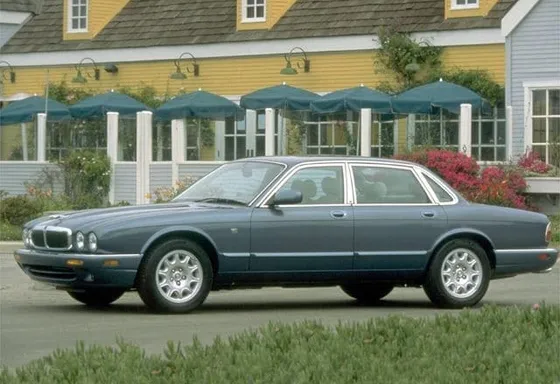
The XJ has evolved through several generations, each bringing distinct design language and technology upgrades. Most buyers focus on the later generations for better reliability and more refined interiors. Models are commonly found as four-door sedans with traditional or long-wheelbase configurations, emphasizing rear-seat comfort and a premium feel. When shopping, note the year and generation; newer years usually bring improved infotainment, safety systems, and efficiency, while older examples can offer lower prices but potentially higher maintenance costs.
Engine options vary by generation, but common Jaguar XJ setups include V6 and V8 configurations geared toward a smooth, composed ride. Questions buyers frequently ask include:
Prices for Jaguar XJ models depend on year, mileage, condition, and market. A typical buyer looks at:
Whether you’re drawn to the Jaguar XJ for its classic silhouette, refined cabin, or capable performance, a careful evaluation of year, generation, engine choice, and mileage helps you secure a values-based purchase. Use real-world price comparisons in your market, and seek a detailed vehicle history to ensure you’re getting a model that aligns with your comfort level and budget.
 Add as preferred sourceSee more from zvelta in Google Search Add as preferred source