 EN
ENDEALER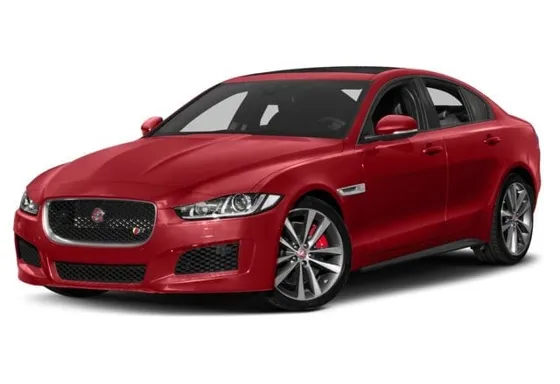
21.169 US$DEALER
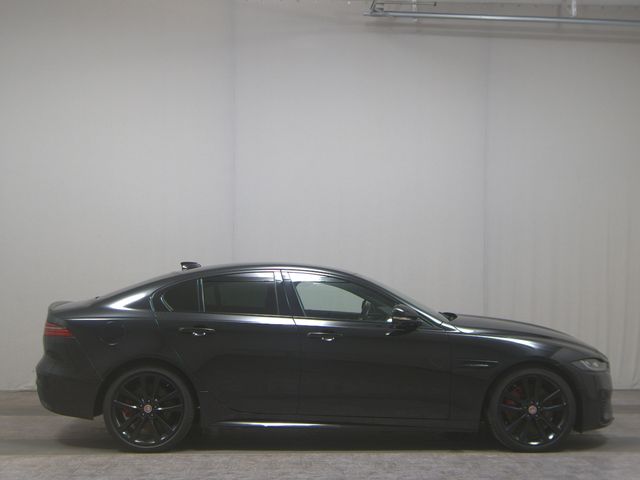
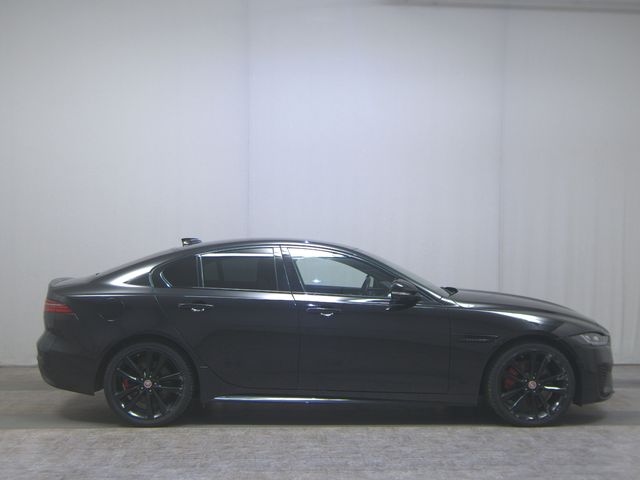
gasoline, automatic, 64K km, Rear Wheels Drive, 3,000 cm3, red, Used condition, United Kingdom, In stock
SonicAutomotive.com
 Santa Clara, United States
 Santa Clara, United States
 Germany, Lower SaxonyBockel, Germany
 Municipiul Satu Mare, RomaniaMunicipiul Satu Mare, Romania
 Romania, Cluj County
 Romania, Cluj County
 Sofiyivska Borschagivka, Ukraine
 Romania
 Moldova
 MoldovaMoldovaMoldovaMoldova, Chișinău MunicipalityMoldova, Chișinău MunicipalityMoldova, Chișinău MunicipalityMoldova, Chișinău MunicipalityMoldova, Chișinău MunicipalityChisinau, Moldova
 UkraineUkraineUkraine
 Ukraine
 Romania, Bucharest
 Tiraspol, Moldova
The Jaguar XE has long been a strong option for those seeking a premium compact sedan with sporty handling and a refined interior. If you’re considering buying or selling a Jaguar XE, there are several practical factors to weigh—model year, generation, fuel type, body style, mileage, and regional pricing. This guide focuses on what matters most to buyers and sellers in real-world markets, helping you compare configurations and make a well-informed decision.
When evaluating Jaguar XE, start by identifying the generation and trim level that fit your needs. The XE has evolved through multiple generations, with design updates, chassis tweaks, and engine options that impact daily driveability and long-term reliability. Key items to verify include the factory engine type (gasoline or diesel), transmission, and suspension setup, which influence ride comfort and handling in urban streets and highway cruising.
Typical concerns include fuel economy, maintenance costs, and aftermarket parts availability. For a used Jaguar XE, check service history, previous ownership, and any reported recalls. If you’re buying in a specific country, local taxes, registration fees, and insurance premiums can affect the total cost of ownership. Knowing your budget helps you target the most suitable price range, whether you’re seeking entry-level trims or higher-spec variants.
Prices for the Jaguar XE vary by year, mileage, and market demand. In many markets, a newer XE with lower mileage will command a premium, while older models with higher mileage are usually more affordable. When evaluating a listing, pay attention to:
If you’re selling, present a clear history, any recent maintenance, and documentation of mileage. A well-documented car with up-to-date service records tends to attract more serious offers and can help justify a higher asking price.
Whether you’re buying or selling a Jaguar XE in your city, understanding the interplay between generation, engine, mileage, and price helps you make a solid decision. Use trusted listings, request a vehicle history report, and, when possible, have a qualified mechanic inspect the car before finalizing a deal.
 Add as preferred sourceSee more from zvelta in Google Search Add as preferred source