 EN
EN
3.200 US$
3.340 US$
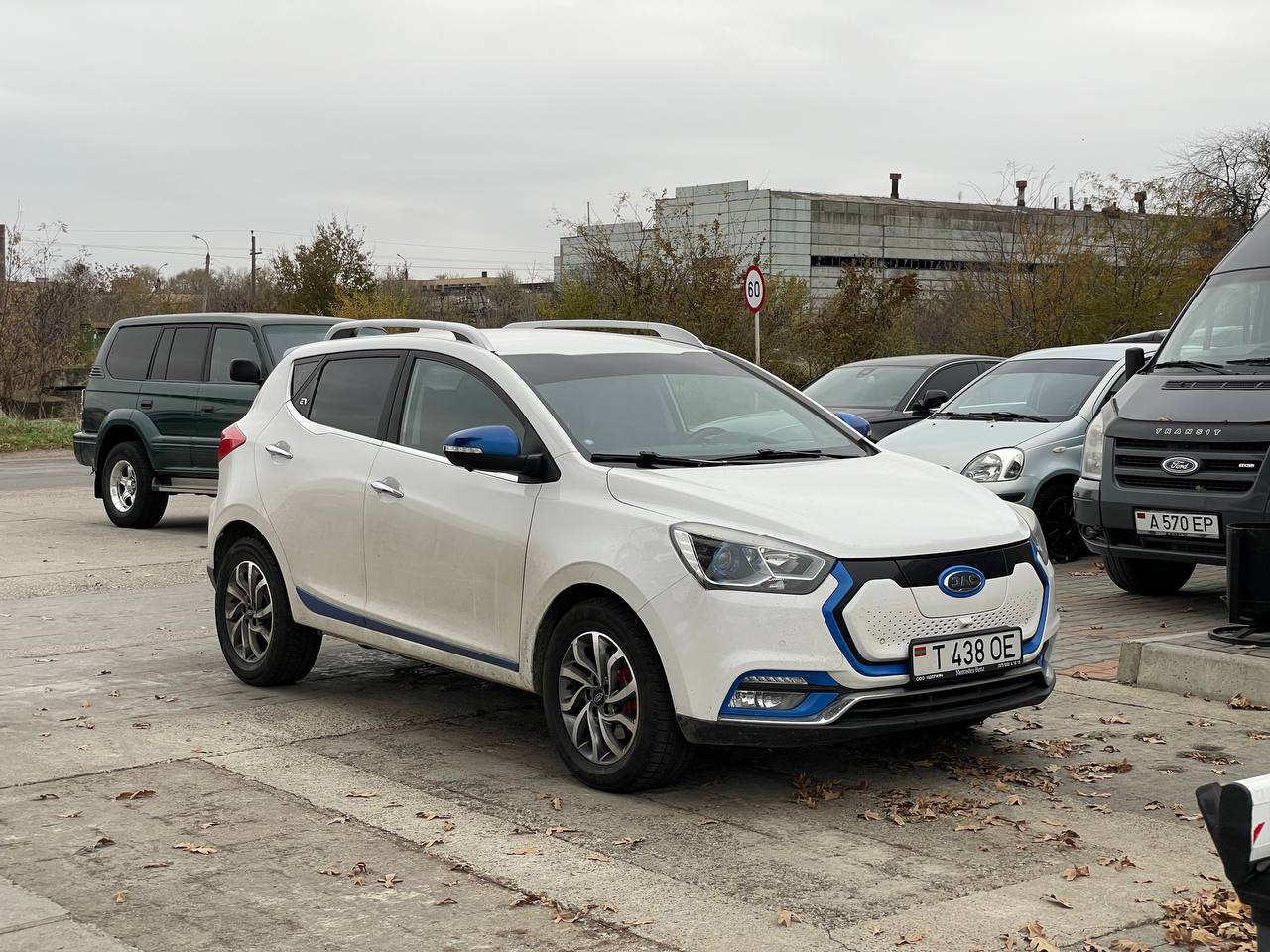
gas, manual, 92K km, hatchback, 1,000 cm3, red, I поколение (FL), China

AutoPark.ua
 Zaporizhzhya, Ukraine
 Zaporizhzhya, Ukraine
 Tiraspol, Moldova
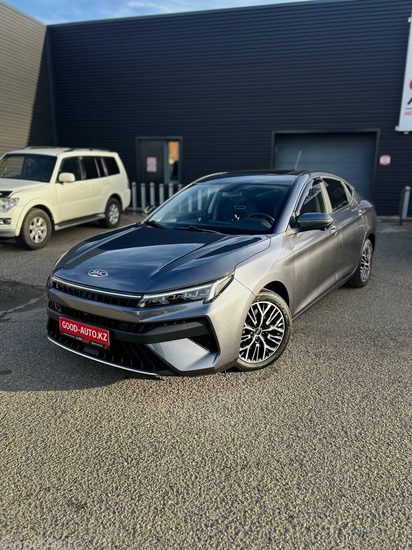
 Kazakhstan
 United Arab Emirates, Dubai
 United Arab Emirates, DubaiUnited Arab Emirates, Dubai
If you’re considering a JAC car, you’re looking at a practical option in the compact and mid-size segments. Whether you want a new or used JAC vehicle, the goal is to understand which model fits your needs, how much to pay, and how to secure a fair deal in your city. JAC offers several generations and body types, with options spanning hatchbacks, sedans, and light commercial variants. This guide helps you compare models, evaluate mileage and year, and choose the right configuration based on fuel type, engine power, and cargo needs.
When evaluating JAC cars, consider the typical driving conditions in your country and city. Look at the model lineup and identify the body type that suits your daily routine, whether it’s a compact hatchback for tight streets or a sedan for longer commutes. Important factors include year of manufacture, mileage, and the price segment you’re targeting. If fuel efficiency is a priority, compare engines and fuel types across generations.
For sellers, transparency matters. Gather service records, confirm the year and mileage, and be prepared to discuss any ownership history. A well-documented vehicle earns more trust and can command a higher price, especially in a competitive market.
JAC models vary by generation and fuel type, which affects performance, emissions, and running costs. If you’re weighing options, note the following:
If you’re ready to move forward, define your priorities: budget, fuel efficiency, cargo space, and required features. A clear checklist helps you navigate the market and negotiate from a position of knowledge.
 Add as preferred sourceSee more from zvelta in Google Search Add as preferred source