EN
EN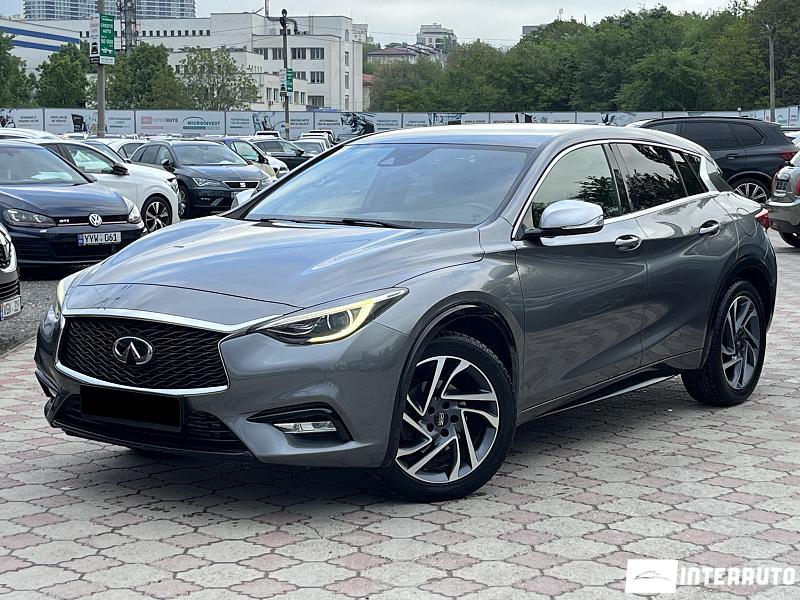
16.022 US$
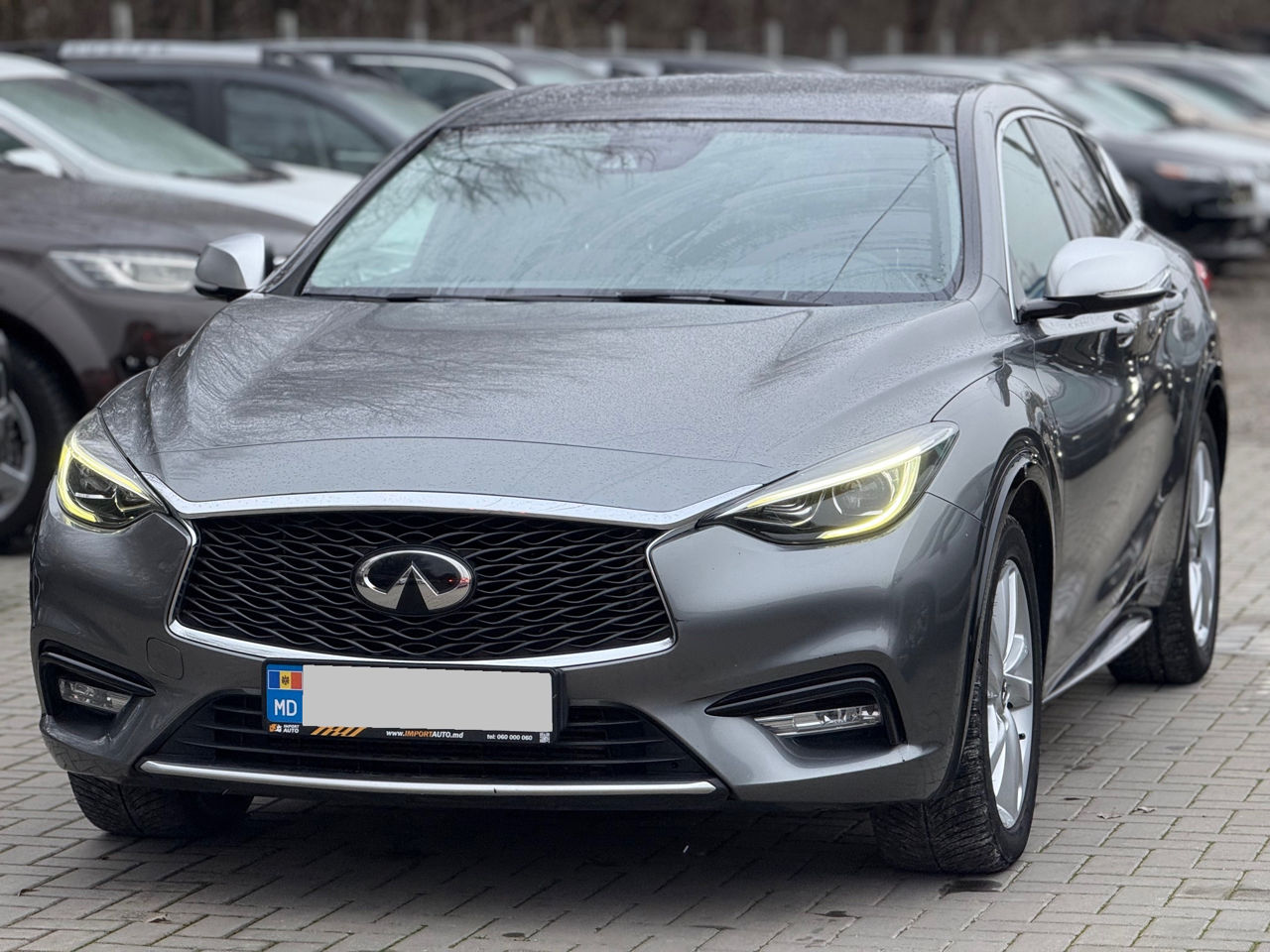
2017, diesel, automatic, 249K km, SUV, Front Wheels Drive, 1,500 cm3, 109 hp, grey, q30, United Kingdom

InterAuto.md
 Moldova
 MoldovaMoldova, Chișinău Municipality
 Romania, Vrancea
 South KoreaSouth Korea
The Infiniti Q30 stands out as a compact luxury hatchback that blends comfort, practicality, and premium styling. If you’re considering buying or selling a Q30, understanding the model years, generations, engine options, and typical price ranges will help you make a smarter decision. This guide focuses on common questions buyers and sellers ask, including reliability, maintenance costs, and which configurations offer the best value in today’s market.
The Q30 is a compact luxury vehicle that combines a sedan-like driving feel with hatchback practicality. Buyers often compare it to rivals in the same class, looking at factors such as fuel type, body style, and interior features. Key details include the model generation, engine options, and the performance you can expect from different trims. Typical conversations center around whether to choose a gasoline or hybrid setup, how mileage affects value, and which year marks a good balance of features and reliability.
When evaluating a Q30, consider brand and model specifics: origin from Infiniti, model generation year, fuel type (gasoline is common, with some markets offering refined variants), body style (hatchback with a premium interior), and mileage. For sellers, highlighting recent maintenance, service records, and any upgrades can help justify asking prices and reduce negotiation friction. For buyers, having a clear sense of the price bracket for different mileage ranges and generations is crucial to making a fair offer.
In summary, whether you’re buying or selling an Infiniti Q30, understanding the model’s generation, engine choices, mileage, and price dynamics in your country or city will help you navigate offers with confidence. Focus on documented history, clean maintenance records, and a fair, competitive asking price to maximize your success in the market.
 Add as preferred sourceSee more from zvelta in Google Search Add as preferred source