 EN
ENDEALER
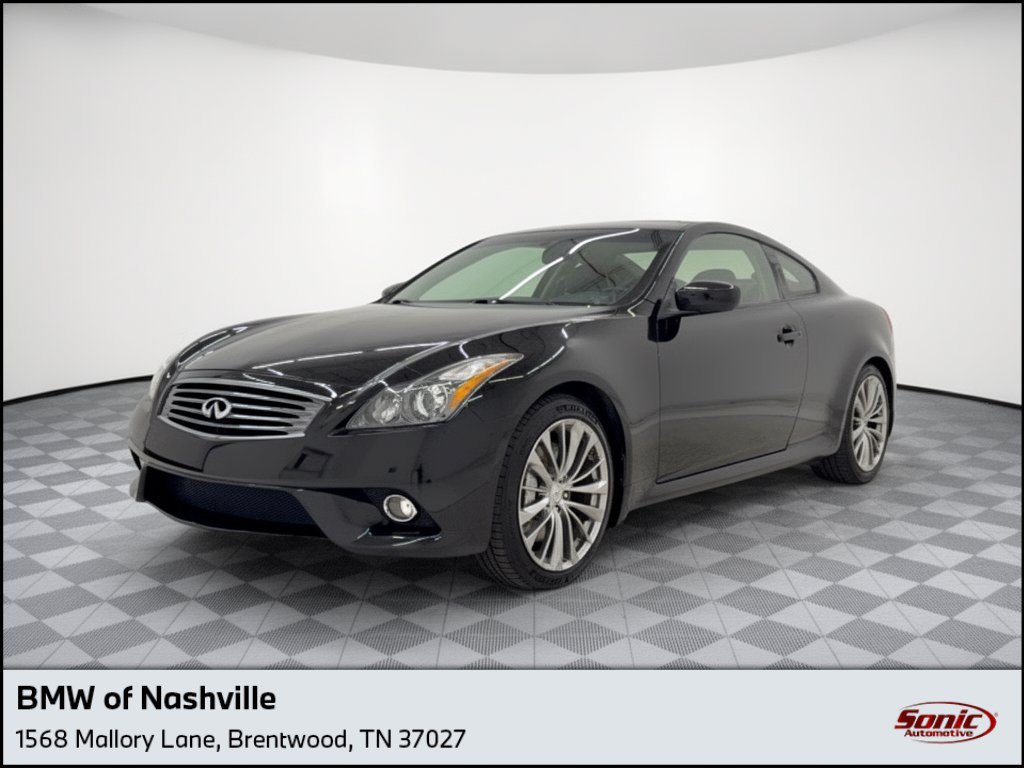
13.799 US$DEALER
12.799 US$
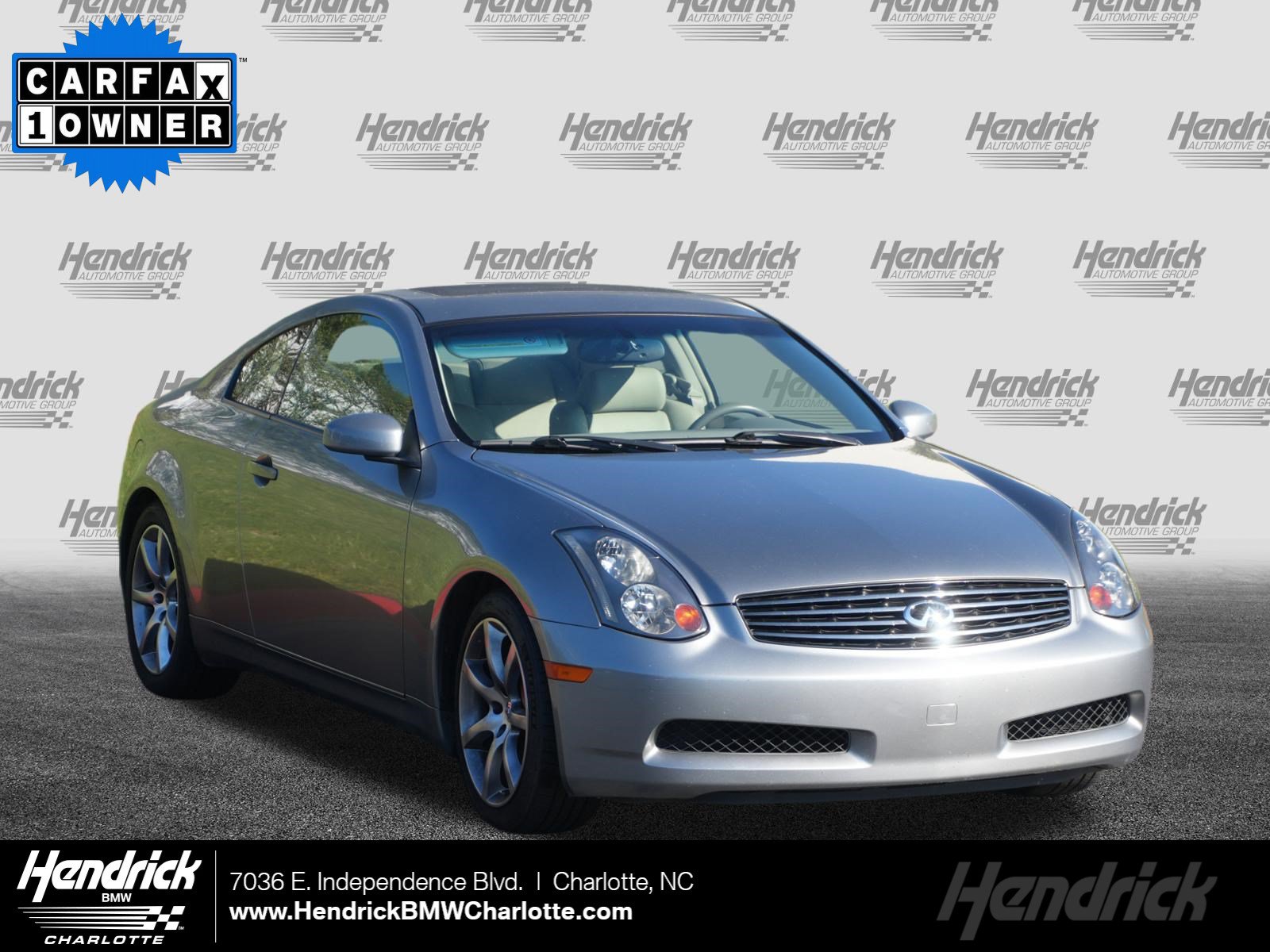
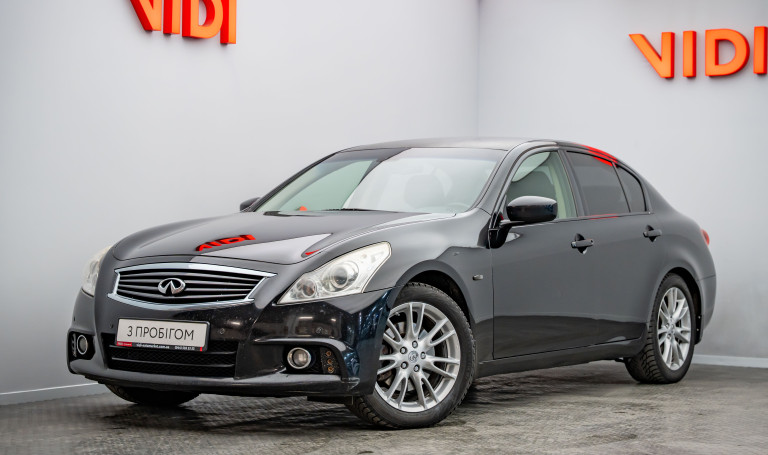
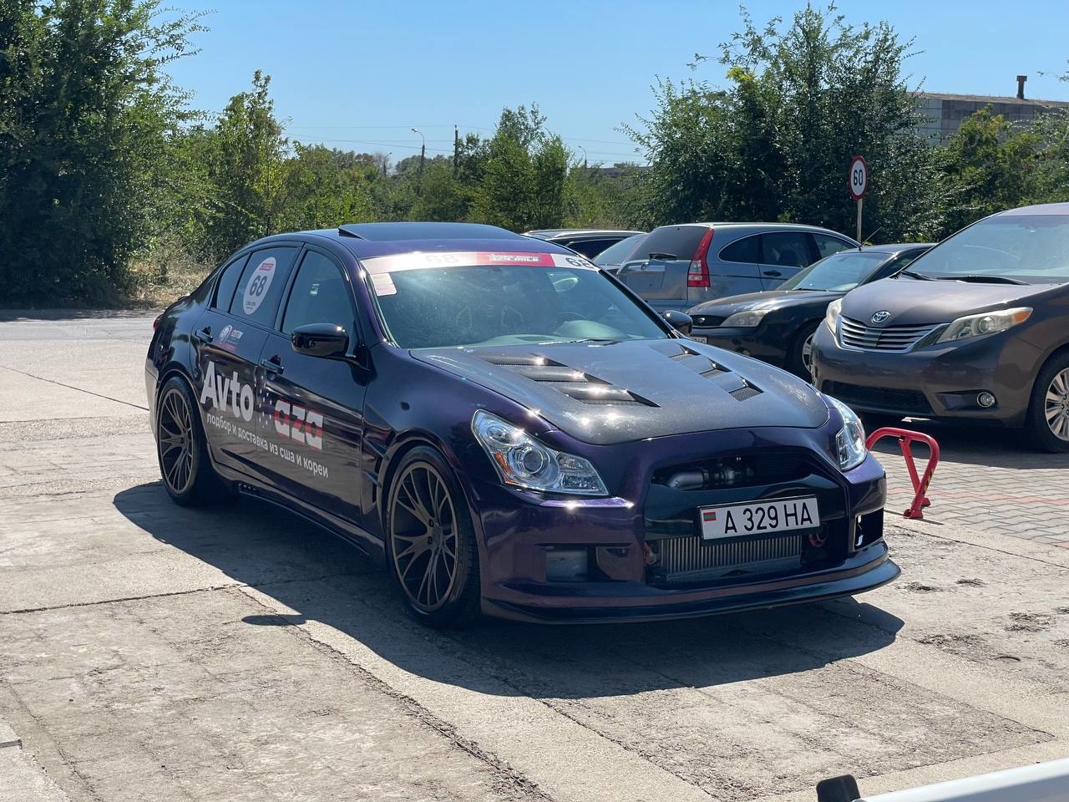
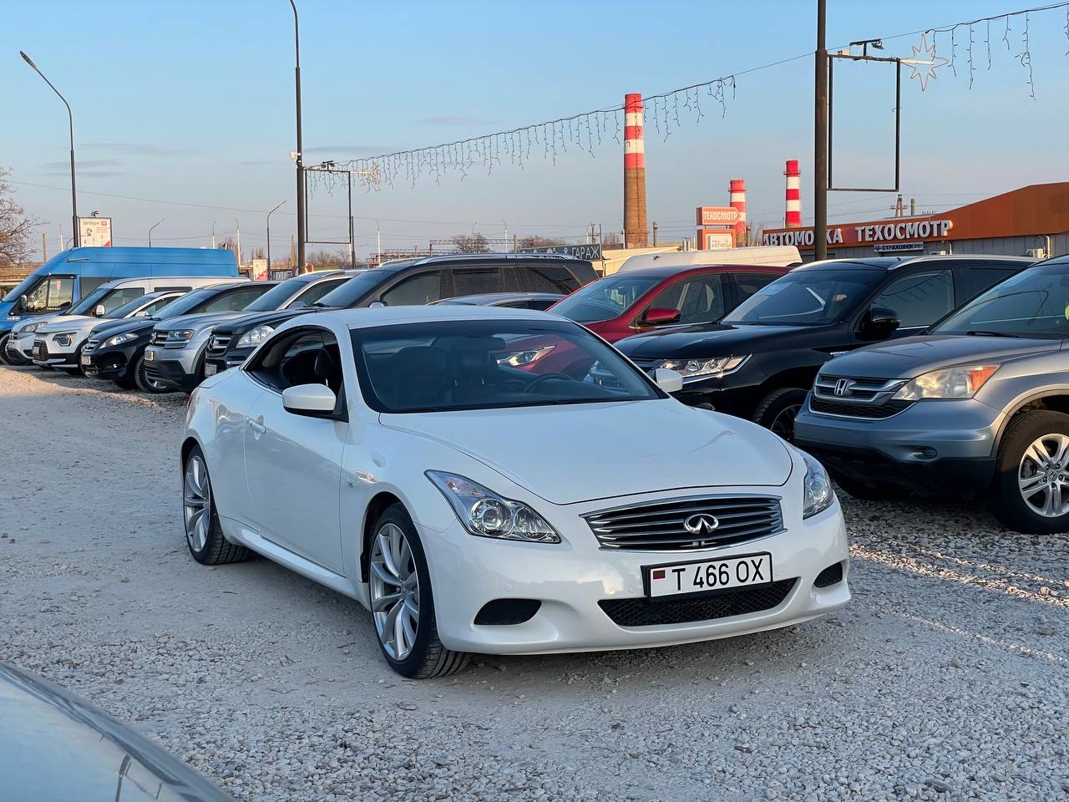
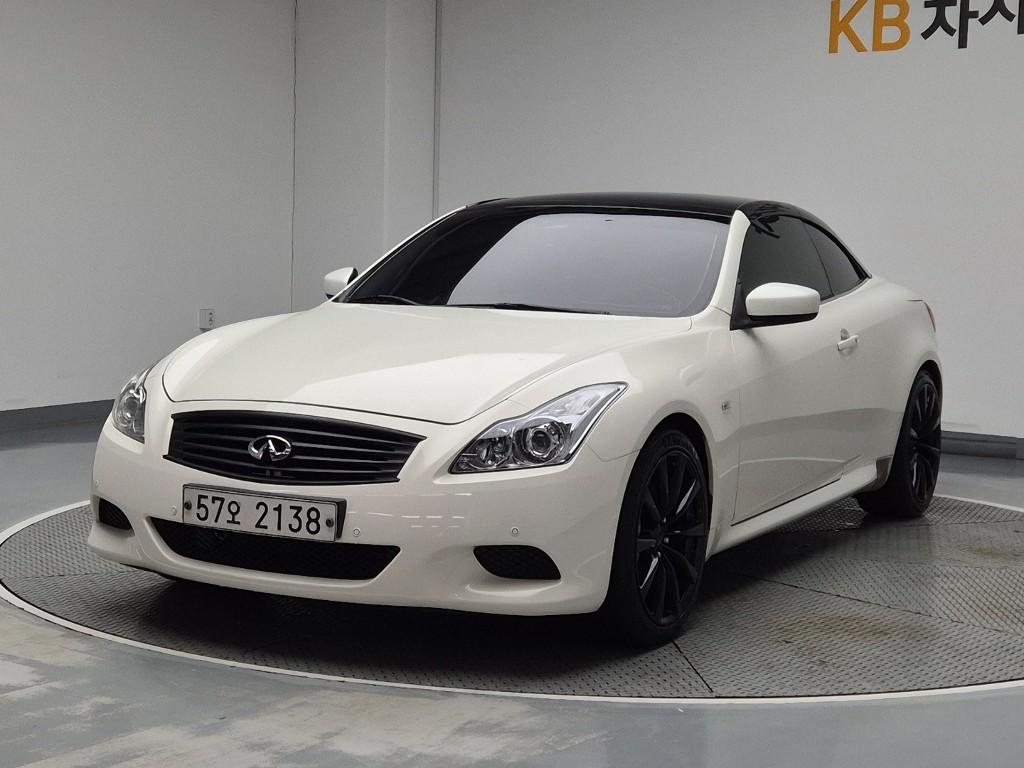
gasoline, automatic, 145K km, Rear Wheels Drive, 3,700 cm3, black, Used condition, Japan, In stock
SonicAutomotive.com
 Brentwood, United States
 Brentwood, United States
 Charlotte, United States
 United States
 United States
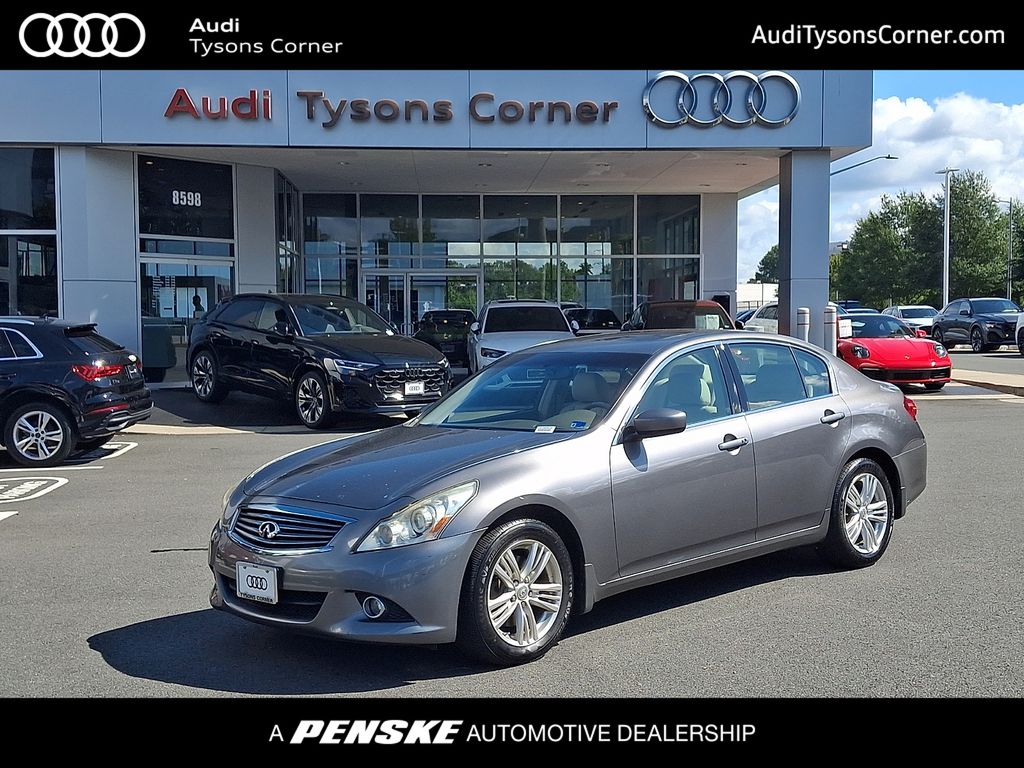 United States
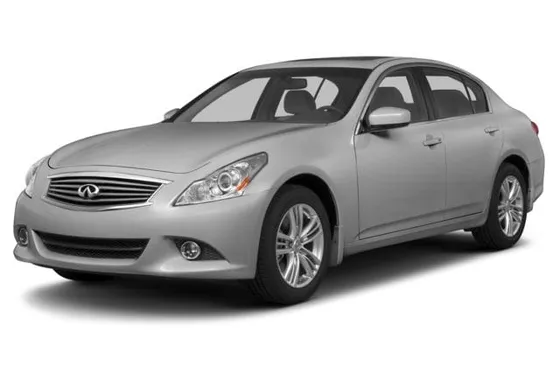 Santa Clara, United States
 Sofiyivska Borschagivka, UkraineSofiyivska Borschagivka, Ukraine
 Ukraine
 Tiraspol, MoldovaTiraspol, Moldova
 Seongsu-dong, South Korea
 South KoreaSouth KoreaSouth KoreaSouth Korea
When you’re thinking about an Infiniti G, you’re considering a blend of sportiness and practicality that makes this coupe appealing to a wide range of buyers. Whether you’re in a bustling city or a quieter town, understanding the key details of the Infiniti G helps you choose wisely, compare options, and negotiate a fair deal. Below we’ll walk through what to know about different generations, engines, body styles, and how mileage and price segments affect resale value.
The Infiniti G line has several generations, with variations in power, handling, and styling. Common choices include the early V6 models with rear-wheel drive and later iterations that offer improved technology and reliability. When shopping, consider the generation that made the most sense for your driving style—whether you prefer a classic V6 thunderous soundtrack or a more modern setup with refined dynamics. Look for body styles such as two-door coupes and couple-like Grand Sport configurations, depending on the year and market availability.
If you are narrowing your search to the Infiniti G, you’ll find models across different years and mileages that fit a range of budgets and lifestyles. By focusing on the generation, engine choice, body style, and ownership history, you’ll be well prepared to make a smart buying or selling decision in your local market.
 Add as preferred sourceSee more from zvelta in Google Search Add as preferred source