EN
ENDEALER
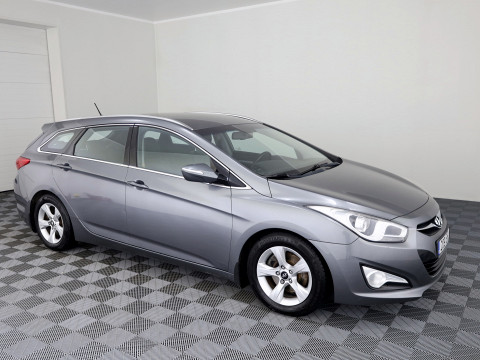
4.481 US$DEALER
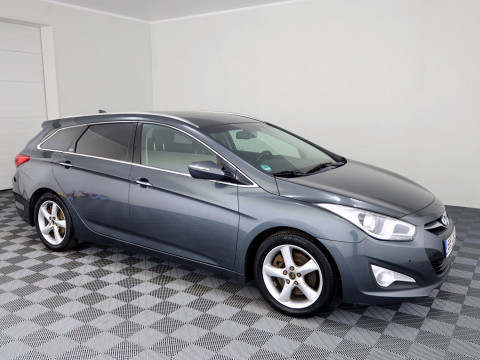
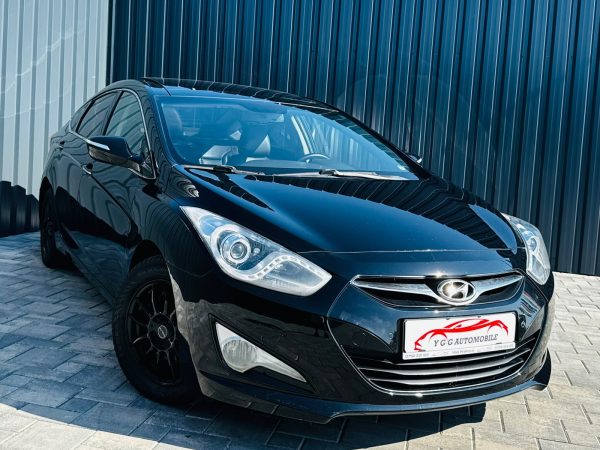
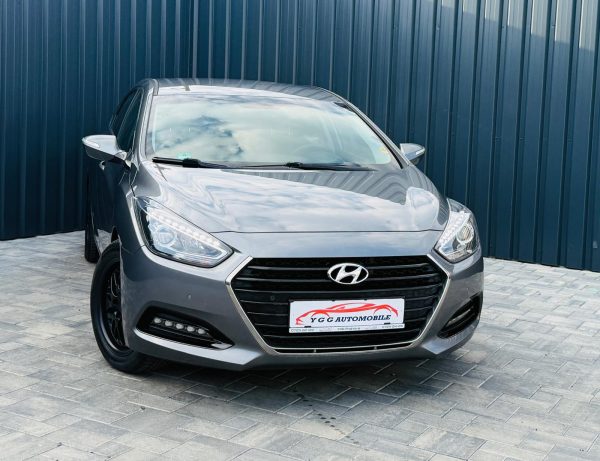
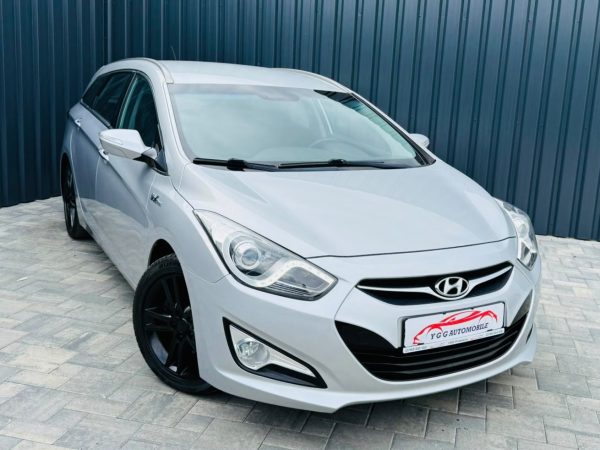
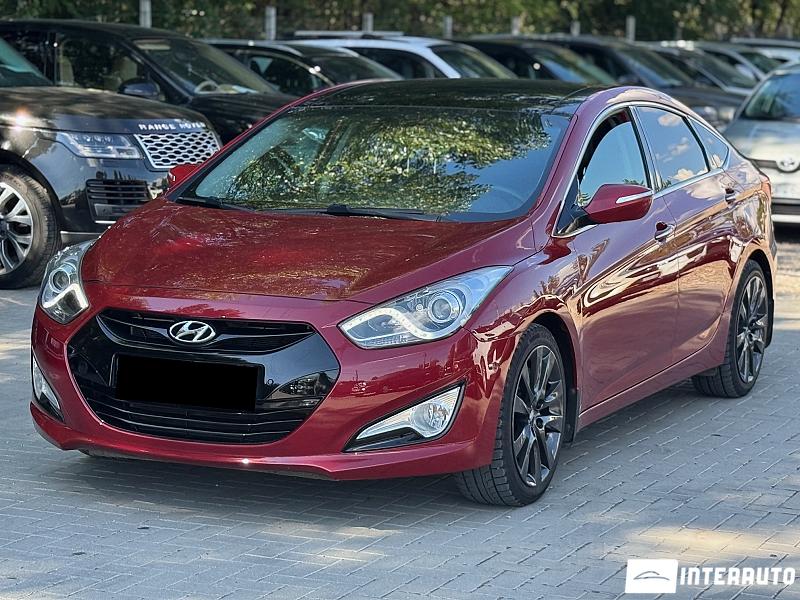
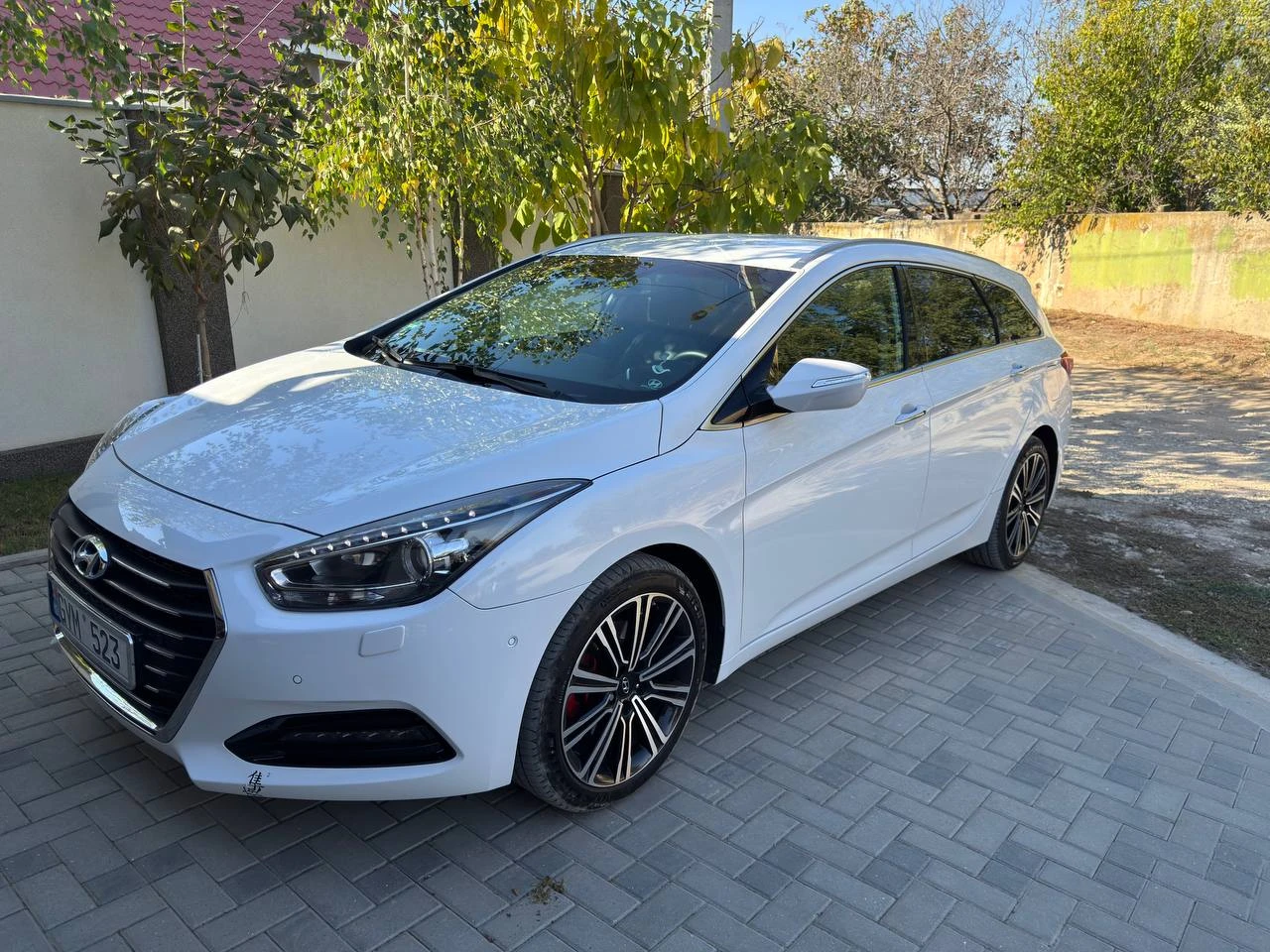
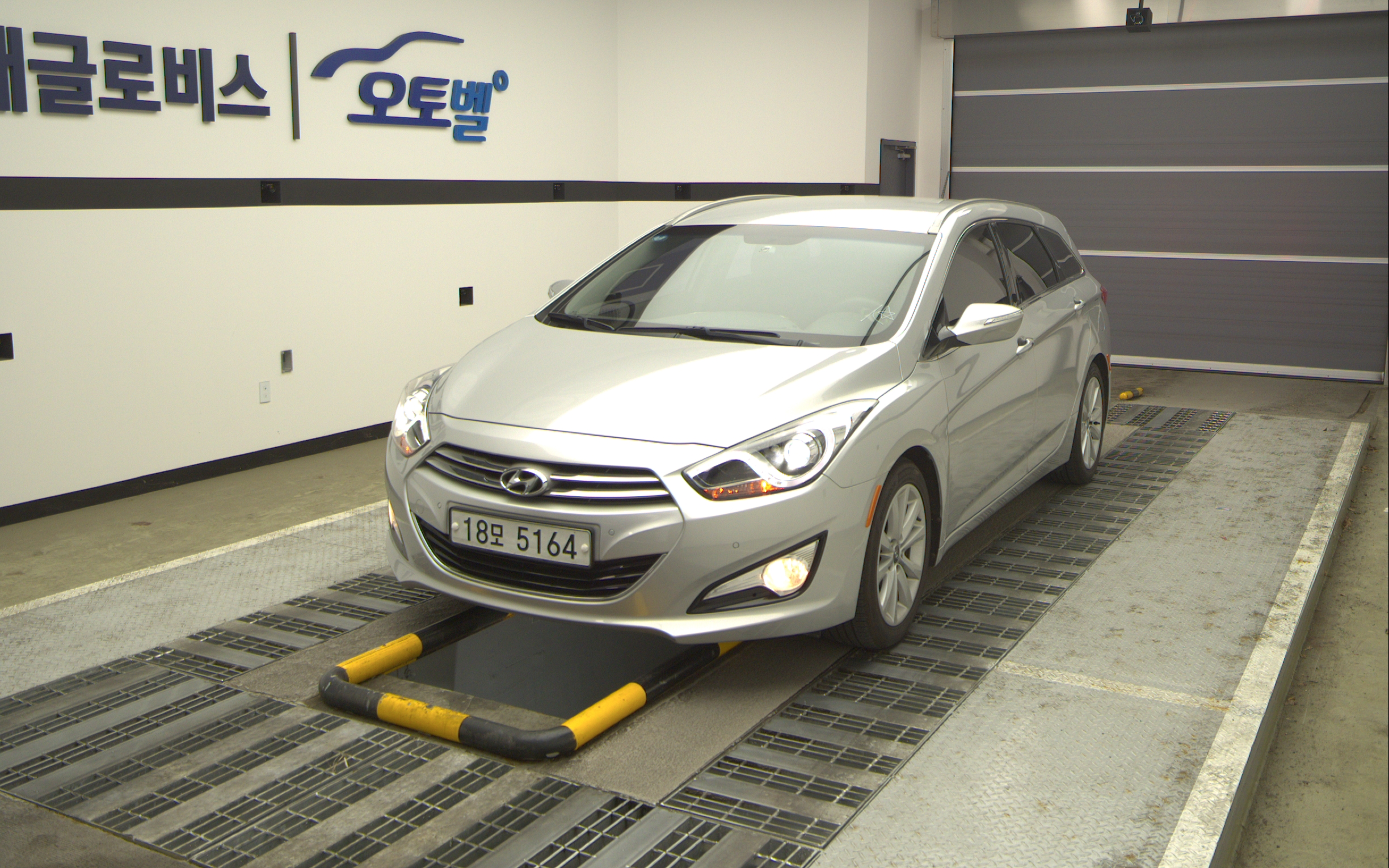
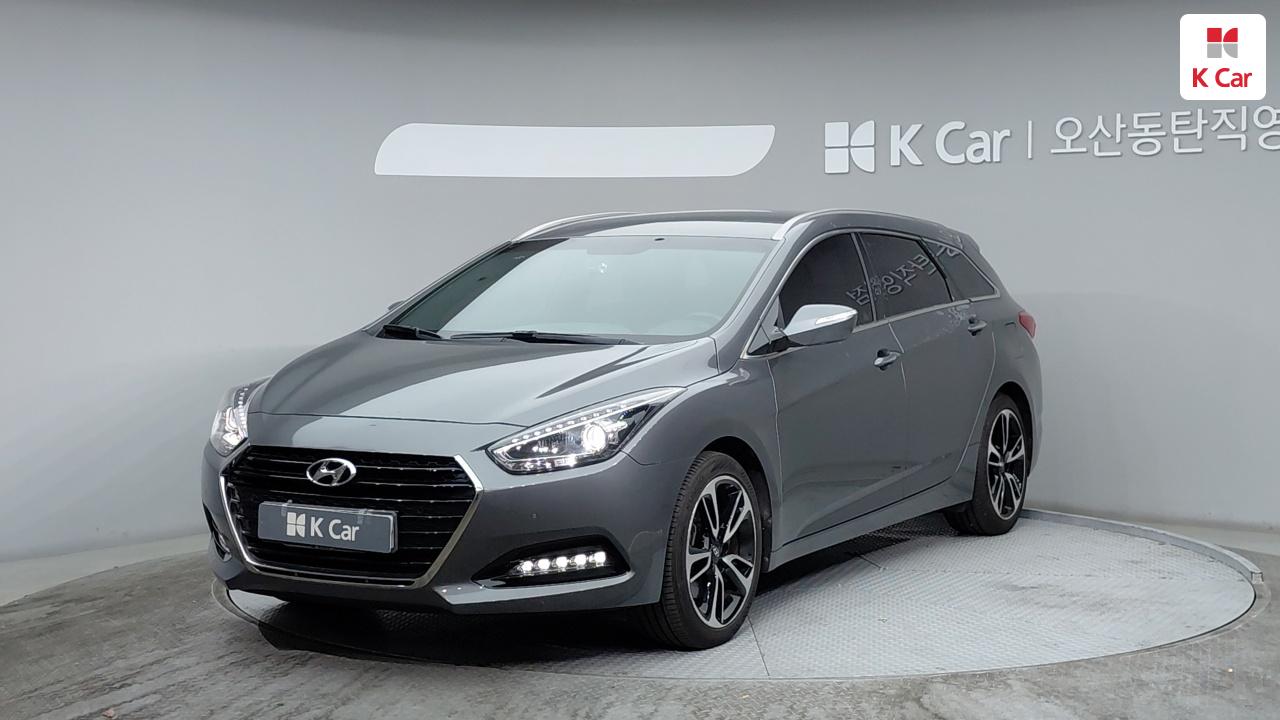
2012, diesel, automatic, 263K km, wagon, Front Wheels Drive, 1,700 cm3, grey, Used condition, South Korea, In stock

BaltiCar.com
 Estonia, Harjumaa
 Estonia, HarjumaaEstonia, Harjumaa
 Miškiniai, Estonia
 Romania, Cluj County
 Romania
 Romania, Bacău County
 MoldovaMoldova
 Romania, PrahovaRomania, PrahovaRomania, PrahovaRomania, PrahovaRomania, Prahova
 Romania, Buzău CountyChisinau, Moldova
 Ukraine
 UkraineUkraineUkraineUkraine
 Moldova, Cahul
 Greece, Attica

 Sangnyongsangdong, South KoreaSeongsu-dong, South KoreaChungang-dong, South Korea
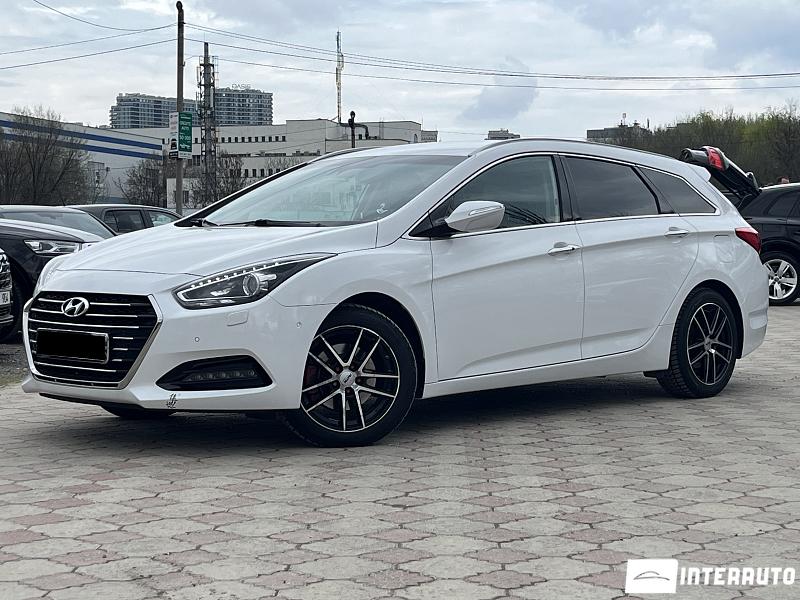
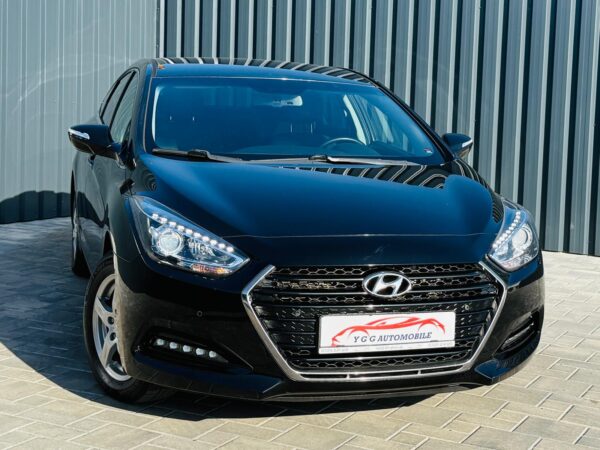
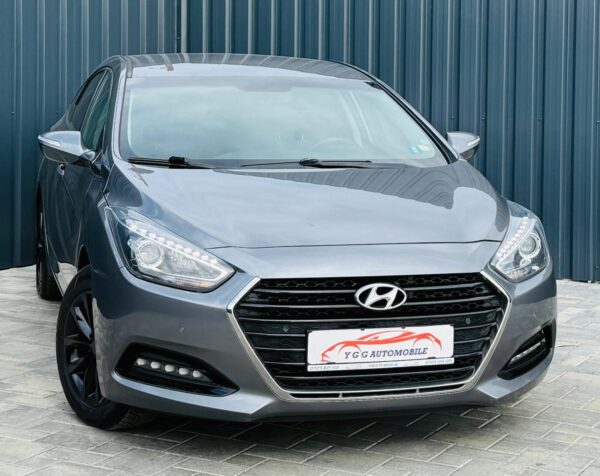
The Hyundai i40 stands out as a practical choice for drivers who value a balanced combination of comfort, efficiency, and practicality. When you’re considering a Hyundai i40, especially in the hatchback or estate body types common in many markets, there are several factors to weigh: model generation, engine choice, mileage, year, and price range. Whether you’re shopping in a big city or a smaller town, understanding these details helps you make a smarter decision.
If you’re buying used, pay attention to the generation and engine options. The i40 has seen updates across generations that improve ride quality, interior comfort, and fuel efficiency. Common questions include: which engine to choose for long-distance driving, how automatic transmission compares to manual, and what body type fits your needs best. Always check service history, prior ownership, and whether components like brakes, suspension, and tires show even wear. Ask about mileage groups—how many kilometers the car has covered and how that aligns with expected maintenance needs for that year.
If you’re selling, present a clear history: year, mileage, service records, and any recent maintenance. A clean repair record and documentation on recent replacements can boost buyer confidence. For negotiations, be ready to discuss typical ownership costs, fuel economy, and potential upcoming maintenance items based on the vehicle’s age and mileage. Honest listings with multiple high-quality photos, including the engine bay and boot, tend to attract more serious inquiries.
Buying or selling in a city or country often means considering local service networks and the availability of parts. Hyundai’s global presence usually ensures a broad network of service centers, which can be a deciding advantage for buyers prioritizing reliability and ease of maintenance. When evaluating a particular Hyundai i40, compare similar models from the same generation to understand value, warranties, and potential aftersales support. By focusing on the key factors—generation, engine choice, mileage, year, body type, and price—you’ll be better prepared to make a confident decision.
 Add as preferred sourceSee more from zvelta in Google Search Add as preferred source