 EN
ENDEALER
20.158 US$DEALER
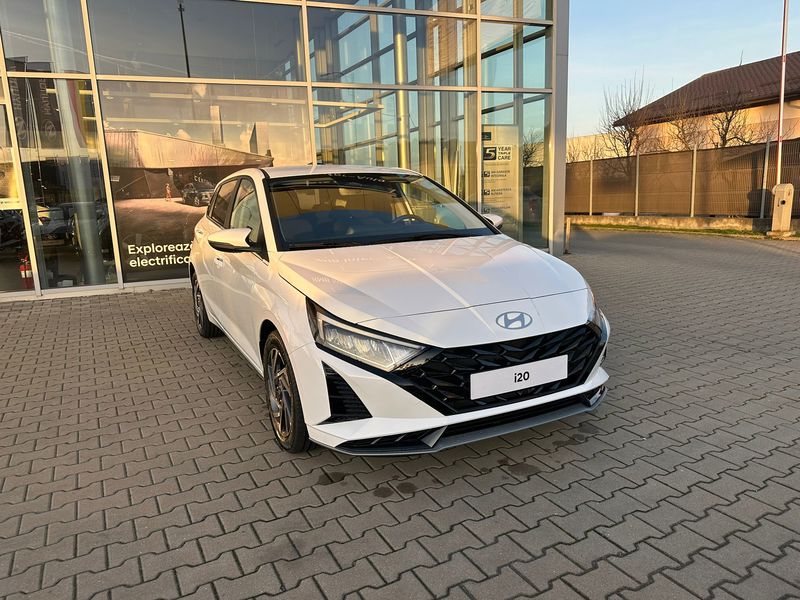
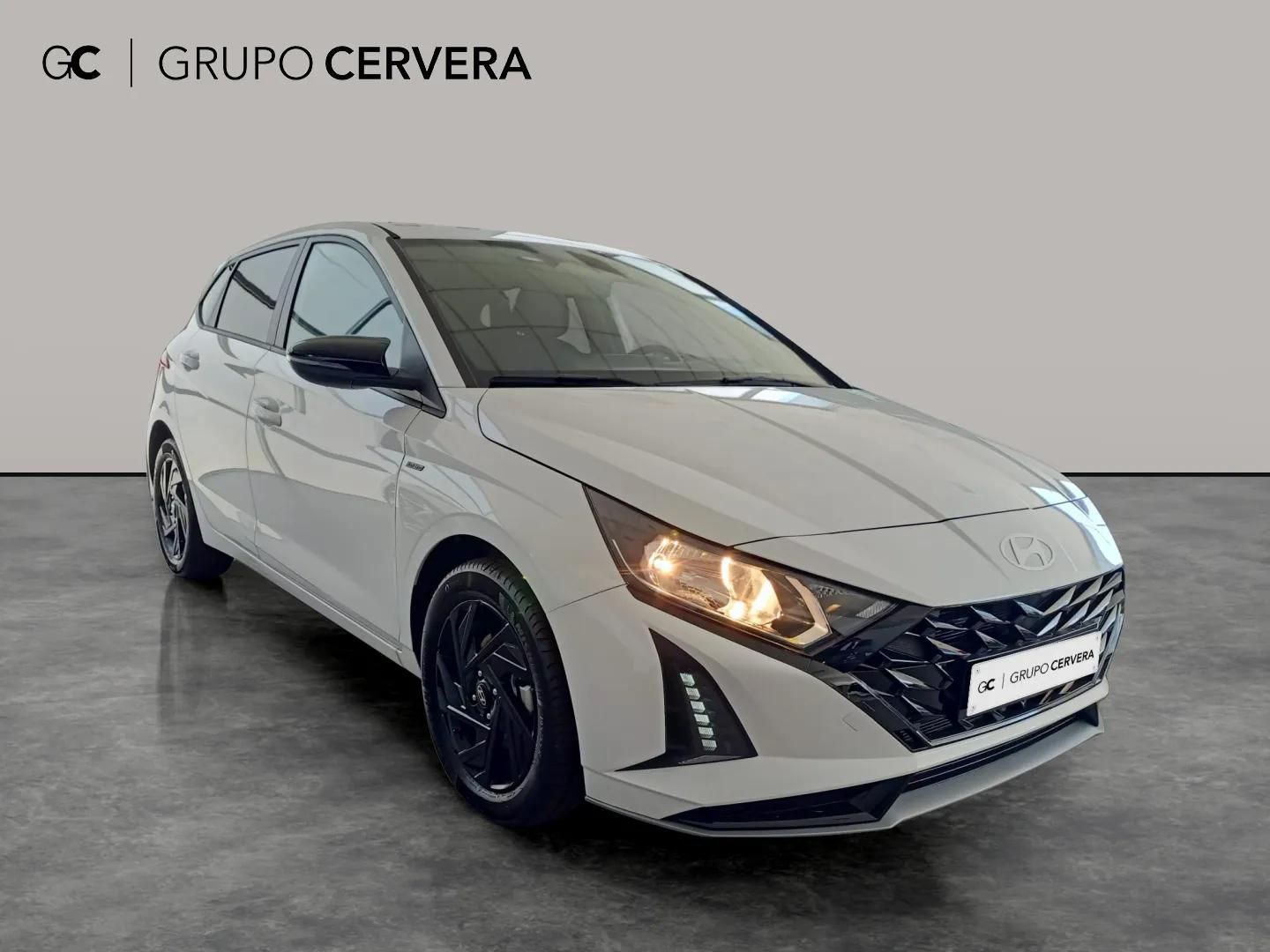
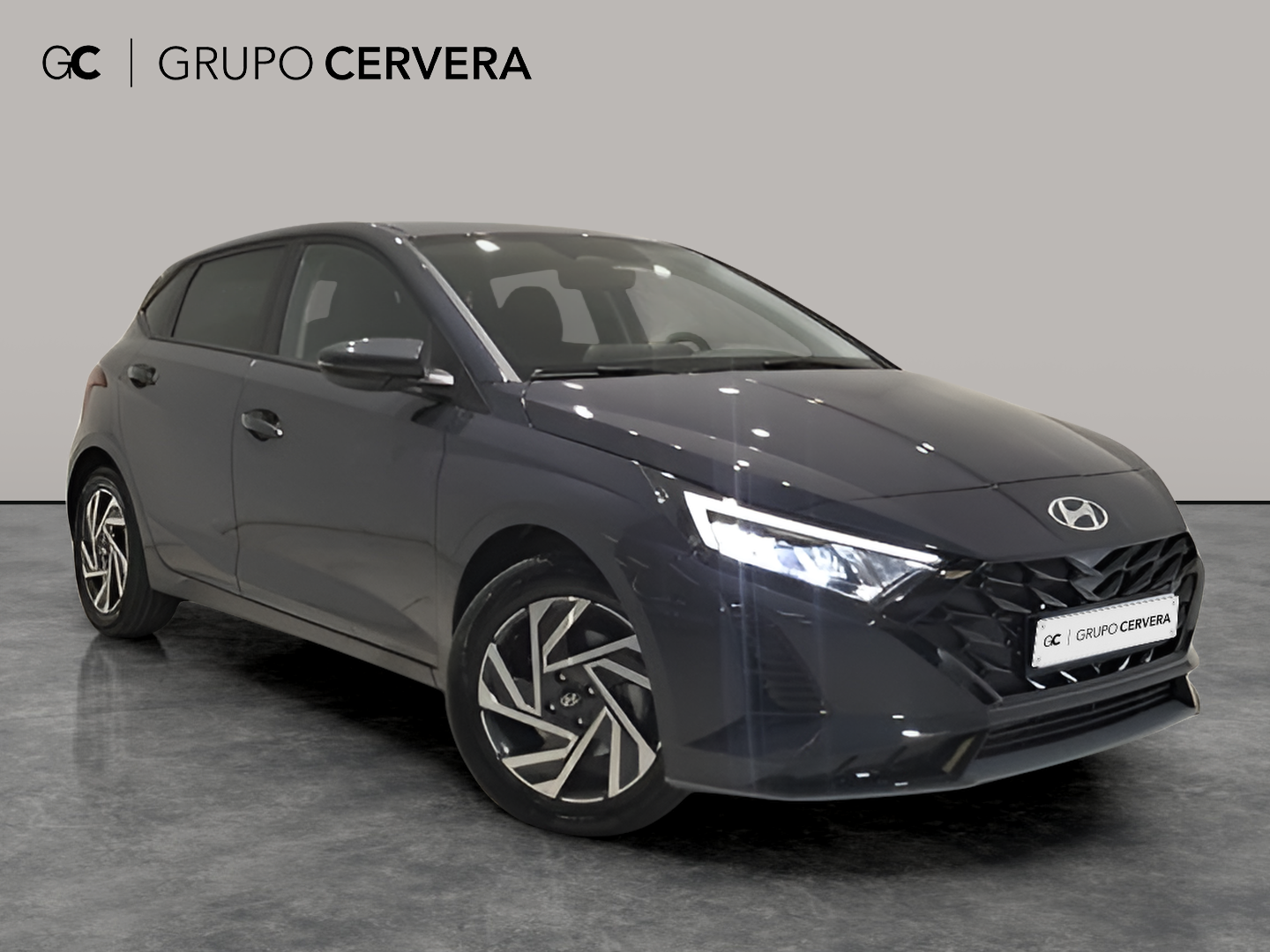
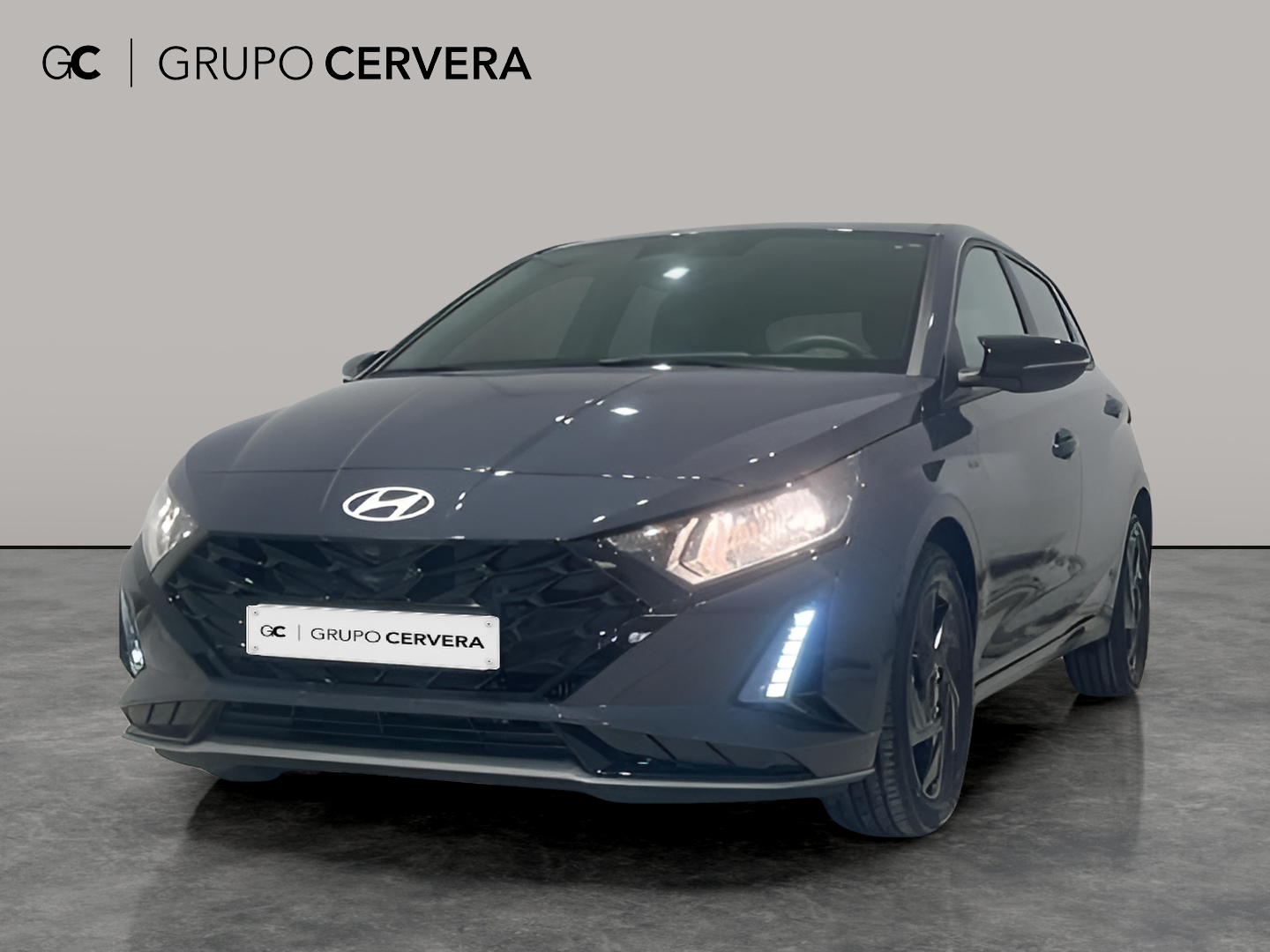
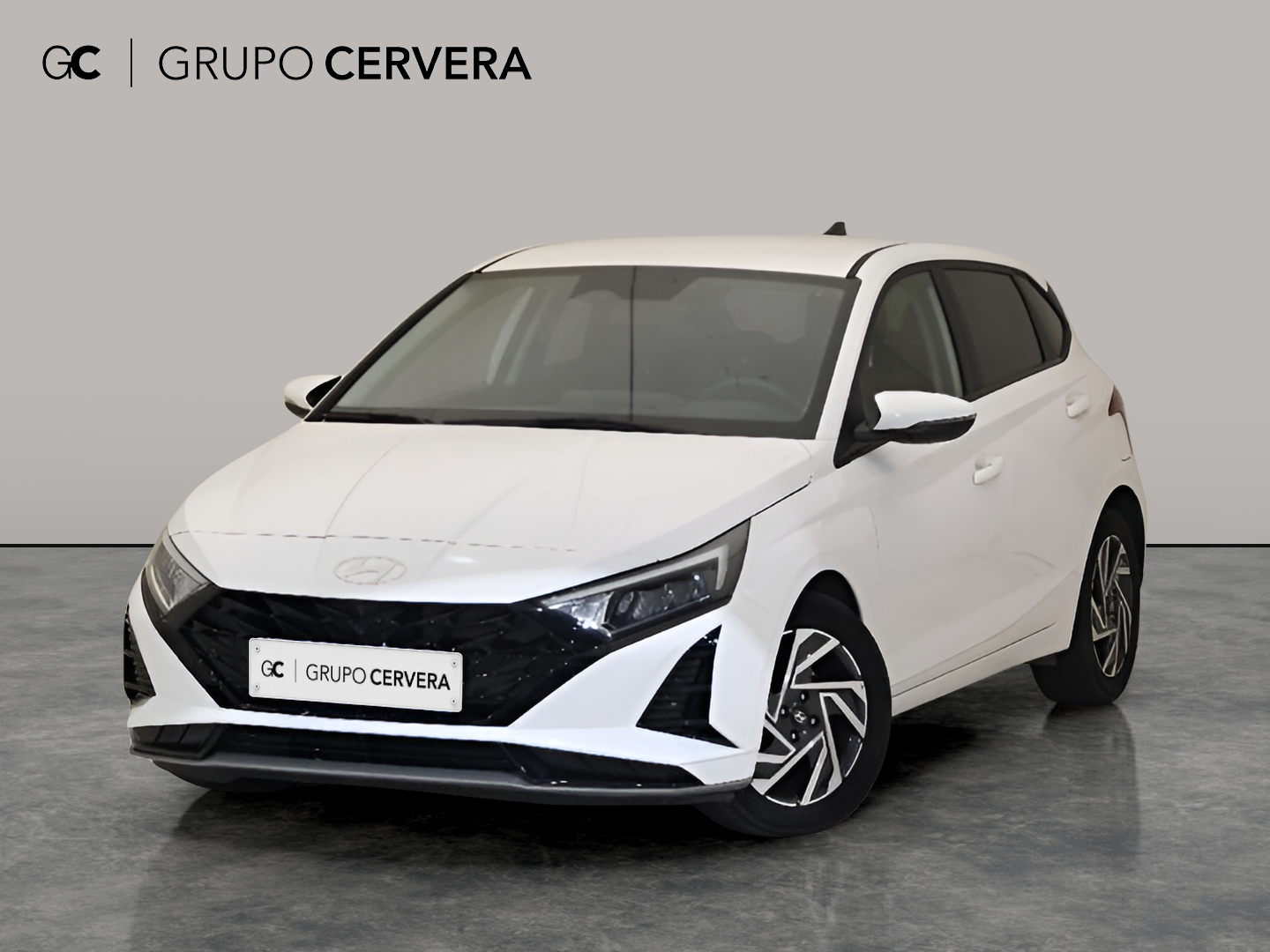
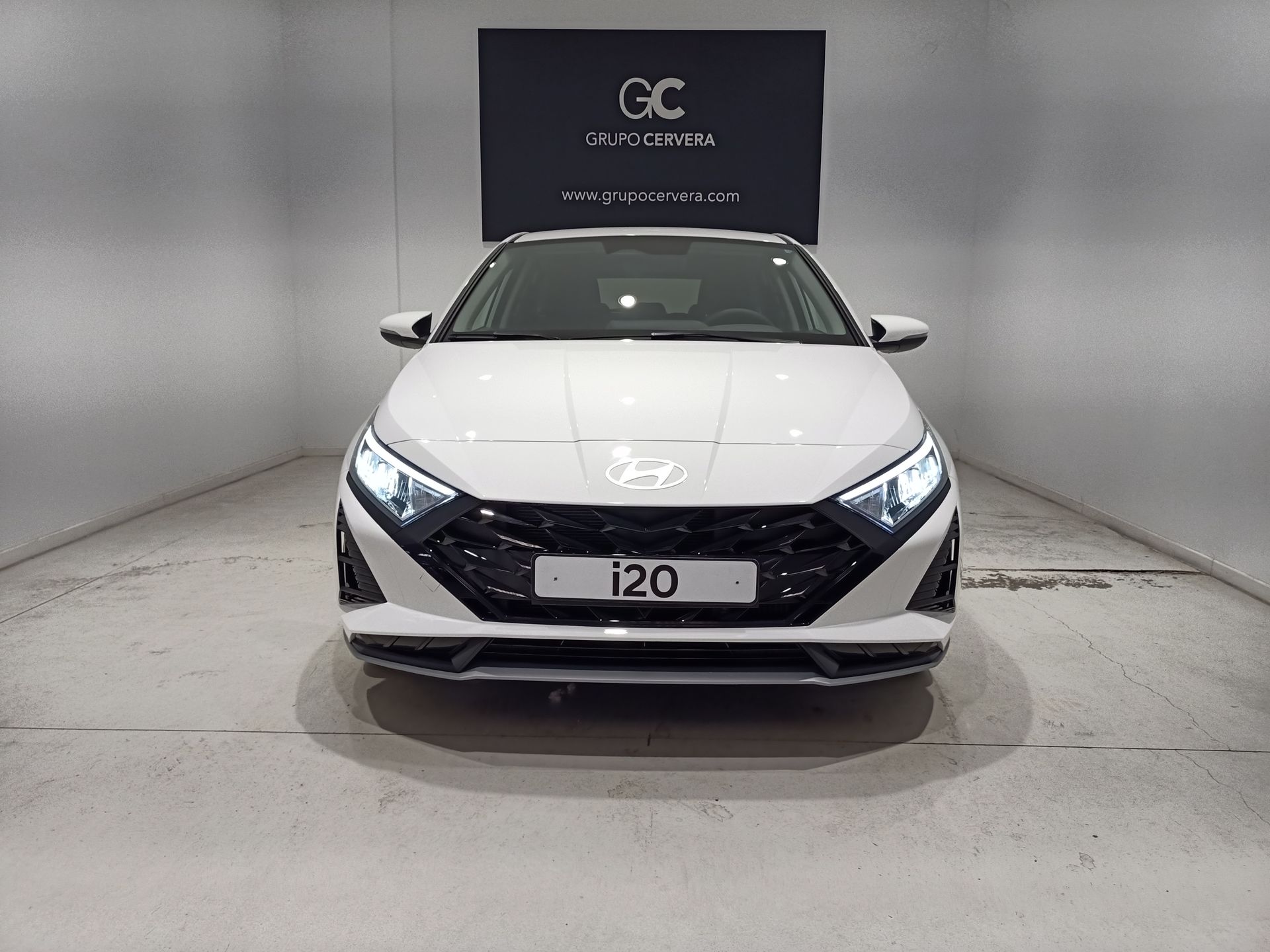
2026, gasoline, manual, 14K km, sedan, Front Wheels Drive, 998 cm3, 90 hp, Euro 6, white, 1.0 TGDI Black Line 66 kW (90 CV), Used condition, In stock

GrupoCervera.com
 Spain, Castille and León
 Spain, Castille and LeónSpain, Castille and LeónSpain, Castille and LeónSpain, Castille and LeónSpain, Castille and LeónSpain, Castille and León
 Spain
Spain NetherlandsNetherlandsNetherlandsNetherlandsNetherlands
 France
 Germany, Lower Saxony
 Estonia, Harjumaa
 Estonia, Harjumaa
 Miškiniai, Estonia
 Poland, Lublin
 Romania, Cluj County
 Romania, Cluj County
 Romania, Sibiu County
 Albania, TiranaAlbania, Tirana
 Romania
 Romania
If you’re considering a Hyundai i20, you’re looking at a compact hatch that blends practicality with modern features. This guide focuses on helping you choose, compare, and buy or sell a Hyundai i20 in common markets, highlighting the key points buyers and sellers ask about in conversations and local listings. Whether you’re eyeing a newer generation or a well-kept used example, understanding model changes, engine options, body styles, and regional pricing will save time and money.
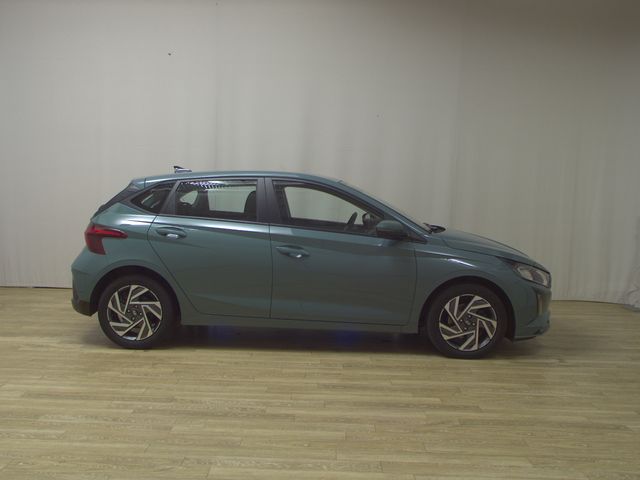
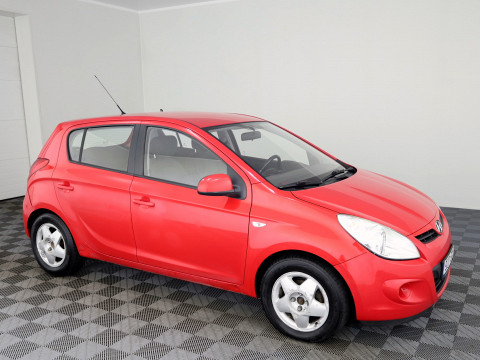
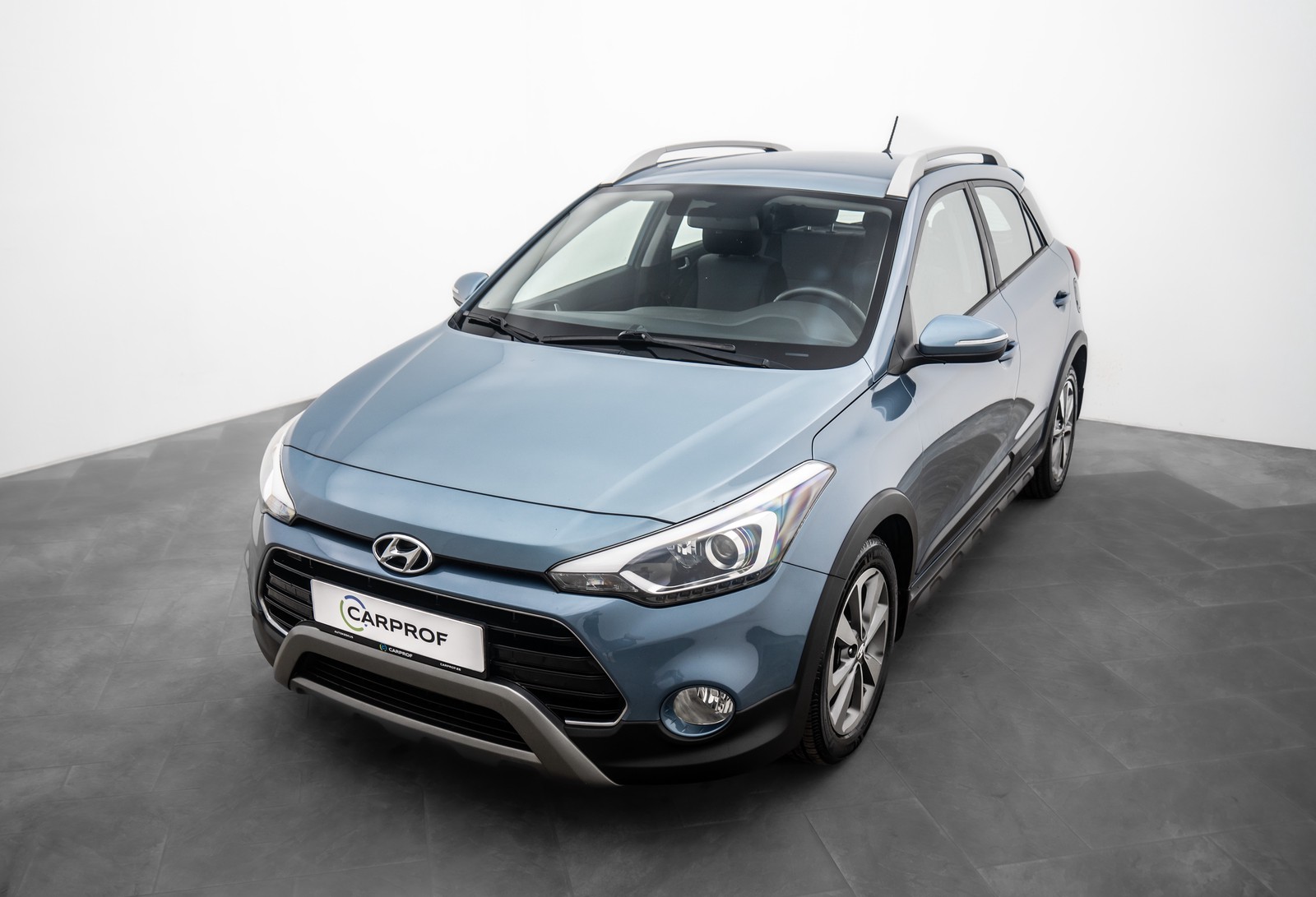
The Hyundai i20 has evolved through several generations, each bringing upgraded technology, safety features, and efficiency. Most buyers evaluate the latest generation for modern infotainment and safety systems, but a previous generation can be a strong value for city driving. Common configurations include hatchback body style with 3 or 5 doors depending on the market. When shopping, note the year and generation to gauge equipment levels, such as touchscreen infotainment, driver assistance, and audio options.
Fuel options for the Hyundai i20 range from economical petrol engines to more modern turbocharged variants in newer generations. Typical questions include which engine offers the best balance of performance and miles per gallon, and what maintenance costs look like in the long term. Prospect buyers often compare 1.0-liter turbo, 1.2-liter naturally aspirated, and 1.0 T-GDi options, considering daily city driving versus highway trips and fuel prices in their country or city. For used models, check service history and whether the turbocharger has been maintained, as repairs can influence ownership costs.
Prices, availability, and common options vary by country and city. In some markets, the i20 might be offered with trims that emphasize comfort and efficiency, while others prioritize safety features and tech. When evaluating listings, note the mileage (for example, under 60,000 km in a mid-range segment), the year, and any notable additions such as alloy wheels or upgraded sound systems. Local tax, registration costs, and insurance depend on your area, so estimate the full ownership cost beyond the sticker price.
This quick overview helps you navigate the Hyundai i20 market more confidently, whether you’re looking to buy a newer model in a bustling city or a late-generation hatch that still delivers reliable daily transport.
 Add as preferred sourceSee more from zvelta in Google Search Add as preferred source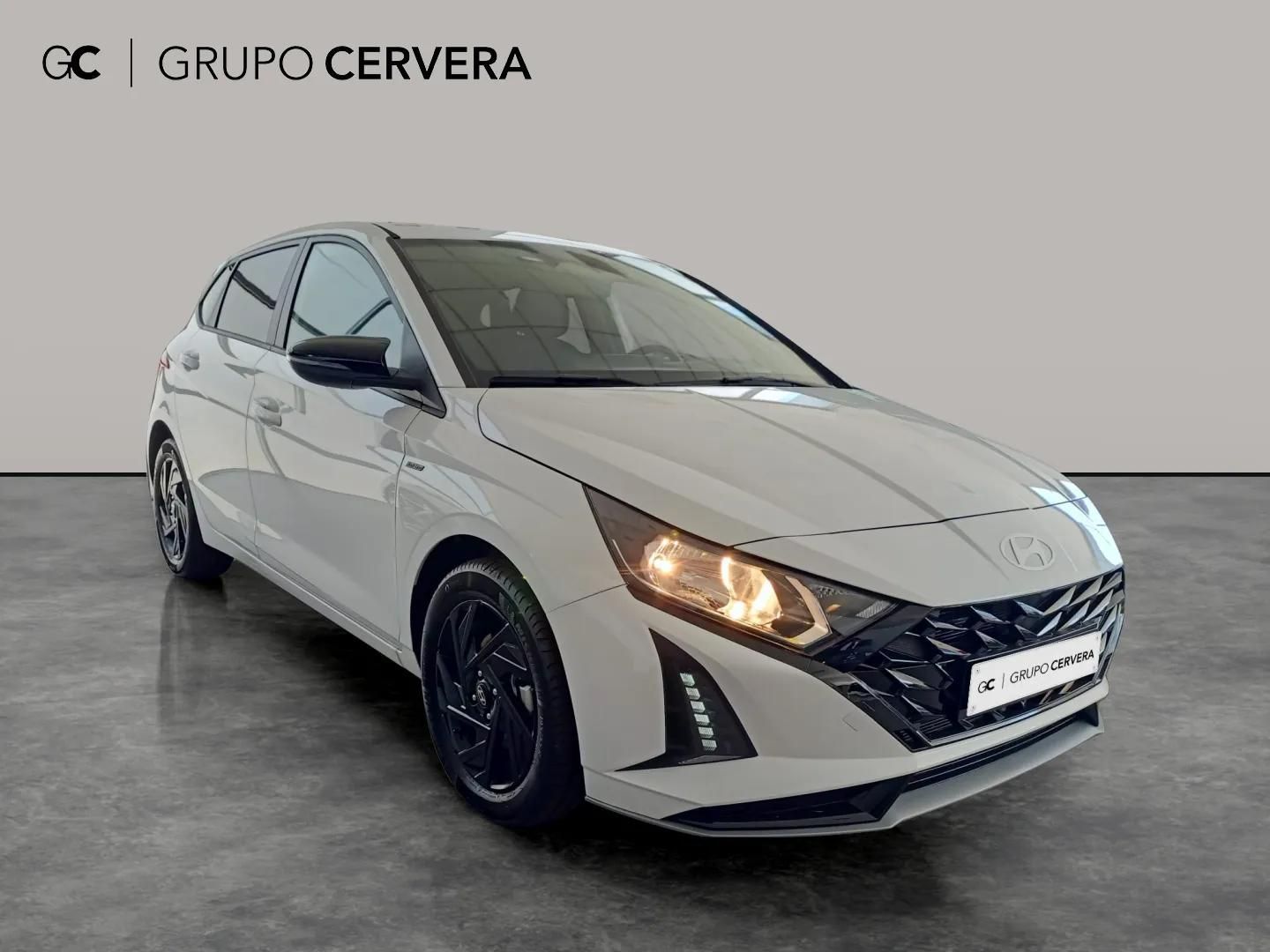


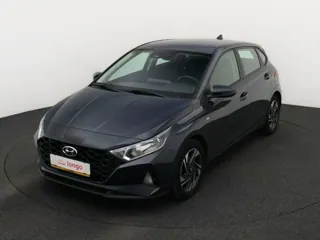

.jpeg "Hyundai I20")