EN
ENDEALER
15.561 US$DEALER
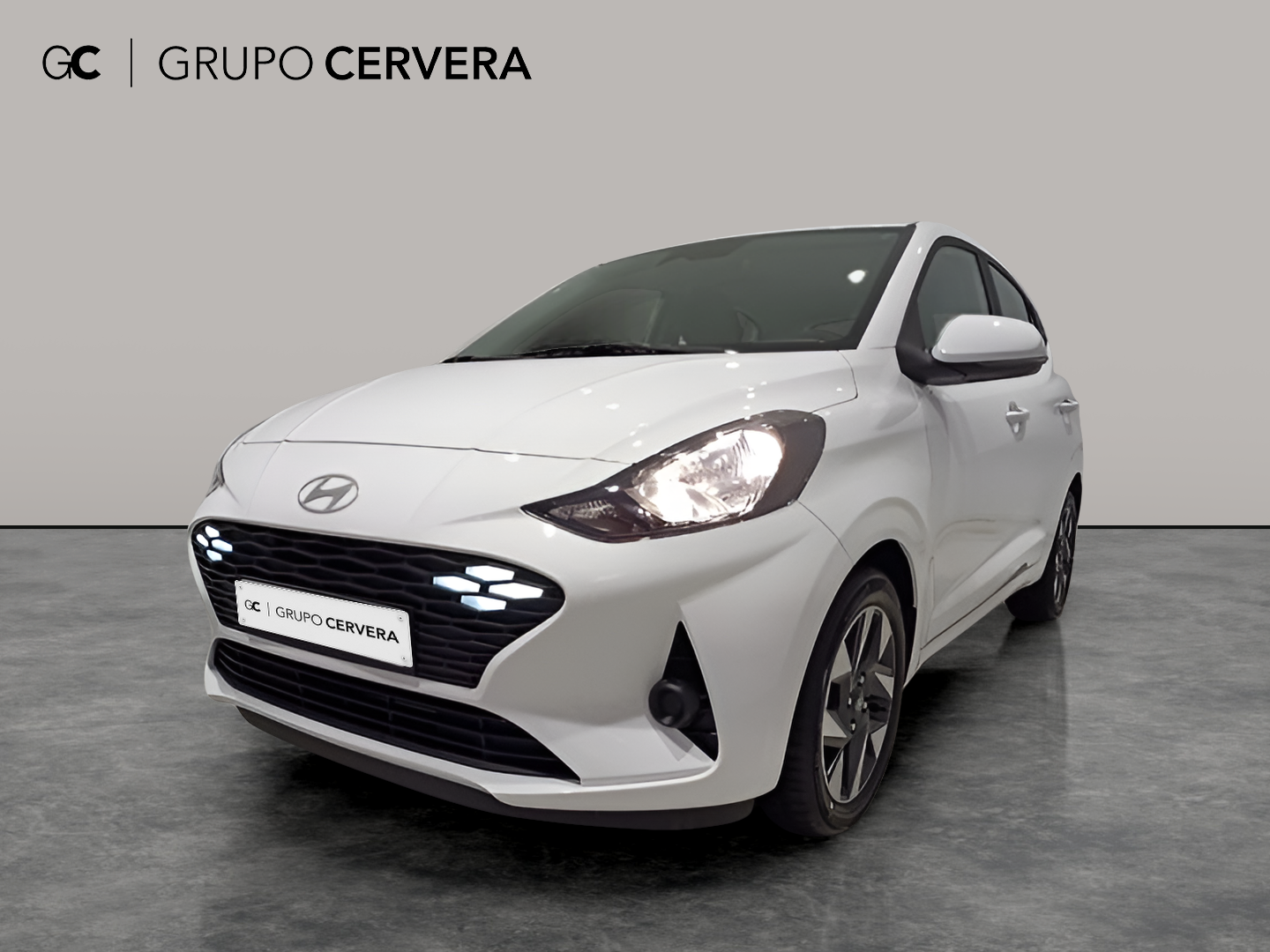
2024, gasoline, manual, 91K km, Front Wheels Drive, 67 hp

notadir.benni.is
 Iceland
 Iceland
 Spain, Castille and León
 Spain
Spain NetherlandsNetherlandsNetherlandsNetherlandsNetherlandsNetherlandsNetherlandsNetherlandsNetherlandsNetherlandsNetherlandsNetherlandsNetherlandsNetherlands
 Germany, Lower SaxonyGermany, Lower SaxonyGermany, Lower SaxonyGermany, Lower Saxony
 Brzeźno Gdańskie, Poland
 Italy
Italy
 Albania, Tirana
 Romania
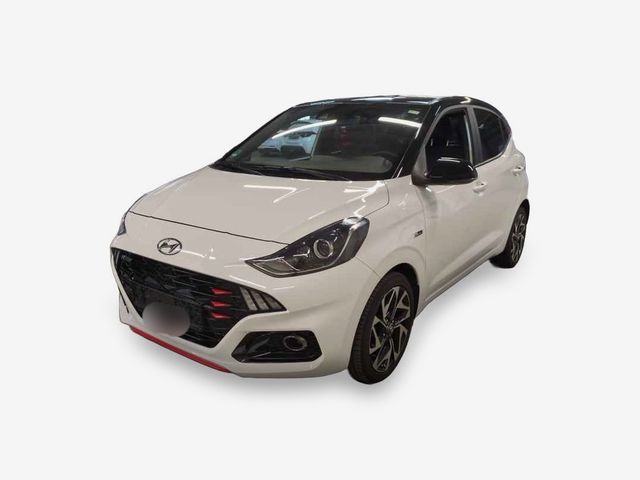
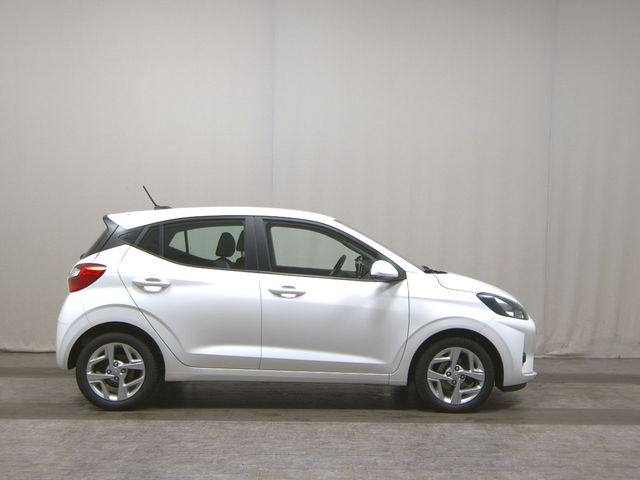
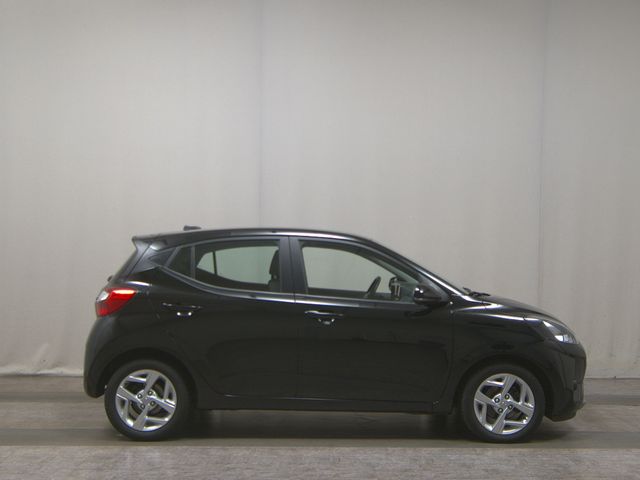
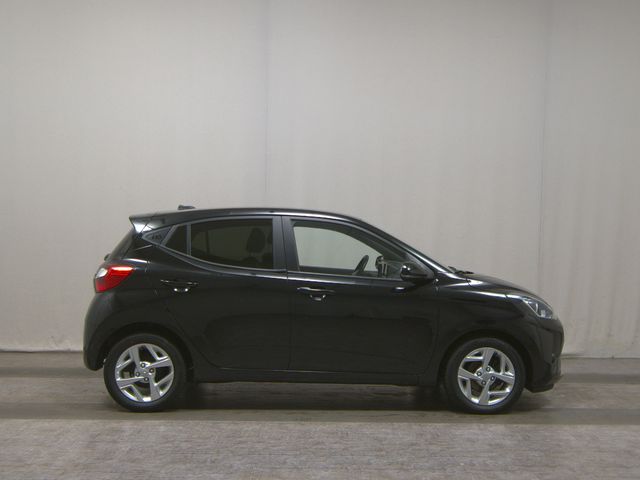
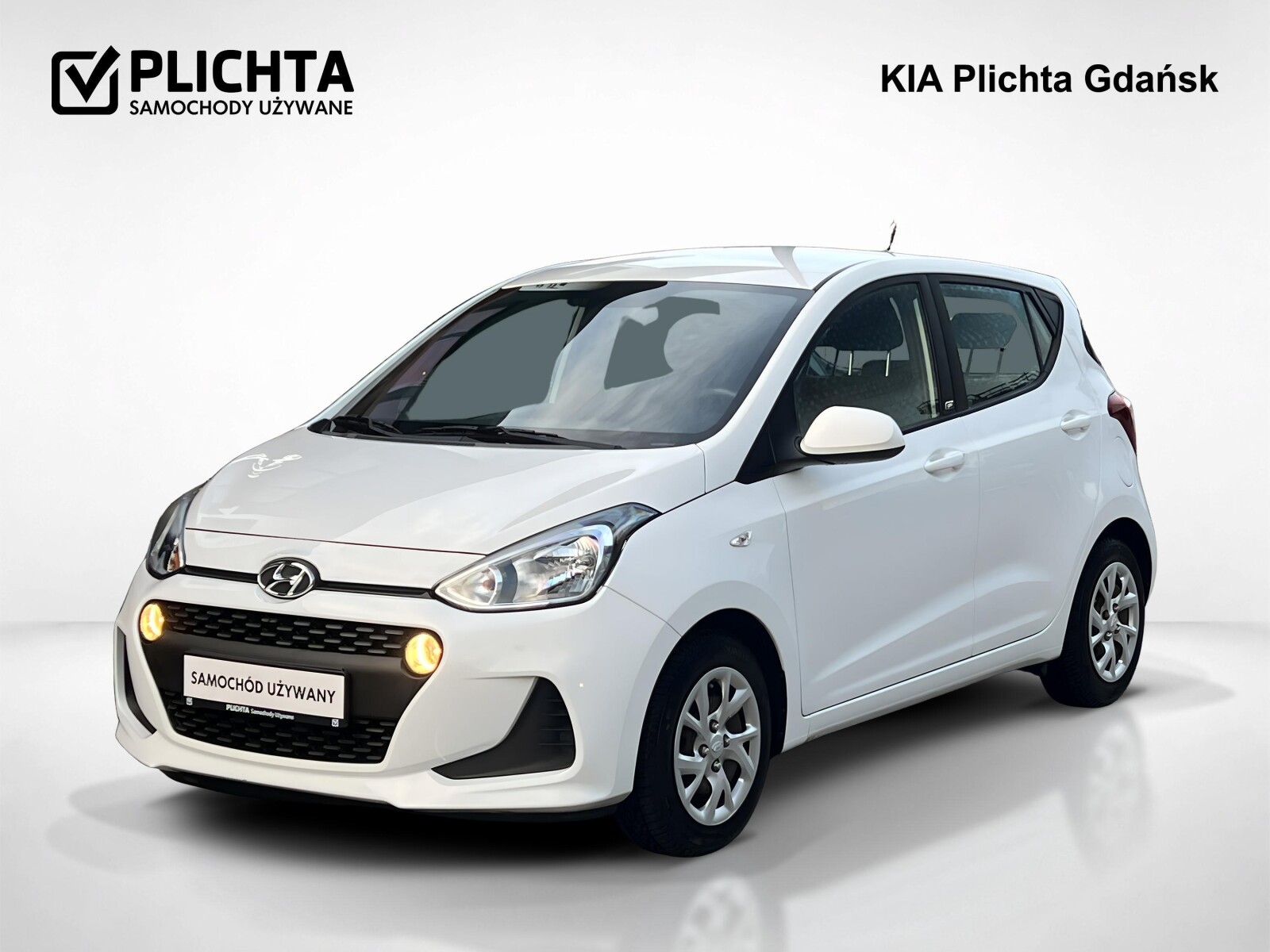
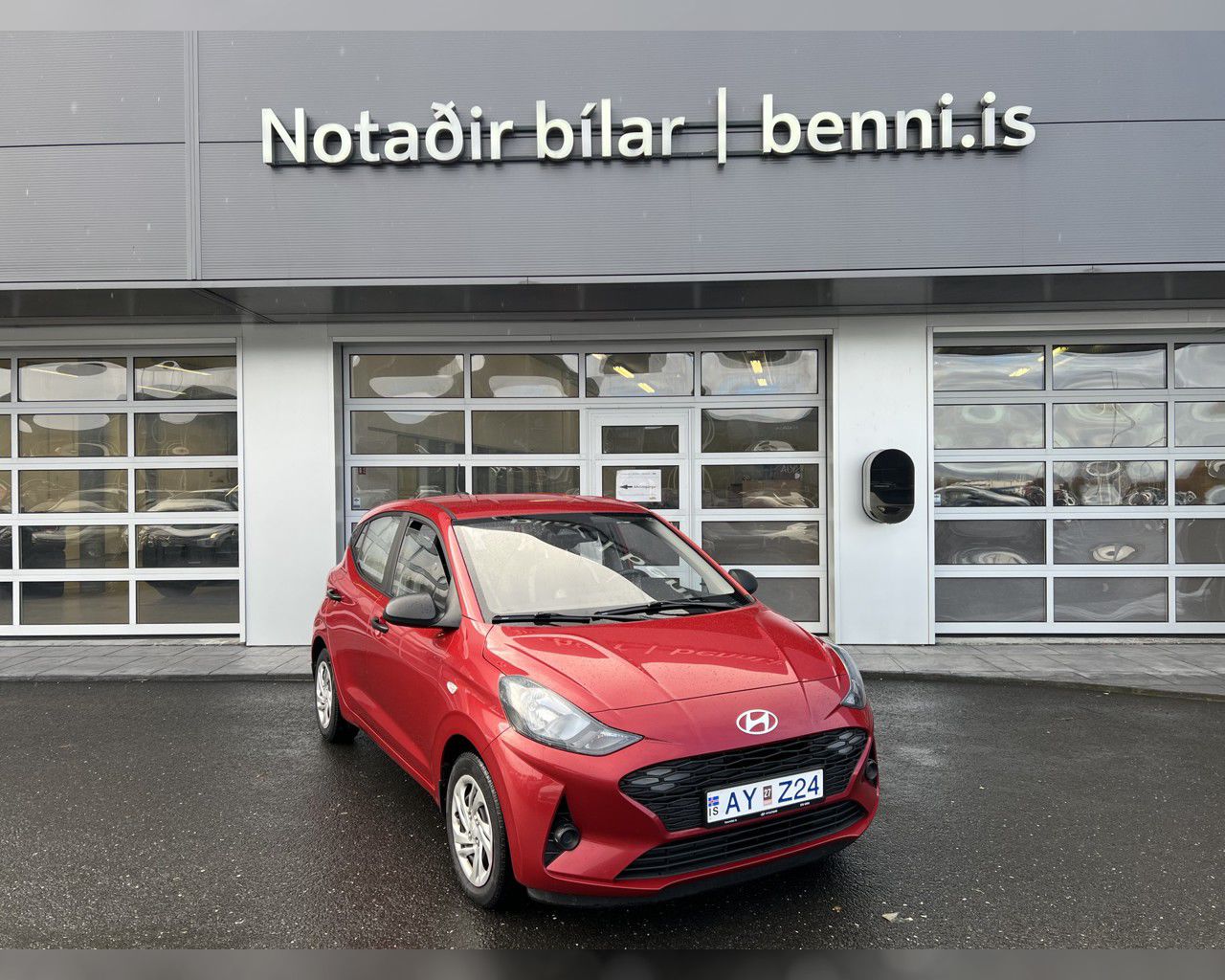
The Hyundai i10 is a compact hatchback designed for city driving, offering nimble handling, good fuel efficiency, and a comfortable cabin for daily commuting. Whether you are buying new or used, this model is a popular choice for drivers who prioritize maneuverability, easy parking, and low running costs. In this guide, we’ll explore how to choose the right i10 configuration, compare generations, and understand what affects price and value in urban markets.
For urban residents, the i10’s small footprint translates to tighter turning radiuses, easy parallel parking, and lower insurance premiums. Common configurations include a practical engine line-up that balances performance with economy, making it suitable for short trips and mixed city routes. When shopping, consider body styles, transmission options, and equipment level to match your daily routines, from grocery runs to commuting.
The Hyundai i10 has evolved across generations, with improvements in interior space, safety features, and technology. Key choices you’ll encounter include:
Consider mileage relative to year, maintenance history, and overall condition. In city areas, higher mileage on a well-maintained i10 can still deliver reliable daily transport. Important factors include:
Pros: compact size, affordable ownership costs, easy parking, and adequate interior for daily errands. Cons: smaller boot space and limited power on older base trims. If you need more cargo or a bit more power for hills, compare options across generations or consider slightly larger city hatchbacks in the same segment.
If you are aiming to buy a Hyundai i10 in your area, use these considerations to balance price, condition, and reliability. A well-chosen i10 can deliver economical city commuting with dependable daily usability.
 Add as preferred sourceSee more from zvelta in Google Search Add as preferred source