EN
ENDEALER
783 US$DEALER
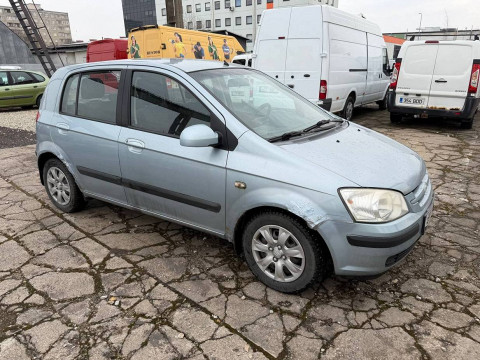
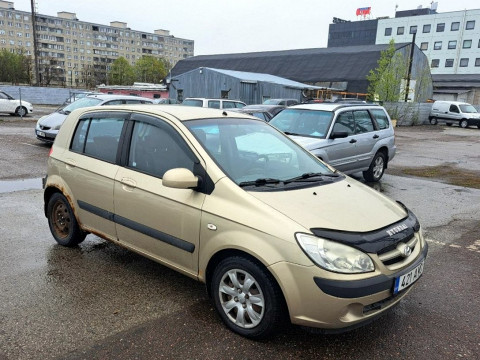
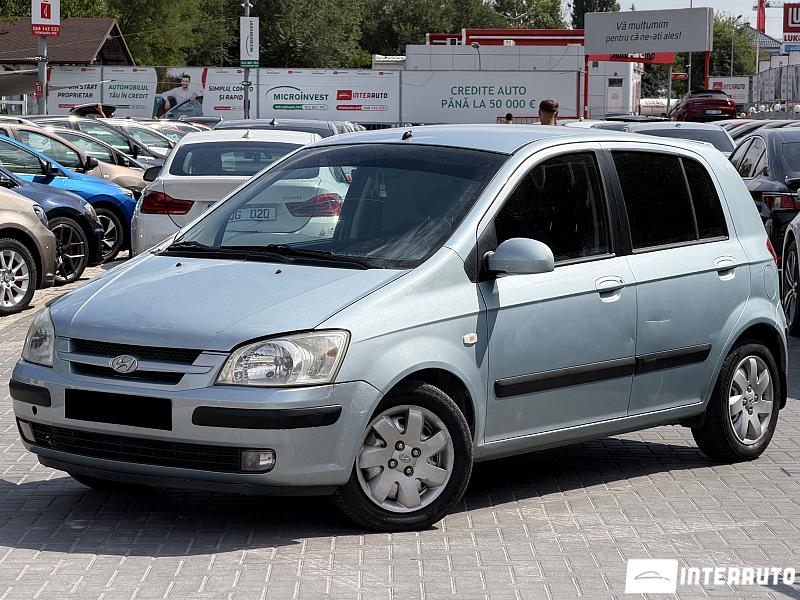
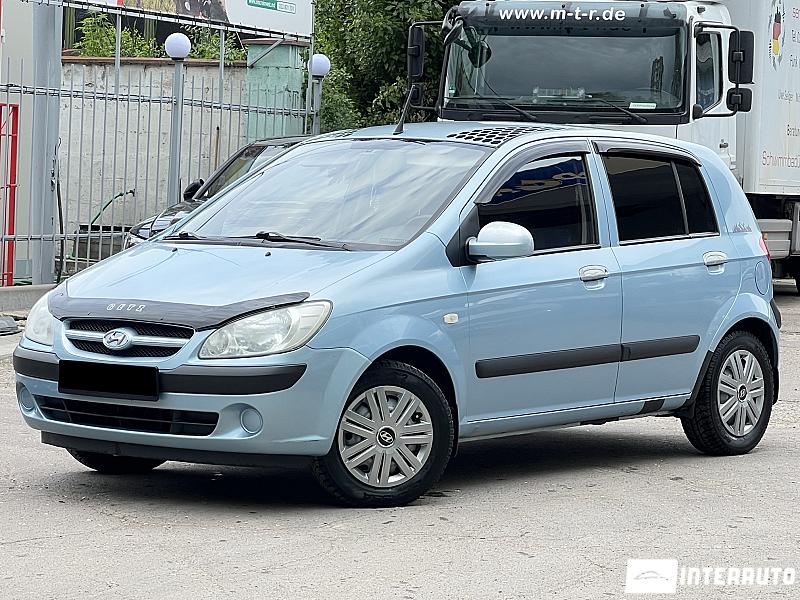
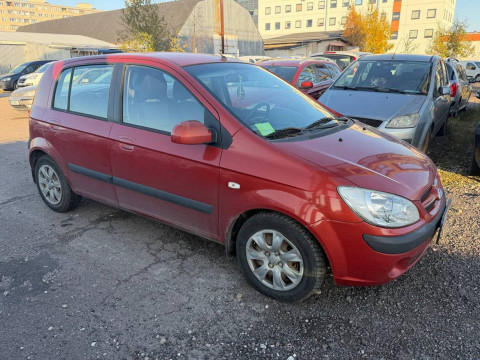
2008, gasoline, manual, 169K km, hatchback, Front Wheels Drive, 1,400 cm3, red, Used condition, South Korea, In stock

BaltiCar.com
 Estonia, Harjumaa
 Estonia, HarjumaaEstonia, HarjumaaEstonia, Harjumaa
 MoldovaMoldovaChisinau, Moldova
 Ukraine
 UkraineUkraineUkraine, Kyiv City
 UkraineUkraineUkraine
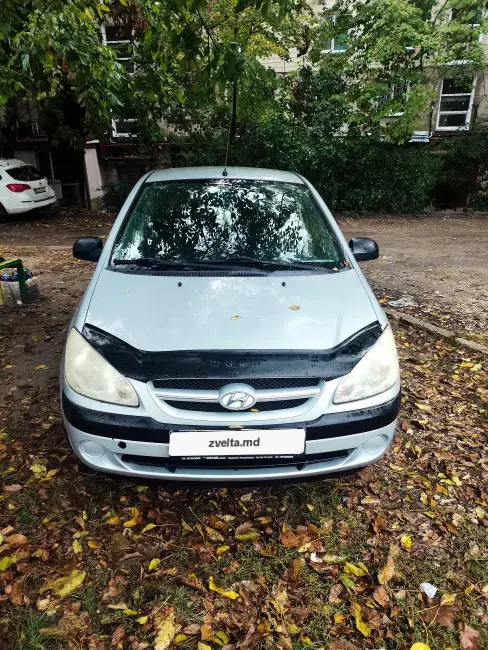
The Hyundai Getz is a compact hatchback that has long been a practical choice for city driving and small family errands. If you’re looking to buy or sell a Hyundai Getz, understanding the different generations, fuel options, and body styles can help you make a smart decision. Whether you are in a busy capital or a quieter town, there are consistent questions buyers ask, such as which engine offers better reliability, what year or mileage balances value, and how to compare price segments for your market.
The Getz, known for its compact footprint and straightforward maintenance, often comes with petrol engines that are early- or mid-generation. Depending on the country and city you’re shopping in, you’ll typically find hatchback configurations with 3- or 5-door layouts. Common topics include how mileage influences price, what features are worth upgrading, and how to choose between different trim levels within a given year. If you are considering a specific year such as early 2000s models versus later updates, knowing the expected fuel economy and safety features can help solidify your decision.
When negotiating price, buyers usually compare Getz models by year, mileage, and condition. A common approach is to list your target price range in your local currency, then assess condition reports, maintenance history, and whether the car has had any major repairs. For sellers, presenting a clear history with service records, keys, and documentation can streamline a sale and improve buyer confidence.
For buyers in any market, compare Getz listings by year, mileage, asking price, and whether the car has been well-maintained. Look for consistent service records and checks on the exhaust system, timing belt (if applicable), and suspension wear. For sellers, highlight genuine mileage, recent servicing, and clear documentation to reach the best price in your city or country.
If you’re in a city with a bustling used-car scene, you’ll often see Getzs priced according to a local price segment that reflects year, mileage, and overall condition. Understanding local demand will help you decide whether to price aggressively to move quickly or hold for a higher offer. In both buying and selling, reading reliability notes and common wear issues for the Hyundai Getz can prevent surprises after the purchase and ensure you get value for money.
 Add as preferred sourceSee more from zvelta in Google Search Add as preferred source