EN
ENDEALER
6.107 US$DEALER
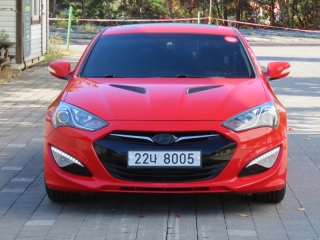
2011, manual, 213K km, 3.8 R-Spec, Used condition, USA, In stock

PenskeAutomotive.com
 United States
 United States
 United States
 South KoreaSouth Korea
The Hyundai Genesis Coupe stands out for buyers who want a sporty two-door alternative with practical dependability. If you’re considering purchasing this model, you’ll want to understand the main generations, available engines, and how price, mileage, and country-specific factors affect value. In this guide, we cover important considerations for buyers and sellers in cities where Hyundai has a presence, focusing on the Genesis Coupe’s coupe body style, rear- or all-wheel drive options, and the blend of daily usability with sporty performance.
The Genesis Coupe, produced in several generations with distinct styling and performance changes, is most often found with a 3.8-liter V6 or a turbocharged four-cylinder in earlier or nearby variants, paired with a rear-wheel-drive chassis. Later updates brought improved interiors and handling, making the car appealing for enthusiasts who still need a practical two-door for weekend driving or weekend track days. When evaluating options in the market, consider the body type (coupe), transmission choice (manual versus automatic), and how the drivetrain influences ride feel and fuel economy in daily use.
Prices for Hyundai Genesis Coupe models vary by year, mileage, trim, and country. A lower-mileage example in good condition will usually fetch a premium, while higher mileage lowers value unless the car has a strong service history. Typical price segments range from more affordable older copies to higher-priced, well-preserved examples. If you’re selling, highlight service records, maintenance history, and recent major components to justify asking prices. When buying, a full inspection of the engine, transmission, suspension, and brakes is essential, along with a check of the history report for any past accidents.
If you’re preparing to buy in a city with Hyundai’s network, consider nearby service centers, parts availability, and whether a dealer-certified vehicle option is available in your area. For sellers, present a clear history, recent upgrades, and a transparent price that reflects the car’s year, mileage, and condition. A well-documented car with consistent maintenance will earn more trust and potentially higher offers.
Buying or selling a Hyundai Genesis Coupe can be a rewarding experience when you align your choice with your driving style, budget, and needs. By weighing generations, engine options, and the practical realities of daily use, you’ll be better positioned to find a coupe that balances performance and everyday usability.
 Add as preferred sourceSee more from zvelta in Google Search Add as preferred source