 EN
ENDEALER
32.225 US$DEALER
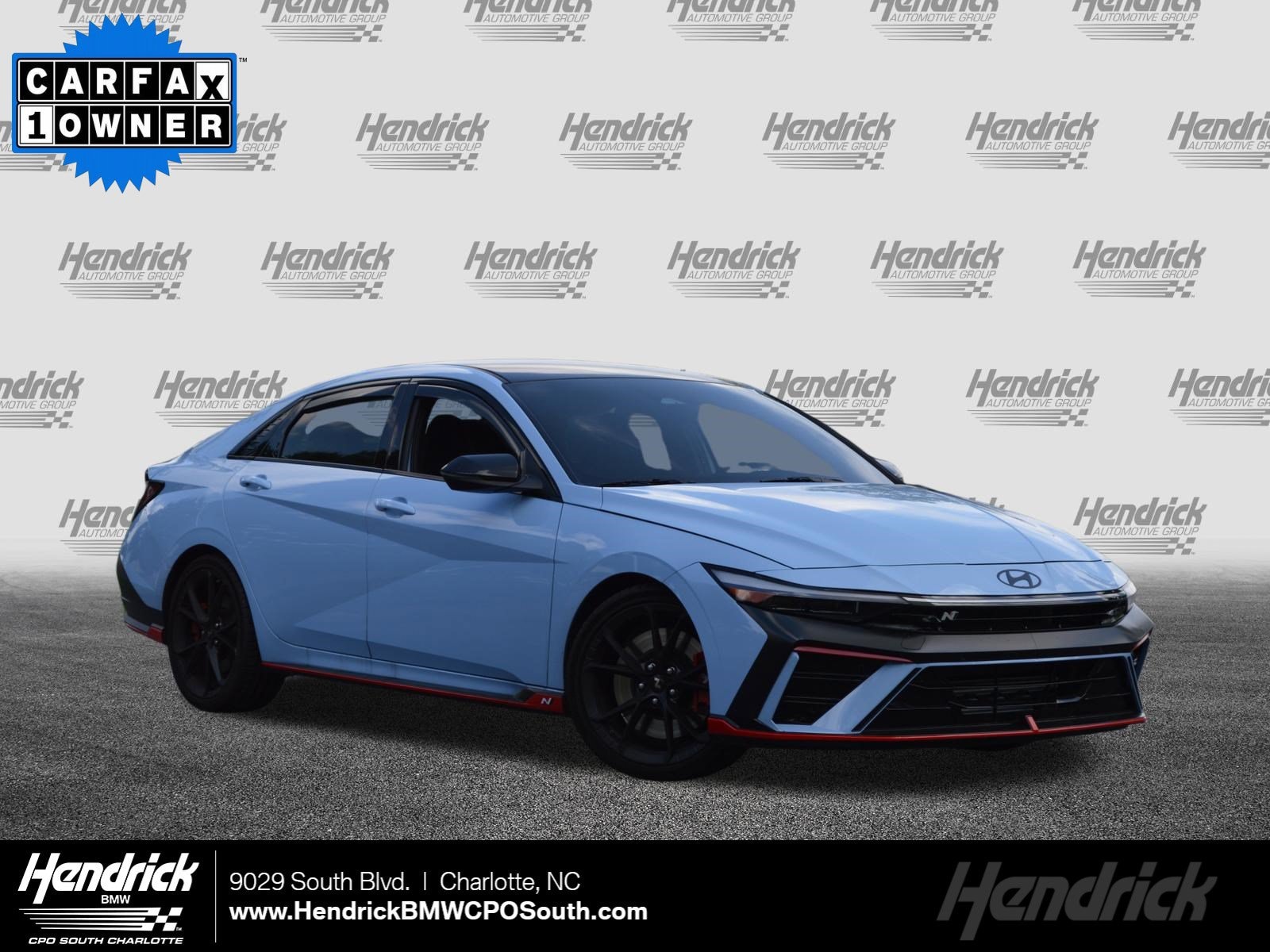
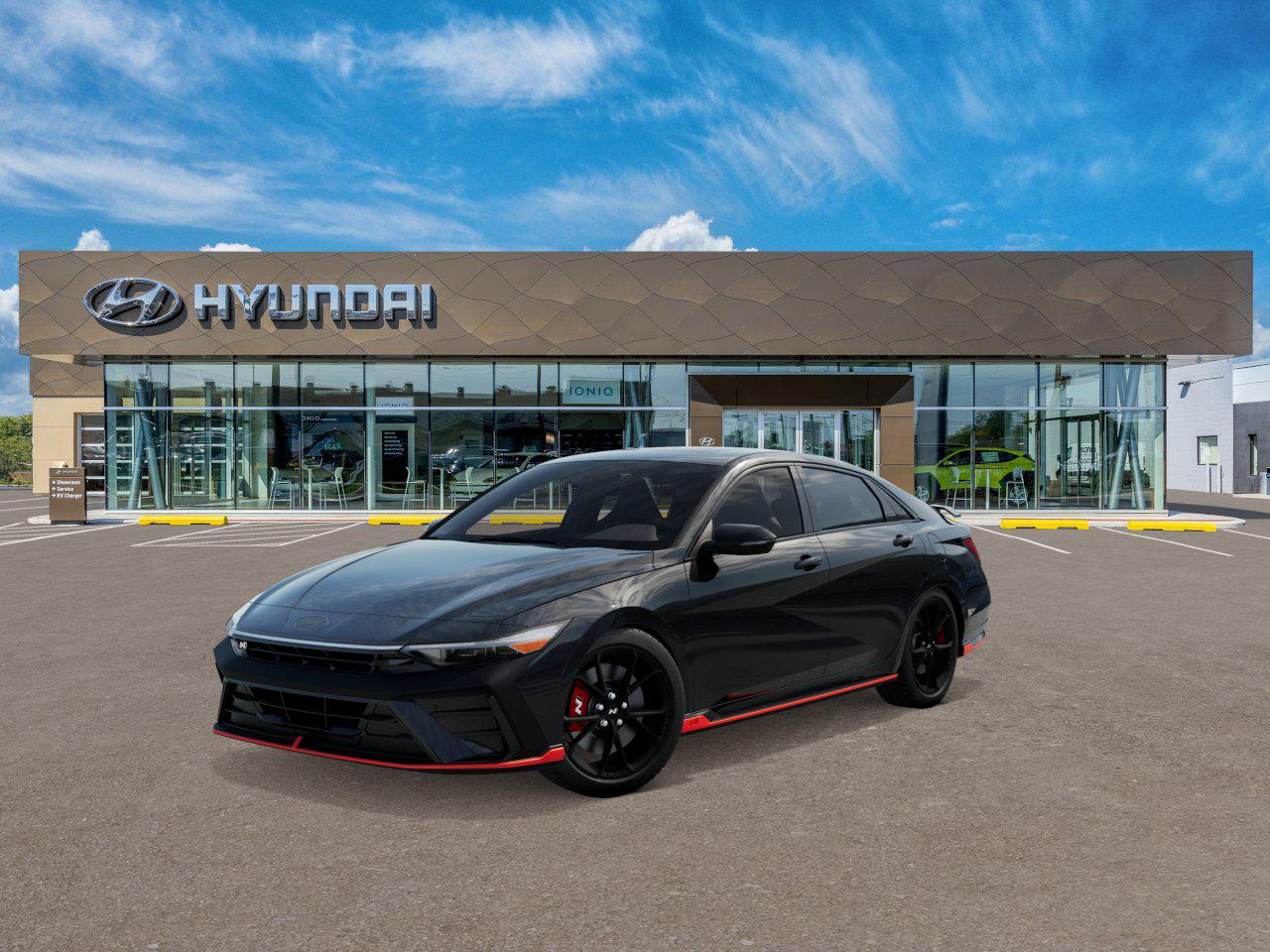
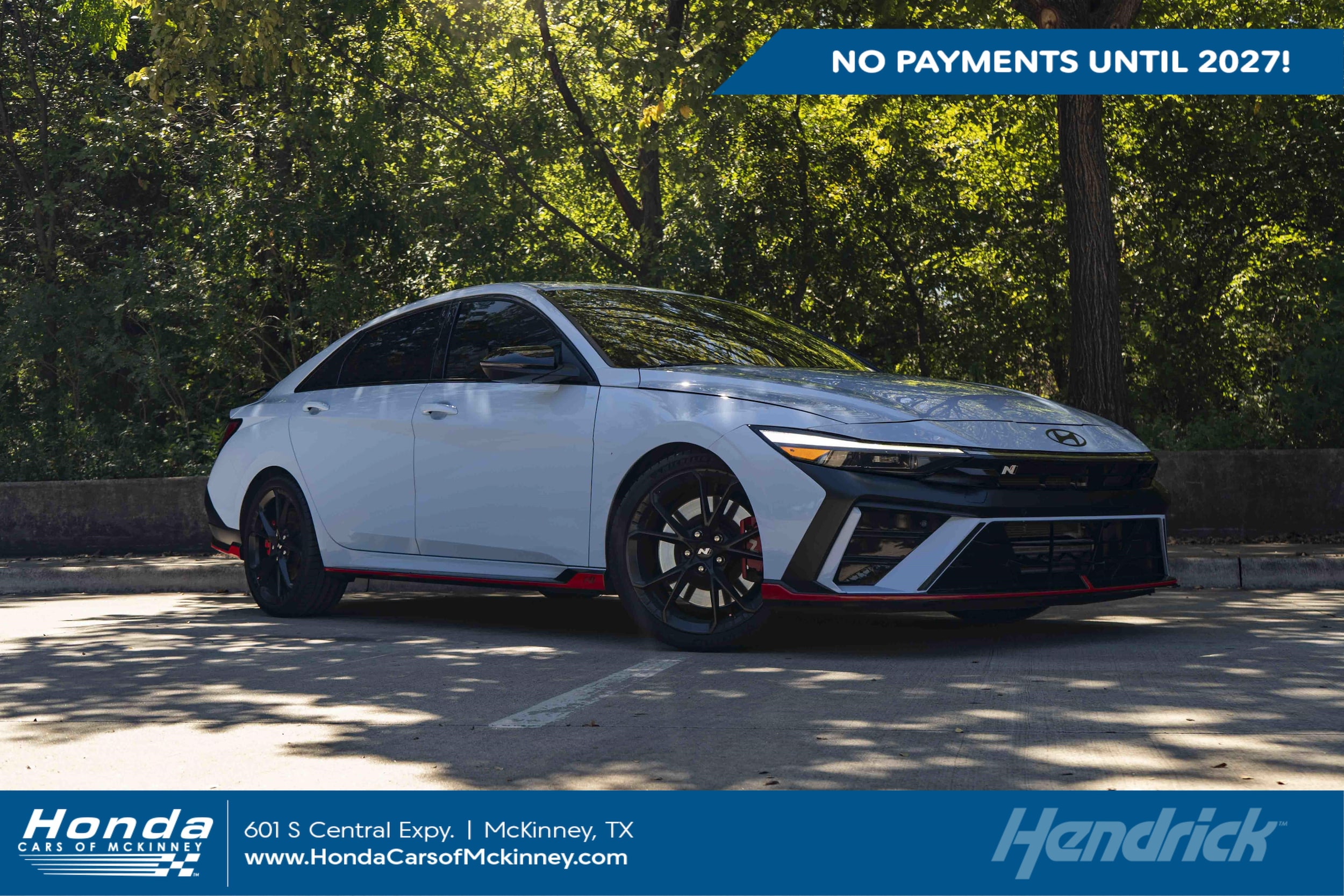
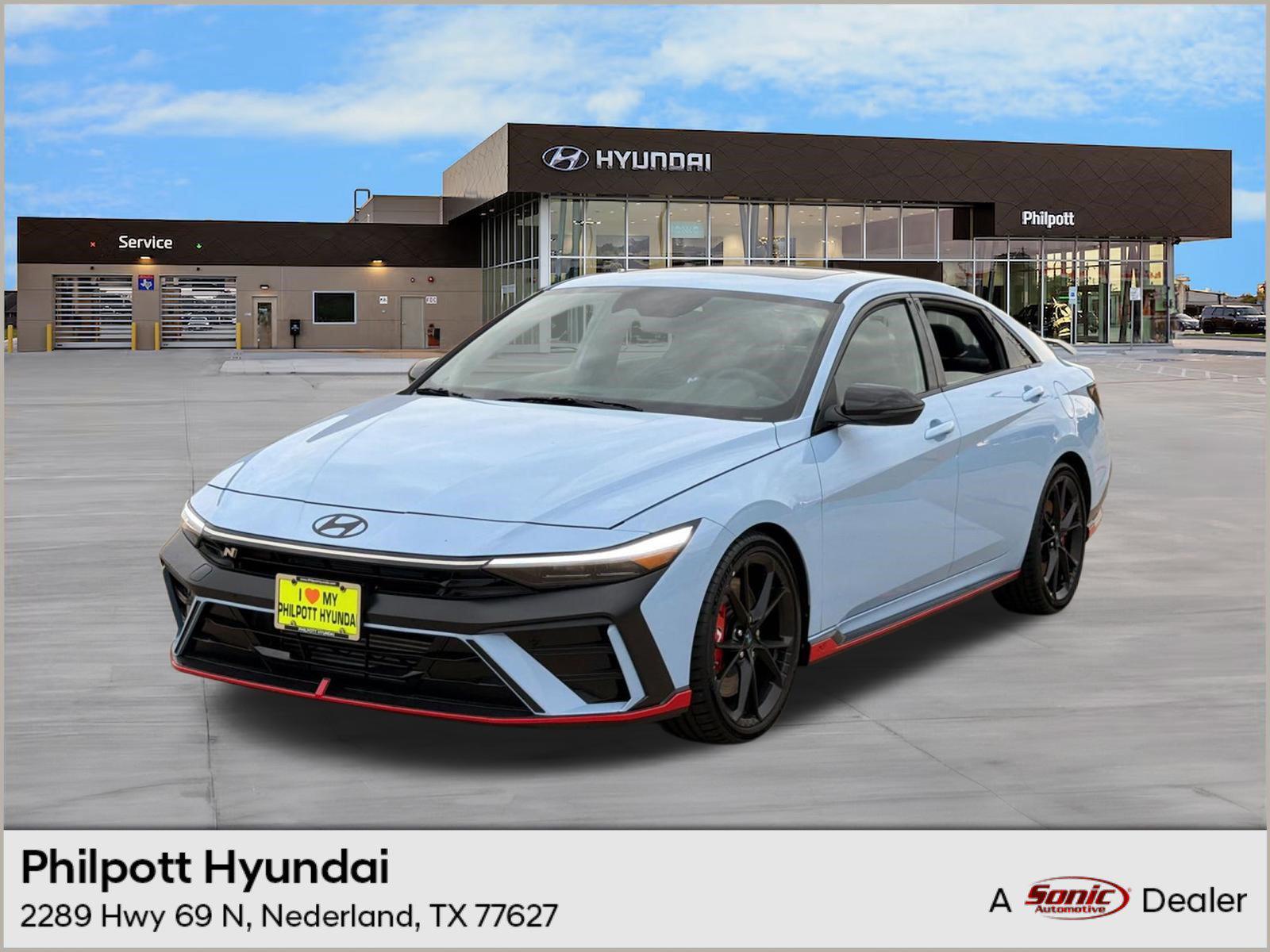
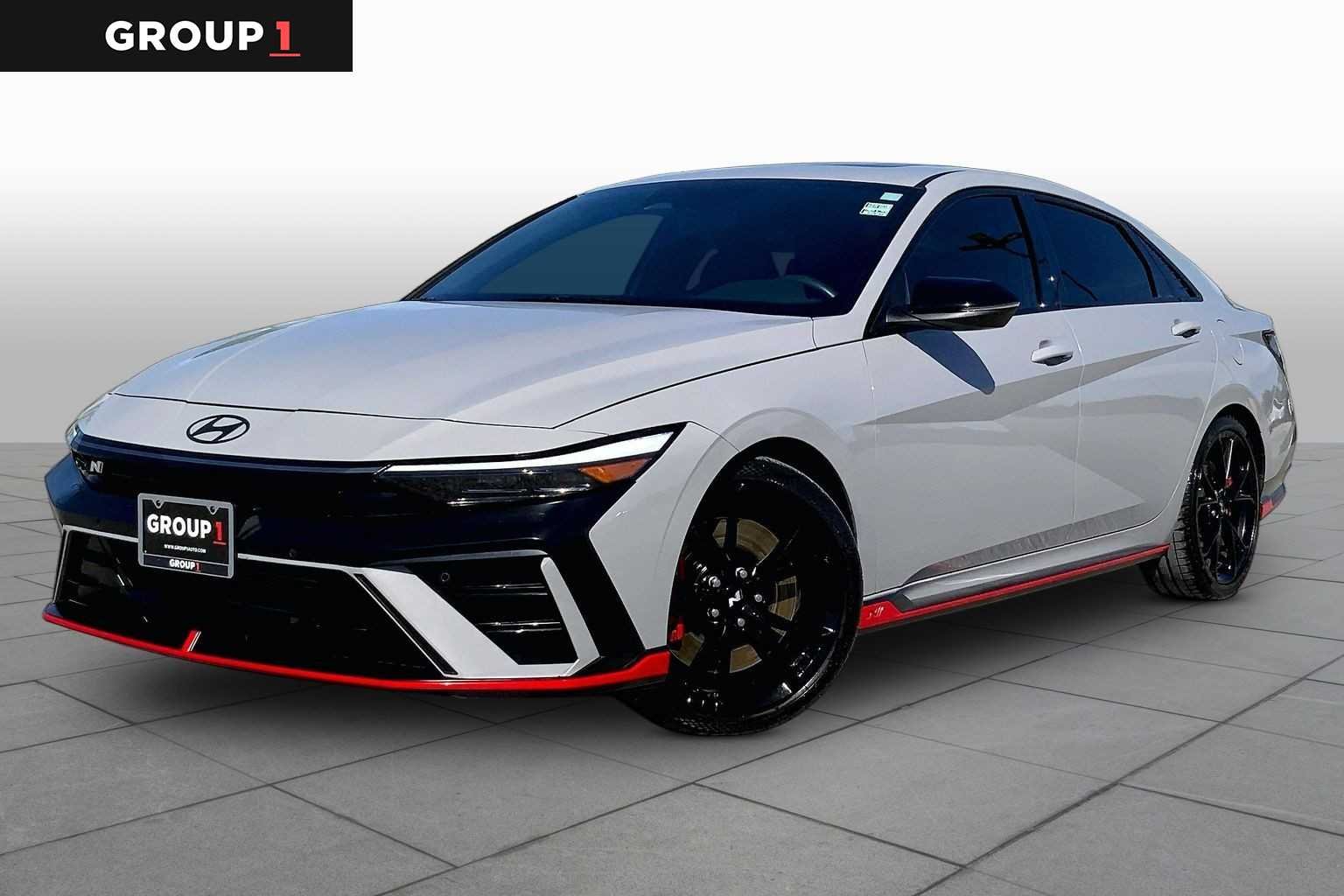
gasoline, automatic, 16K km, sedan, Front Wheels Drive, 2,000 cm3, 276 hp, grey, 2.0L 4 Cylinder Engine, Used condition, USA, In stock

Group1Auto.com
 Southwest, United States
 Southwest, United States
 Charlotte, United StatesGreenville, United States
 United States
 United States
 United States
 United States
 United StatesMcKinney, United StatesNederland, United States
 Iksan-si, South Korea
 South Korea
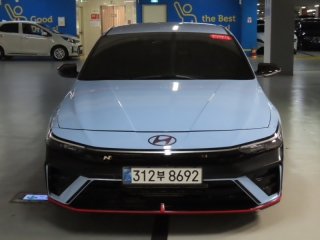
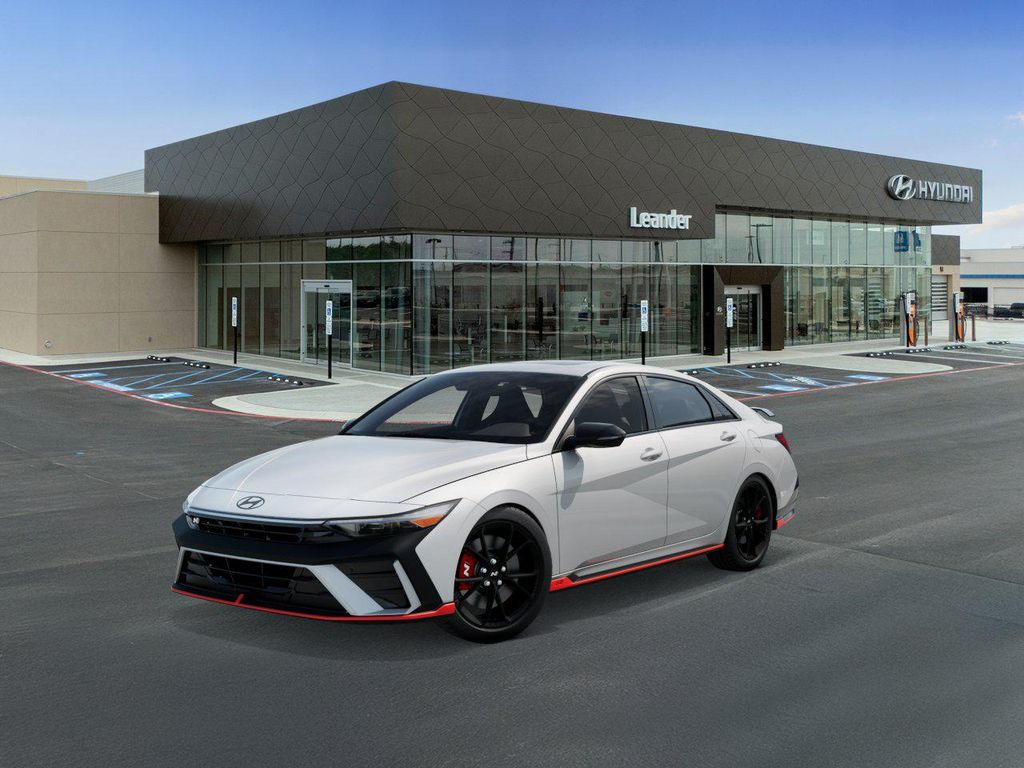
The Hyundai Elantra N is a high-performance compact sedan that appeals to enthusiasts seeking a sporty ride with everyday practicality. If you’re considering buying or selling this model, it helps to understand its key traits across generations, common configurations, and what matters most to buyers in today’s market. Below you’ll find practical guidance on evaluating a Hyundai Elantra N, with attention to year, mileage, price ranges, fuel type, and body style suited to different cities and countries.
When evaluating an Elantra N, buyers typically focus on the latest generation features, engine options, and maintenance history. Common questions include which engine delivers the best balance of performance and reliability, how mileage affects price, and which color or trim level commands a premium. Look for:
Price ranges for the Hyundai Elantra N can vary by country, city, year, and mileage. Buyers often ask:
To gauge value, compare similar listings by year, mileage, and condition within your region. In some markets, newer generations with refreshed styling and updated tech can fetch a premium, while older editions may appeal to enthusiasts seeking a deal. Always verify maintenance records, any accident history, and whether the car includes original parts and documentation.
If you’re selling, present a clear, honest picture of the car:
The Elantra N balances performance with practicality, appealing to buyers who want a nimble daily driver with track-ready dynamics. In markets with a strong automotive culture, this model can attract enthusiasts who value precise steering, turbocharged power, and a distinct sporty character in a compact sedan. Whether you’re choosing a specific year and generation or aiming to sell for a competitive price, understanding local demand, maintenance history, and the model’s available configurations will help you make smarter decisions.
 Add as preferred sourceSee more from zvelta in Google Search Add as preferred source