EN
EN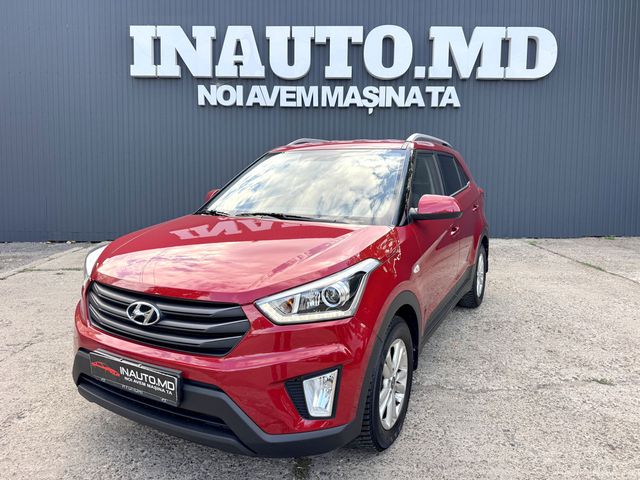
14.578 US$
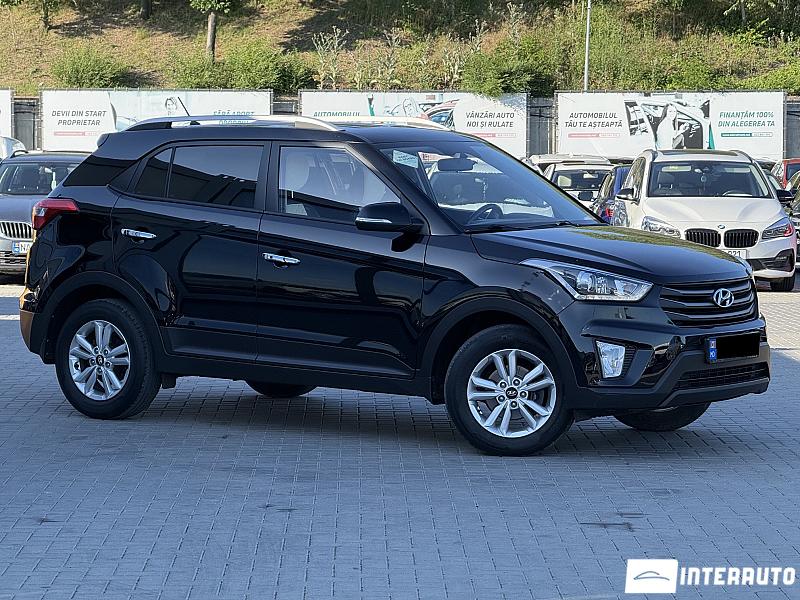
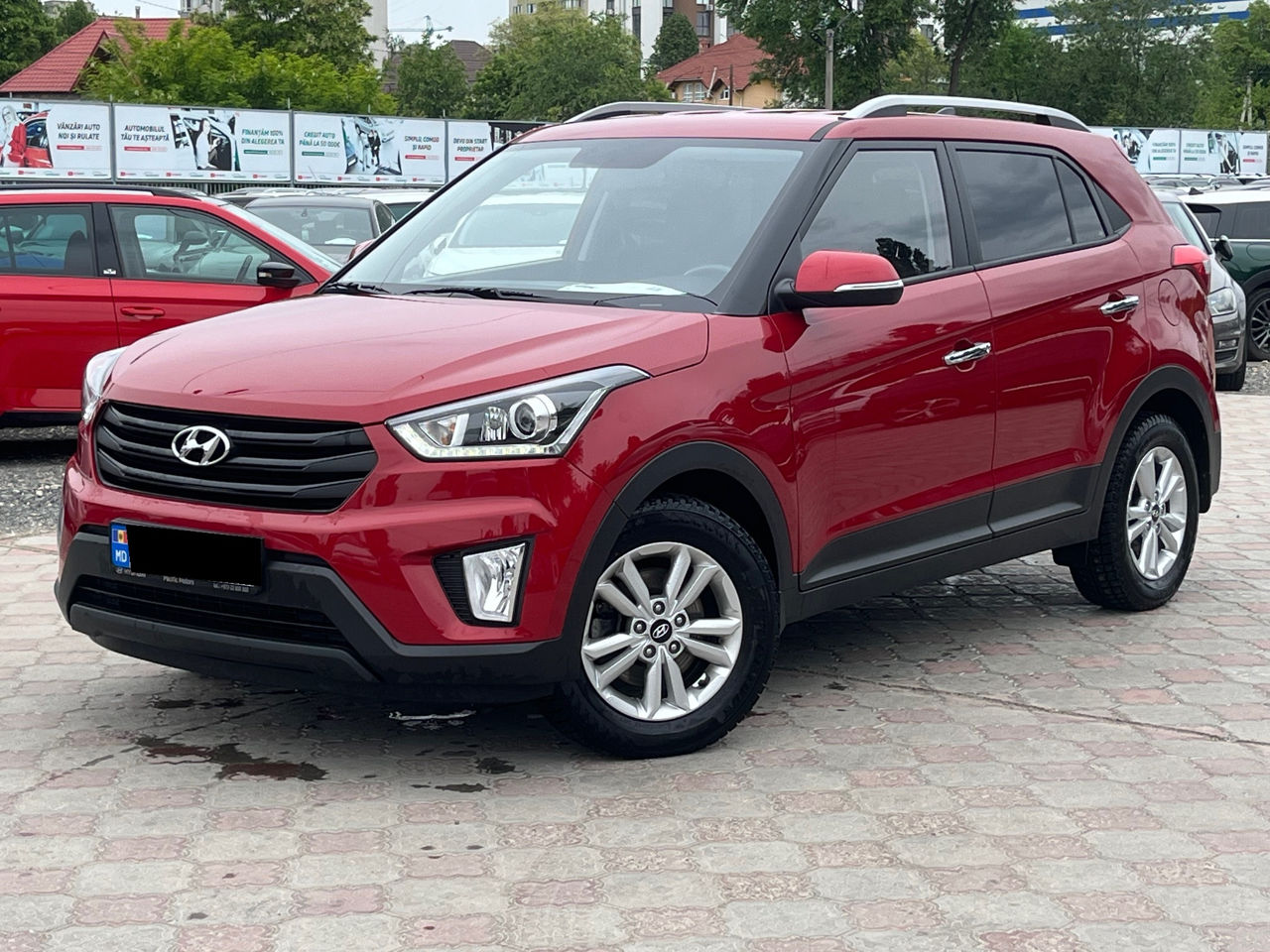
gasoline, automatic, 44K km, SUV, Front Wheels Drive, 1,600 cm3, red, In stock

InAuto.md
 Moldova
 Moldova
 MoldovaRîşcani, Moldova
 Kazakhstan
 United Arab Emirates, DubaiUnited Arab Emirates, Dubai
When you’re in the market for a Hyundai Creta, you’re looking at a compact SUV with a practical balance of space, efficiency, and value. Whether you’re buying new or used, understanding the key details of each generation helps you find the right fit for city driving or weekend trips. In this guide, we’ll cover what to look for by year, mileage, and fuel type, and how to compare trim levels and price ranges in different markets.
The Creta has evolved through several generations, offering a mix of petrol and diesel engines, with a choice of manual or automatic transmissions. Common body types include a compact SUV silhouette that’s easy to maneuver in urban settings and roomy enough for family trips. When evaluating a Creta, pay attention to: compartment space, boot capacity, ride quality, fuel economy, and the availability of safety features.
Prices for Hyundai Creta models vary by country, city, year, and mileage. In urban centers you might find newer or well-kept Creta models in the mid-range price segment, while older generations enter the value or budget segments. Compare listings that show a known service history and verified ownership documents. If you’re selling, setting a competitive price often depends on the car’s condition, service records, and whether recent maintenance items (like tires or brakes) have been updated.
Whether you’re aiming to buy a Hyundai Creta in a bustling city or a quieter town, focusing on mileage, service records, and the specific generation will help you pick the best option. Start by narrowing to a preferred year range and engine type, then compare a few candidates side by side to see which Creta offers the best value for your daily needs.
 Add as preferred sourceSee more from zvelta in Google Search Add as preferred source