 EN
ENDEALER
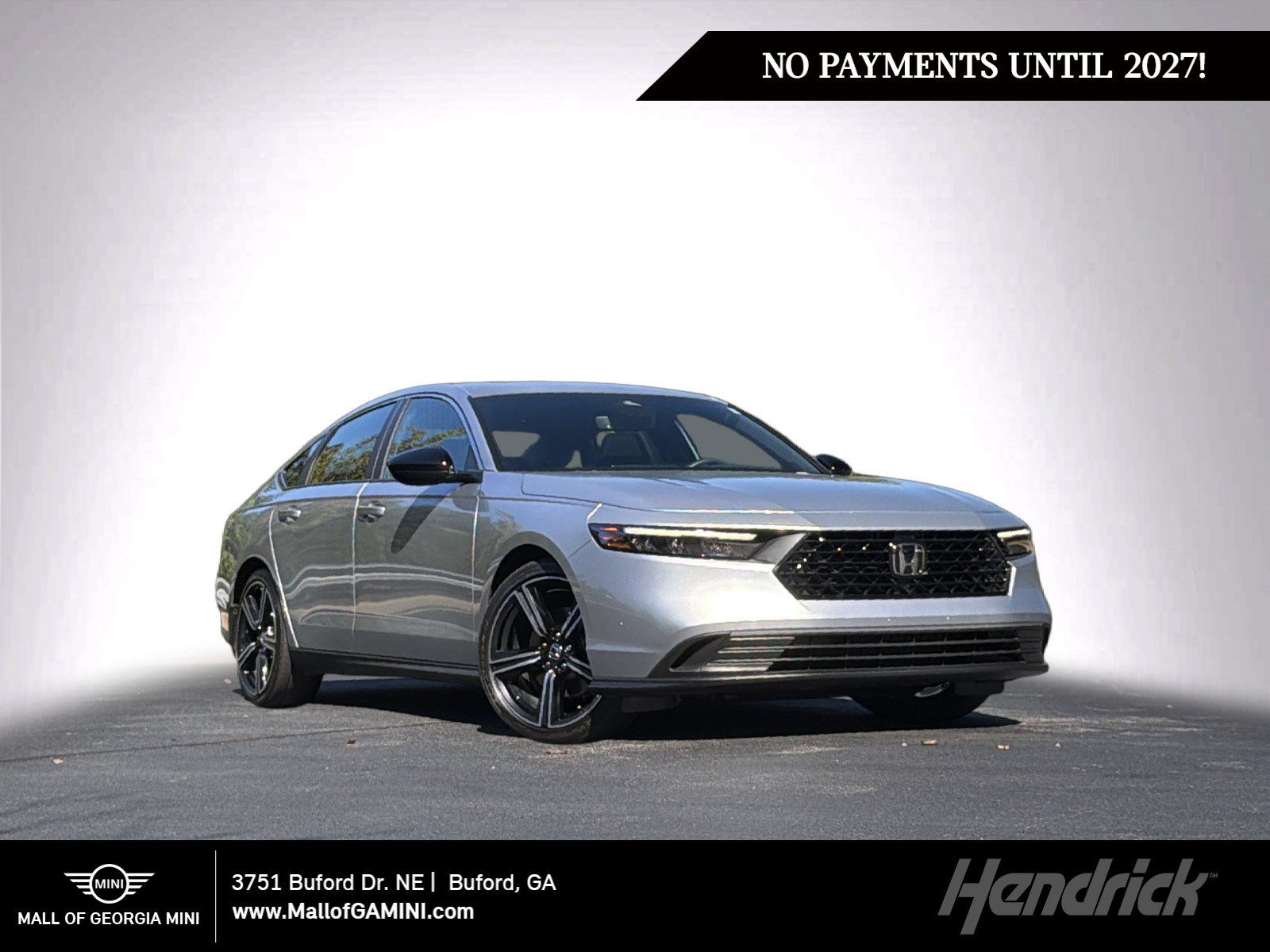
31.937 US$DEALER
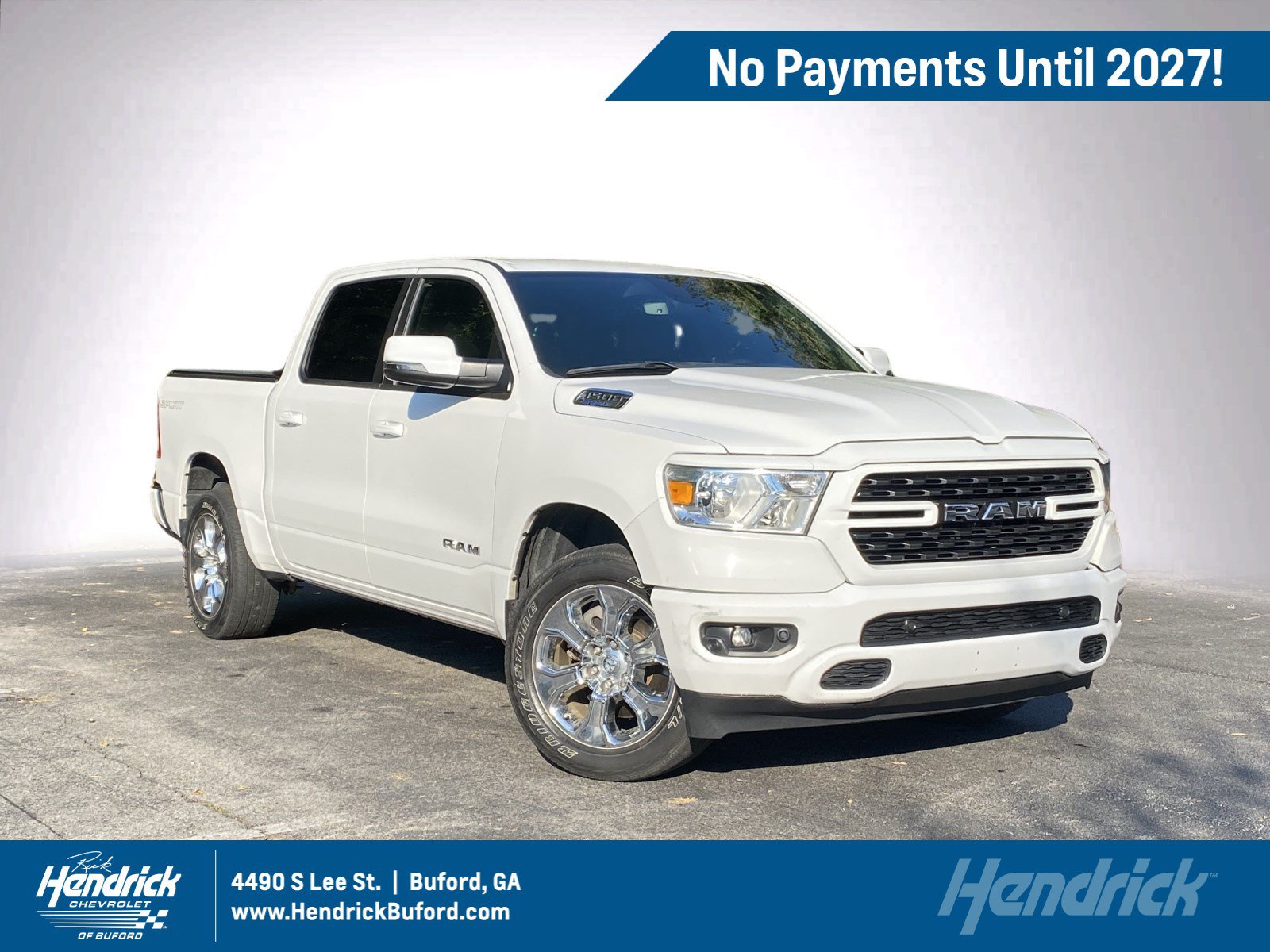
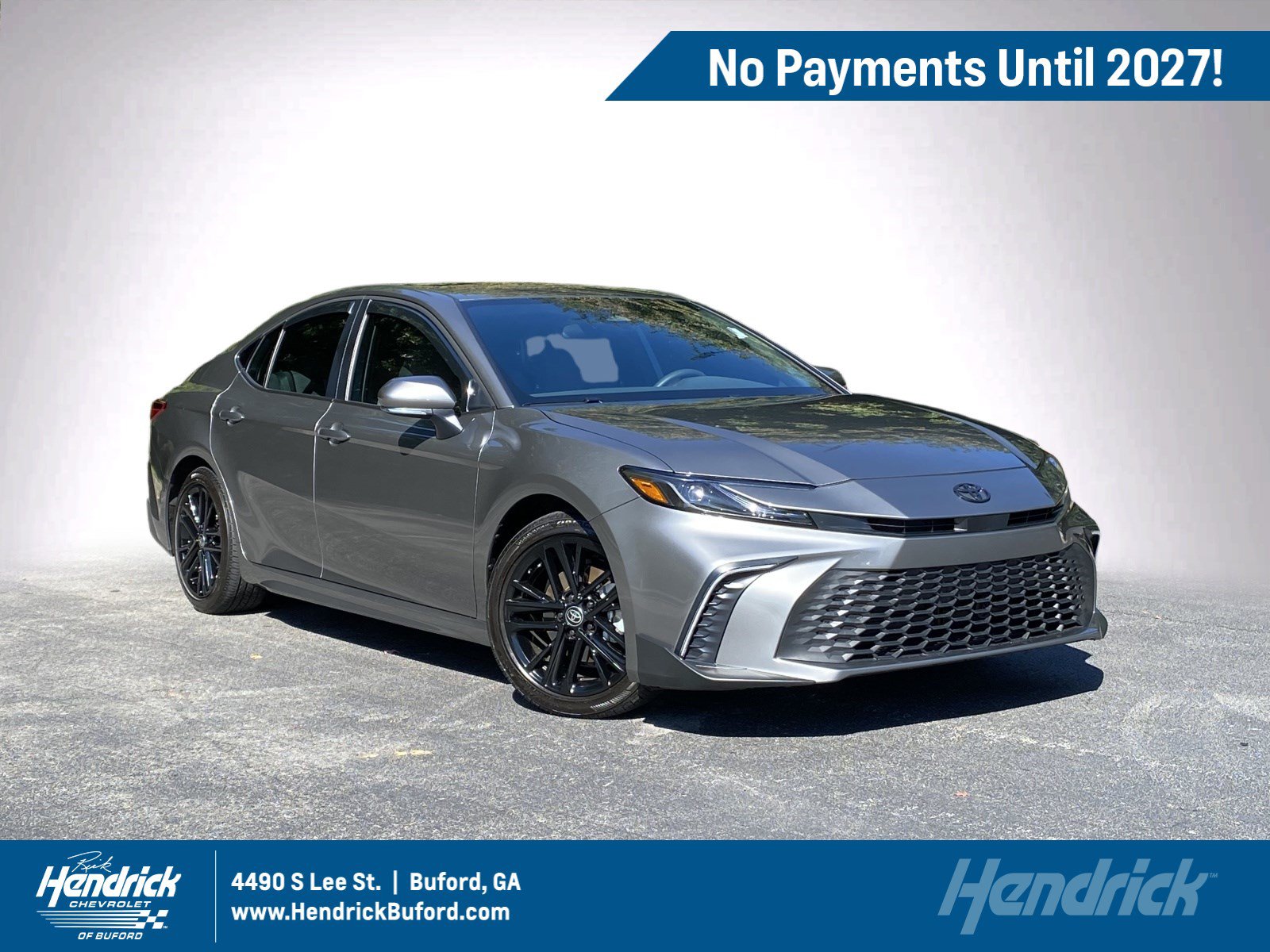
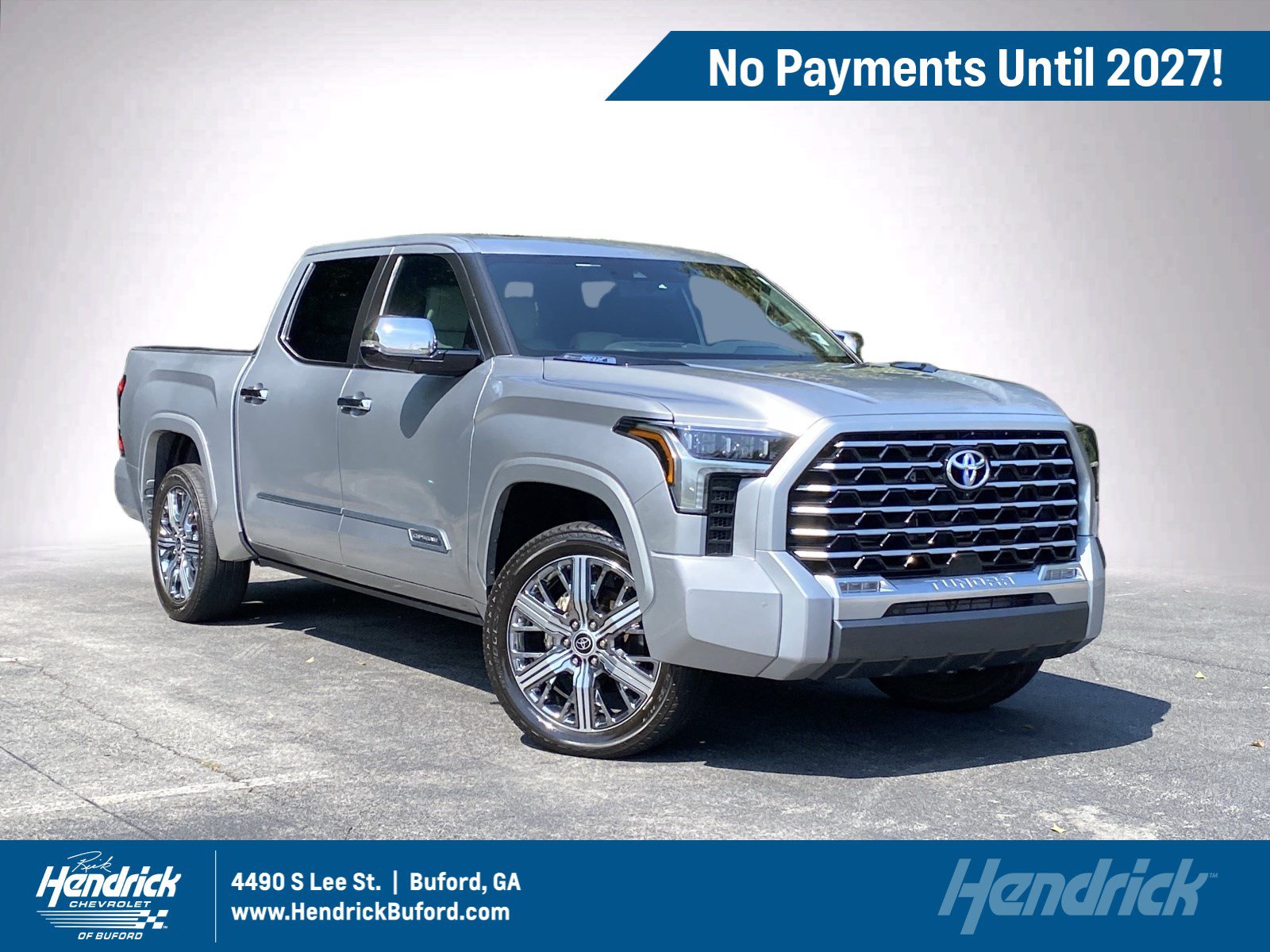
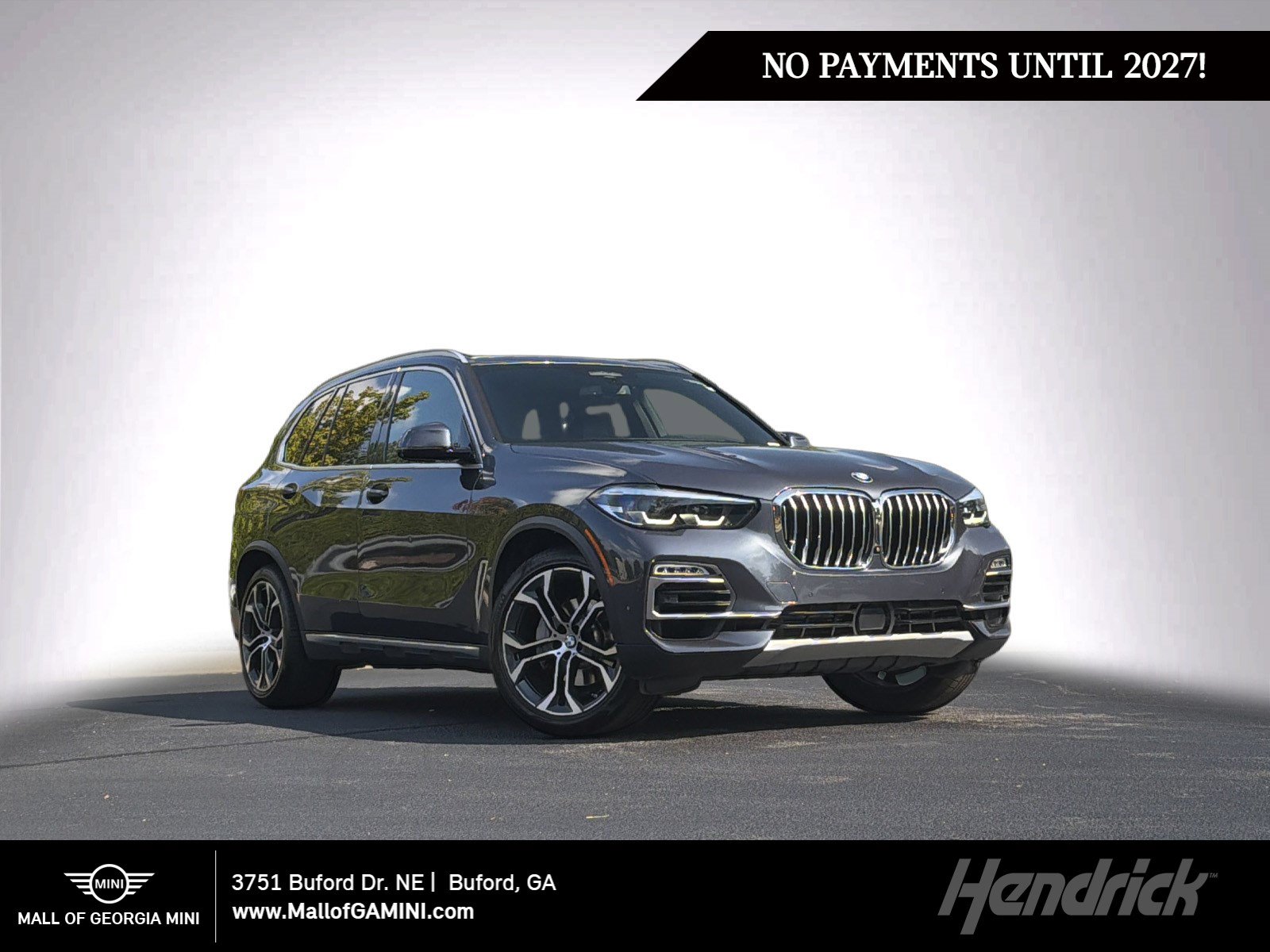
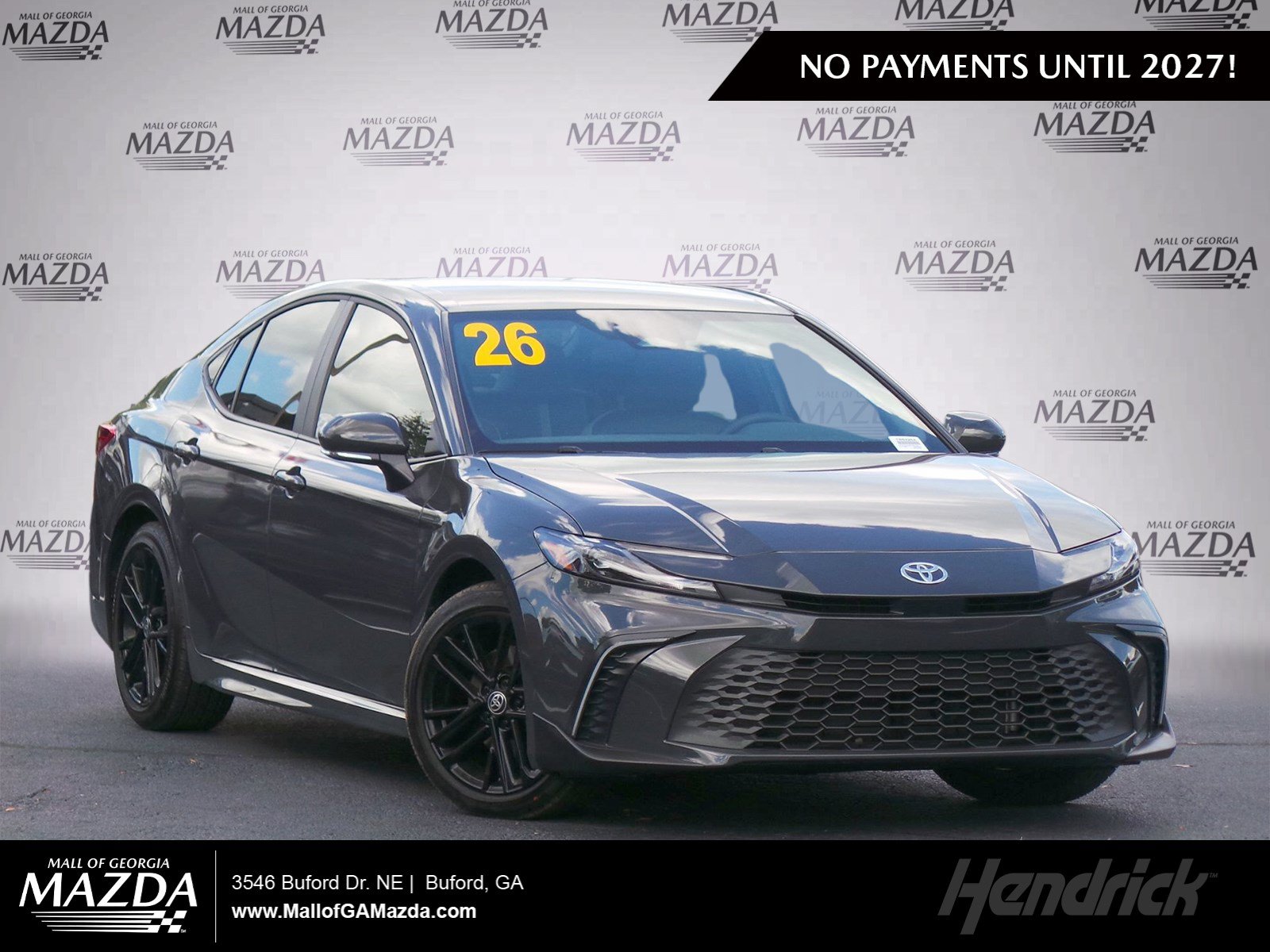
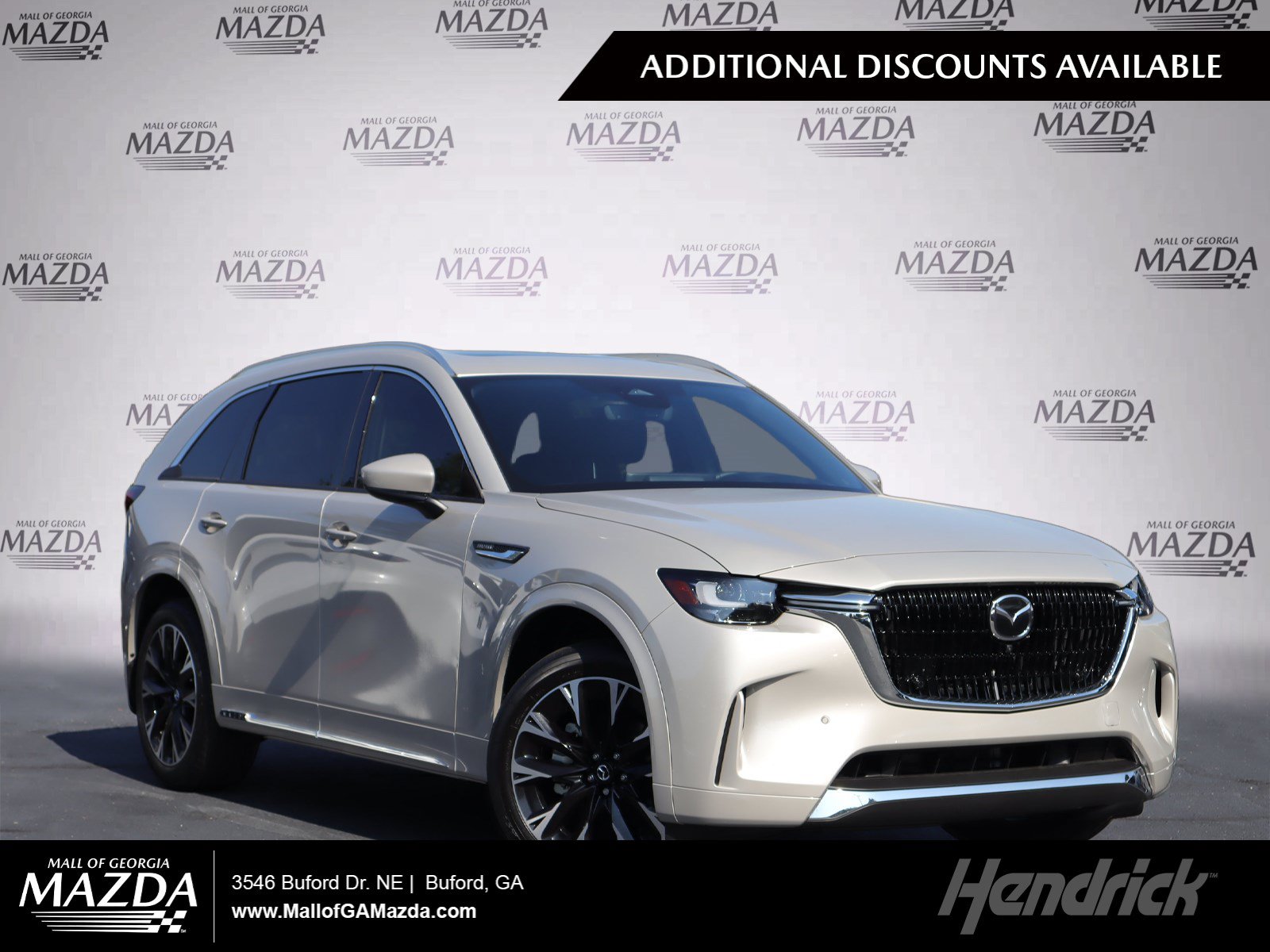
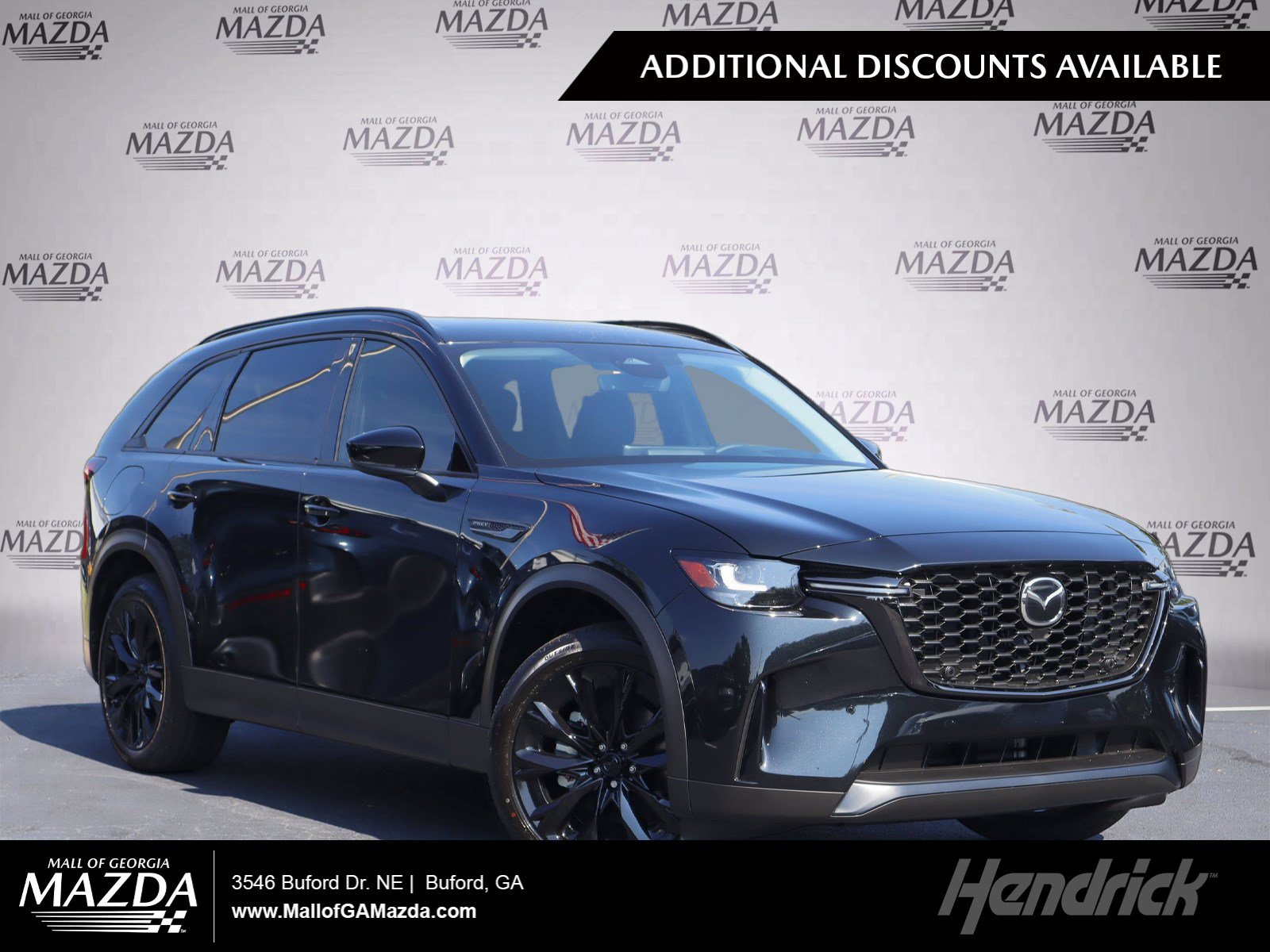
automatic, 16K km, sedan, Front Wheels Drive, 2,000 cm3, 146 hp, silver, Used condition, USA, In stock

HendrickCars.com
 Buford, United StatesBuford, United StatesBuford, United StatesBuford, United StatesBuford, United StatesBuford, United StatesBuford, United StatesBuford, United StatesBuford, United StatesBuford, United StatesBuford, United StatesBuford, United StatesBuford, United StatesBuford, United StatesBuford, United StatesBuford, United StatesBuford, United StatesBuford, United StatesBuford, United StatesBuford, United StatesBuford, United StatesBuford, United StatesBuford, United StatesBuford, United StatesBuford, United StatesBuford, United States
Hybrid cars combine electric motor efficiency with a gasoline engine, offering lower fuel costs and reduced emissions. When you’re in the market for a hybrid, you’ll want to consider brand, model, generation, and body type to match your daily driving needs. Whether you’re eyeing a compact hatchback, a midsize sedan, or a versatile SUV, the key is to assess how the hybrid system fits your city commute, highway trips, and occasional long drives. In this guide we explore how to choose the right hybrid, compare popular models by year and mileage, and prepare your car for sale in different markets.
Hybrid options vary by fuel mix, battery size, and motor configuration. Common setups include self-charging hybrids with a combined output from the petrol engine and electric motors, and plug-in hybrids (PHEVs) that allow some electric-only range before the gasoline engine engages. When comparing models, pay attention to:
In urban centers with stricter emission norms, hybrids often attract higher resale values and lower ownership costs. When shopping, consider:
If you’re selling a hybrid, highlight maintenance history, battery health, and recent upgrades. Clean service records and up-to-date recalls help build buyer confidence. In many markets, hybrids retain value due to strong fuel efficiency and lower emissions, making them attractive for both first-time buyers and fleet managers.
To compare hybrids effectively, list the models you’re interested in by year, mileage, price range, and expected maintenance. Consider:
Buying or selling in large cities often requires flexibility on delivery options and test drives. Arrange a test drive that covers stop-and-go traffic, highway overtakes, and smooth deceleration to evaluate the hybrid system’s responsiveness. For sellers, providing clear photos, battery health data, and a transparent service history may speed up negotiations.
 Add as preferred sourceSee more from zvelta in Google Search Add as preferred source