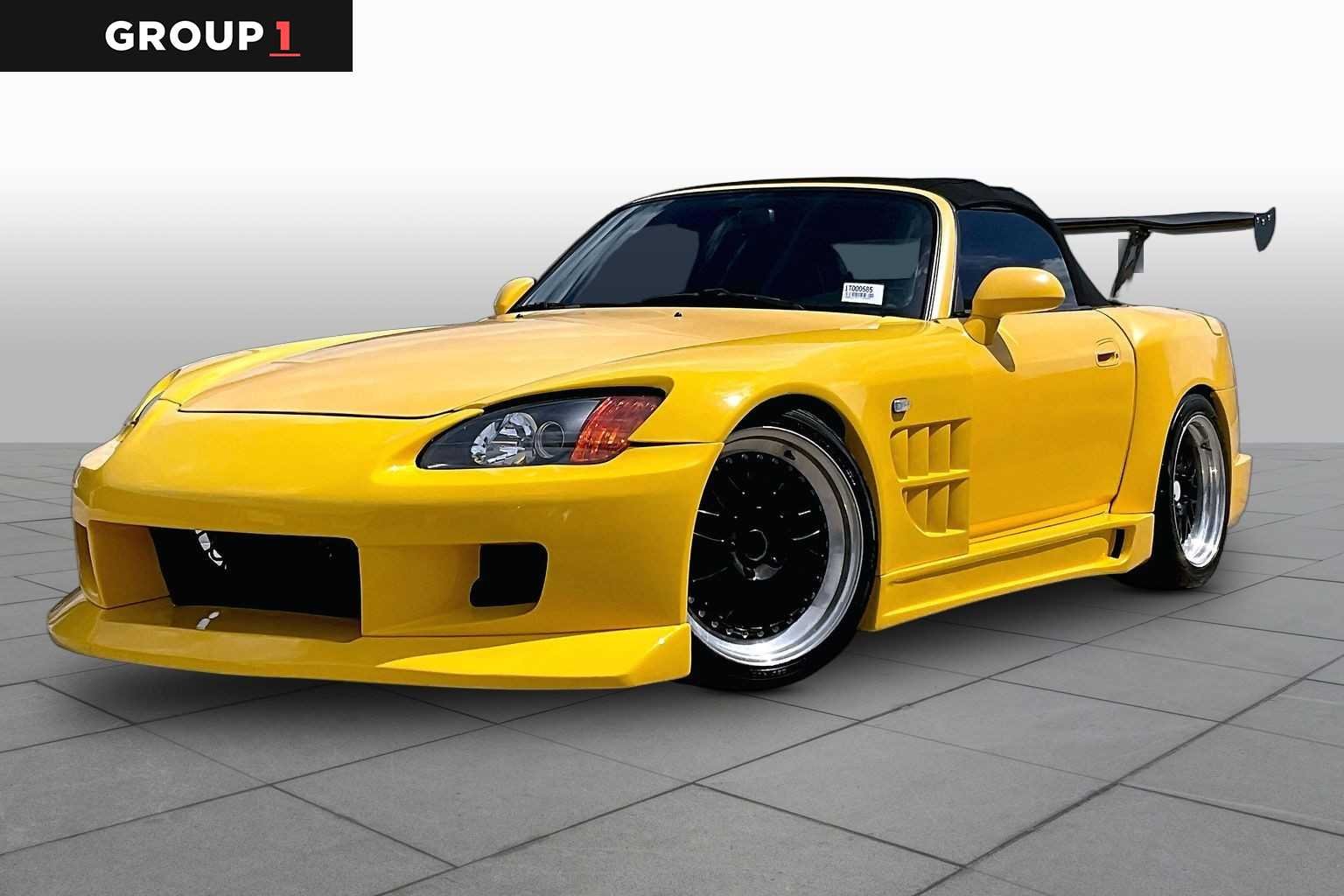
Finding a Honda S2000 that matches your driving goals requires clear decisions about generations, engines, and condition. Whether you’re buying for weekend fun, collecting a classic, or upgrading your current ride, a balanced approach helps you secure a fair price and a reliable car. This guide walks you through common questions buyers and sellers ask in major markets, including city-specific insights, typical mileage ranges, price segments, and what to expect from different configurations.
Understanding the Honda S2000 lineup
The Honda S2000 is best known for its high-revving naturally aspirated engine, precise manual transmission, and lightweight roadster stance. When scouting options, note the year range, model iterations, and mileage. Most buyers focus on the AP1 generation (early years) with a 2.0-liter F20C engine or the AP2 update, which improved suspension and torque. Body type is two-seat roadster, usually with a soft top, designed for spirited driving. If you’re shopping in urban areas in countries with active car markets, you’ll see a broad price spread based on condition, mileage, and originality.
What to look for when buying
- Engine and transmission: A well-maintained F20C or F20C-type engine with consistent oil changes and a smooth manual gearbox is essential.
- Rust and frame: Check the sills, underbody, and wheel arches for rust, especially in regions with moisture or road salt.
- Mileage and wear: S2000s under 100,000 km in good condition are common targets for enthusiasts; higher mileage can still be a good buy if the service history is complete.
- Originality: Fans value period-correct tires, wheels, gauges, and light cosmetic changes over time.
- Documentation: Verify service records, accident history, and any prior recalls or maintenance campaigns.
Generations, engines, and performance
- AP1 (1999–2003): 2.0-liter engine, high-revving nature, pure driver focus. Pros include classic vibe and rarity; cons can be higher maintenance costs as it ages.
- AP2 (2004–2009): 2.0-liter engine with refinements, more torque, improved chassis. Pros: more useable power; cons: higher prices for good examples.
- Pros and cons overview: The S2000 rewards precise steering and a hands-on driving feel, but it may demand more attention for aging components and rubber parts.
How to buy or sell in key markets
- Pricing: Expect a broad spectrum based on condition, mileage, and originality. A properly kept AP1 might fetch a premium in collector circles, while AP2 models appeal to daily drivers and enthusiasts alike.
- Inspection: Arrange a thorough mechanical inspection; verify timing belt history and cam timing where applicable. Listen for exhaust notes and check for any misfires.
- Negotiation: Buyers should be ready to justify price with documented maintenance; sellers benefit from clear records showing recent services and any upgrades or parts replacements.
Practical questions buyers ask
- What is a fair price range for a Honda S2000 today? Prices vary by generation, mileage, and condition, with pristine, low-mileage AP2s typically commanding higher figures than well-kept AP1 examples.
- Which engine is better for longevity and reliability? Both generations use the F-series 2.0-liter, known for smooth revving and responsibility with maintenance; regular oil changes and timing belt work are crucial.
- Is it worth paying more for a low-mileage car? Generally yes for collectors, but a well-documented higher-mileage car can still be a solid pick if it’s been cared for.
Whether you are buying for pure driving pleasure or building a small collection, understanding the S2000’s generations, maintenance needs, and market dynamics will help you navigate offers with confidence. This approach supports sellers too, who can present complete histories, verifiable mileage, and maintenance records to justify asking prices in competitive markets.