 EN
ENDEALER
30.948 US$DEALER
31.732 US$
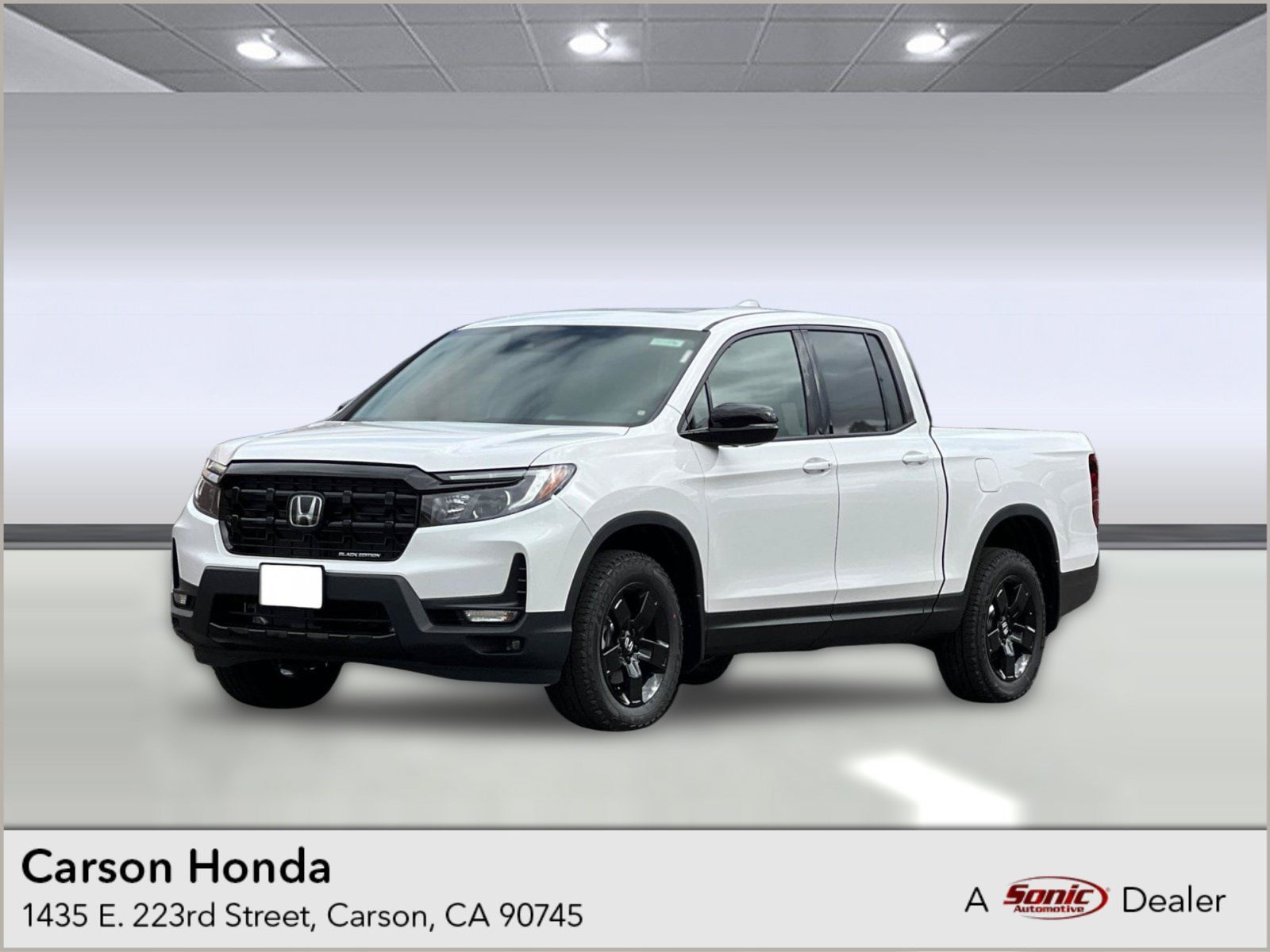
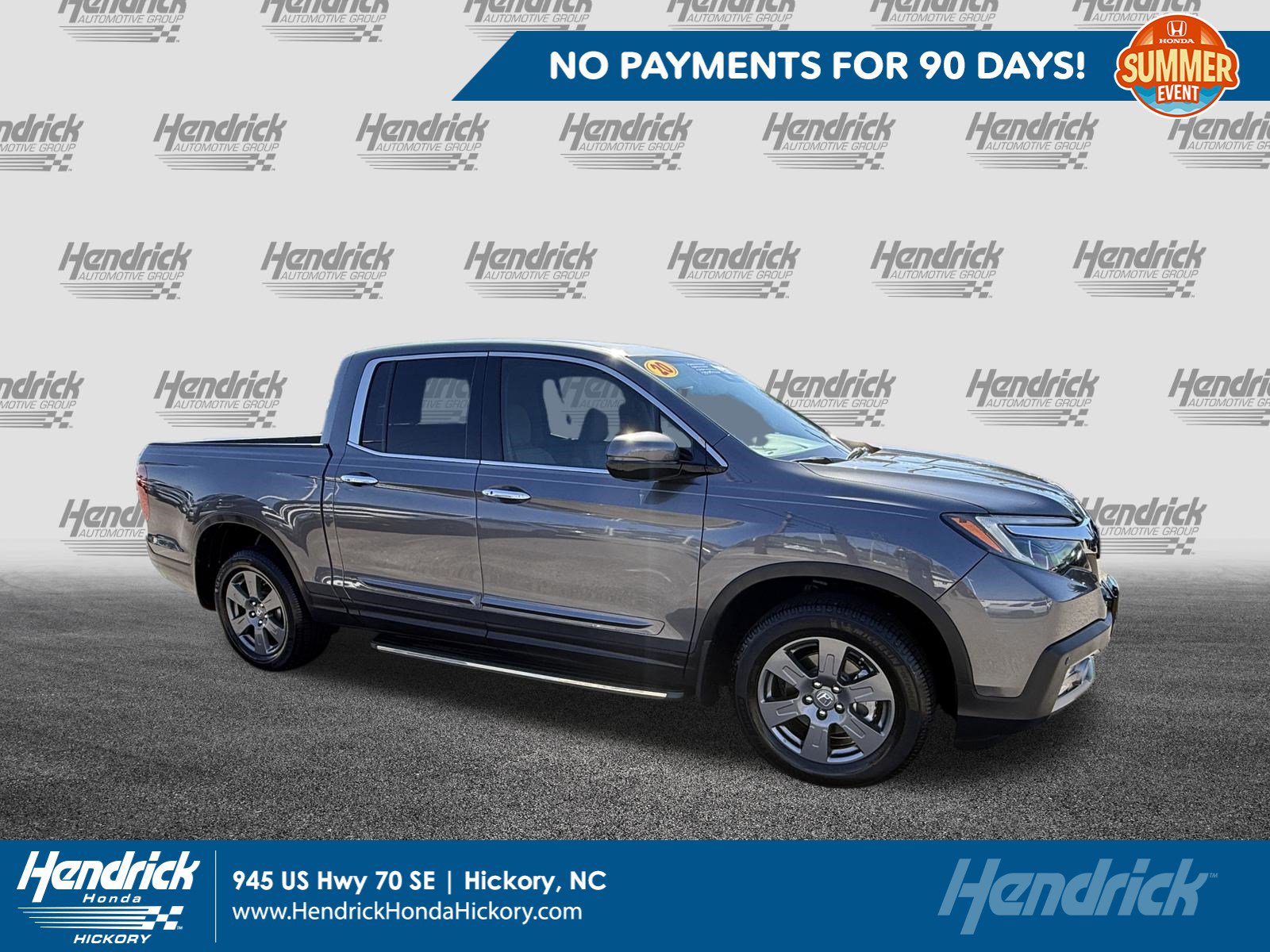
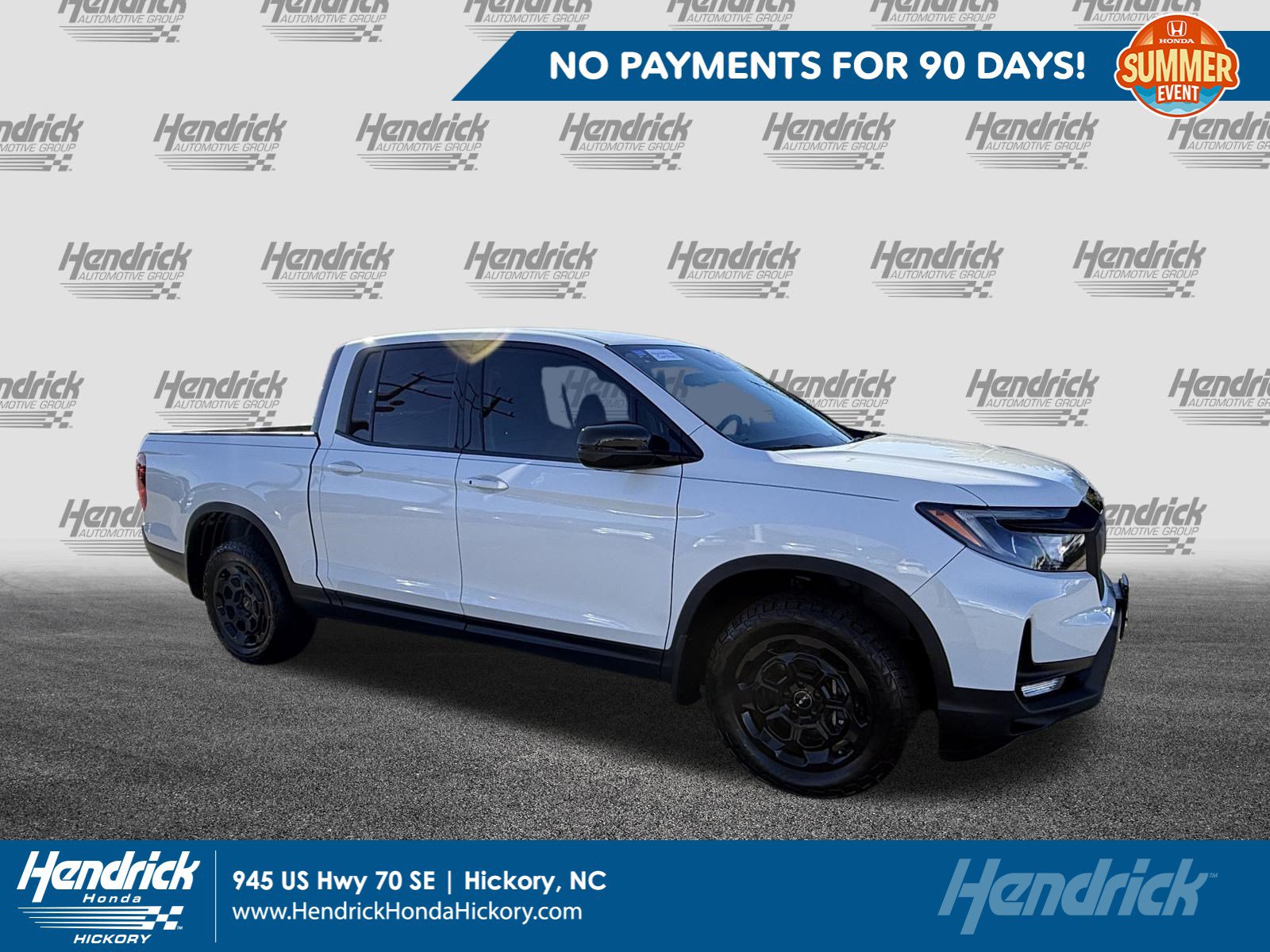
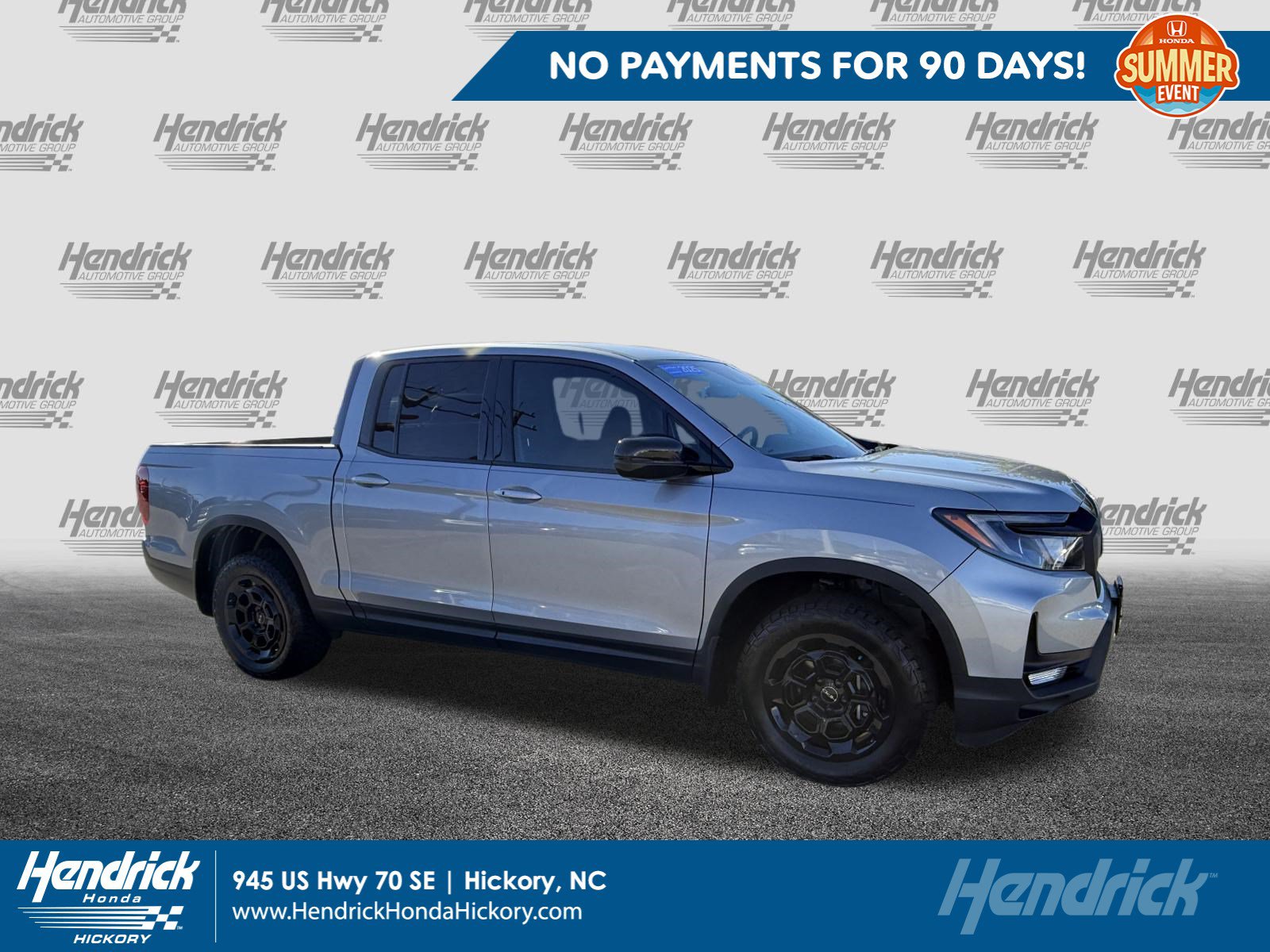
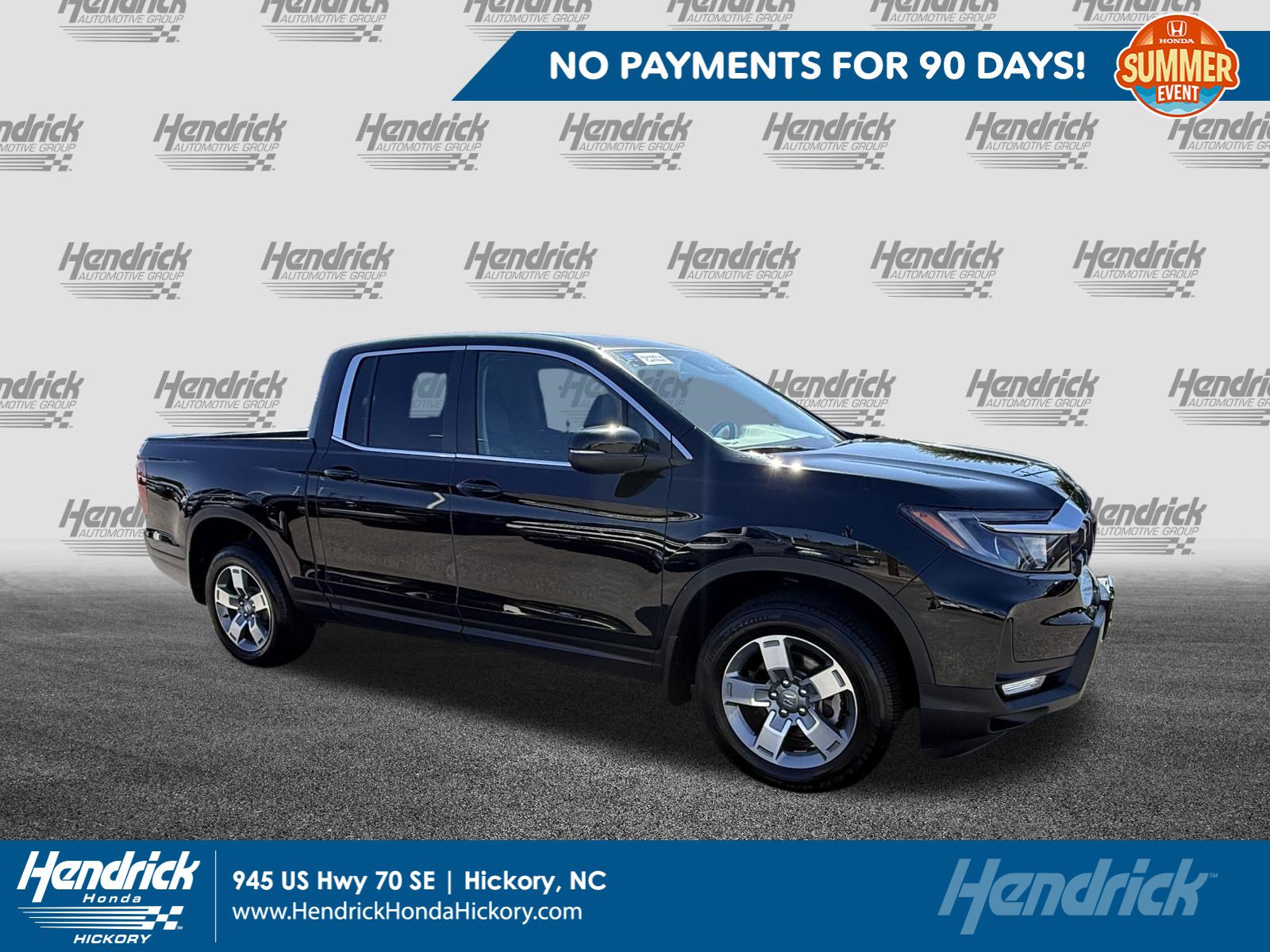
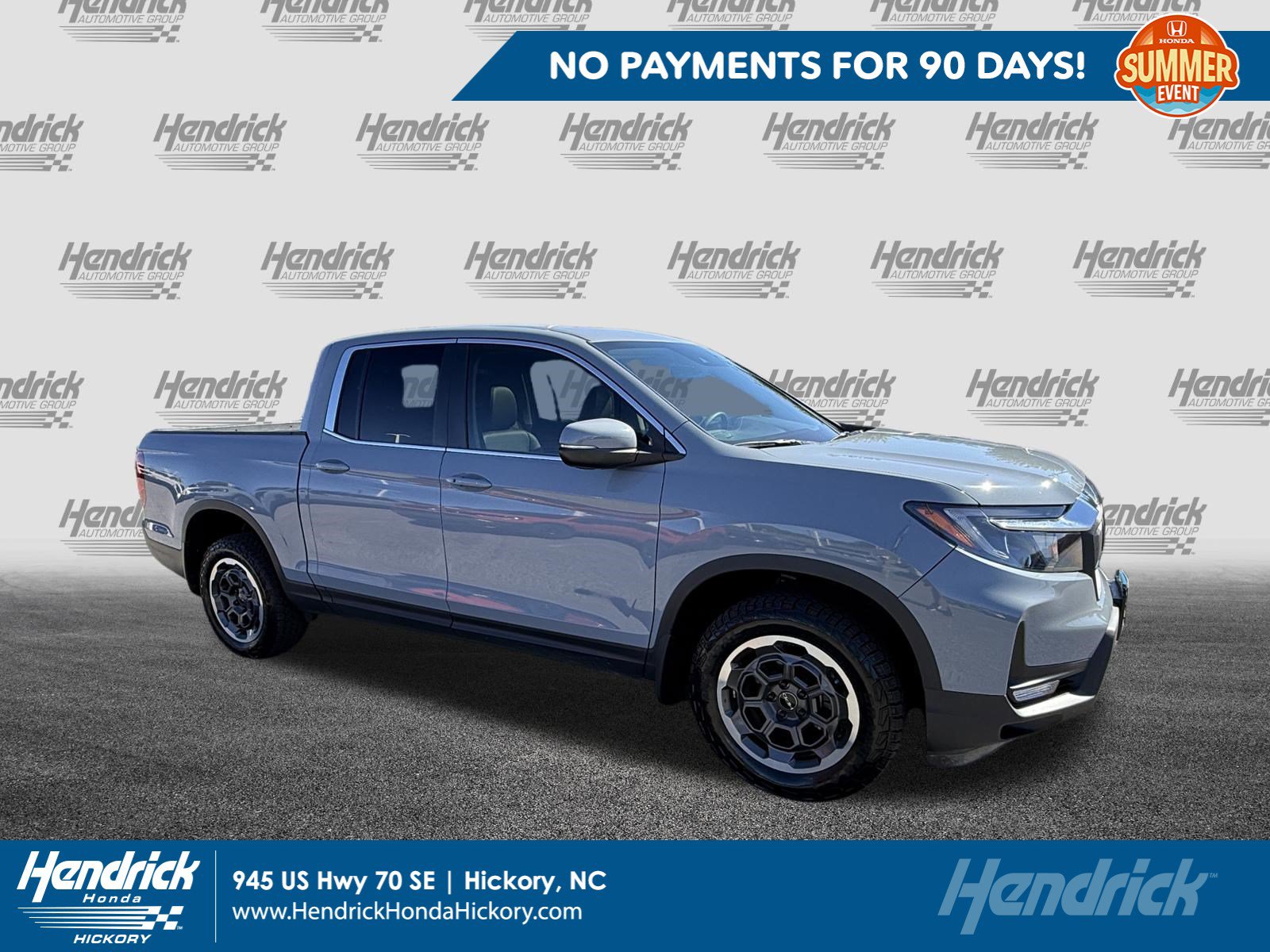
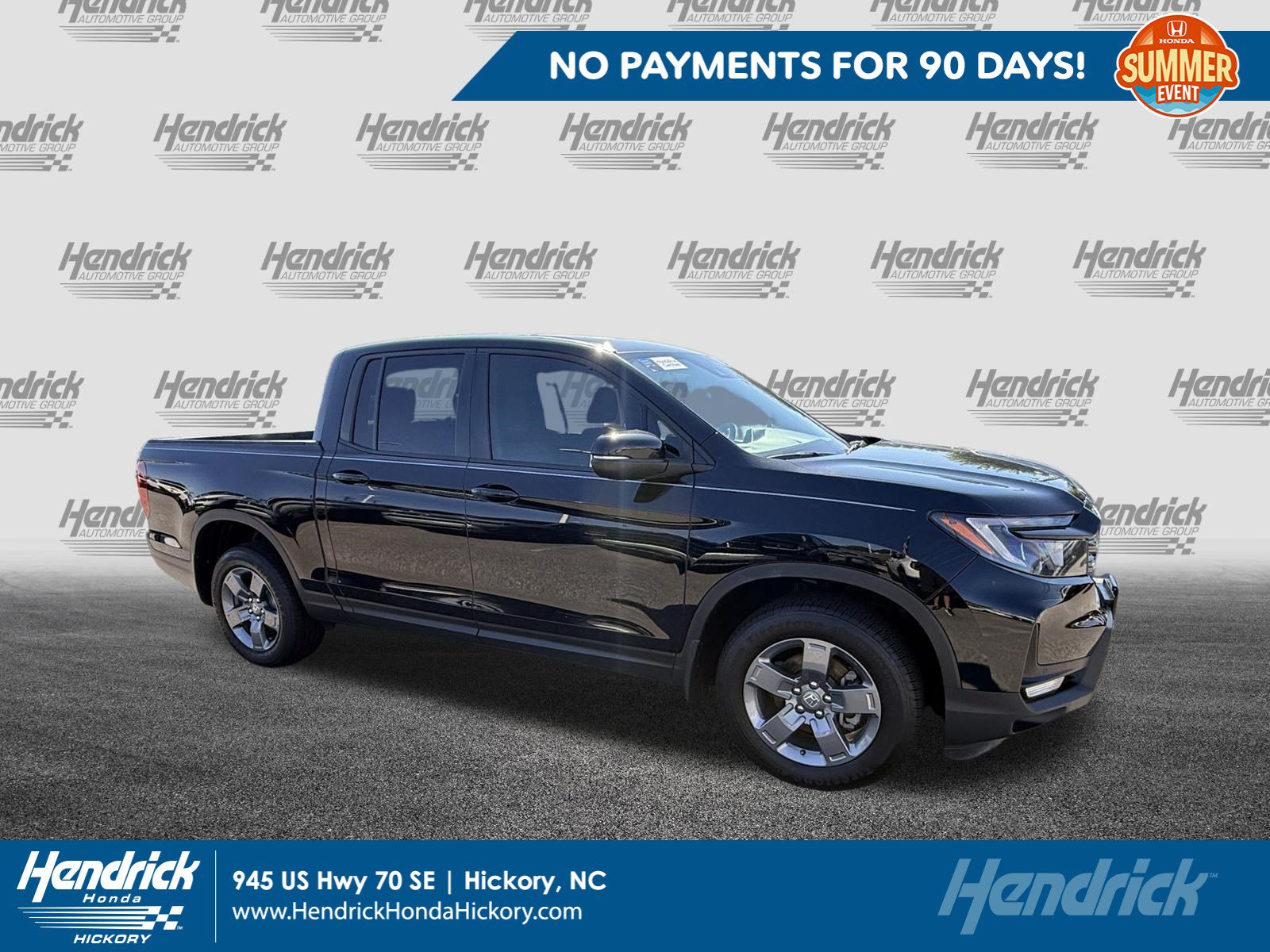
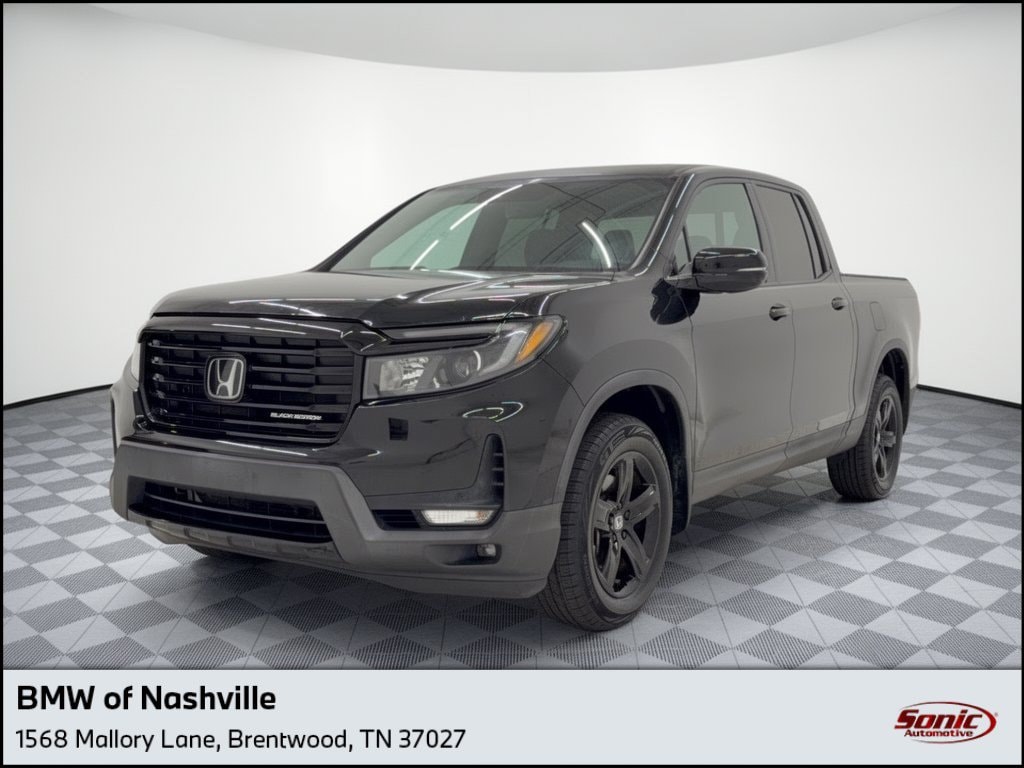
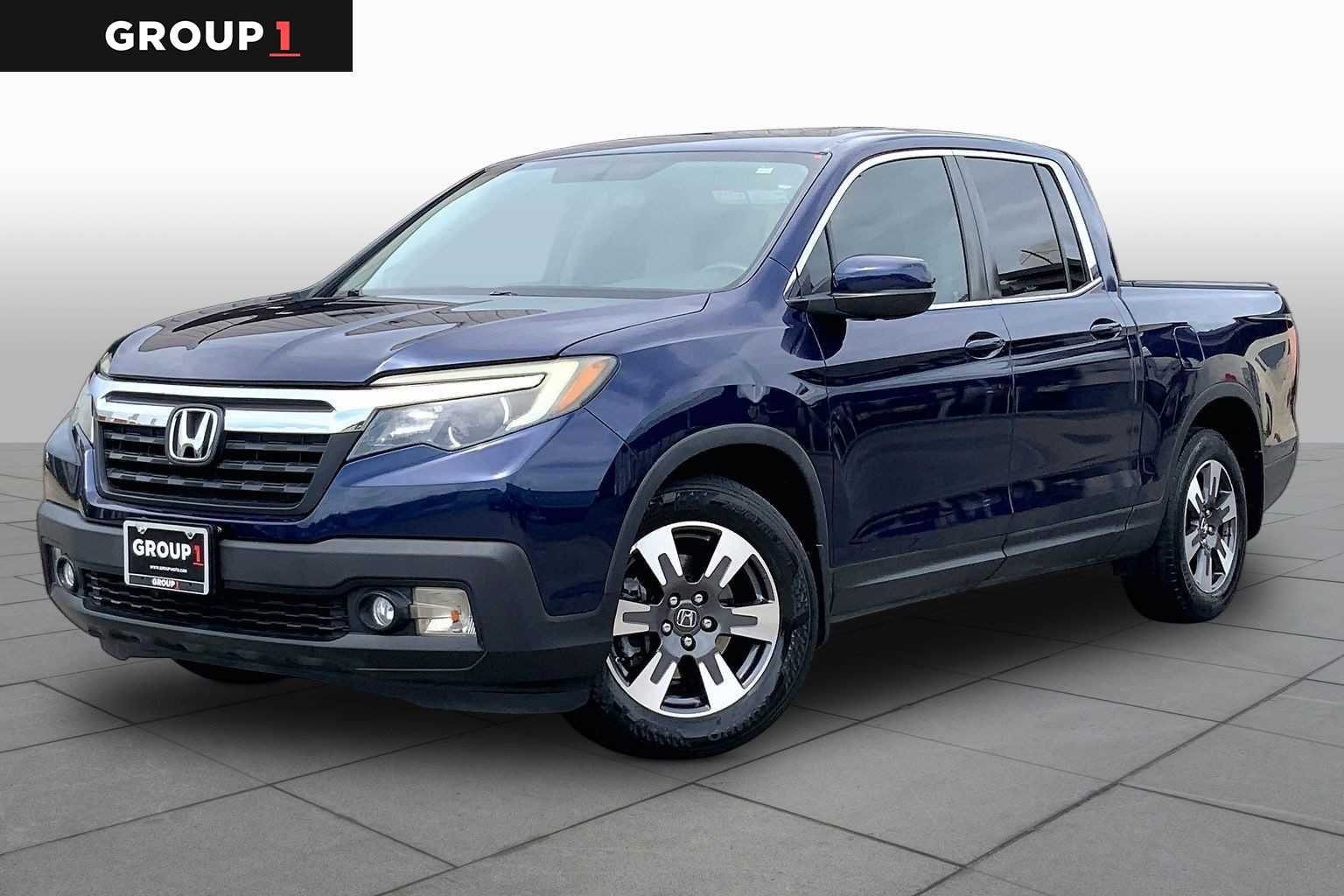
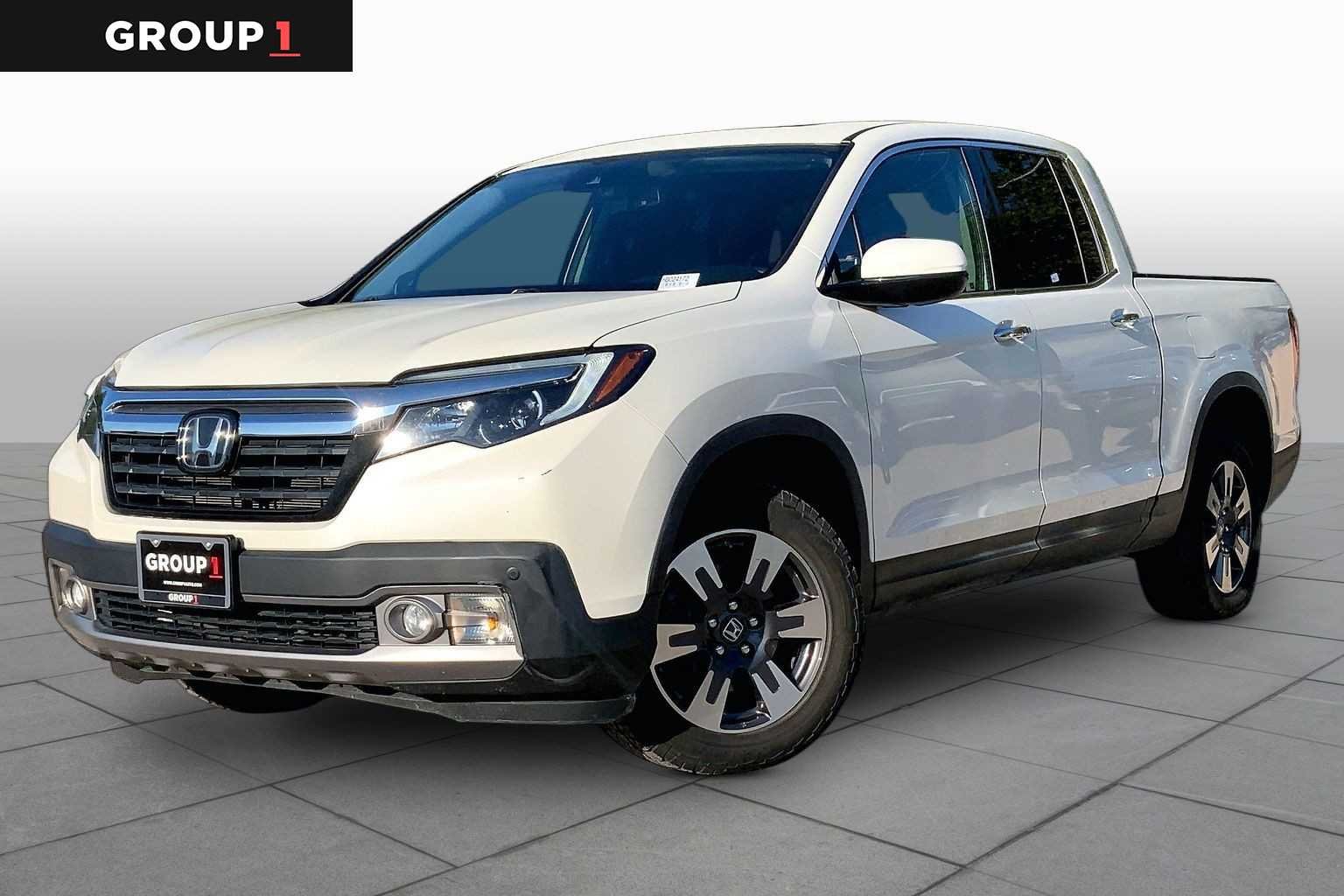
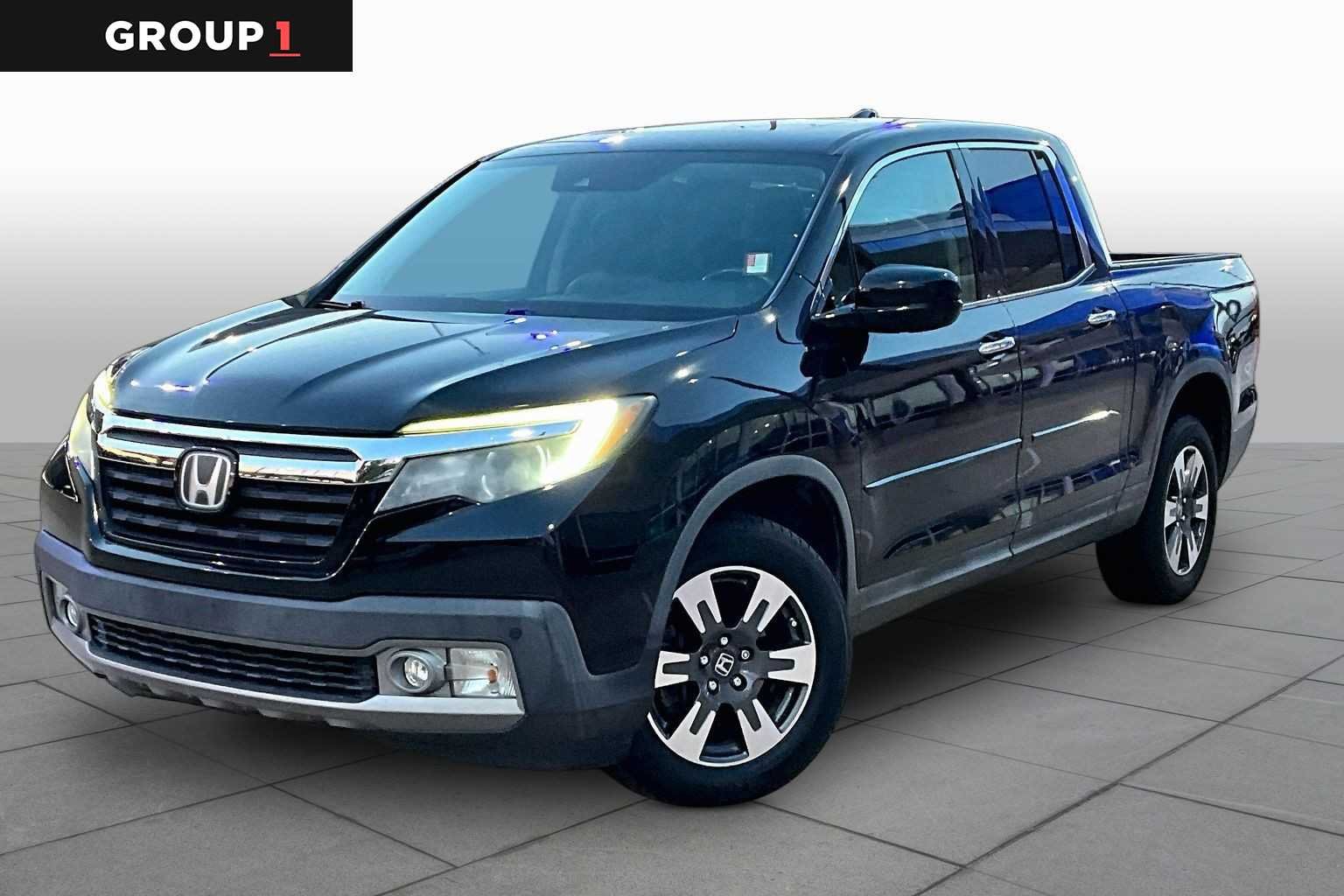
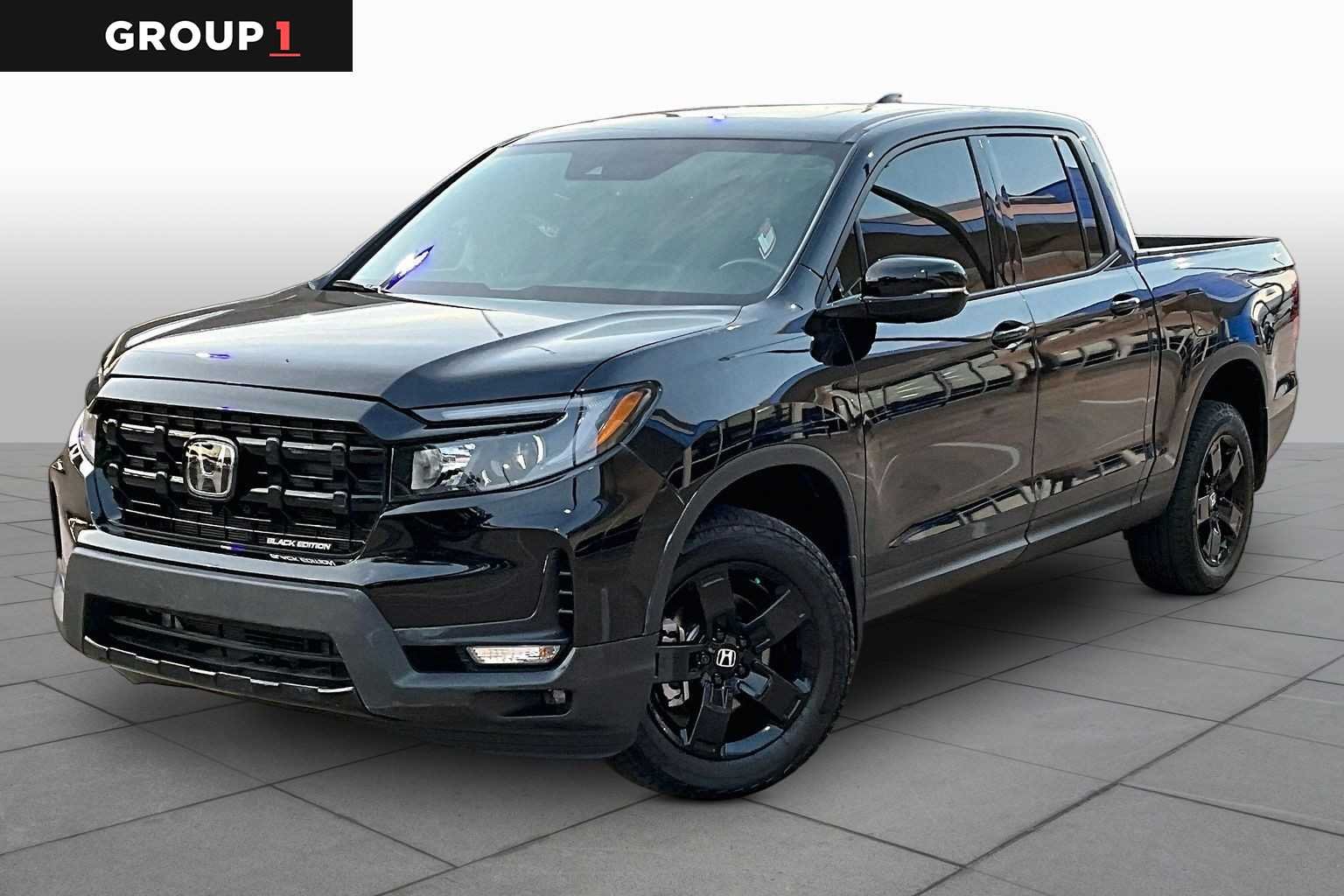
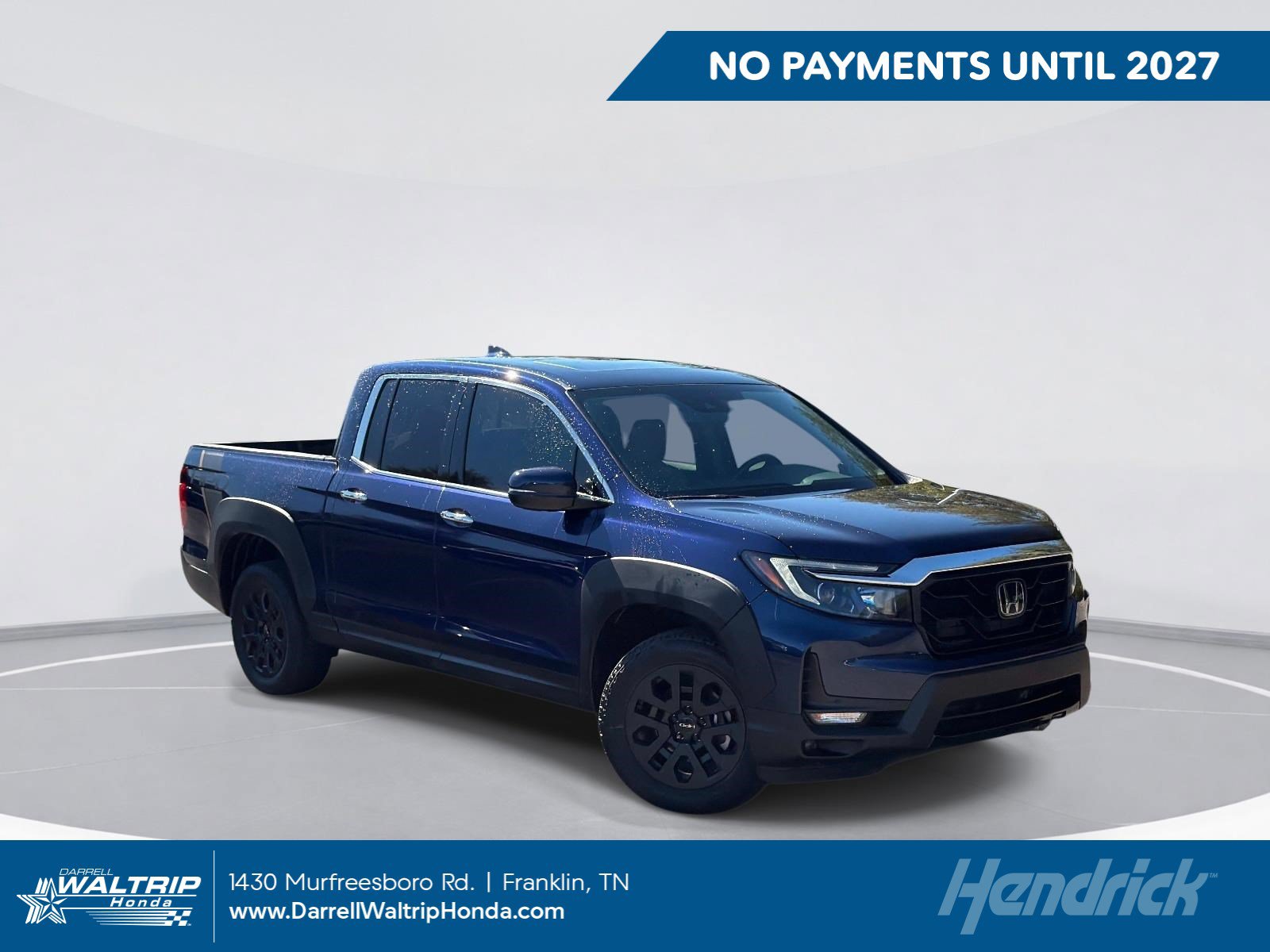
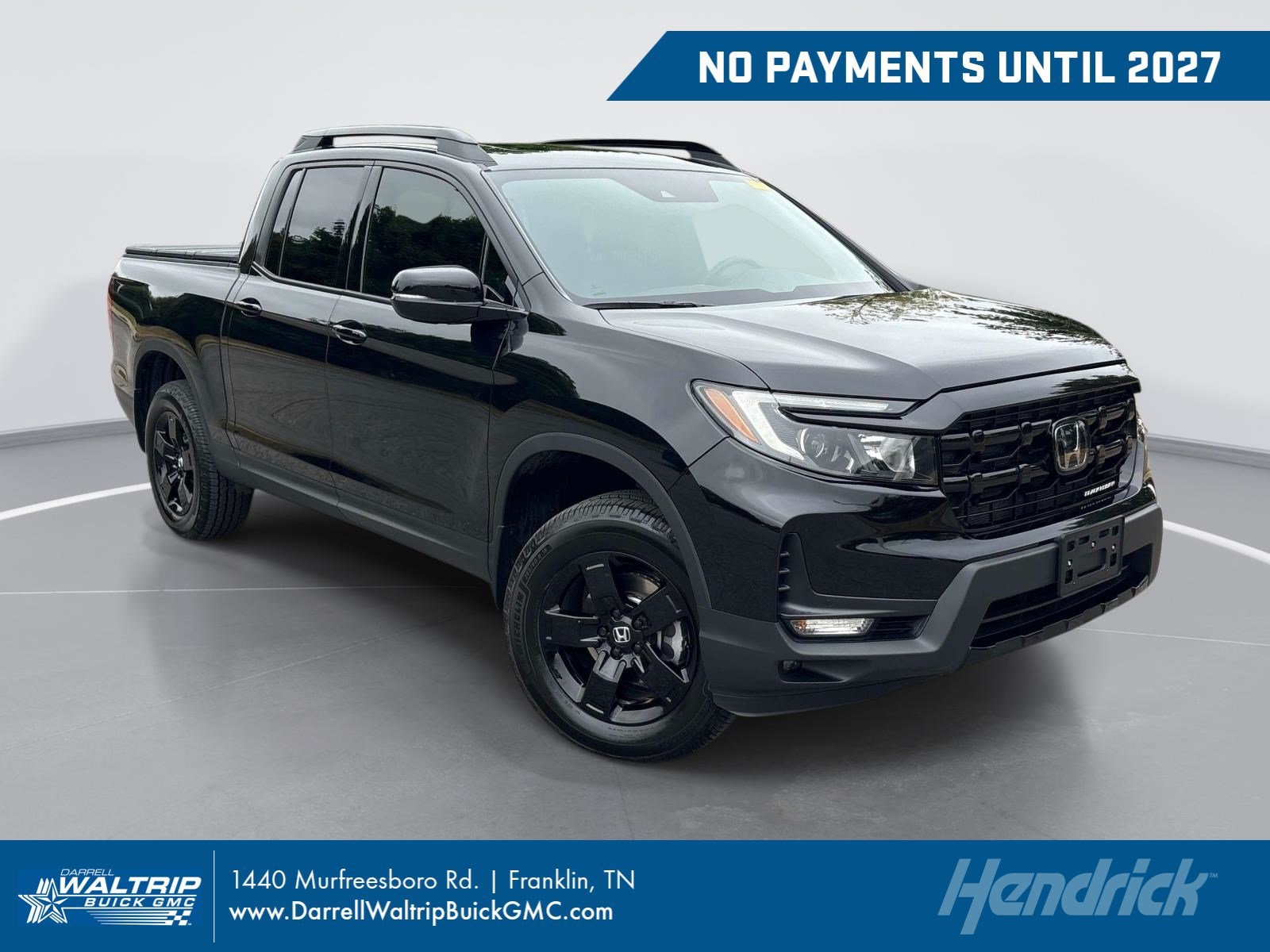
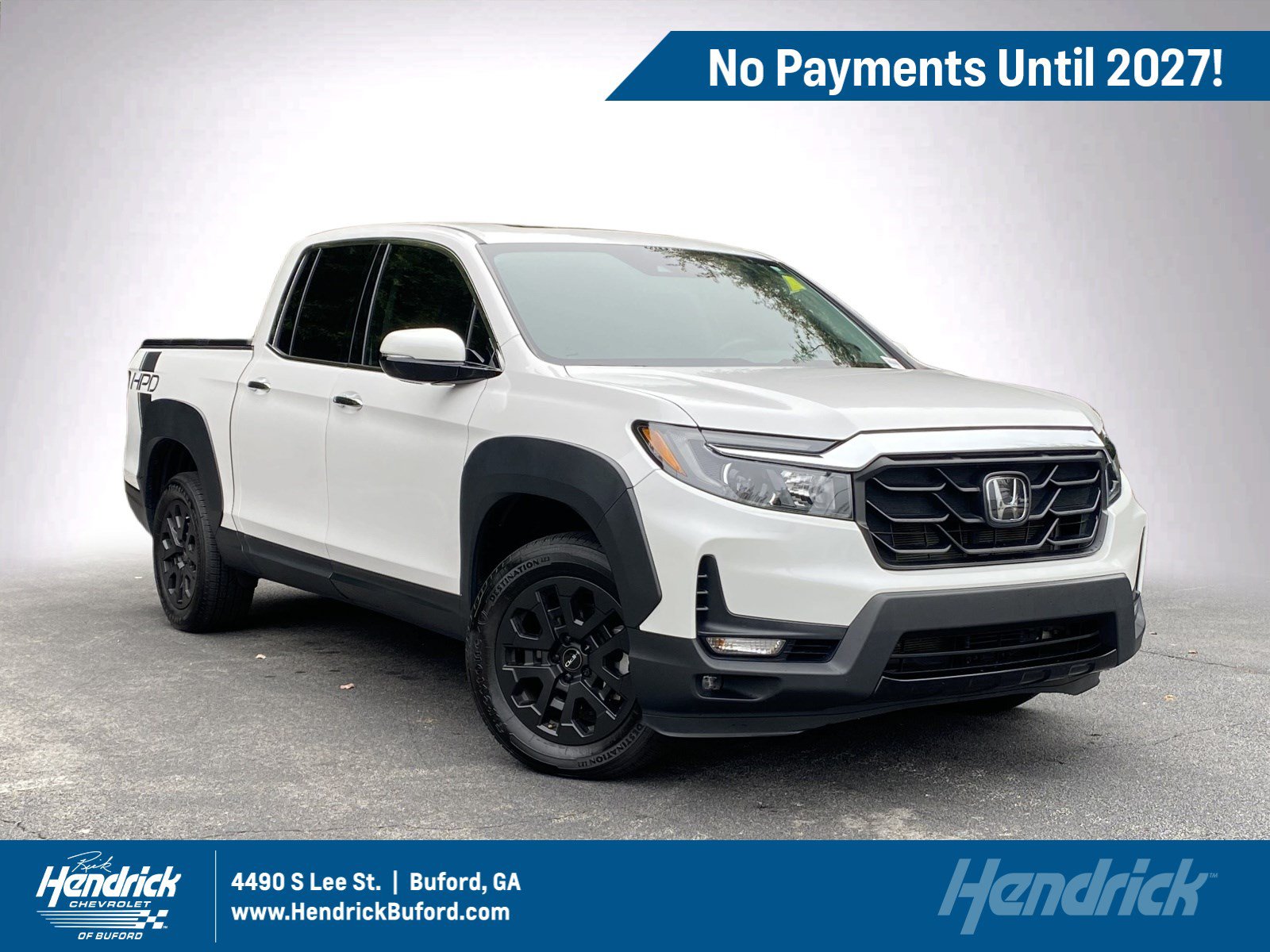
gasoline, automatic, 80K km, pickup, All Wheels Drive, 3,500 cm3, 280 hp, white, RTL-E, Used condition, USA, In stock

HendrickCars.com
 Buford, United States
 Buford, United States
 Rock Hill, United StatesCarson, United StatesCarson, United StatesCarson, United StatesCarson, United StatesCarson, United StatesCarson, United StatesHickory, United StatesHickory, United StatesHickory, United StatesHickory, United StatesHickory, United StatesHickory, United StatesBrentwood, United States
 Southwest, United StatesAustin, United StatesAustin, United StatesMain Settlement, United StatesMain Settlement, United StatesChantilly, United StatesChantilly, United StatesFranklin, United StatesFranklin, United StatesFranklin, United States
If you’re in the market for a versatile pickup that blends car-like comfort with legitimate hauling capability, the Honda Ridgeline is worth considering. This guide helps buyers and sellers compare generations, understand key specs, and evaluate whether the Ridgeline fits your needs in your city. Whether you’re browsing in a busy urban area or a quieter suburb, knowing what to look for can save time and money.
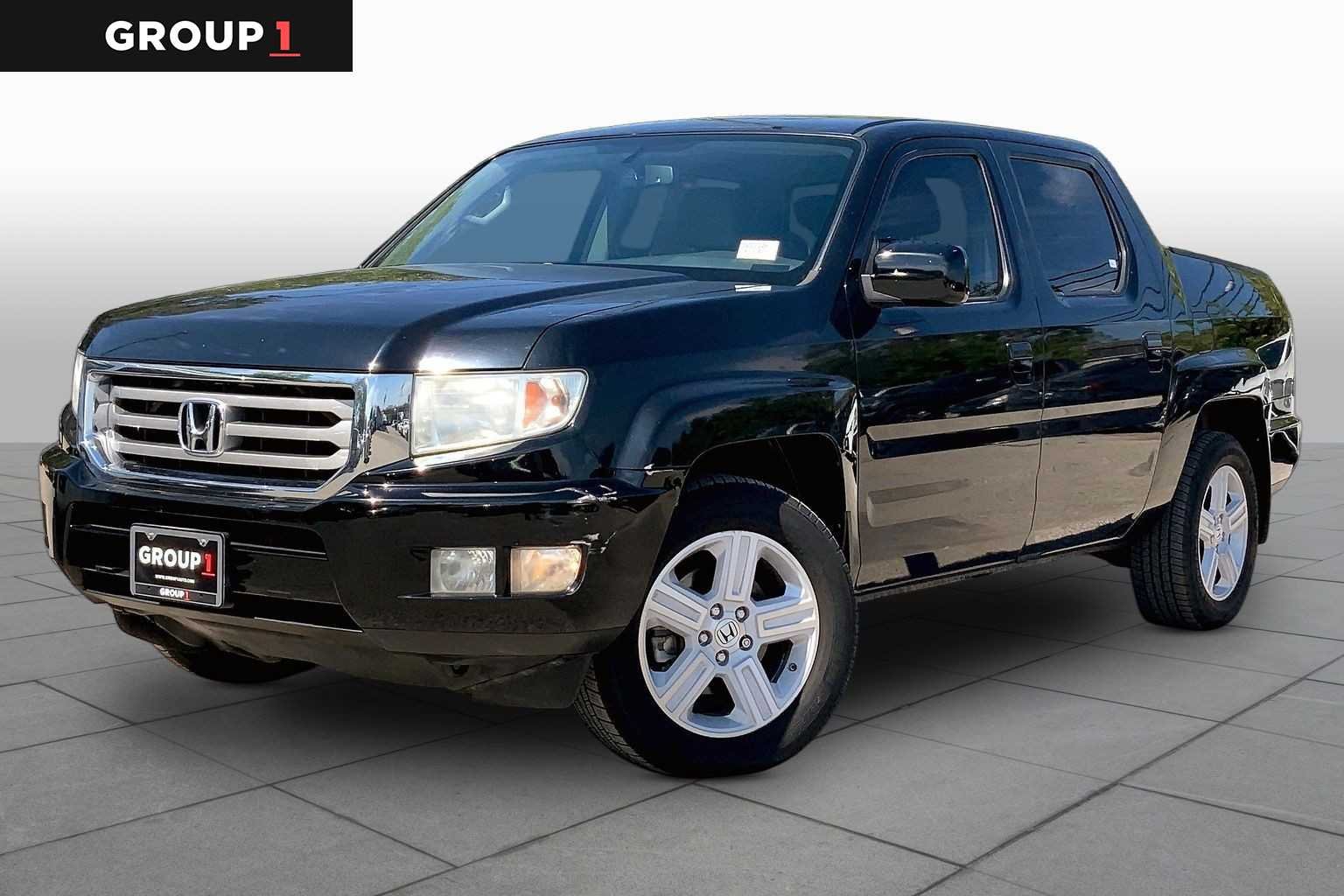
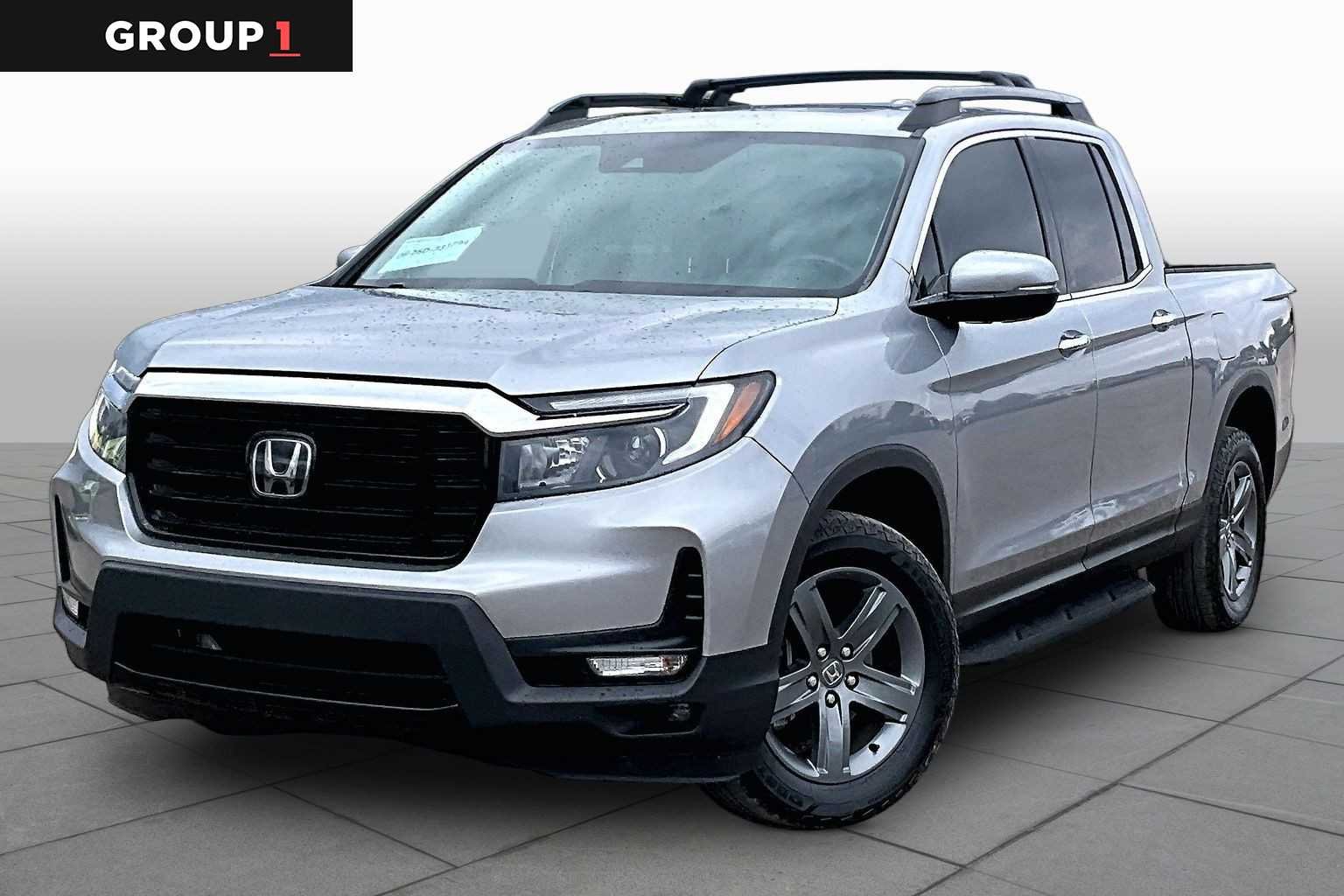
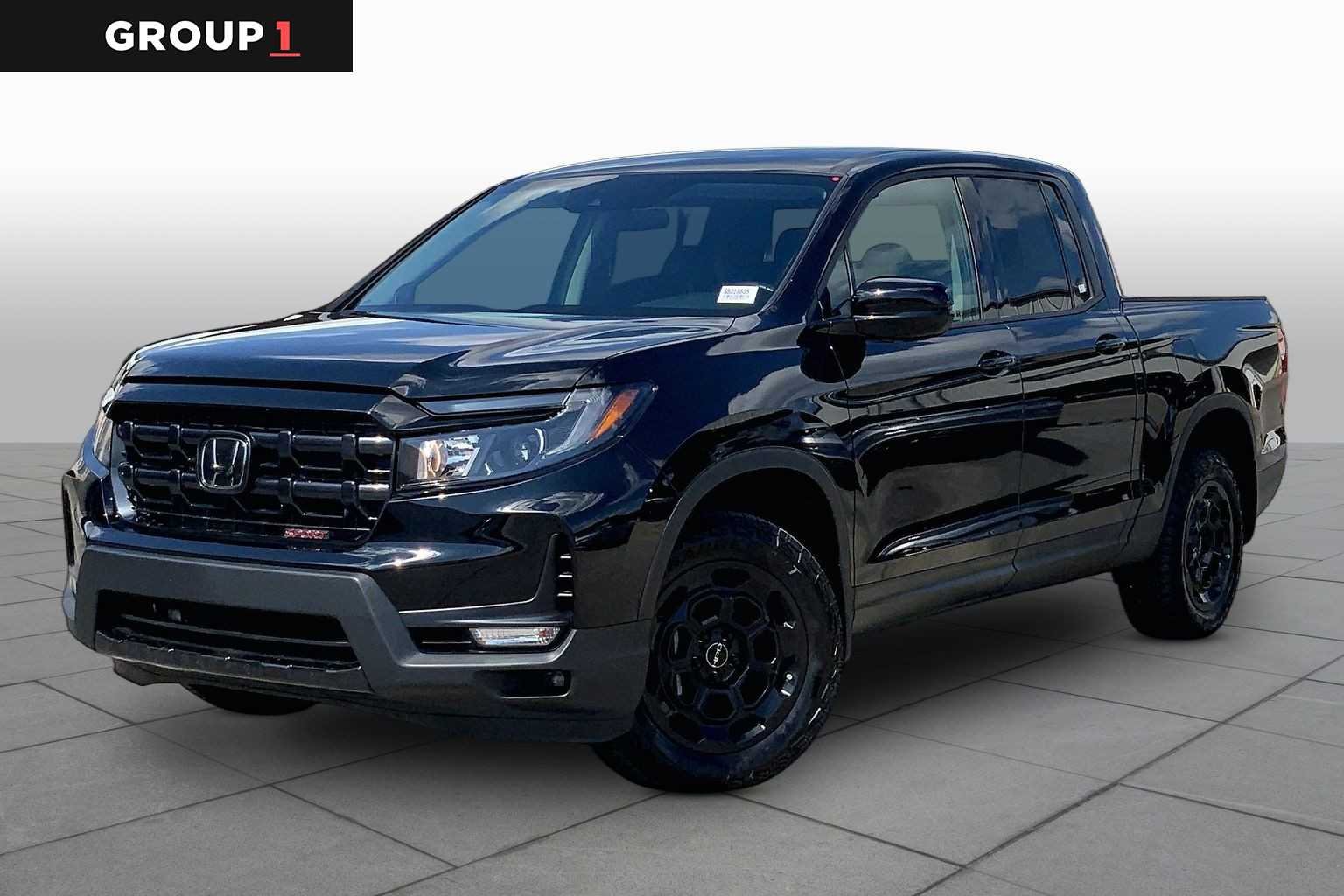
The Ridgeline stands out among midsize pickups for its unibody construction, smooth ride, and practical cargo bed features. Look for models from a wide range of years, with mileage that matches your budget. Common questions include: which generation offers better fuel economy, how does the all-wheel-drive system perform in different conditions, and what maintenance is typical for higher-mileage examples.
For buyers and sellers, key factors include the model year, mileage, body type (crew cab vs. other configurations), and the available drivetrain. In many markets you’ll find Ridgelines priced within a mid-range segment, with variations based on trim level, equipment, and condition.
The Ridgeline has evolved through several generations. Early models emphasize everyday practicality, while newer variants may offer improved tech and comfort features. Common engine options include a V6 paired with an automatic transmission, delivering a balanced mix of power and efficiency. When shopping in your country or city, compare how the cabin space, rear seat comfort, and bed measurements align with your needs for gear, tools, or outdoor equipment.
Body styles typically center on the crew cab configuration, which provides ample rear passenger space and a versatile cargo bed. Buyers should check payload capacity, towing capability, and adaptive features like bed storage solutions and in-bed trunk options that some trims offer.
Highlight reliable maintenance, documented service history, and any extras like bed organizers or towing upgrades. Provide clear photos of the cargo bed, cabin, and underbody. Competitive pricing based on year, mileage, and condition can help attract more interest from buyers in your city.
If you are deciding between generations or trims, a test drive that covers highway, city, and light towing scenarios can reveal how the Ridgeline handles different daily needs. Overall, the Honda Ridgeline offers a compelling blend of everyday comfort and practical payload capability, making it a solid option for buyers and a sensible choice for sellers in your market.
 Add as preferred sourceSee more from zvelta in Google Search Add as preferred source