EN
ENDEALER
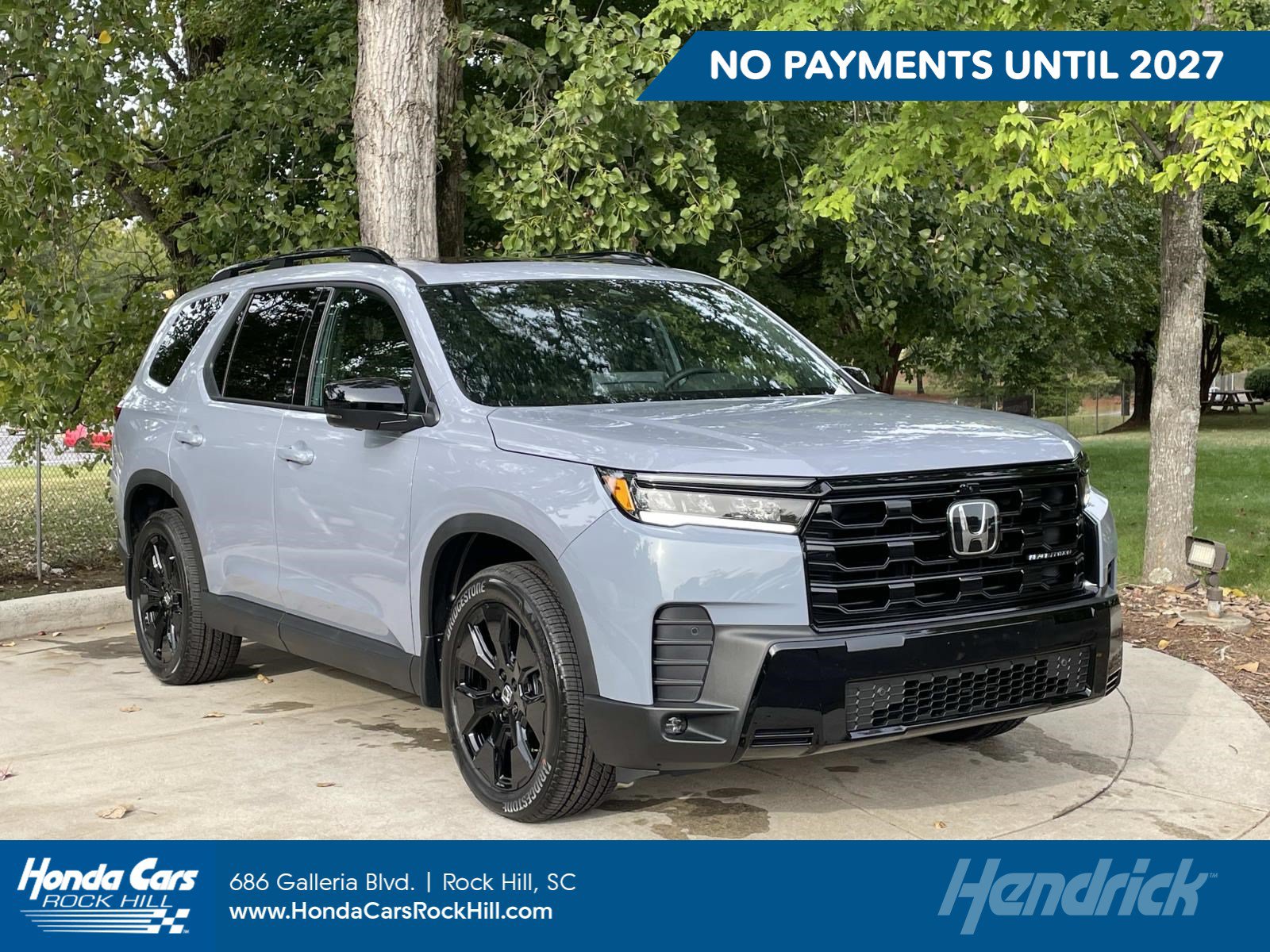
59.987 US$DEALER
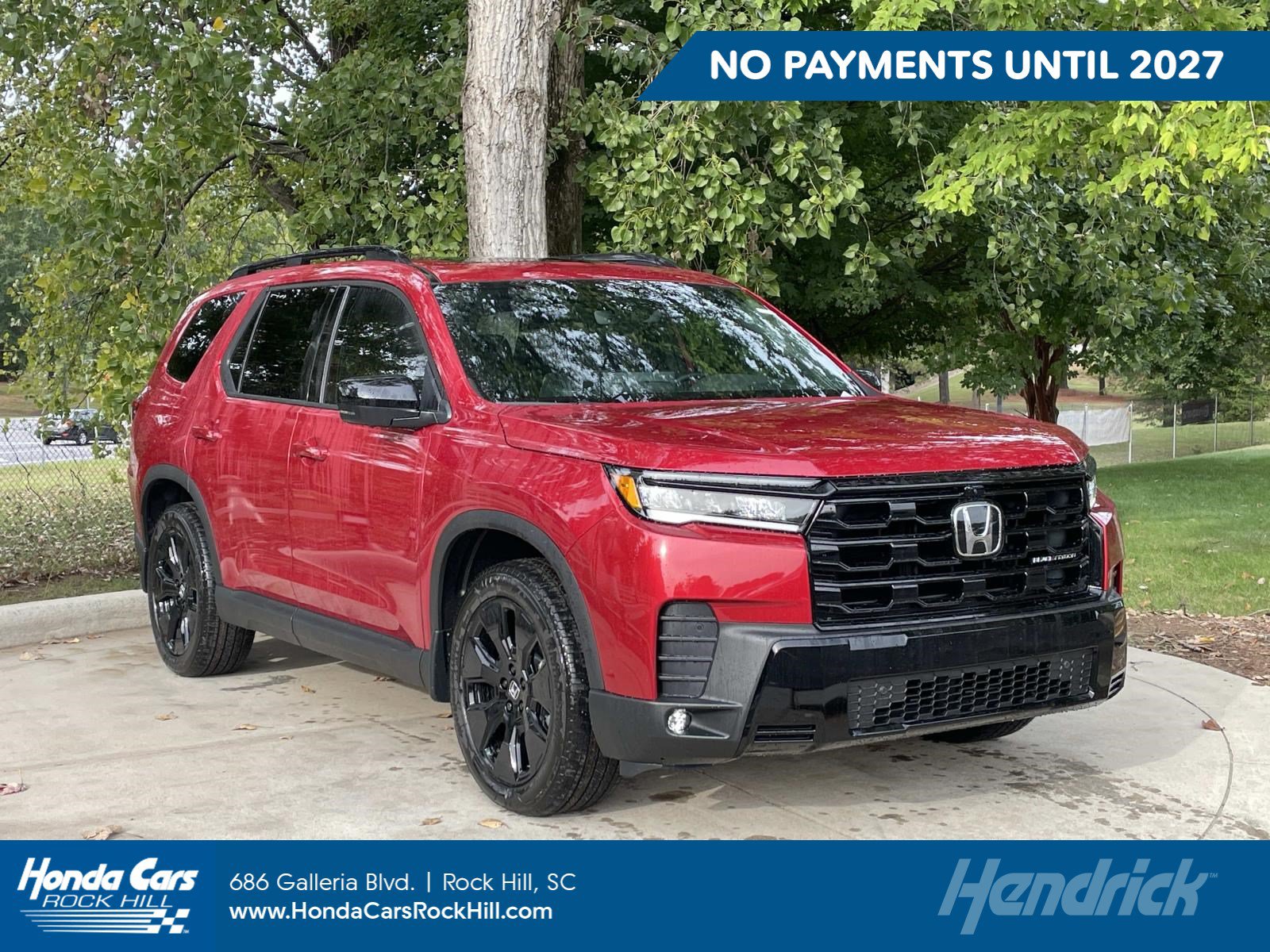
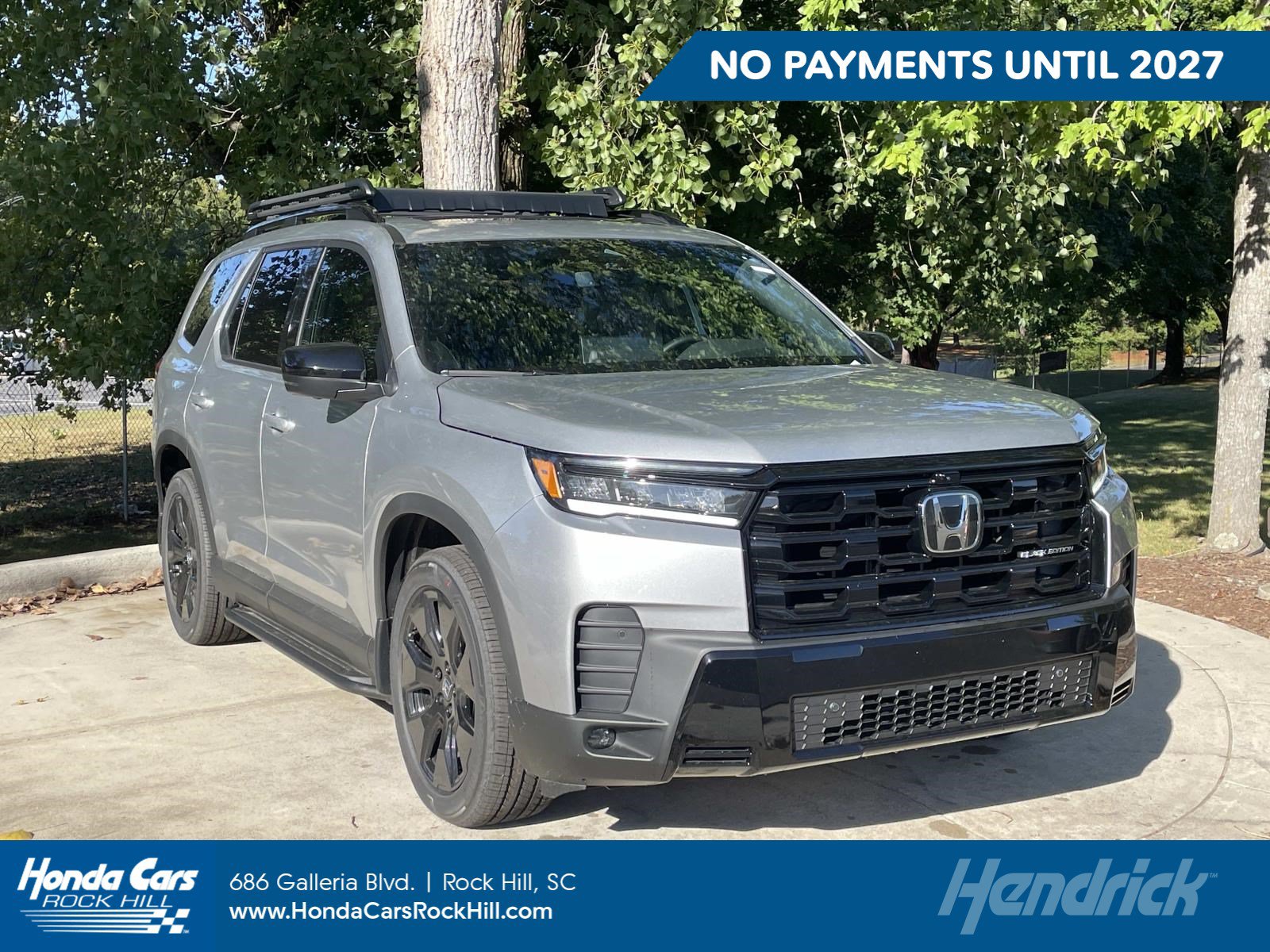
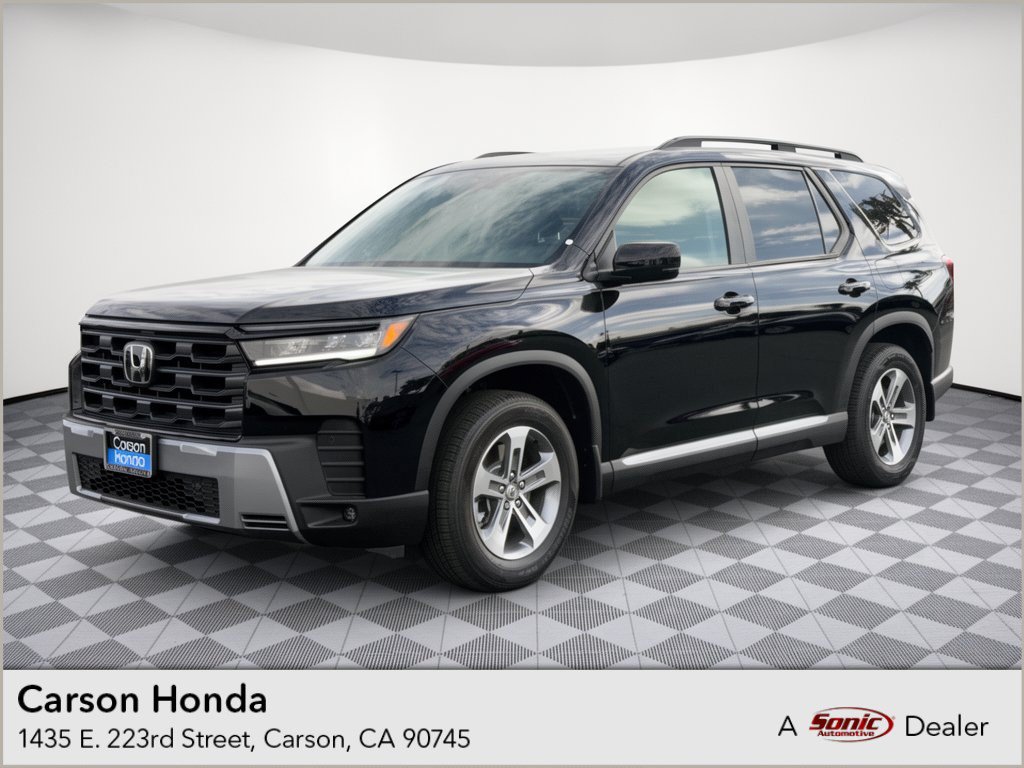
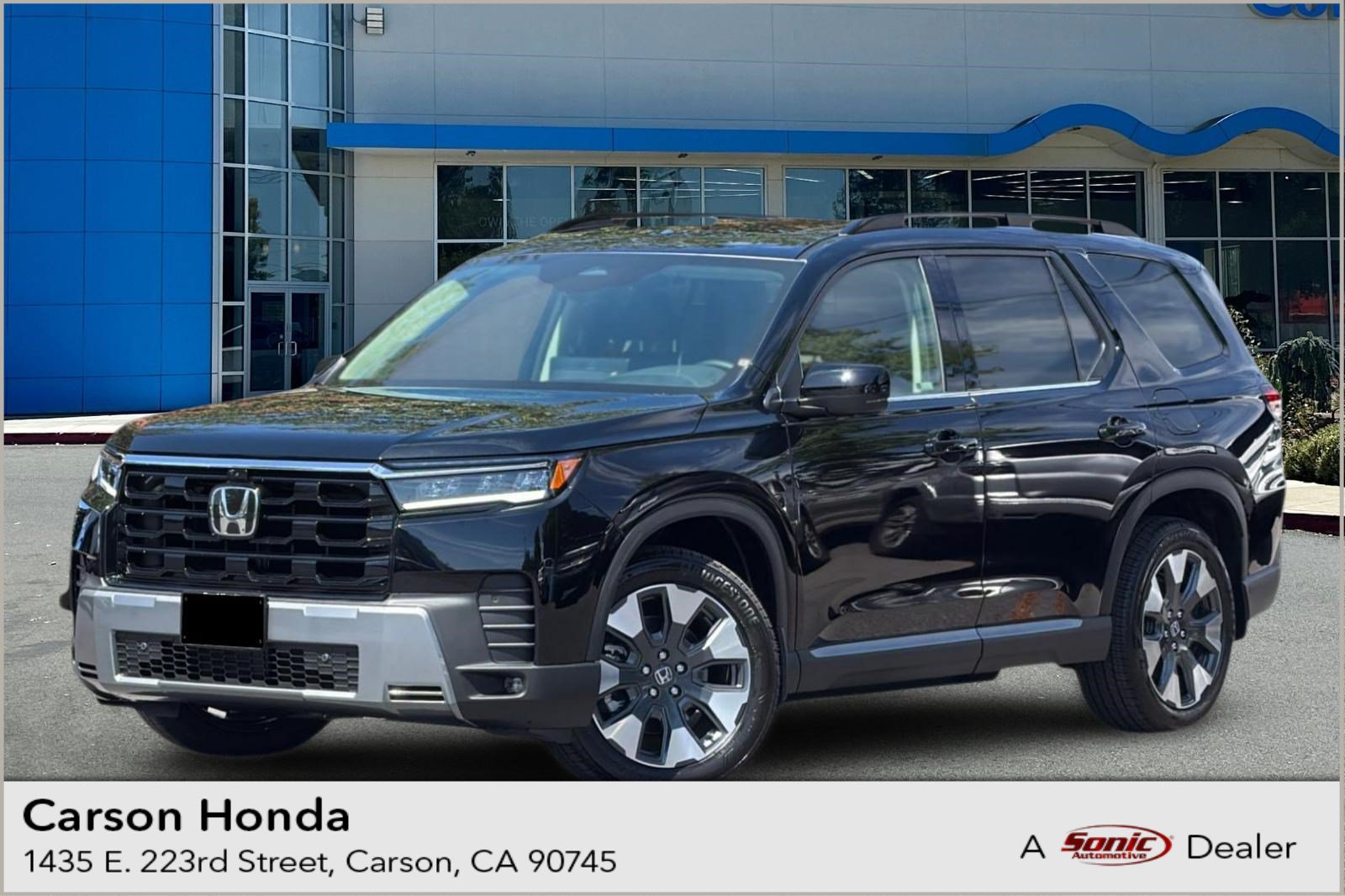
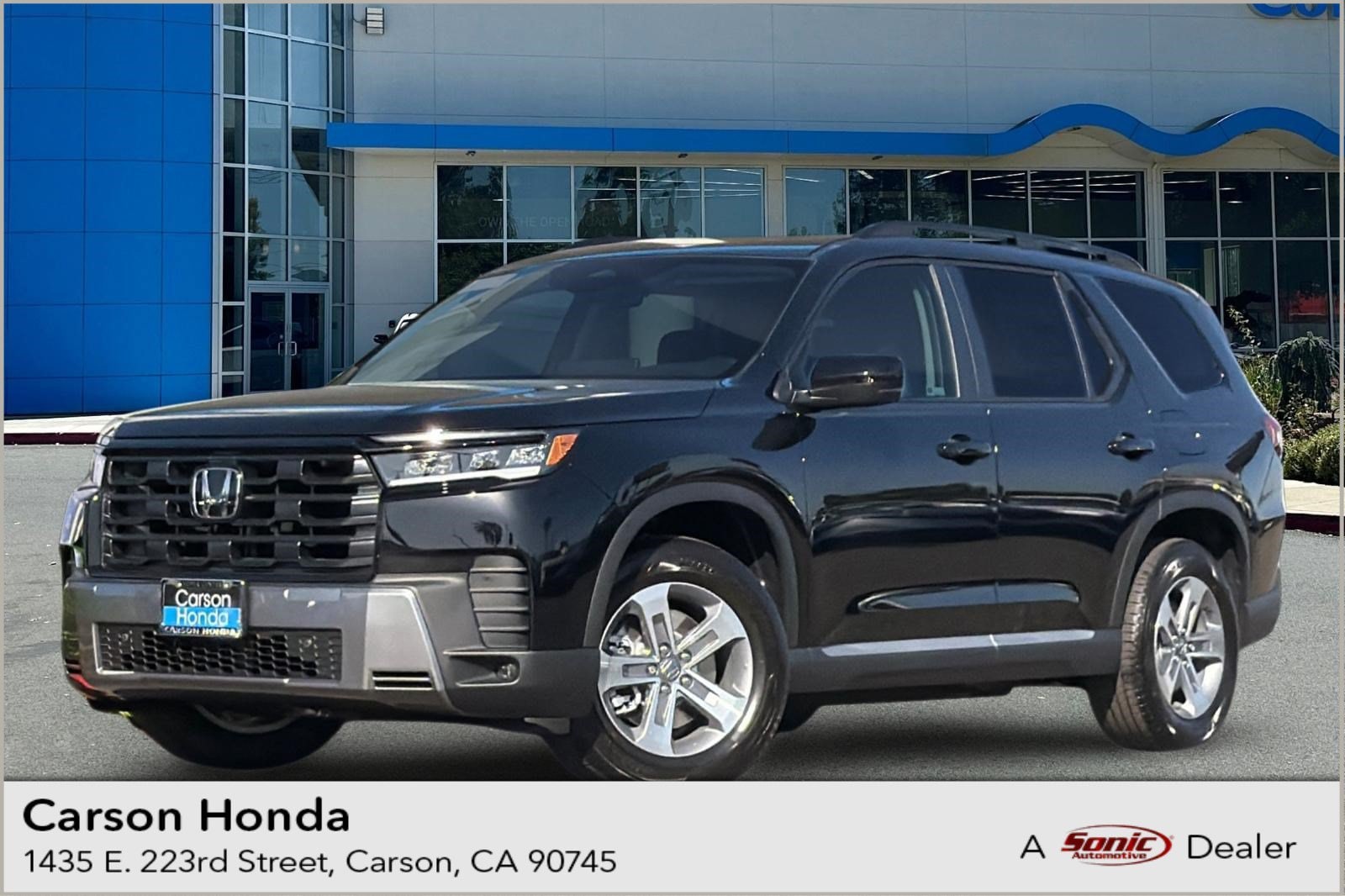
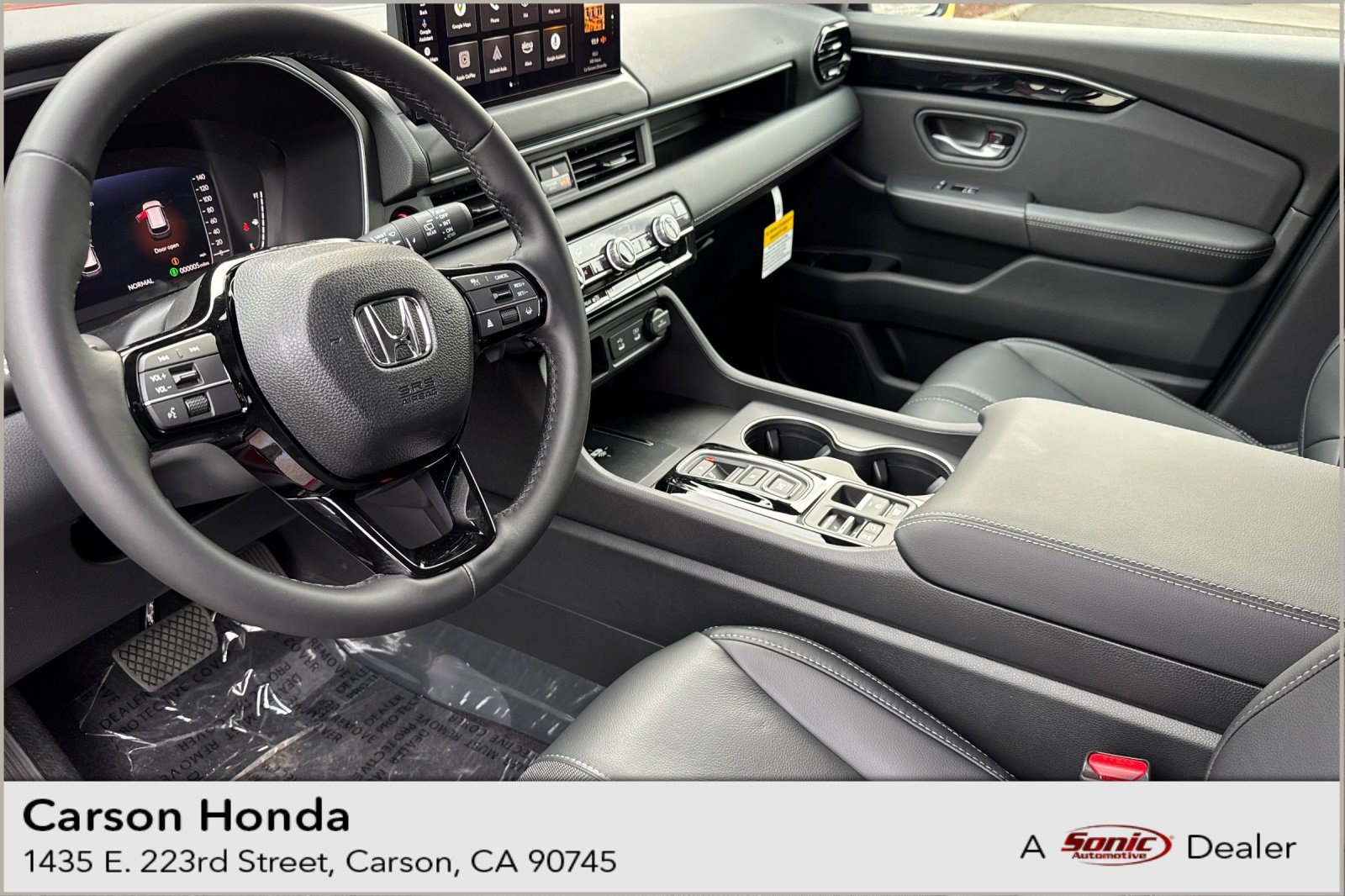
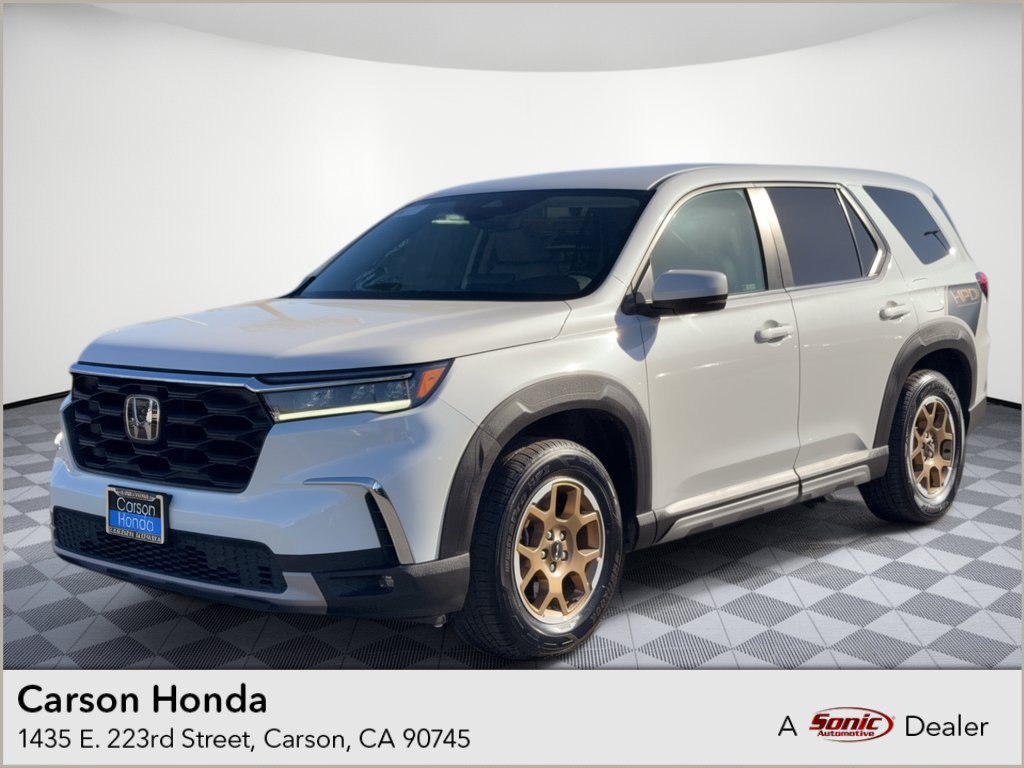
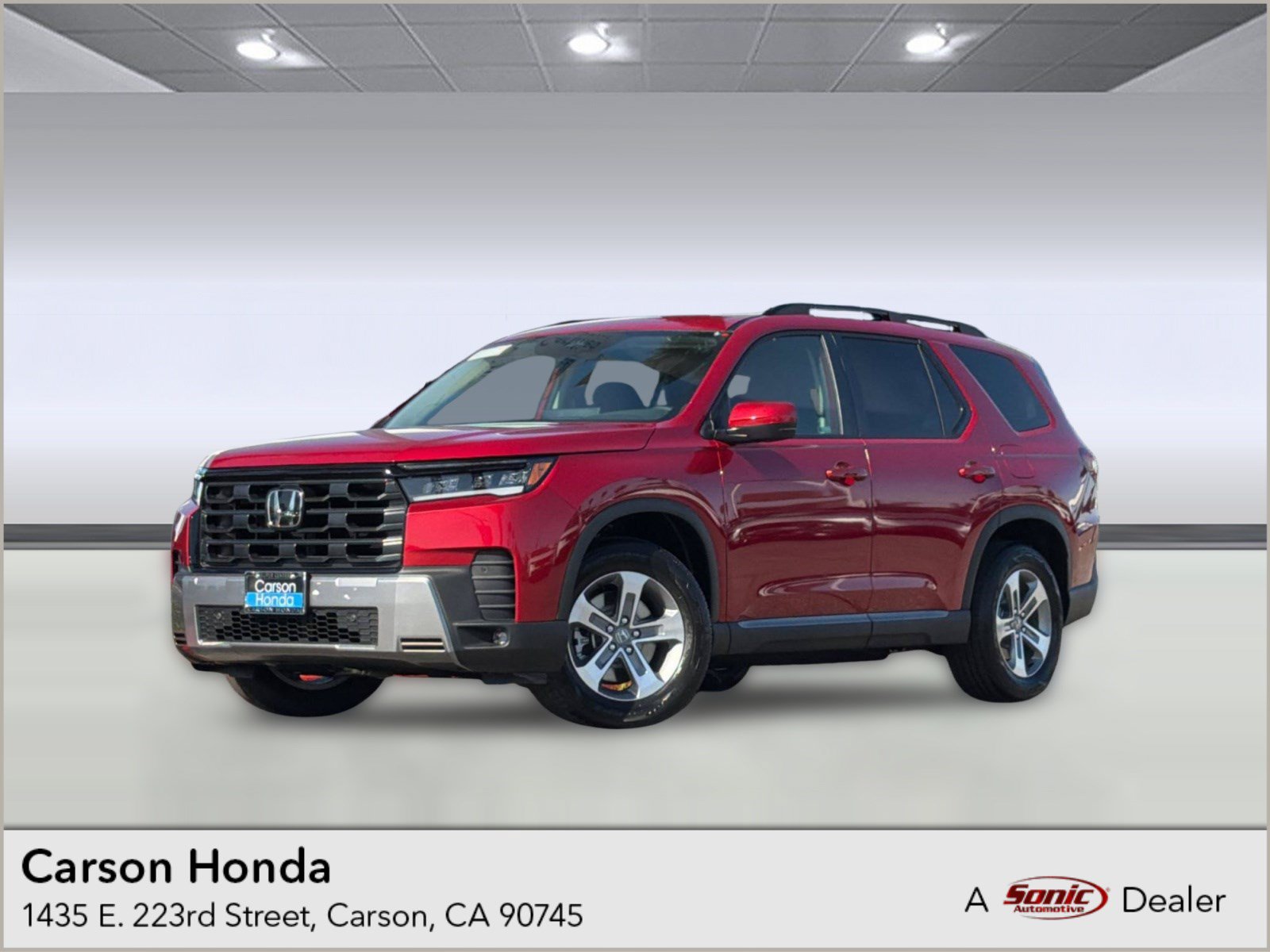
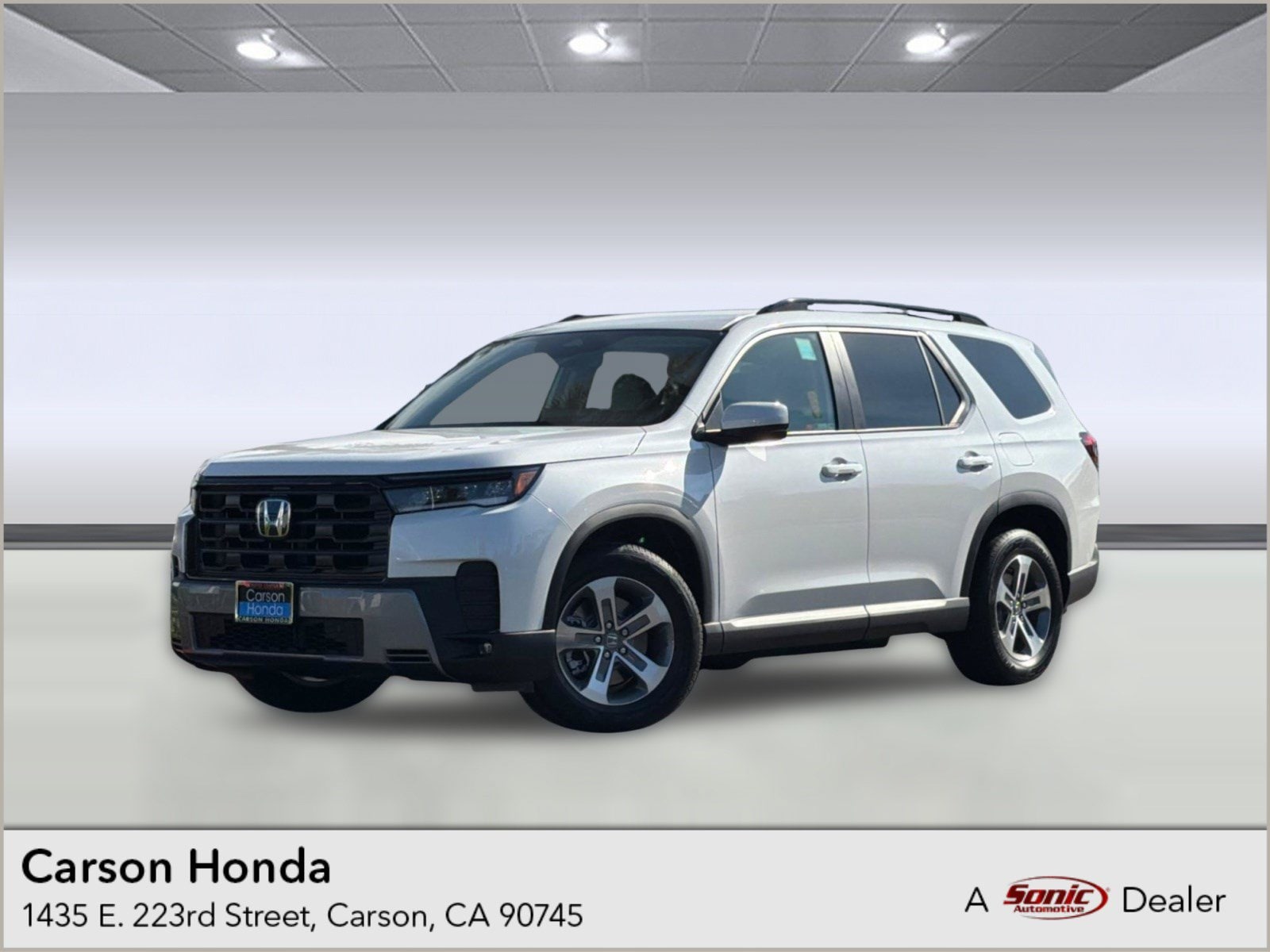
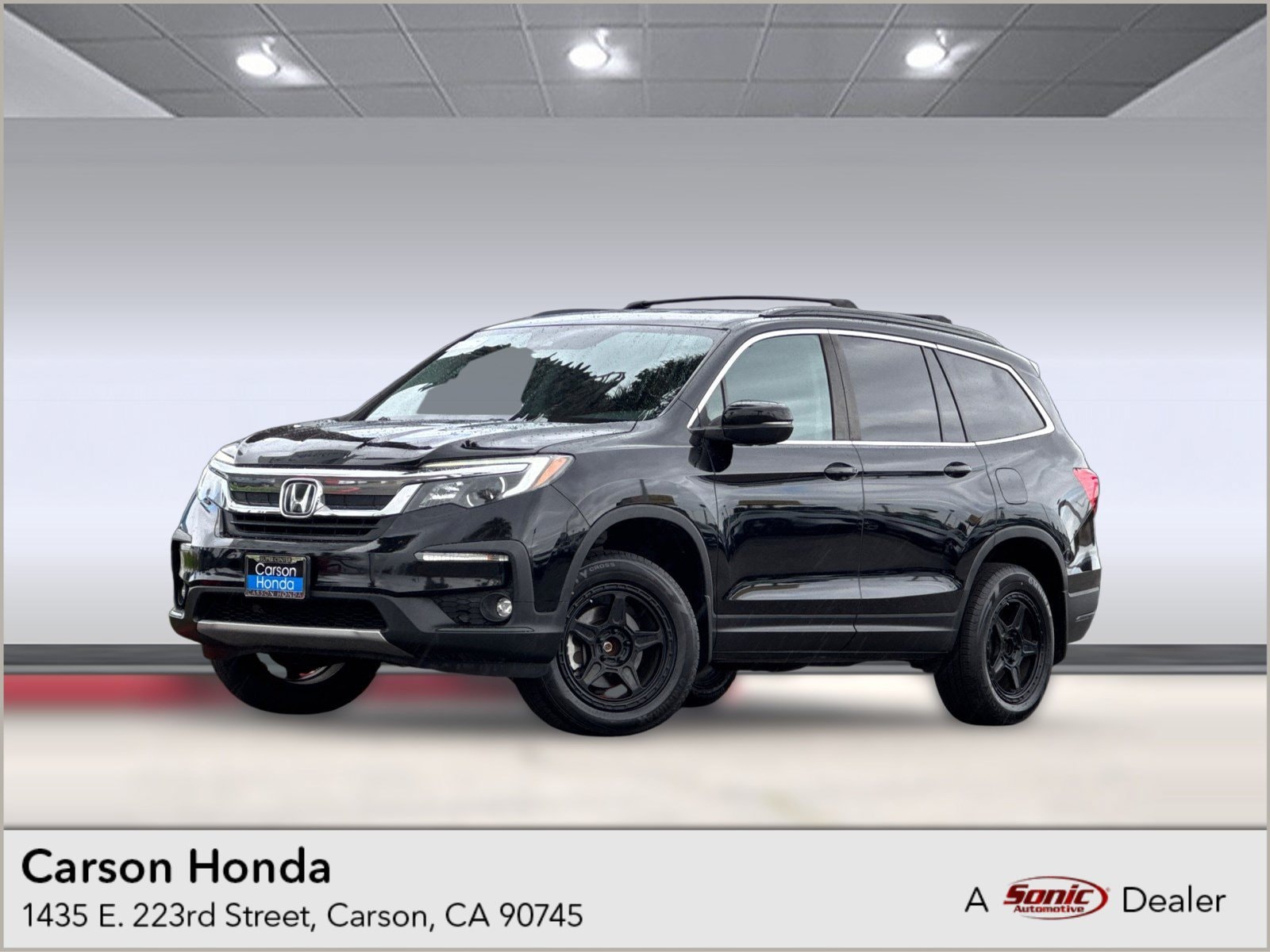
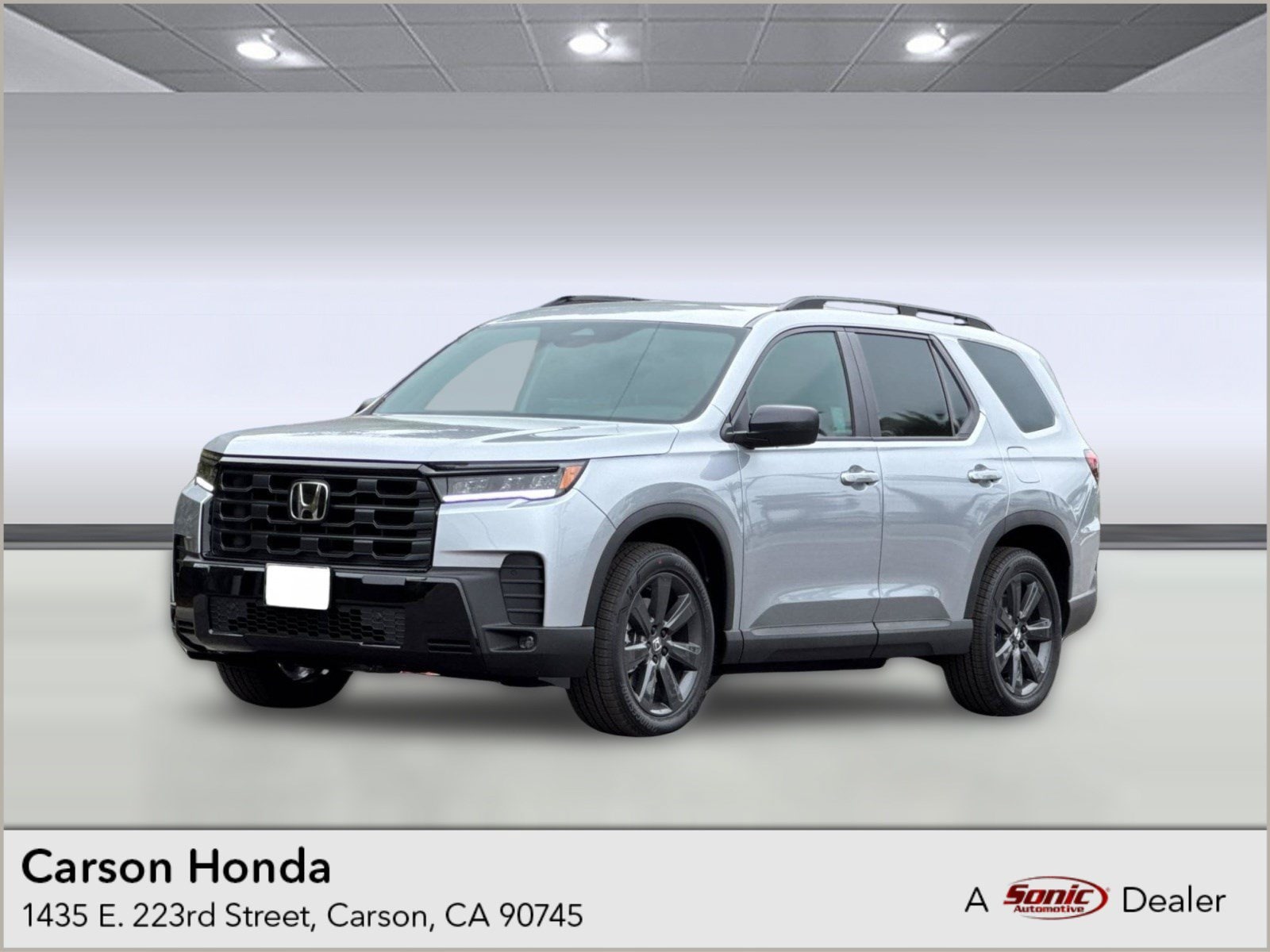
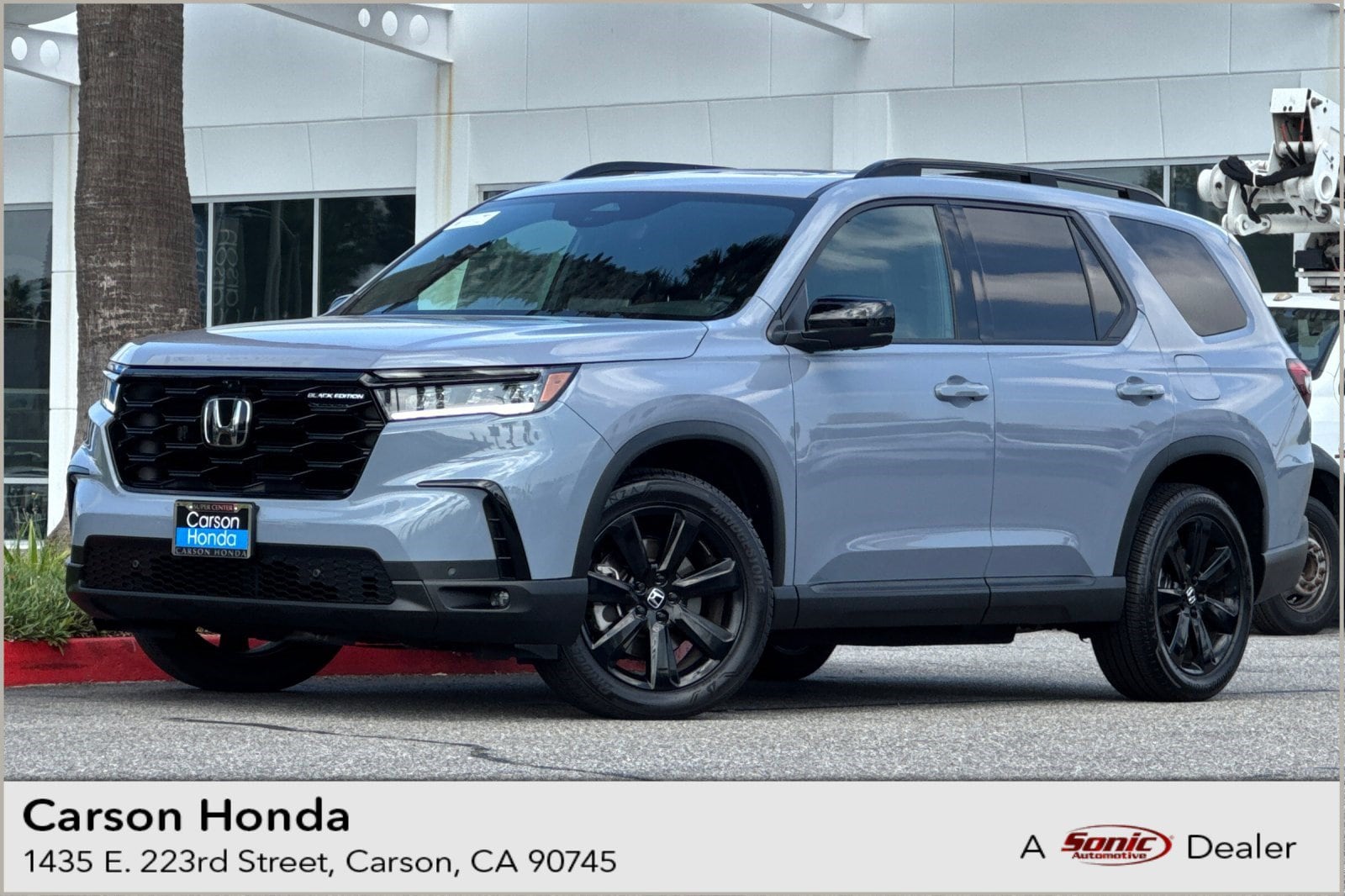
gasoline, automatic, SUV, All Wheels Drive, 3,500 cm3, 285 hp, grey, Black Edition, New condition, USA, In stock

HendrickCars.com
 Rock Hill, United States
 Rock Hill, United StatesRock Hill, United StatesRock Hill, United StatesRock Hill, United StatesRock Hill, United StatesCarson, United StatesCarson, United StatesCarson, United StatesCarson, United States
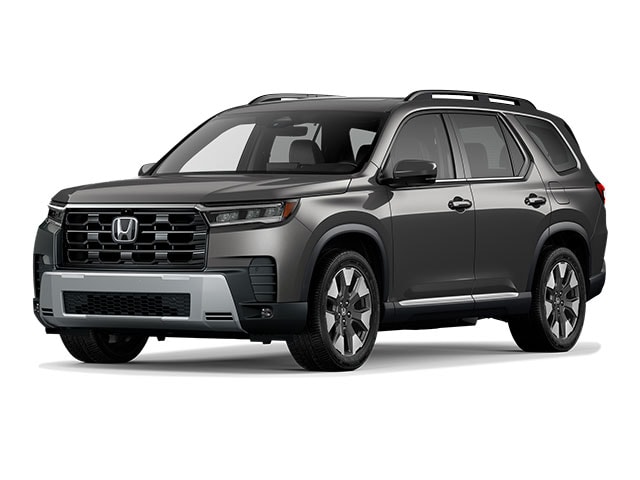 Carson, United StatesCarson, United StatesCarson, United StatesCarson, United StatesCarson, United StatesCarson, United StatesCarson, United StatesCarson, United StatesCarson, United StatesCarson, United StatesCarson, United StatesCarson, United StatesCarson, United StatesCarson, United StatesCarson, United StatesCarson, United States
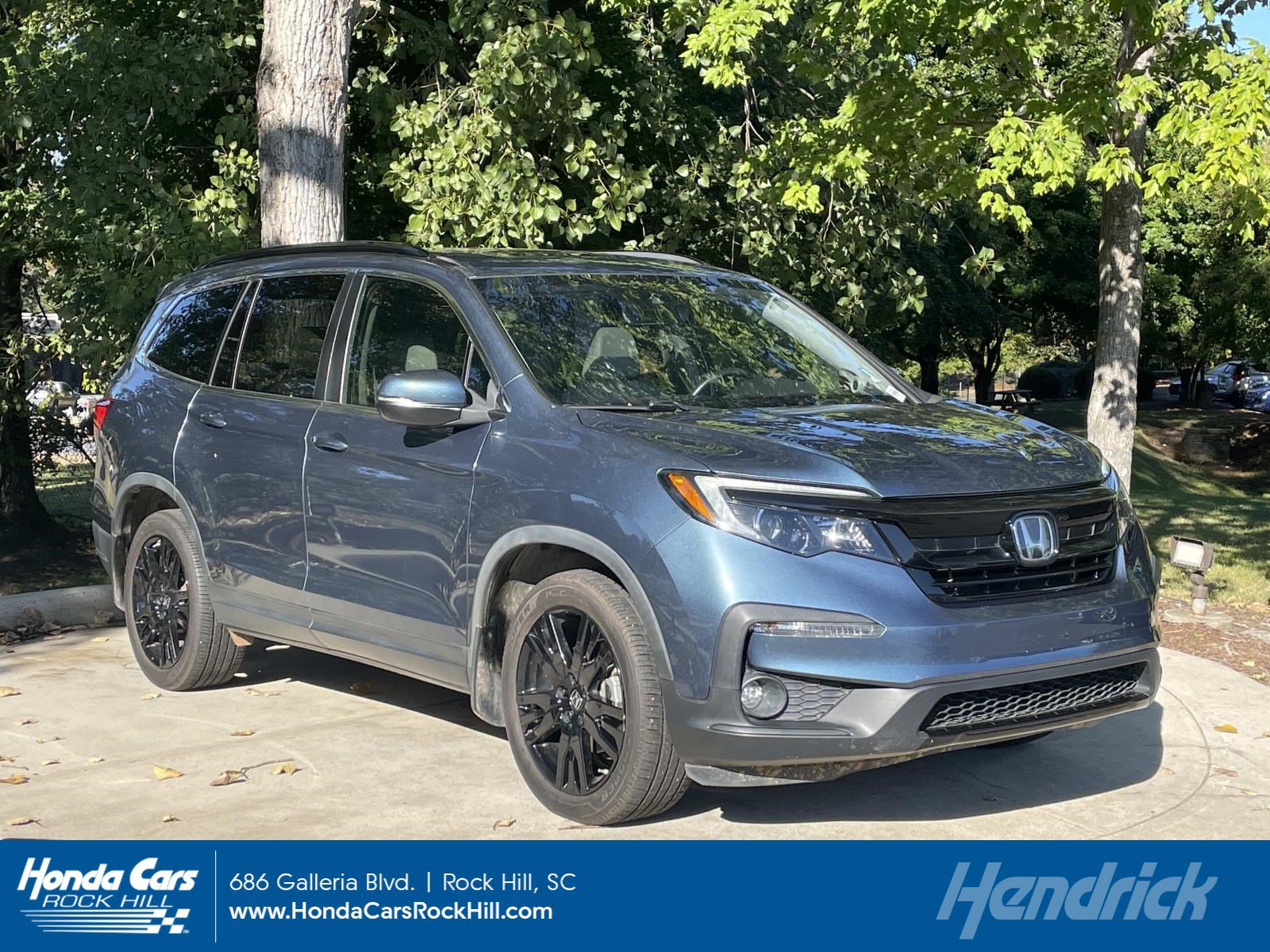
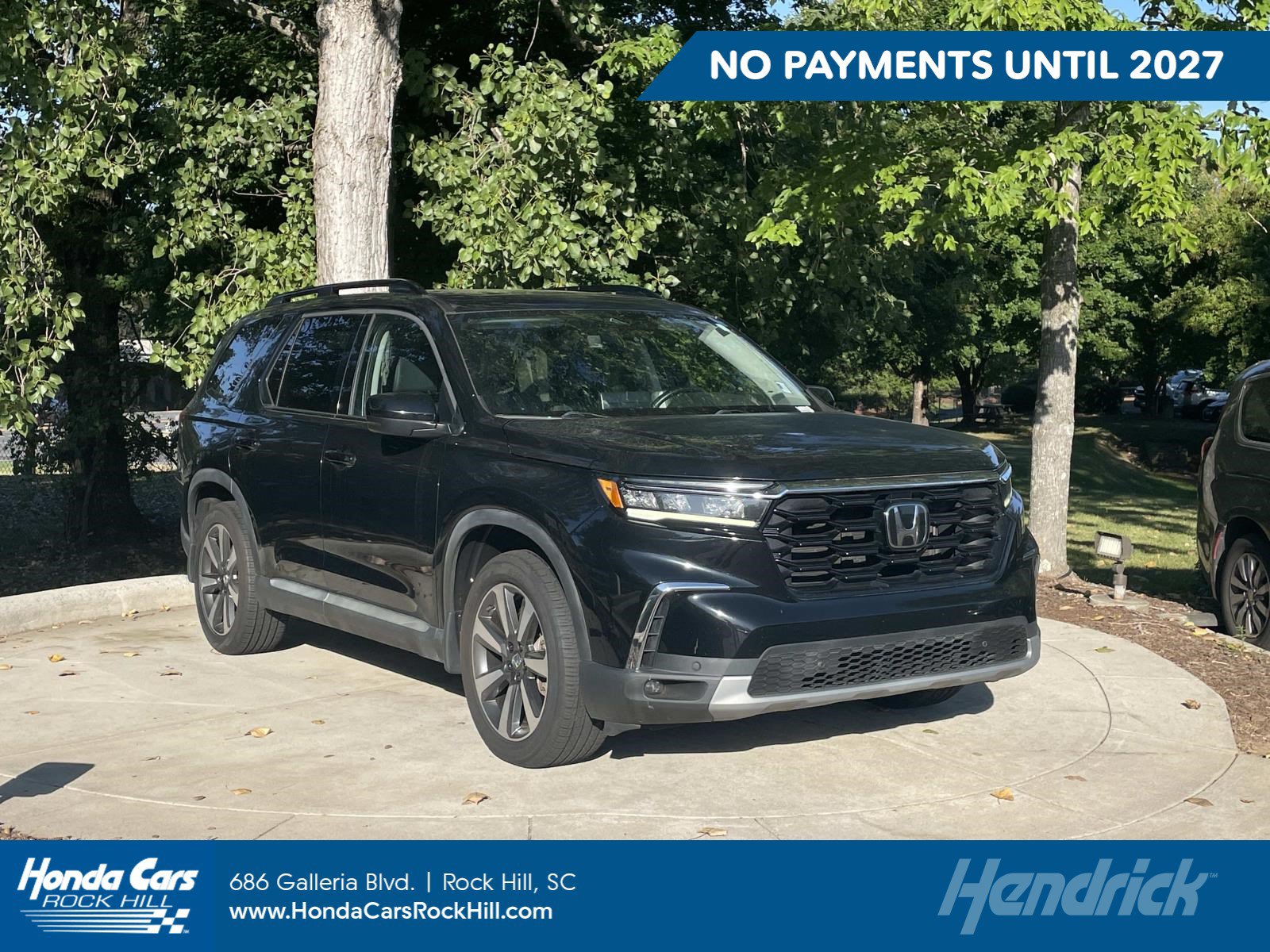
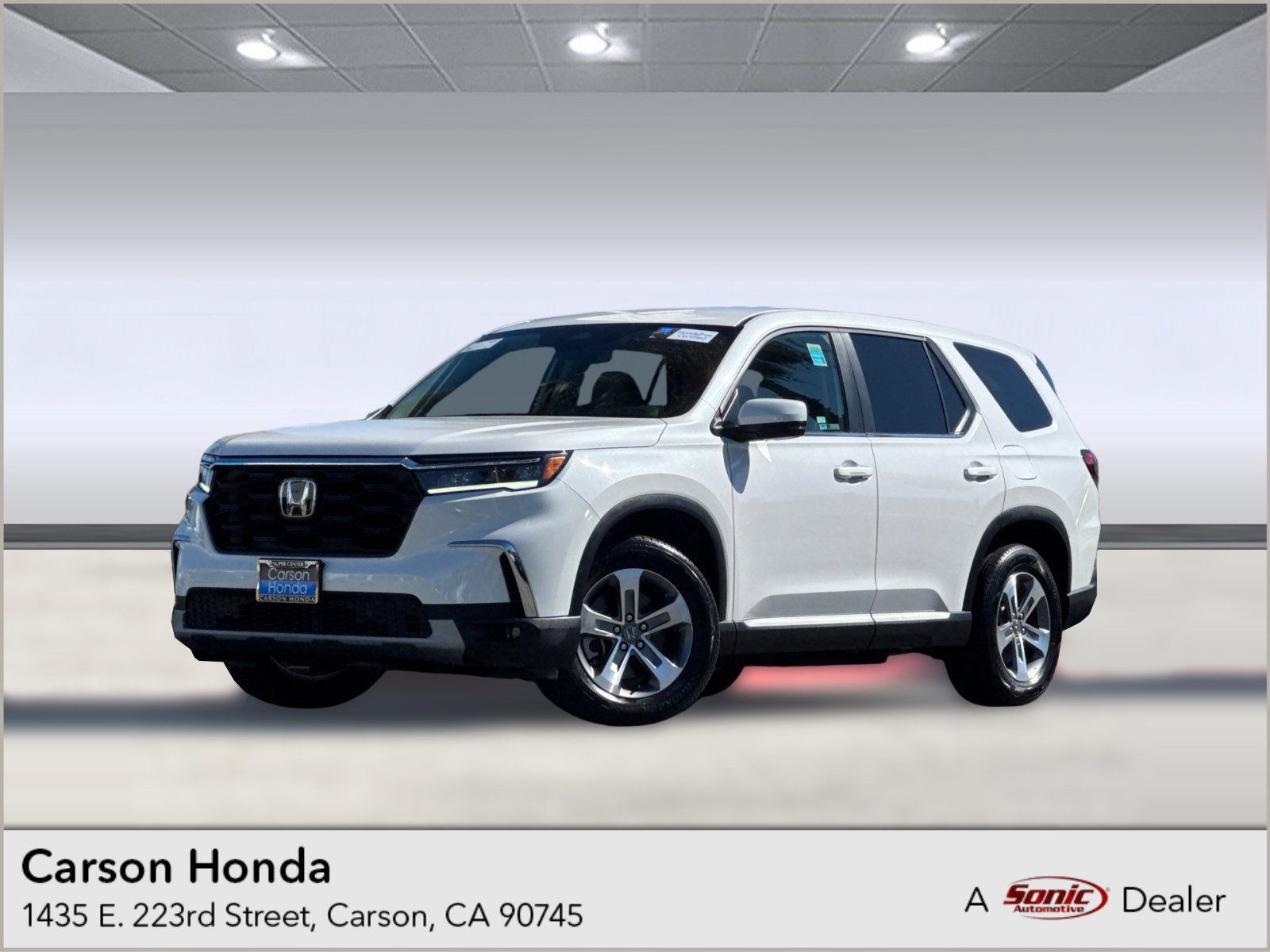
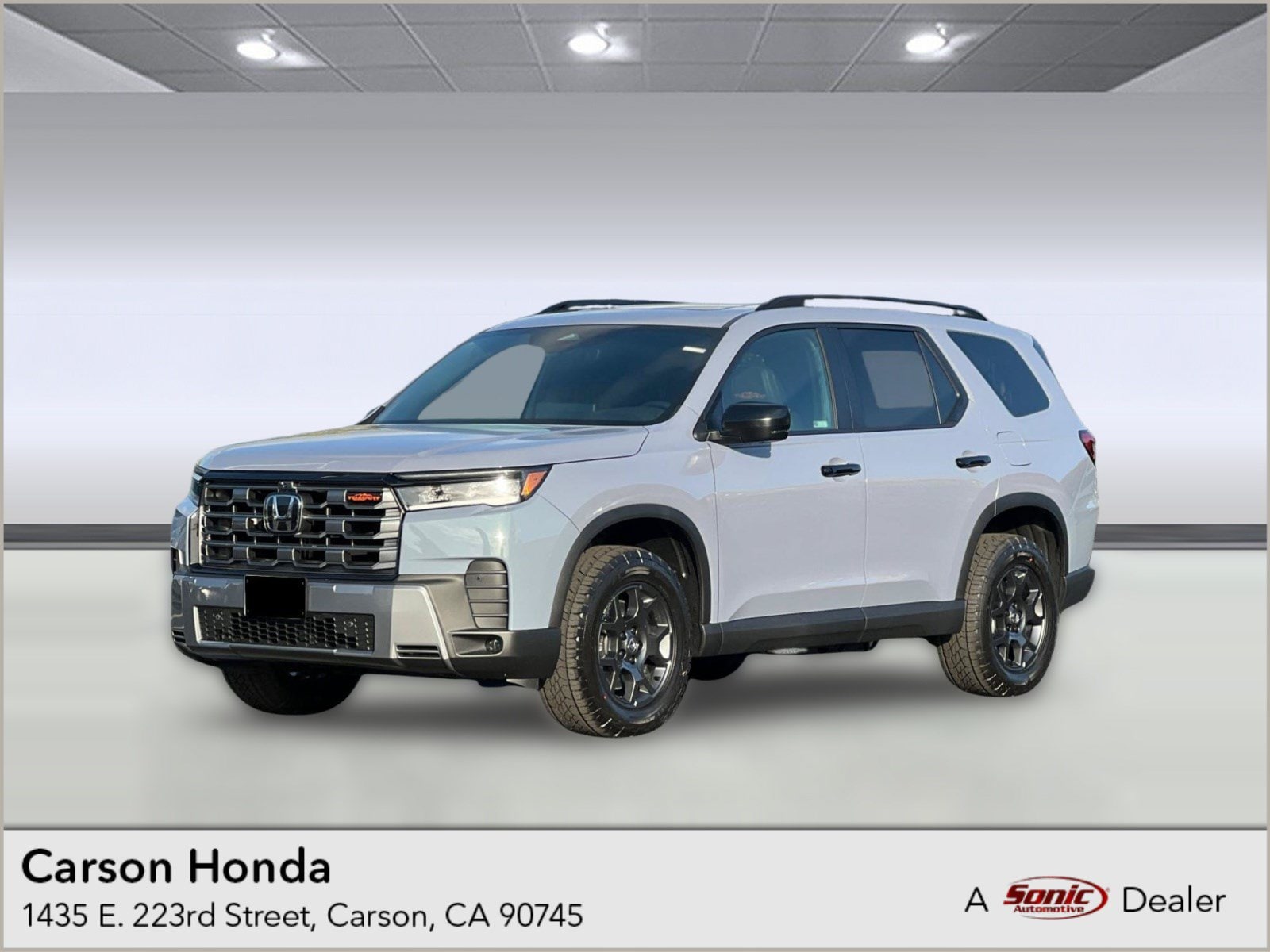
The Honda Pilot is a versatile SUV that appeals to families and adventurers alike. When you’re in the market for a Honda Pilot, whether you want to buy a pre-owned model or plan to sell one, you can save time by focusing on the most important details: generation, year, mileage, engine options, body style, and the local market in your city. This guide explains how to compare different Honda Pilot generations, what to expect in terms of reliability, and how to approach price negotiations.
The Pilot has seen several generations with different engine and drivetrain configurations. In most markets, common options include two-wheel drive and all-wheel drive variants, with a V6 engine and varying transmission types. When buying, consider your needs: fuel economy, towing capacity, seating, and cargo space. For instance, early generations offered spacious interiors but different infotainment setups, while newer generations improve safety features and ride quality. Look for a model that matches your planned use, whether city commuting, family road trips, or weekend getaways.
Prices for a used Honda Pilot depend on generation, year, mileage, and location. In many cities, you’ll find well-maintained Pilot models from the late 2000s through the 2010s, with mileage ranges that influence price brackets. If you’re buying, set a target price range based on model year and mileage; if you’re selling, present a complete service history and recent maintenance to justify asking prices.
Buying or selling a Honda Pilot can be straightforward when you focus on generation-specific specs, mileage, condition, and the local market. Use these insights to compare across listings, determine fair prices, and complete a confident transaction in your city.
 Add as preferred sourceSee more from zvelta in Google Search Add as preferred source