 EN
ENDEALER

13.196 US$DEALER
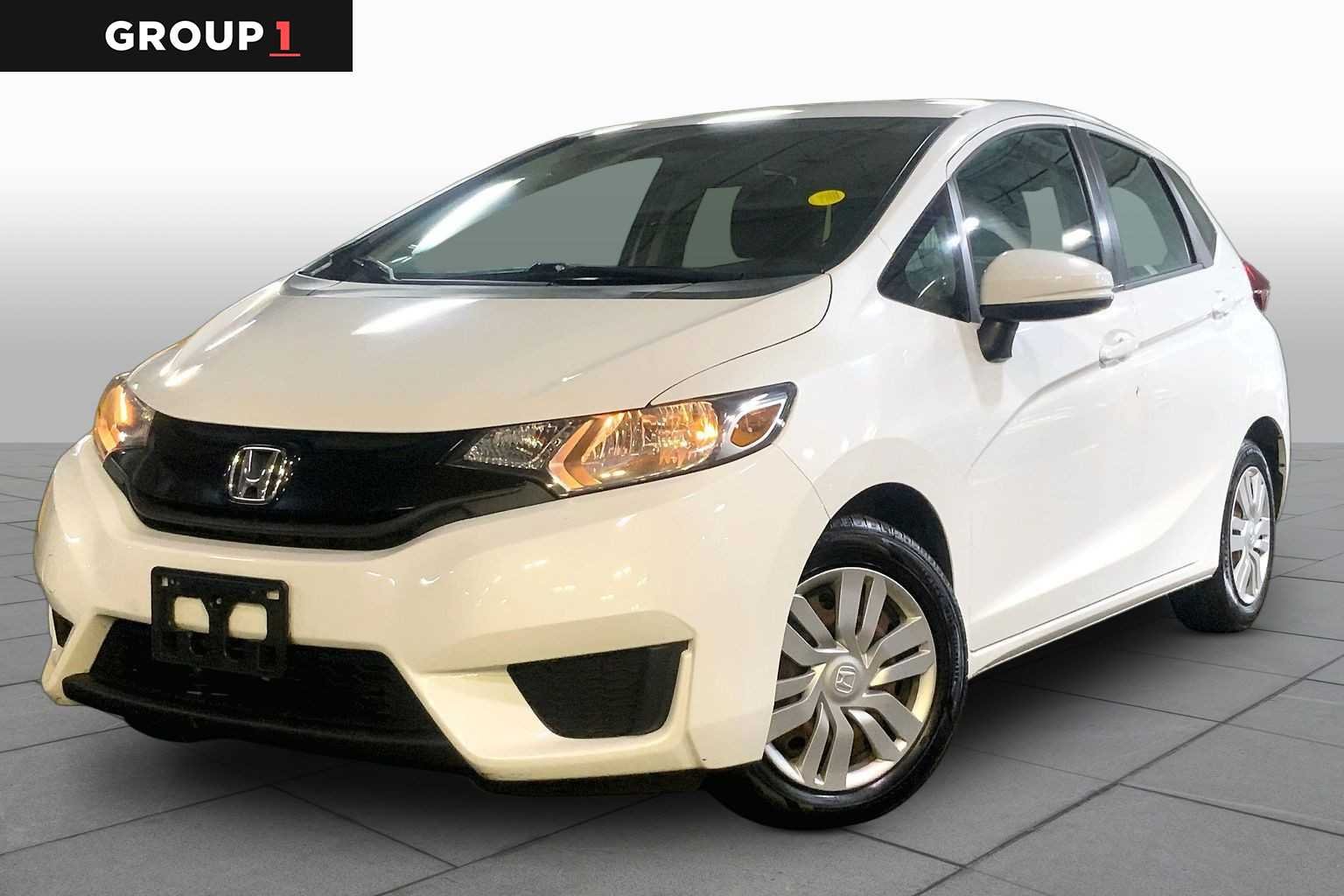
gasoline, automatic, 172K km, sedan, Front Wheels Drive, 1,500 cm3, 117 hp, black, Used condition, USA, In stock

Group1Auto.com
 Austin, United States
 Austin, United StatesAustin, United States
 Charlotte, United StatesEasley, United StatesChattanooga, United States
 Howard, United States
 Pensacola, United StatesDanvers, United States
 United States
 United States
 United States
 United StatesBradenton, United StatesBradenton, United States
 City of Grand Prairie, United StatesIra, United StatesWilmington, United StatesWilmington, United StatesRoseville, United States
 Georgia, TbilisiGeorgia, TbilisiGeorgia, Tbilisi
If you’re in the market for a compact hatchback with reliable daily performance, the Honda Fit offers practical space, nimble handling, and surprising versatility. Whether you’re buying new or used in your city, understanding the generations, engine options, and typical price ranges helps you make a smarter choice. This guide covers the Honda Fit, focusing on the model years, body styles, fuel types, and what to expect in different markets.
The Honda Fit has evolved through several generations, each bringing improvements in interior space, efficiency, and drivetrain options. Common configurations include a small hatchback body, five doors, and a flexible rear seating system that expands cargo room when needed. Look for models with efficient petrol engines, and in some markets, hybrid variants may be available. When comparing generations, pay attention to cabin quality, infotainment updates, and safety equipment that has become standard over time.
If you’re selling a Honda Fit, highlight meaningful mileage, recent maintenance, and any upfits or recent safety or technology upgrades. For buyers, align your choice with daily commuting needs, cargo requirements, and local fuel prices. With the right information, finding a Honda Fit that matches your budget and lifestyle in your city becomes straightforward.
 Add as preferred sourceSee more from zvelta in Google Search Add as preferred source