 EN
ENDEALER
21.267 US$DEALER
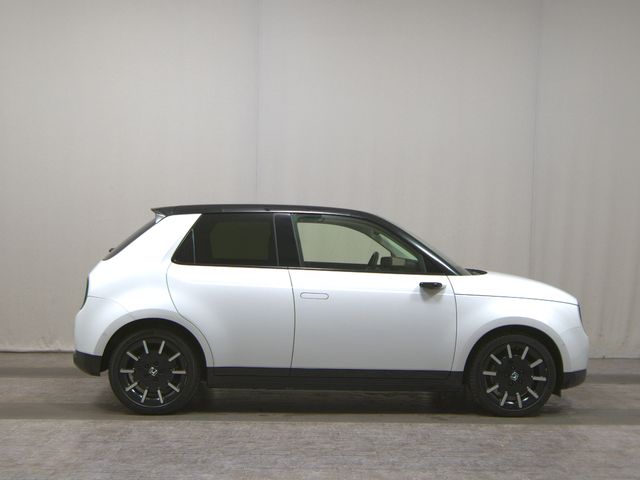
2022, electric, automatic, 16K km, limousine, 154 hp, white, e Advance, Used condition, Japan, In stock

AutoHus.de
 Germany, Lower Saxony
 Germany, Lower Saxony
 Albania, Tirana
 Romania
 Moldova
 UkraineUkraine, Zakarpattia
The Honda e stands out in the electric city-car segment with its compact footprint, modern interior, and smart technology that makes urban driving both easy and enjoyable. If you’re considering buying or selling a Honda e, understanding the generations, trims, and real-world ownership aspects can help you make a confident choice in today’s market.
In many countries and cities, the Honda e is favored for short commutes, frequent stops, and tight parking. Its electric powertrain delivers instant torque, and the small footprint helps with maneuverability. When browsing listings or negotiating a deal, buyers often ask:
For sellers, highlighting practical details matters: battery condition, charging history, and the presence of features like rear camera, digital cockpit, and adaptive driving aids can influence interest and price.
The Honda e has evolved as a compact electric hatchback designed for urban environments. Key considerations include:
When comparing listings in cities and countries where the Honda e is popular, look at mileage in miles or kilometers to gauge usage. Prices vary by country and city, influenced by demand, warranty status, and included equipment such as navigation, rear sensors, and connectivity features.
People shopping for a Honda e typically ask:
In many markets, the Honda e is valued for its urban-friendly size and well-appointed cabin. Pros include a tight turning radius, high-quality interior materials, and strong resale in some regions. Cons may involve its relatively small cargo space and a charging ecosystem that depends on local infrastructure.
For sellers, providing clear service history, recent maintenance, and transparent mileage reporting can help build trust and achieve a fair price. For buyers, a test drive that includes a charging session and an evaluation of interior comfort will reveal how well the Honda e fits daily routines in your city.
 Add as preferred sourceSee more from zvelta in Google Search Add as preferred source