EN
ENDEALER

18.186 US$DEALER
18.696 US$
84K km, Used condition, Japan, In stock

EchoPark.com
 Macedonia, United States
 Macedonia, United StatesAdams Crossroads, United States
 United StatesEast Las Vegas, United StatesEast Las Vegas, United StatesEast Las Vegas, United StatesRoseville, United StatesWalnut Creek, United States
 MoldovaMoldovaMoldovaMoldova, Chișinău MunicipalityMoldova, Chișinău MunicipalityMoldova, Chișinău MunicipalityMoldova, Chișinău MunicipalityMoldova, Chișinău MunicipalityMoldova, Chișinău MunicipalityMoldova, Chișinău MunicipalityMoldova, Chișinău MunicipalityMoldova, Chișinău MunicipalityMoldova, Chișinău Municipality
 Moldova, Chișinău MunicipalityChisinau, Moldova
 Lvivskyi Raion, Ukraine
 Zaporizhzhya, Ukraine
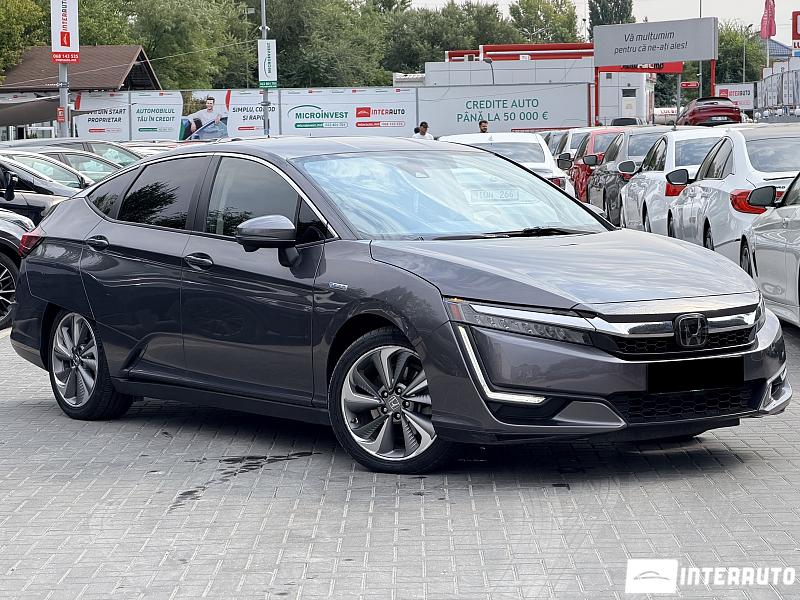
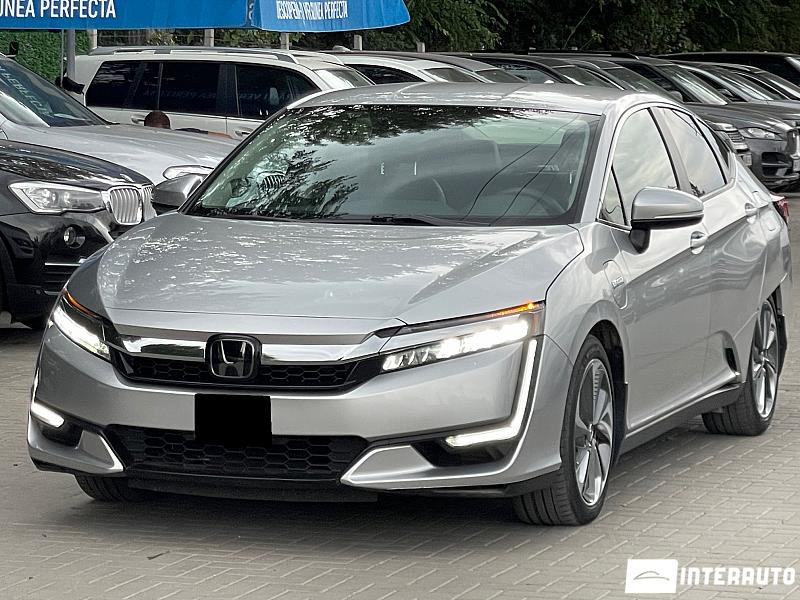
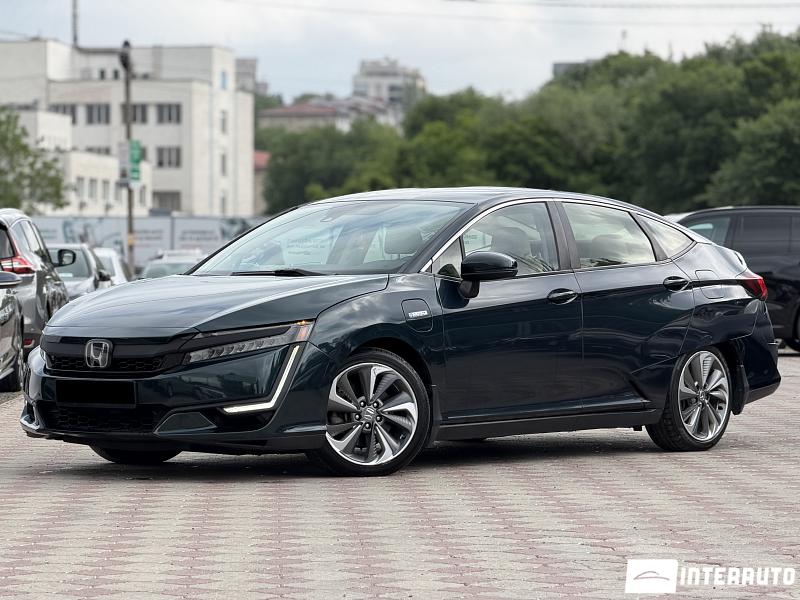
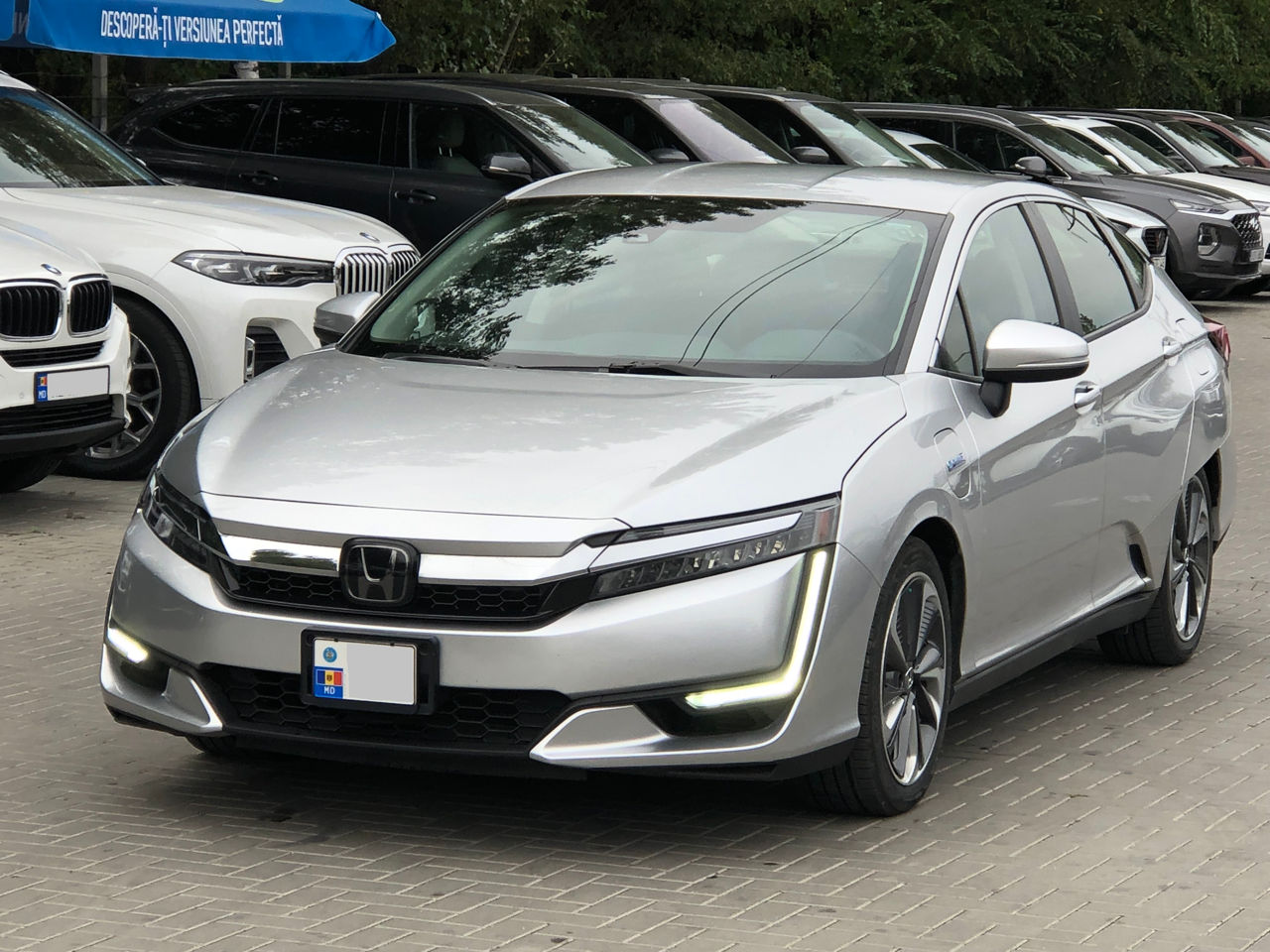
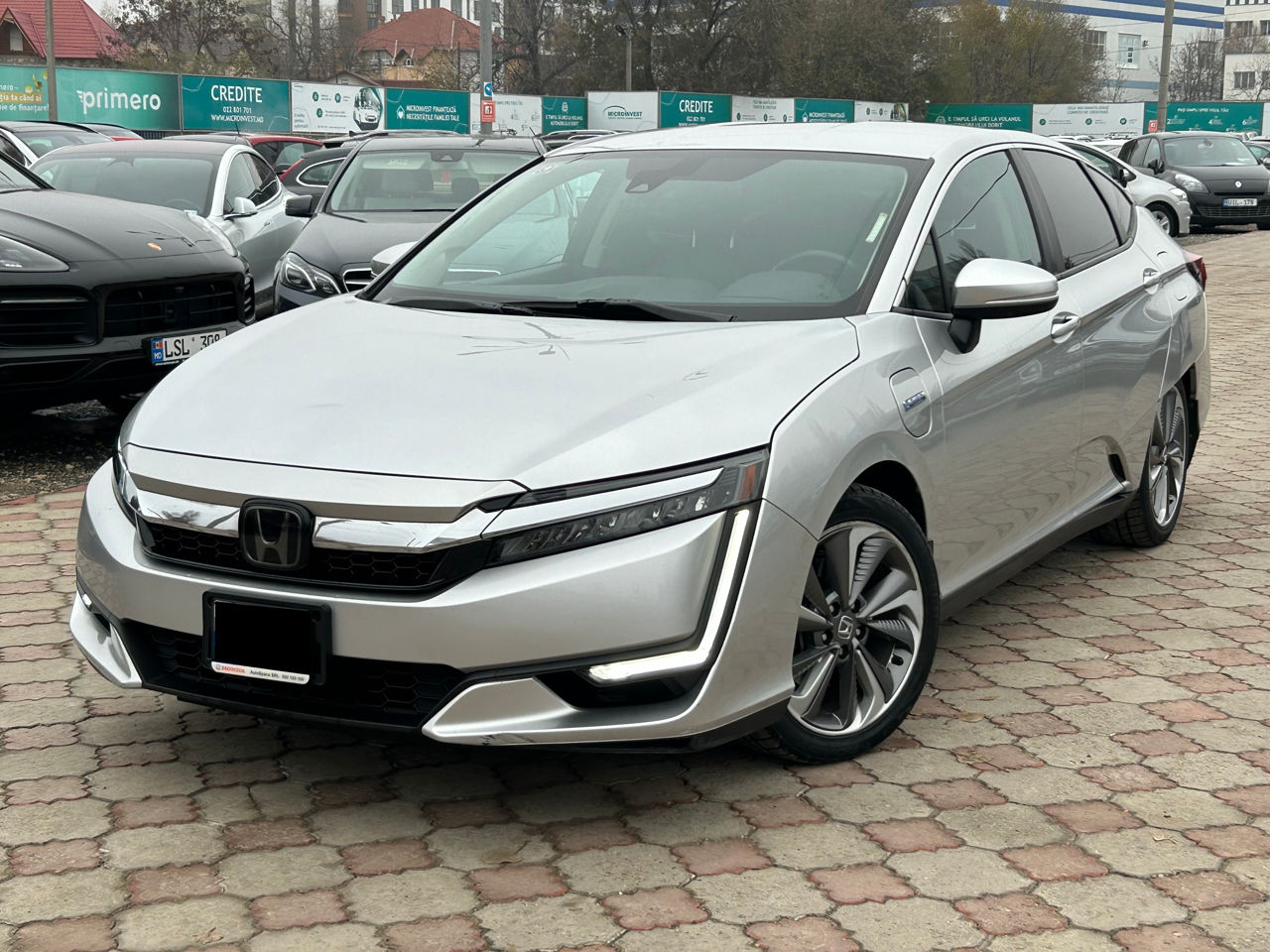
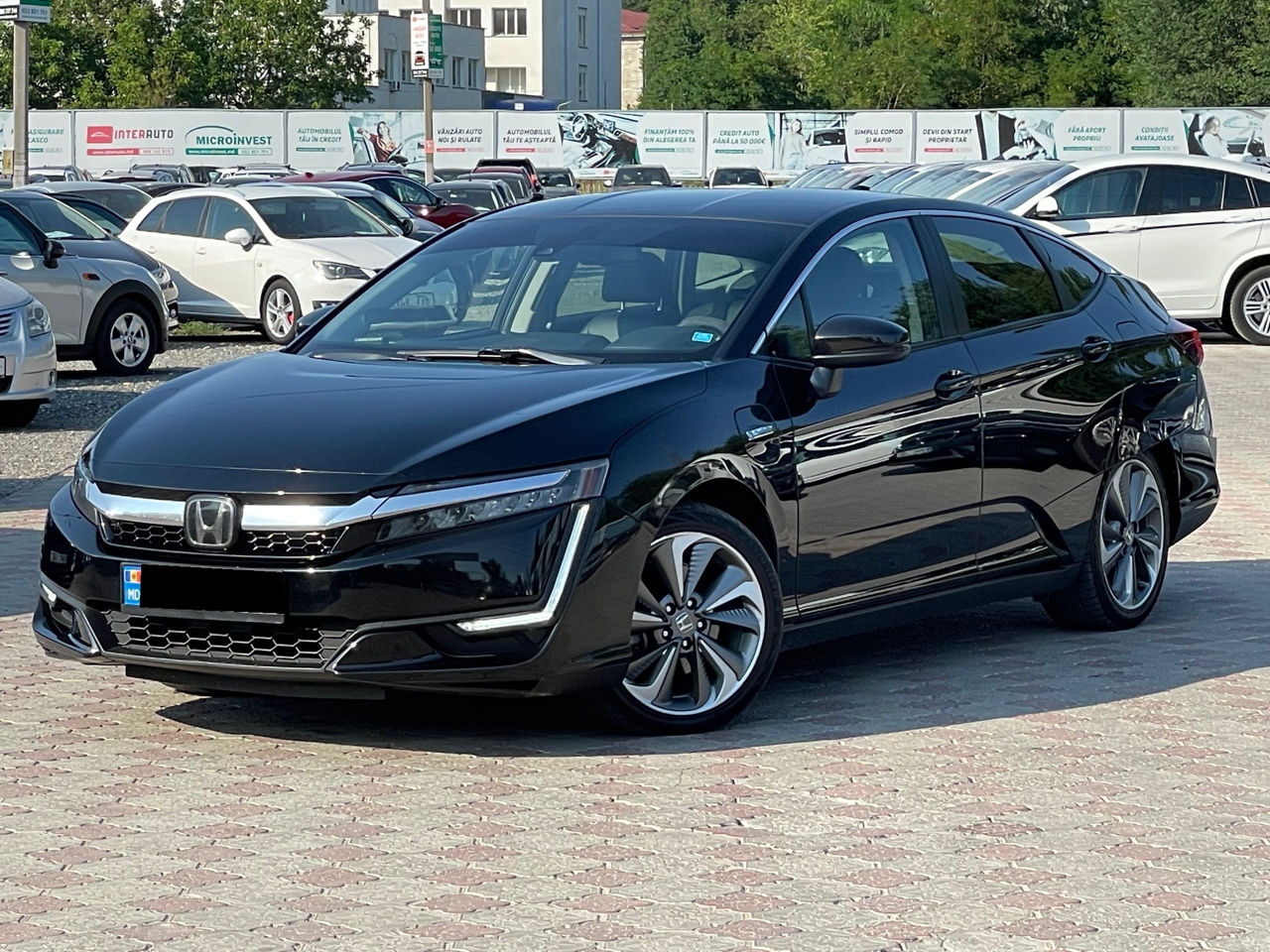
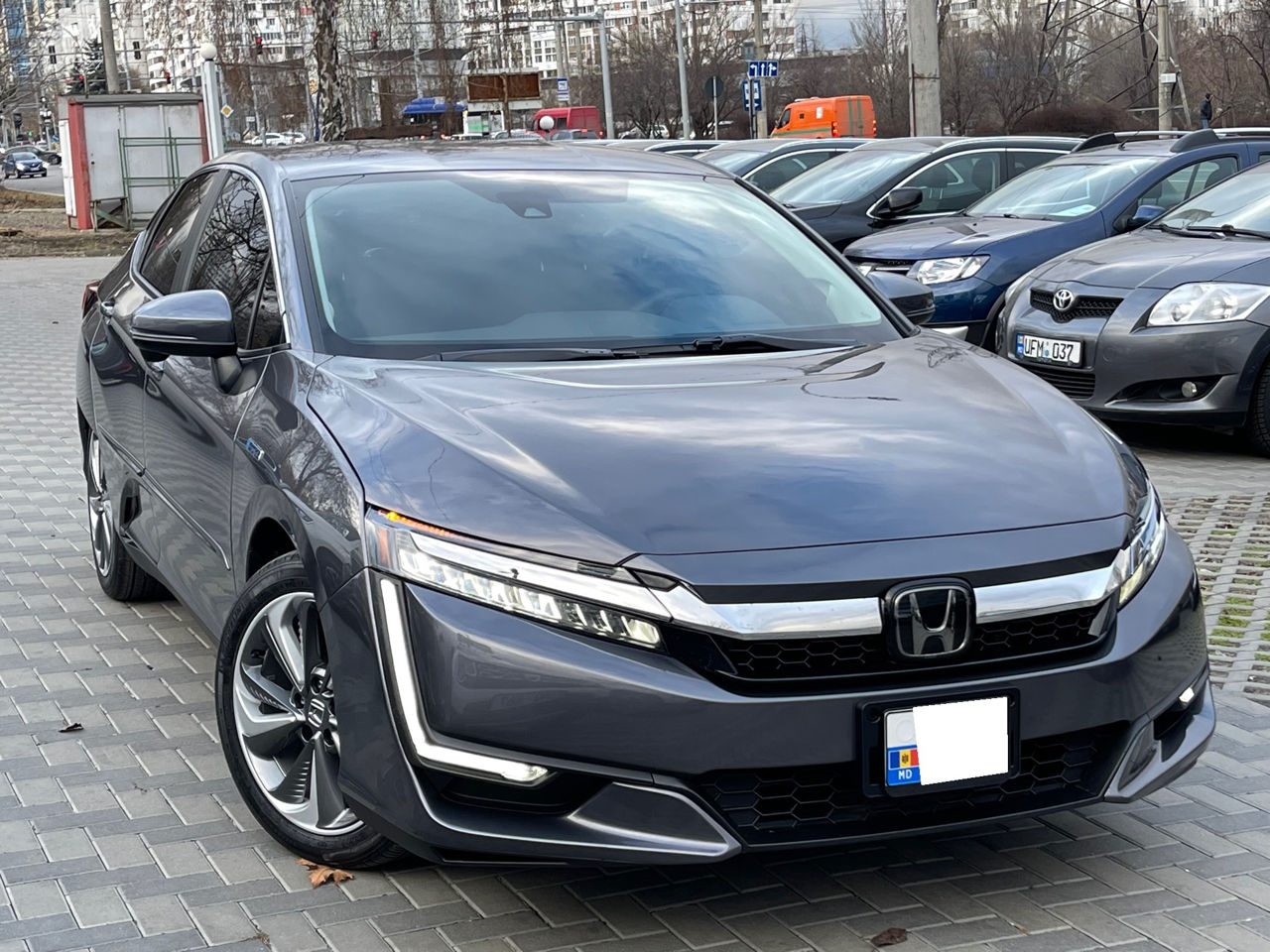
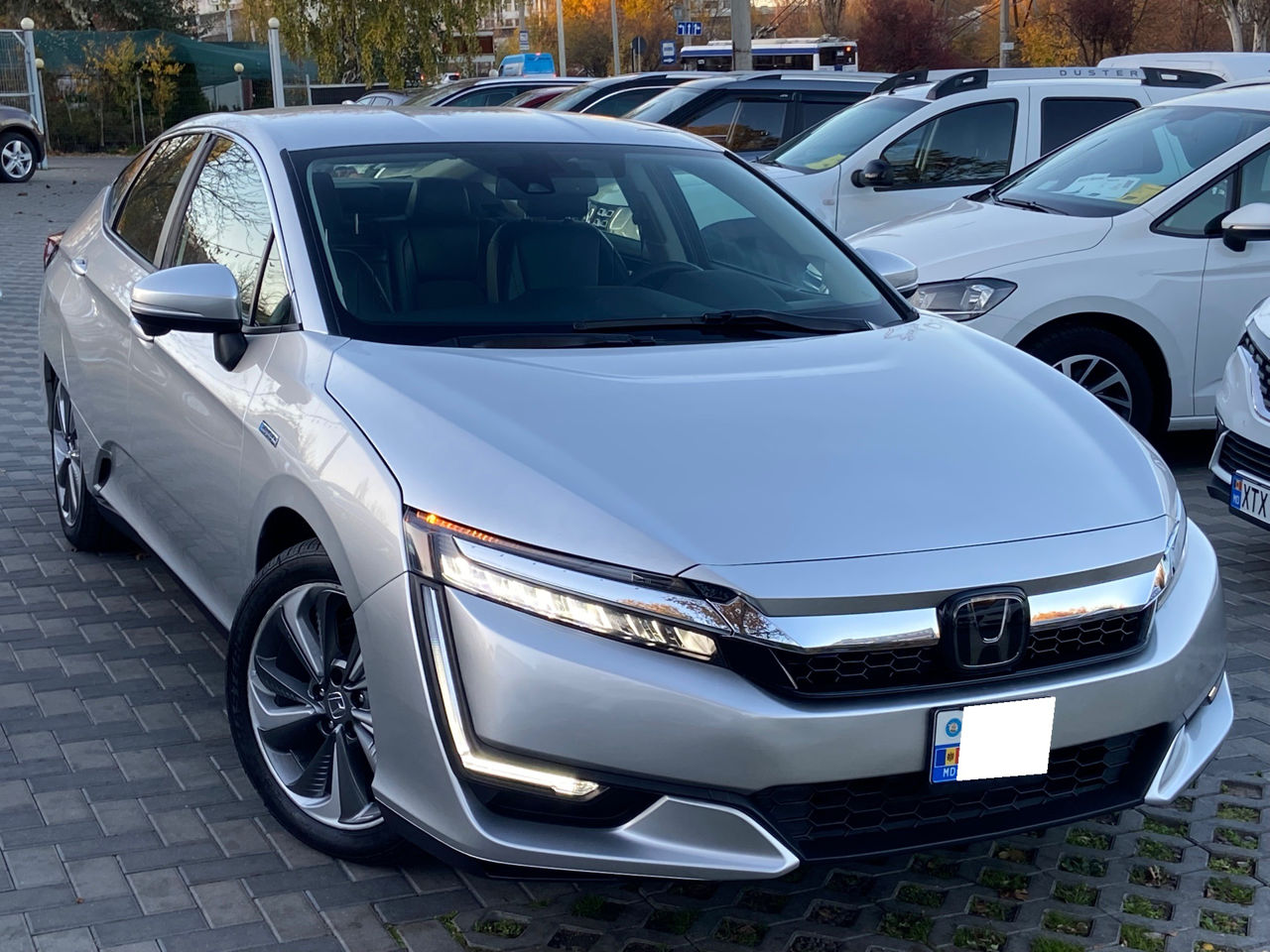
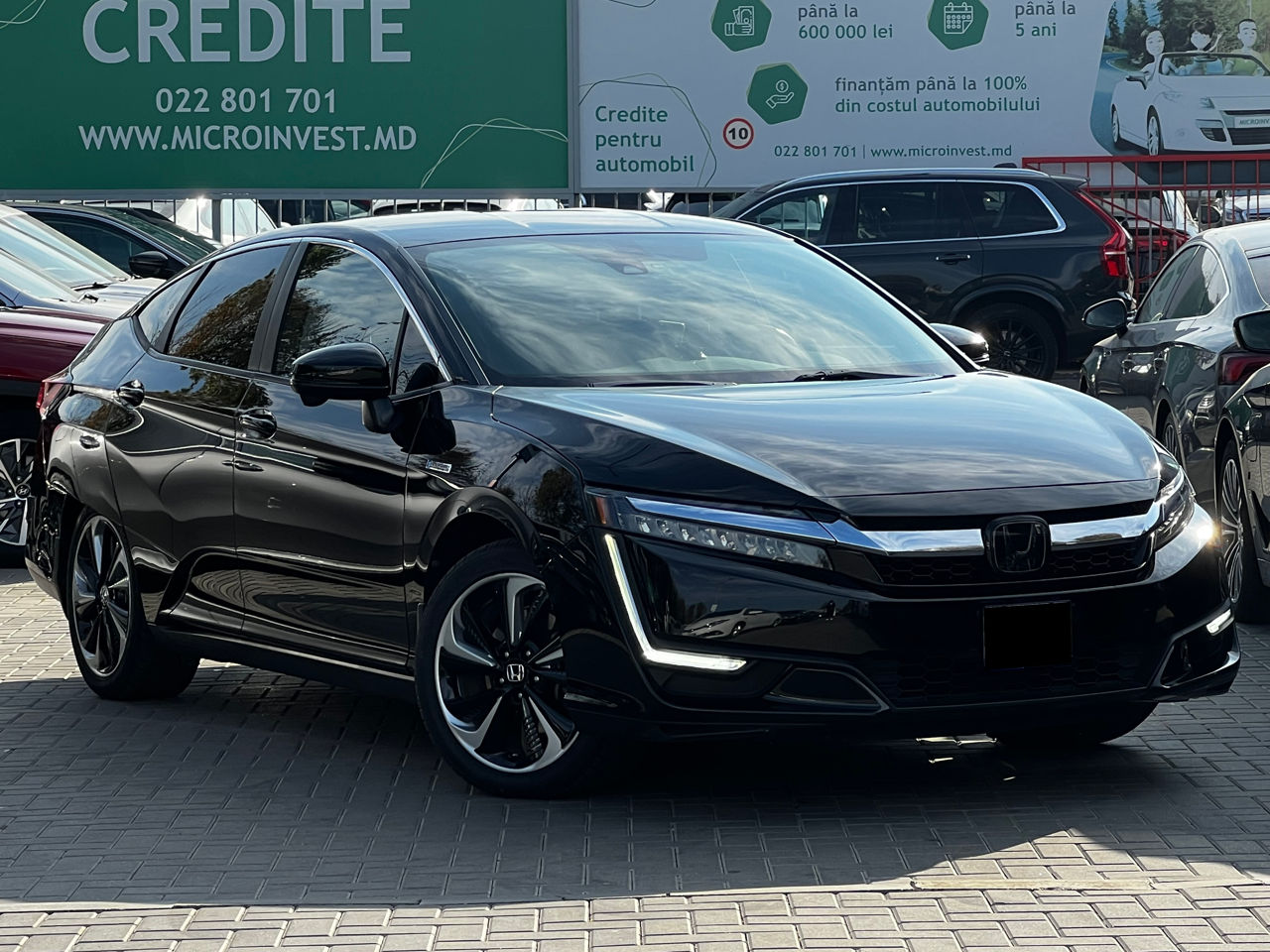
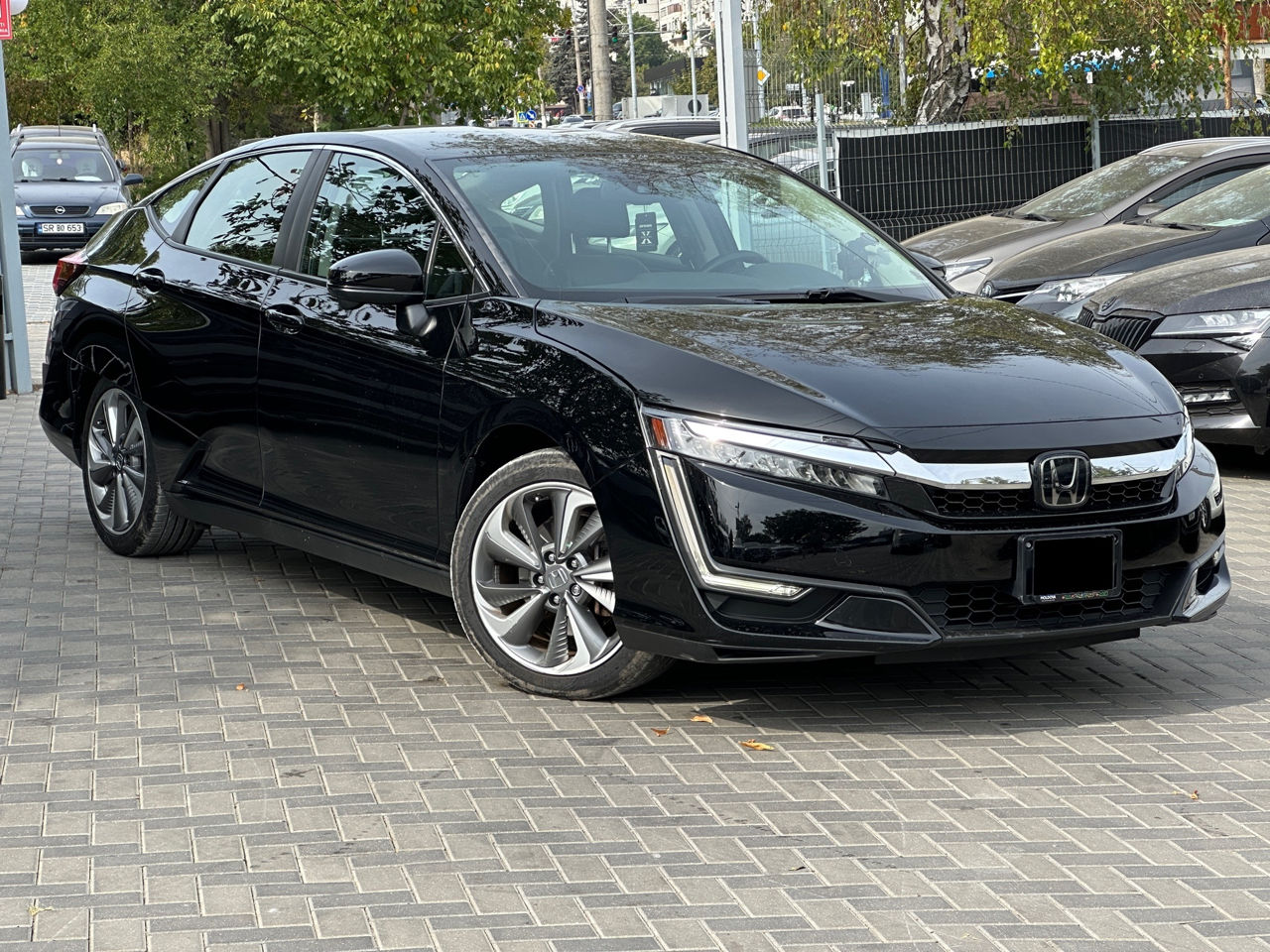
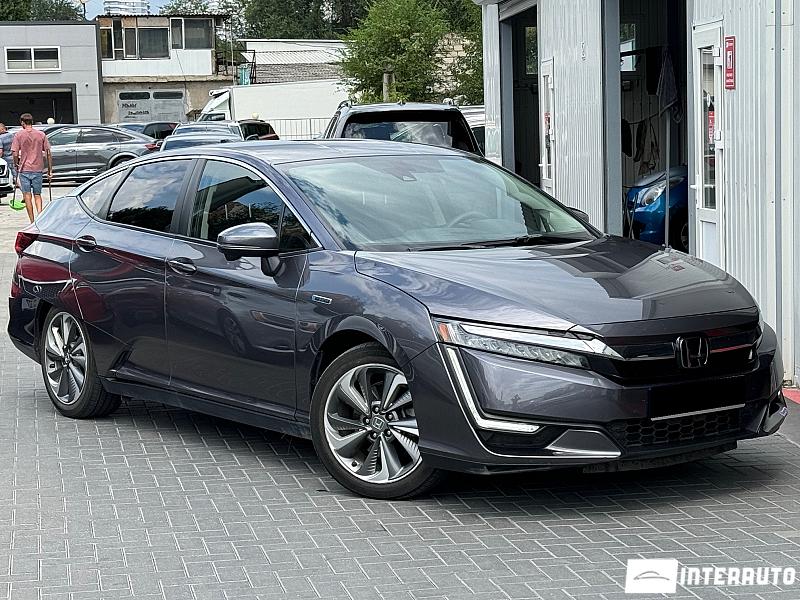
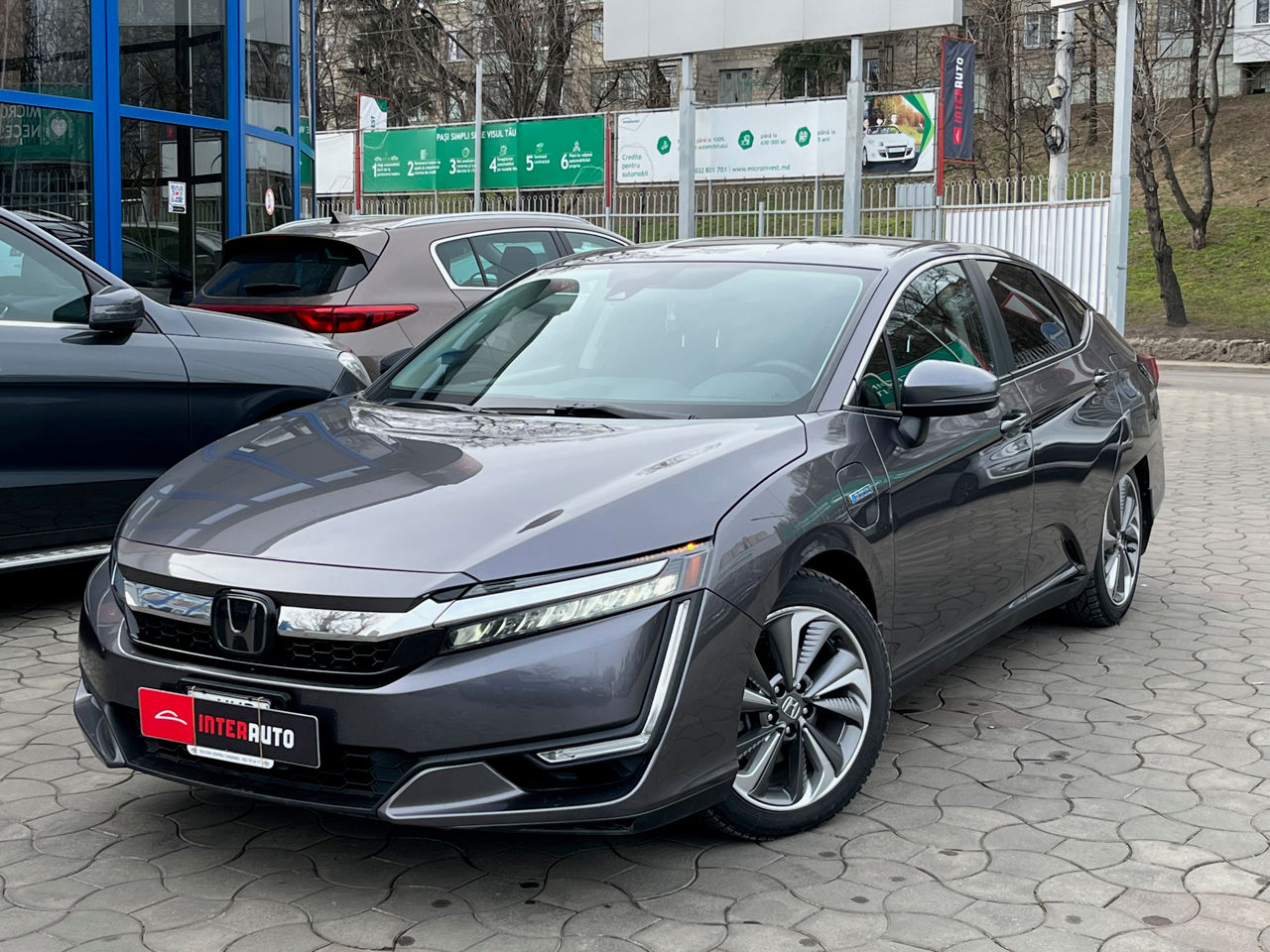
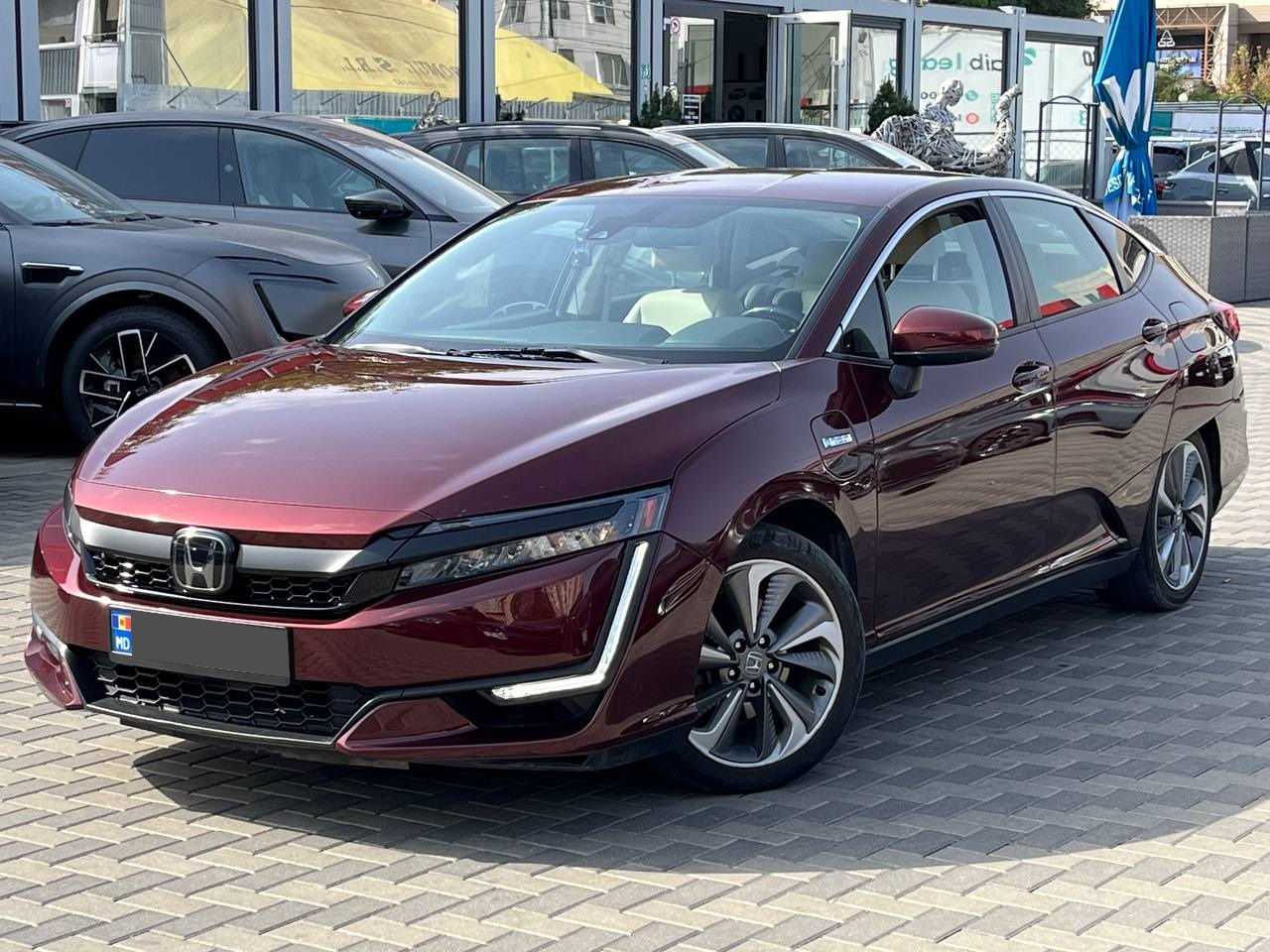
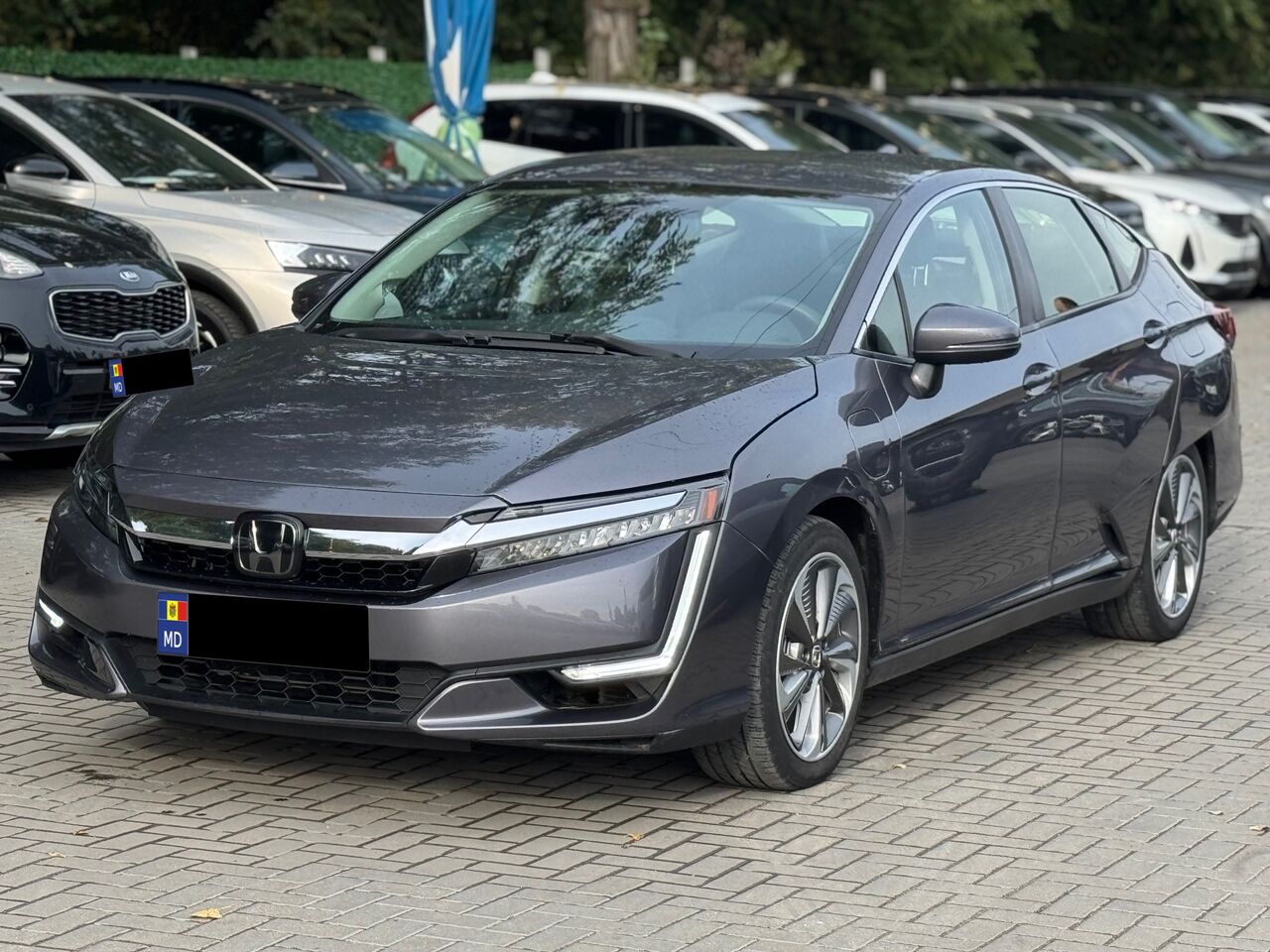
The Honda Clarity offers a clean-energy option for buyers who want a reliable sedan with low emissions. When you’re considering a purchase, it helps to understand the available generations, fuel types, and body styles, along with practical details like mileage, year, and price ranges. This guide walks through what to expect from the Honda Clarity, how to compare trims and configurations, and how to approach selling or trading in a Clarity in your city or country.
The Clarity family has included plug-in hybrid, electric, and fuel-cell variants. Buyers typically focus on the plug-in hybrid and electric models for most markets, with fuel-cell versions less common depending on local infrastructure. Key considerations include:
When evaluating options, compare these practical factors:
For sellers, highlighting remaining range, MOT/history, and recent maintenance helps buyers gauge value. Gather the following:
If you’re considering a Honda Clarity, take time to compare generations and trims, assess your daily driving needs, and check local incentives. A well-chosen Clarity can provide efficient, low-emission performance with practical everyday usability.
 Add as preferred sourceSee more from zvelta in Google Search Add as preferred source