 EN
ENDEALER
31.937 US$DEALER
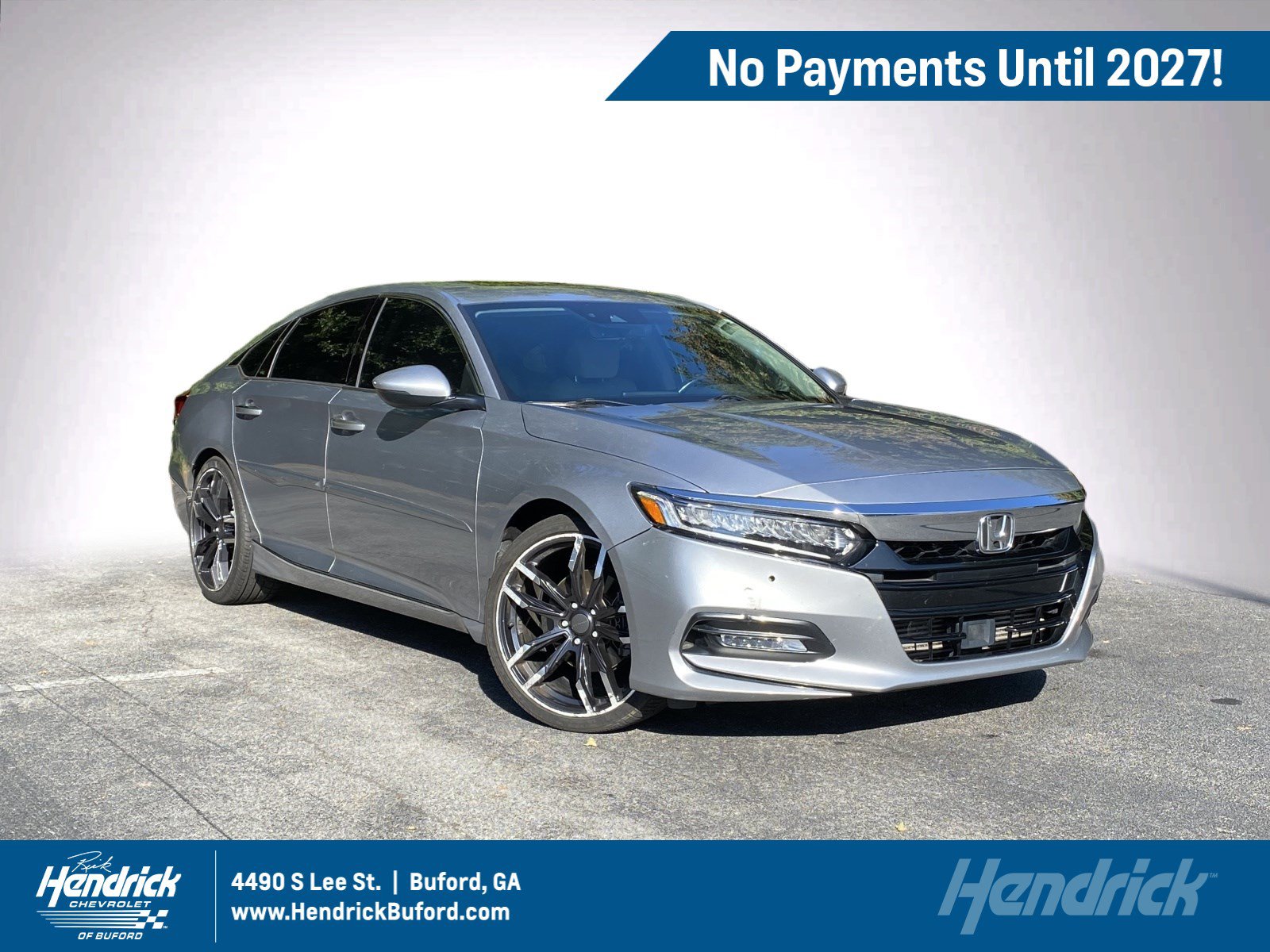
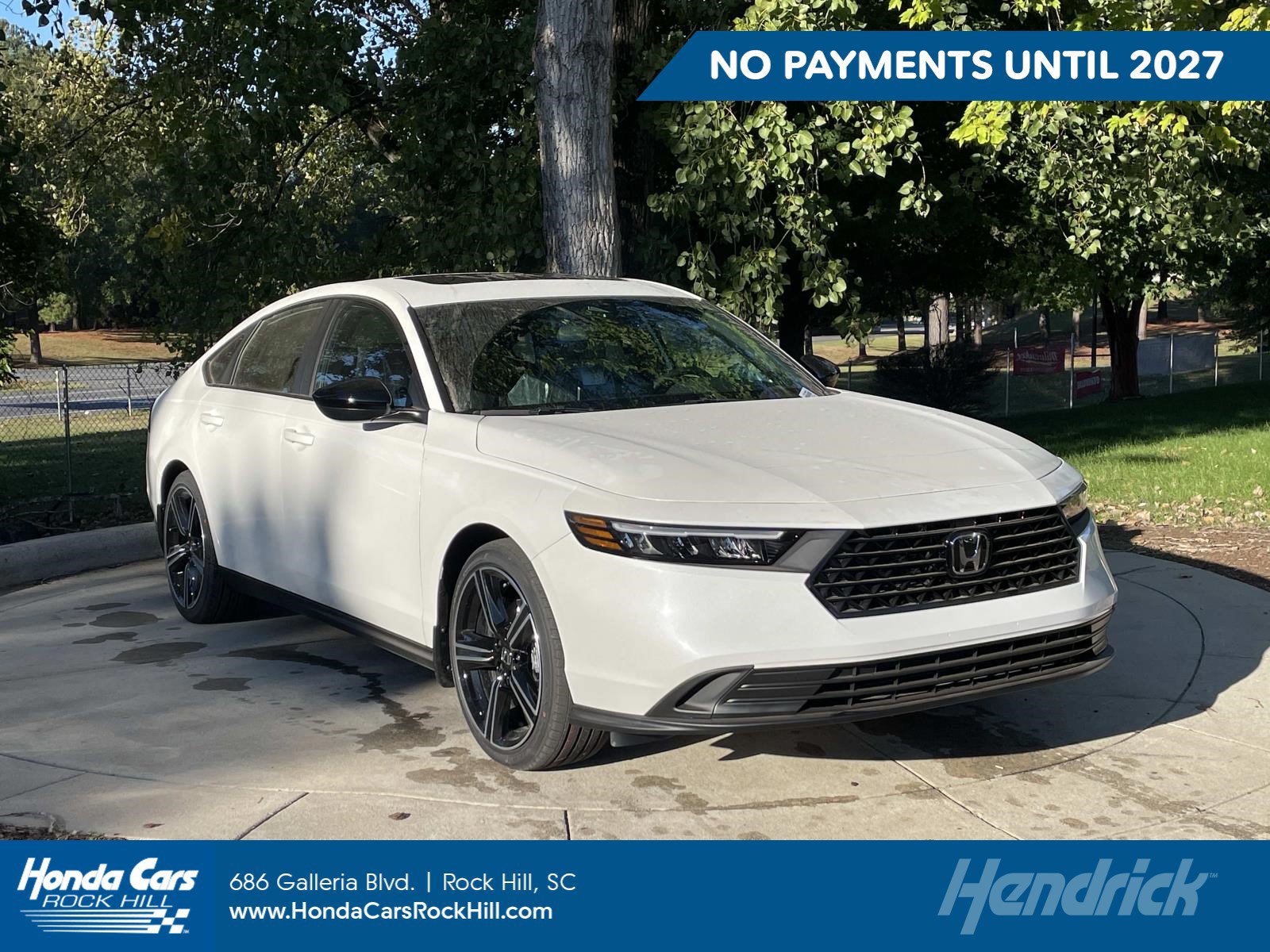
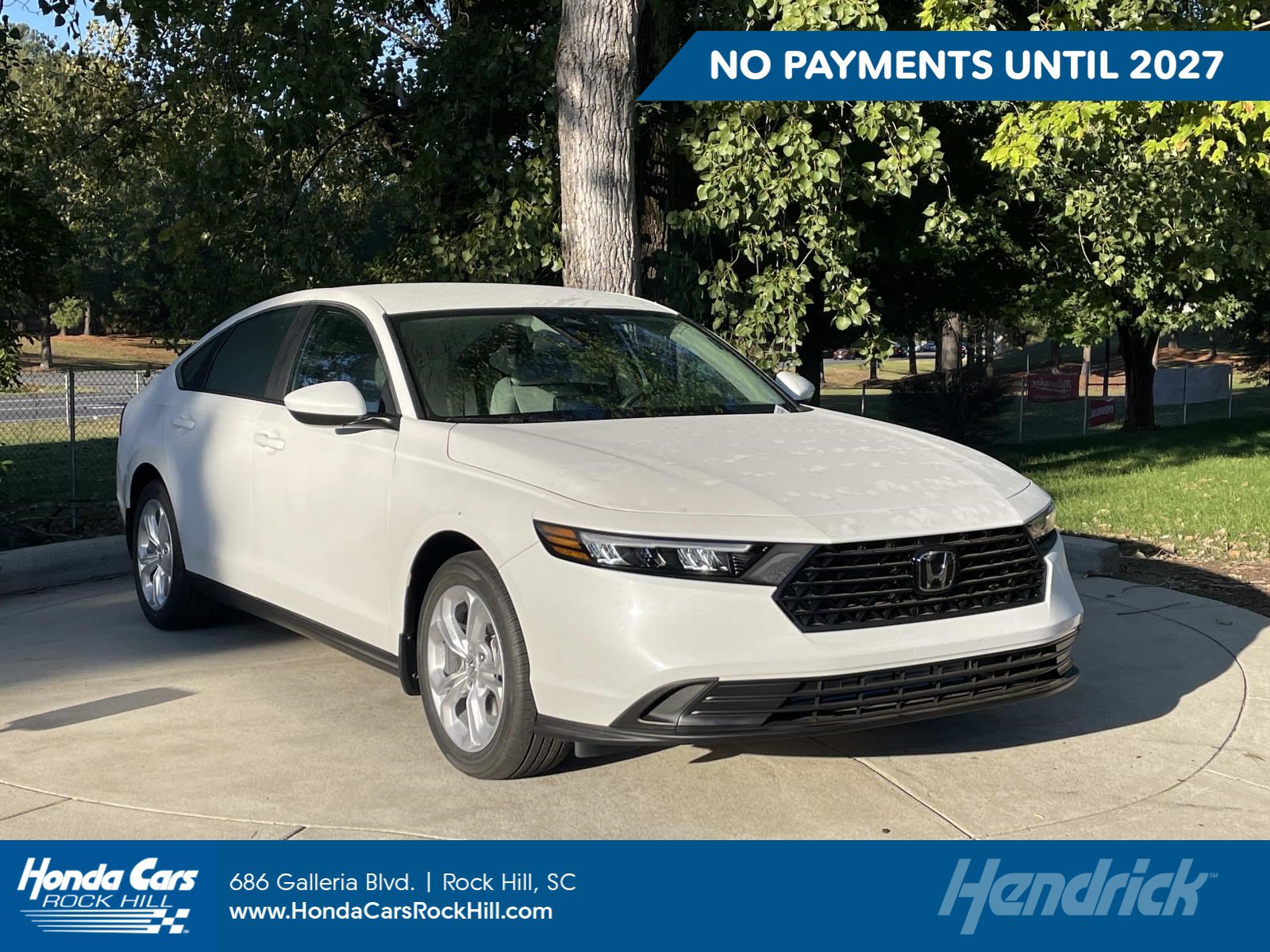
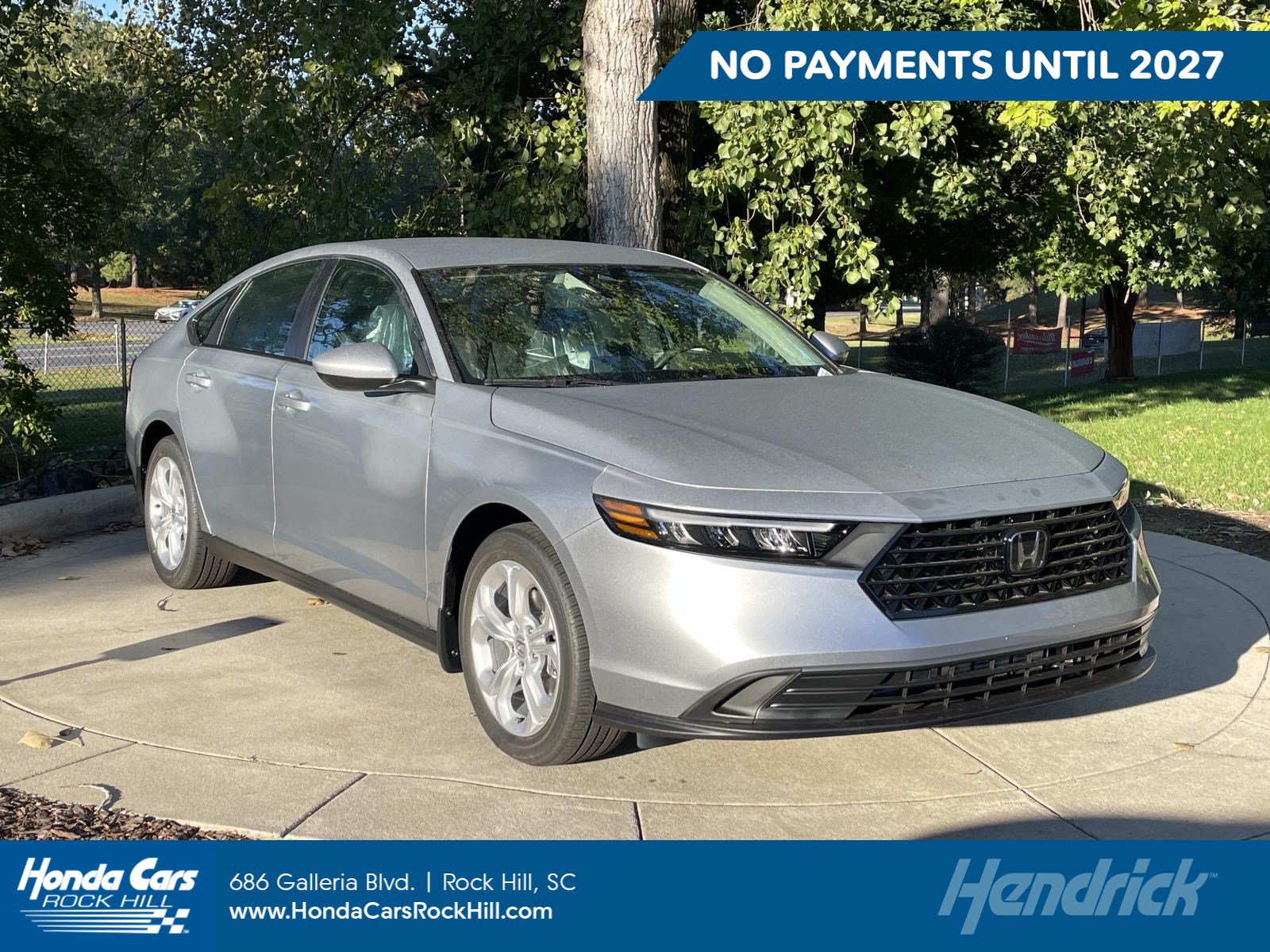
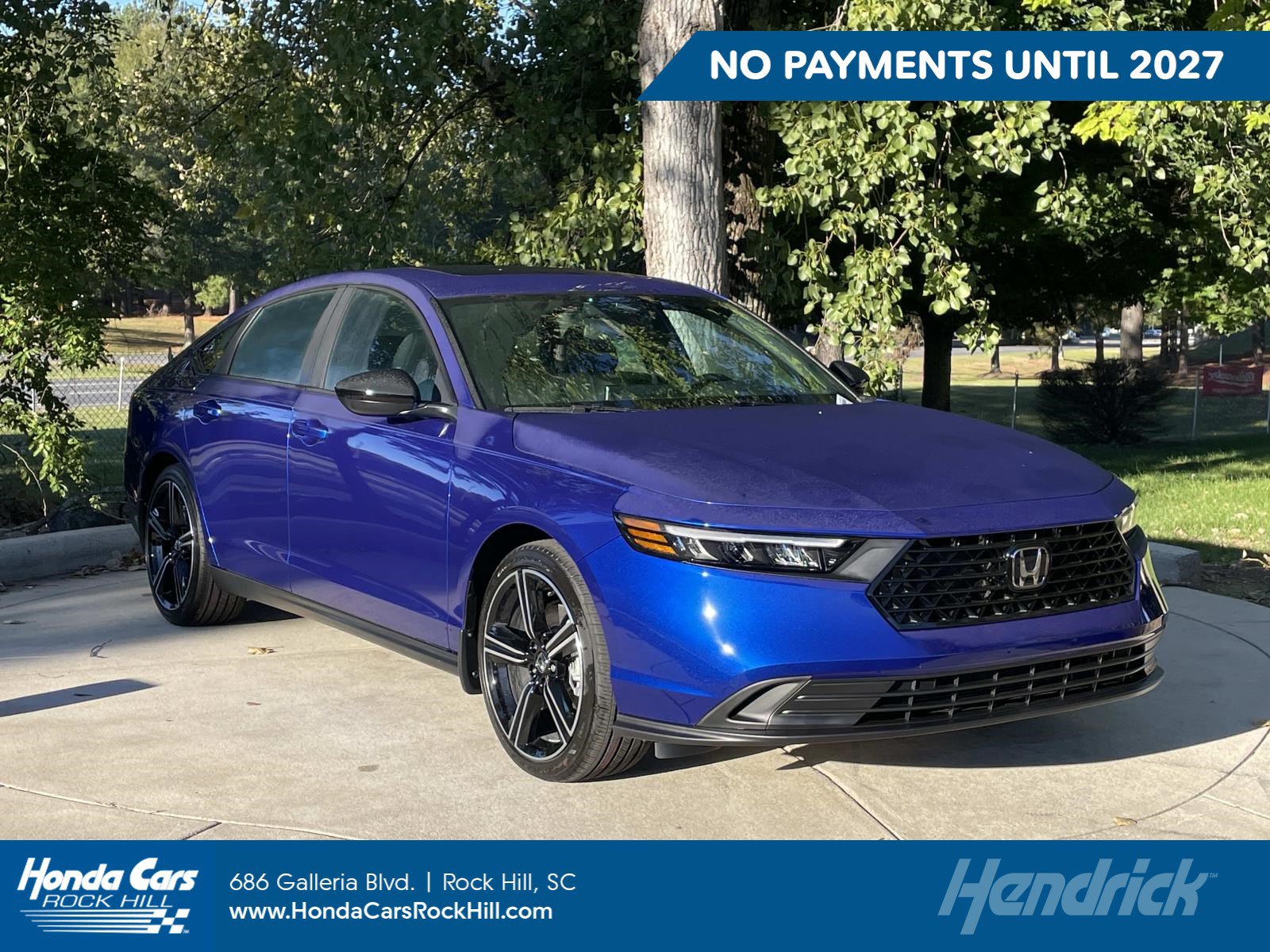
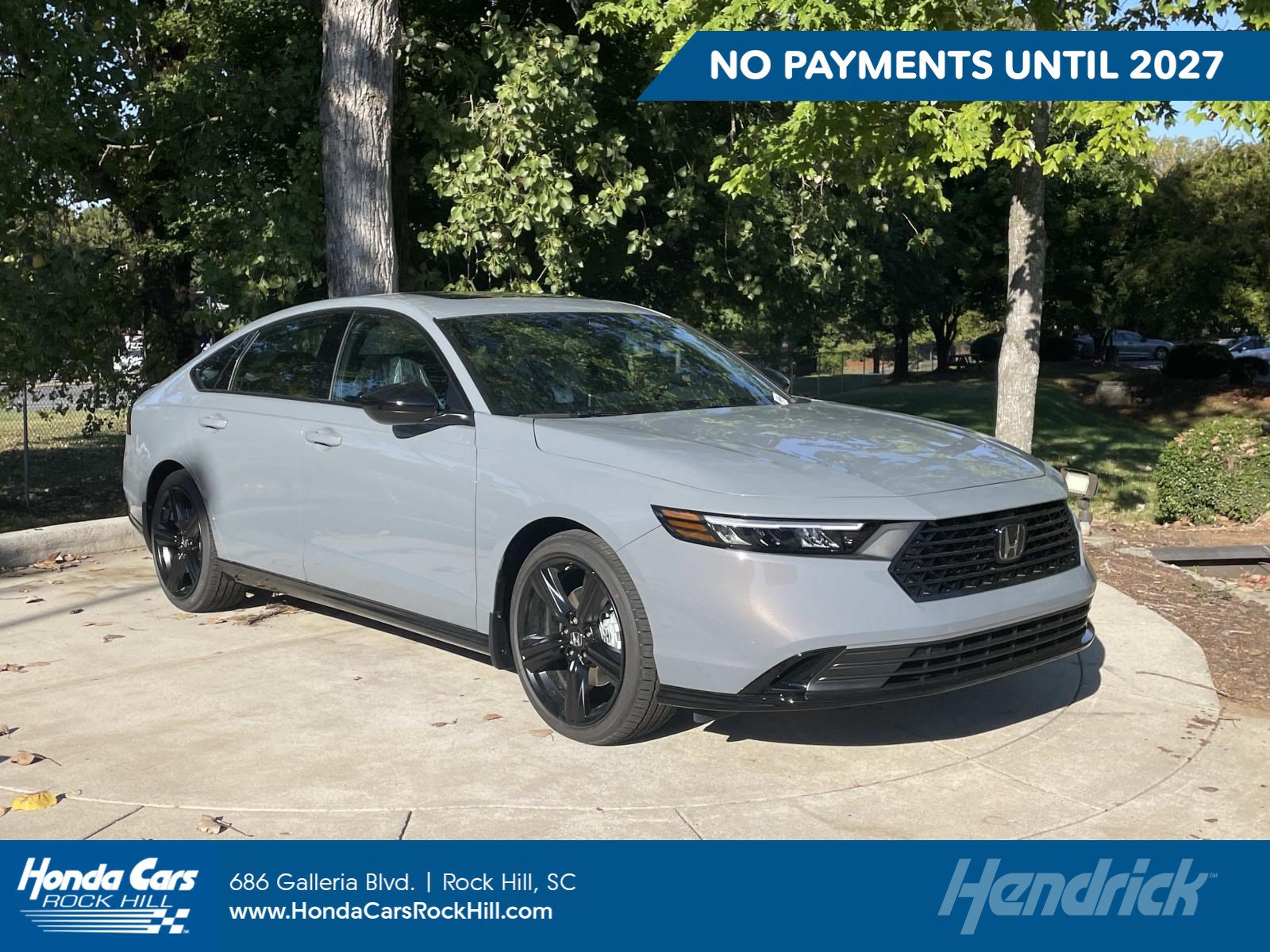
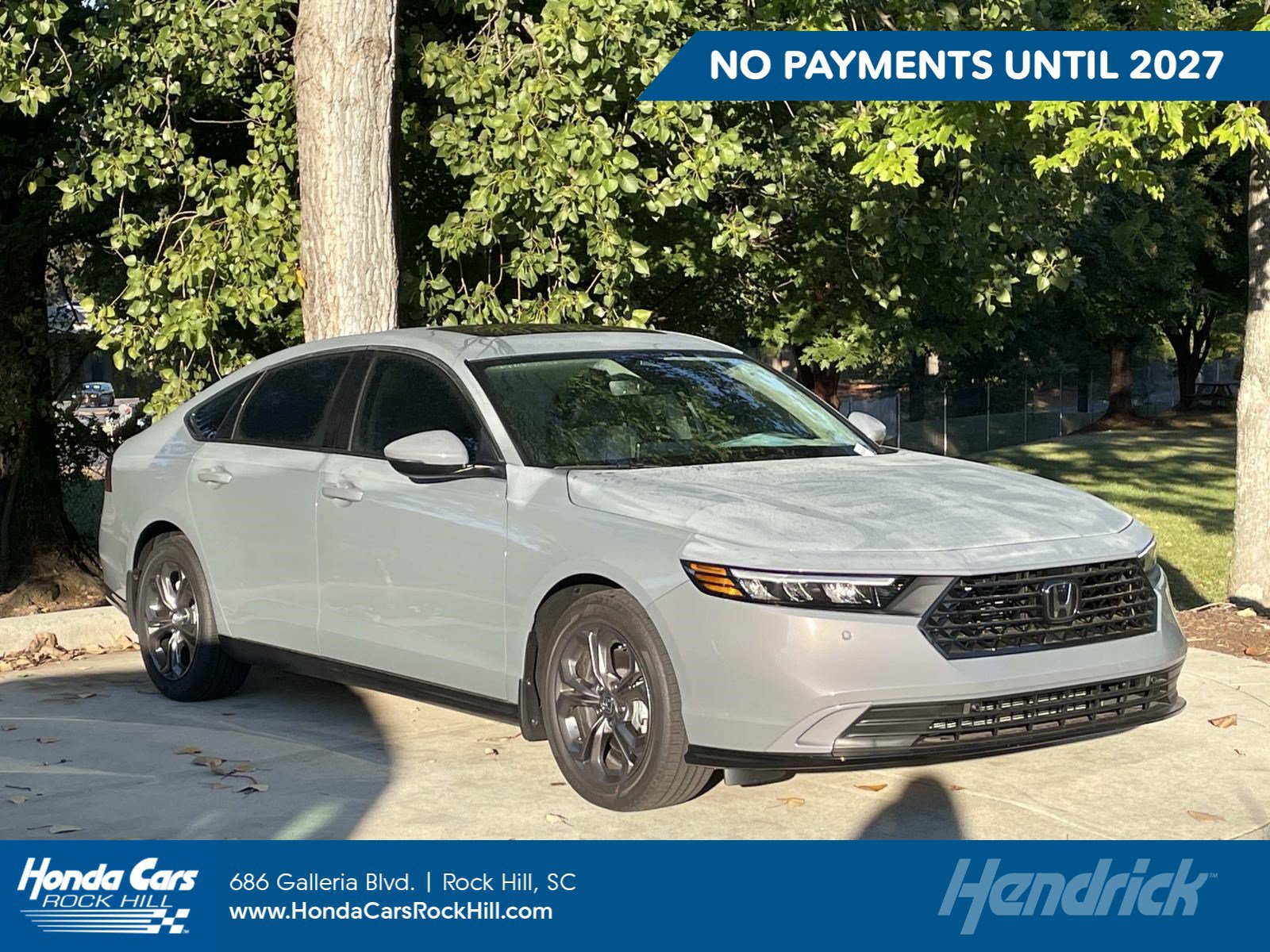
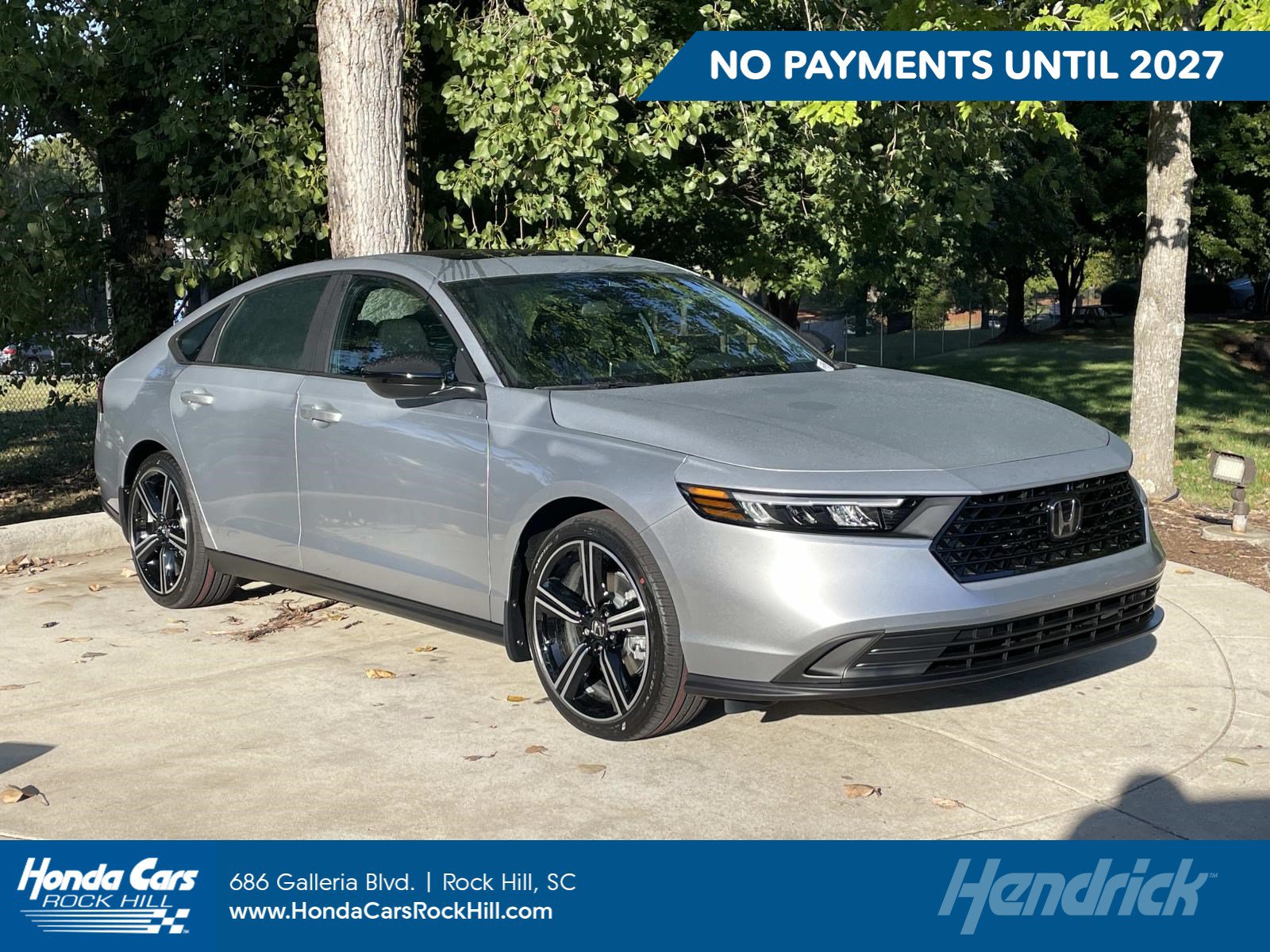
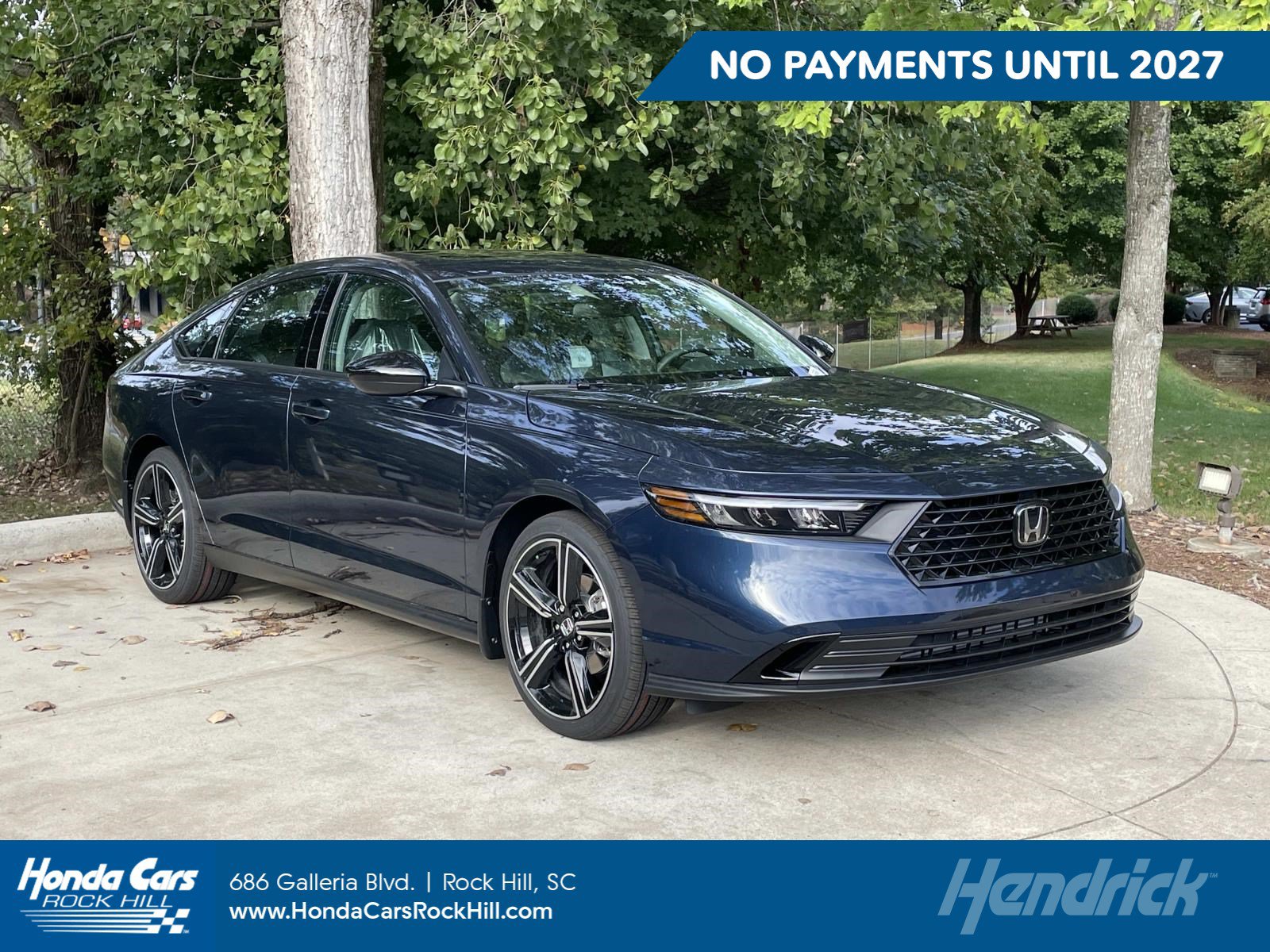
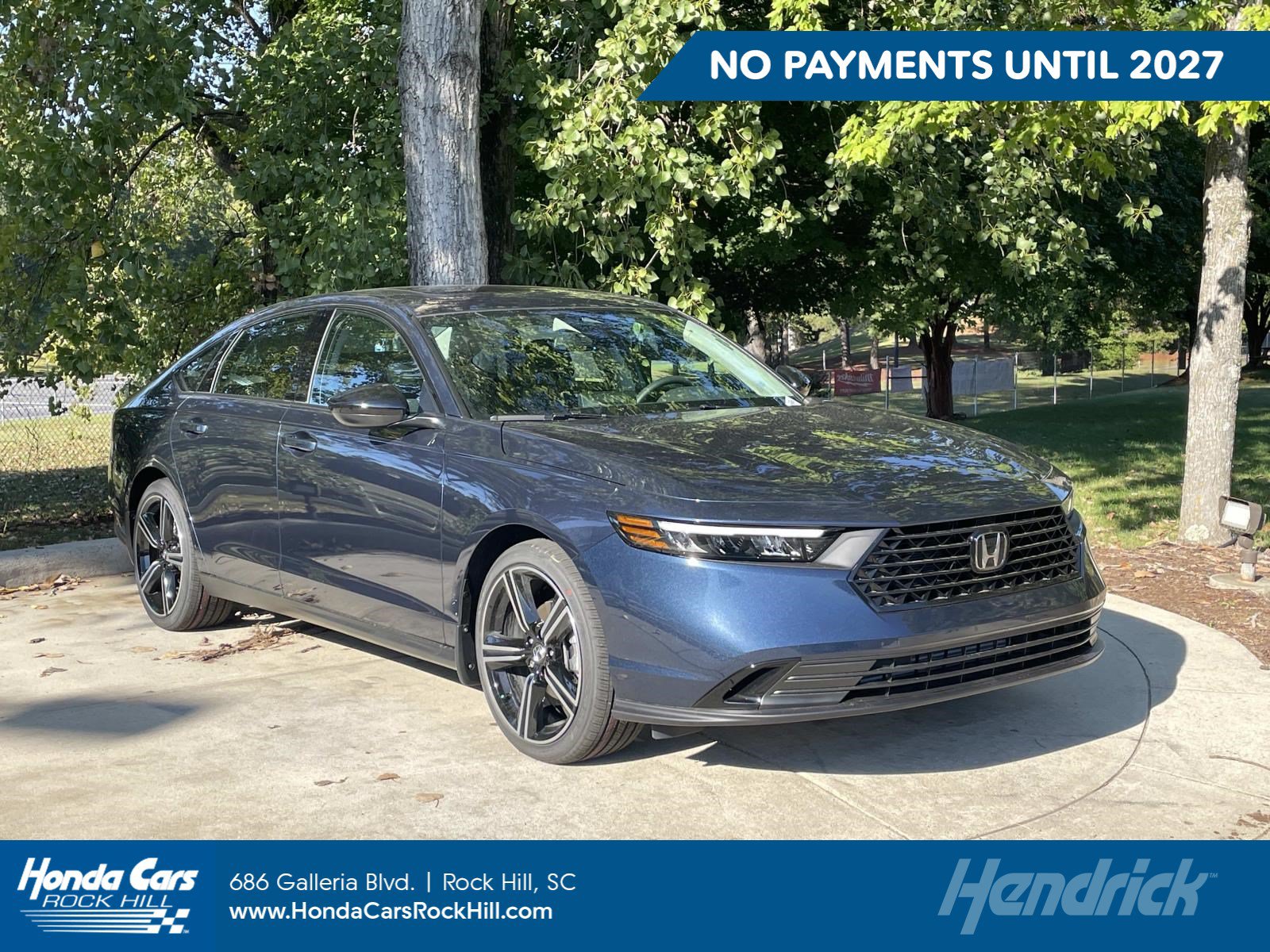
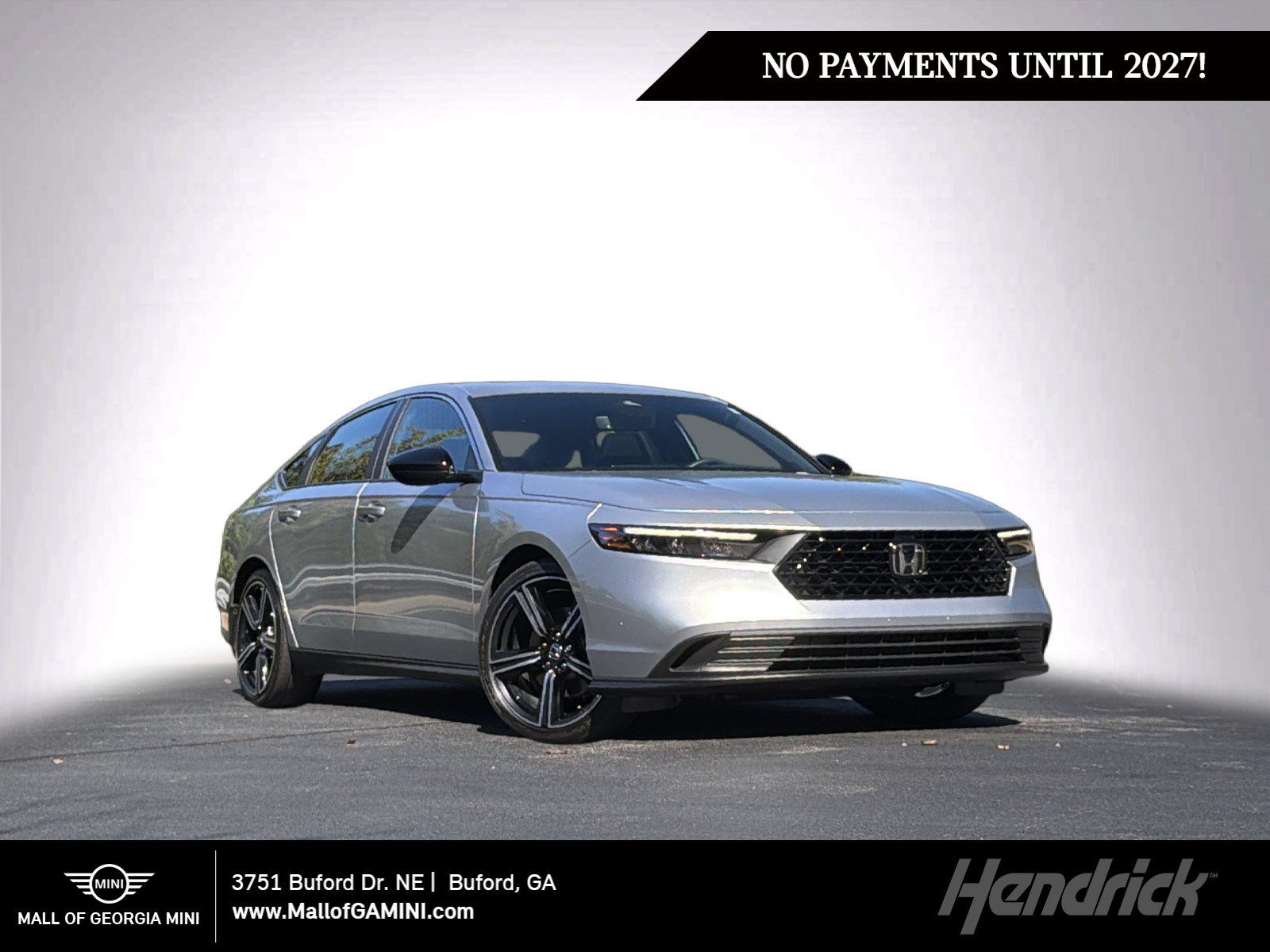
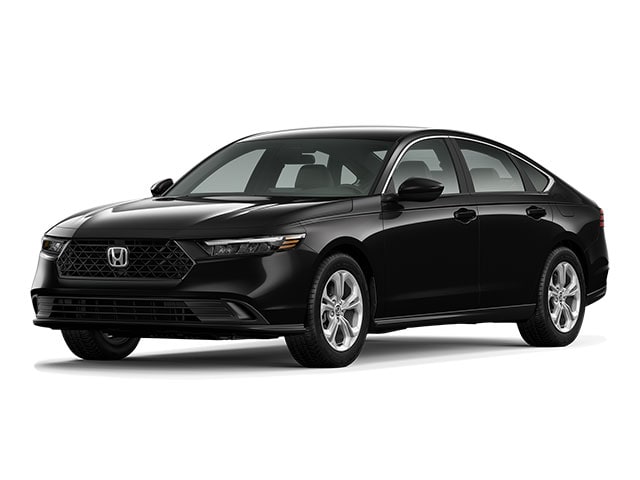
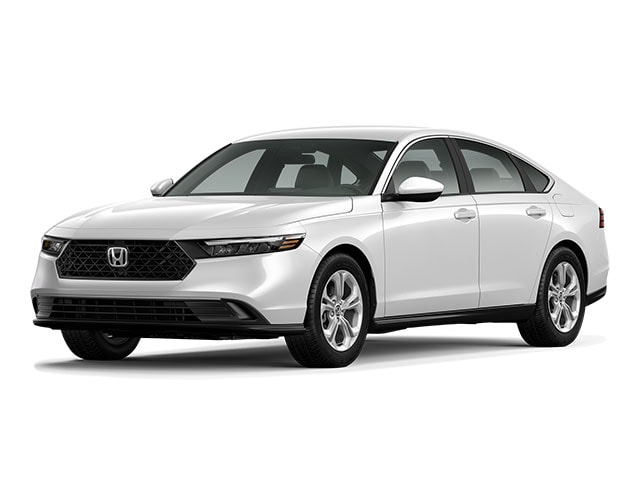
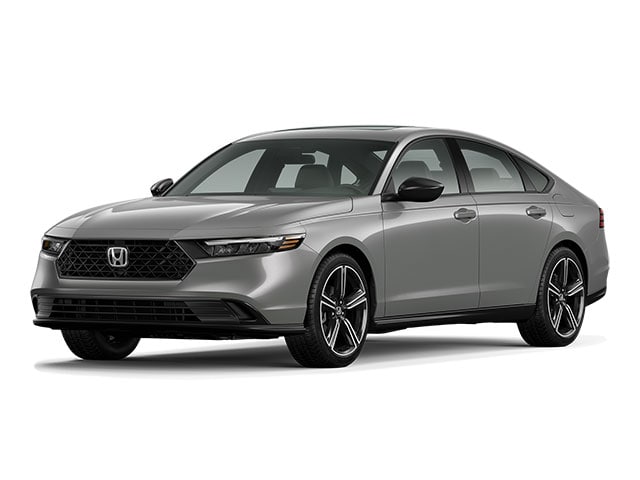
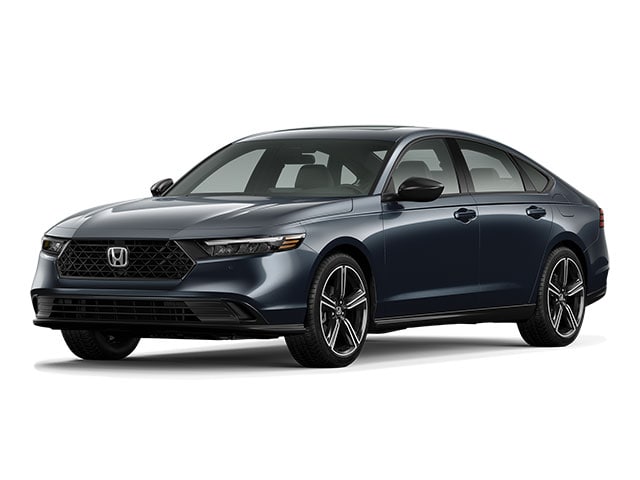
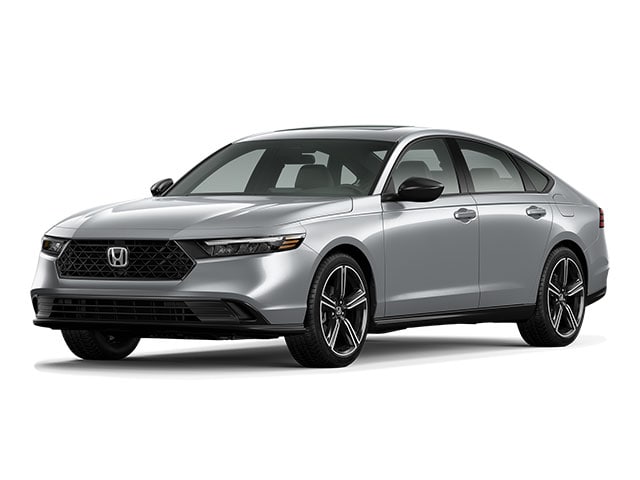
automatic, 16K km, sedan, Front Wheels Drive, 2,000 cm3, 146 hp, silver, Used condition, USA, In stock

HendrickCars.com
 Buford, United States
 Buford, United StatesBuford, United StatesBuford, United States
 South Shore, United StatesGeorgetown, United States
 Rock Hill, United States
 Rock Hill, United States
 Rock Hill, United States
 Rock Hill, United States
 Rock Hill, United States
 Rock Hill, United States
 Rock Hill, United States
 Rock Hill, United States
 Rock Hill, United StatesRock Hill, United StatesRock Hill, United StatesRock Hill, United StatesRock Hill, United StatesRock Hill, United StatesRock Hill, United StatesRock Hill, United StatesRock Hill, United StatesRock Hill, United StatesRock Hill, United StatesRock Hill, United States
The Honda Accord remains one of the most popular mid-size sedans for buyers who want comfort, reliability, and practical performance. Whether you’re shopping in a busy city or a quieter suburb, understanding the key choices in the Honda Accord lineup helps you target a model that fits your lifestyle and budget. In this guide, we cover generations, common configurations, fuel types, body styles, and what to look for when buying or selling an Accord in your area.
Choosing the right Accord begins with identifying your priorities: fuel efficiency, power, interior space, and long-term reliability. The main generation you’ll encounter in used-car markets includes several wave updates, with the latest generations offering improved technology, safety features, and more efficient engines. Common options include four-door sedans with a spacious trunk and refined ride, ideal for daily commuting and family trips.
When you search, you’ll see trims and engines ranging from efficient four-cylinders to turbocharged variants. The most popular pathways are:
To evaluate options, match age, mileage, and maintenance history with your needs. Key signals include:
In many markets, you’ll find trims such as LX, EX, Sport, Touring, and hybrid variants. Each brings a balance of comfort features and performance. For city driving, lower-mileage cars with a documented service history usually offer the best value.
Prices for Honda Accord vary by country, city, year, and condition. In many markets, a mid-generation model with moderate mileage sits in a reasonable price segment, while newer hybrids command a premium. Consider ownership costs in the long run:
If you’re selling an Accord, highlight recent maintenance, the condition of the tires and brakes, and any recent upgrades to infotainment or safety systems. A complete maintenance log and clear photos help attract serious buyers.
Answering these questions depends on your priorities. If you value fuel economy and city commuting, a hybrid or 1.5T model may be ideal. If you want strong highway performance and resale value, a newer 2.0T variant could be worth the premium.
In summary, the Honda Accord offers a balanced blend of practicality and efficiency across generations. By focusing on year, mileage, and service history, and by testing a few configurations in your local market, you’ll find a sedan that matches your needs and your budget.
 Add as preferred sourceSee more from zvelta in Google Search Add as preferred source