EN
EN
16.660 US$
17.600 US$
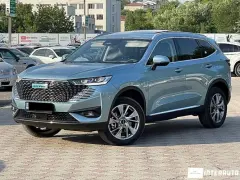
gasoline, automatic, 122K km, SUV, Front Wheels Drive, 2,000 cm3, blue

BossAutoUkraine.com.ua
 Stryi, Ukraine
 Stryi, Ukraine
 Sofiyivska Borschagivka, UkraineSofiyivska Borschagivka, Ukraine
 Moldova
 MoldovaMoldovaMoldovaMoldova, Chișinău MunicipalityMoldova, Chișinău MunicipalityRîşcani, MoldovaCkulyanskaya Rogatka, Moldova
 Chisinau, MoldovaUkraine
 UkraineUkraineUkraineUkraineUkraineVinnytsya Raion, Ukraine
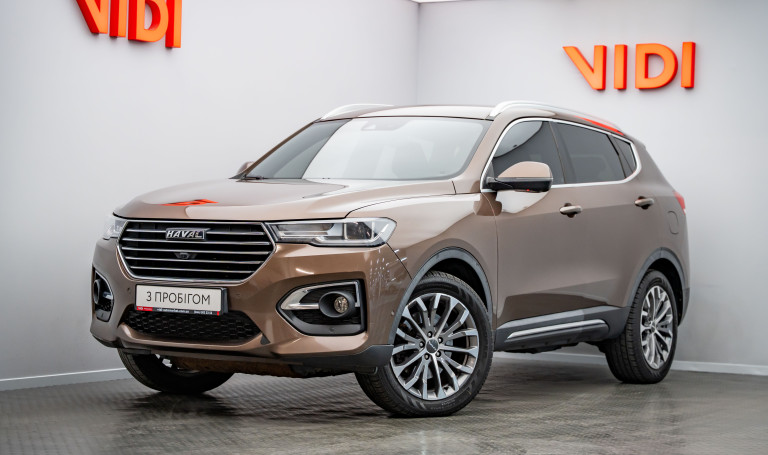
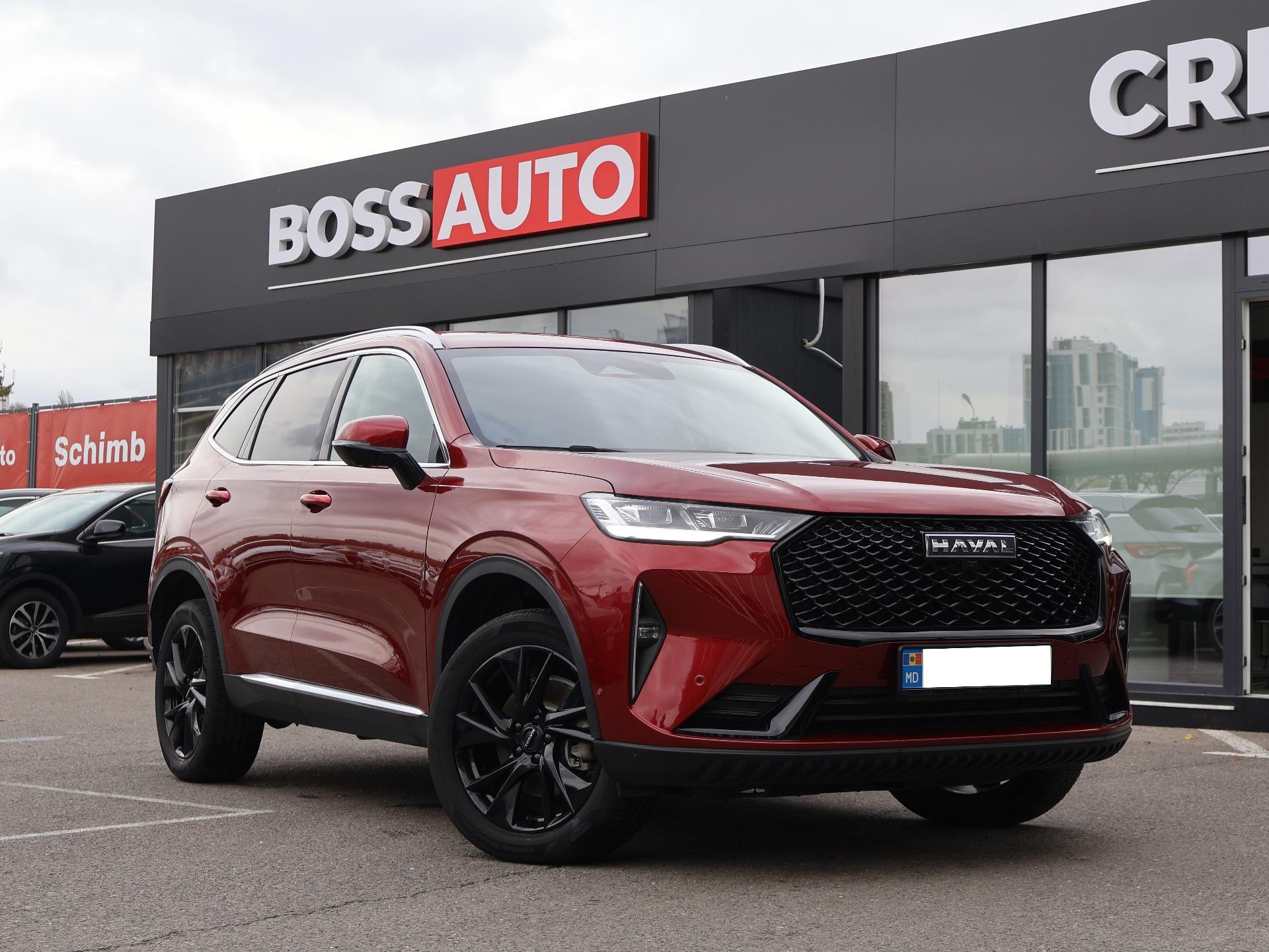
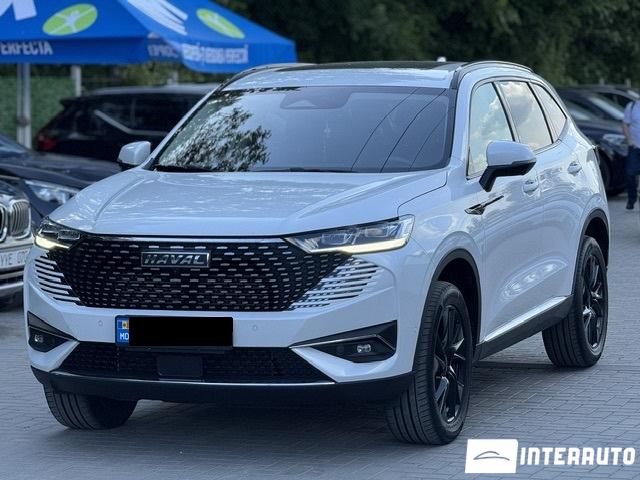
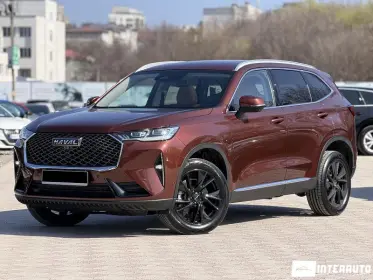
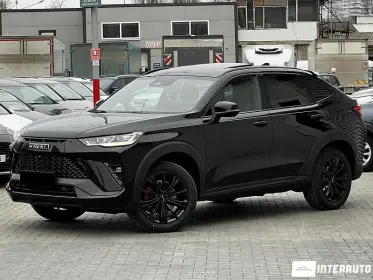
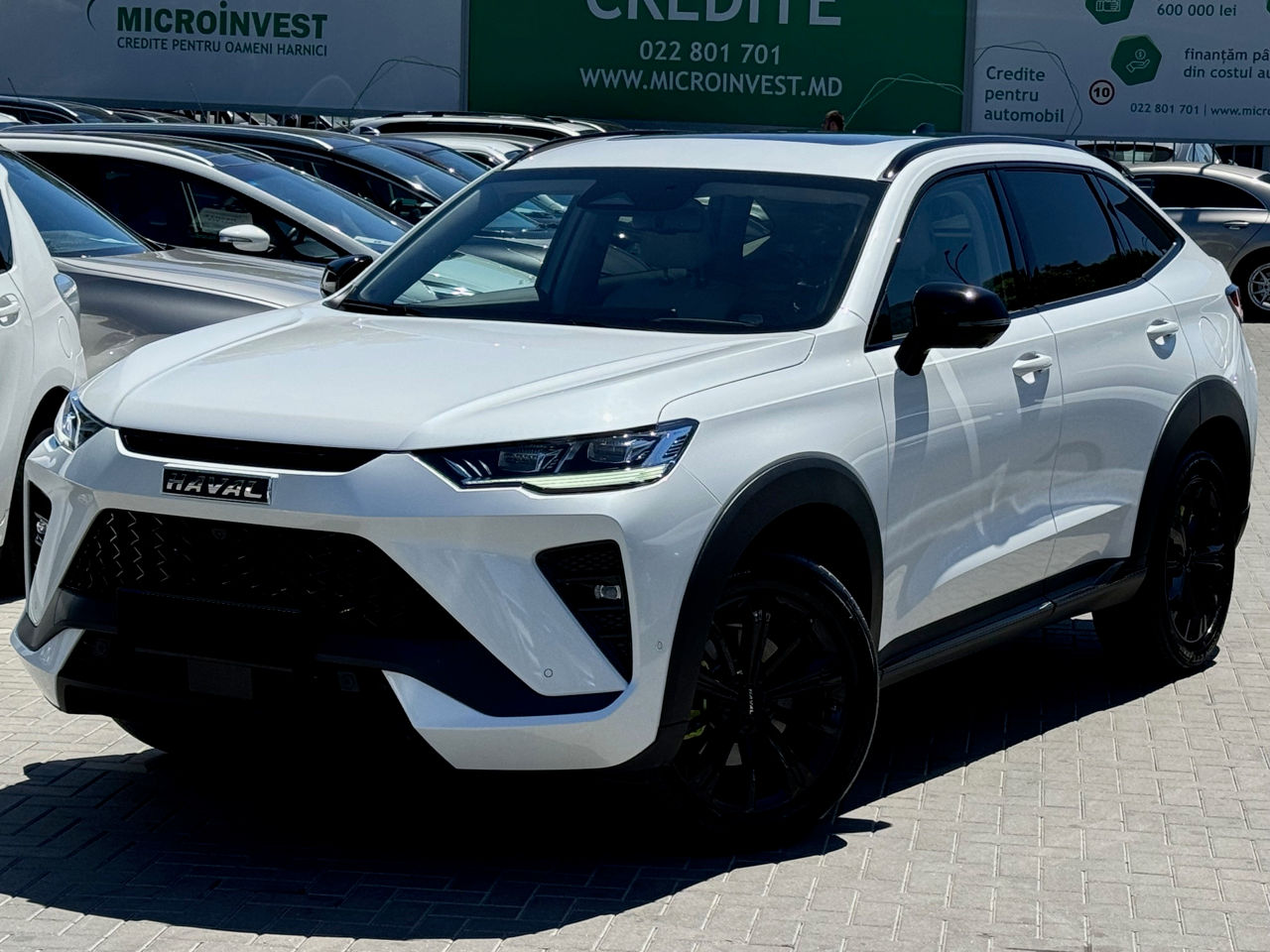
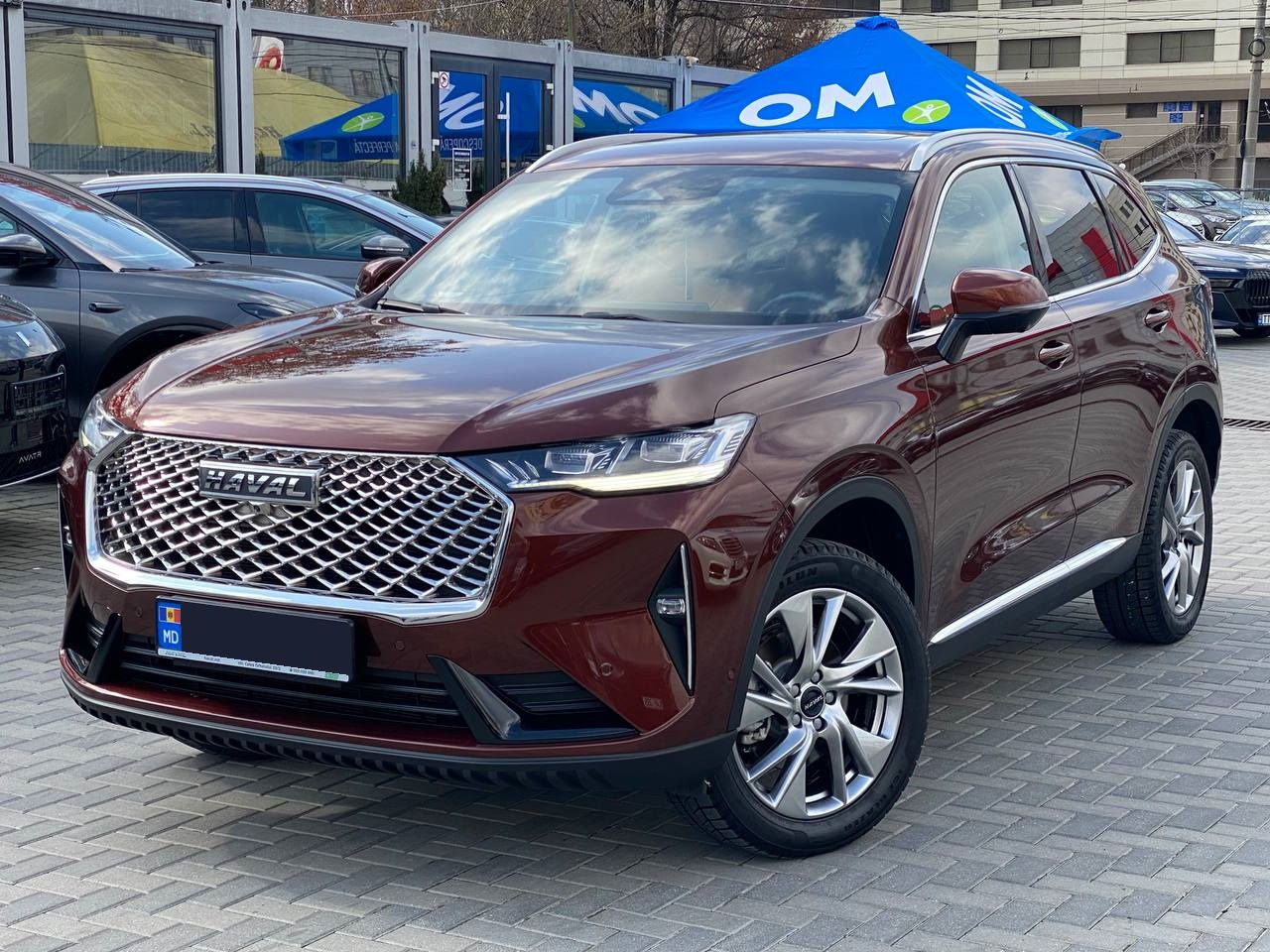
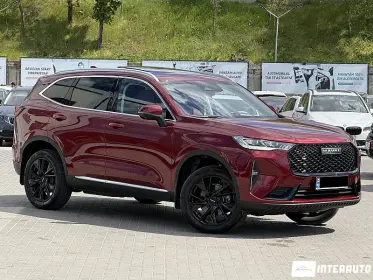
The Haval H6 stands out as a compact SUV that aims to blend everyday practicality with a comfortable ride. If you’re in the market in major cities or smaller towns, knowing what to check in a used or new H6 generation, what fuels suit your needs, and how to compare trim levels can help you make a smarter purchase. This guide covers key considerations such as generation differences, fuel choices, body style, and typical price ranges, along with tips for negotiating in your preferred country and city.
The H6 has evolved through several generations, bringing refinements in design, drivetrain, and cabin comfort. When shopping, consider the following:
When you plan to drive in busy city streets or on longer country roads, these factors matter:
A well-kept Haval H6 can offer a balanced mix of practicality, comfort, and value. It often competes well with other compact SUVs in terms of cargo space and ride quality, with a broad price window across generations.
If you’re comparing trims, consider which features matter most for your daily routine—upgraded infotainment, driver aids, or a sturdier warranty. Whether you’re buying through a dealership or a private sale, focusing on maintenance history, clear ownership, and a thorough test drive will help you secure a solid deal.
 Add as preferred sourceSee more from zvelta in Google Search Add as preferred source