 EN
ENDEALER
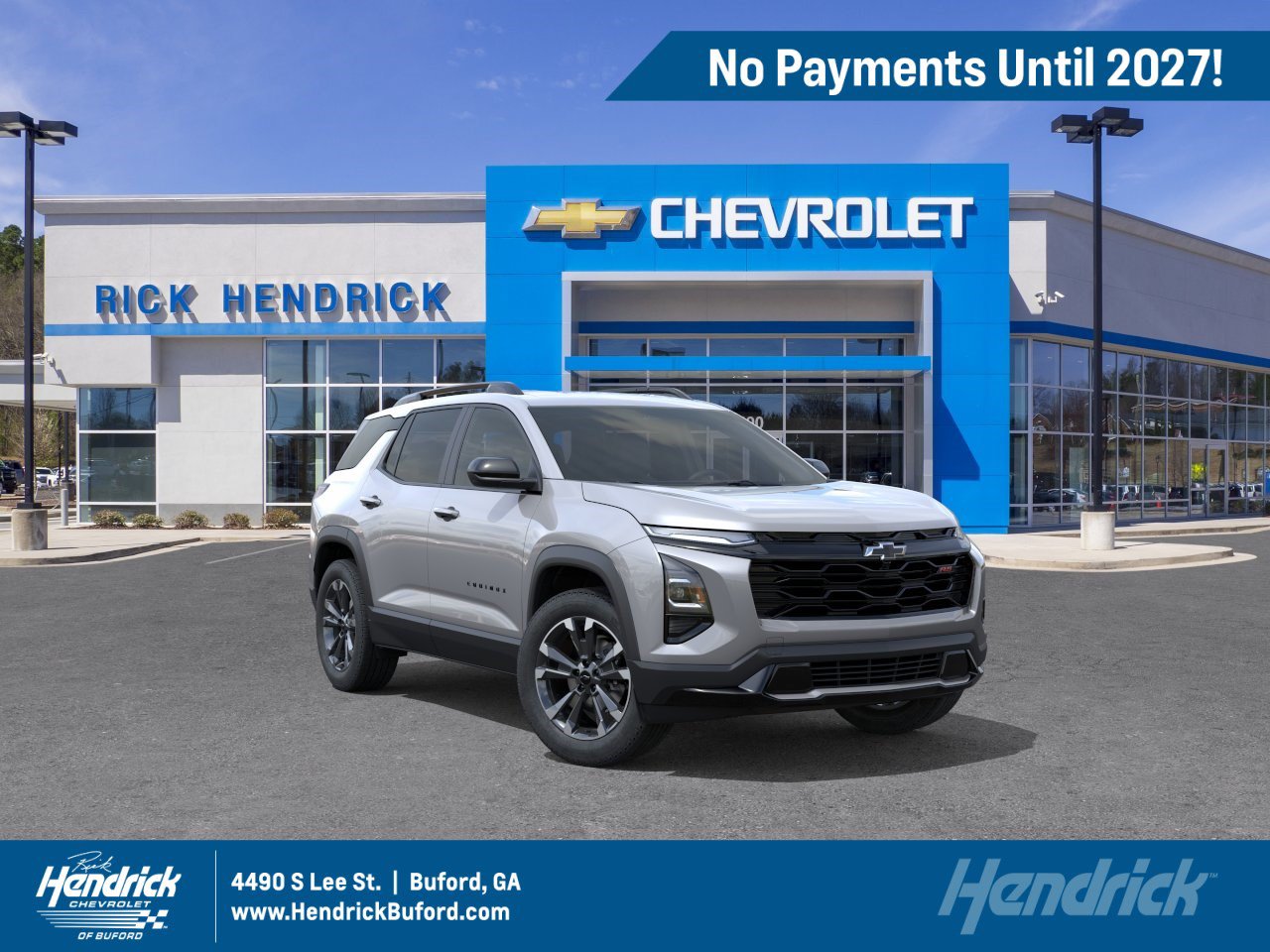
34.313 US$DEALER
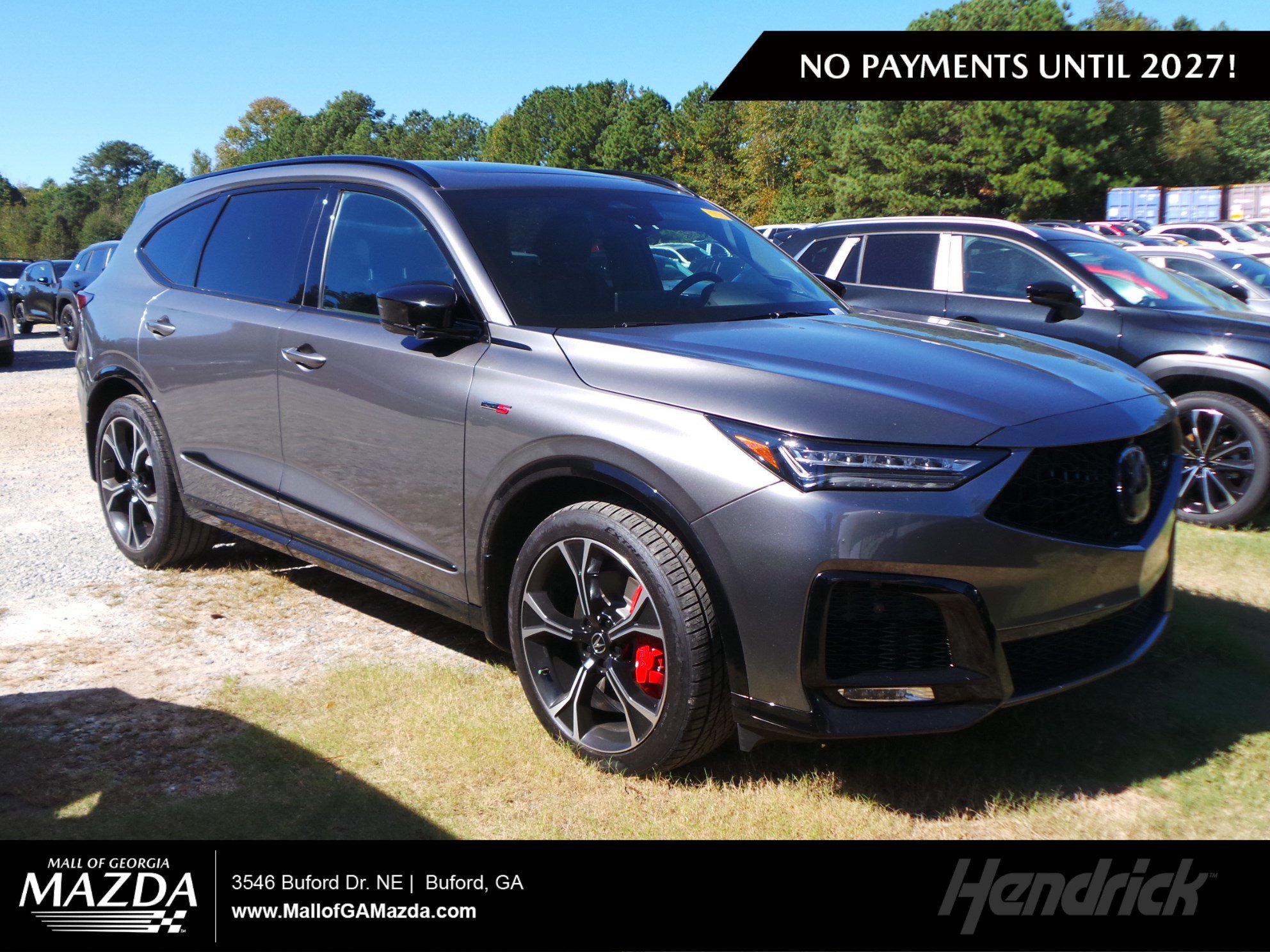
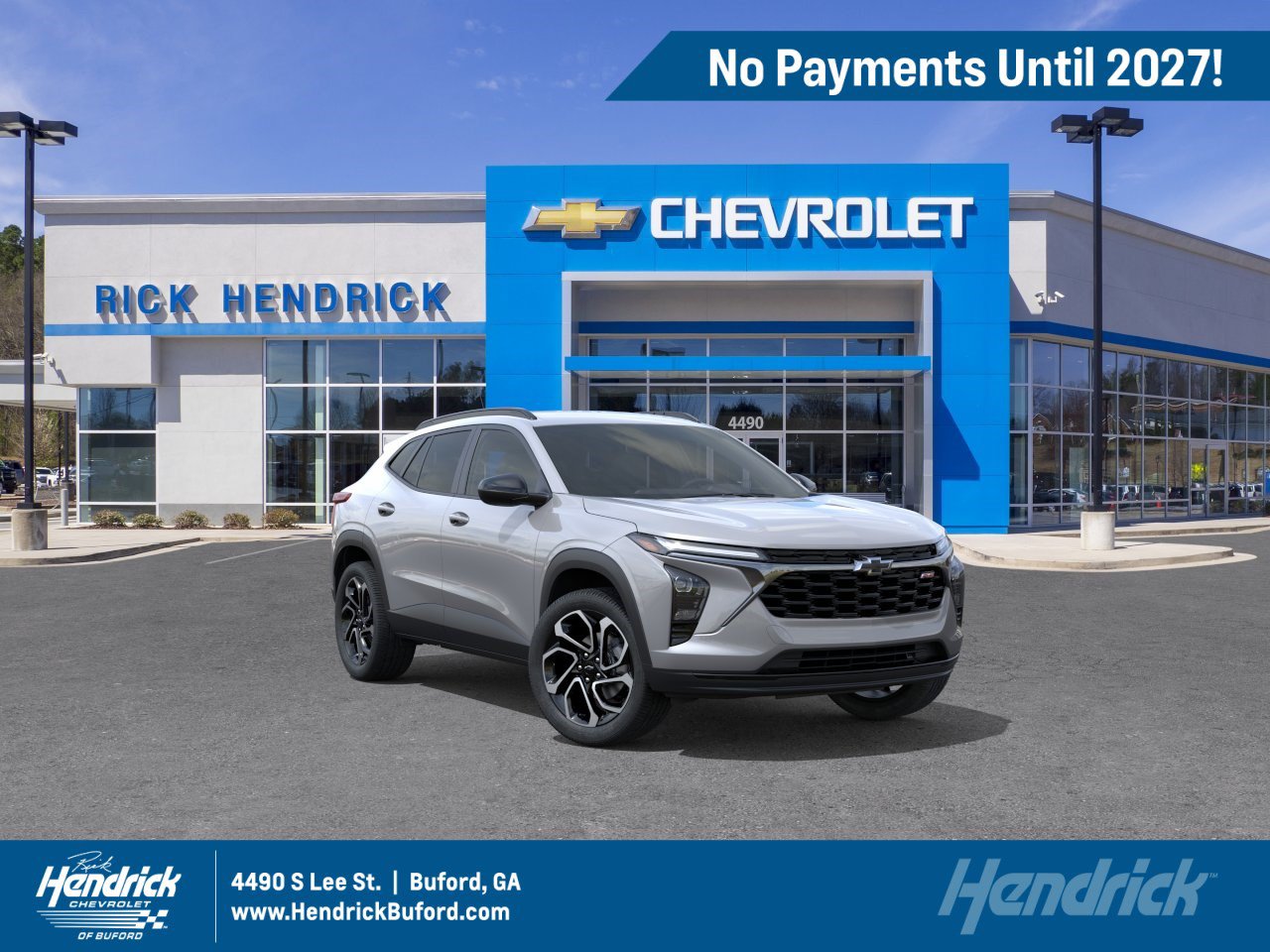
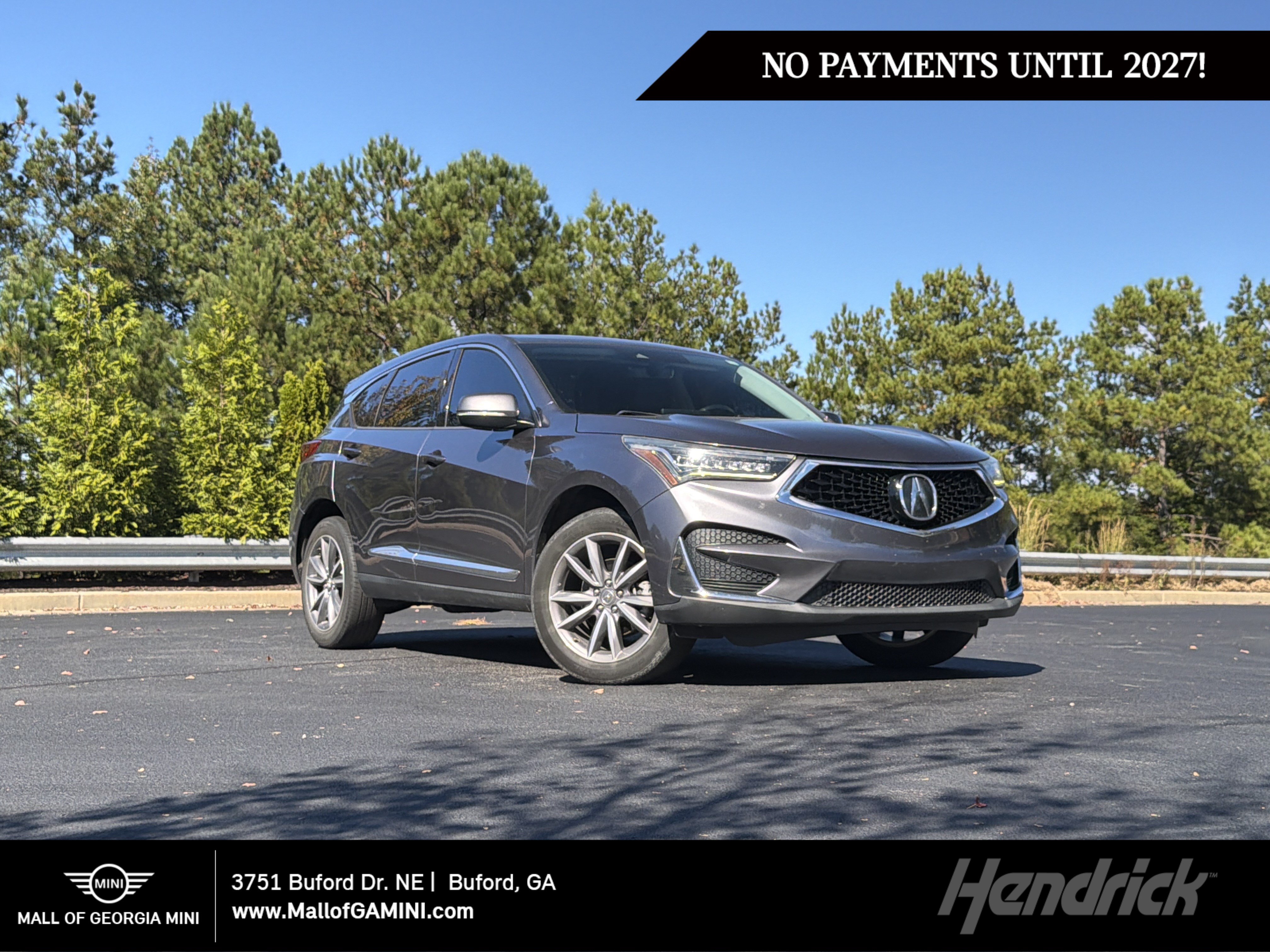
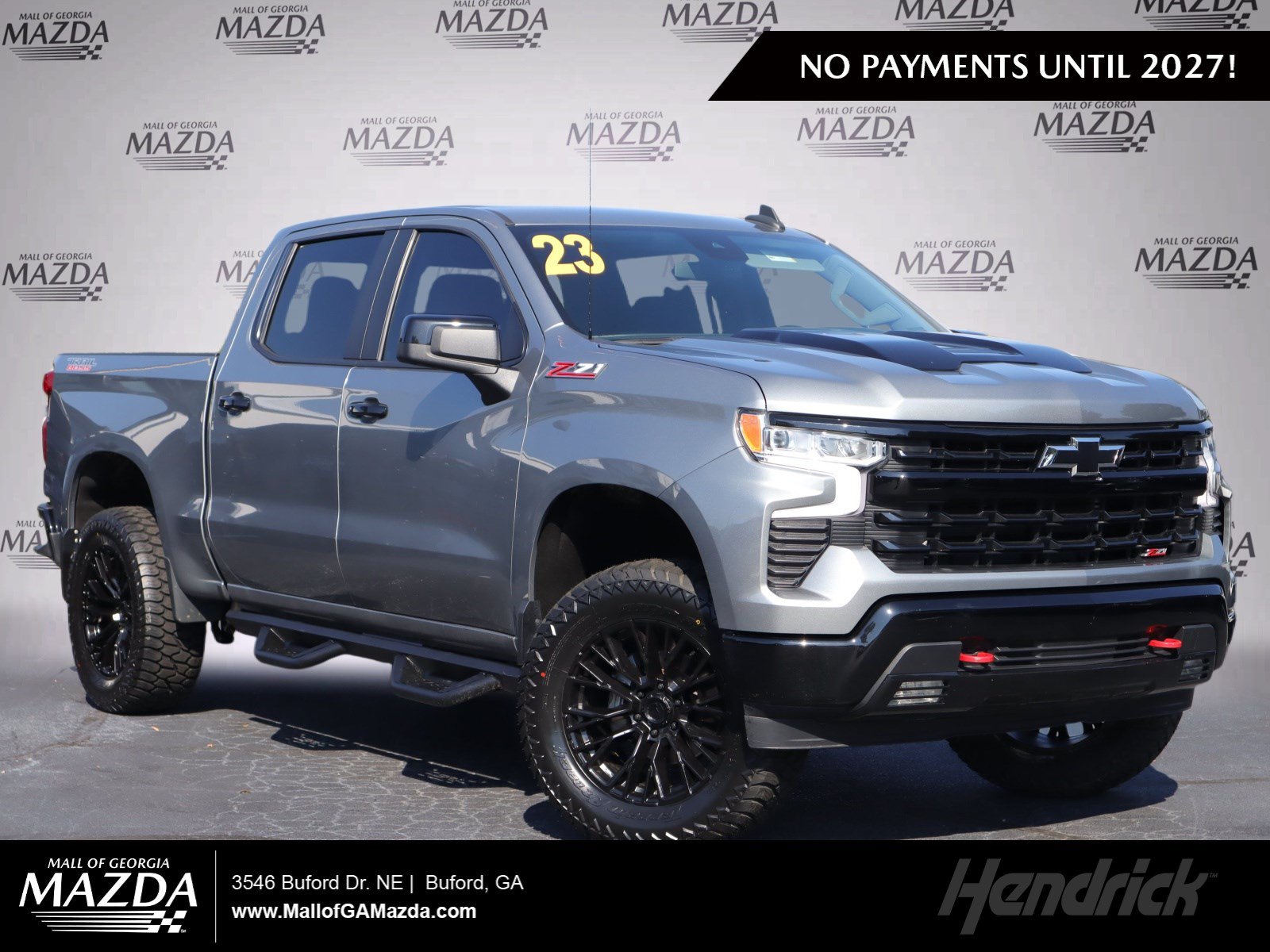
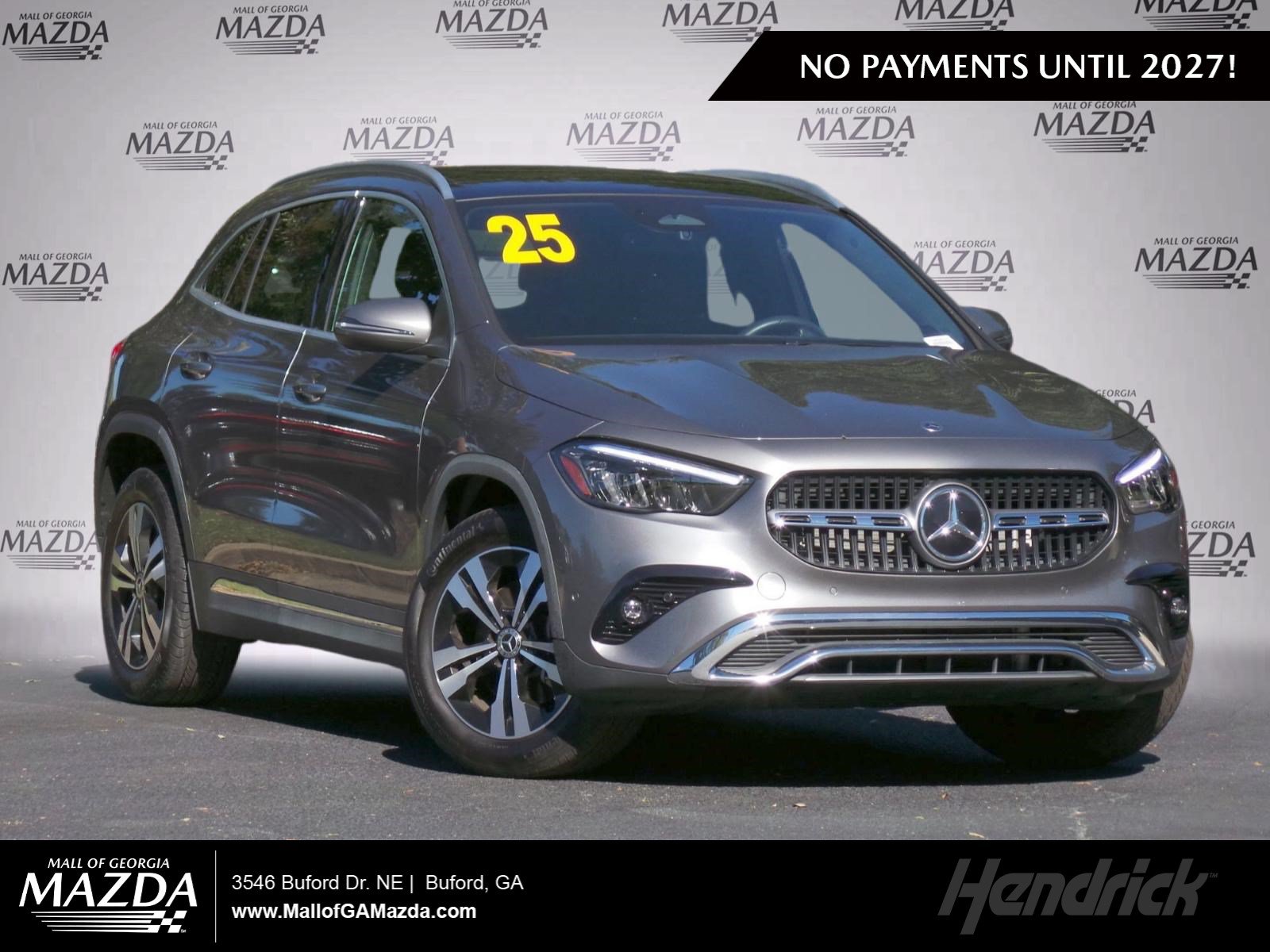
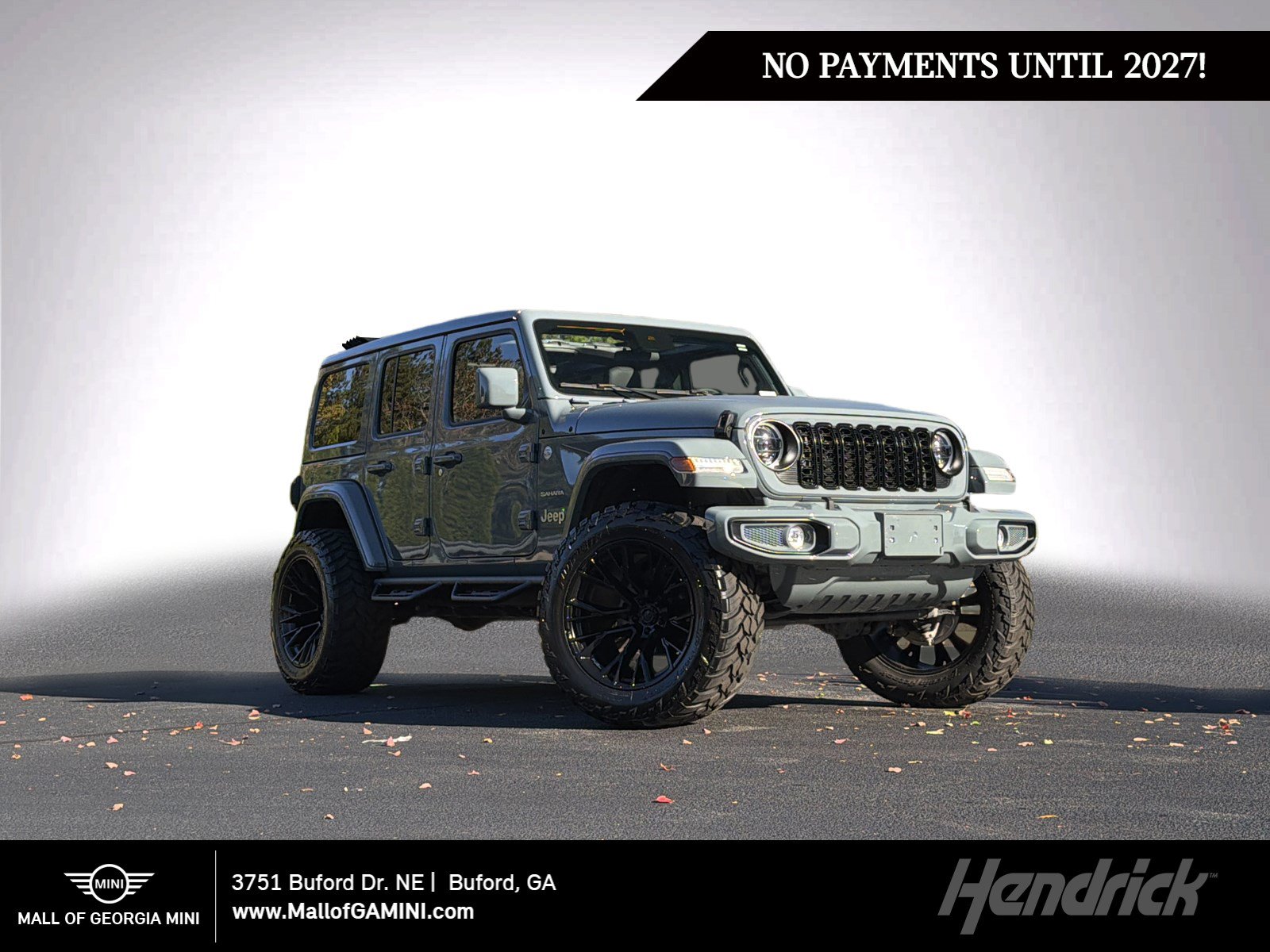
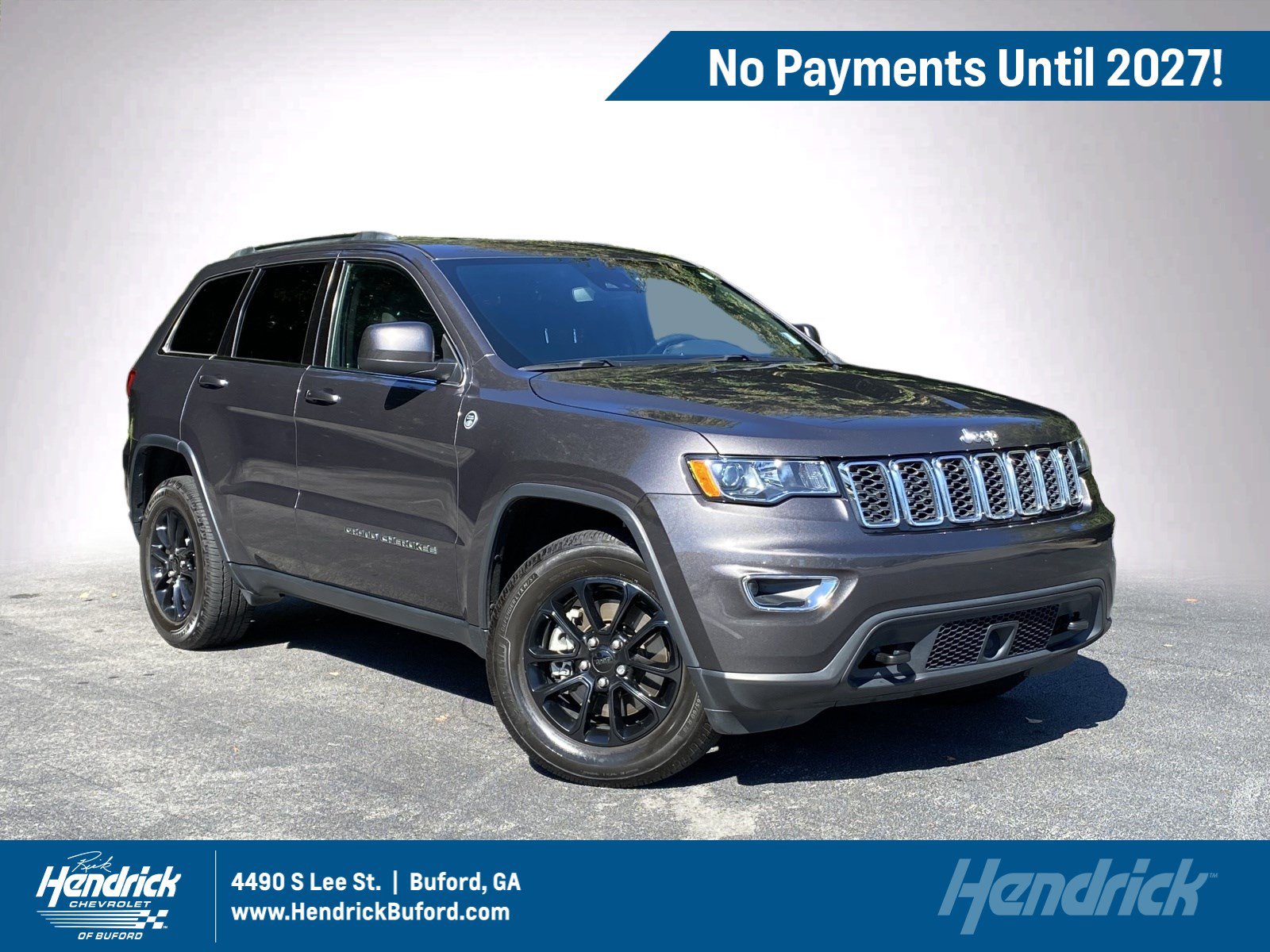
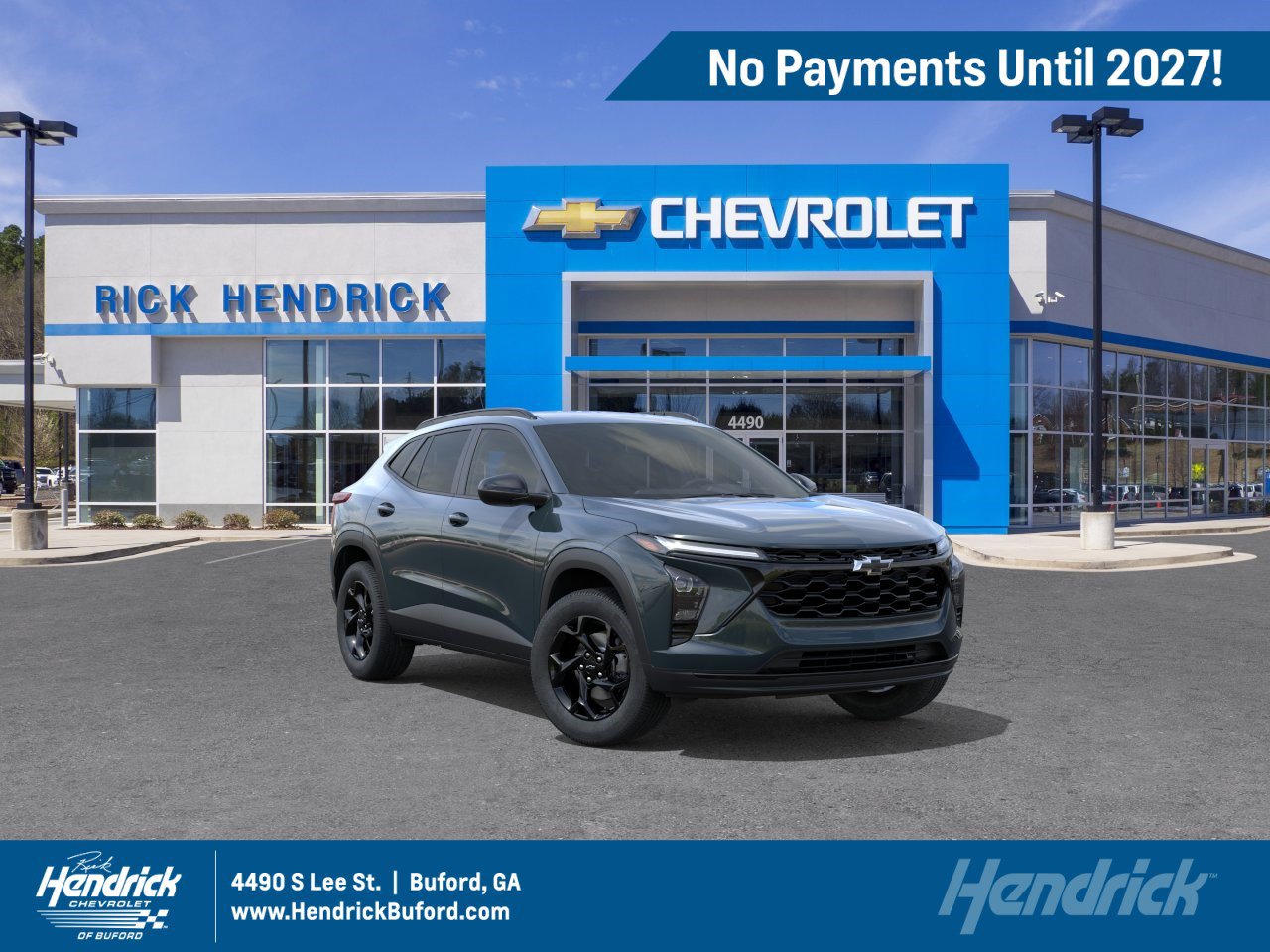
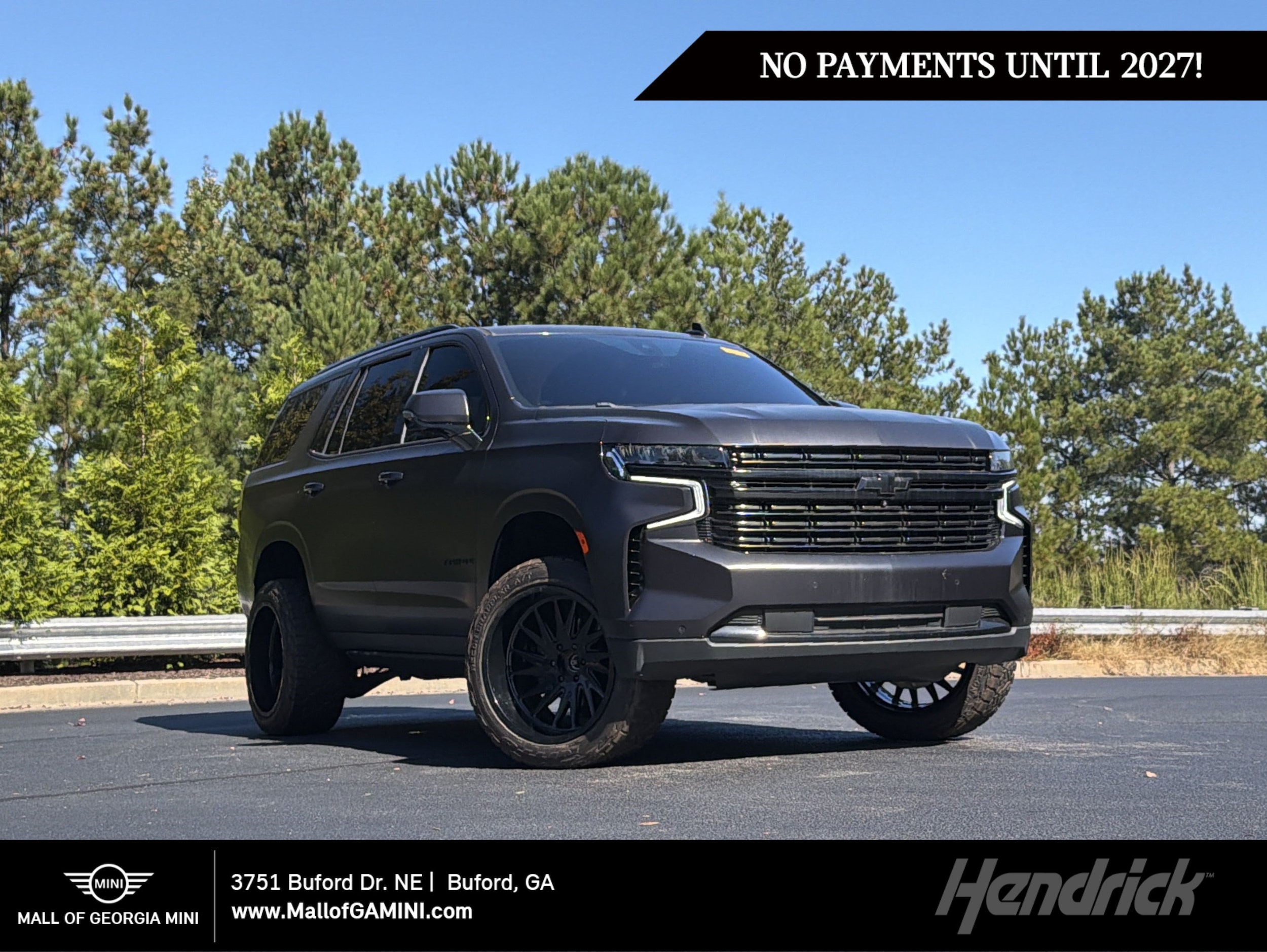
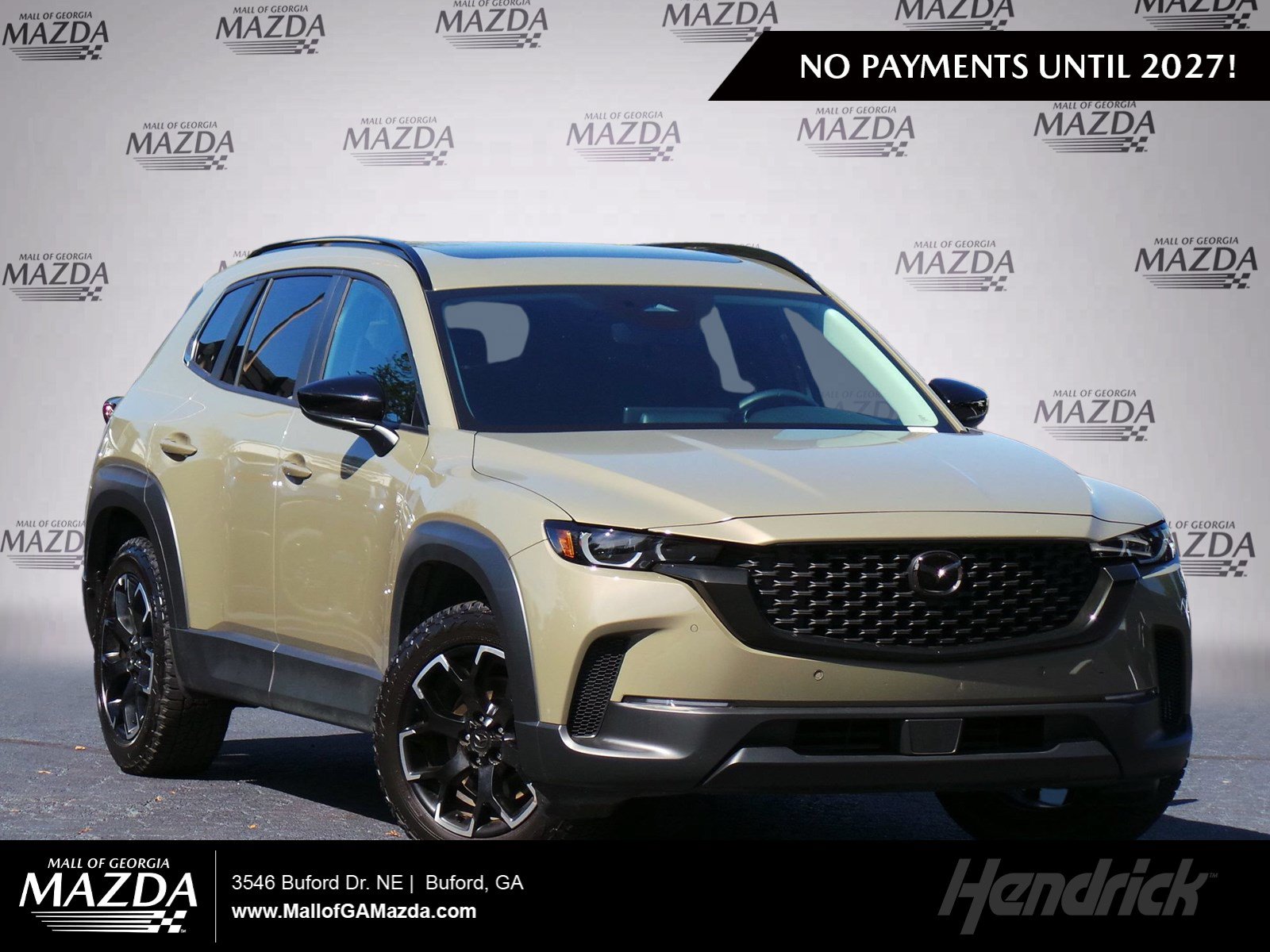
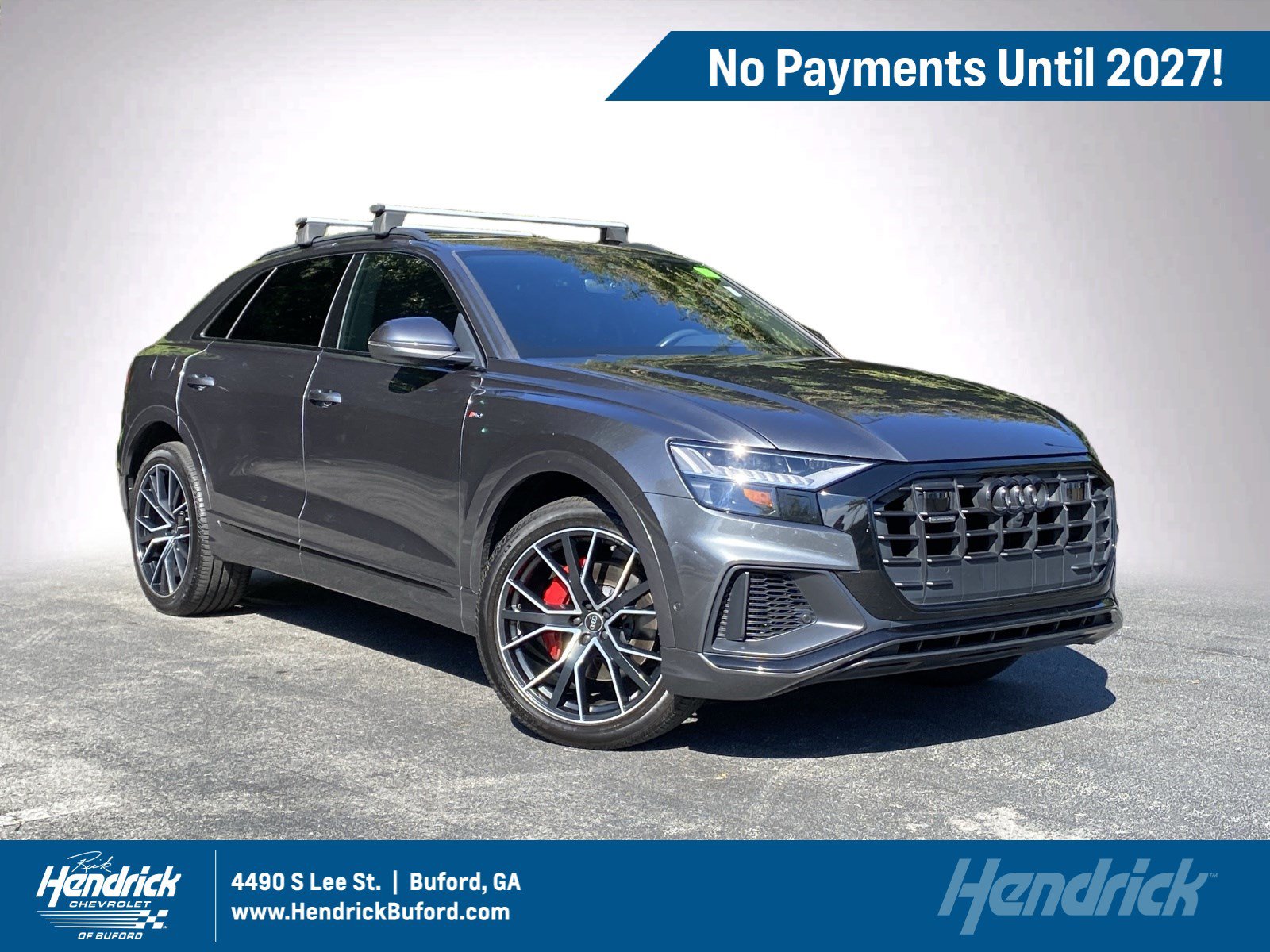
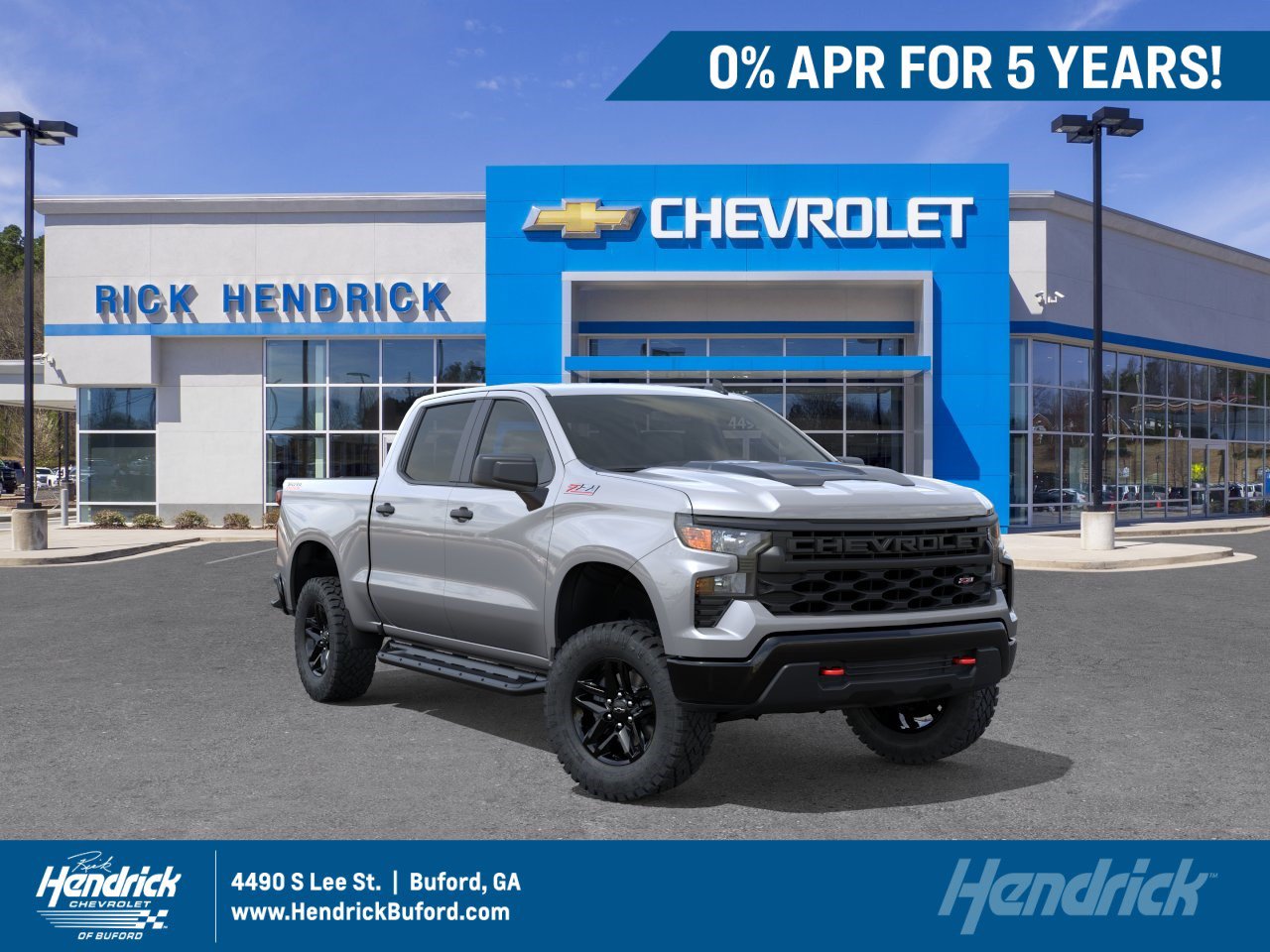
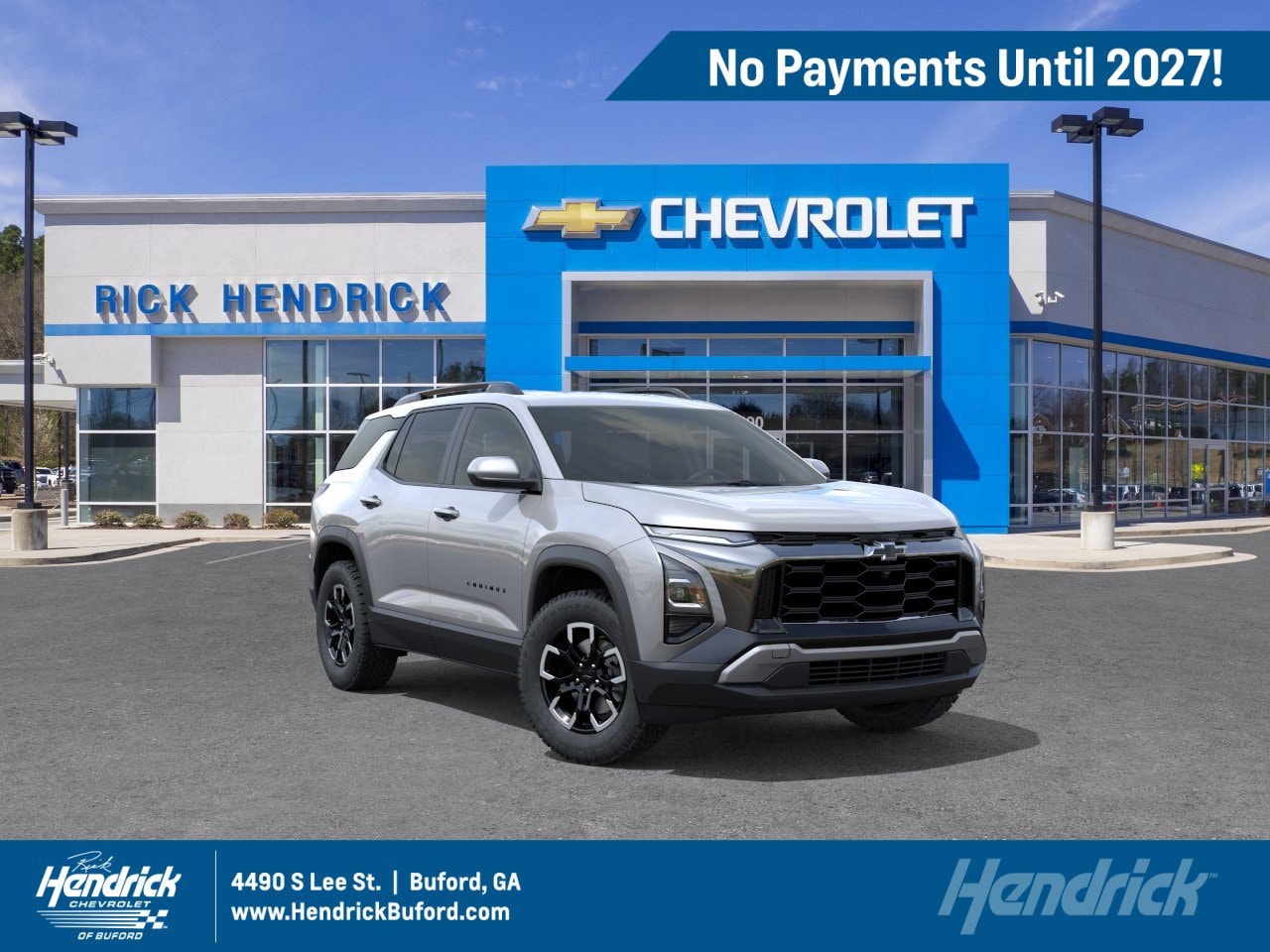
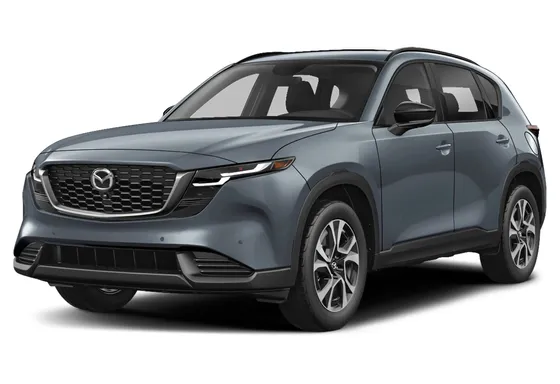
gasoline, automatic, 16 km, SUV, Front Wheels Drive, 1,500 cm3, 175 hp, grey, FWD RS, New condition, Mexico, In stock

HendrickCars.com
 Buford, United StatesBuford, United StatesBuford, United StatesBuford, United StatesBuford, United StatesBuford, United StatesBuford, United StatesBuford, United StatesBuford, United StatesBuford, United StatesBuford, United States
 Buford, United StatesBuford, United States
 Buford, United StatesBuford, United StatesBuford, United StatesBuford, United StatesBuford, United StatesBuford, United StatesBuford, United StatesBuford, United StatesBuford, United StatesBuford, United StatesBuford, United StatesBuford, United StatesBuford, United States
Grey is a versatile color that suits many drivers, from city commuters to weekend explorers. When you’re looking to buy a car in today’s market, focusing on color is just one part of the decision. You want reliability, value, and the right fit for your lifestyle. Here’s how to approach finding a grey car that meets your goals, whether you’re buying new, used, or trading in your current vehicle.
Grey cars often offer a balanced look that hides dust and scratches better than some lighter shades, while still appearing modern and sophisticated. Depending on the shade—pearl, metallic, or flat—grey can highlight lines and contours of a vehicle, making sedans, SUVs, and hatchbacks feel more premium. When evaluating grey cars, consider how the color interacts with the model’s design and the overall color palette of the interior.
In many markets, popular cities prioritize compact sedans and versatile SUVs in grey tones due to practicality and resale value. If you’re in an urban area with limited parking, a smaller grey hatchback or compact SUV can be a smart choice. In more spread-out regions, a grey SUV with higher ground clearance or a diesel/efficient petrol engine might be preferable for longer trips. Always check local tax incentives or registration costs that might affect the overall purchase price.
Whether you’re aiming for a brand-new model or a well-kept used car, grey remains a dependable, stylish option. By focusing on the model’s generation, fuel type, mileage, and market price, you can find a grey car that’s not only attractive but also reliable for daily use and weekend adventures.
 Add as preferred sourceSee more from zvelta in Google Search Add as preferred source