 EN
ENDEALER
59.929 US$DEALER
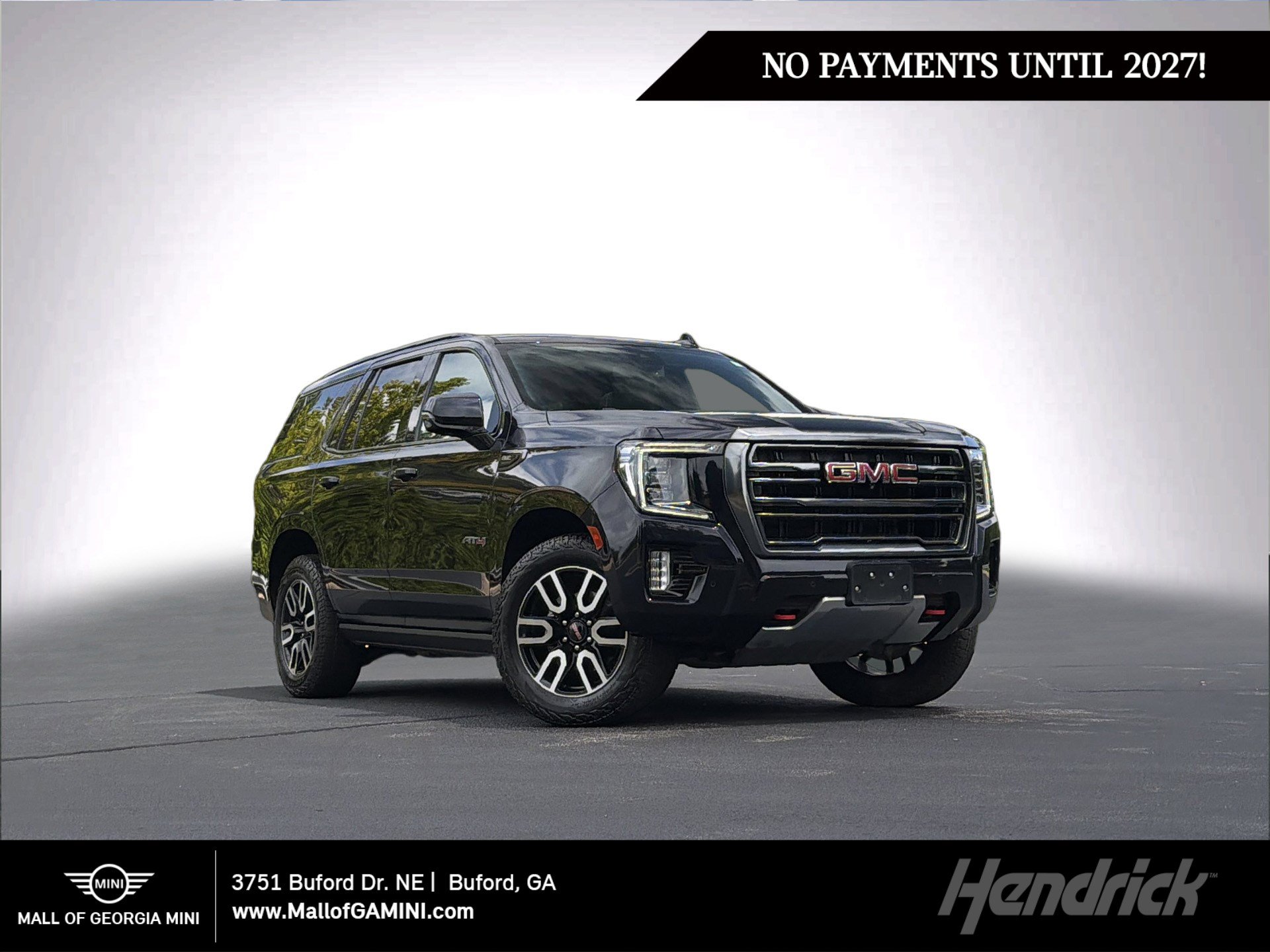
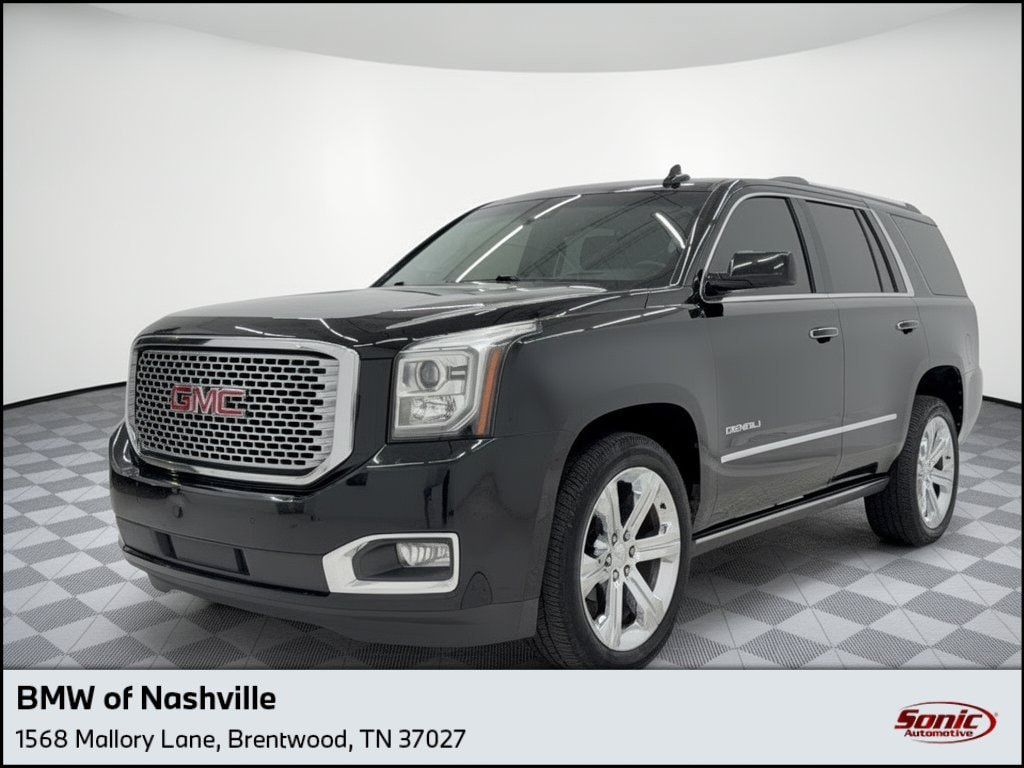
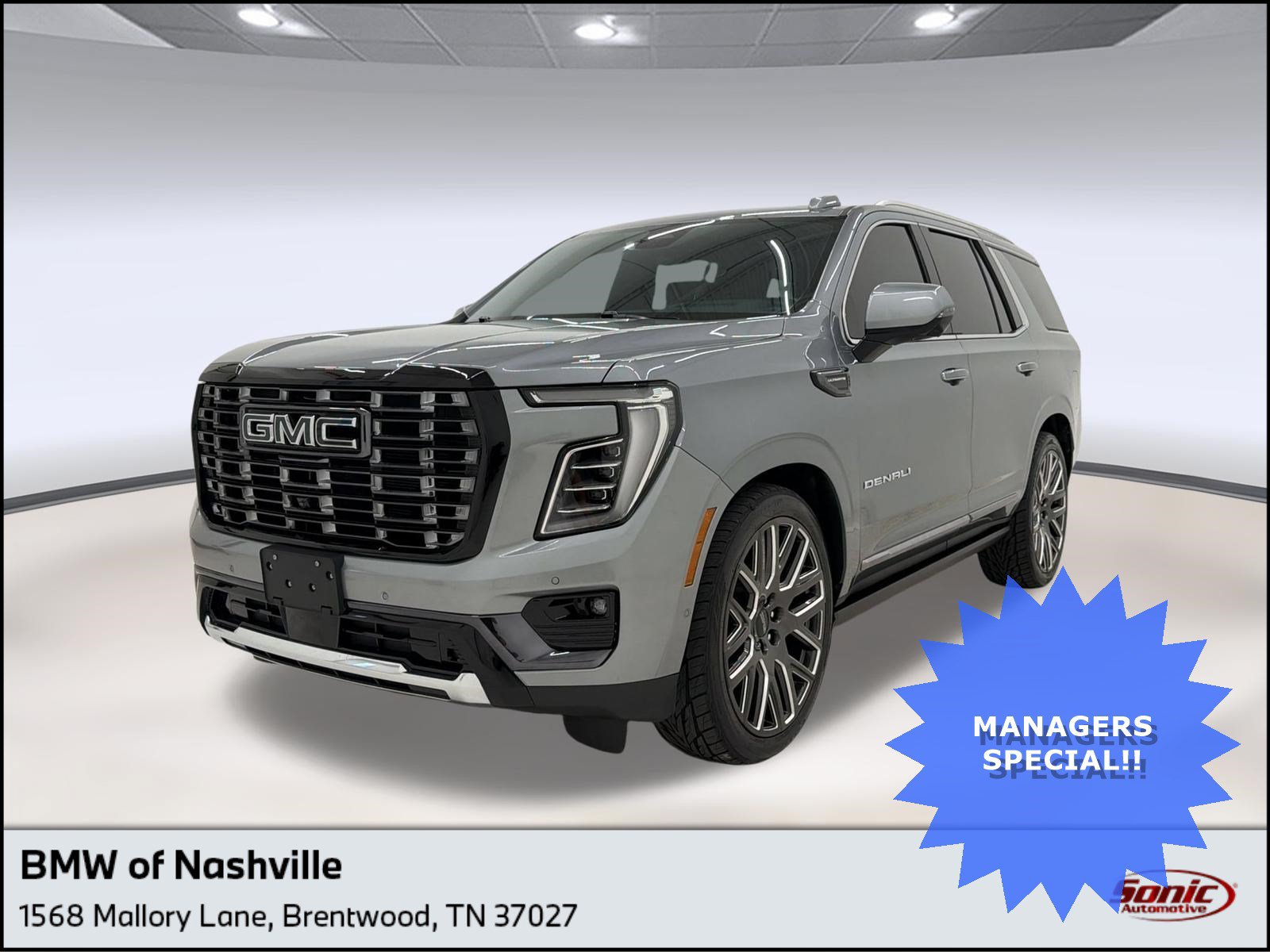
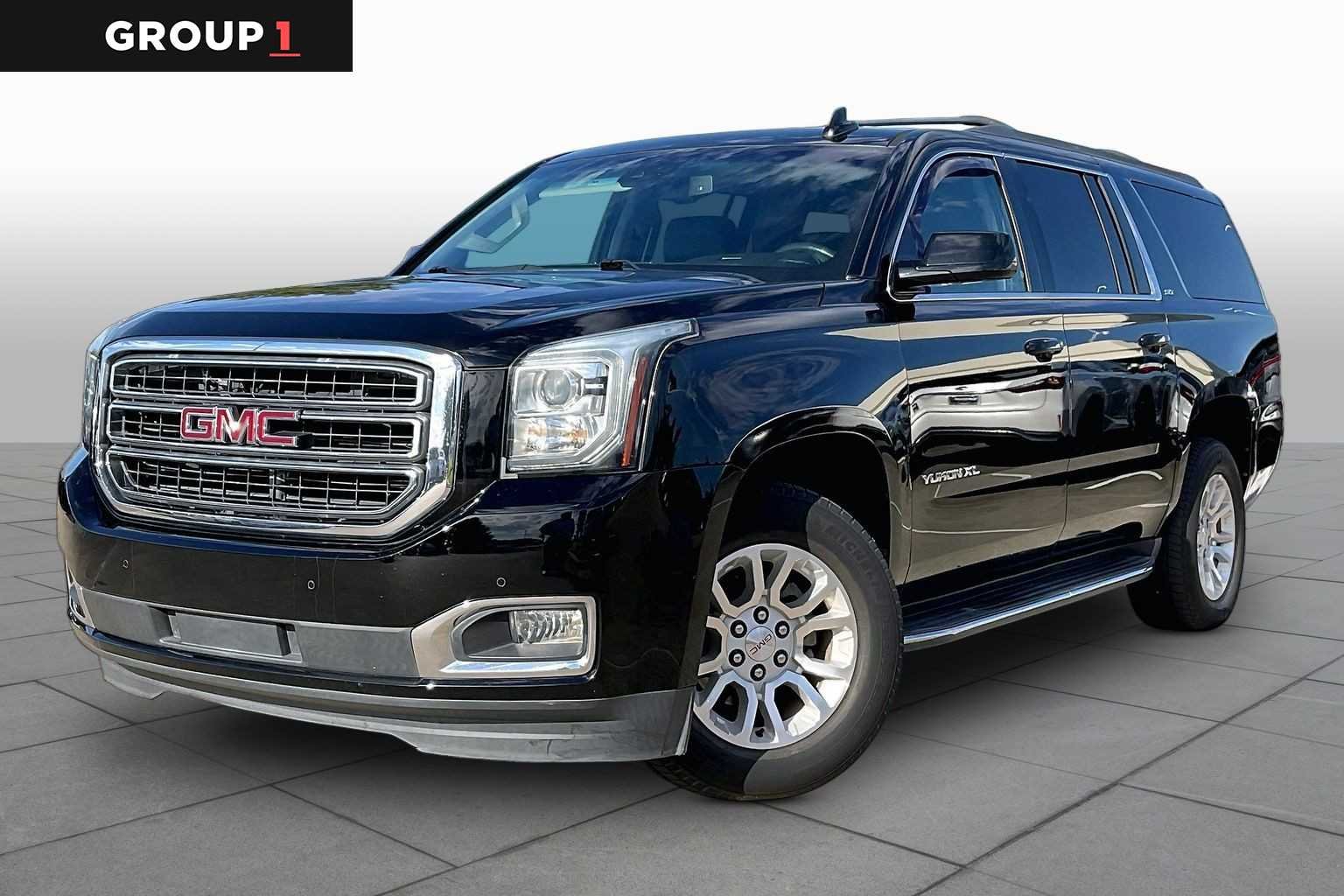
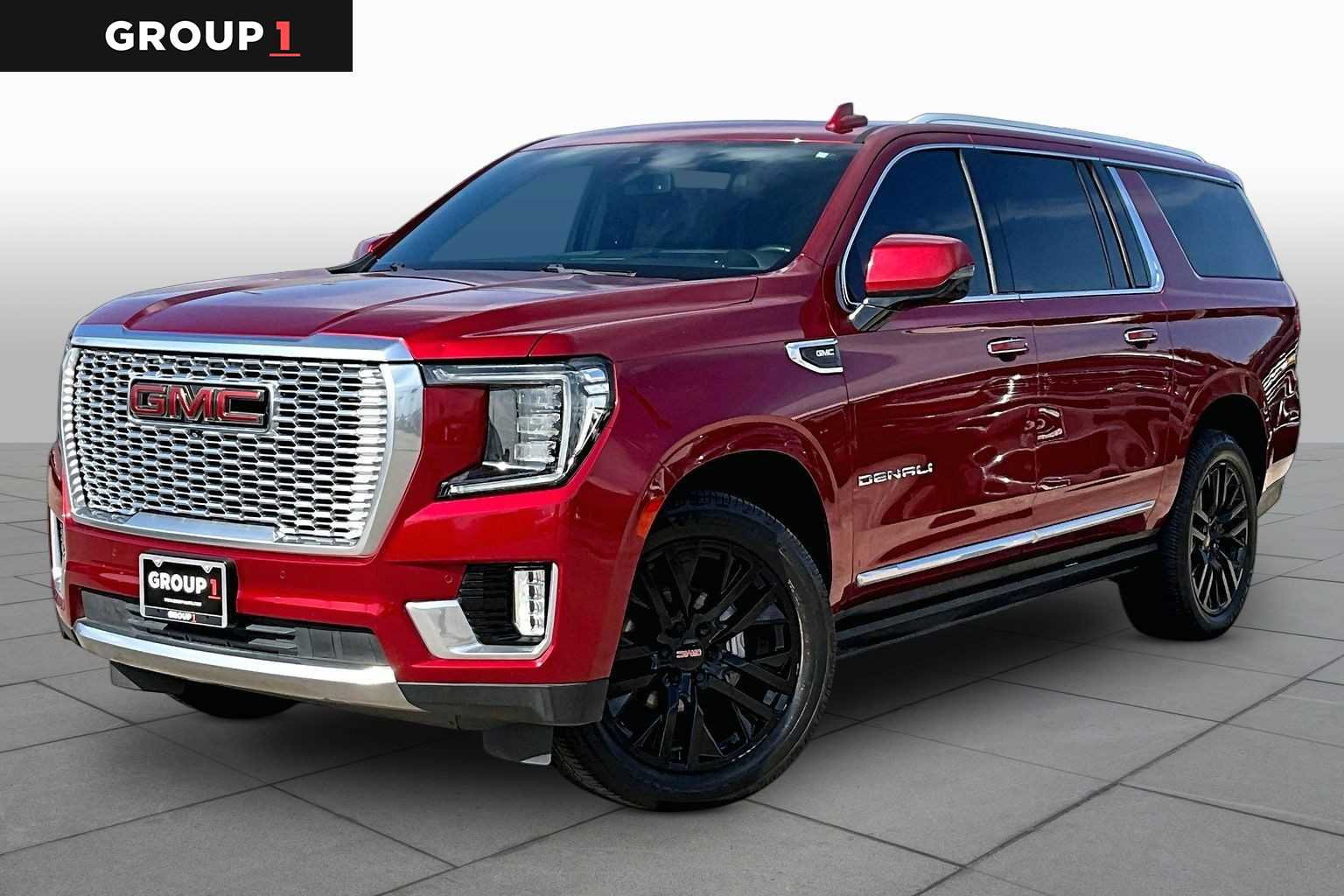
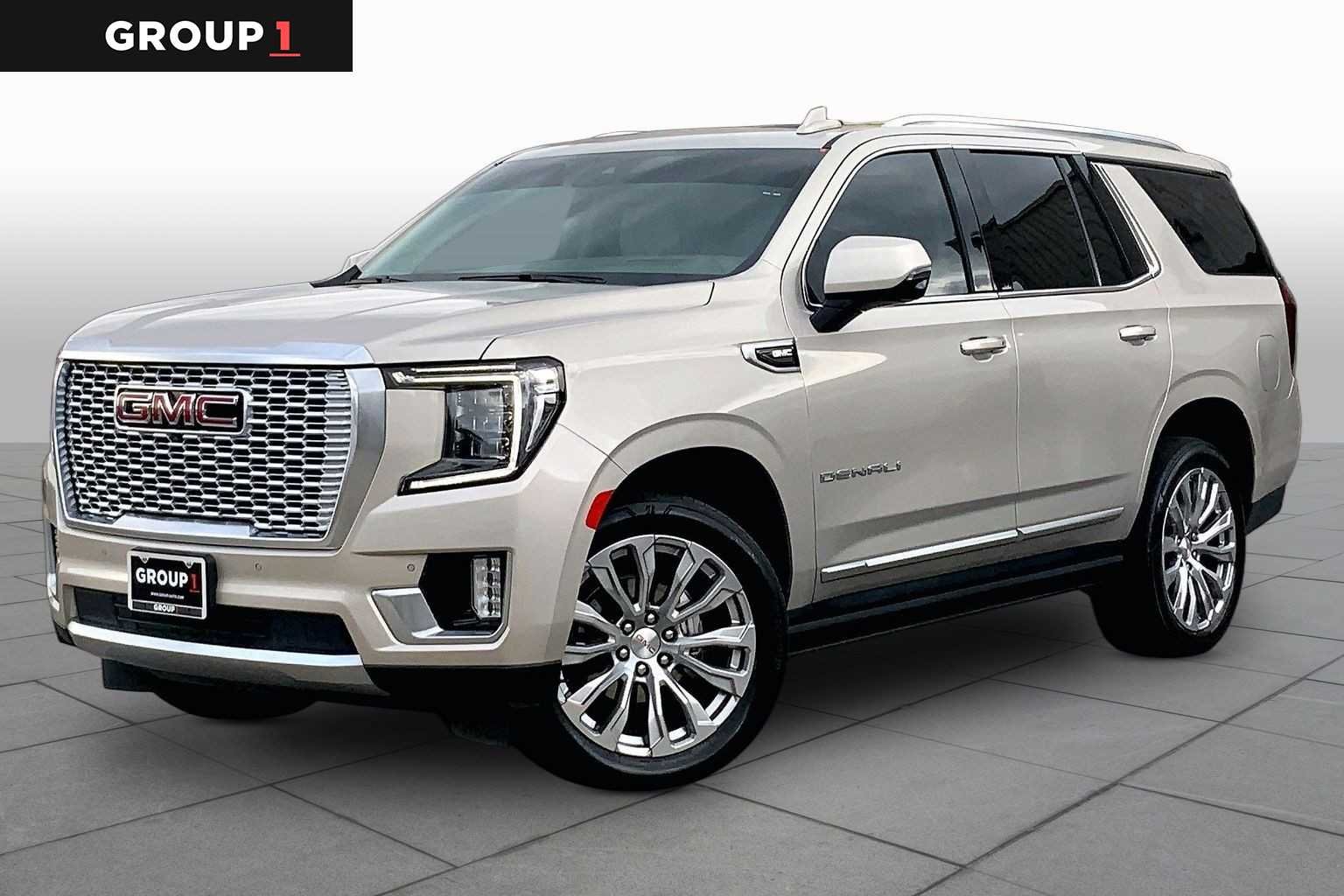
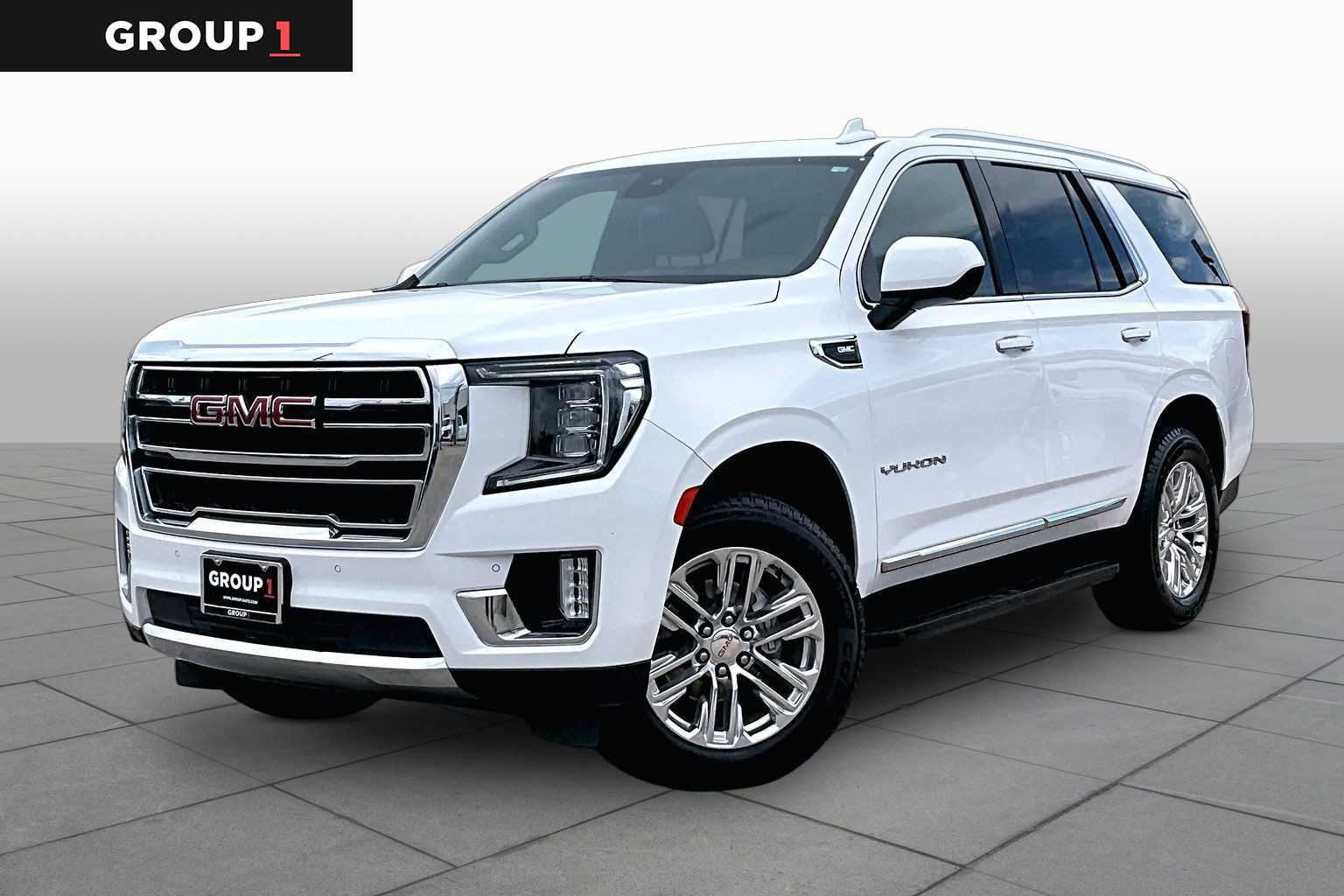
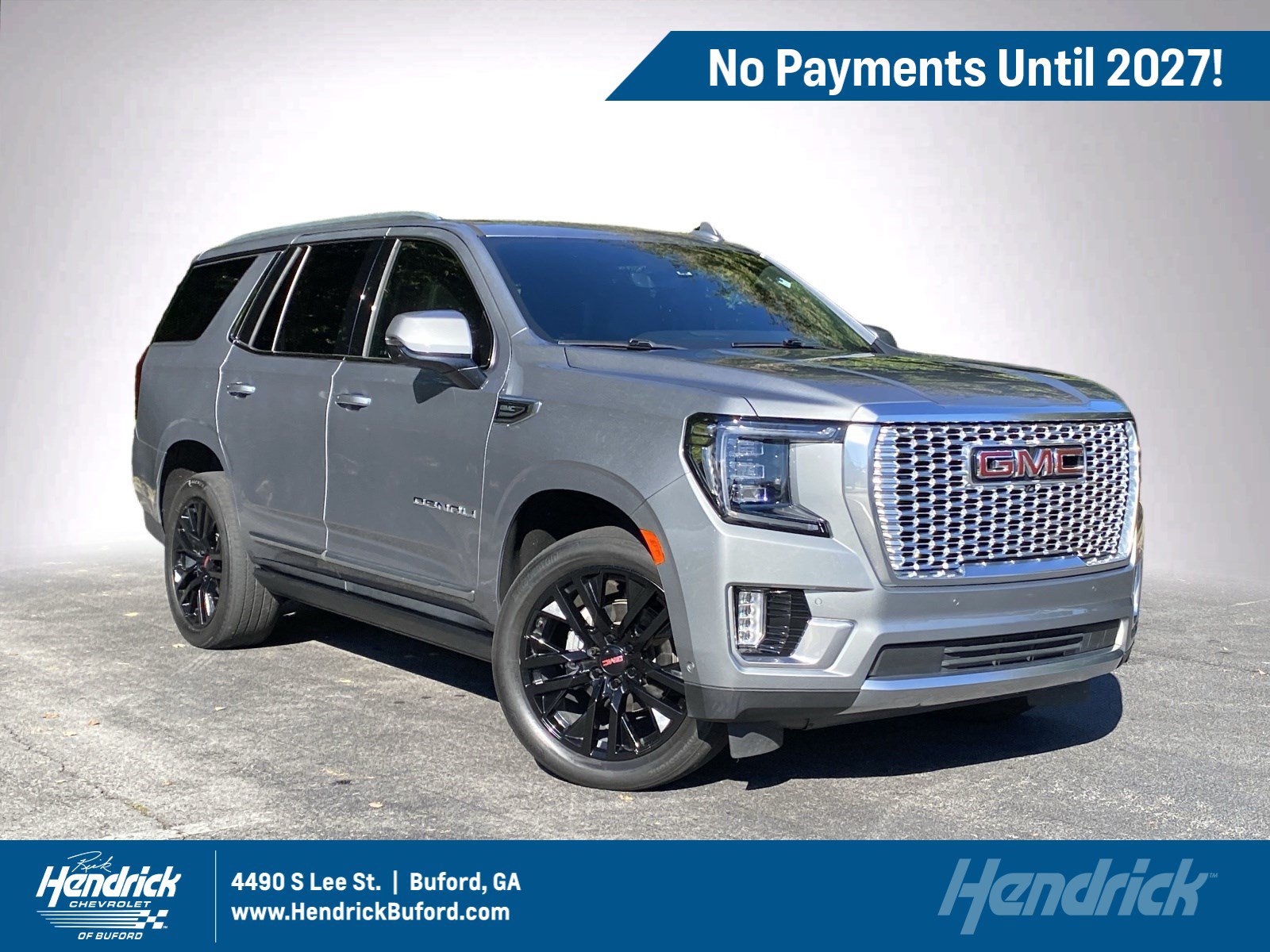
gasoline, automatic, 74K km, SUV, All Wheels Drive, 6,200 cm3, silver, Used condition, USA, In stock

HendrickCars.com
 Buford, United States
 Buford, United StatesBuford, United StatesBrentwood, United StatesBrentwood, United StatesBrentwood, United StatesBrentwood, United StatesBrentwood, United States
 Southwest, United StatesSouthwest, United StatesSouthwest, United StatesSouthwest, United StatesSouthwest, United StatesSouthwest, United StatesSouthwest, United StatesSouthwest, United StatesSouthwest, United StatesSouthwest, United States
 Southwest, United StatesSouthwest, United StatesSouthwest, United StatesSouthwest, United StatesSouthwest, United StatesOrlando, United States
 Orlando, United StatesOrlando, United States
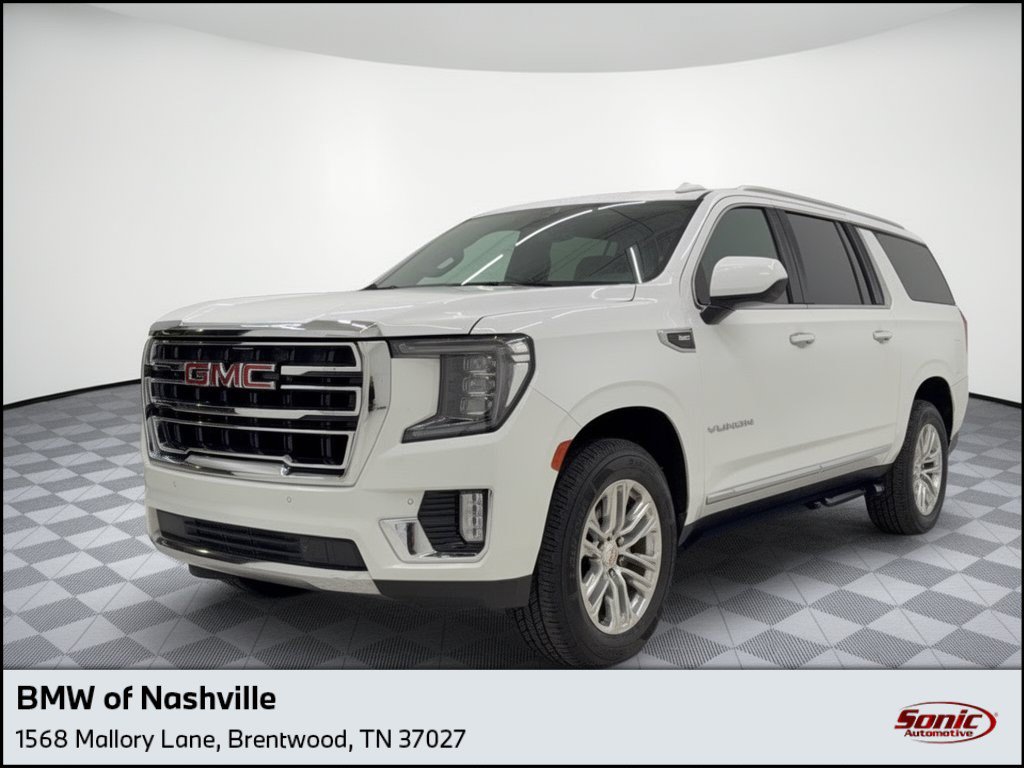
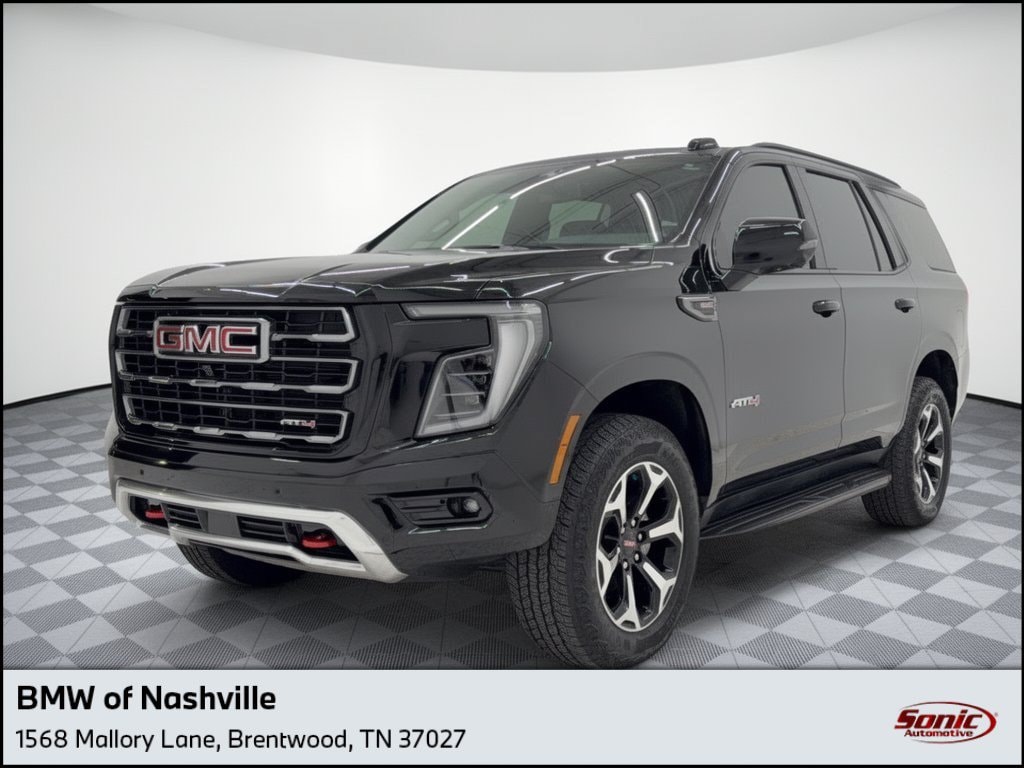
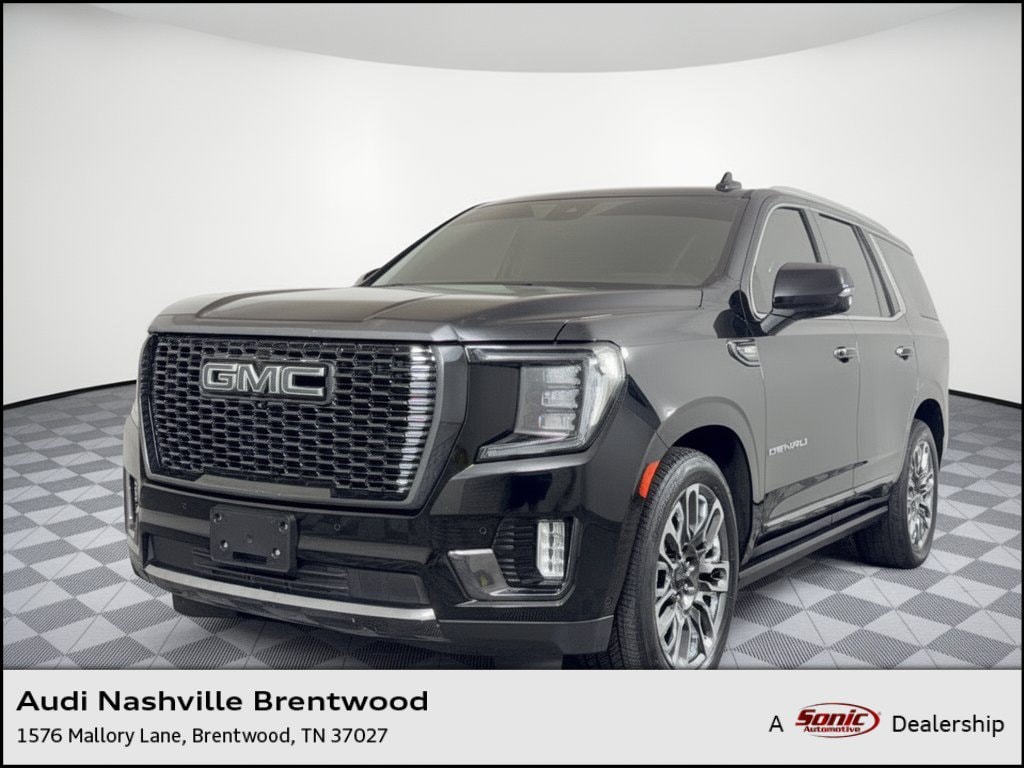
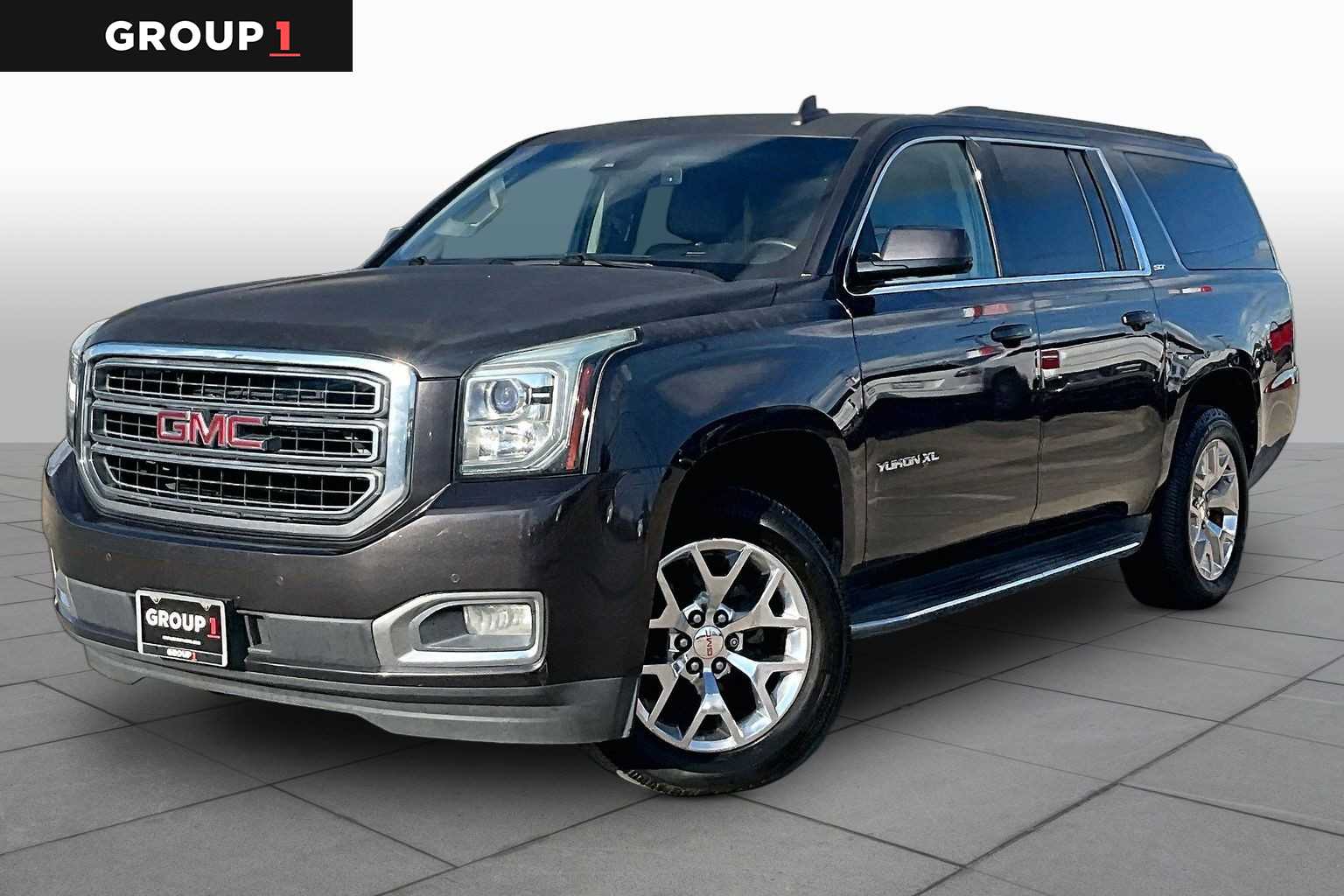
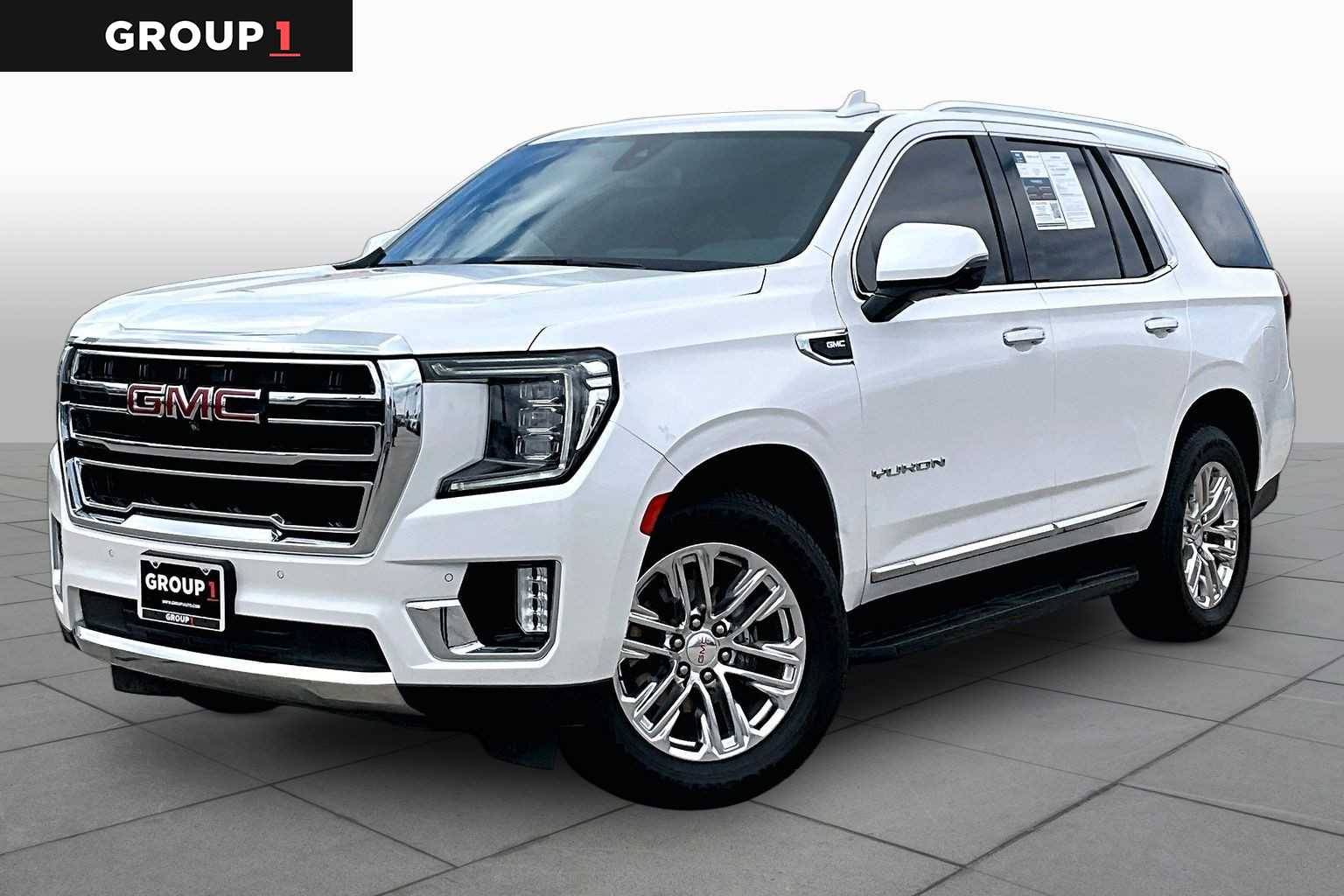
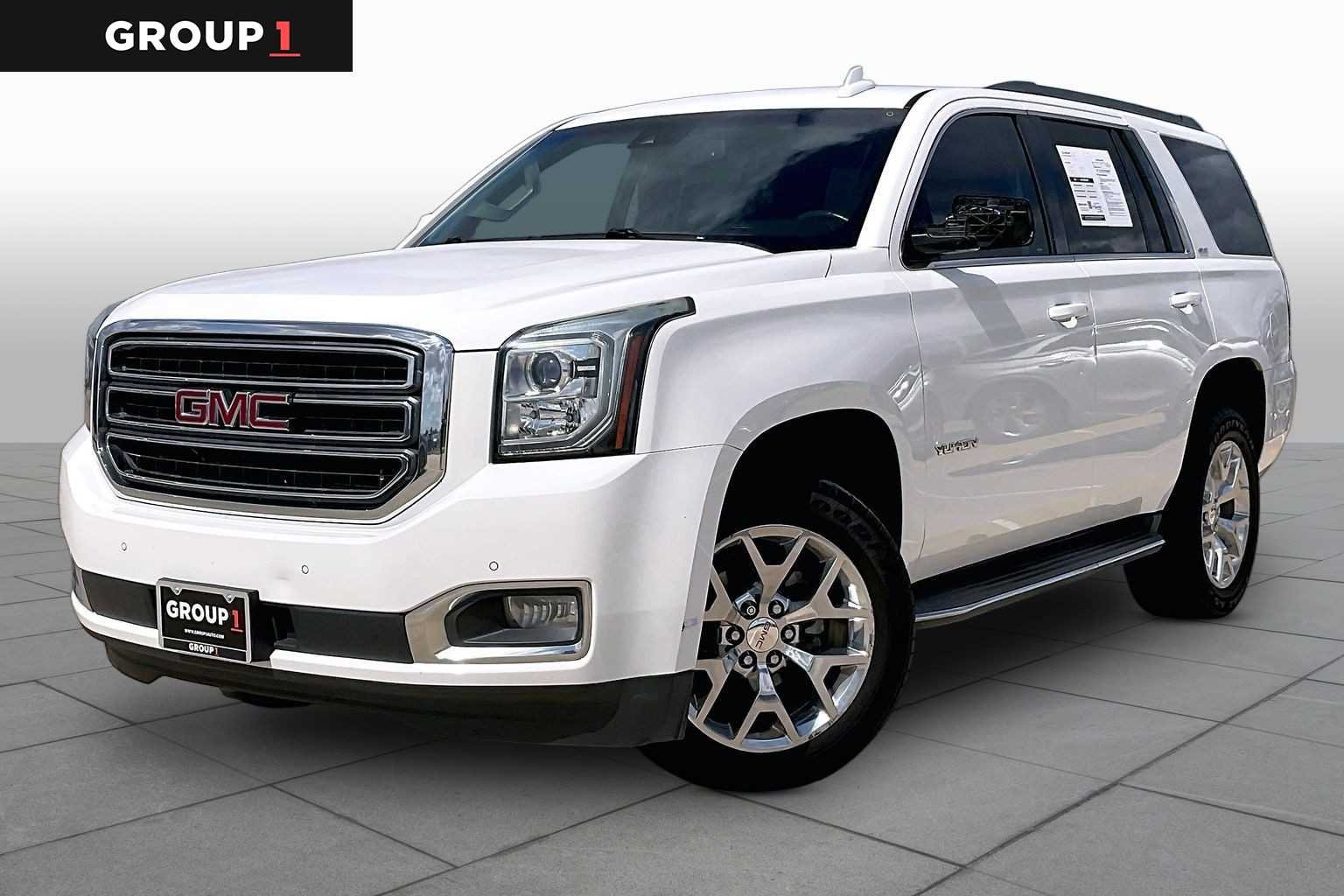
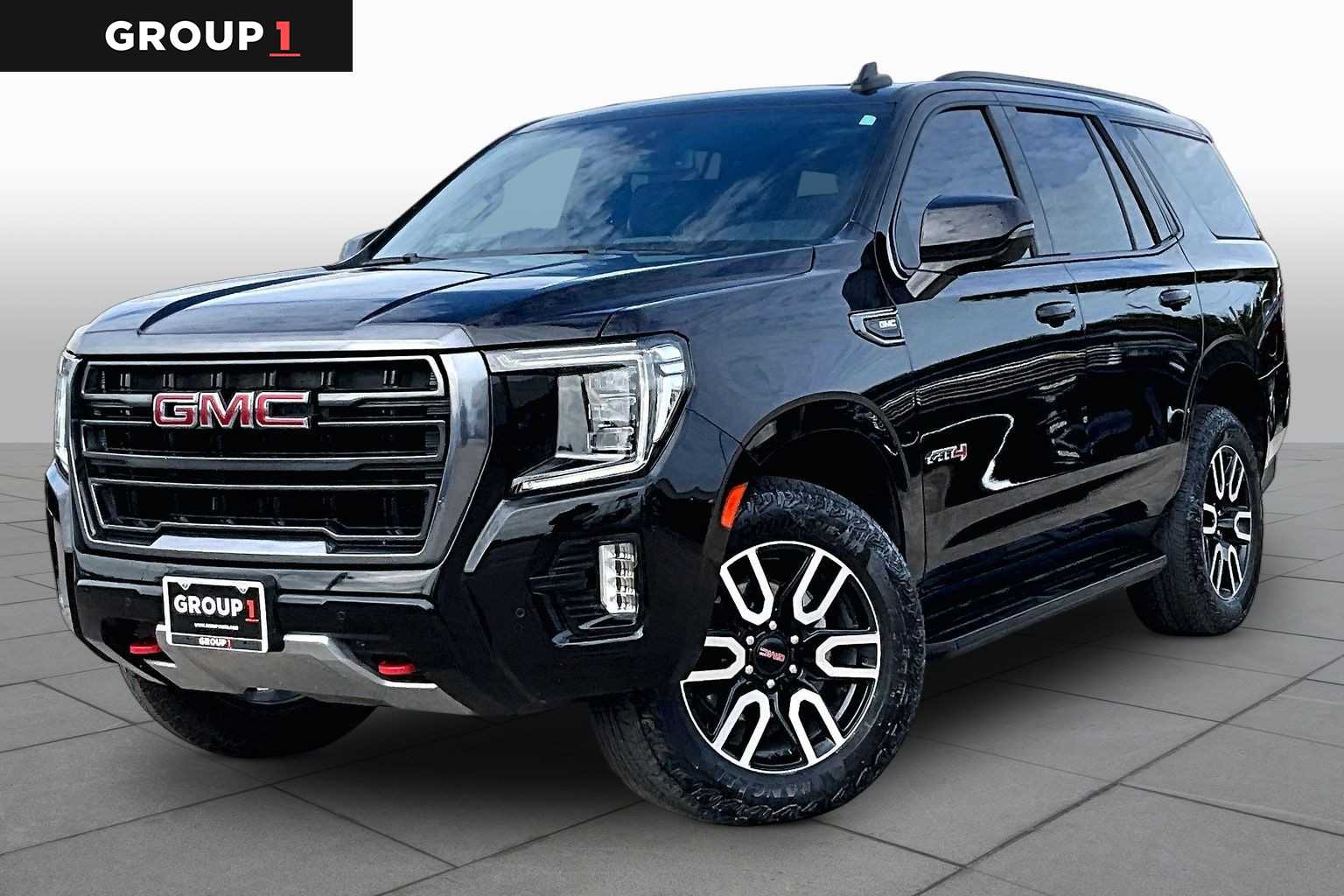
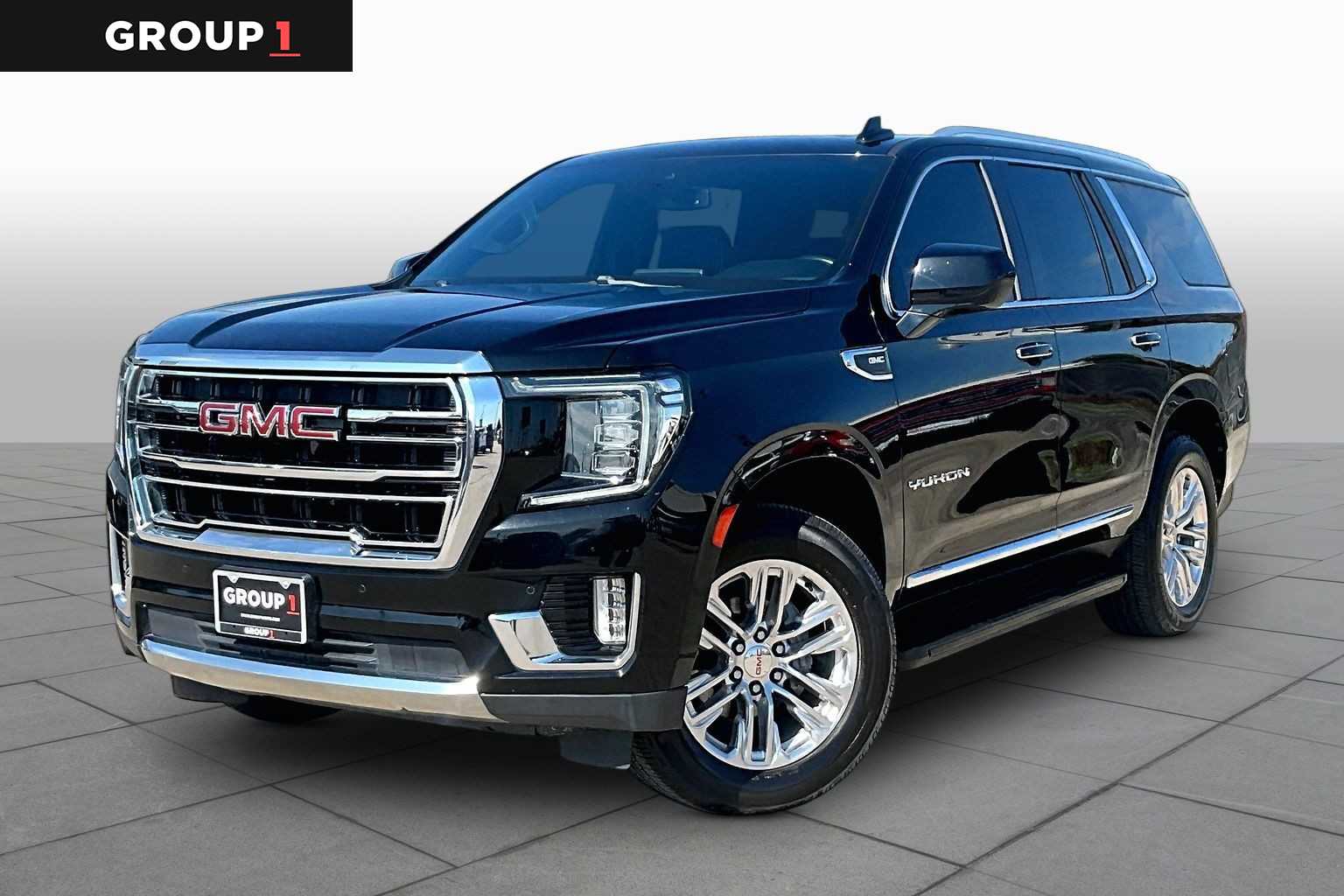
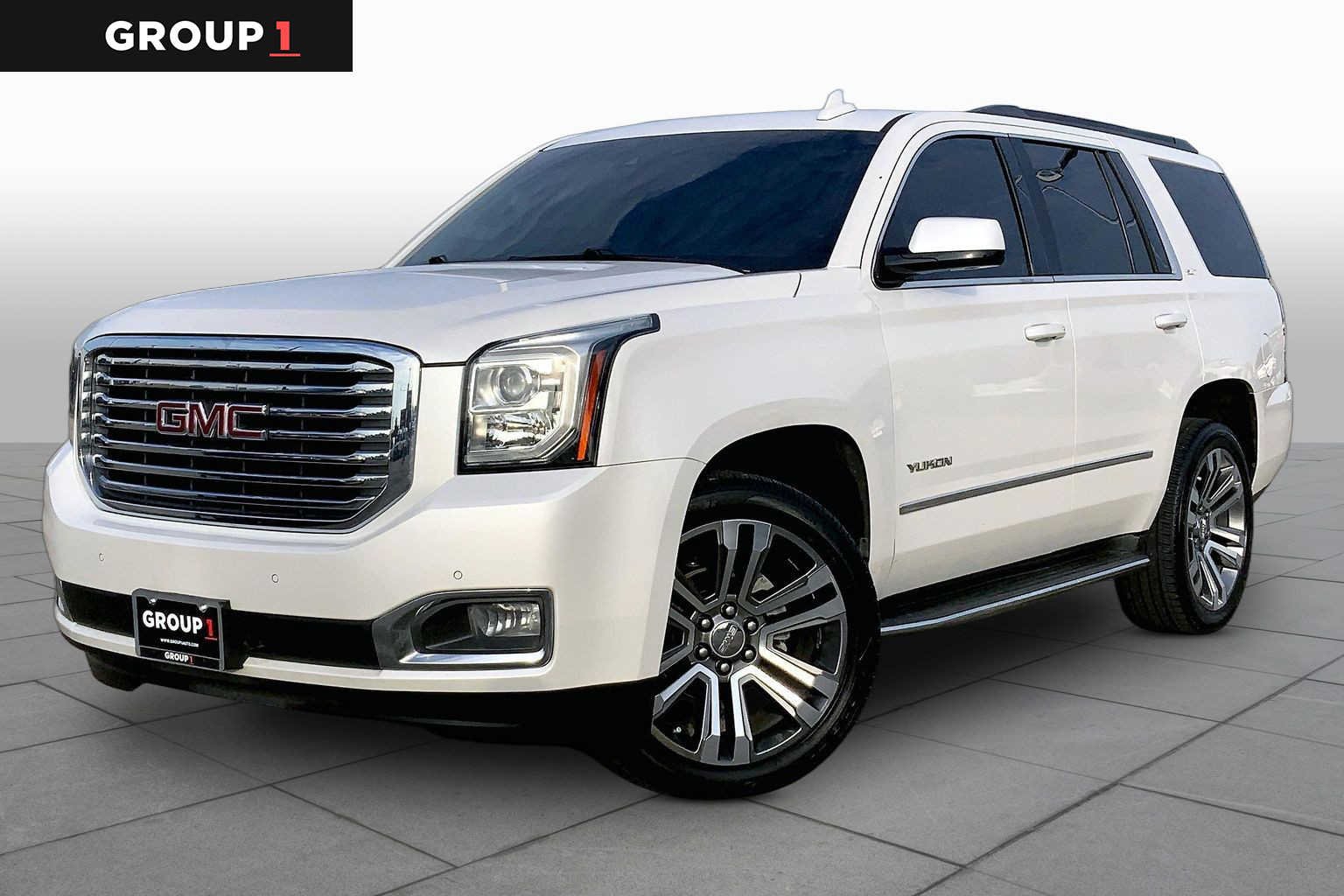
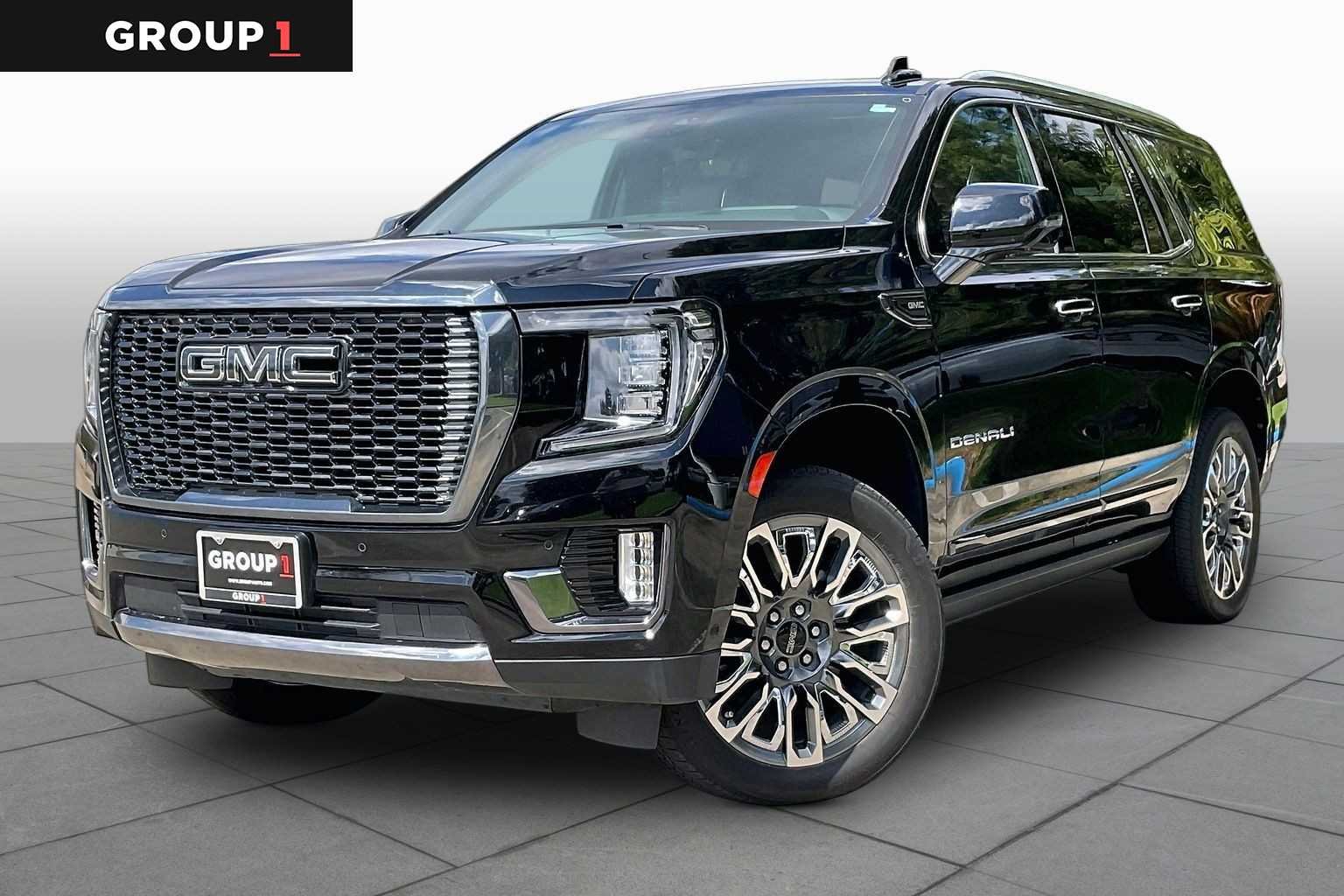
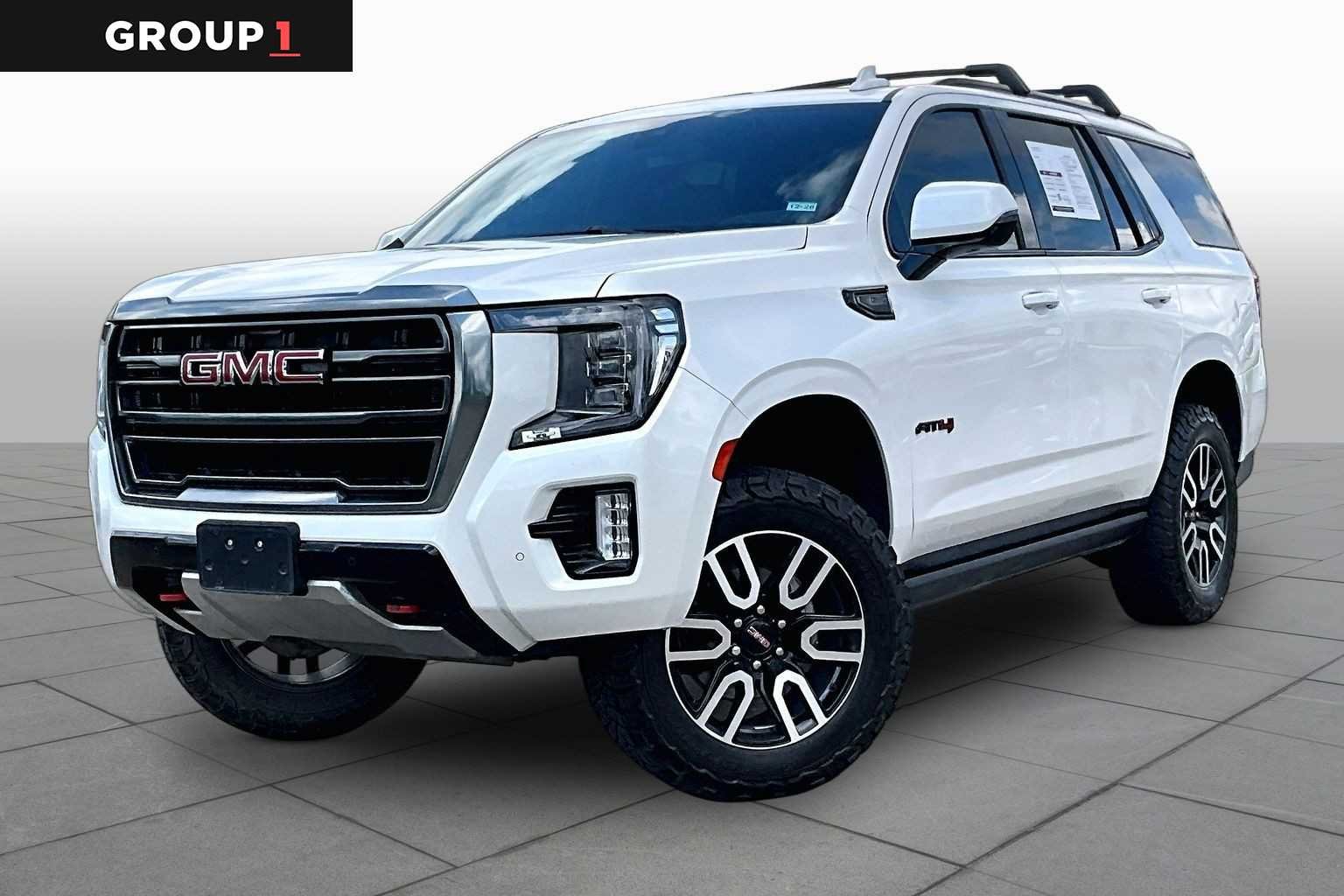
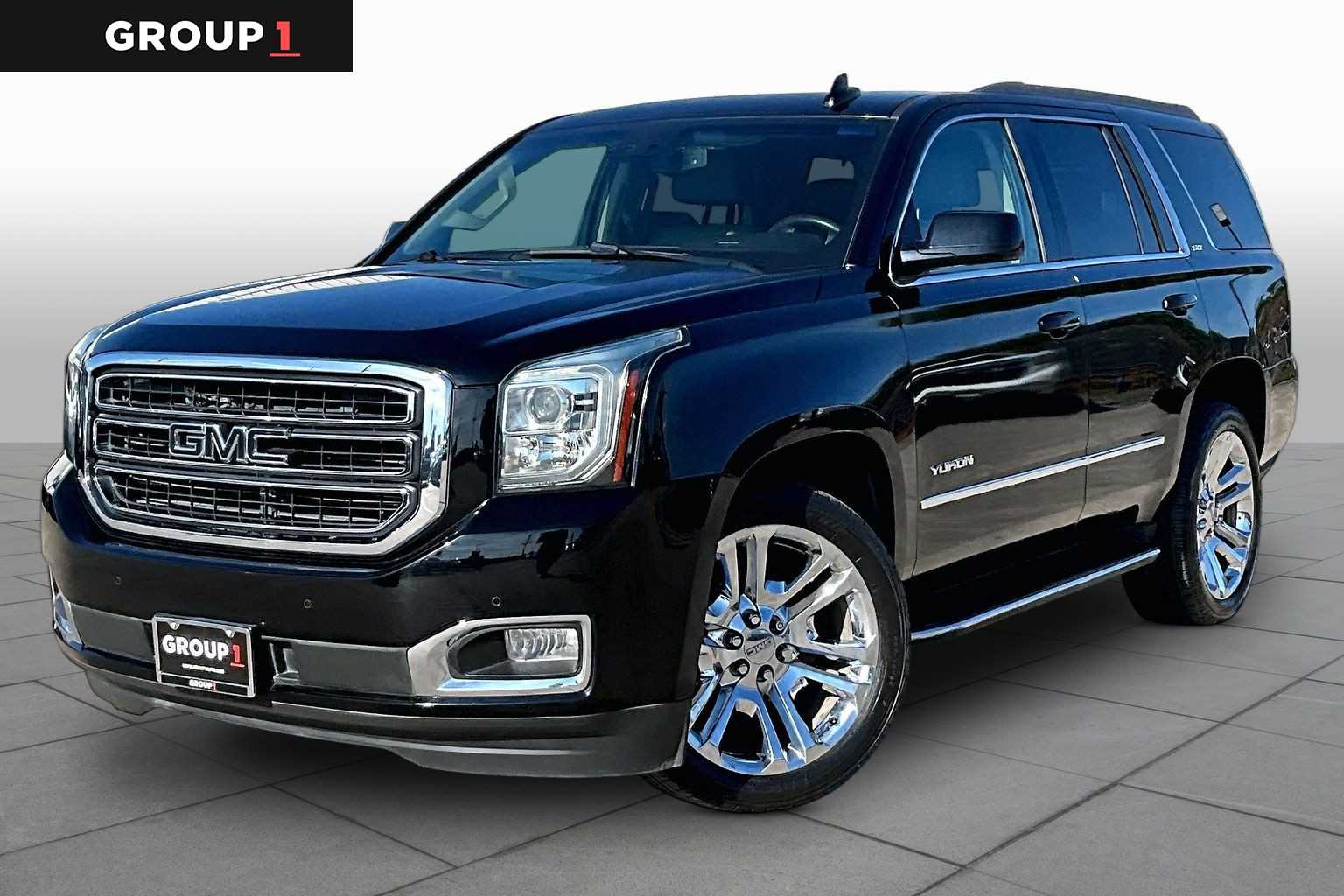
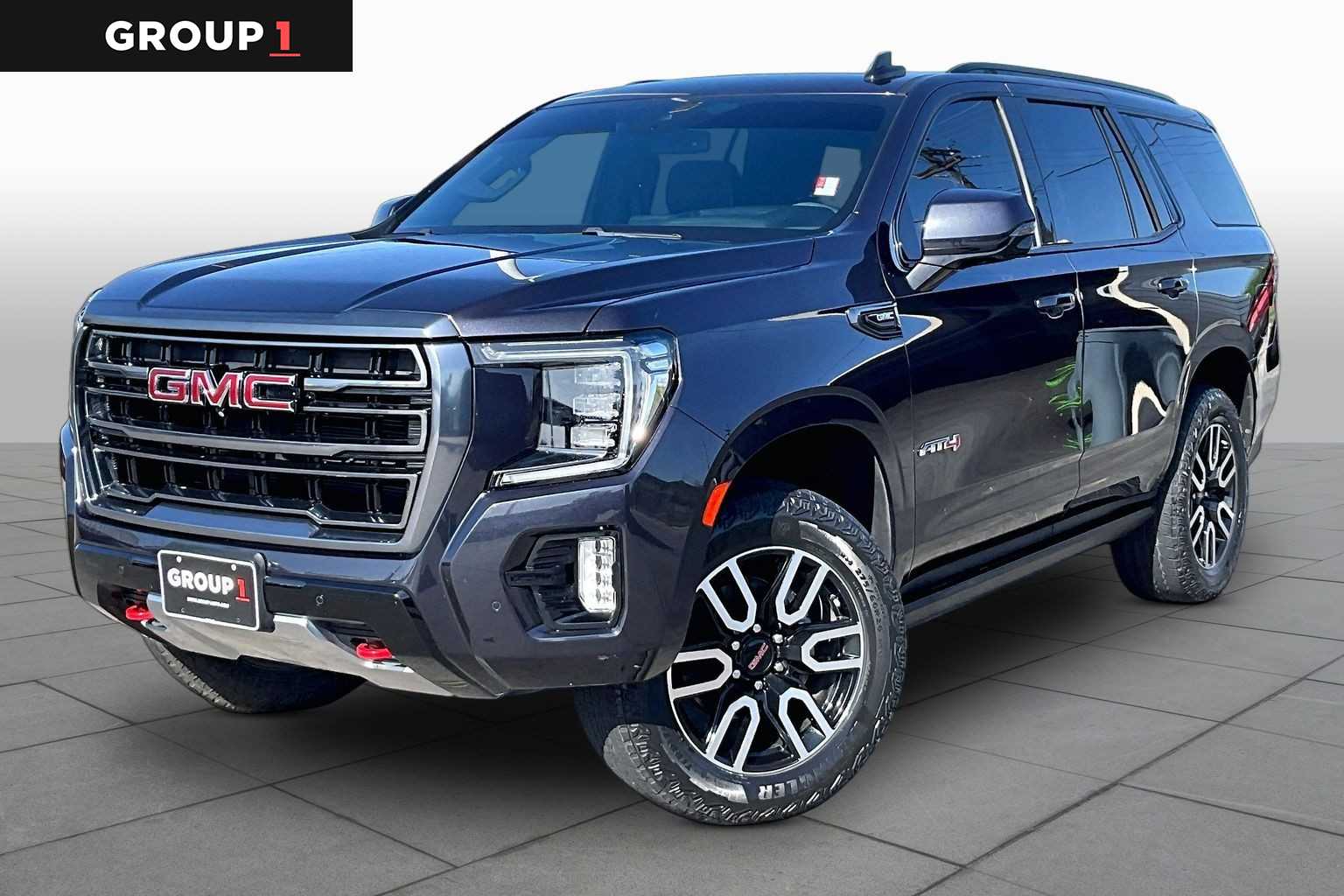
The GMC Yukon stands as a flagship full-size SUV known for its spacious interior, powerful engine options, and robust towing capabilities. If you’re considering buying or selling a Yukon, understanding the different generations, trim levels, and fuel choices can help you make a smarter decision. This guide focuses on popular questions buyers and sellers ask in markets where the Yukon is commonly sought, highlighting the key details you need to know before you commit.
The Yukon has evolved through several generations since it first appeared on the market. Common configurations include a V8 or more recently a V8-equivalent twin-turbo setup in some trims, paired with a sturdy automatic transmission. Body styles typically present as a long SUV with three rows of seats, offering generous cargo space for families or businesses that need to move equipment or gear. When shopping, you’ll encounter variations by year and generation, with differences in horsepower, torque, and fuel economy that influence overall ownership costs and performance.
Choosing or selling a GMC Yukon is about balancing power, space, and reliability. Whether you’re targeting a daily family hauler or a capable work vehicle, understanding the model’s generations, trim options, and common upkeep needs will help you reach the right audience and secure a fair deal.
 Add as preferred sourceSee more from zvelta in Google Search Add as preferred source