EN
ENDEALER
34.413 US$DEALER
35.080 US$
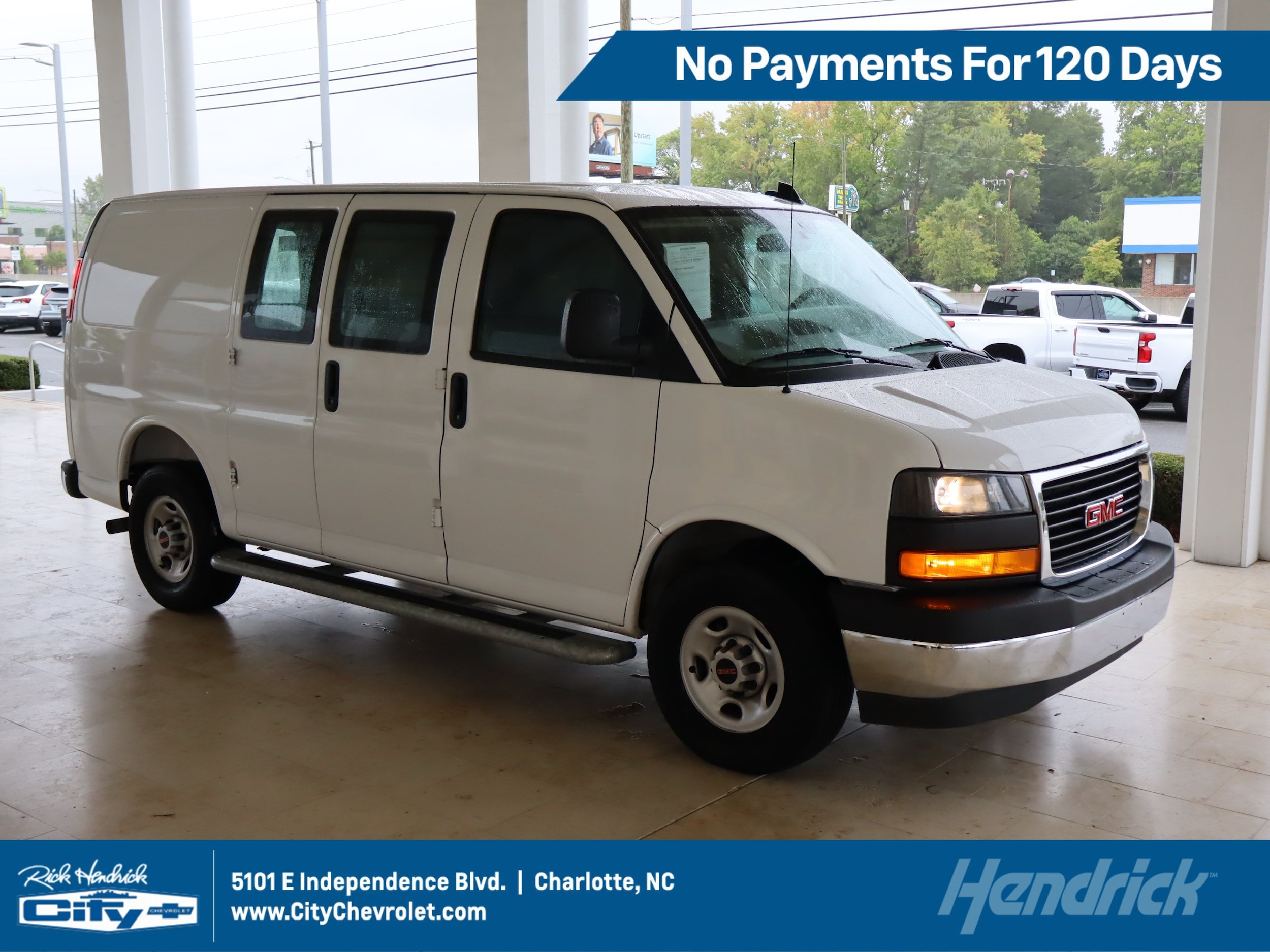
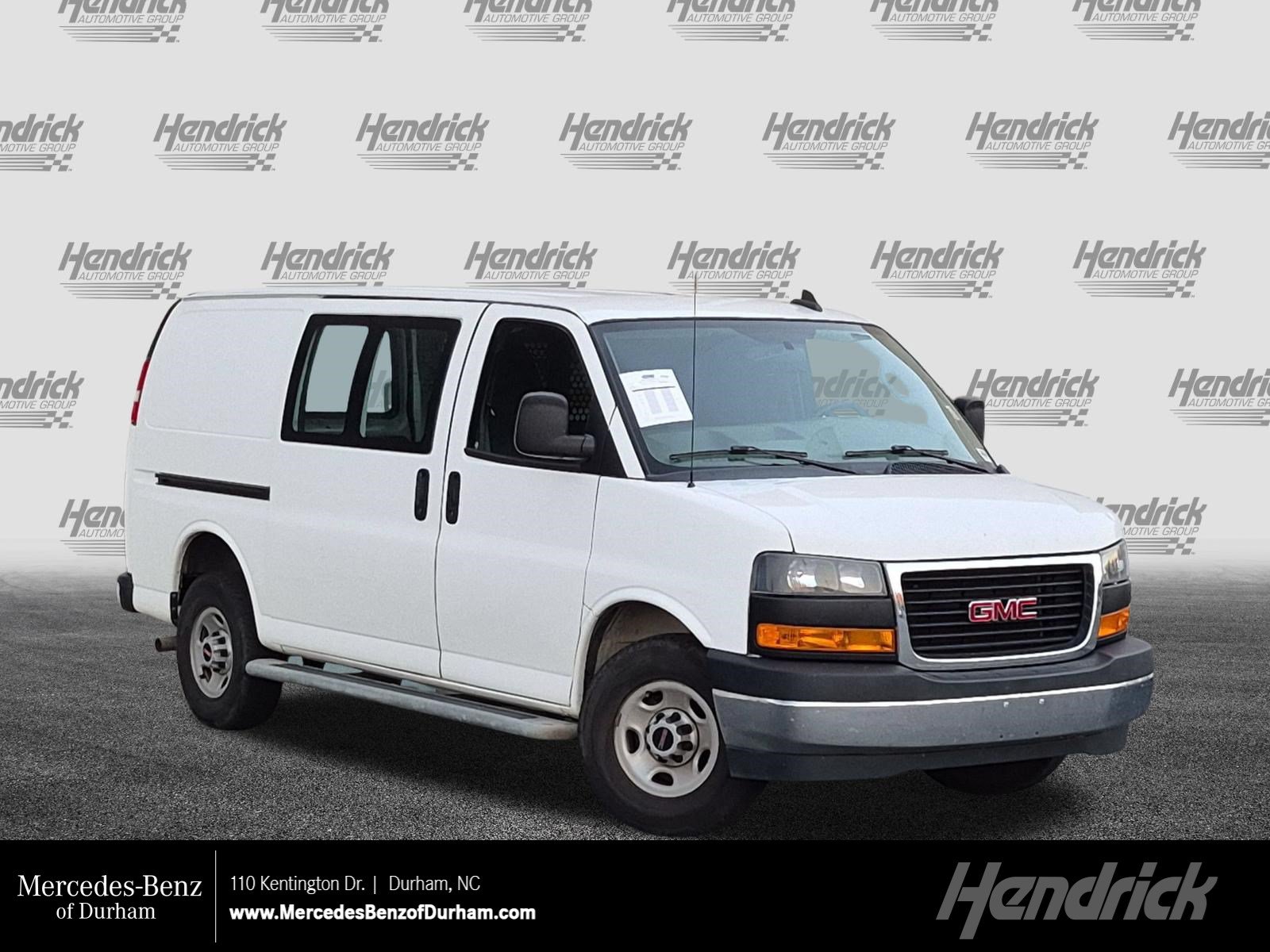
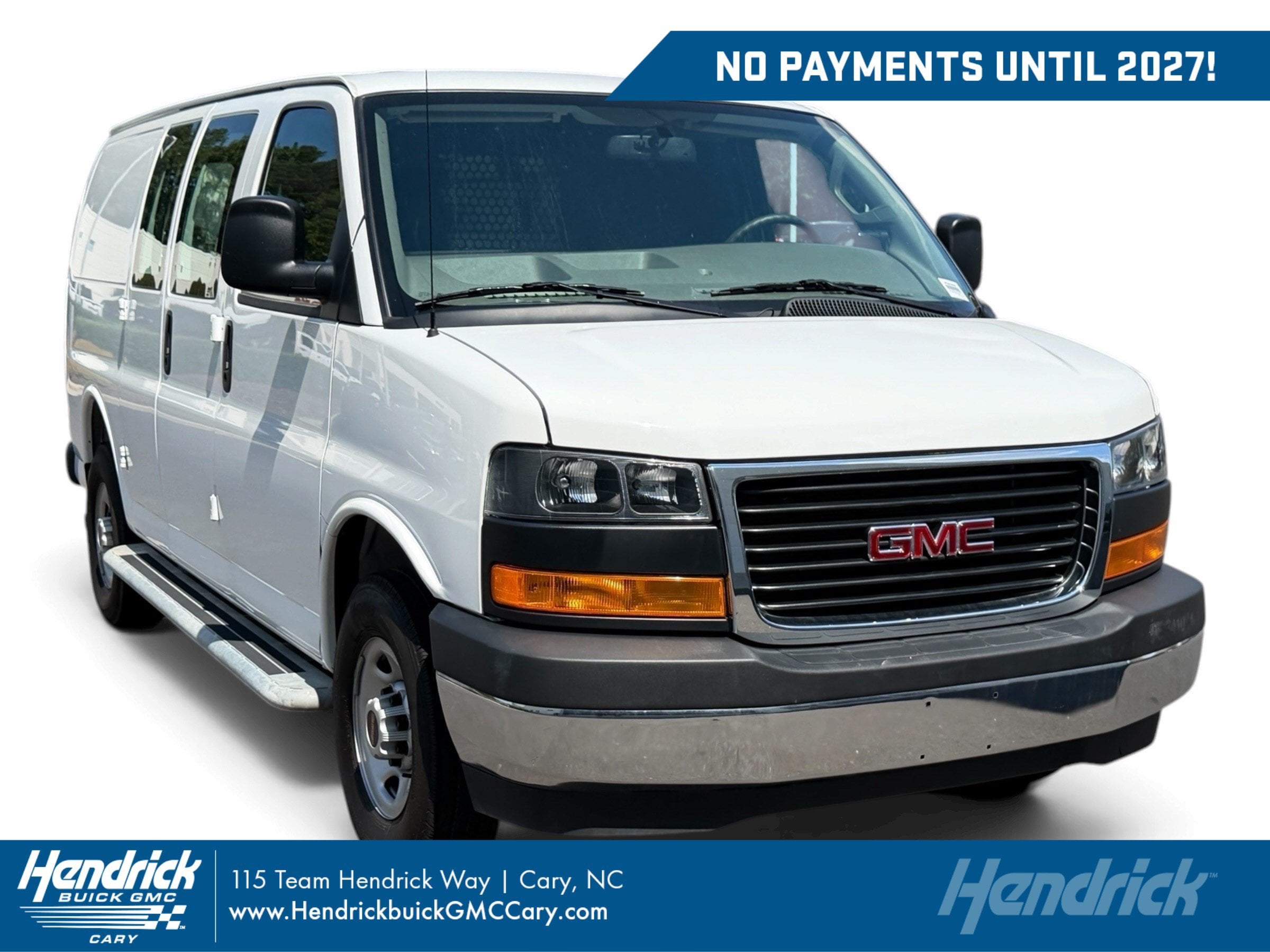
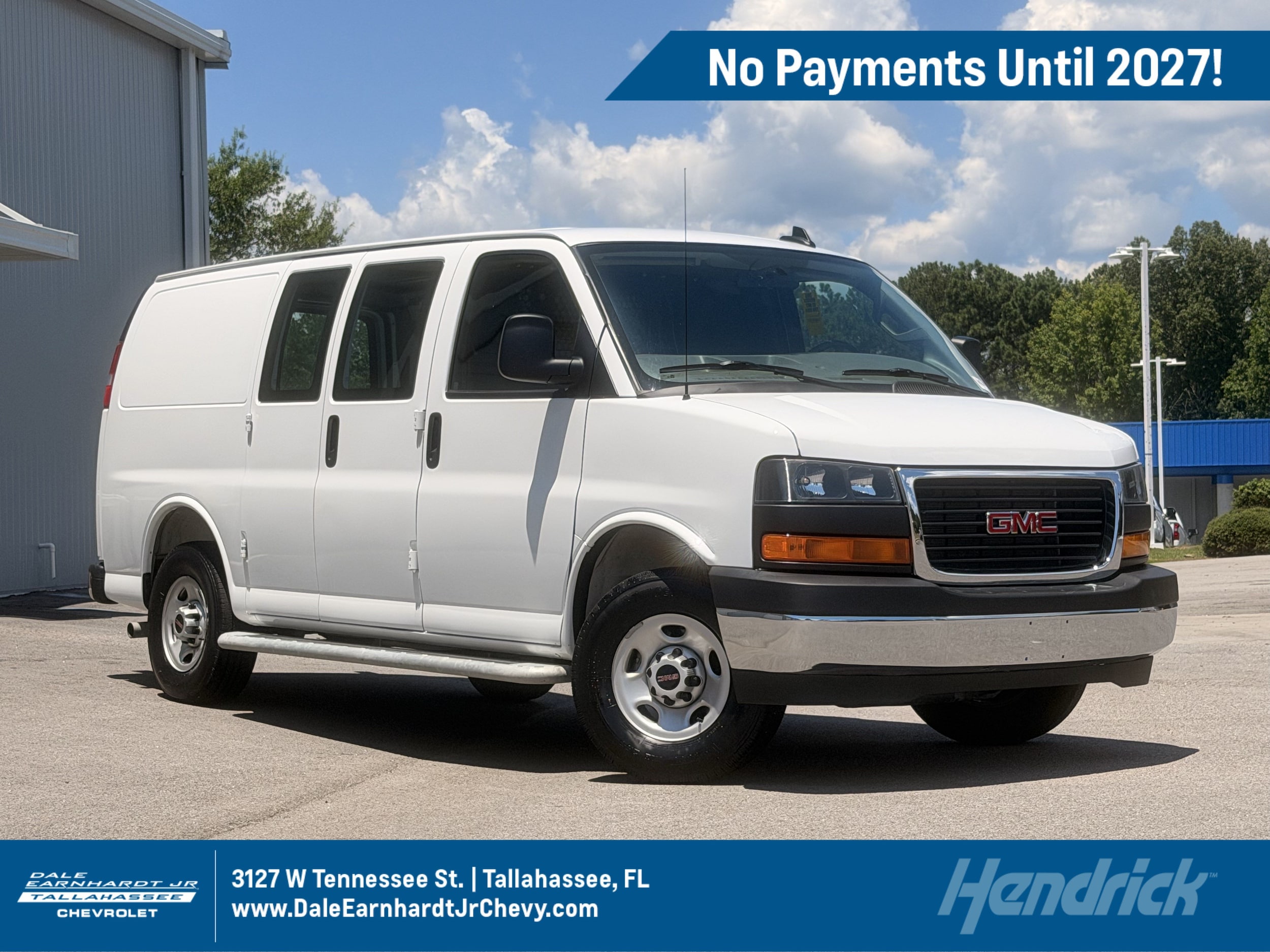
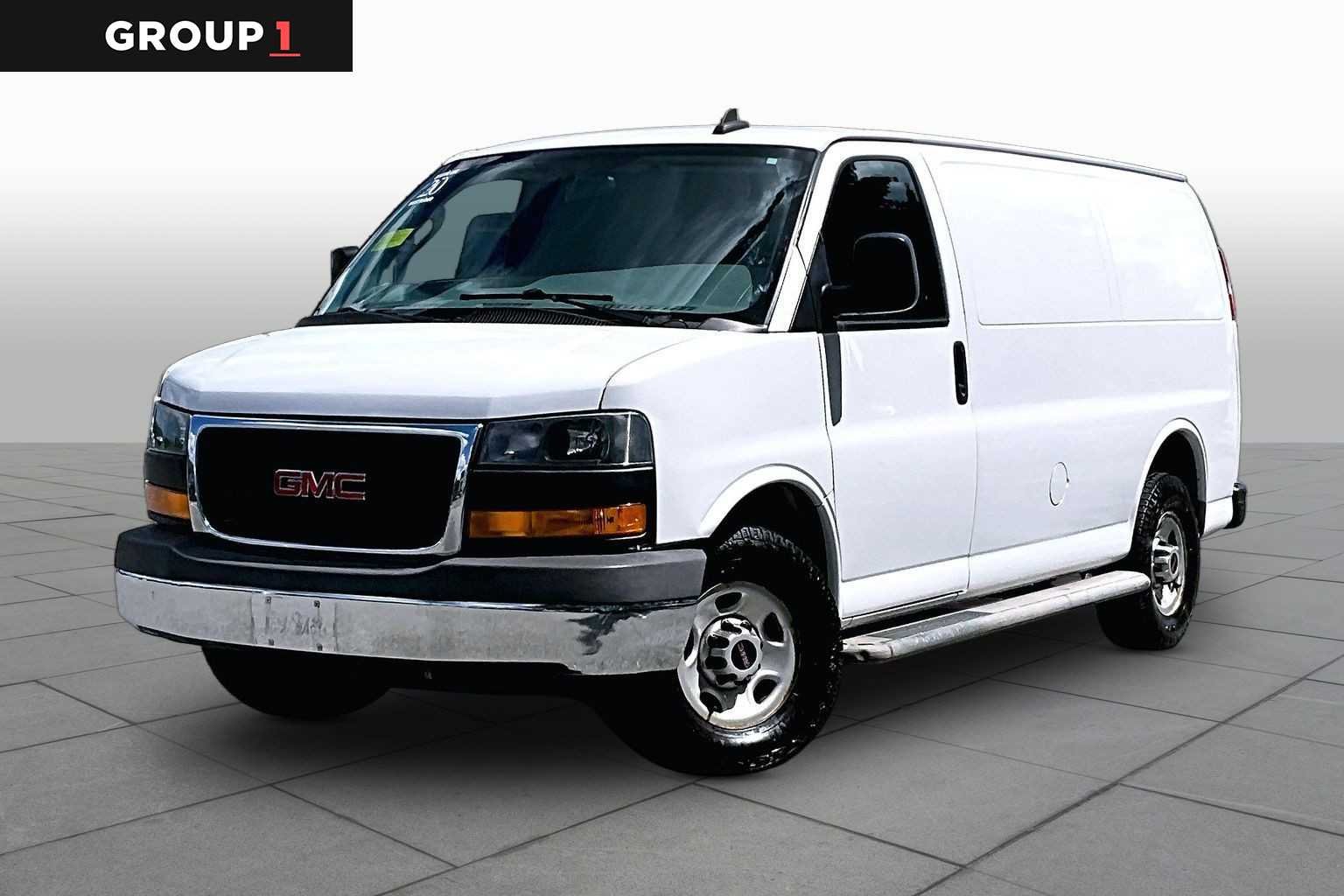
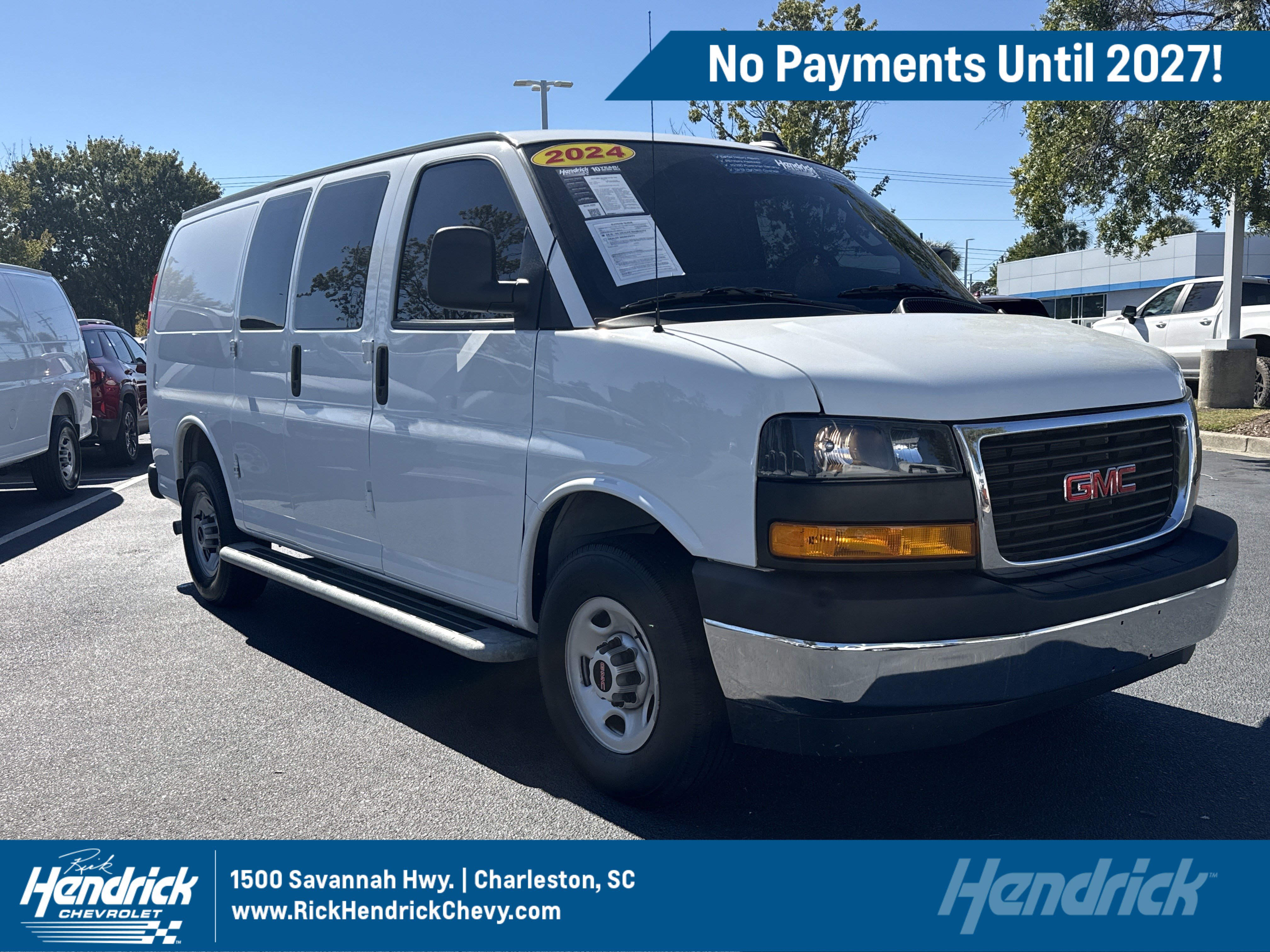
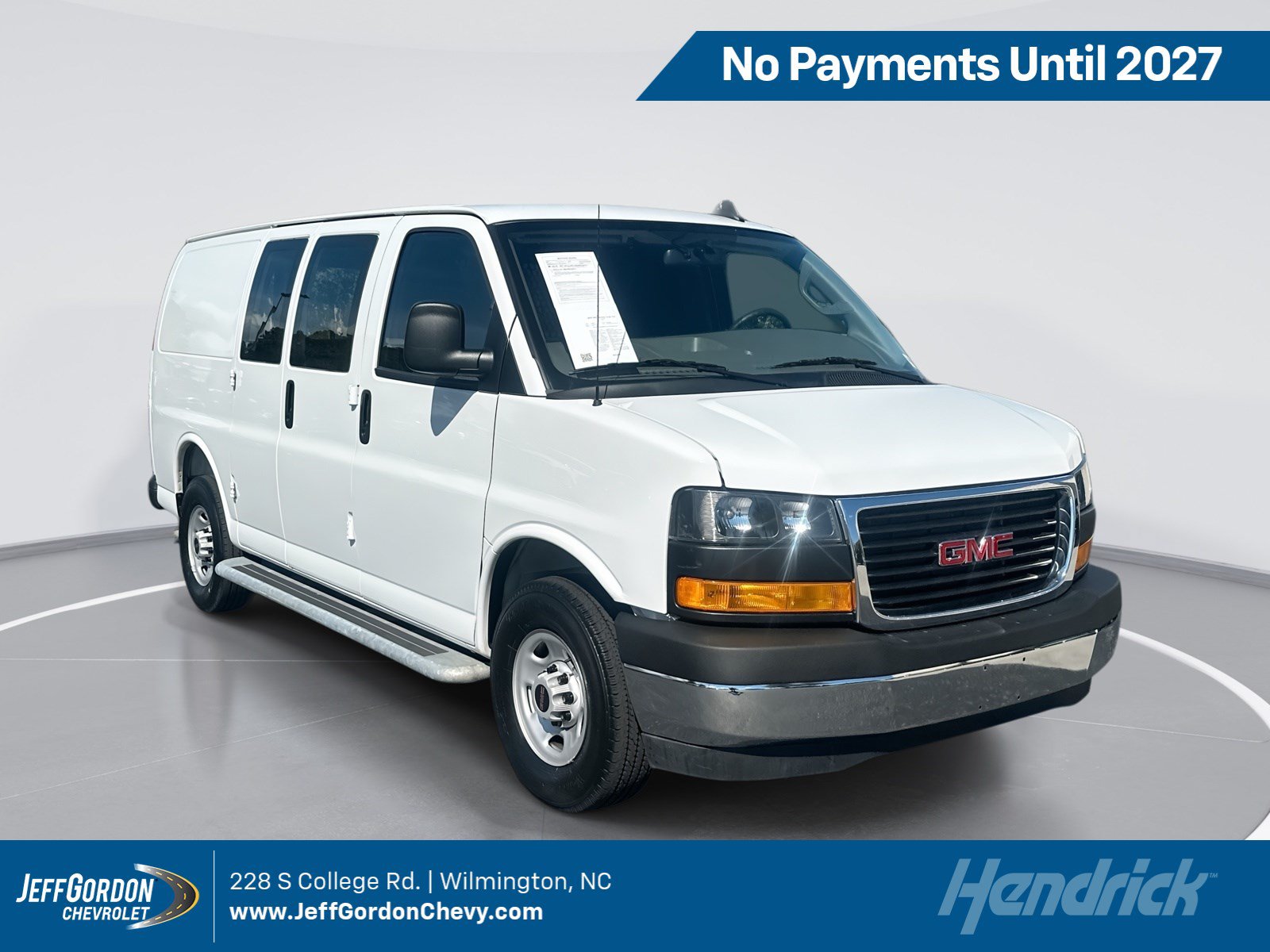
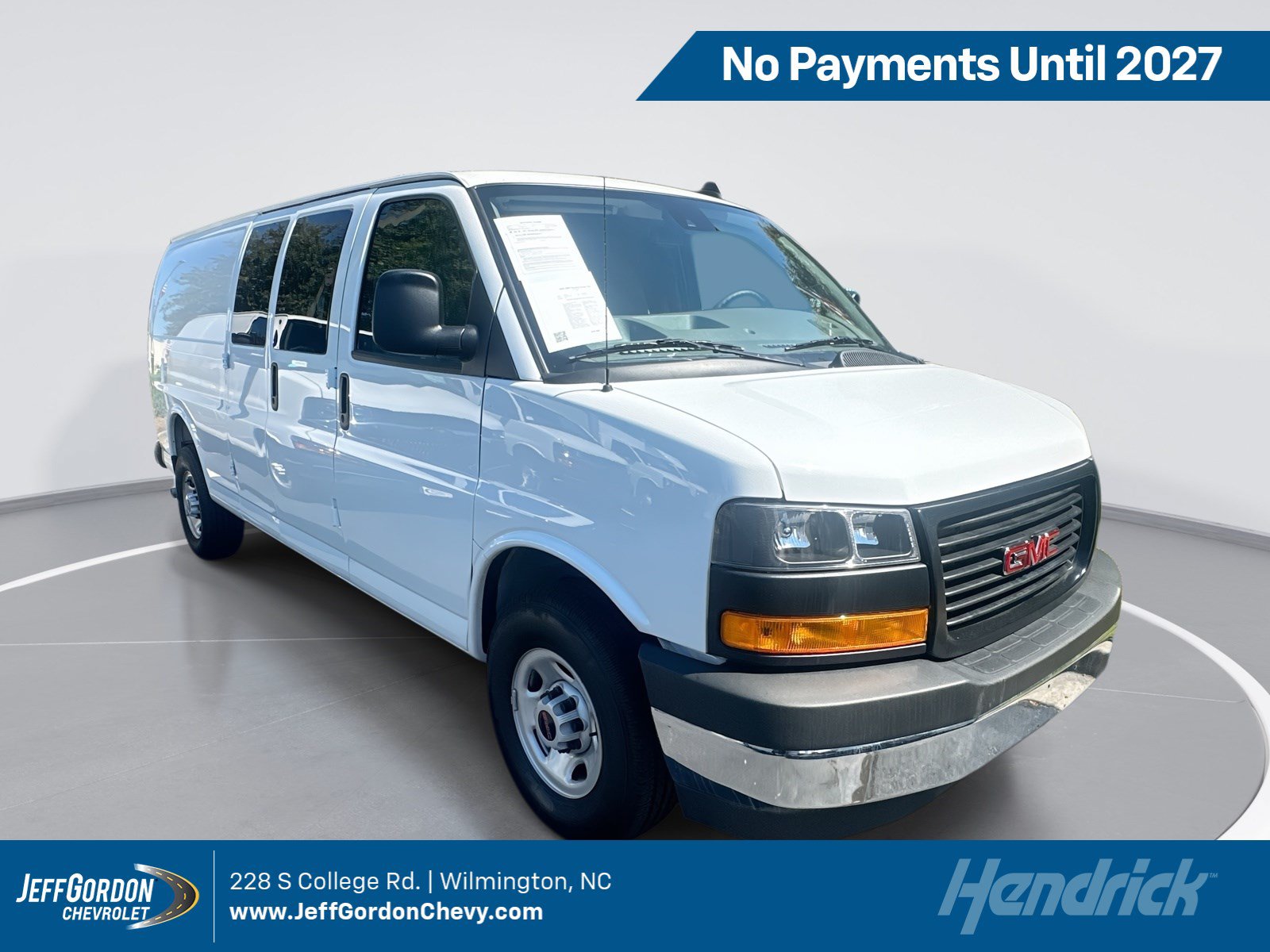
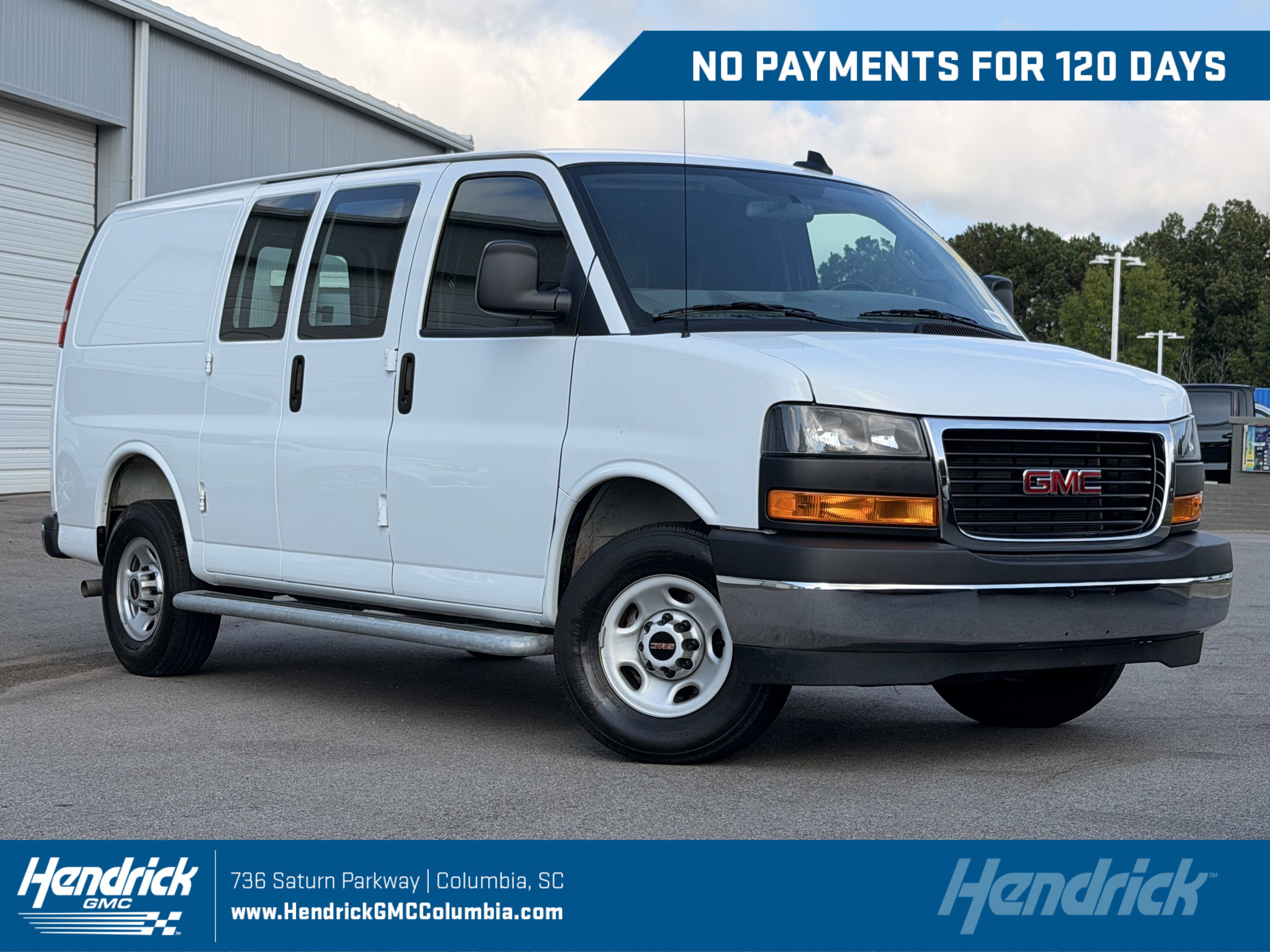
gasoline, automatic, 29K km, Rear Wheels Drive, 4,300 cm3, white, Used condition, USA, In stock

HendrickCars.com
 Columbia, United States
 Columbia, United StatesCharlotte, United StatesCharlotte, United StatesDurham, United StatesCary, United StatesTallahassee, United States
 Ira, United StatesCharleston, United StatesWilmington, United StatesWilmington, United States
The GMC Savana remains a fundamental choice for businesses and individuals who need dependable cargo space and flexible configuration. Whether you are in a large city or a smaller town, understanding the most important factors—generation, year, mileage, body type, and price segment—will help you make a confident decision when buying or selling a GMC Savana. This guide focuses on practical steps, common questions, and real-world tips to navigate the market for the Savana in your area.
Many buyers seek a rugged and versatile van for transporting goods, equipment, or even passengers with the right conversion. The Savana comes in various body styles and configurations, with front- or rear-wheel drive layouts and multiple engine options. When you search, you’ll see listings highlighting differences such as engine displacement, payload capacity, and cargo space. Knowing what you need—cargo volume, accessibility, and fuel efficiency—helps you compare options effectively and avoid overpaying.
For sellers, highlighting the most attractive attributes—low mileage, well-documented maintenance, and a clean service history—can increase interest. A well-written description that notes the exact generation, year, and any notable upgrades will help you stand out in a busy market. Practical photos that show cargo area, seating configurations, and any aftermarket equipment also improve buyer confidence.
If you are selling, present a clear, honest listing with high-quality photos of the cargo area and any notable features. Provide an accurate mileage figure and detailed maintenance history to attract more serious buyers. Listing the van’s generation, year, engine type, and payload capacity helps buyers compare options quickly and decide whether it fits their needs.
Whether you are buying or selling a GMC Savana in your city, taking a structured approach will help you reach a fair agreement and feel confident in your decision.
 Add as preferred sourceSee more from zvelta in Google Search Add as preferred source