 EN
ENDEALER
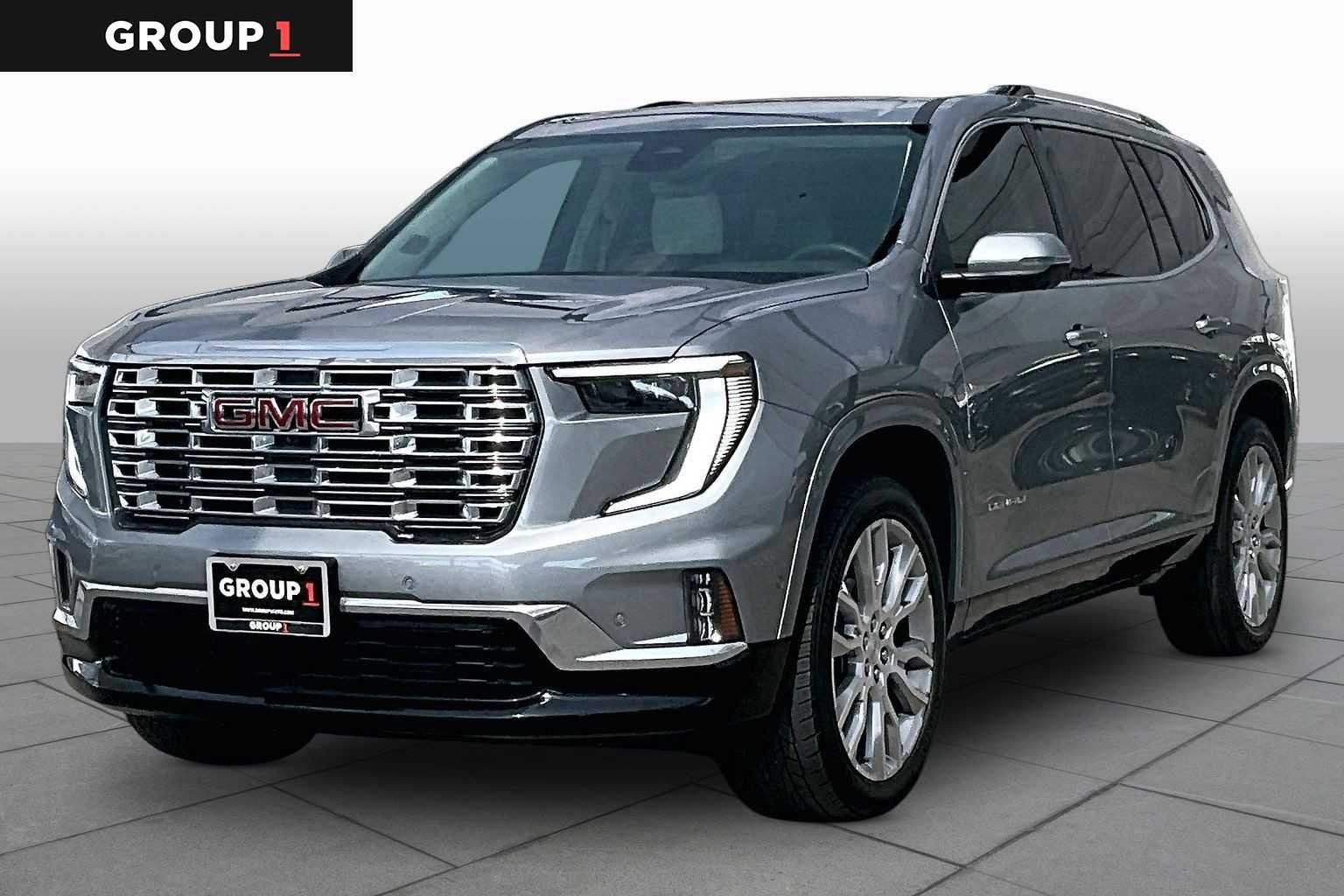
41.091 US$DEALER
42.091 US$
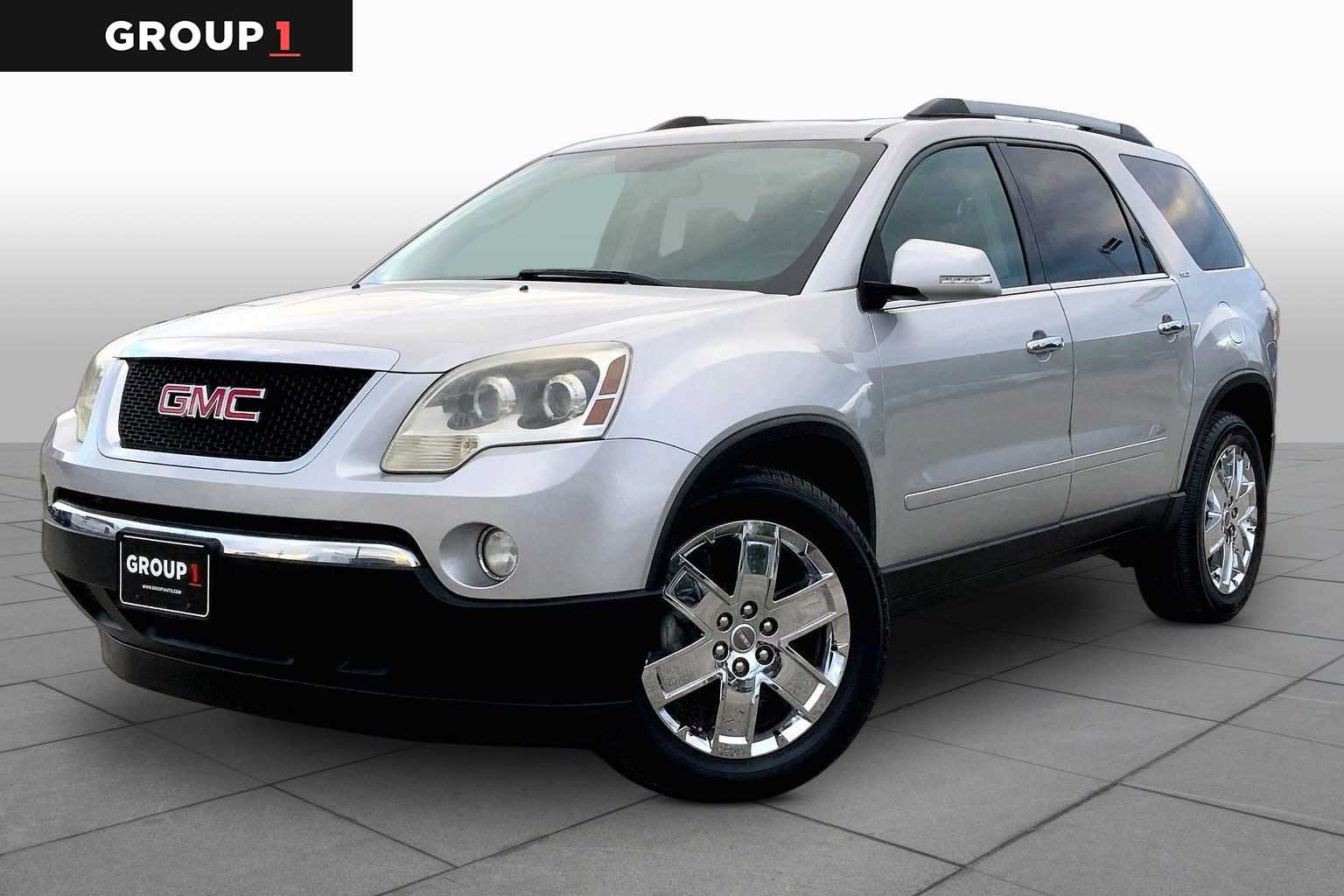
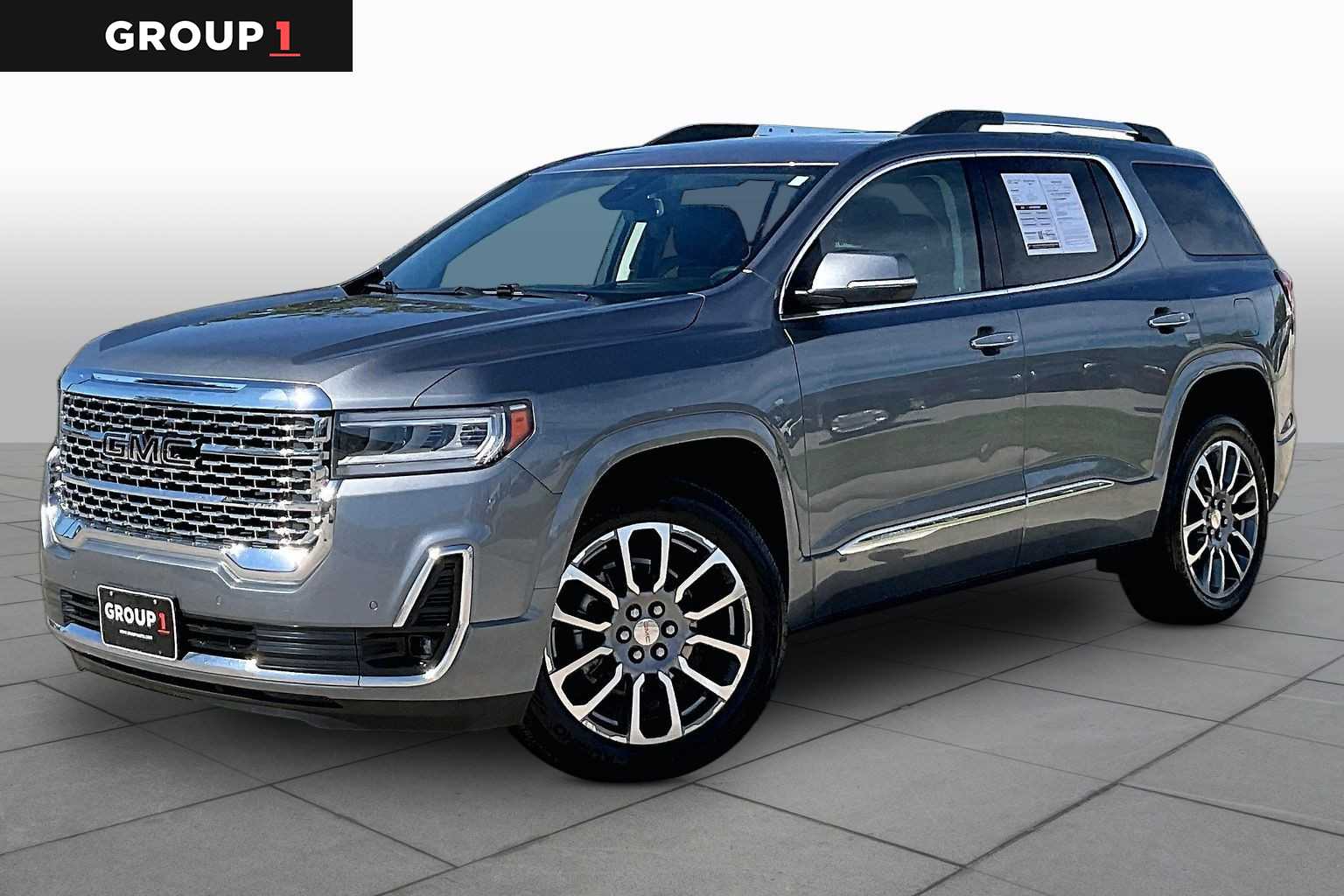
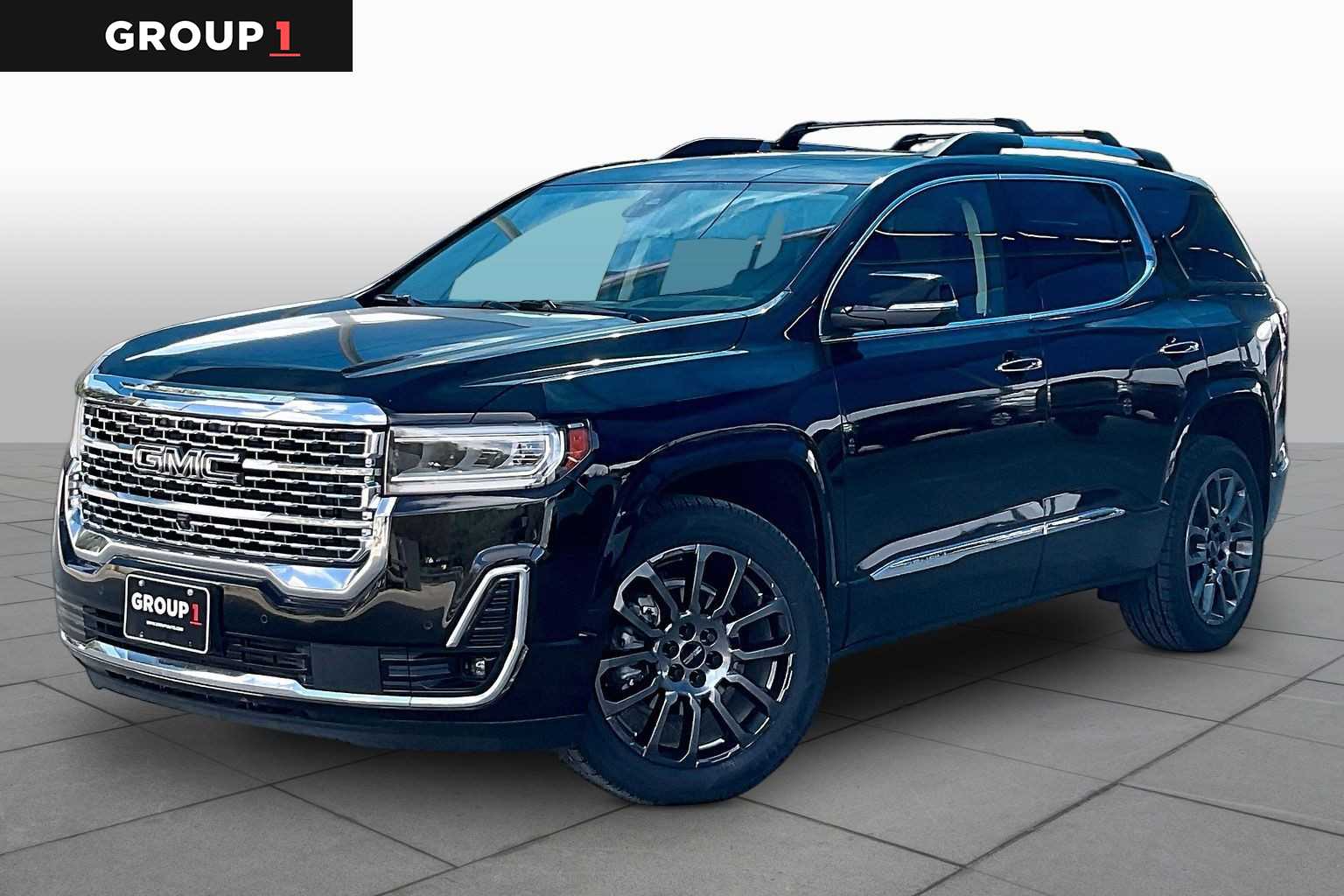
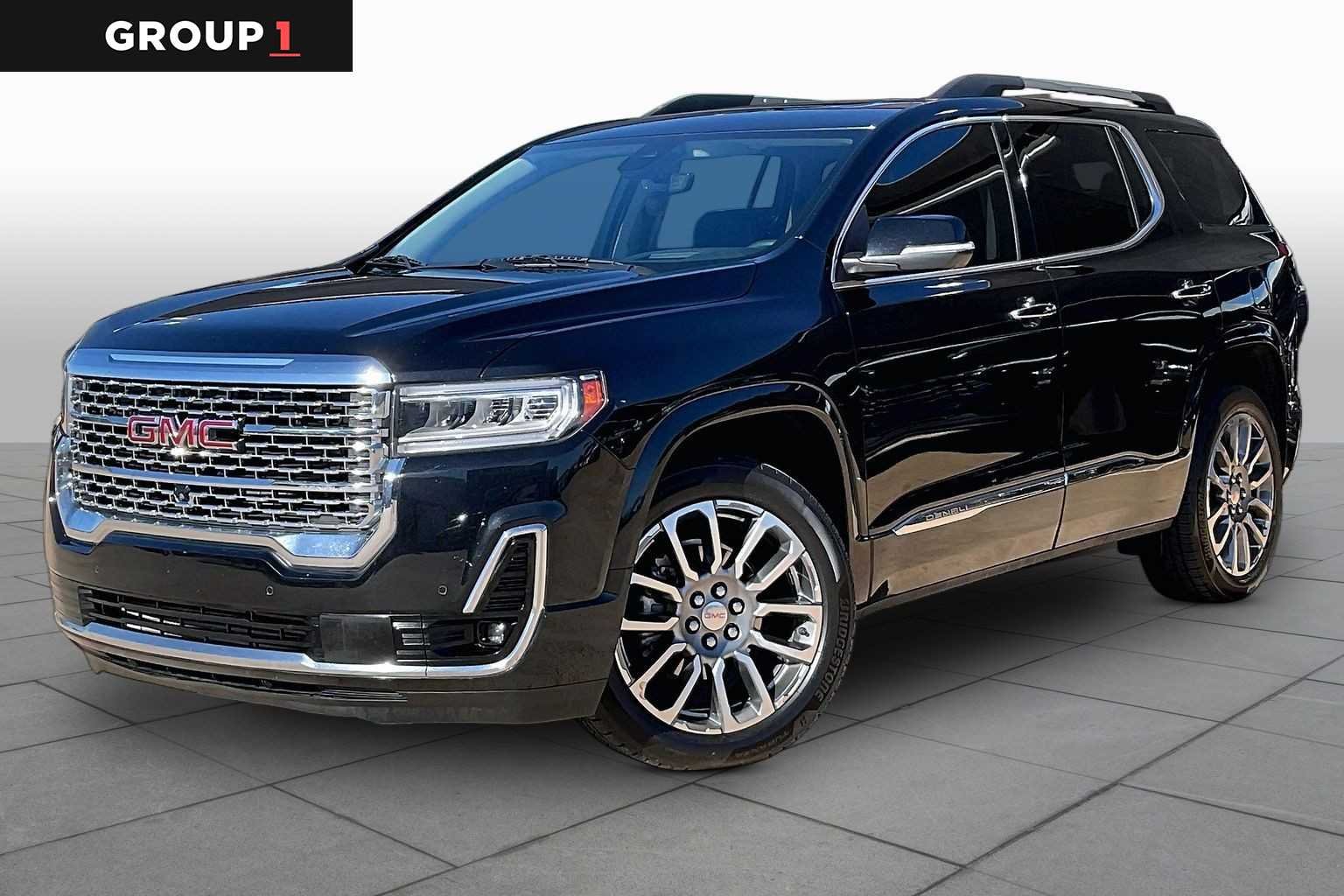
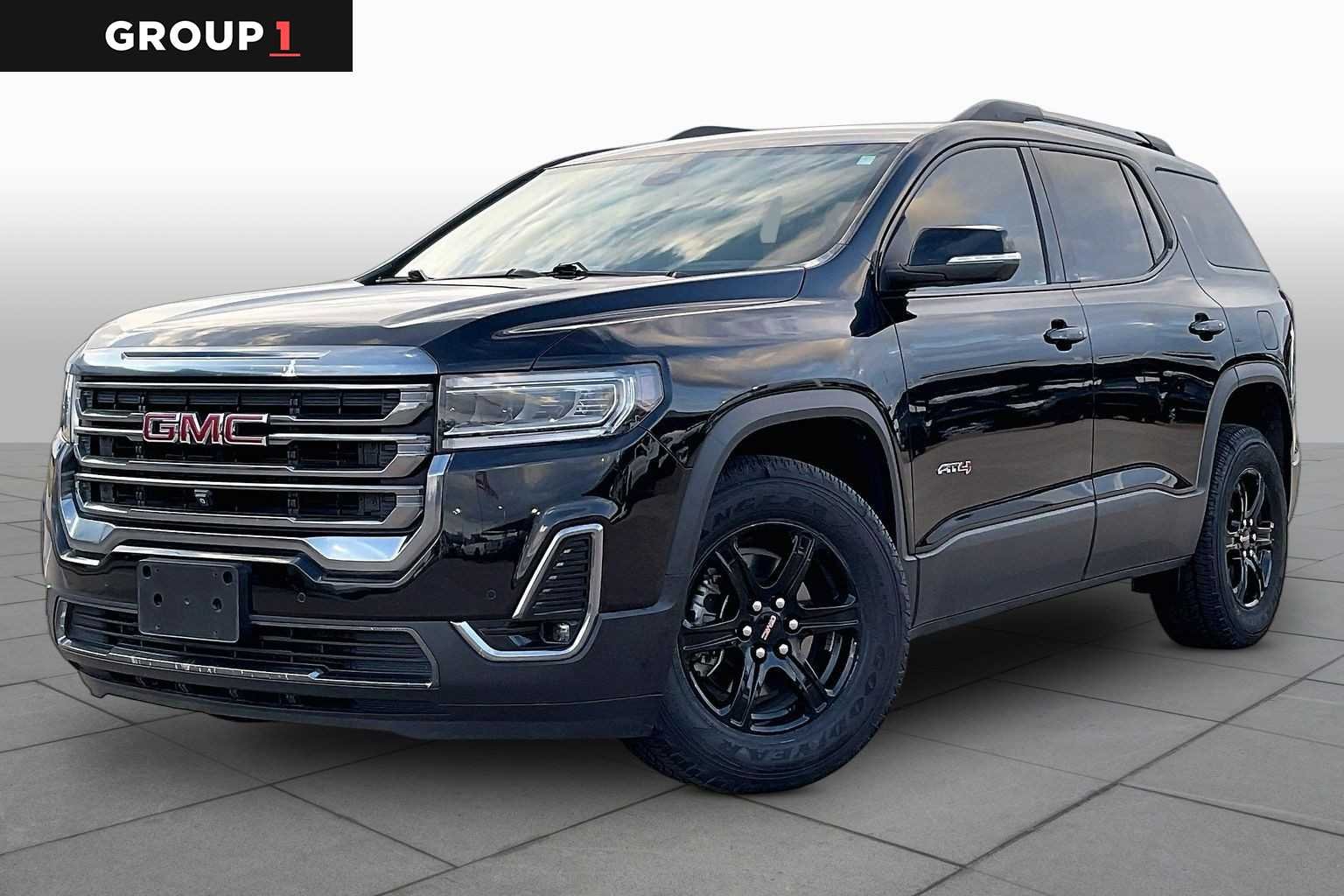
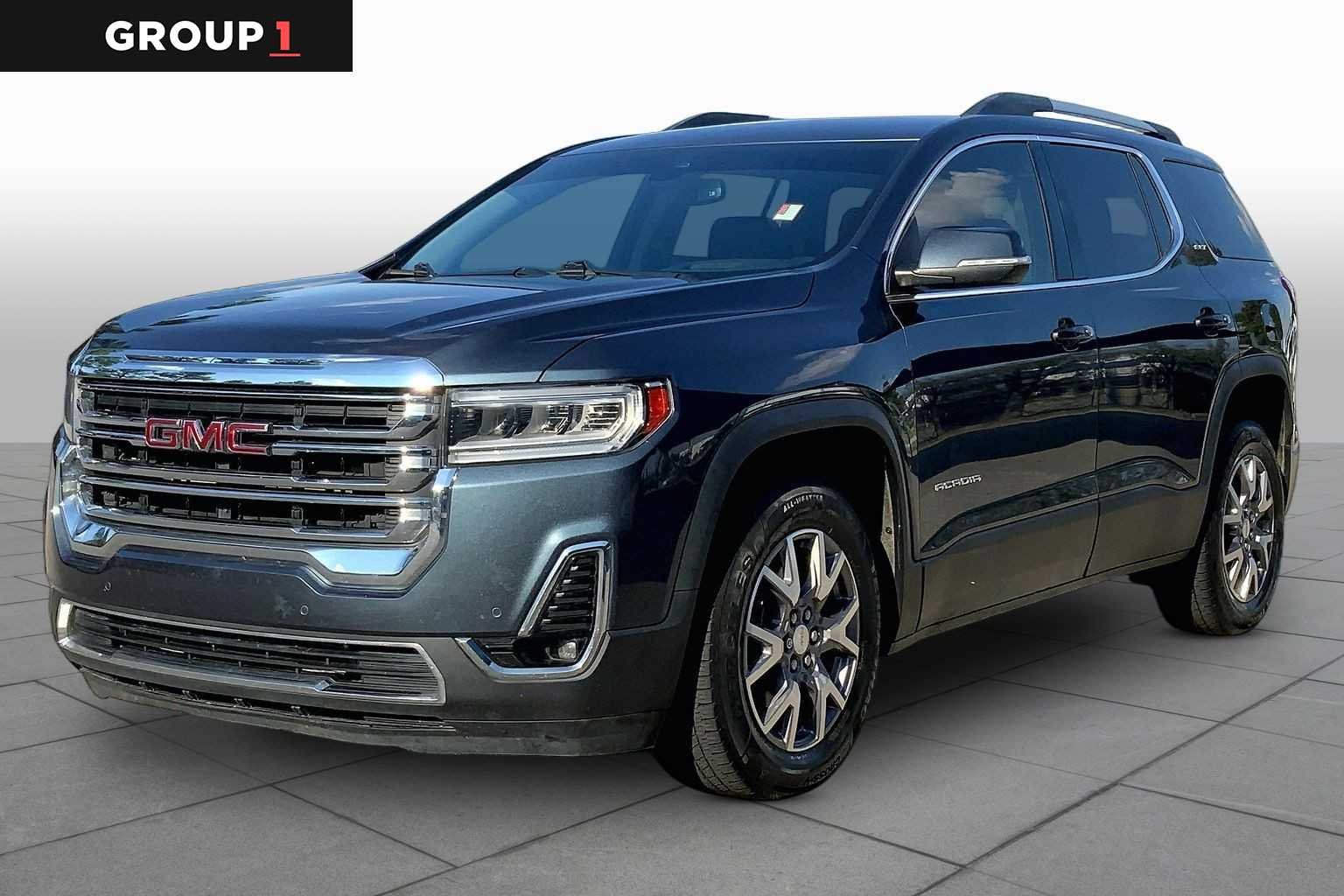
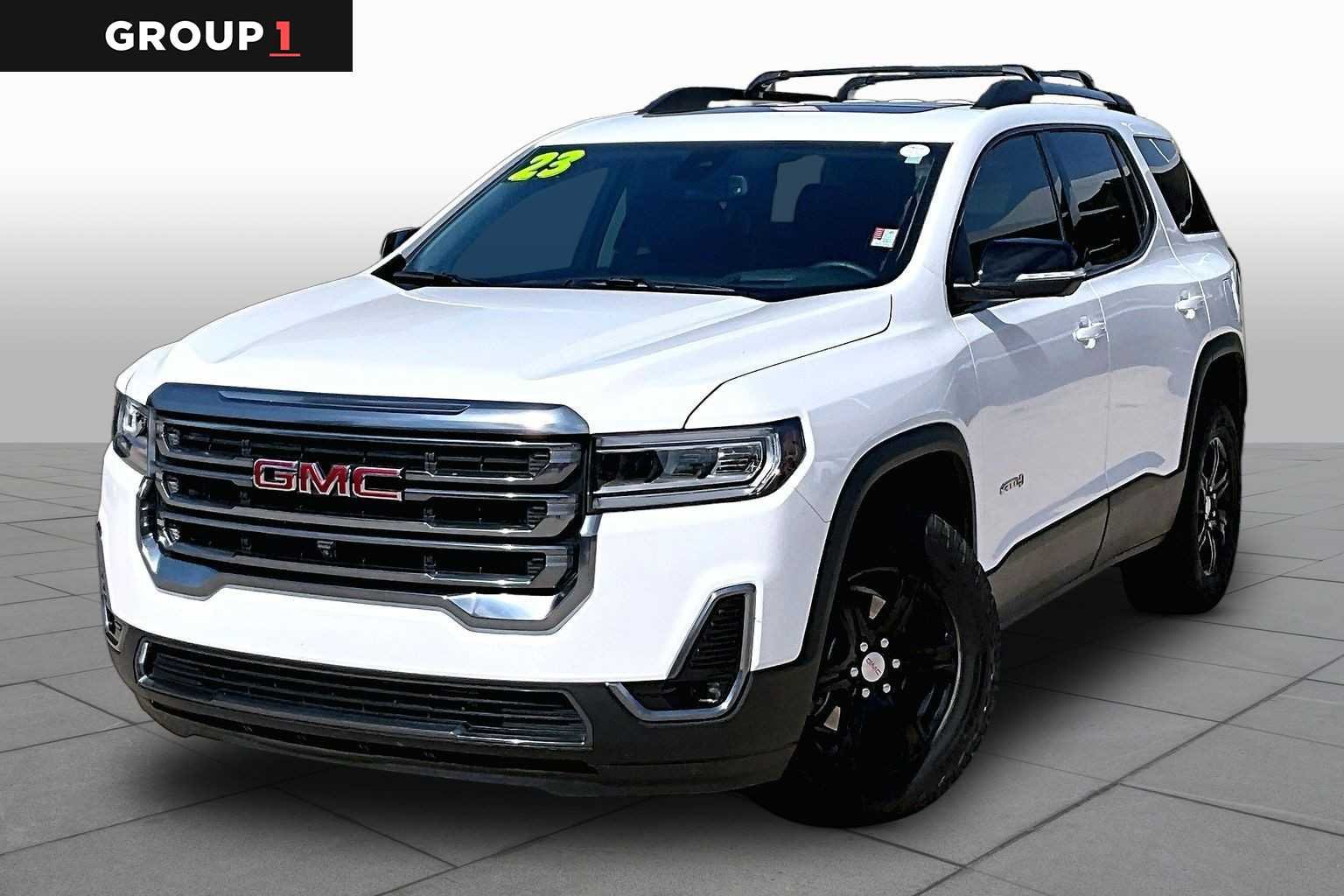
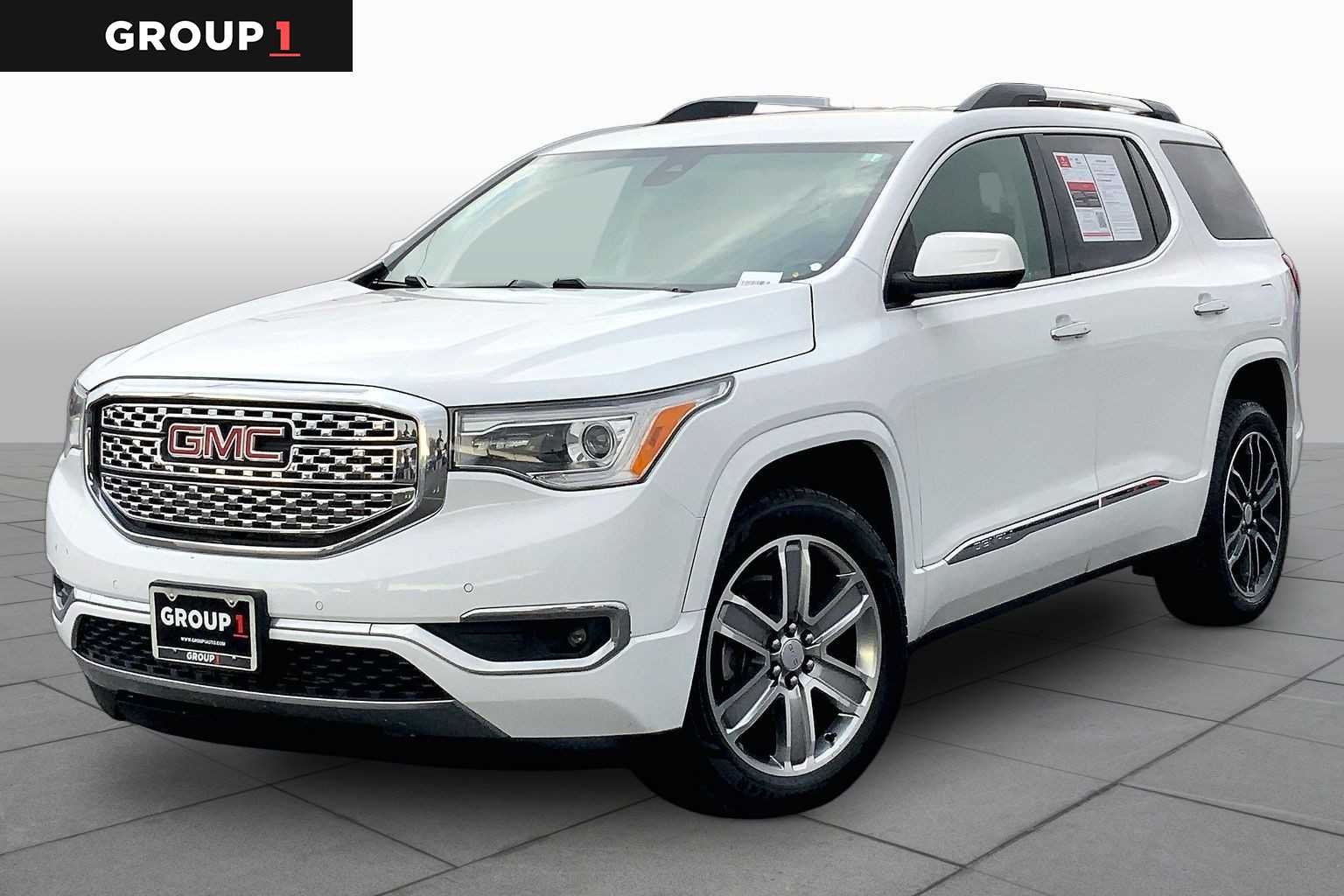
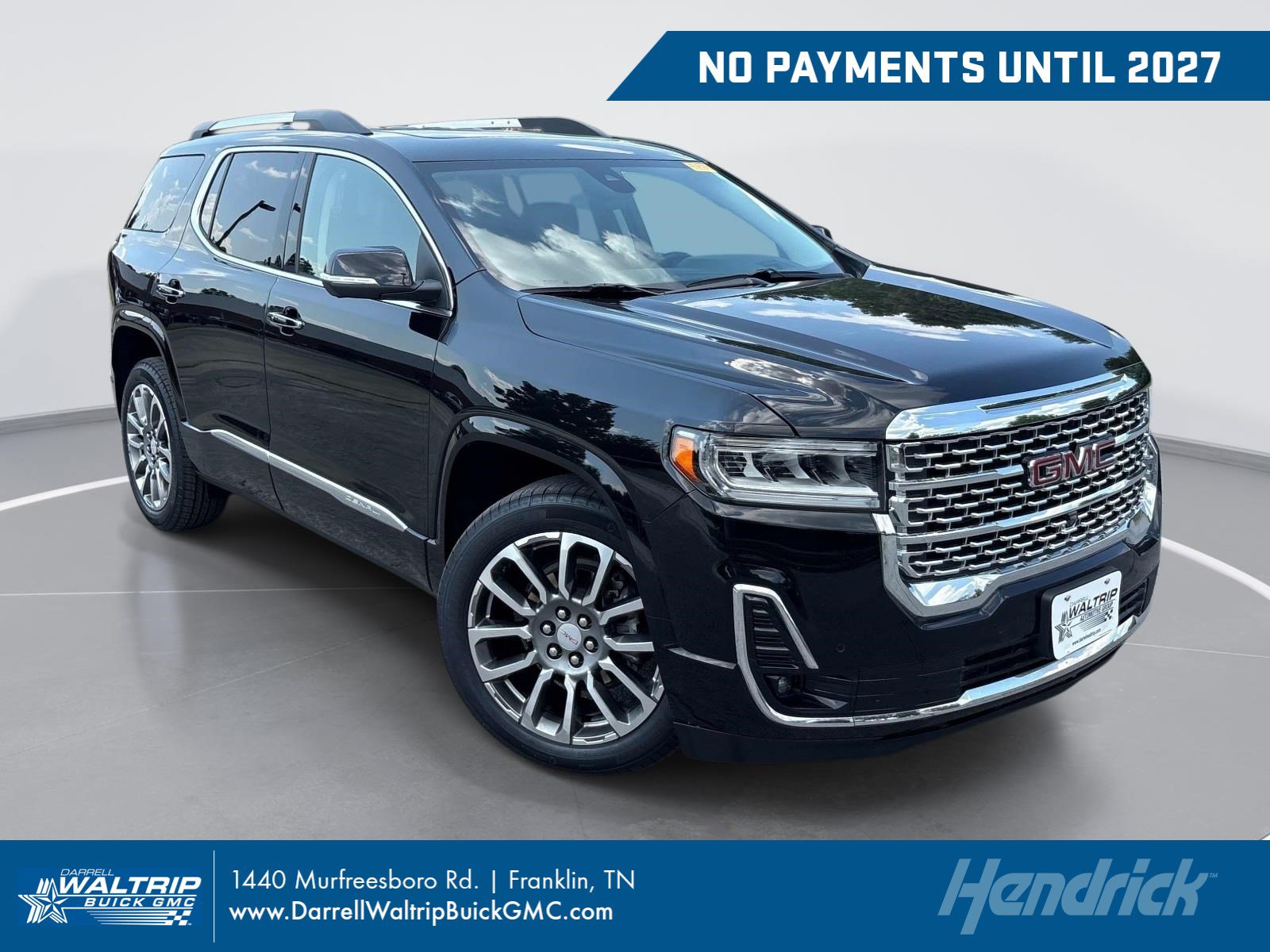
gasoline, automatic, 68K km, SUV, Front Wheels Drive, 2,500 cm3, 328 hp, silver, FWD Denali, Used condition, USA, In stock

Group1Auto.com
 Georgetown, United States
 Georgetown, United StatesSouthwest, United StatesSouthwest, United States
 Mishawaka, United StatesMishawaka, United States
 Chevrolet, United StatesChevrolet, United StatesChevrolet, United StatesChevrolet, United StatesChevrolet, United StatesChevrolet, United StatesChevrolet, United StatesChevrolet, United StatesMain Settlement, United StatesMain Settlement, United StatesMain Settlement, United StatesShawnee, United StatesCadillac, United States
 Franklin, United StatesFranklin, United StatesFranklin, United StatesFranklin, United StatesFranklin, United StatesFranklin, United StatesFranklin, United States
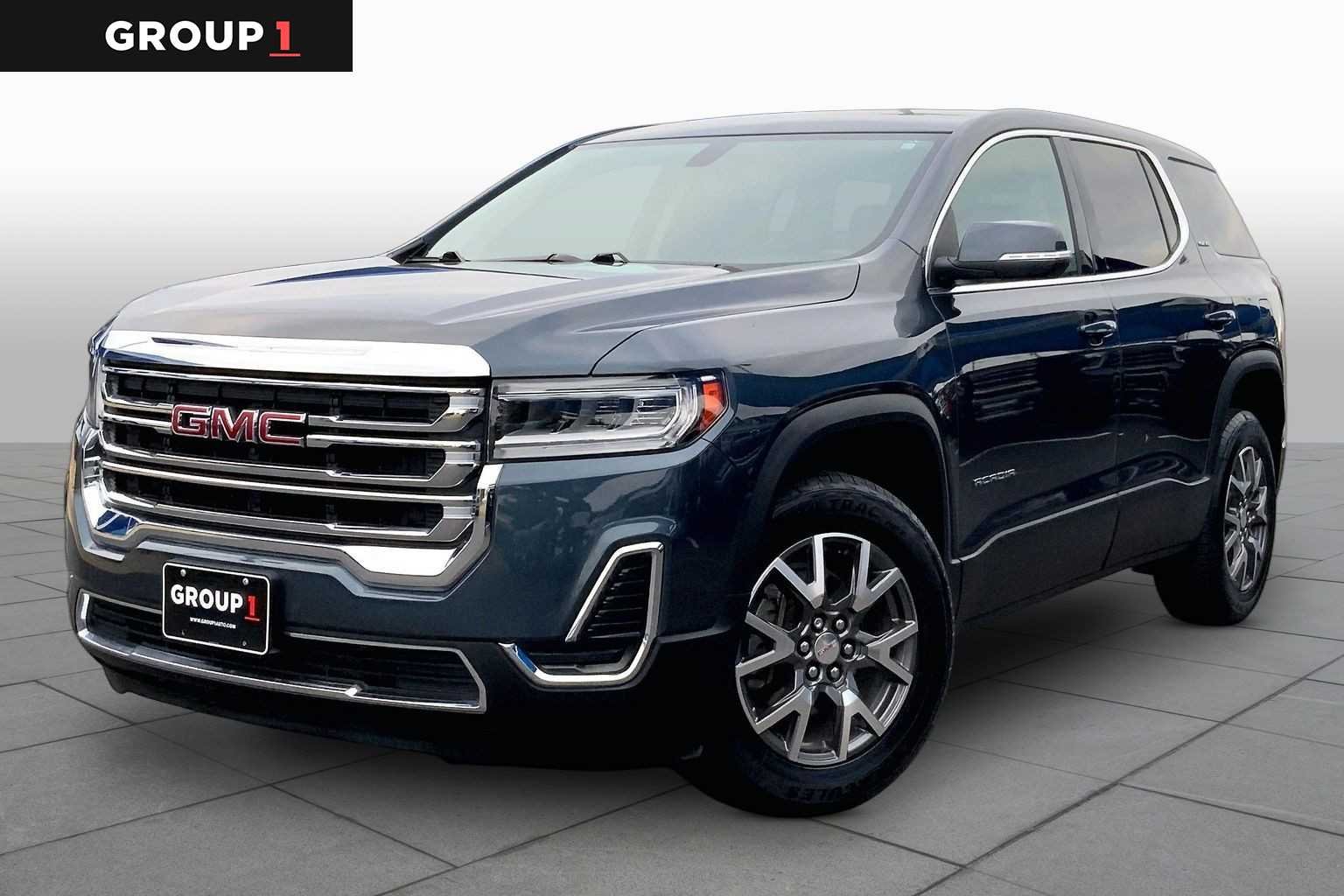
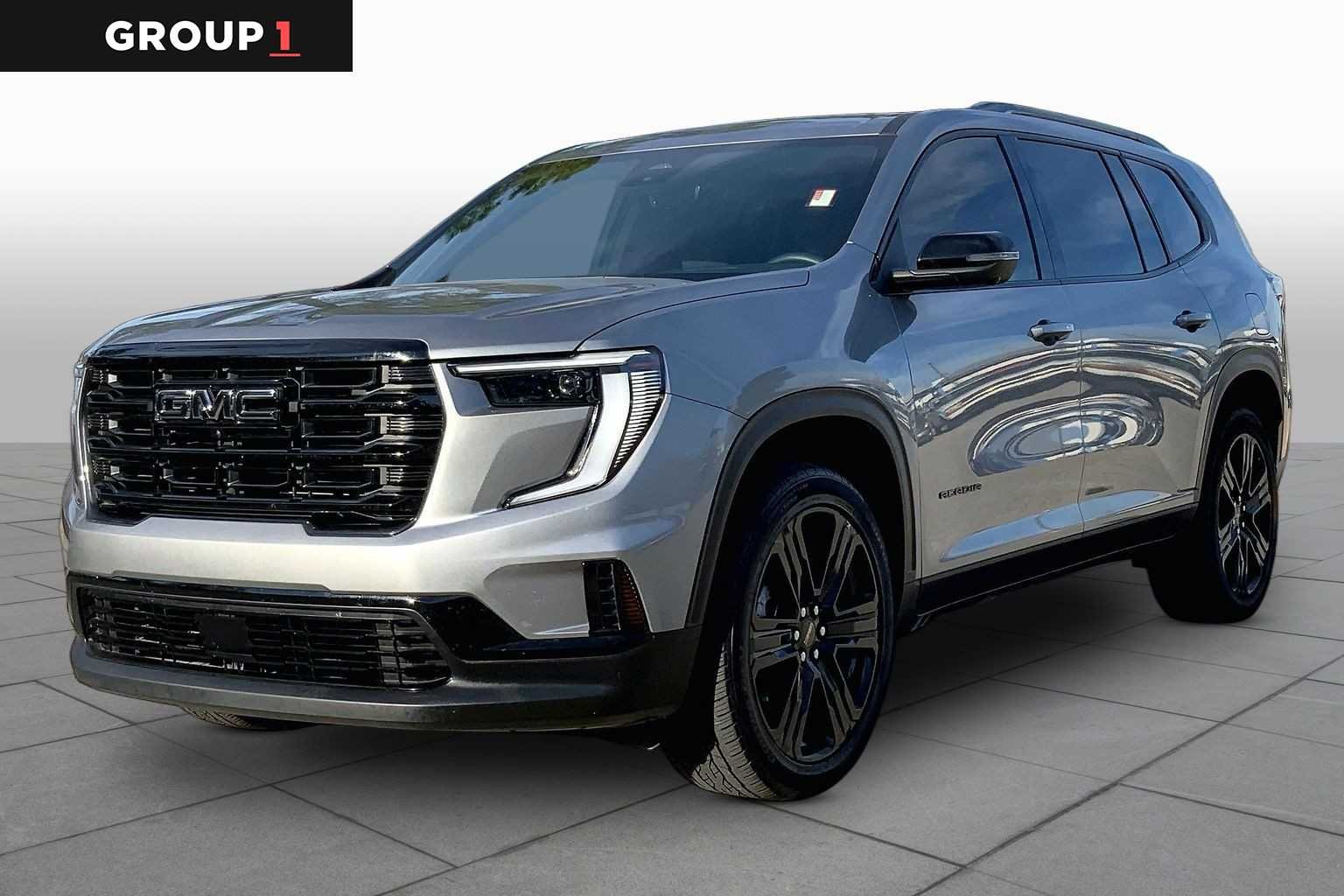
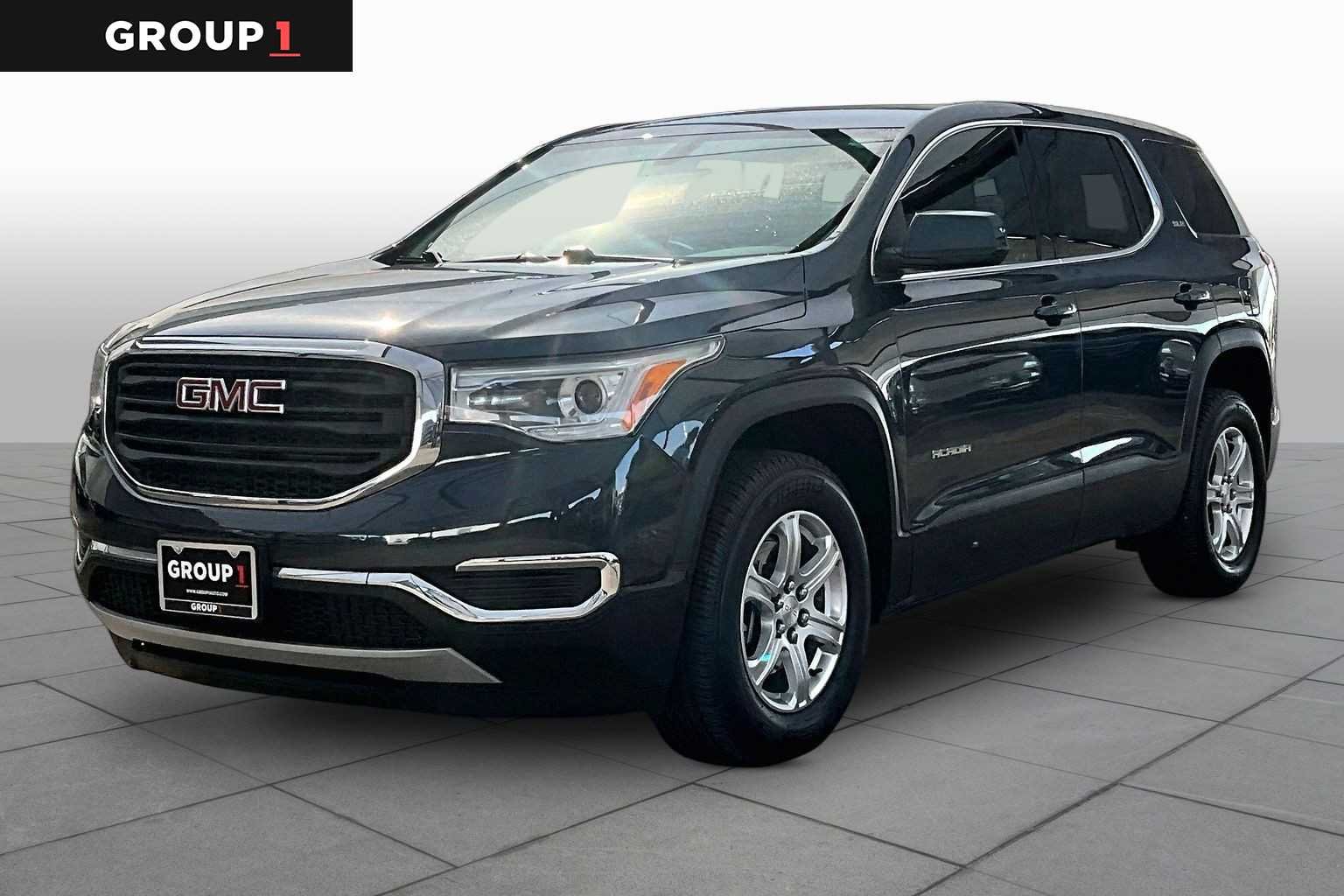
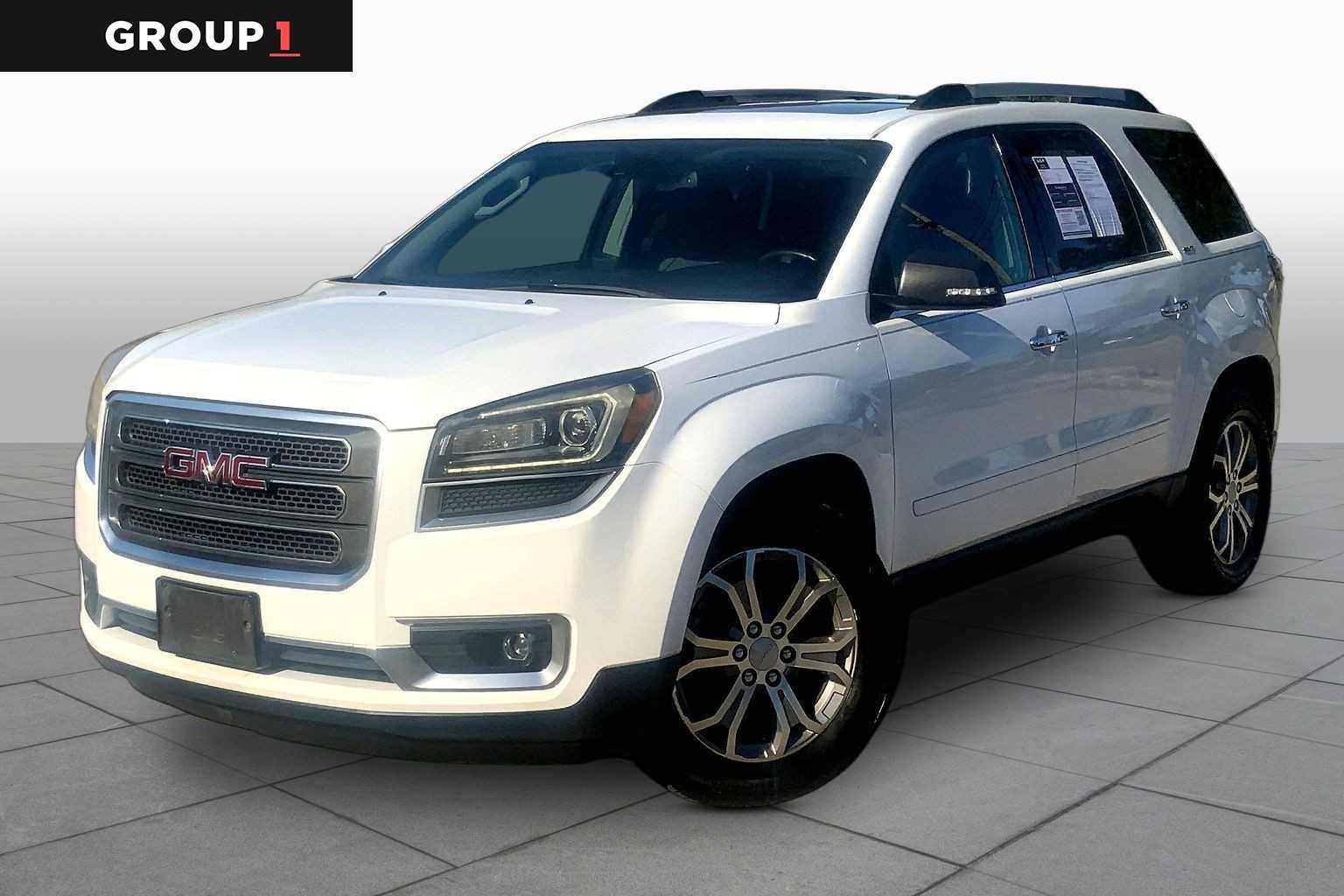
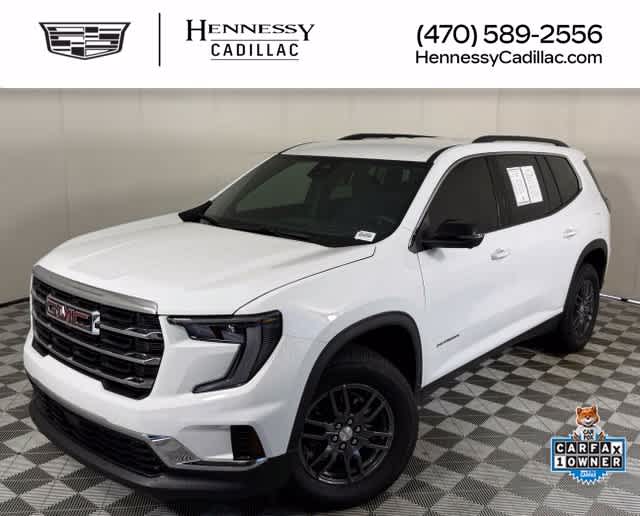
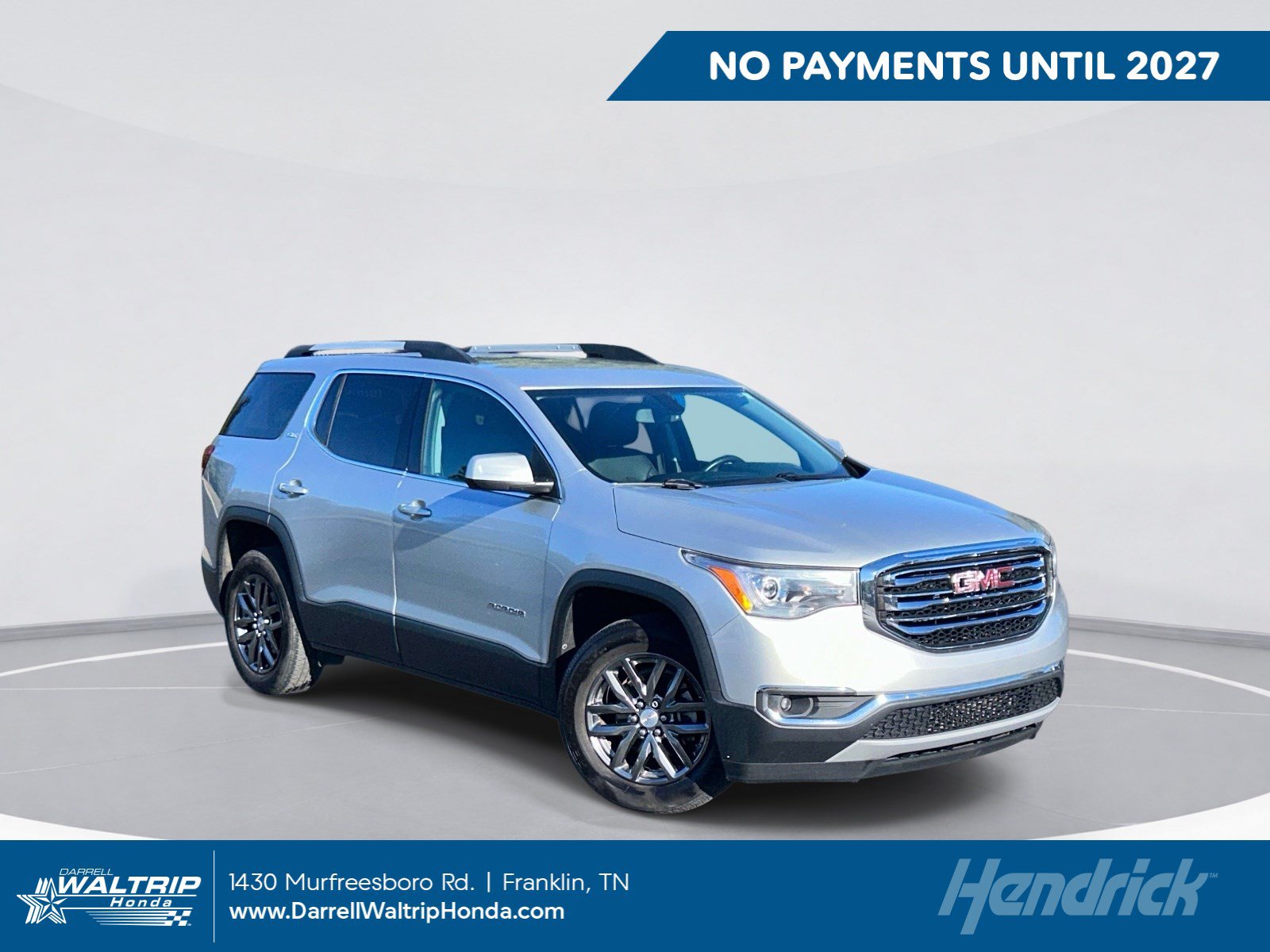
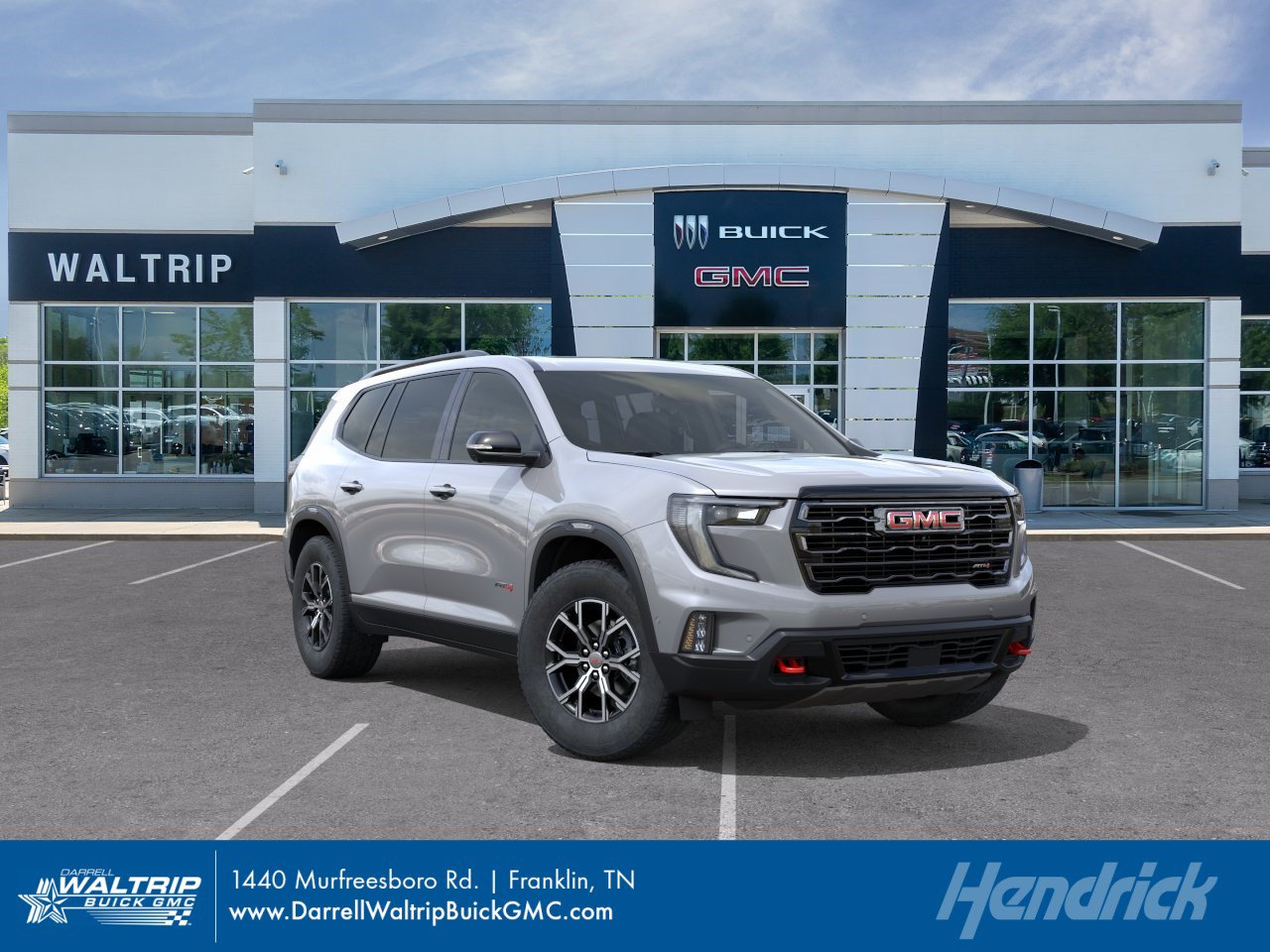
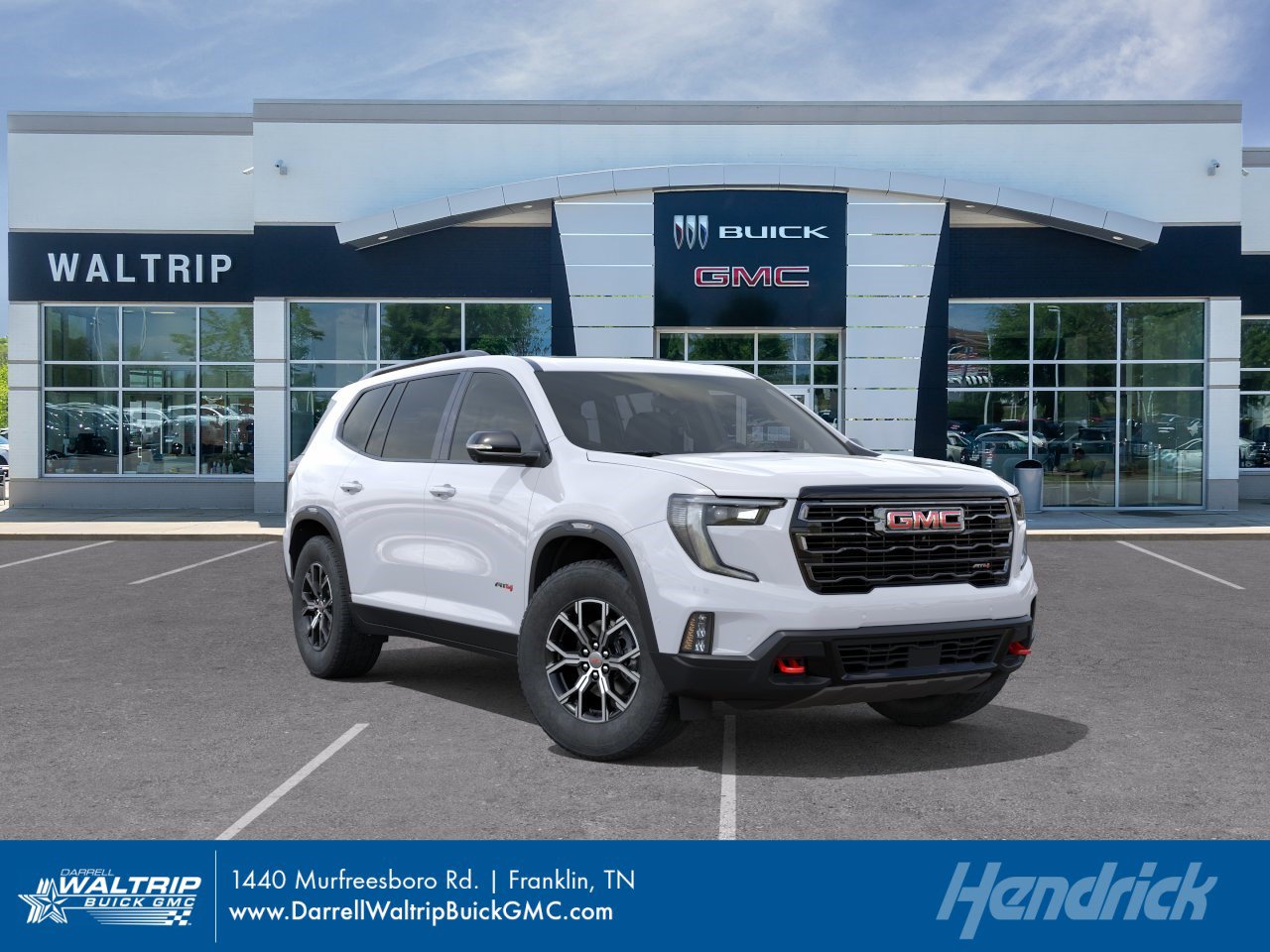
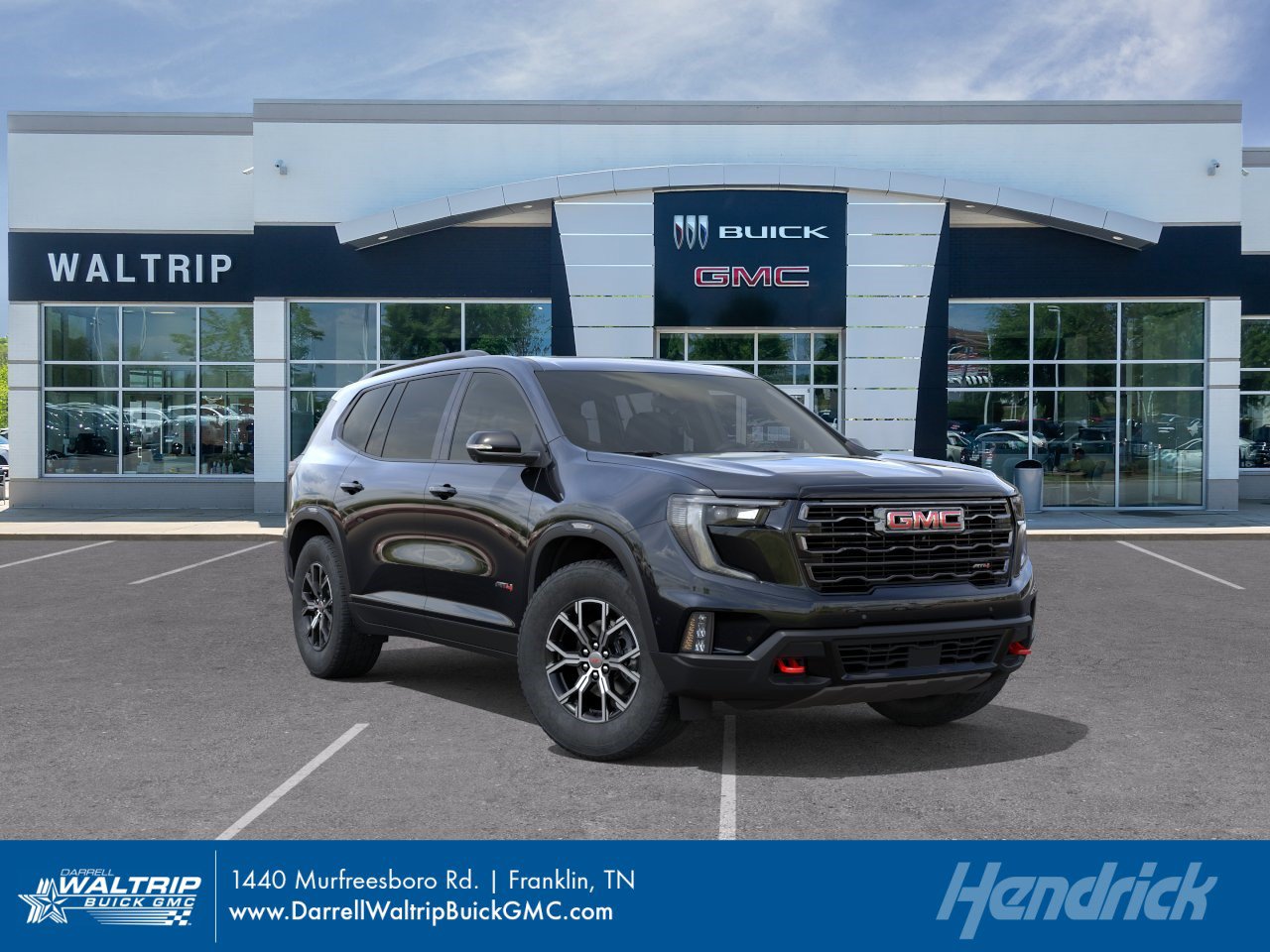
The GMC Acadia is a popular choice for families and daily drivers alike, offering a balanced blend of space, comfort, and capability. Whether you’re shopping in major cities or smaller towns, understanding the key aspects of the Acadia can help you decide which generation, trim, and configuration best fits your needs. In this guide, we’ll cover common questions buyers have about the GMC Acadia, including what to look for in terms of year, mileage, fuel type, body style, and price range.
One of the Acadia’s main strengths is its versatility. Available as a mid-size SUV with three-row seating, it accommodates growing families and those who need extra cargo space. Pros often cited include a comfortable ride, solid V6 performance in older models, and a user-friendly infotainment system. When considering a model, buyers typically weigh interior space, towing capability, ride quality, and long-term reliability.
The Acadia has seen several generations, each with distinct characteristics:
Fuel types commonly found include regular unleaded gasoline, with some earlier models offering flexible-fuel options. When selecting a model, you’ll want to consider cargo space, third-row usability, and how often you’ll use the vehicle for towing.
If you’re looking at used Acadia listings, here are practical checks:
Prices for the GMC Acadia vary by year, mileage, and trim. In many markets, you’ll find:
When comparing listings, use these practical criteria:
If you’re aiming to buy a GMC Acadia, assess your family’s space needs, towing plans, and daily drive patterns. A thoughtful comparison of generations and trims can help you find an Acadia that balances practicality with reliable performance.
 Add as preferred sourceSee more from zvelta in Google Search Add as preferred source