 EN
DEALER

36.235 US$DEALER
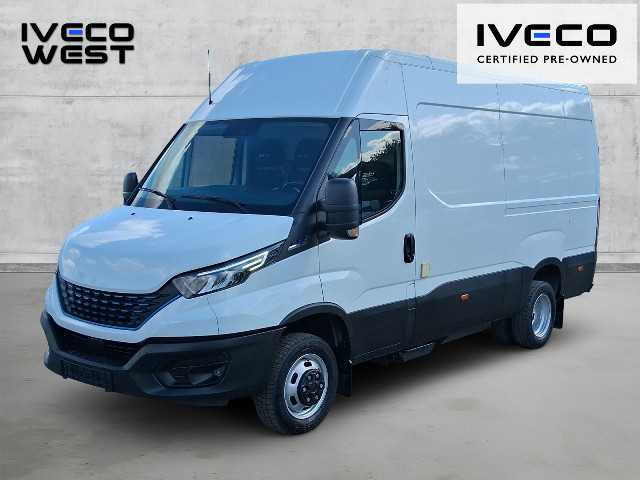
2020, gas, automatic, 42K km, Rear Wheels Drive, 136 hp

notadir.benni.is
 Reykjavík, IcelandReykjavík, Iceland

 SpainSpain
 Torreblanca de los Caños, Spain
 Belgium
 NetherlandsNetherlandsNetherlandsNetherlandsNetherlandsGeuzenveld, Netherlands
 FranceFranceFranceFranceFranceFranceFranceFrance
 GermanyWambel, Germany
 Horner, SwitzerlandHorner, Switzerland

 Estonia, HarjumaaEstonia, Harjumaa
Gasoline-powered cars remain a popular choice for many buyers who value straightforward maintenance, broad service networks, and strong resale value. If you’re looking to buy or sell a gasoline car, understanding the landscape by brand, model, generation, and configuration helps you make a smarter decision. This guide focuses on common gasoline options, covering body types like sedans, hatchbacks, and SUVs, and highlighting key details such as country and city availability, year, mileage, and typical price segments.
Choosing a gasoline car starts with identifying a few trusted brands and their popular models. Look for official generations that match your preferred year range and mileage. For example, compact sedans from mainstream brands often offer excellent fuel economy, while mid-size SUVs may balance space with reasonable fuel efficiency. When comparing, consider fuel economy, maintenance costs, and insurance impact.
Before you commit, inspect key factors that influence long-term value.
Whether you’re in a bustling city or a quieter region, gasoline cars offer a balanced mix of practicality and reliability. By focusing on brand, model, generation, and body type, you can narrow your choices effectively and move toward a confident buying or selling decision.
 Add as preferred sourceSee more from zvelta in Google Search Add as preferred source