 EN
ENDEALER
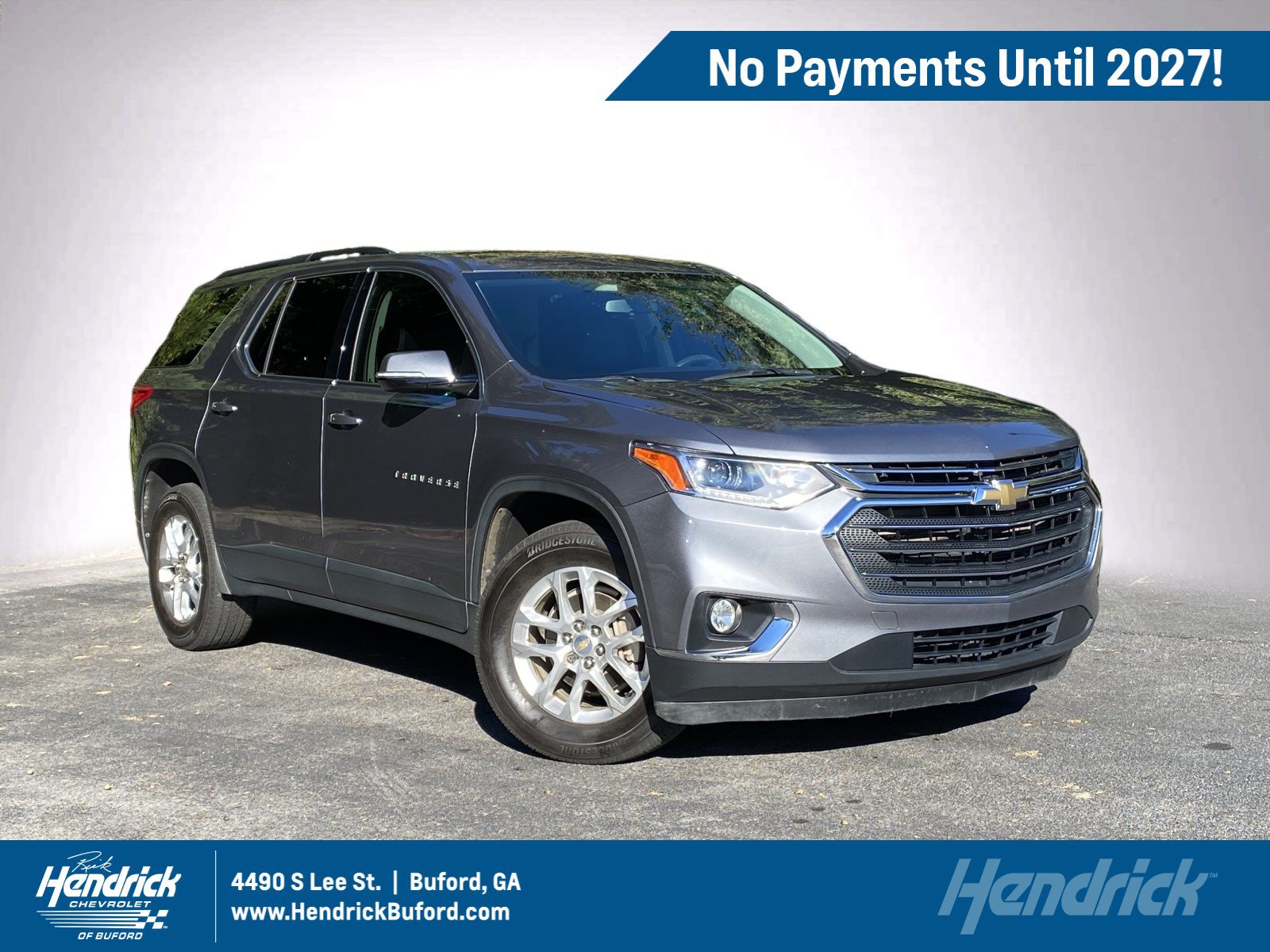
16.847 US$DEALER
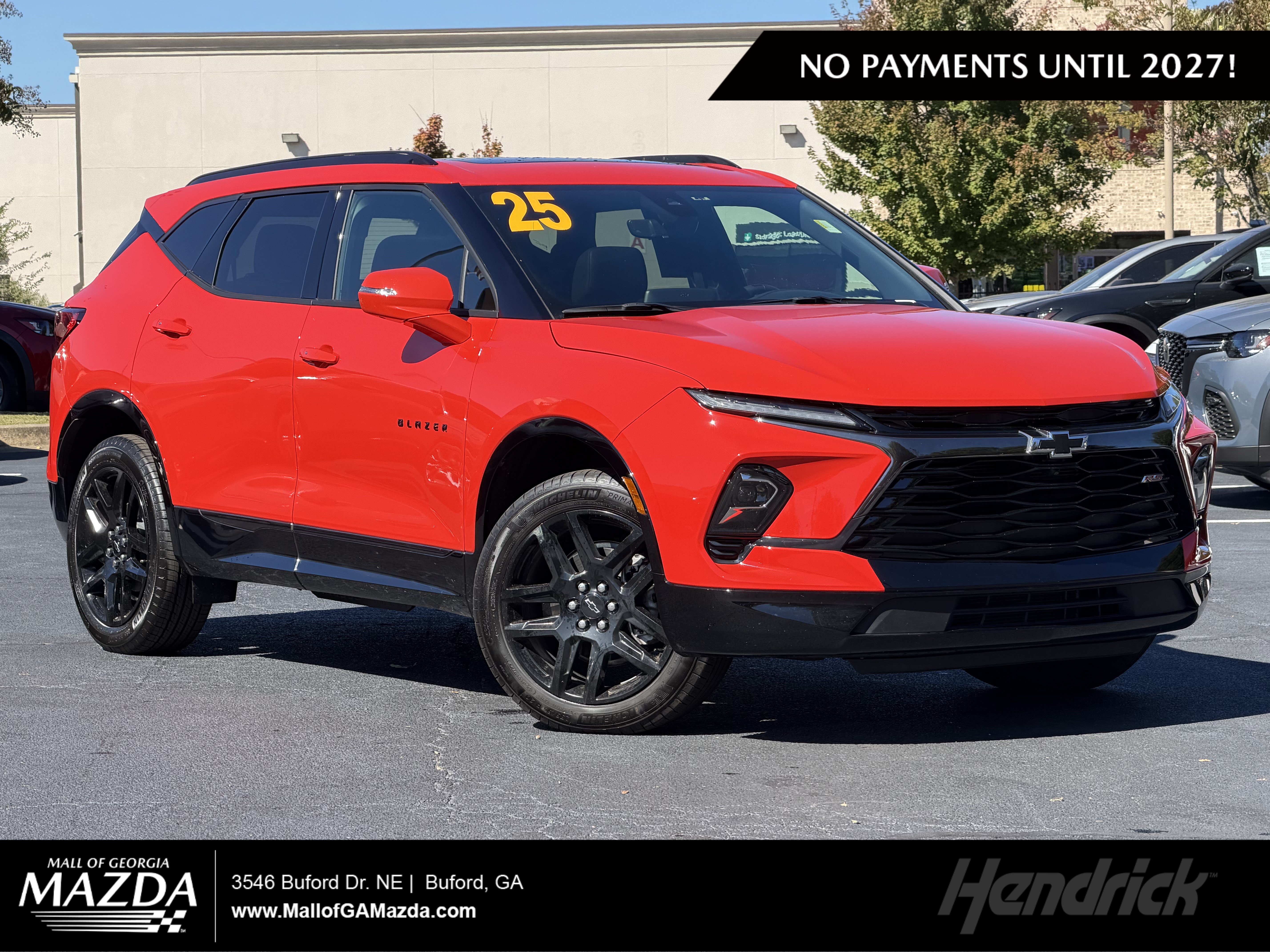
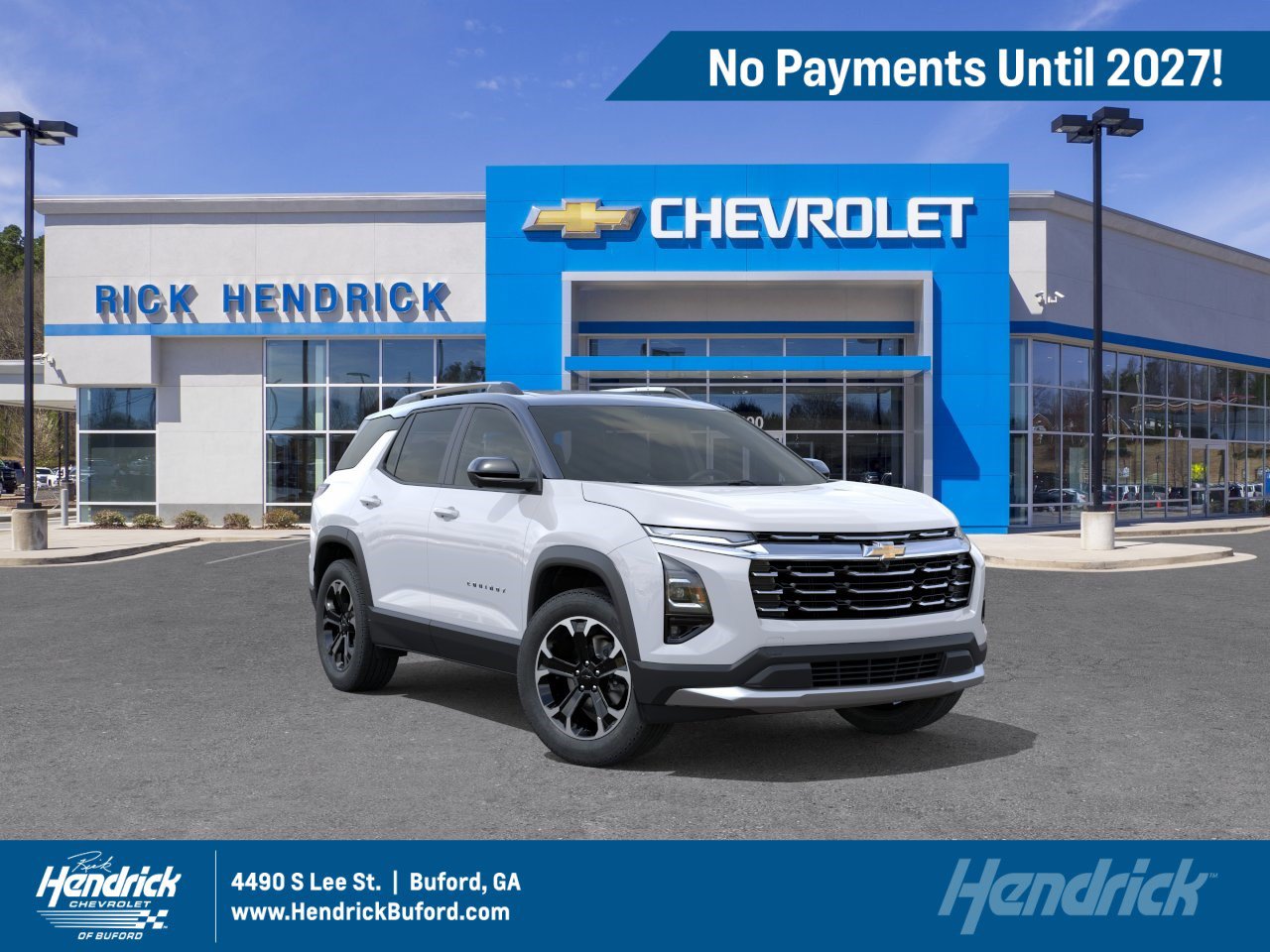
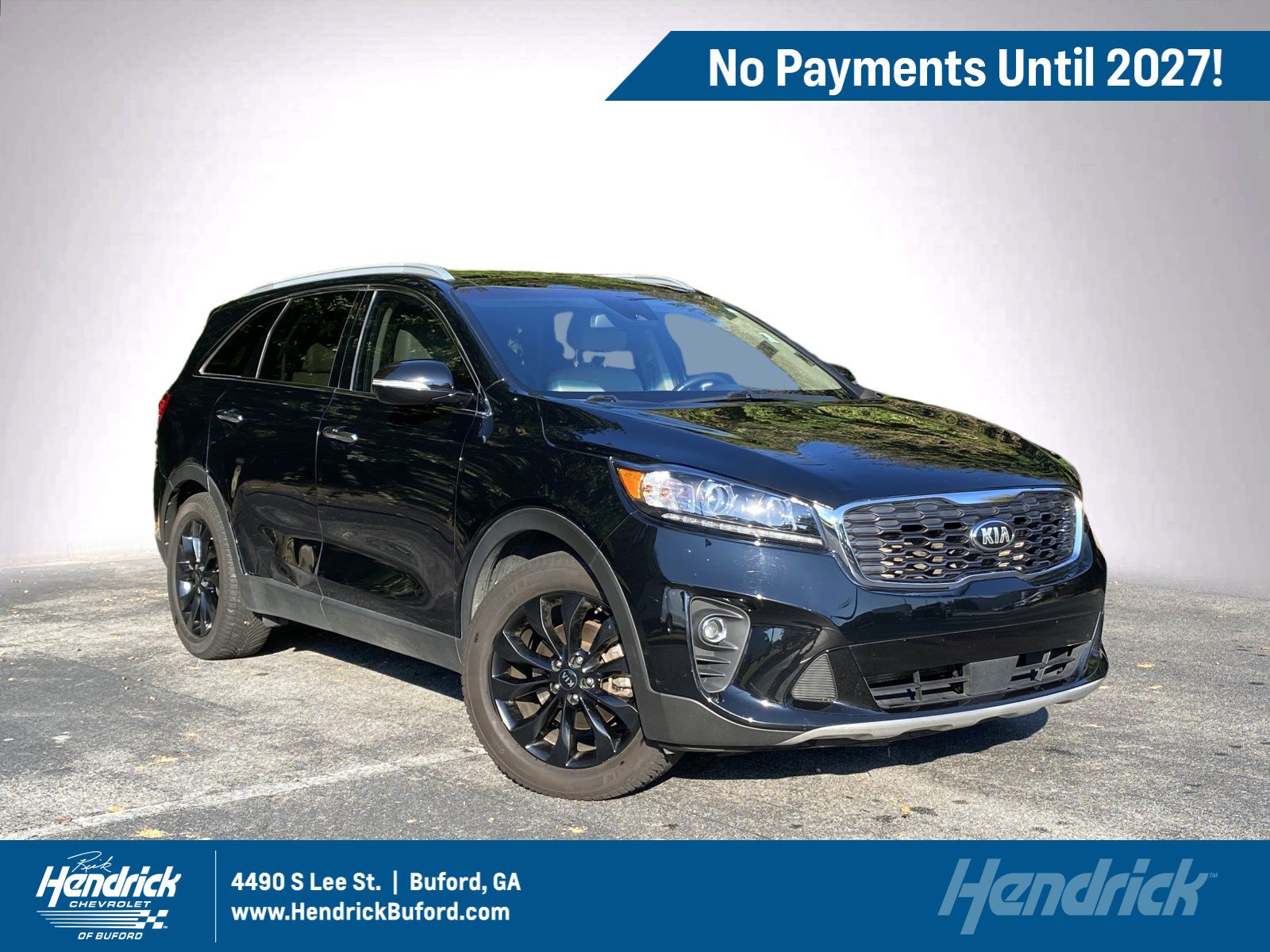
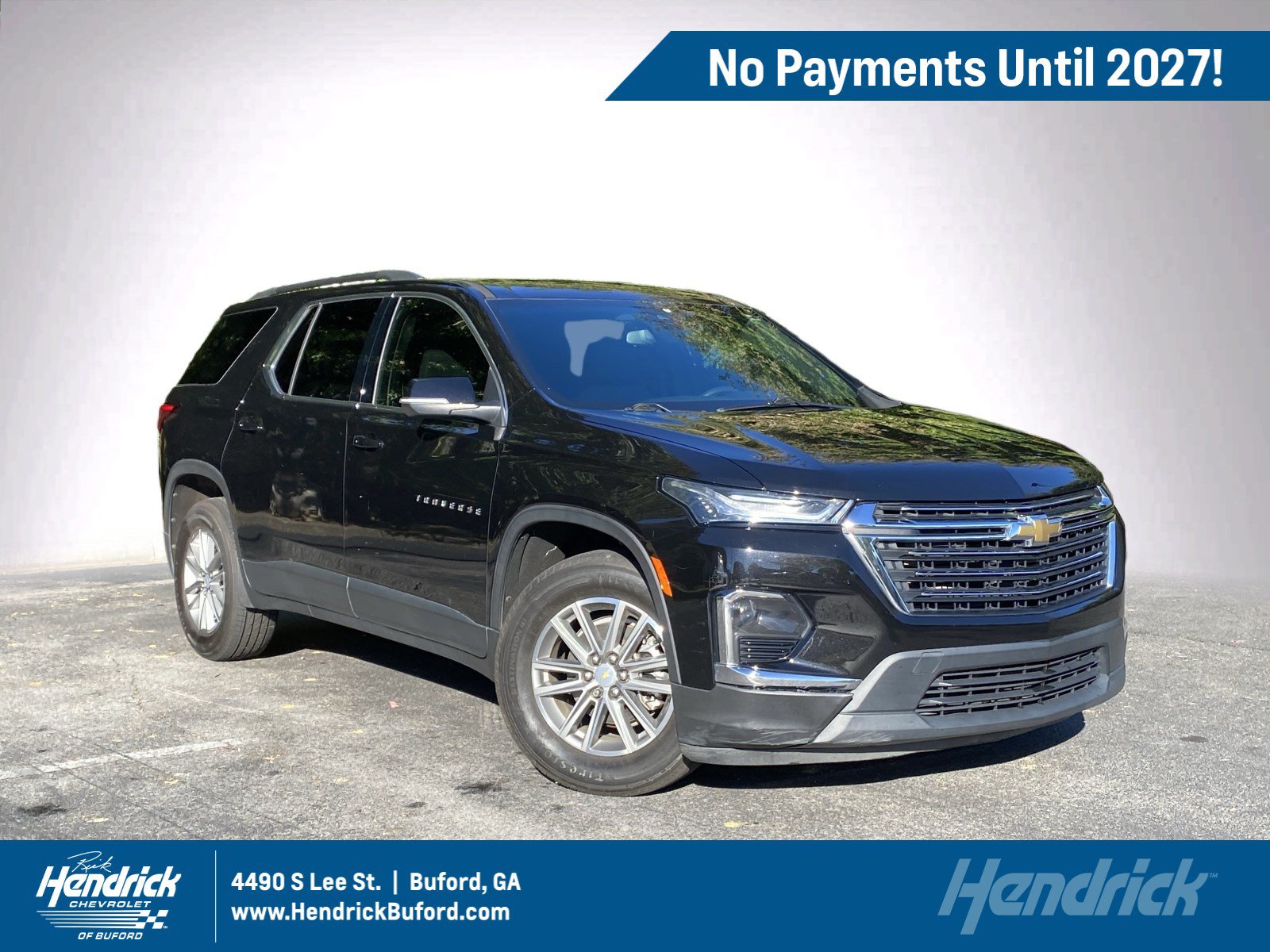
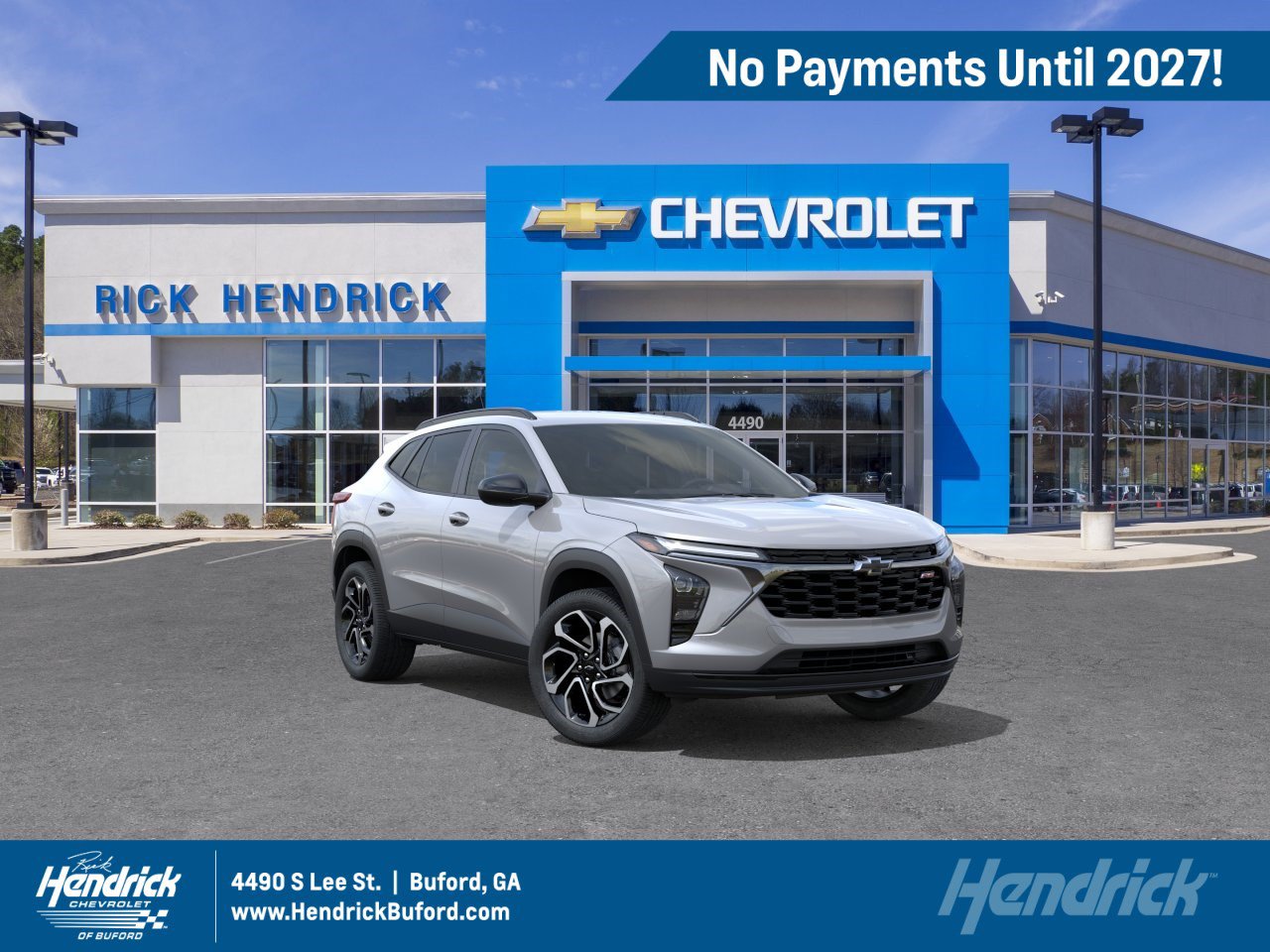
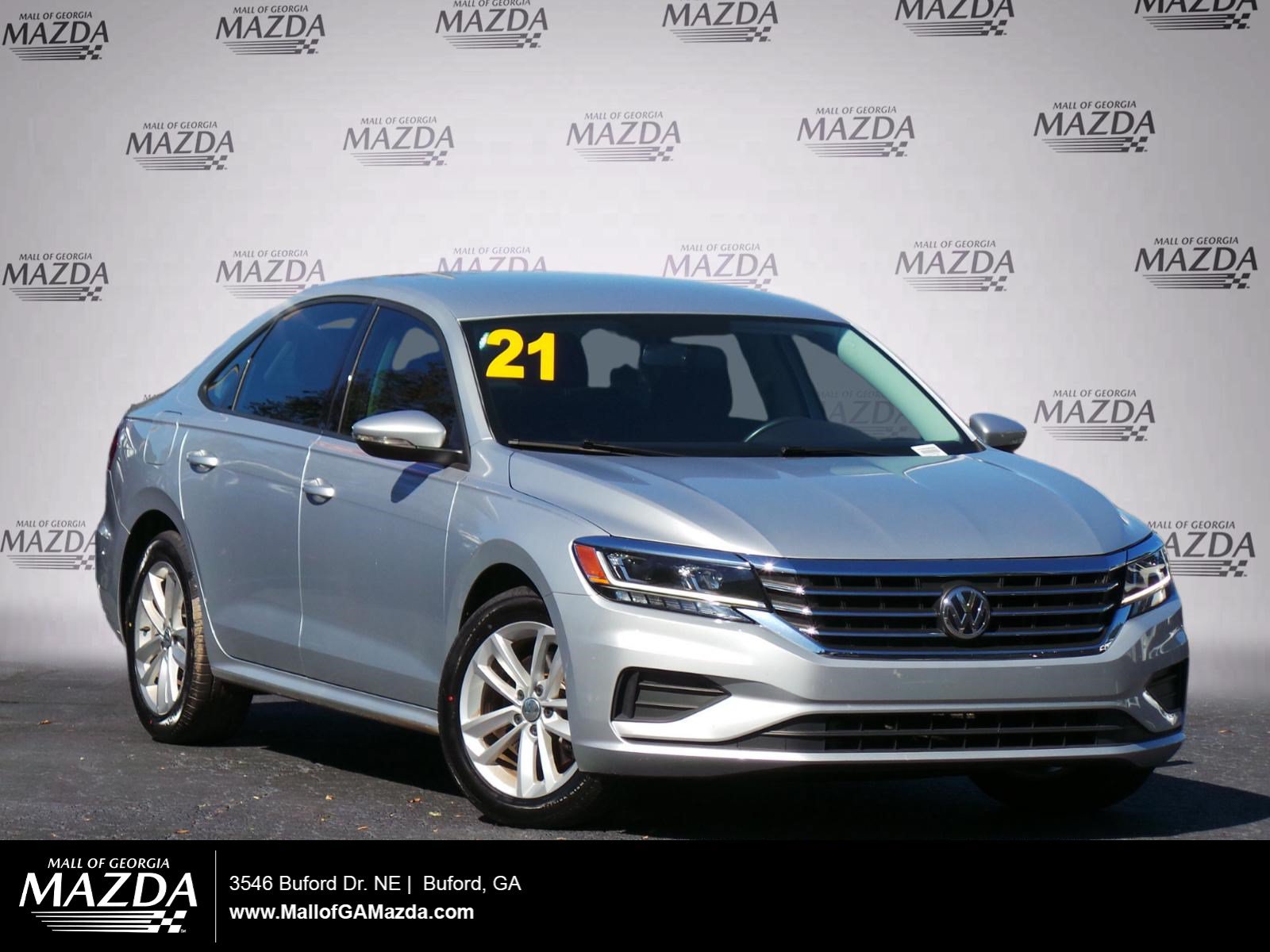
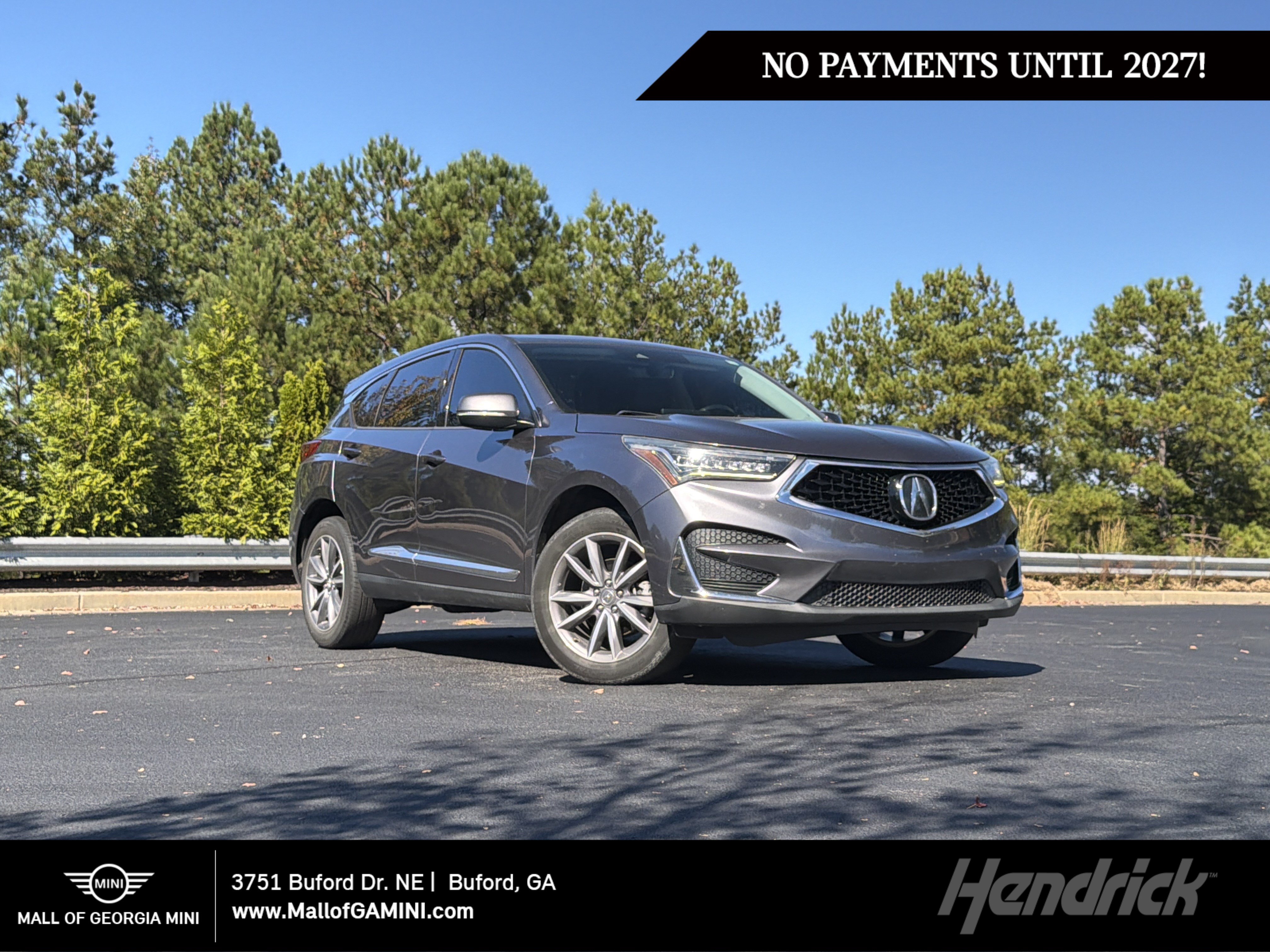
gasoline, automatic, 148K km, SUV, Front Wheels Drive, 3,600 cm3, 310 hp, silver, LT Cloth, Used condition, USA, In stock

HendrickCars.com
 Buford, United StatesBuford, United StatesBuford, United StatesBuford, United StatesBuford, United StatesBuford, United StatesBuford, United StatesBuford, United StatesBuford, United StatesBuford, United StatesBuford, United StatesBuford, United StatesBuford, United StatesBuford, United StatesBuford, United StatesBuford, United StatesBuford, United StatesBuford, United StatesBuford, United StatesBuford, United StatesBuford, United StatesBuford, United StatesBuford, United StatesBuford, United States
 Buford, United StatesBuford, United States
Front-wheel drive (FWD) vehicles are a popular choice for city driving thanks to efficient use of space and predictable handling in varying conditions. If you’re looking to buy or sell a car with FWD, you’ll want to compare brands, models, and generations across body types such as sedans, hatchbacks, and crossovers. This guide walks you through key considerations when evaluating a FWD car in your city, including price ranges, reliability expectations, and what configuration matters most for daily use.
When evaluating a vehicle with FWD, consider brand reputation, the model generation, and how the engine type aligns with your needs. For example, you’ll encounter gas and diesel options, plus hybrid variants that blend efficiency with performance. Note the year and mileage as important indicators of wear and remaining value. For many buyers, the value is found in compact sedans or hatchbacks that balance cargo space and fuel economy in urban environments.
Key factors include:
A practical approach is to shortlist 2–3 models and run a side‑by‑side comparison focused on:
When selling a FWD car, highlight recent maintenance, clean records, and any upgrades. Present clear photos, a complete service history, and a transparent mileage claim to build buyer trust. For buyers, request a full diagnostic check and road test to verify handling, braking, and suspension quality. By focusing on practical concerns and long-term value, you’ll navigate the market confidently.
 Add as preferred sourceSee more from zvelta in Google Search Add as preferred source